Cryptosporidium Cryptosporidiosis Cryptosporidium spp. . Members of the genus Cryptosporidium infect epithelial surfaces, especially those along the gut, and can be found in a wide range of vertebrates, including humans. Phylum:
"Cryptosporidium & Cryptosporidiosis" is the property of its rightful owner. Permission is granted to
download and print the materials on this website for personal, non-commercial use only, and to display it
on your personal computer provided you do not modify the materials and that you retain all copyright
notices contained in the materials. By downloading content from our website, you accept the terms of this
agreement.
Presentation Transcript
01
Cryptosporidium & Cryptosporidiosis<br>
02
Cryptosporidium spp. . Members of the genus Cryptosporidium infect epithelial surfaces, especially those along the gut, and can be found in a wide range of vertebrates, including humans.
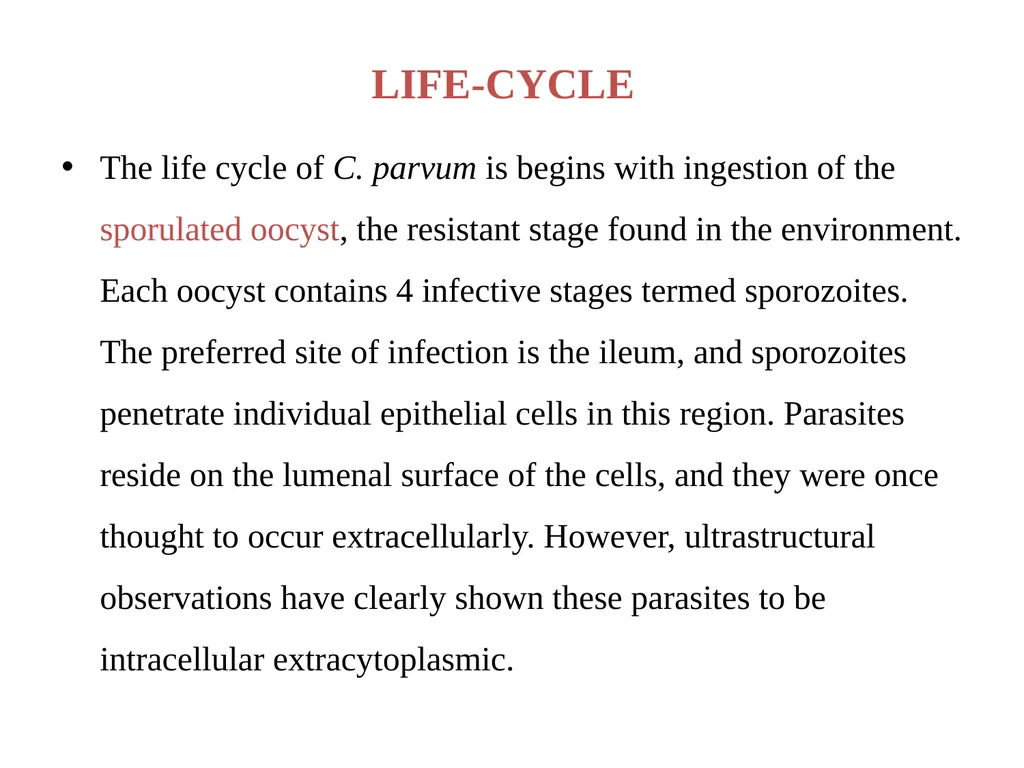
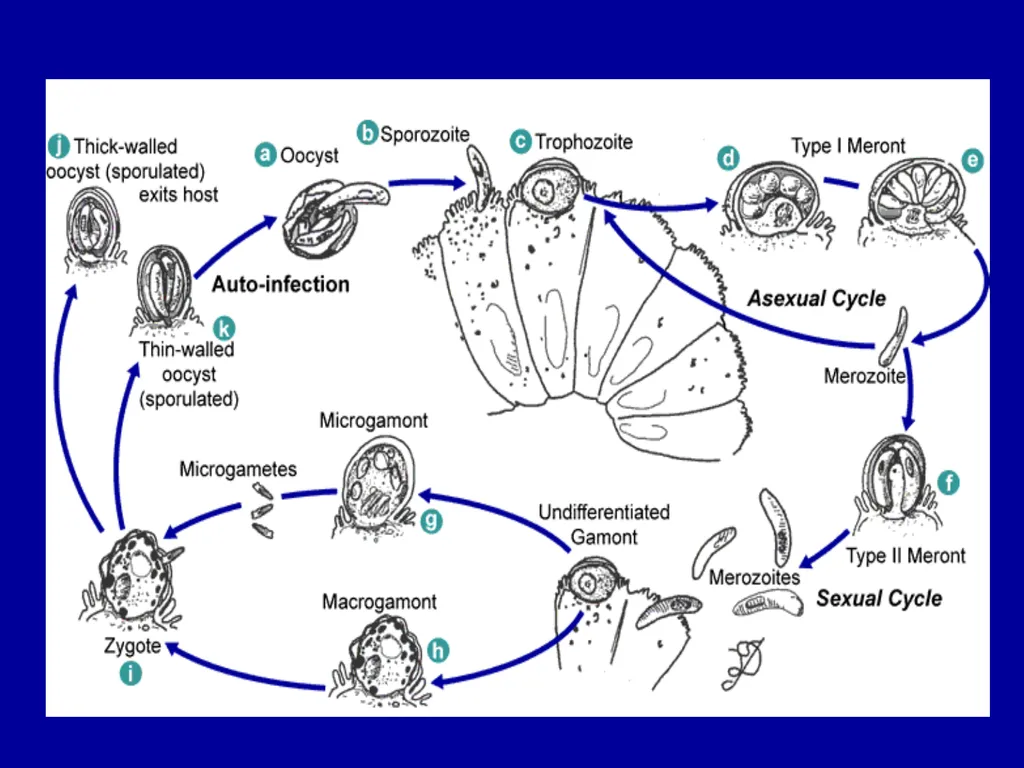
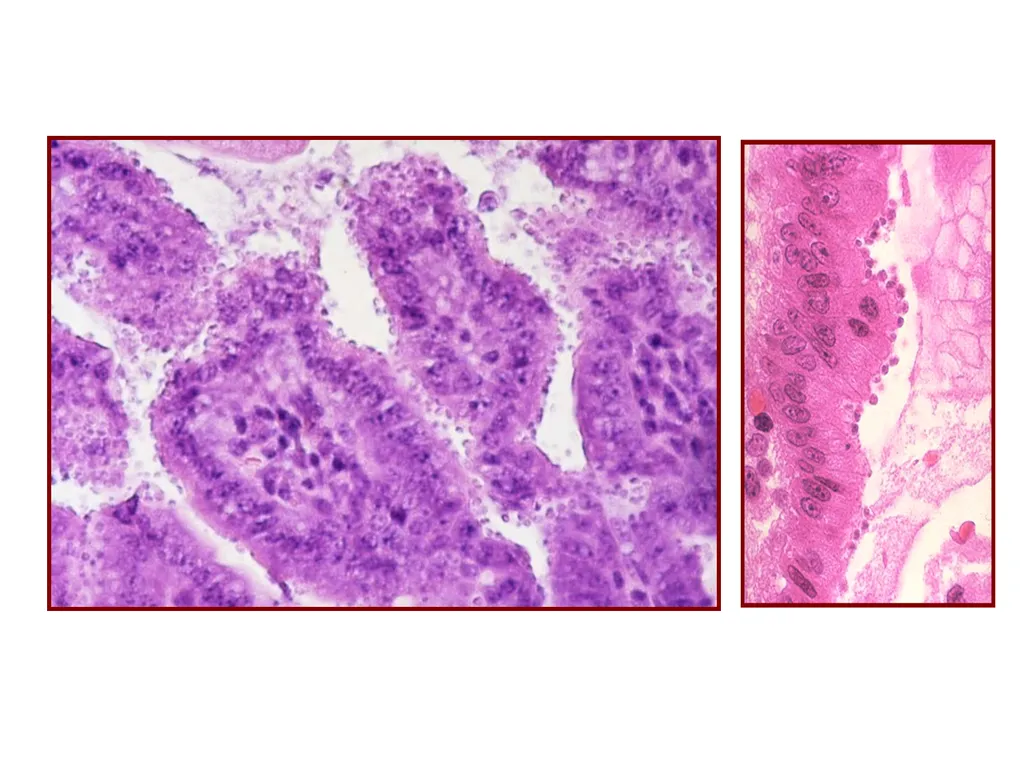
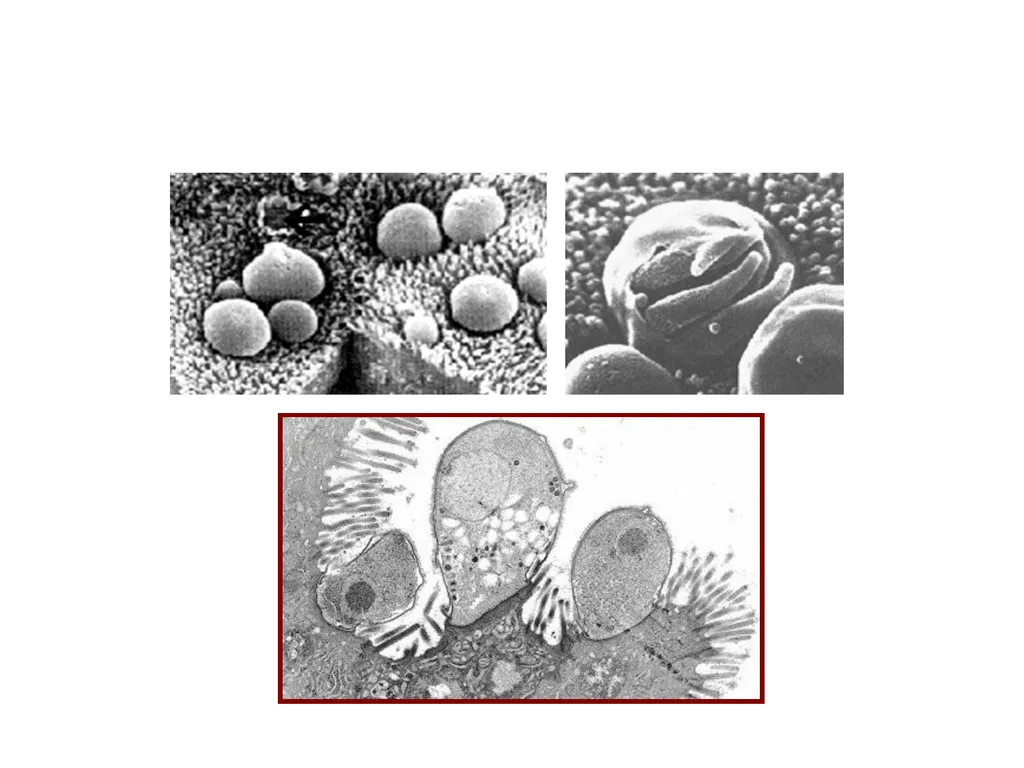
LIFE-CYCLE The life cycle of C. parvum is begins with ingestion of the sporulated oocyst, the resistant stage found in the environment. Each oocyst contains 4 infective stages termed sporozoites. The preferred site of infection is the ileum, and sporozoites penetrate individual epithelial cells in this region. Parasites reside on the lumenal surface of the cells, and they were once thought to occur extracellularly. However, ultrastructural observations have clearly shown these parasites to be intracellular extracytoplasmic.<br>
04
LIFE CYCLE<br>
05
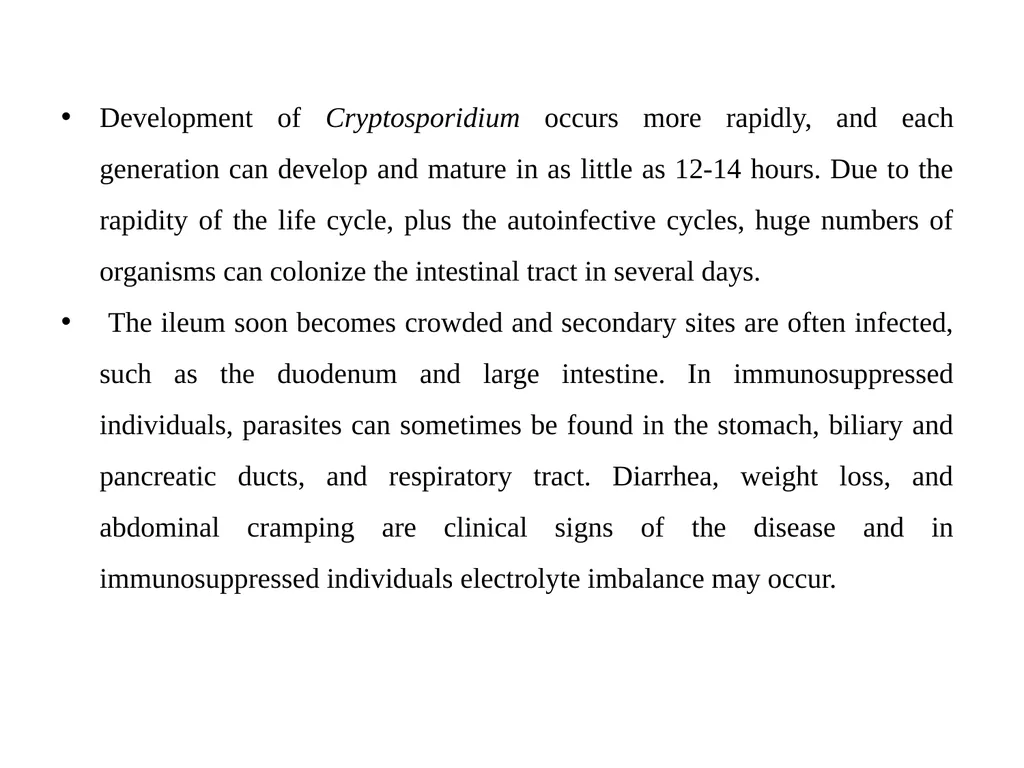
Development of Cryptosporidium occurs more rapidly, and each generation can develop and mature in as little as 12-14 hours. Due to the rapidity of the life cycle, plus the autoinfective cycles, huge numbers of organisms can colonize the intestinal tract in several days.
The ileum soon becomes crowded and secondary sites are often infected, such as the duodenum and large intestine. In immunosuppressed individuals, parasites can sometimes be found in the stomach, biliary and pancreatic ducts, and respiratory tract. Diarrhea, weight loss, and abdominal cramping are clinical signs of the disease and in immunosuppressed individuals electrolyte imbalance may occur.<br>
06
C. parvum infects the small intestine of an unusually wide range of mammals, including humans, and is the zoonotic species responsible for approximately one-half of human cryptosporidiosis A single calf can easily produce 50 billion oocysts within a period of one week.<br>
07
Cryptosporidiosis Etiology
Cryptosporidiosis results from infection by Cryptosporidium parvum, a coccidian parasite. This organism is an obligate intracellular pathogen.
Geographic Distribution
Cryptosporidiosis occurs worldwide.<br>
08
Transmission Transmission is usually by the fecal–oral route
Sporulated oocysts are shed in the feces and are immediately infectious; they may survive for 2 to 6 months in a moist environment. Direct transmission between animals or humans is common. An estimated 50% of dairy calves shed oocysts; calves often spread cryptosporidiosis to each other or to humans. Infections have also been documented in 10% of the puppies in at least one shelter; however, transmission from household pets to humans is rare and poorly documented. Transmission also occurs on fomites and contaminated food or water can result in outbreaks<br>
09
Disinfection C. parvum is resistant to most disinfectants including a 3% hypochlorite solution. Heating to 65°C for 30 minutes, or an 18–hour exposure to 5% ammonia, 10% formol saline or 3% hydrogen peroxide can reduce infectivity. In the environment, oocysts may be killed with a 5% ammonia solution or by desiccation.<br>
10
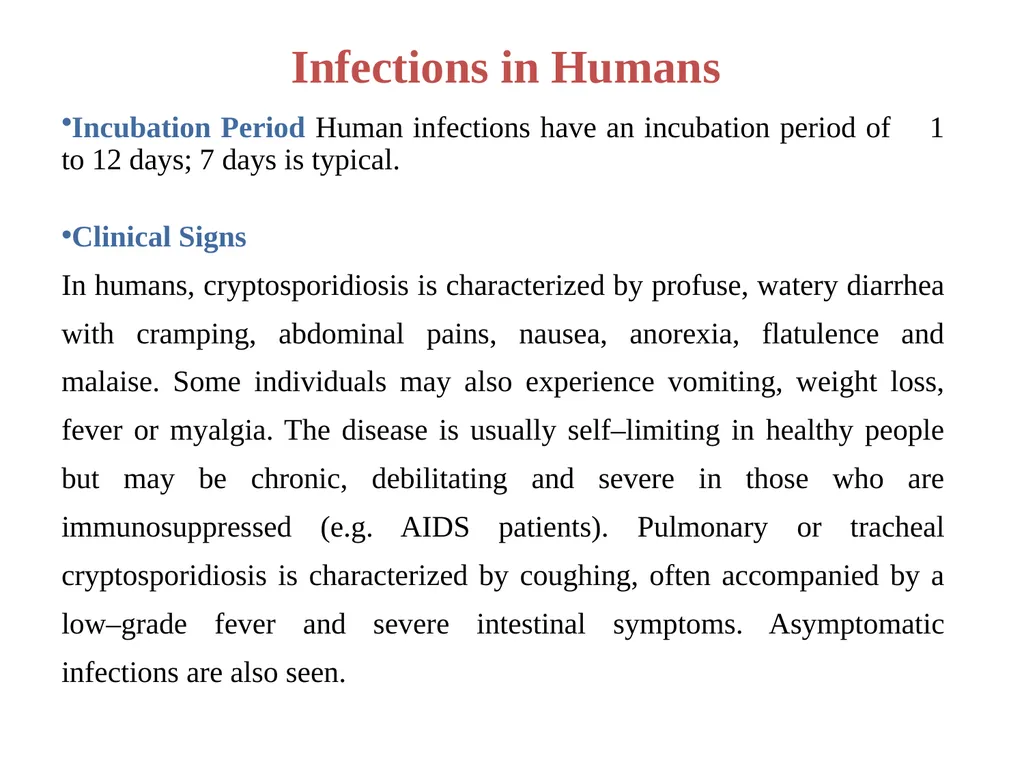
Infections in Humans Incubation Period Human infections have an incubation period of 1 to 12 days; 7 days is typical.
Clinical Signs
In humans, cryptosporidiosis is characterized by profuse, watery diarrhea with cramping, abdominal pains, nausea, anorexia, flatulence and malaise. Some individuals may also experience vomiting, weight loss, fever or myalgia. The disease is usually self–limiting in healthy people but may be chronic, debilitating and severe in those who are immunosuppressed (e.g. AIDS patients). Pulmonary or tracheal cryptosporidiosis is characterized by coughing, often accompanied by a low–grade fever and severe intestinal symptoms. Asymptomatic infections are also seen.<br>
11
Communicability
Sporulated oocysts are shed in the feces throughout the illness and for several weeks afterward. Children wearing diapers often spread the disease in day care centers. Caregivers nursing ill persons are also at an increased risk of infection.<br>
12
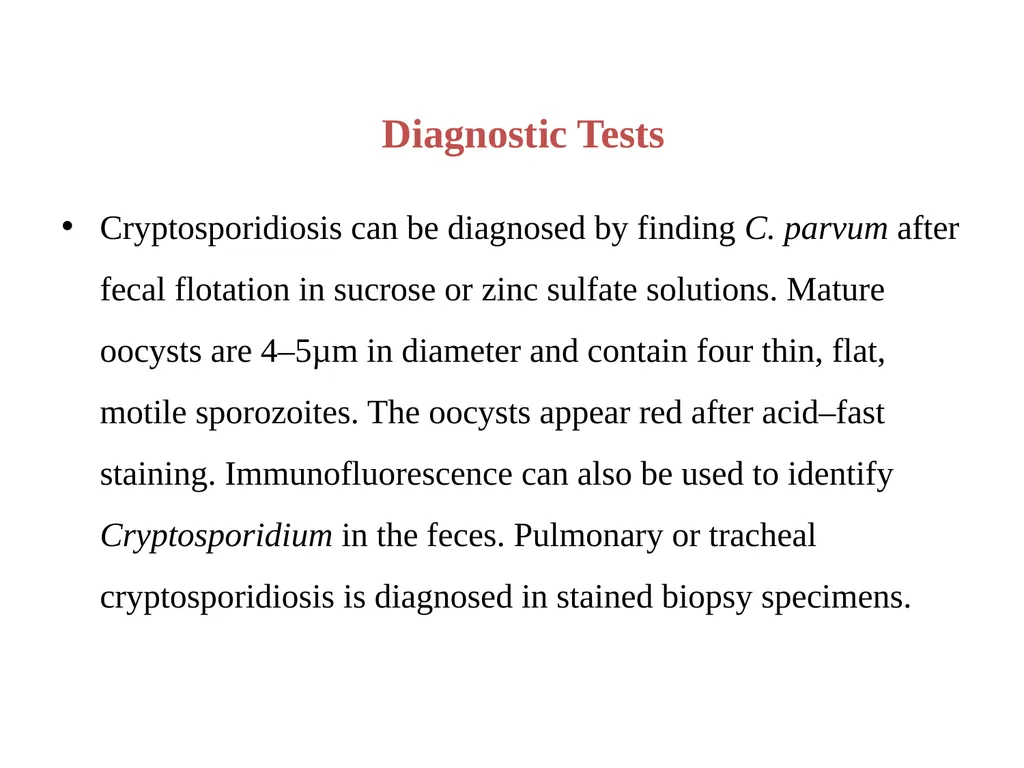
Diagnostic Tests Cryptosporidiosis can be diagnosed by finding C. parvum after fecal flotation in sucrose or zinc sulfate solutions. Mature oocysts are 4–5µm in diameter and contain four thin, flat, motile sporozoites. The oocysts appear red after acid–fast staining. Immunofluorescence can also be used to identify Cryptosporidium in the feces. Pulmonary or tracheal cryptosporidiosis is diagnosed in stained biopsy specimens.<br>
13
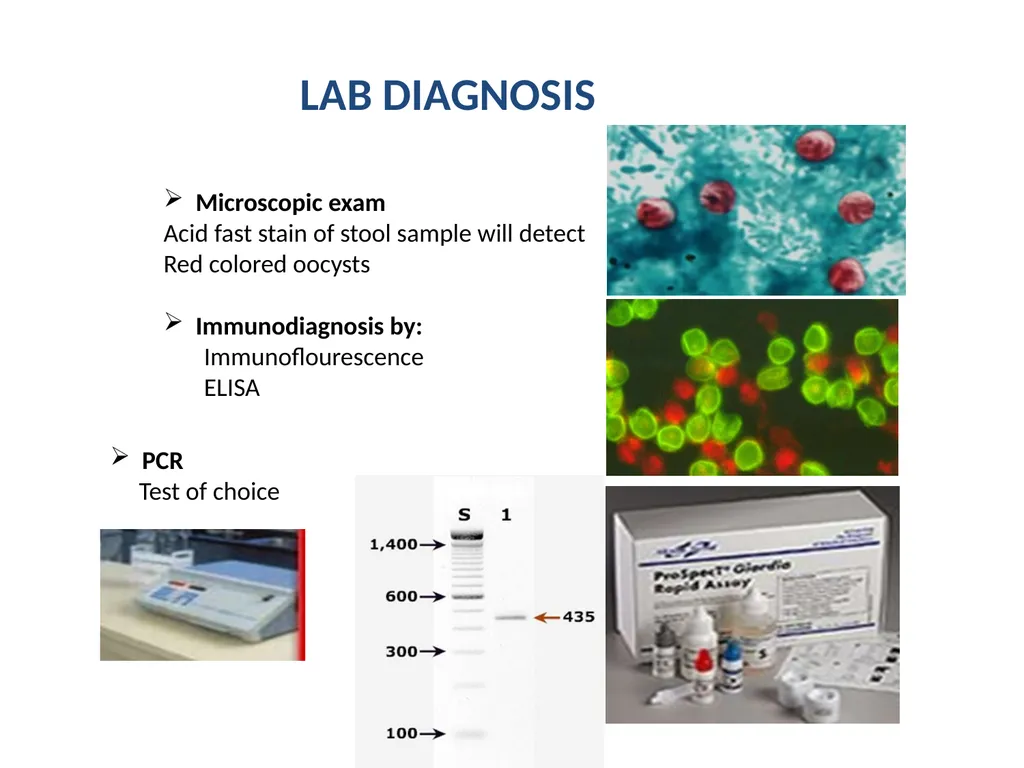
LAB DIAGNOSIS Microscopic exam
Acid fast stain of stool sample will detect
Red colored oocysts Immunodiagnosis by:
Immunoflourescence
ELISA PCR
Test of choice<br>
14
Treatment and Vaccination Other than supportive care, there is no treatment. Vaccines are not available Morbidity and Mortality Worldwide; the prevalence is 1 to 4.5% in developed countries and 3 to 20% in developing countries. In healthy people the infection is usually self–limiting and resolves after 2 to 4 days; however, episodes of diarrhea lasting 1 to 4 weeks have been seen at some day care centers. Lifelong symptomatic infections may develop in immunosuppressed individuals, particularly AIDS patients; these infections may be debilitating and contribute to death. Estimated infection rates in AIDS patients range from 50 to 60% in Africa and Haiti.<br>