
Environmental Studies UNIT I Definition



Description: Environmental Studies UNIT I Definition Environmental Protection Act1986 Environment as the sum total water, air and land, their interrelationship among themselves and with the human beings, other living beings and property Scope 1.
Related Topics
Download Presentation
"Environmental Studies UNIT I Definition" is the property of its rightful owner. Permission is granted to download and print the materials on this website for personal, non-commercial use only, and to display it on your personal computer provided you do not modify the materials and that you retain all copyright notices contained in the materials. By downloading content from our website, you accept the terms of this agreement.
Presentation Transcript
slide1. Environmental Studies UNIT I<br>
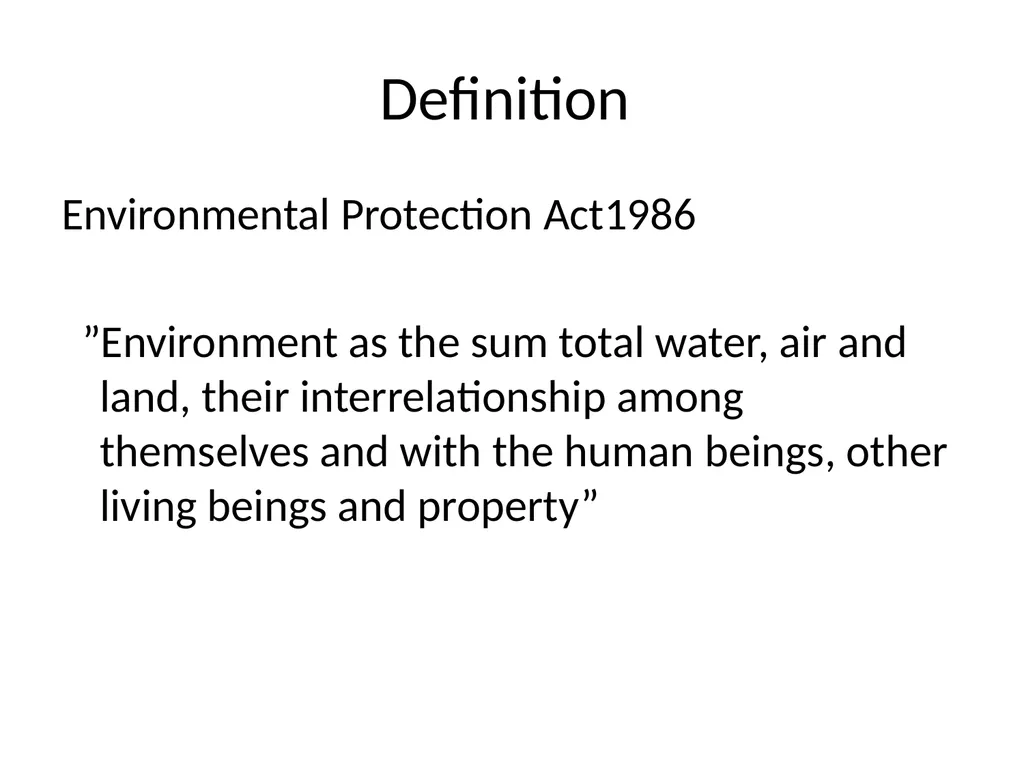
slide2. Definition Environmental Protection Act1986
”Environment as the sum total water, air and land, their interrelationship among themselves and with the human beings, other living beings and property”<br>
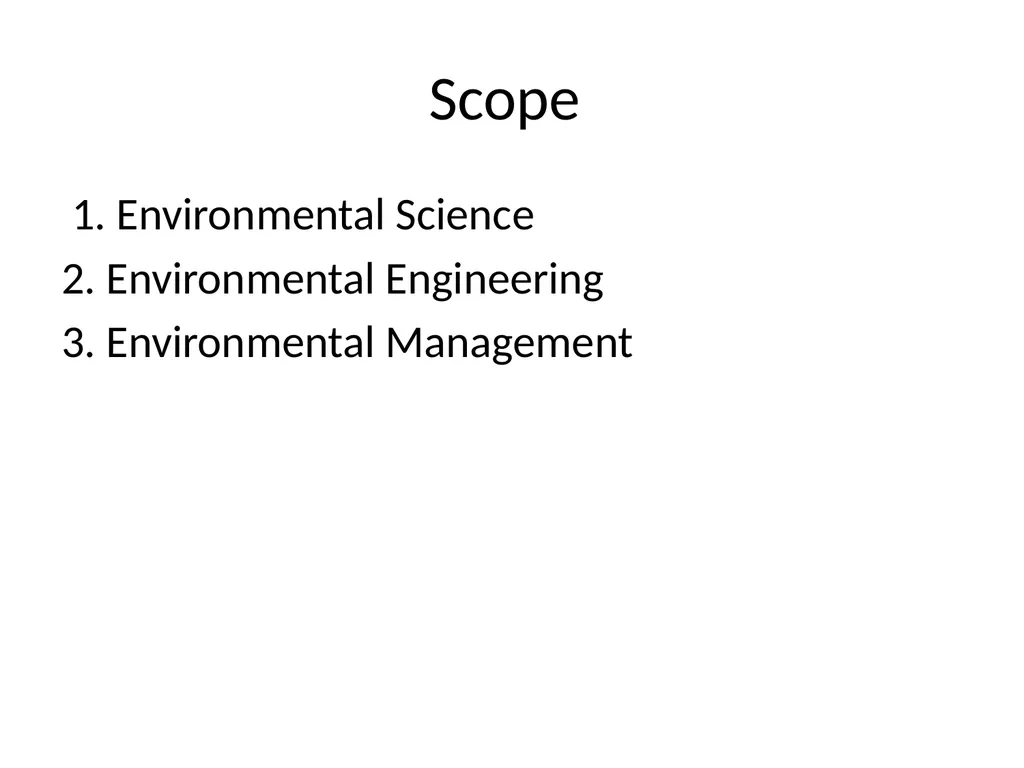
slide3. Scope 1. Environmental Science
2. Environmental Engineering
3. Environmental Management<br>
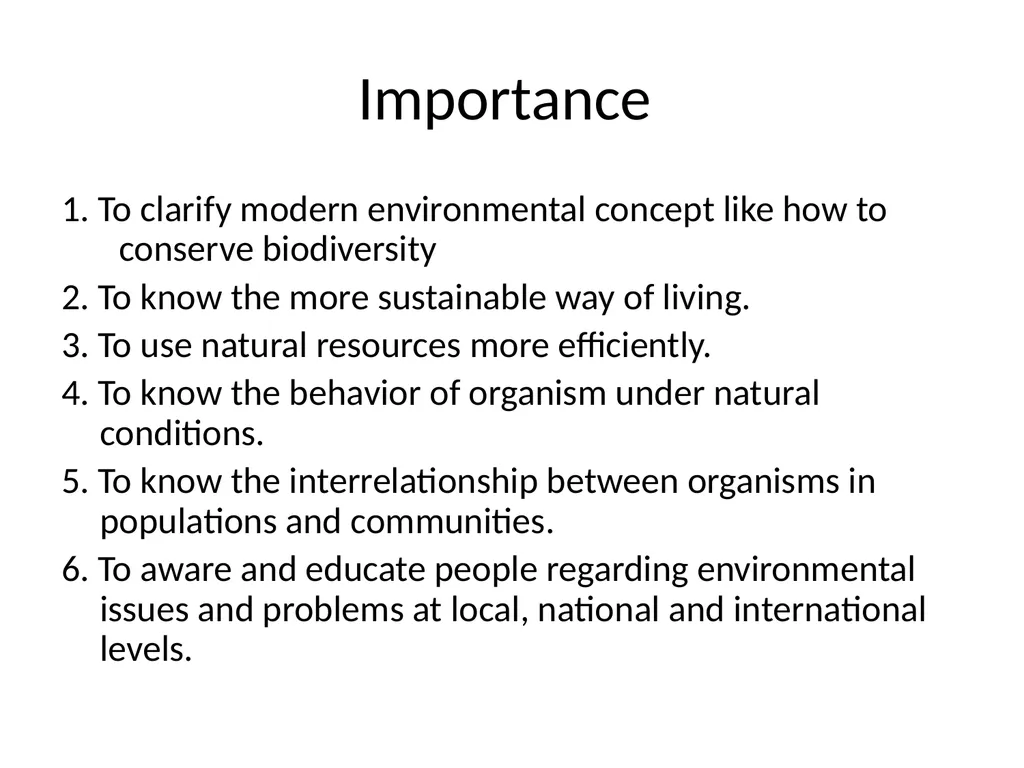
slide4. Importance 1. To clarify modern environmental concept like how to conserve biodiversity
2. To know the more sustainable way of living.
3. To use natural resources more efficiently.
4. To know the behavior of organism under natural conditions.
5. To know the interrelationship between organisms in populations and communities.
6. To aware and educate people regarding environmental issues and problems at local, national and international levels.<br>
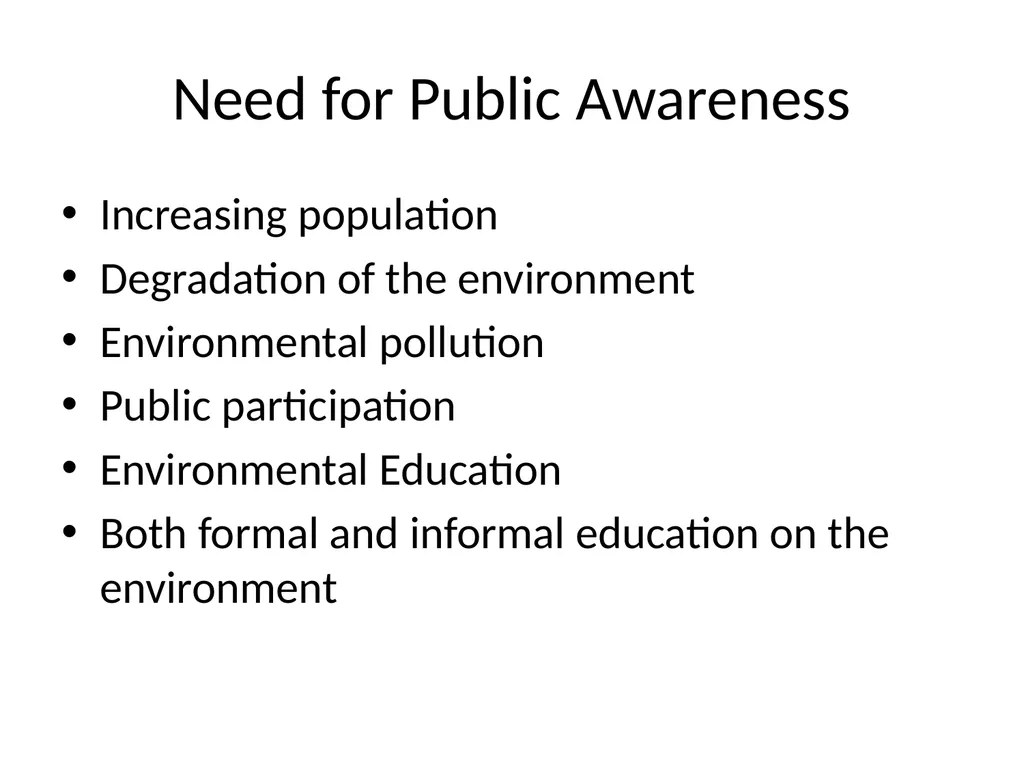
slide5. Need for Public Awareness Increasing population
Degradation of the environment
Environmental pollution
Public participation
Environmental Education
Both formal and informal education on the environment<br>
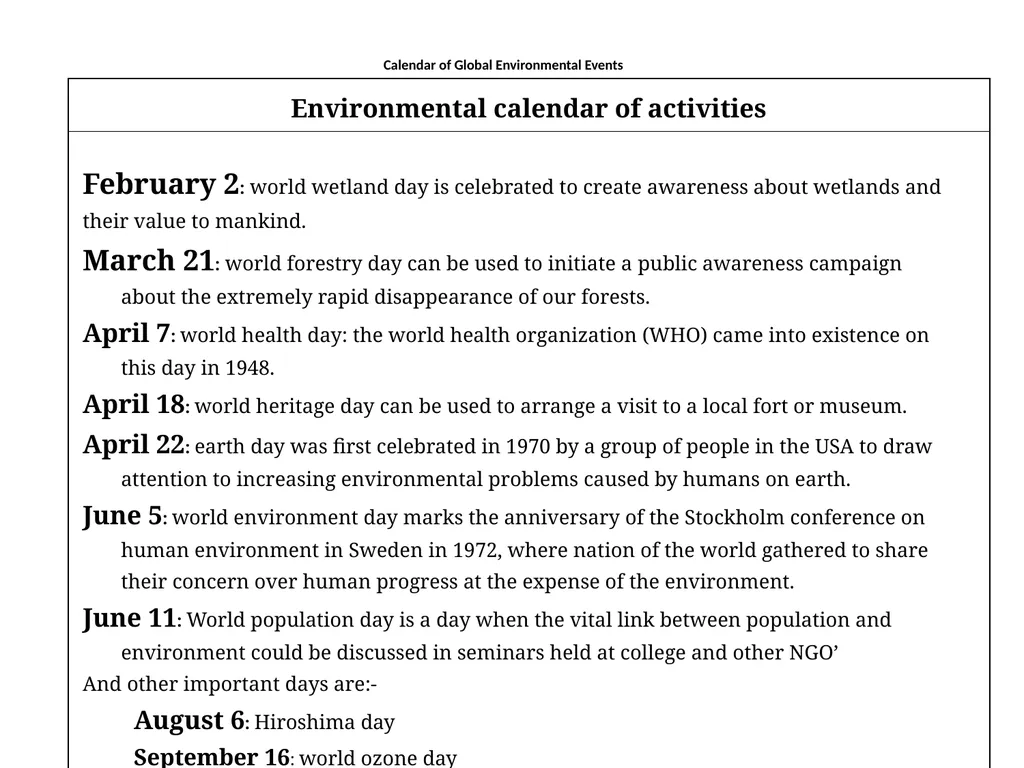
slide6. Calendar of Global Environmental Events<br>
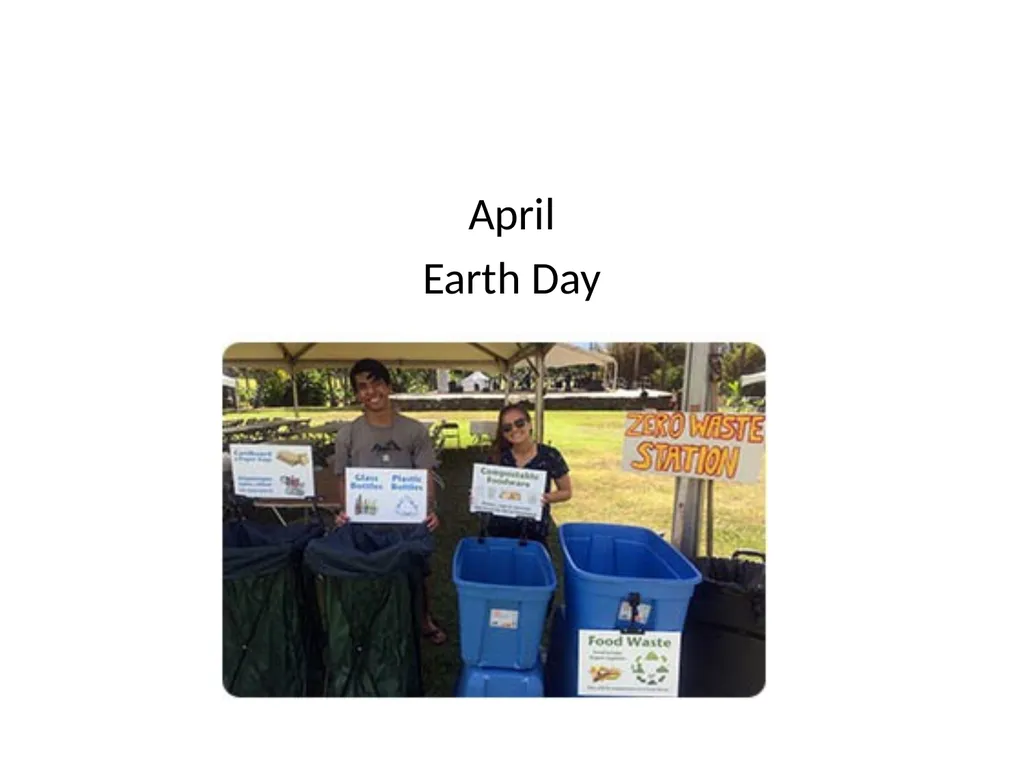
slide7. April
Earth Day<br>
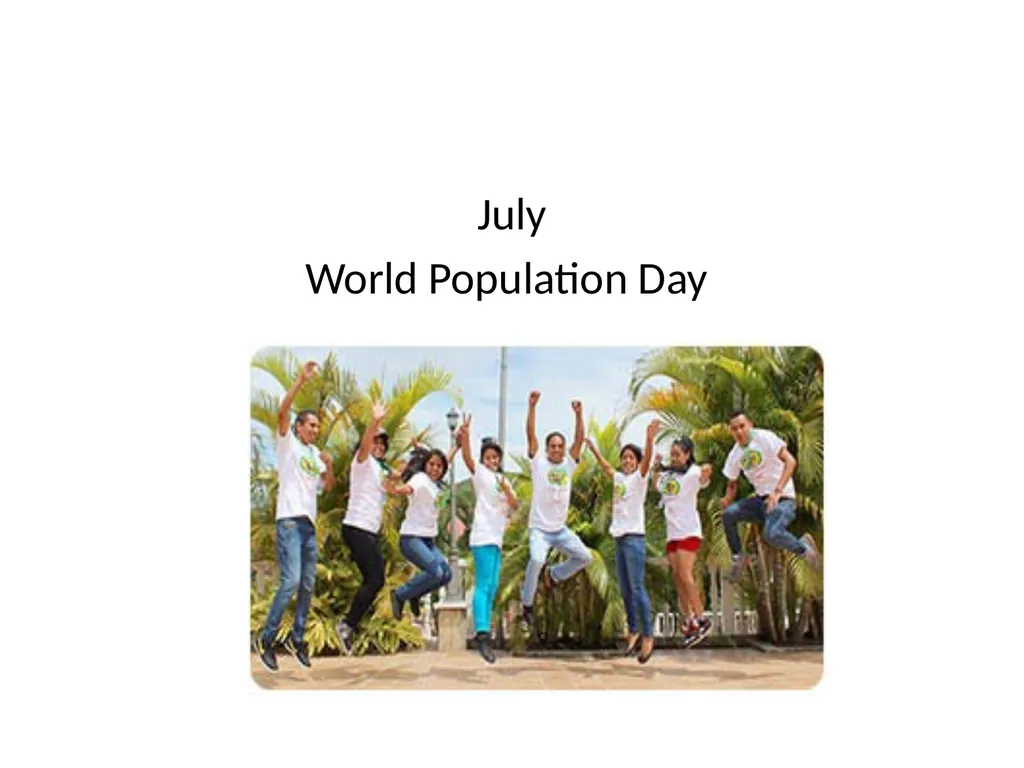
slide8. July
World Population Day<br>
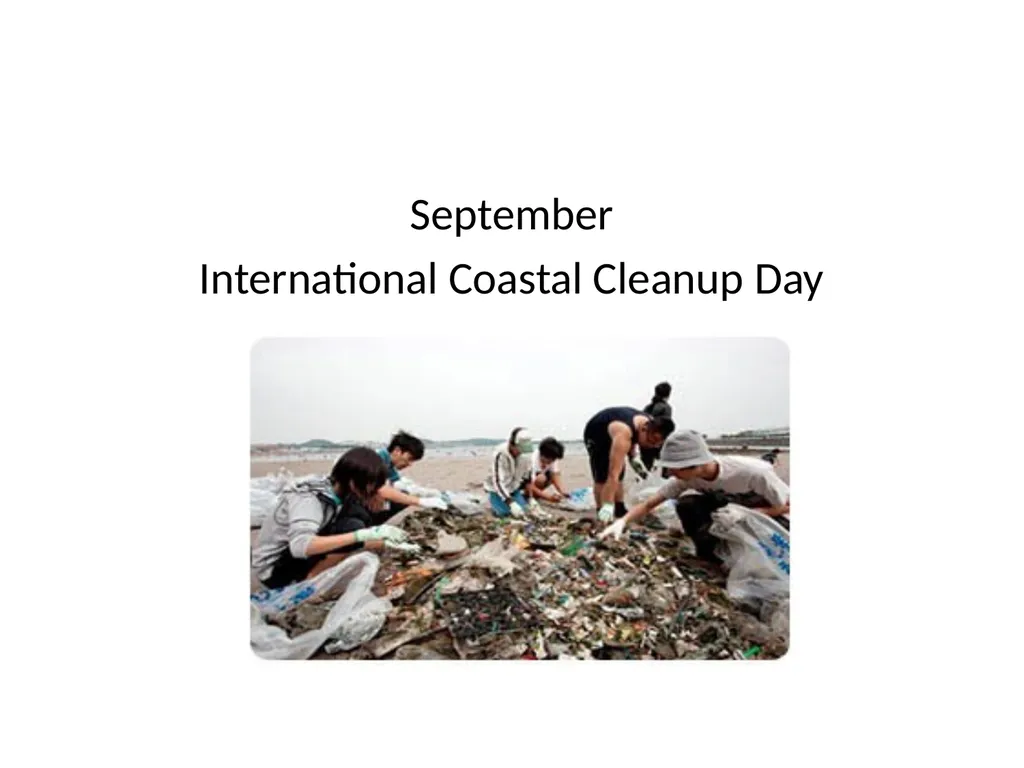
slide9. September
International Coastal Cleanup Day<br>
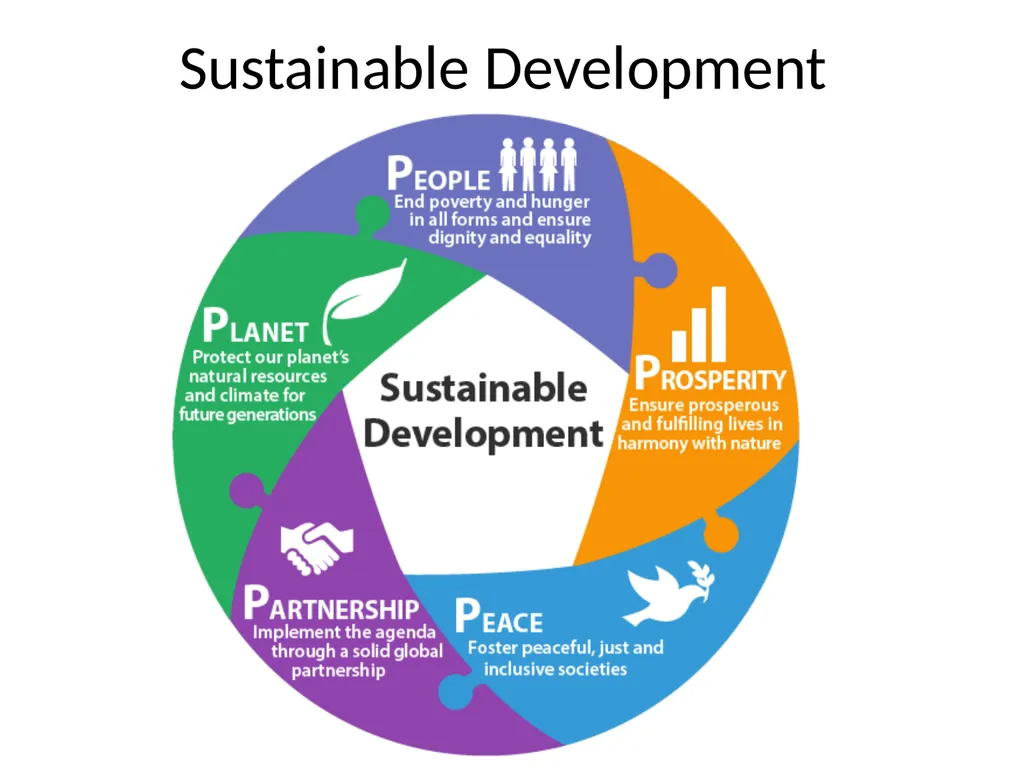
slide10. Sustainable Development<br>
slide11. Unsustainable To Sustainable Development "Sustainable development is development that meets the needs of the present without compromising the ability of future generations to meet their own needs." [Brundtland, G (ed) (1987).<br>
slide12. I ) Combating Poverty
(ii) Changing Consumption Patterns
(iii) Population and Human Health
(iv) Human Settlements
(v) Atmospheric Protection
(vi) Ecosystems
(vii) Sustainable Agriculture and Rural Development
(viii) Conservation of Biological Diversity and Management of Biotechnology
(ix) Protecting and Managing the Oceans and Fresh Water.
(x) Managing Wastes.
(xi) Implementing Sustainable Development<br>
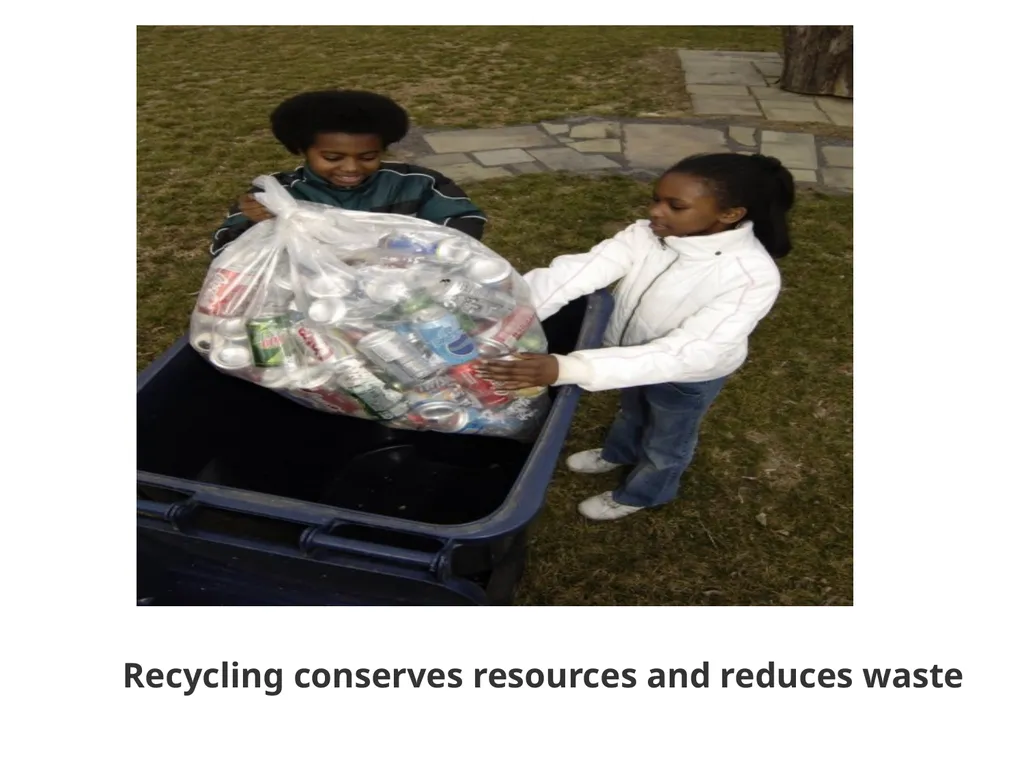
slide14. Recycling conserves resources and reduces waste<br>
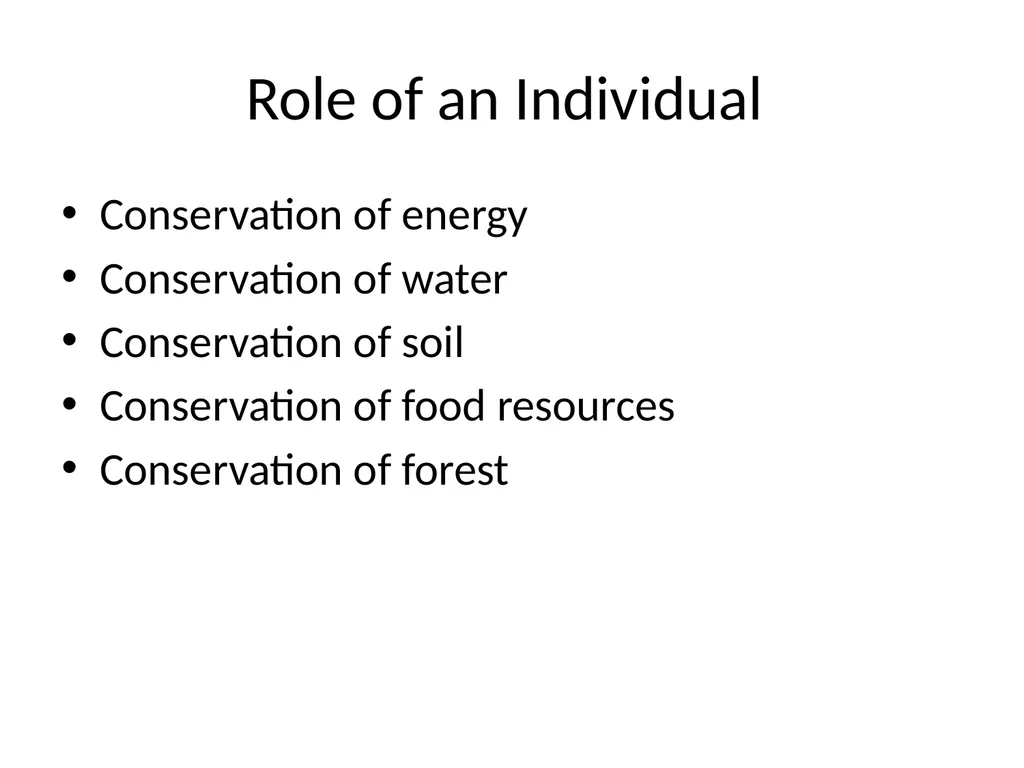
slide19. Role of an Individual Conservation of energy
Conservation of water
Conservation of soil
Conservation of food resources
Conservation of forest<br>
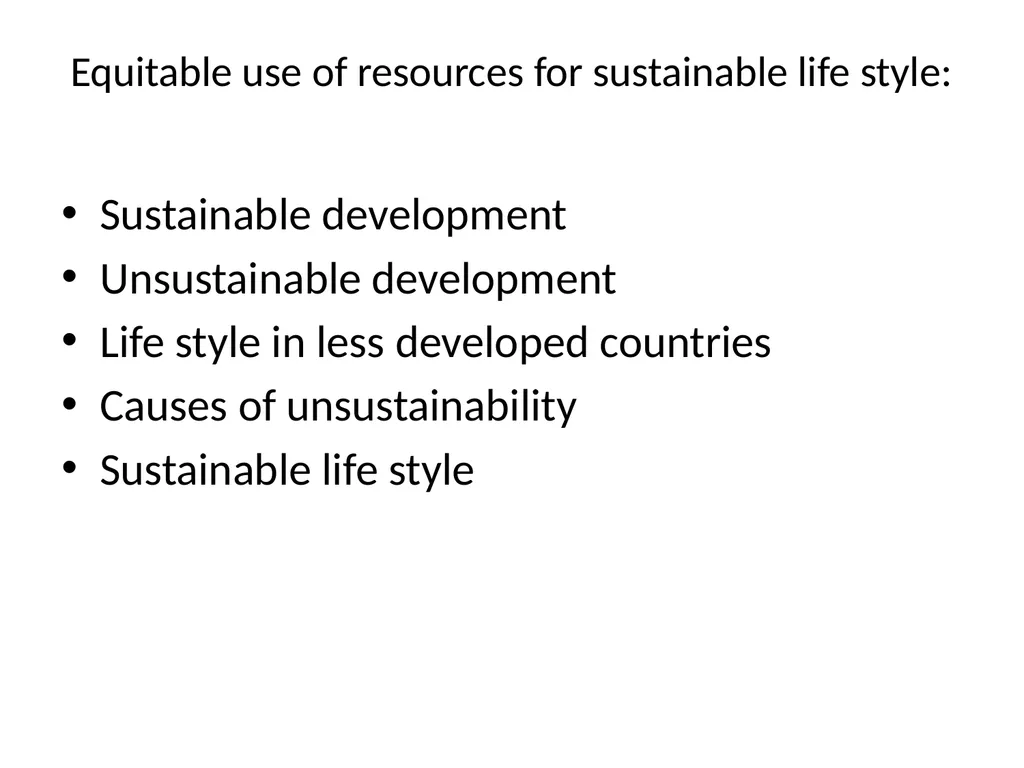
slide20. Equitable use of resources for sustainable life style: Sustainable development
Unsustainable development
Life style in less developed countries
Causes of unsustainability
Sustainable life style<br>
slide2. Definition Environmental Protection Act1986
”Environment as the sum total water, air and land, their interrelationship among themselves and with the human beings, other living beings and property”<br>
slide3. Scope 1. Environmental Science
2. Environmental Engineering
3. Environmental Management<br>
slide4. Importance 1. To clarify modern environmental concept like how to conserve biodiversity
2. To know the more sustainable way of living.
3. To use natural resources more efficiently.
4. To know the behavior of organism under natural conditions.
5. To know the interrelationship between organisms in populations and communities.
6. To aware and educate people regarding environmental issues and problems at local, national and international levels.<br>
slide5. Need for Public Awareness Increasing population
Degradation of the environment
Environmental pollution
Public participation
Environmental Education
Both formal and informal education on the environment<br>
slide6. Calendar of Global Environmental Events<br>
slide7. April
Earth Day<br>
slide8. July
World Population Day<br>
slide9. September
International Coastal Cleanup Day<br>
slide10. Sustainable Development<br>
slide11. Unsustainable To Sustainable Development "Sustainable development is development that meets the needs of the present without compromising the ability of future generations to meet their own needs." [Brundtland, G (ed) (1987).<br>
slide12. I ) Combating Poverty
(ii) Changing Consumption Patterns
(iii) Population and Human Health
(iv) Human Settlements
(v) Atmospheric Protection
(vi) Ecosystems
(vii) Sustainable Agriculture and Rural Development
(viii) Conservation of Biological Diversity and Management of Biotechnology
(ix) Protecting and Managing the Oceans and Fresh Water.
(x) Managing Wastes.
(xi) Implementing Sustainable Development<br>
slide14. Recycling conserves resources and reduces waste<br>
slide19. Role of an Individual Conservation of energy
Conservation of water
Conservation of soil
Conservation of food resources
Conservation of forest<br>
slide20. Equitable use of resources for sustainable life style: Sustainable development
Unsustainable development
Life style in less developed countries
Causes of unsustainability
Sustainable life style<br>