GASTRIC DILATATION IN CANINES Dr Mithilesh Kumar Assistant Professor cum Jr. Scientist Veterinary Surgery and Radiology Bihar Veterinary College, Patna-14. Gastric dilatation and Volvulus syndrome (GDV), known as bloat, occurs in dogs when
"GASTRIC DILATATION IN CANINES Dr Mithilesh Kumar" is the property of its rightful owner. Permission is granted to
download and print the materials on this website for personal, non-commercial use only, and to display it
on your personal computer provided you do not modify the materials and that you retain all copyright
notices contained in the materials. By downloading content from our website, you accept the terms of this
agreement.
Presentation Transcript
01
GASTRIC DILATATION IN CANINES Dr Mithilesh Kumar
Assistant Professor cum Jr. Scientist
Veterinary Surgery and Radiology
Bihar Veterinary College,
Patna-14.<br>
02
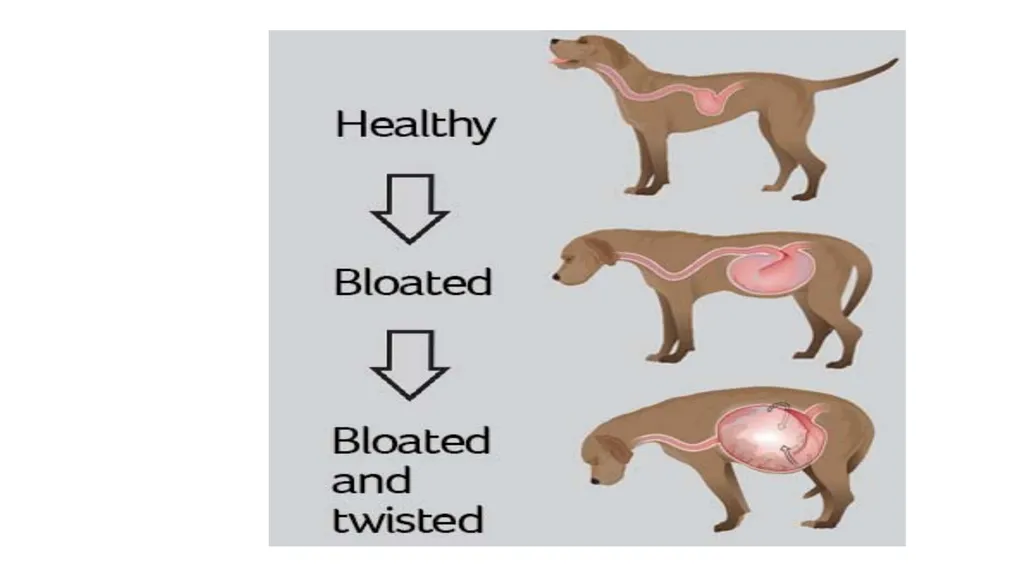
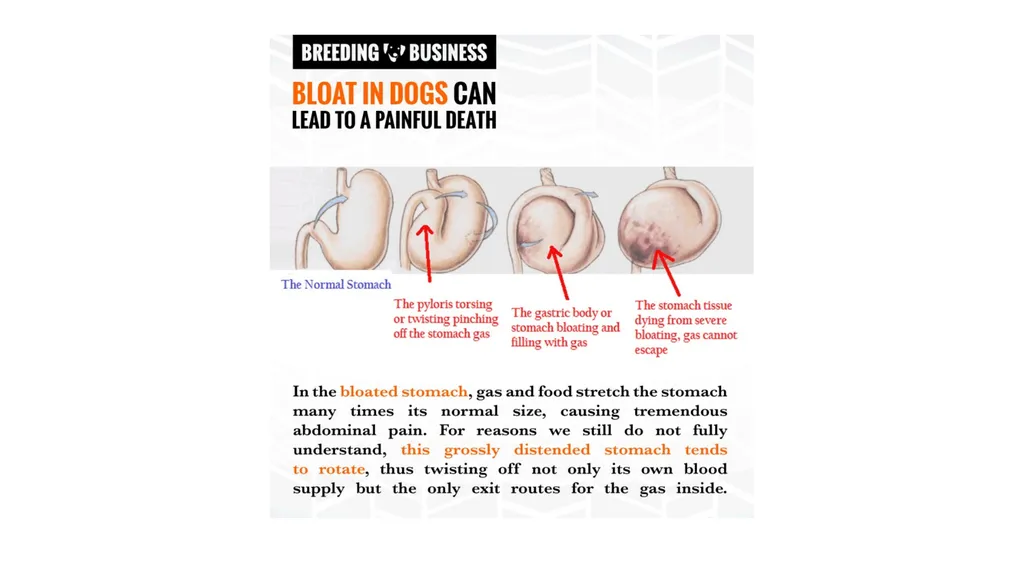
Gastric dilatation and Volvulus syndrome (GDV), known as bloat, occurs in dogs when the stomach dilates and twists into an abnormal position, causing non-productive retching, a bloated abdomen, and other symptoms.
GDV is a serious, life threatening condition that requires emergency treatment<br>
03
INCIDENCE
Large breeds, deep chested dogs are most frequently affected by GDV.
Most dogs with GDV are mature, middle-aged, or older.
Males are affected more than the females in a ratio of 2:1.<br>
04
ETIOLOGY
There is no definite known cause of GDV
Eating a single, large meal daily
Drinking large amounts of water immediately after eating
Exercising vigorously on a full stomach<br>
05
Gulping down food very quickly
It may also be caused by a genetic factor, which results in weaker ligaments that hold the stomach in place.<br>
06
PATHOPHYSIOLOGY
1. Dilated stomach lead to compression of the duodenum that prevents
passage of gas in the small bowels.
2. Stomach dilates, the splenic vessels come to lie ventrally across the
esophagus & become partial obstructed, leading to venous
congestion & followed by splenomegaly.<br>
07
3. Rotation of the spleen also is important in the development of
gastric necrosis.
4. The dilating stomach exerts pressure upon the caudal vena cava, the
vessels is partially occluded promotes the onset of severe shock.
5. As intragastric pressure increases, created ischemic hypoxia.
6. The distended stomach also puts pressure on the diaphragm making
breathing for the dog more difficult.<br>
08
7. Continued gastric distention leads to decreased venous return to the Rt atrium results in a decreased cardiac outputs.
8. Portal venous occlusion may initiate septic shock in dogs. Death is caused by hypovolemia or failure of reticuloendothelial system’s capacity to neutralize endotoxins.<br>
09
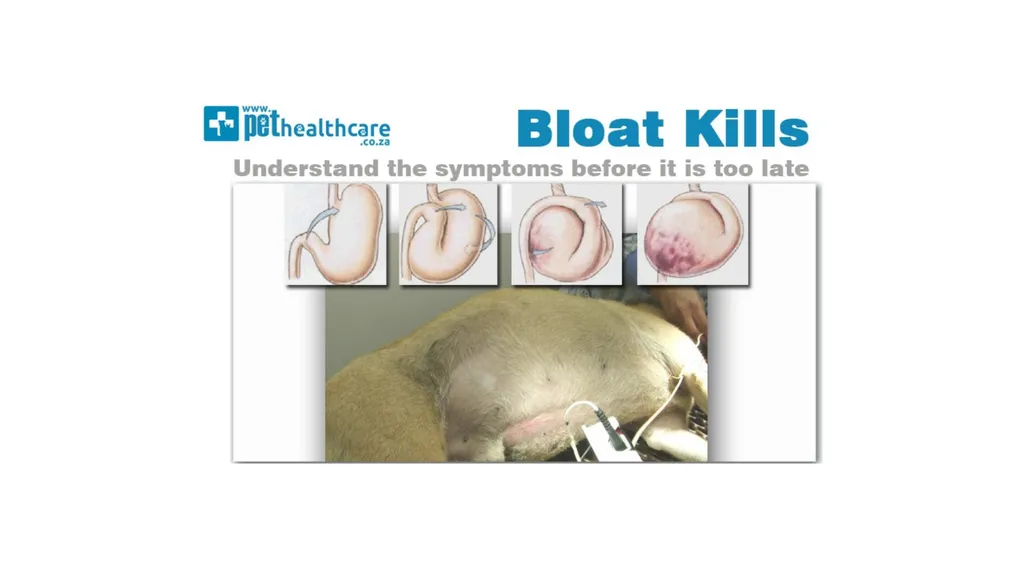
CLINICAL SIGNS
Restlessness /anxiousness
Abdominal discomfort
Retching or dry heaves
Distended abdomen
Groaning
Rapid or difficulty breathing<br>
10
Excess salivation
Depression
Lethargy
LATER SYMPTOM INCLUDE
Cool extremities
Pale mucus membrane and a prolonged CRT
Arrythmias
Low blood pressure
Death<br>
11
DIAGNOSIS
Clinical symptoms
Dog’s medical history
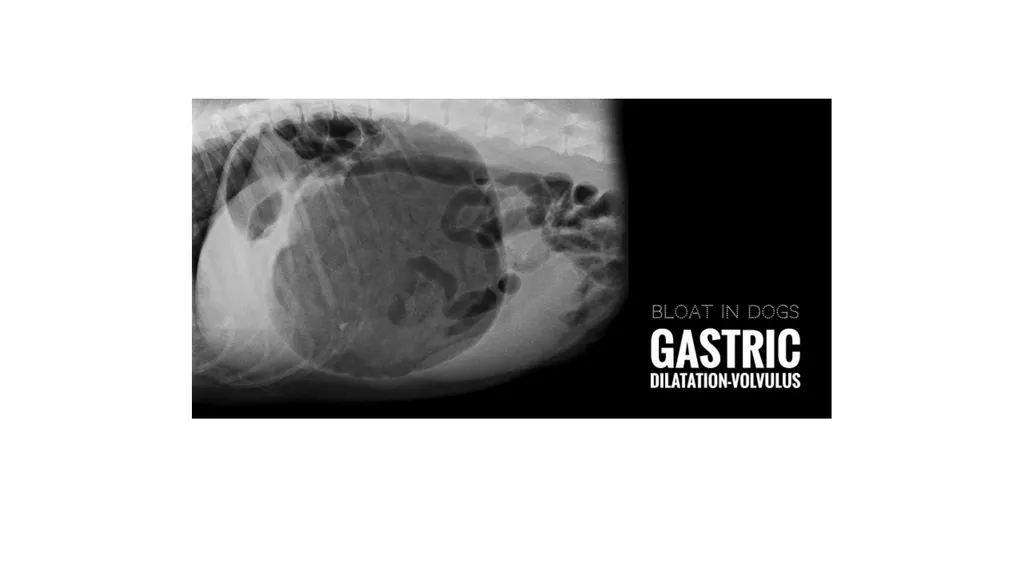
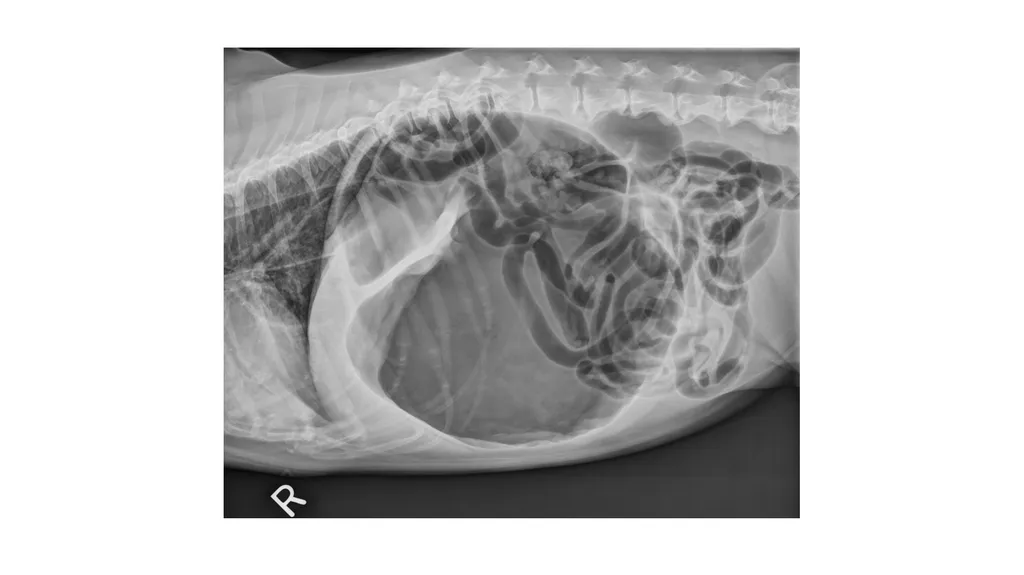
GDV is diagnosed with abdominal radiographs showing a distended stomach that has a shelf or “c” shaped.<br>
12
treatment GDV is a medical emergency and treatment should begin as soon as possible.
The sooner the dog is treated, the greater its chance of survival.
Treatment is usually begun even before the test results (e.g., x-ray, an ECG, blood tests) are available. Treatment include the following<br>
13
Intravenous antibiotics to protect against gastrointestinal infection that can lead to endotoxemia
Eg
Cefazolin soduium
Cefoxitin sodium<br>
H2-receptor antagonists
To prevent gastric ulceration, a potential postoperative complication
Eg
Ranitidine
Cimetidine
Famotidine<br>
16
Medical decompression In cases of simple dilatation, the dog is sedated and a tube is passed through its mouth and into its stomach to remove built –up gas and fluid. The procedure is known as medical decompression.
After the build up is removed, warm water stomach lavage is performed to wash out accumulated food and gastric juices<br>
17
Surgery
If the stomach is twisted, it may be impossible to pass a tube through the oesophagus and into the stomach, and dog will need surgery. Whether dogs with GDV require emergency surgery or not, prophylactic surgery is recommended to avoid recurrence
Surgery involves the following
Decompressing the stomach by inserting a large needle or trochar into the stomach cavity
Moving the stomach back to its normal location.<br>
18
Suturing the stomach to the body wall (usually part of the rib cage) so it cannot twist again (gastropexy or anchoring surgery)
Removing parts of the stomach that have been destroyed due to the lack of blood flow
Removing the spleen if it has been compromised (splenectomy)<br>
19
Complications GDV surgery is not always successful.
Potential complication include the following
Arrhythmias (irregular heartbeat) due to the decreased blood flow to the heart.
Belching
death<br>
20
Disseminated intravascular coagulation (DIC), a blood clotting disorder that leads to diffuse bleeding, pain, and seizures
Intermittent vomiting
Postoperative gastric ulceration
Recurrence of gastric dilatation.<br>
21
Prognosis The prognosis depends on the dog’s condition during and after the surgery.
The more time that passes from the onset of symtoms to the initiation of treatment, the worse the prognosis.<br>
22
Dogs that require removal of part of the stomach (partial gastrectomy) have a decreased chance of survival.
Dogs that recover well 7 days after surgery have a very good chance of survival.
Recurrence are common , especially in dogs that do not undergo gastropexies.<br>