Going Going, Back Back, to Cali Cali Because of the California Gold Rush the population of California EXPLODED In 1848 there were about 157,000 people living in California 150,000 Native Americans 6,500 of Spanish or Mexican descent known
"Going Going, Back Back, to Cali Cali Because of" is the property of its rightful owner. Permission is granted to
download and print the materials on this website for personal, non-commercial use only, and to display it
on your personal computer provided you do not modify the materials and that you retain all copyright
notices contained in the materials. By downloading content from our website, you accept the terms of this
agreement.
Presentation Transcript
01
Going Going, Back Back, to Cali Cali Because of the California Gold Rush the population of California EXPLODED
In 1848 there were about 157,000 people living in California
150,000 Native Americans
6,500 of Spanish or Mexican descent known as Californios
Fewer than 800 non-native Americans<br>
02
Going Going, Back Back, to Cali Cali By early 1850 there were 100,000 non-natives living in California
By the mid 1850’s there were over 300,000 non-natives in California
1 in 90 people in the U.S. lived in California!
Because of this population explosion California became a state only 2 years after the territory was added to the U.S.<br>
03
Going Going, Back Back, to Cali Cali As we will see Californian statehood would NOT be an easy or even happy addition to the United States
We will spending the first part of the class talking about slavery in new U.S. territories and states<br>
04
Interactive Notebook Setup 11/29/2017
Expansion of Slavery and the Compromise of 1850
This will be one page<br>
05
Slavery in the Territories Compromise of 1850<br>
06
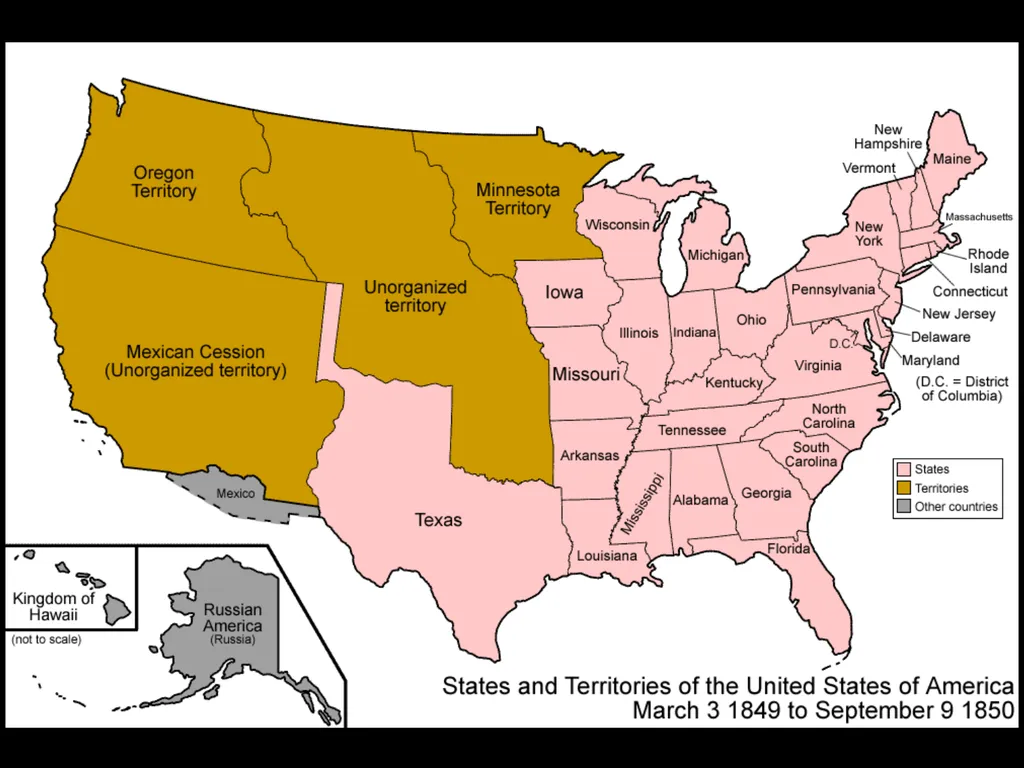
Slavery in the Territories As the U.S. added millions of square miles during the 1840’s and 1850’s the question slavery in these territories would be a huge issue
Much of the land added was generally uninhabited by non-natives
That meant that generally there was no slavery in these newly acquired areas<br>
07
Slavery in the Territories David Wilmot a representatives from Pennsylvania proposed the Wilmot Proviso
The Wilmot Proviso would outlaw slavery in ALL territory gained from Mexico
This passed the House of Representatives, but the senate did not vote on the issue<br>
08
Slavery in the Territories The Wilmot Proviso increased tension between the North and South over slavery
Wilmot’s anti-slavery bill was never made law<br>
09
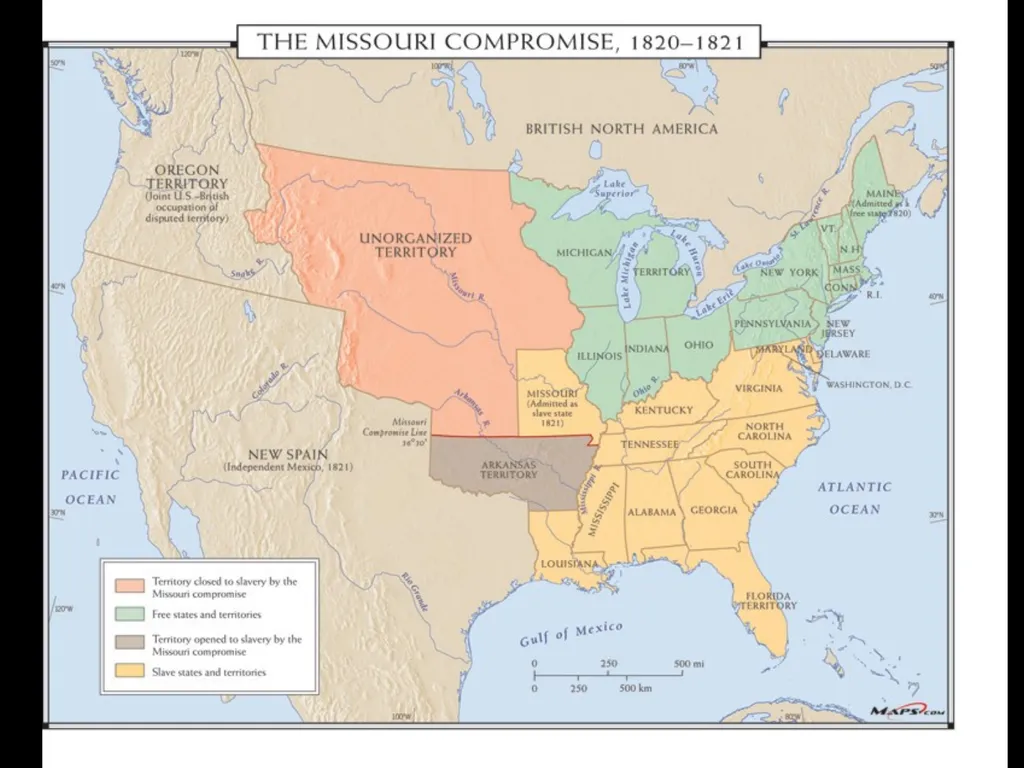
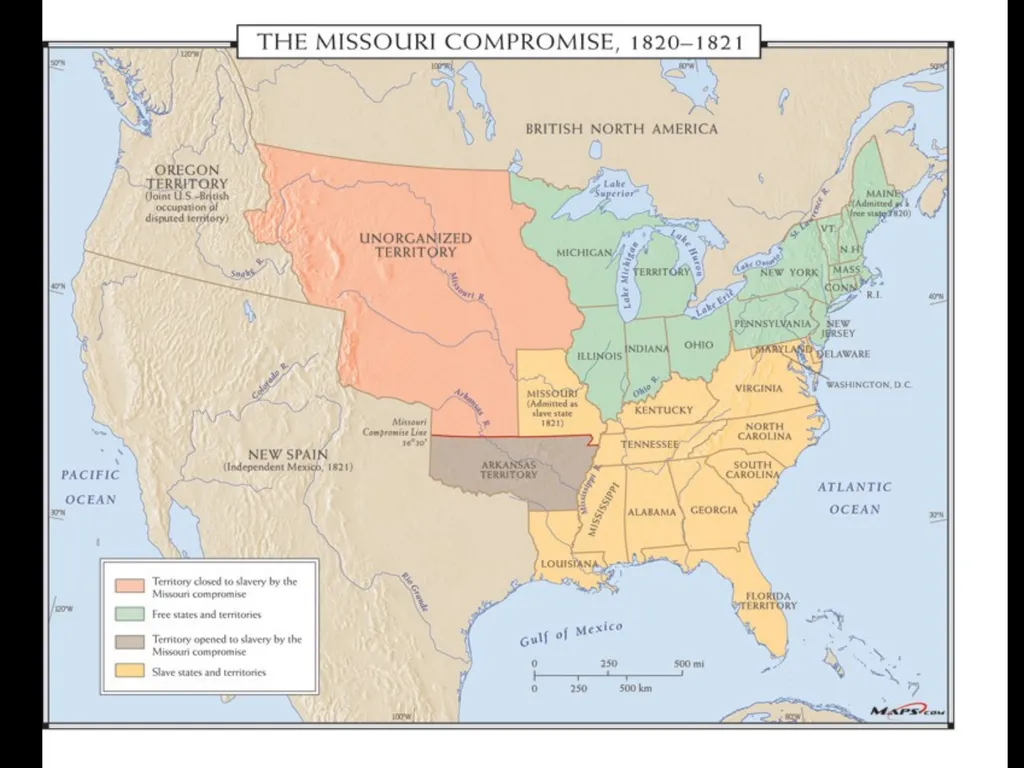
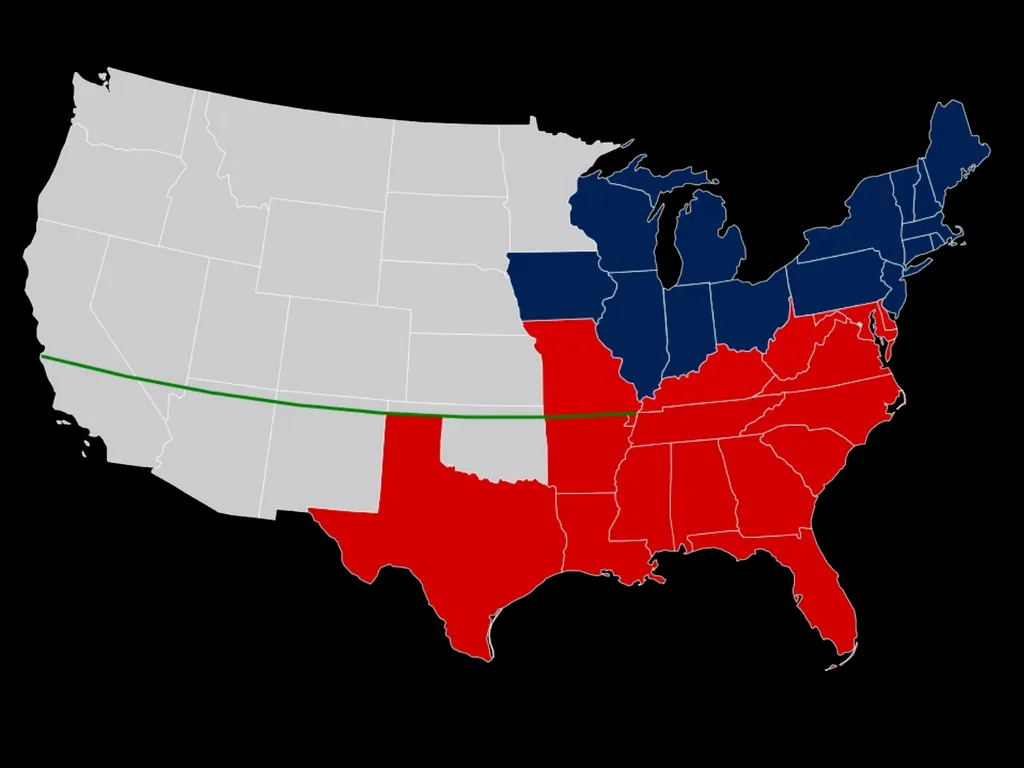
Slavery in the Territories The Missouri Compromise drew a line for where slavery could and could not be
This had been made decades and millions of square miles ago<br>
10
Slavery in the Territories Many on both sides of the slavery issue favored popular sovereignty
Popular sovereignty meant that the people in the territories should chose if their territory would or would not have slavery
This was a popular, yet vague solution to the issue<br>
11
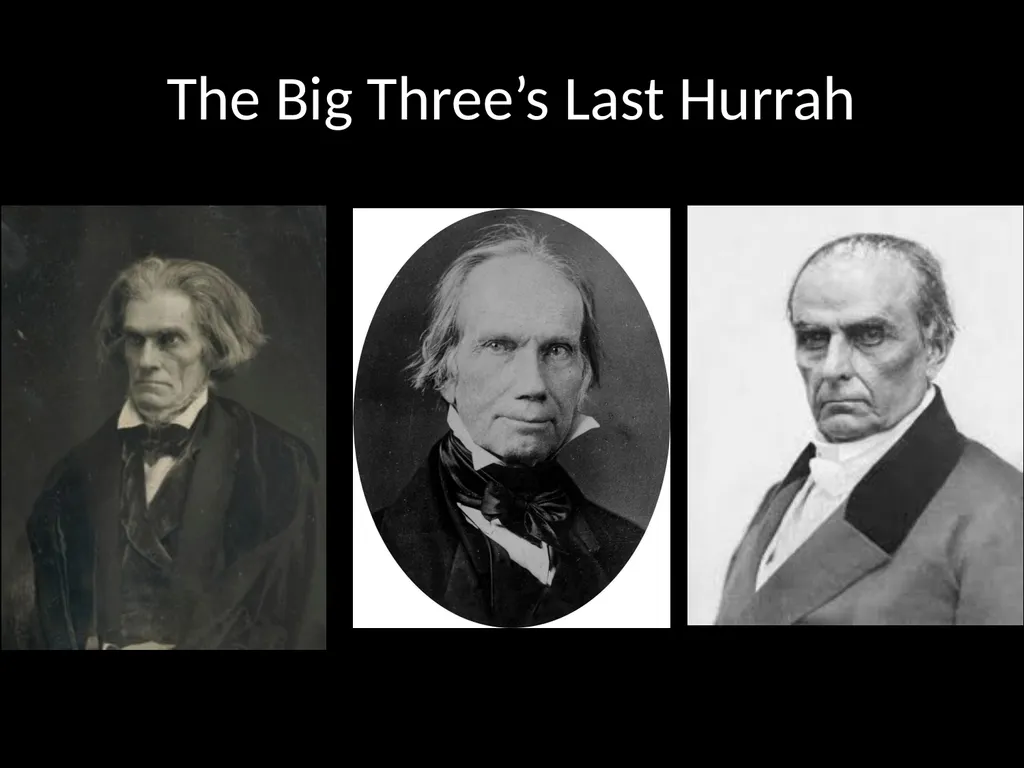
The Big Three’s Last Hurrah<br>
12
Slavery in the Territories The issue of slavery in the territories came to a head with the request for statehood of the California territory
California showed the problem with the Missouri Compromise
California would also lead to the creation of another major compromise<br>
13
The Compromise of 1850 California had a very small slave population
This was due to its history of being a part of Mexico, a nation which had outlawed slavery
California would likely enter the US as a free state, giving the North a significant advantage in the Senate
This meant that the South needed to be given SOMETHING in exchange for accepting California as a free state<br>
14
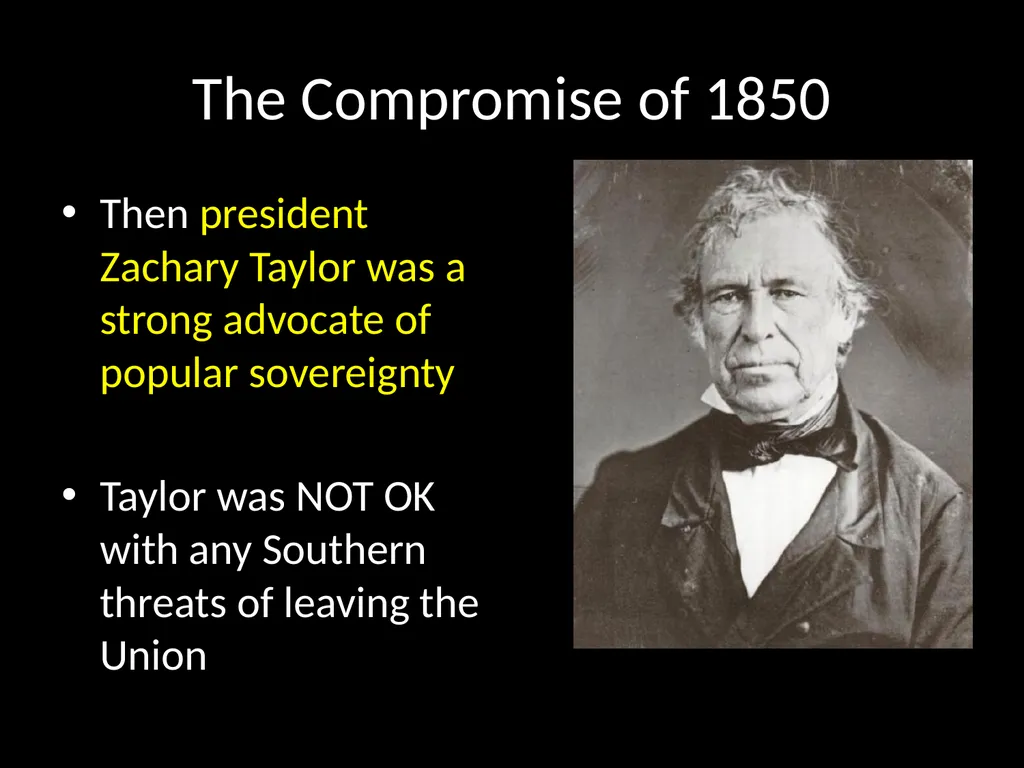
The Compromise of 1850 Then president Zachary Taylor was a strong advocate of popular sovereignty
Taylor was NOT OK with any Southern threats of leaving the Union<br>
15
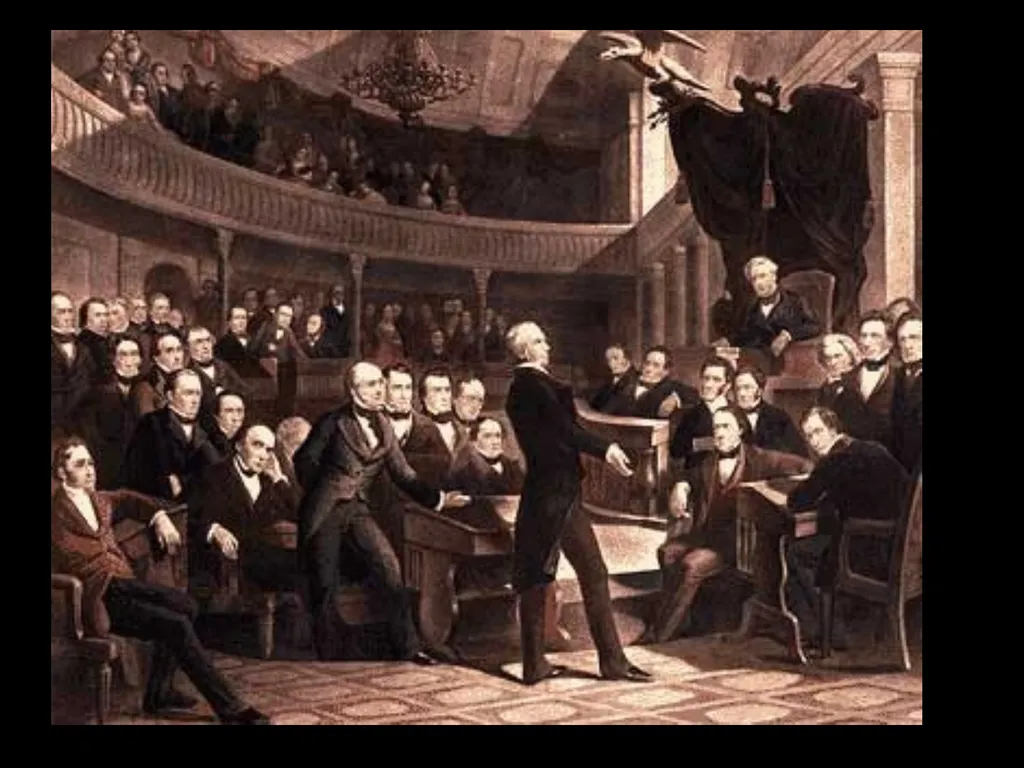
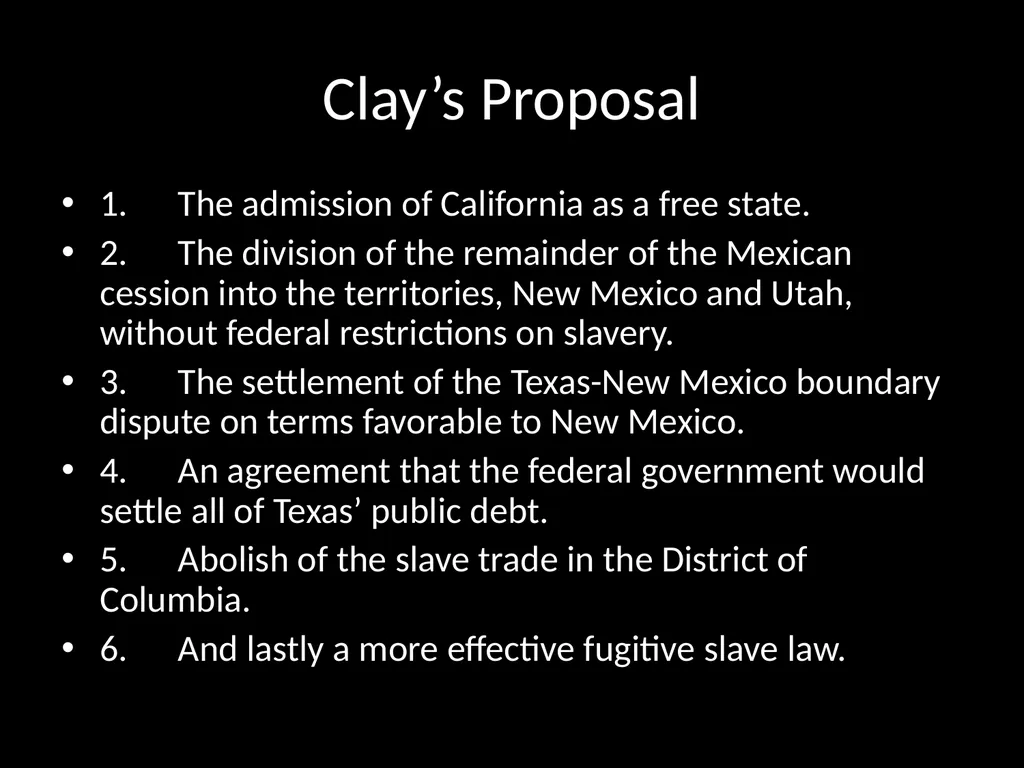
The Compromise of 1850 Henry Clay submitted a compromise dealing with the addition of California and slavery in the territories
It was a combination of six proposals that all formed into one bill
Called an Omnibus Bill<br>
16
Clay’s Proposal 1. The admission of California as a free state.
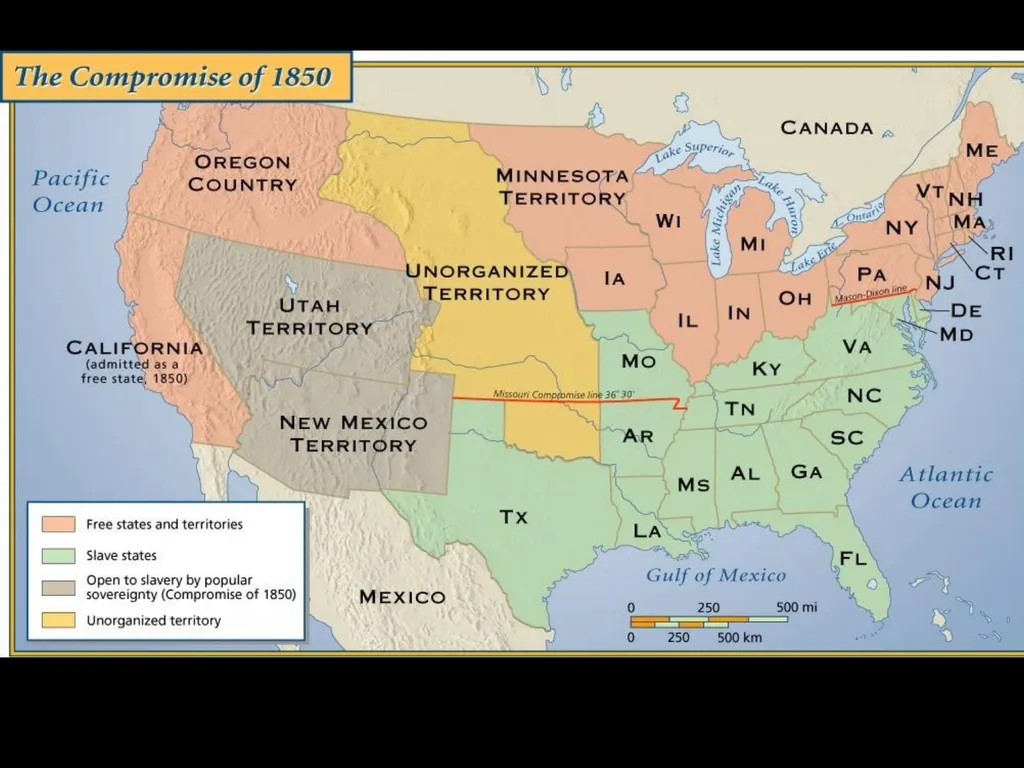
2. The division of the remainder of the Mexican cession into the territories, New Mexico and Utah, without federal restrictions on slavery.
3. The settlement of the Texas-New Mexico boundary dispute on terms favorable to New Mexico.
4. An agreement that the federal government would settle all of Texas’ public debt.
5. Abolish of the slave trade in the District of Columbia.
6. And lastly a more effective fugitive slave law.<br>
17
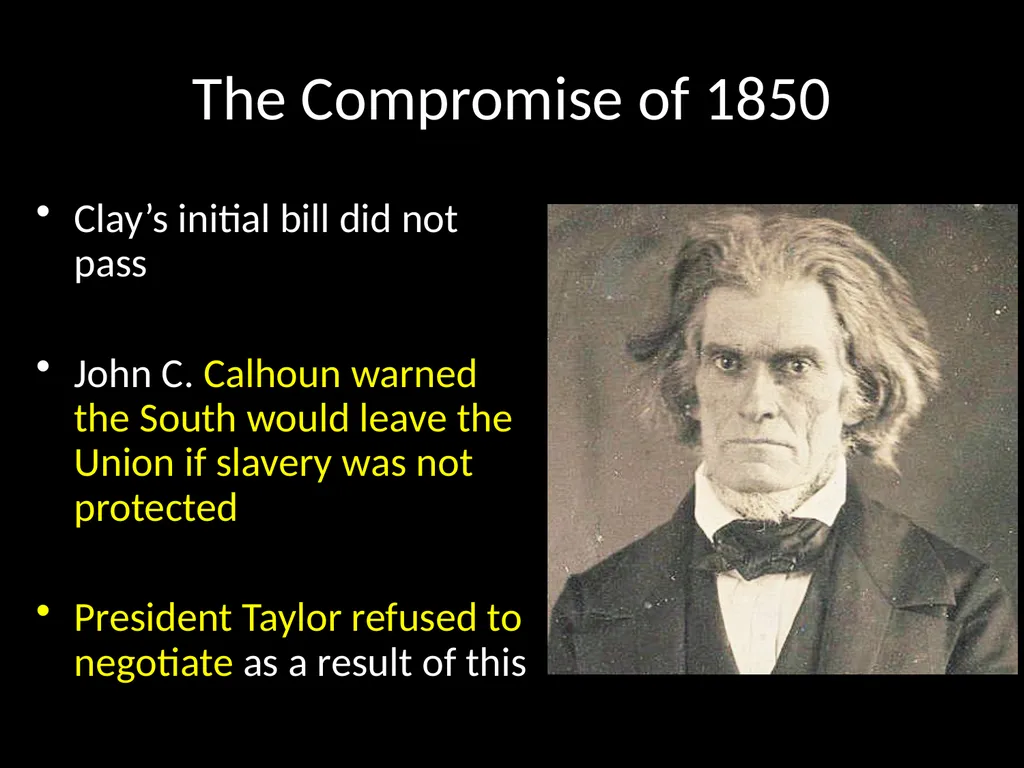
The Compromise of 1850 Clay’s initial bill did not pass
John C. Calhoun warned the South would leave the Union if slavery was not protected
President Taylor refused to negotiate as a result of this<br>
18
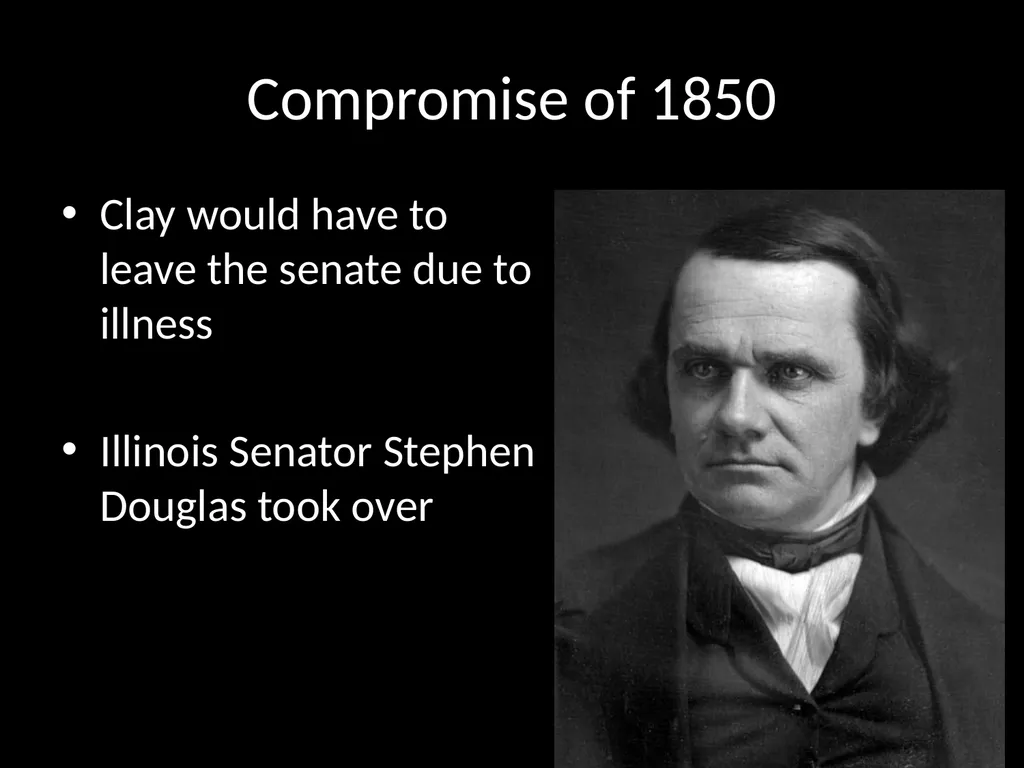
Compromise of 1850 Clay would have to leave the senate due to illness
Illinois Senator Stephen Douglas took over<br>
19
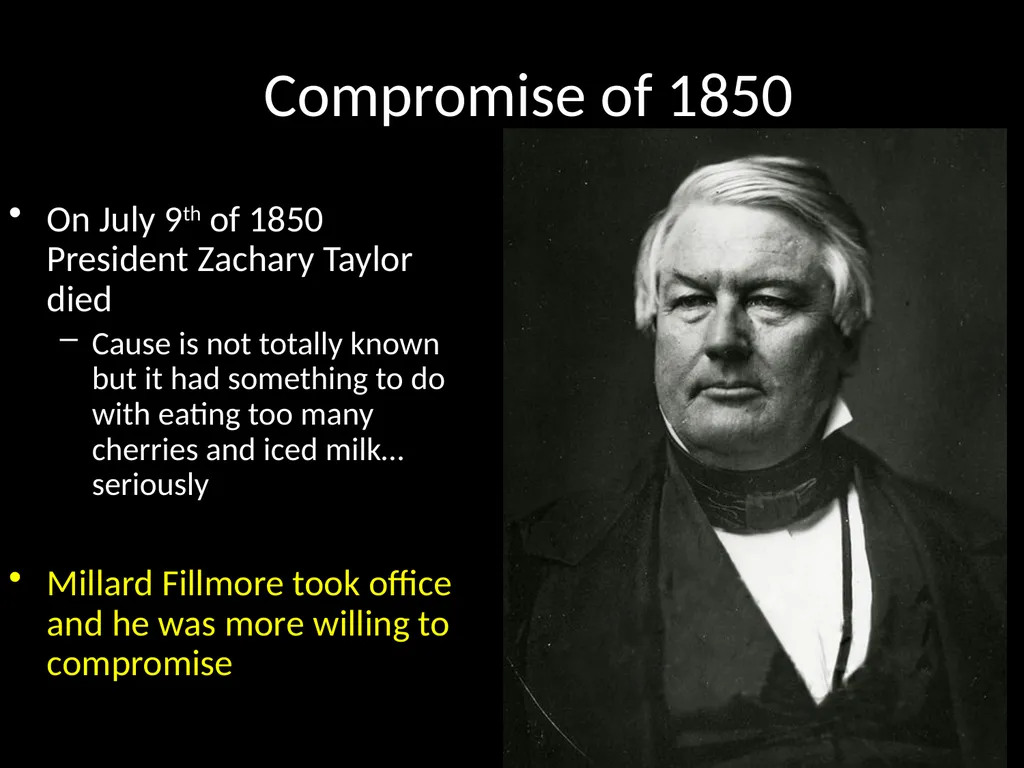
Compromise of 1850 On July 9th of 1850 President Zachary Taylor died
Cause is not totally known but it had something to do with eating too many cherries and iced milk…seriously
Millard Fillmore took office and he was more willing to compromise<br>
20
Compromise of 1850 With Douglas and Fillmore at the helm a successful compromise was reached
Douglas broke the Omnibus Bill into individual sections to be voted on one by one
Douglas also added popular sovereignty to the N.M and Utah Territories to Clay’s bill<br>
21
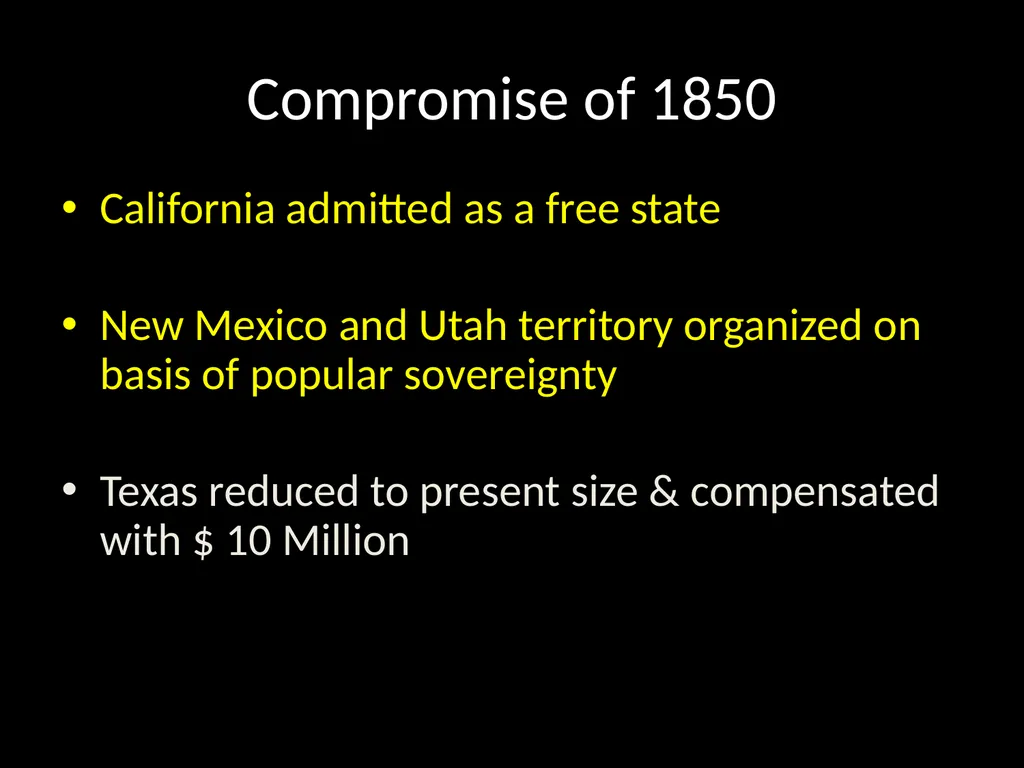
Compromise of 1850 California admitted as a free state
New Mexico and Utah territory organized on basis of popular sovereignty
Texas reduced to present size & compensated with $ 10 Million<br>
22
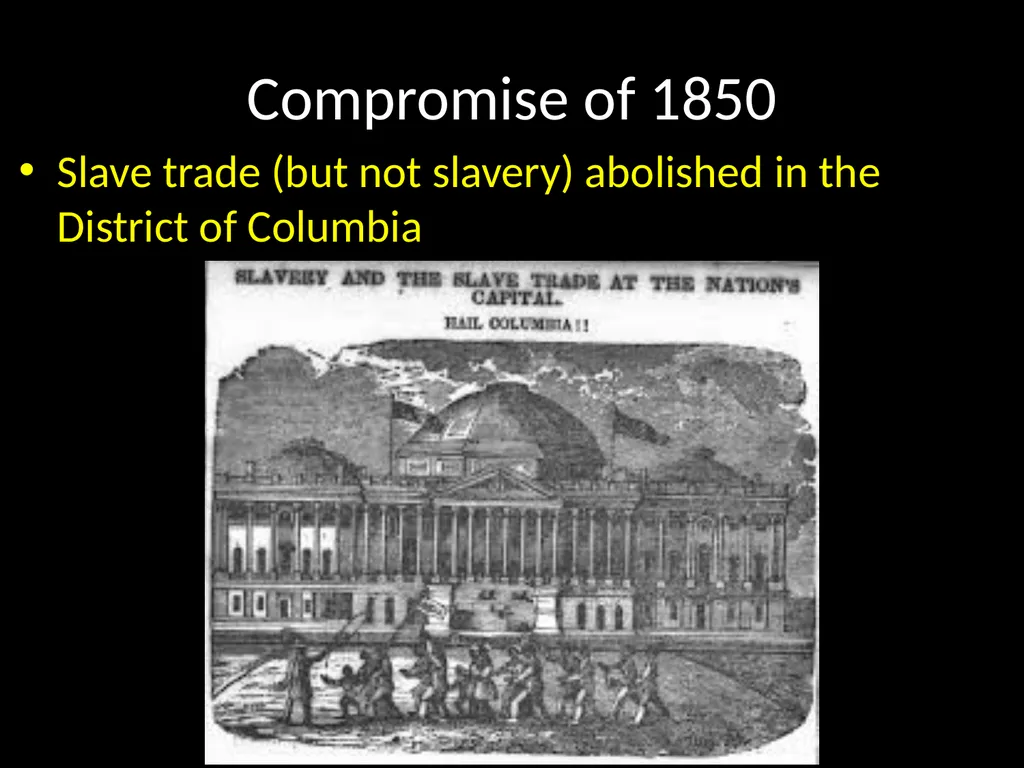
Compromise of 1850 Slave trade (but not slavery) abolished in the District of Columbia<br>
23
Compromise of 1850 Fugitive Slave Act made federal government responsible for catching & returning escaped slaves
Without question the most controversial part of the compromise
New law forcibly compelled citizens to assist in the capture of runaway slaves<br>
24
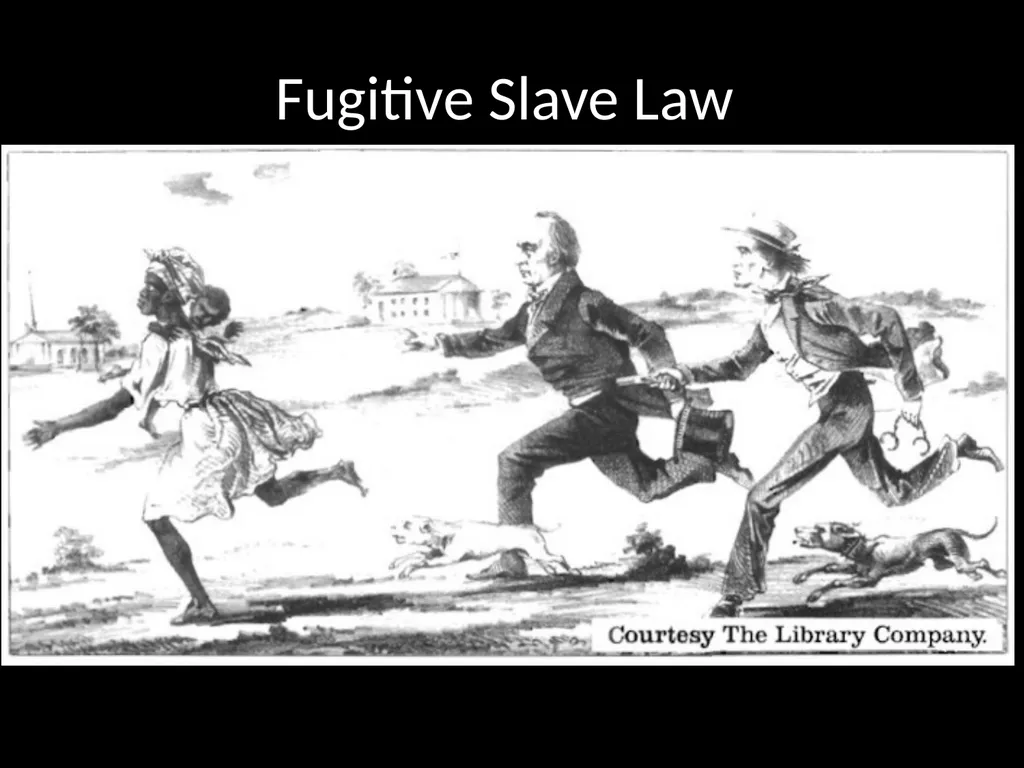
Fugitive Slave Law<br>
25
Compromise of 1850 Denied slaves the right to a jury trial
Raised punishment for anyone impeding the capture of runaway slaves from $1000 fine to 6 months in jail
Many runaway slaves in the North left their homes and fled to Canada
During the next ten years, an estimated 20,000 blacks moved to the neighboring country<br>
26
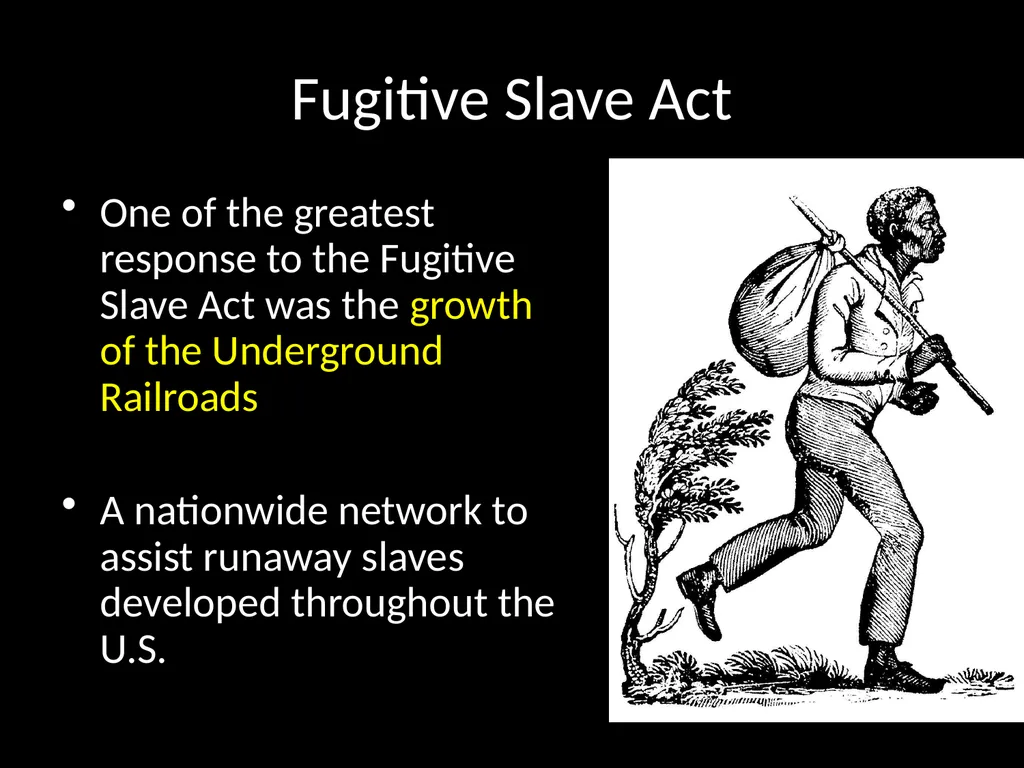
Fugitive Slave Act One of the greatest response to the Fugitive Slave Act was the growth of the Underground Railroads
A nationwide network to assist runaway slaves developed throughout the U.S.<br>
27
Slavery in the Territories What did the Wilmot Proviso attempt to do?
Outlaw slavery in all territories won during the Mexican-American War
What is popular sovereignty?
Allowing people living in territory to decide on the issue of slavery<br>