
Having the Leqembi® Conversation Cliff Singer, MD,



Description: Having the Leqembi Conversation Cliff Singer, MD, DLFAPA, AGSF Center for Cognitive and Mental Health Robert C. Strauss Neurocognitive Research Program Northern Light Acadia Hospital 5212024 Annual Maine Geriatrics Meeting Disclosers
Related Topics
Download Presentation
"Having the Leqembi® Conversation Cliff Singer, MD," is the property of its rightful owner. Permission is granted to download and print the materials on this website for personal, non-commercial use only, and to display it on your personal computer provided you do not modify the materials and that you retain all copyright notices contained in the materials. By downloading content from our website, you accept the terms of this agreement.
Presentation Transcript
slide1. Having the Leqembi® Conversation
Cliff Singer, MD, DLFAPA, AGSF
Center for Cognitive and Mental Health
Robert C. Strauss Neurocognitive Research Program
Northern Light Acadia Hospital 5/21/2024 Annual Maine Geriatrics Meeting<br>
slide2. Disclosers 5/21/2024 Annual Maine Geriatrics Meeting I have no financial ties to Eisai or any other conflict of interest, financial or otherwise with regards to lecanemab.
I am the principal investigator of several clinical trials involving other potentially disease-modifying drugs and non-drug interventions.<br>
slide3. Learning Objectives: 5/21/2024 Annual Maine Geriatrics Meeting At the end of this session, participants will…..
Have improved confidence in opening the discussion on new anti-amyloid therapy options for Alzheimer’s disease.
Be able to list three inclusion and three exclusion criteria for who is appropriate for these treatments.
Demonstrate knowledge of potential benefits and risks of these new treatments.
Be able to discuss alternate options to anti-amyloid monoclonal antibodies for patients with Alzheimer’s disease.<br>
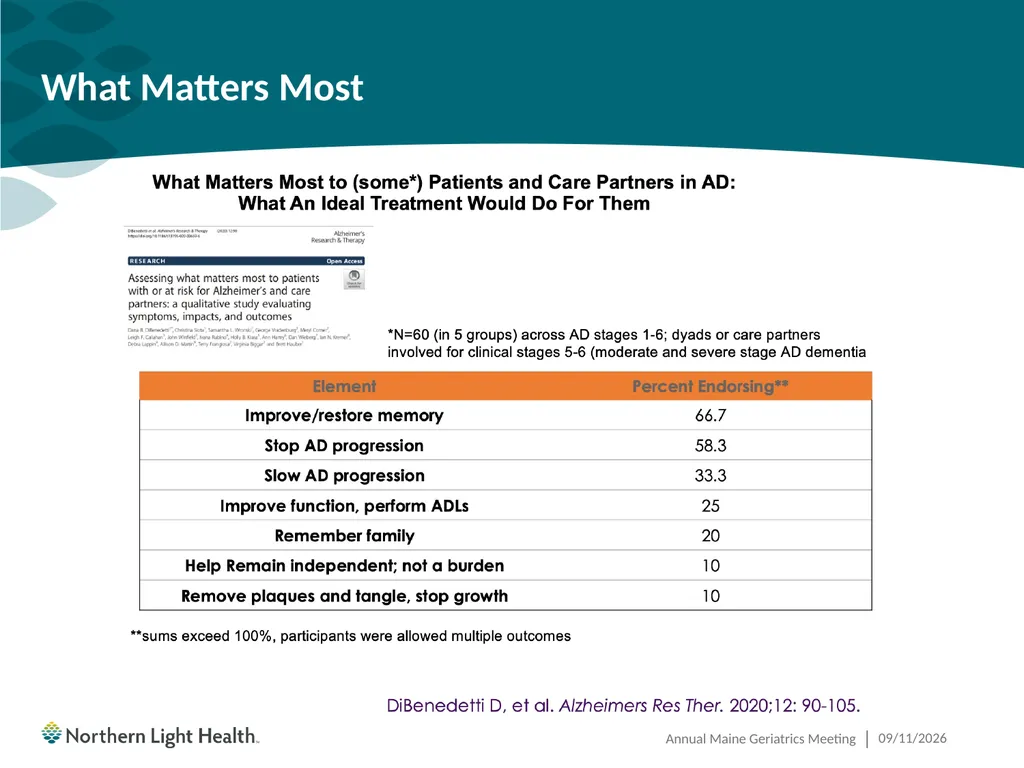
slide4. What Matters Most 5/21/2024 Annual Maine Geriatrics Meeting<br>
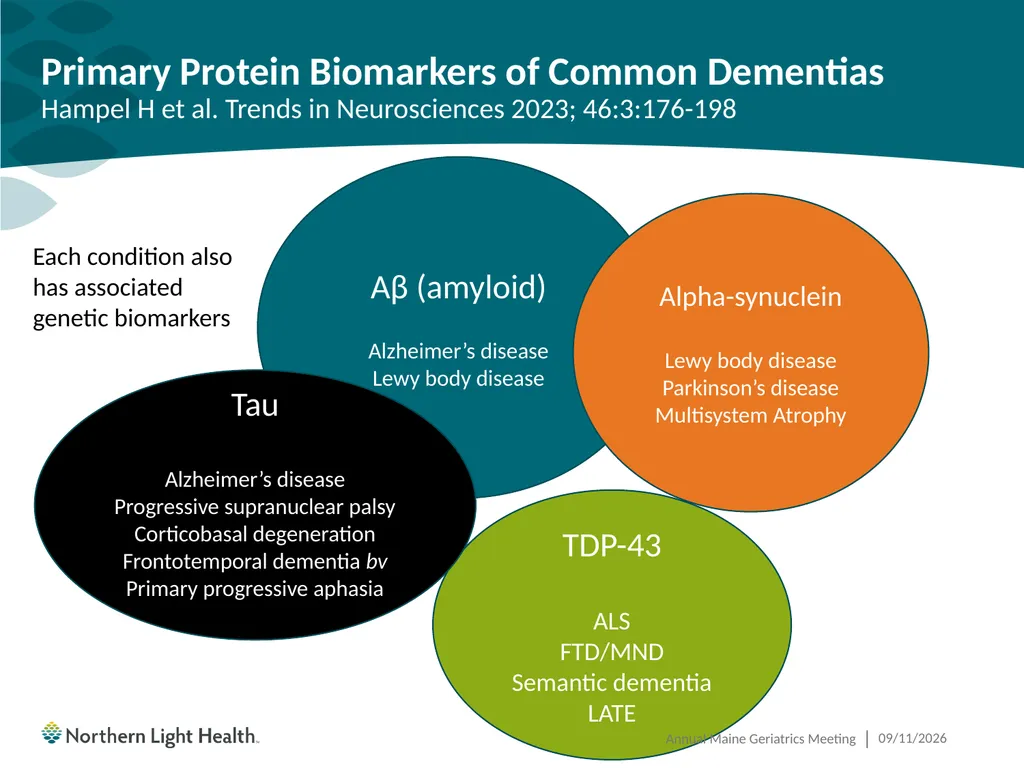
slide5. Primary Protein Biomarkers of Common Dementias Hampel H et al. Trends in Neurosciences 2023; 46:3:176-198 5/21/2024 Aβ (amyloid)
Alzheimer’s disease
Lewy body disease TDP-43
ALS
FTD/MND
Semantic dementia
LATE Tau
Alzheimer’s disease
Progressive supranuclear palsy
Corticobasal degeneration
Frontotemporal dementia bv
Primary progressive aphasia Alpha-synuclein
Lewy body disease
Parkinson’s disease
Multisystem Atrophy Each condition also
has associated
genetic biomarkers Annual Maine Geriatrics Meeting<br>
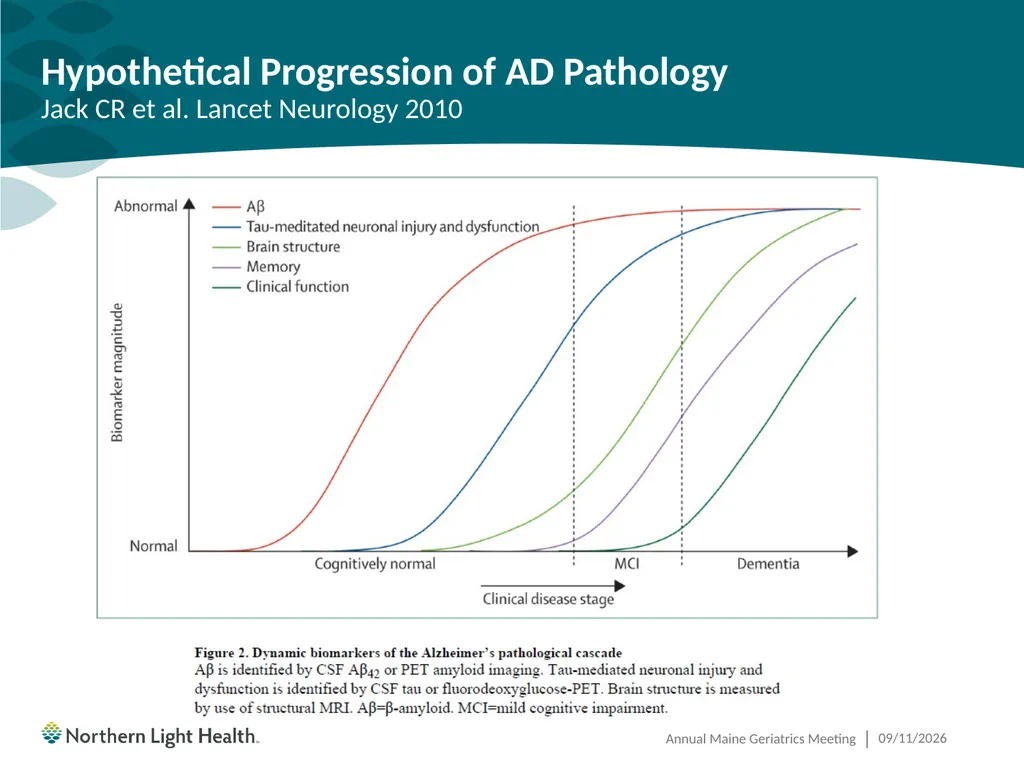
slide6. Hypothetical Progression of AD Pathology Jack CR et al. Lancet Neurology 2010 5/21/2024 Annual Maine Geriatrics Meeting<br>
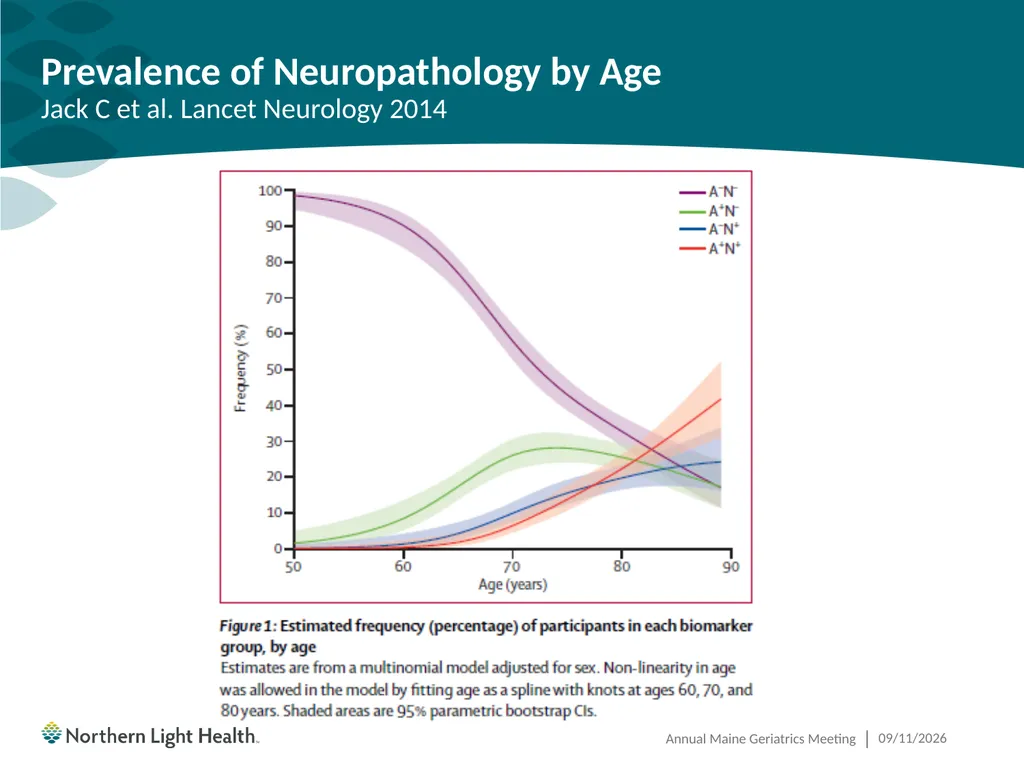
slide7. Prevalence of Neuropathology by Age Jack C et al. Lancet Neurology 2014 5/21/2024 Annual Maine Geriatrics Meeting<br>
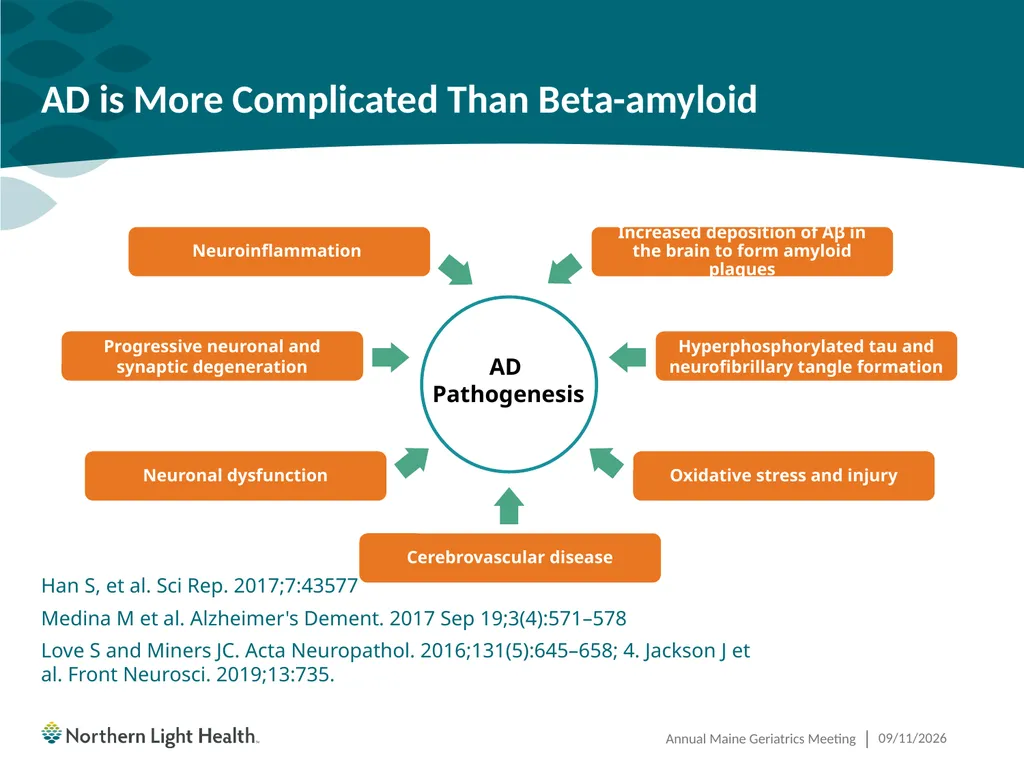
slide8. AD is More Complicated Than Beta-amyloid Han S, et al. Sci Rep. 2017;7:43577
Medina M et al. Alzheimer's Dement. 2017 Sep 19;3(4):571–578
Love S and Miners JC. Acta Neuropathol. 2016;131(5):645–658; 4. Jackson J et al. Front Neurosci. 2019;13:735. Neuroinflammation Progressive neuronal and synaptic degeneration Neuronal dysfunction Increased deposition of Aβ in the brain to form amyloid plaques Hyperphosphorylated tau and neurofibrillary tangle formation Cerebrovascular disease Oxidative stress and injury AD
Pathogenesis 5/21/2024 Annual Maine Geriatrics Meeting<br>
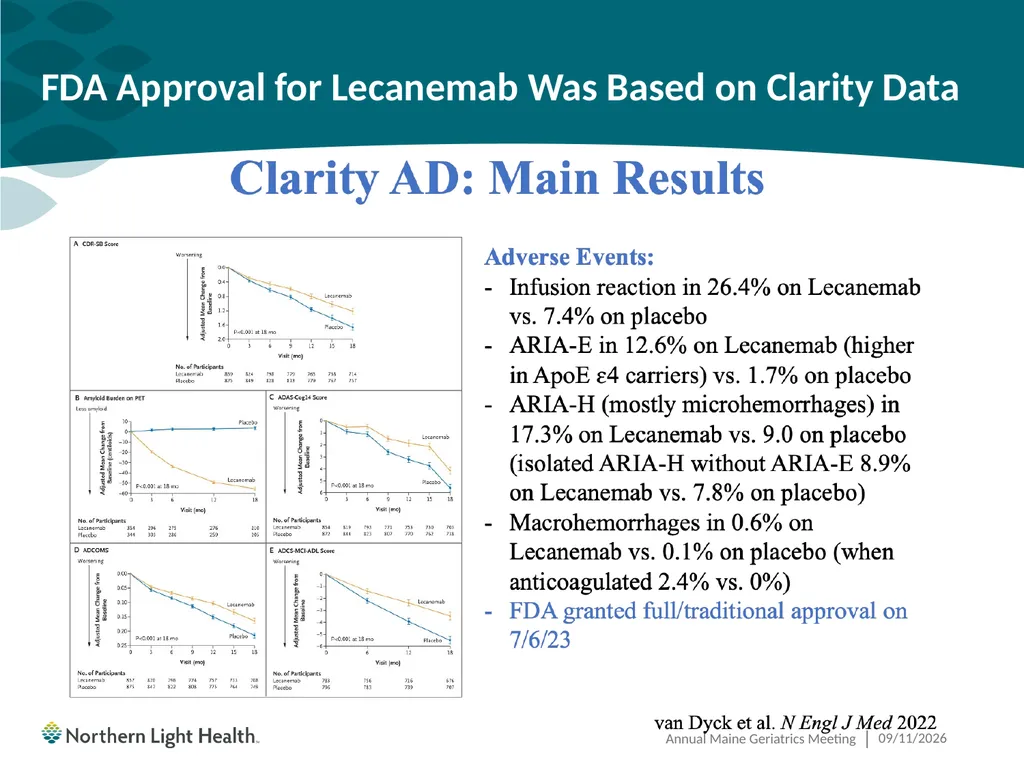
slide9. FDA Approval for Lecanemab Was Based on Clarity Data 5/21/2024 Annual Maine Geriatrics Meeting<br>
slide10. 5/21/2024 Annual Maine Geriatrics Meeting<br>
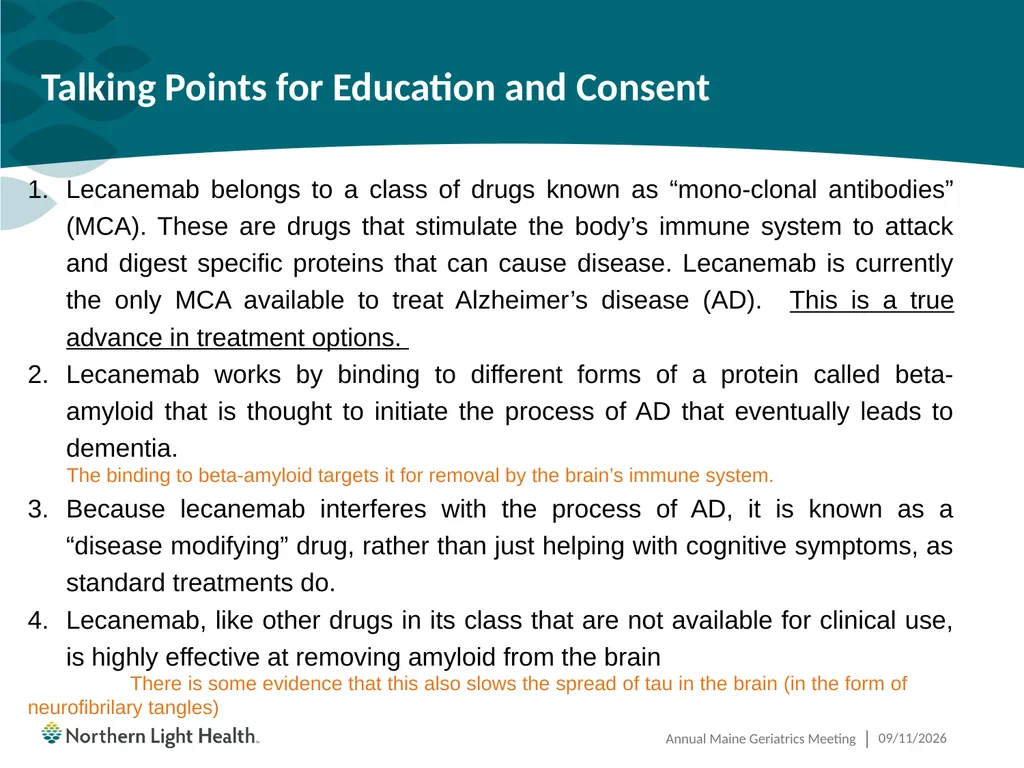
slide11. Talking Points for Education and Consent 5/21/2024 Annual Maine Geriatrics Meeting Lecanemab belongs to a class of drugs known as “mono-clonal antibodies” (MCA). These are drugs that stimulate the body’s immune system to attack and digest specific proteins that can cause disease. Lecanemab is currently the only MCA available to treat Alzheimer’s disease (AD). This is a true advance in treatment options.
Lecanemab works by binding to different forms of a protein called beta-amyloid that is thought to initiate the process of AD that eventually leads to dementia.
The binding to beta-amyloid targets it for removal by the brain’s immune system.
Because lecanemab interferes with the process of AD, it is known as a “disease modifying” drug, rather than just helping with cognitive symptoms, as standard treatments do.
Lecanemab, like other drugs in its class that are not available for clinical use, is highly effective at removing amyloid from the brain
There is some evidence that this also slows the spread of tau in the brain (in the form of neurofibrilary tangles)<br>
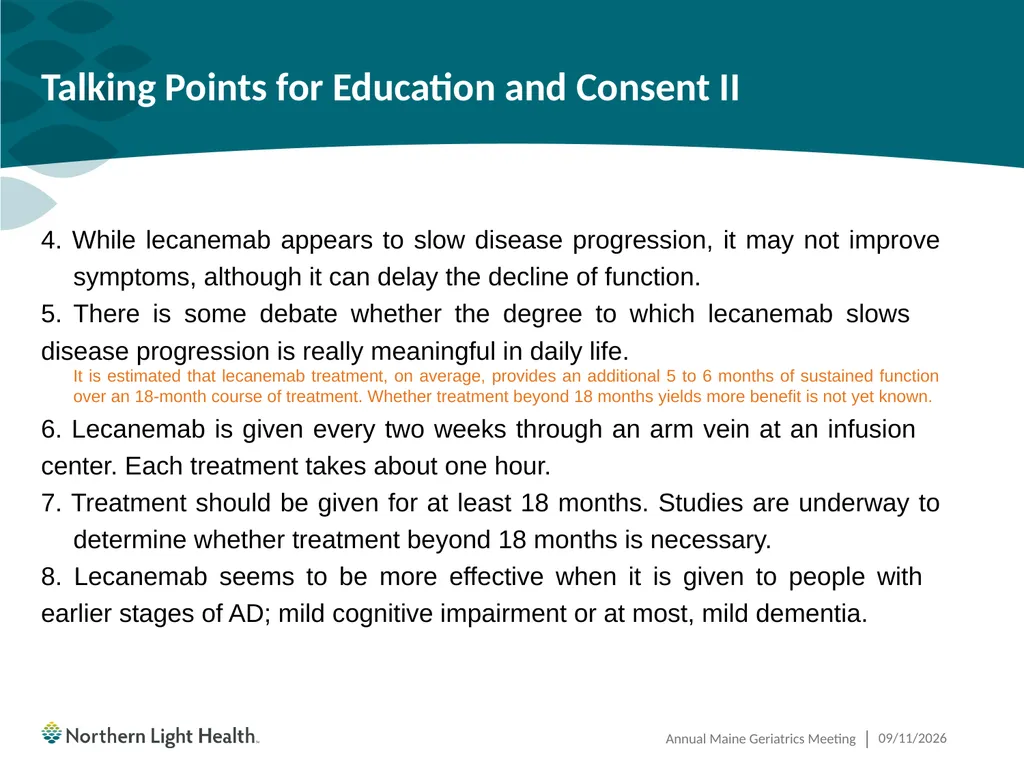
slide12. Talking Points for Education and Consent II 5/21/2024 Annual Maine Geriatrics Meeting 4. While lecanemab appears to slow disease progression, it may not improve symptoms, although it can delay the decline of function.
5. There is some debate whether the degree to which lecanemab slows disease progression is really meaningful in daily life.
It is estimated that lecanemab treatment, on average, provides an additional 5 to 6 months of sustained function over an 18-month course of treatment. Whether treatment beyond 18 months yields more benefit is not yet known.
6. Lecanemab is given every two weeks through an arm vein at an infusion center. Each treatment takes about one hour.
7. Treatment should be given for at least 18 months. Studies are underway to determine whether treatment beyond 18 months is necessary.
8. Lecanemab seems to be more effective when it is given to people with earlier stages of AD; mild cognitive impairment or at most, mild dementia.<br>
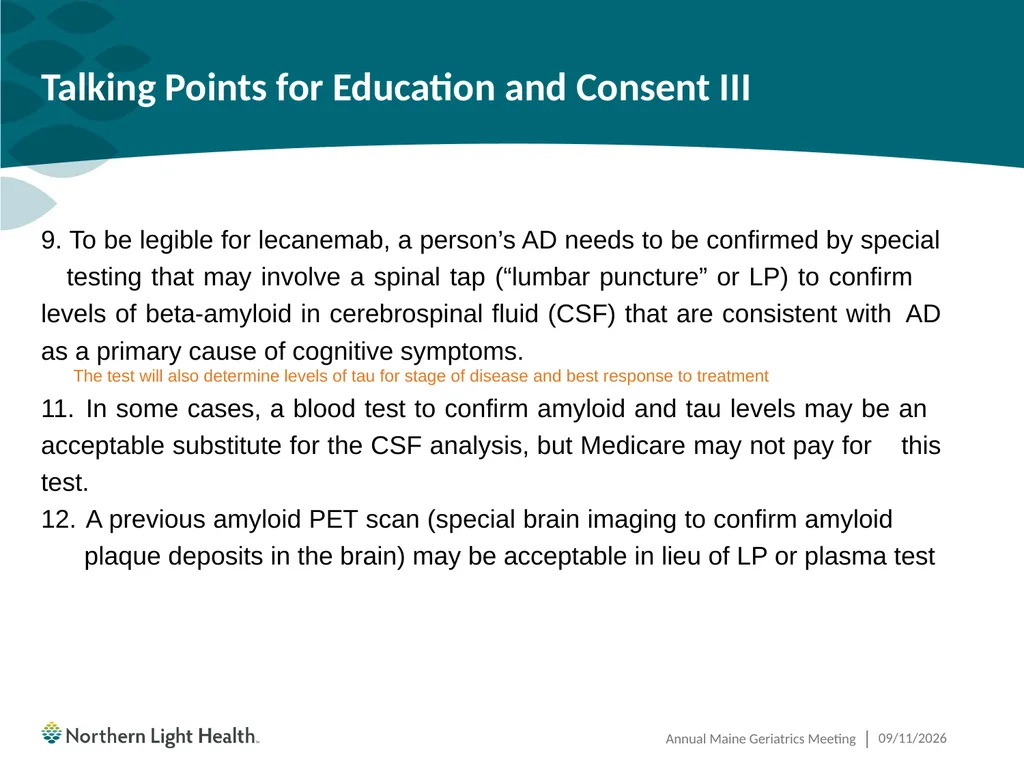
slide13. Talking Points for Education and Consent III 5/21/2024 Annual Maine Geriatrics Meeting 9. To be legible for lecanemab, a person’s AD needs to be confirmed by special testing that may involve a spinal tap (“lumbar puncture” or LP) to confirm levels of beta-amyloid in cerebrospinal fluid (CSF) that are consistent with AD as a primary cause of cognitive symptoms.
The test will also determine levels of tau for stage of disease and best response to treatment
11. In some cases, a blood test to confirm amyloid and tau levels may be an acceptable substitute for the CSF analysis, but Medicare may not pay for this test.
12. A previous amyloid PET scan (special brain imaging to confirm amyloid plaque deposits in the brain) may be acceptable in lieu of LP or plasma test<br>
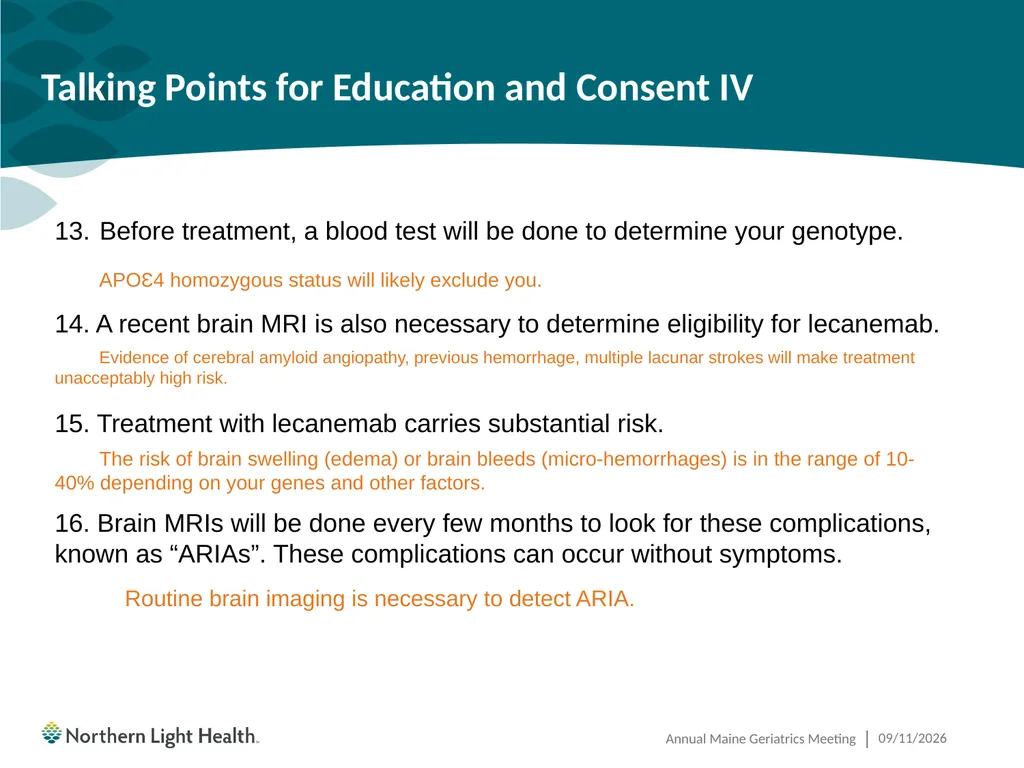
slide14. Talking Points for Education and Consent IV 5/21/2024 Annual Maine Geriatrics Meeting 13. Before treatment, a blood test will be done to determine your genotype.
APOƐ4 homozygous status will likely exclude you.
14. A recent brain MRI is also necessary to determine eligibility for lecanemab.
Evidence of cerebral amyloid angiopathy, previous hemorrhage, multiple lacunar strokes will make treatment unacceptably high risk.
15. Treatment with lecanemab carries substantial risk.
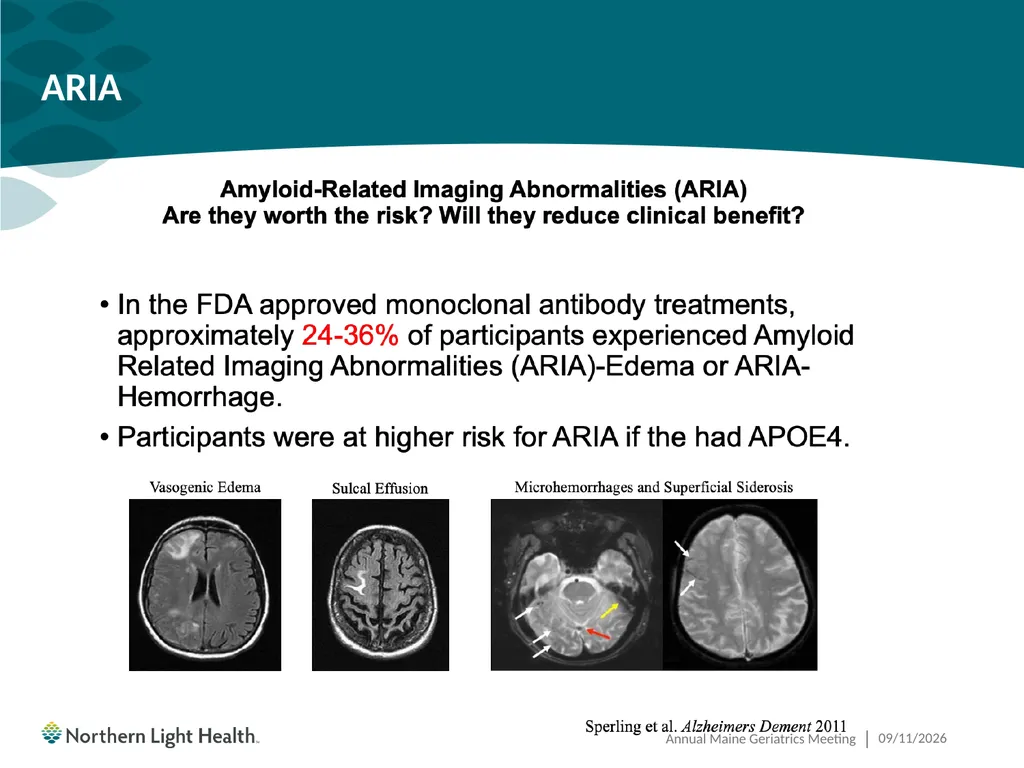
The risk of brain swelling (edema) or brain bleeds (micro-hemorrhages) is in the range of 10- 40% depending on your genes and other factors.
16. Brain MRIs will be done every few months to look for these complications, known as “ARIAs”. These complications can occur without symptoms.
Routine brain imaging is necessary to detect ARIA.<br>
slide15. ARIA 5/21/2024 Annual Maine Geriatrics Meeting<br>
slide16. Talking Points for Education and Consent V 5/21/2024 Annual Maine Geriatrics Meeting 14. Once ARIA are detected, treatment will be discontinued, at least temporarily.
The most frequent symptoms of ARIAs are headache, confusion, dizziness, changes in vision, nausea, or difficulty walking. These symptoms are generally mild and temporary, resolving in days or a few weeks. Depending on the severity of symptoms, treatment can be cautiously restarted once symptoms and the edema on brain scans clears.
Treatment with lecanemab is expensive. The drug itself costs about $26,000 per year, 80% of which would be paid by Medicare. If you have a Medicare supplement plan, it may or may not pay.
If you choose to be treated with lecanemab, you will also have to consent to have some of your health information shared with either Medicare or a Medicare-approved registry, such as Alz-NET. This is because the Center for Medicare and Medicaid (CMS) has approved payment for this type of treatment only with “coverage with evidence development” (CED) to continue to collect data on safety and efficacy of innovations in treatment Email me (csinger@northernlight.org) for pdf copies of this information.
EisaiPatientSupport.com/Leqembi is a good source as well (albeit branded).<br>
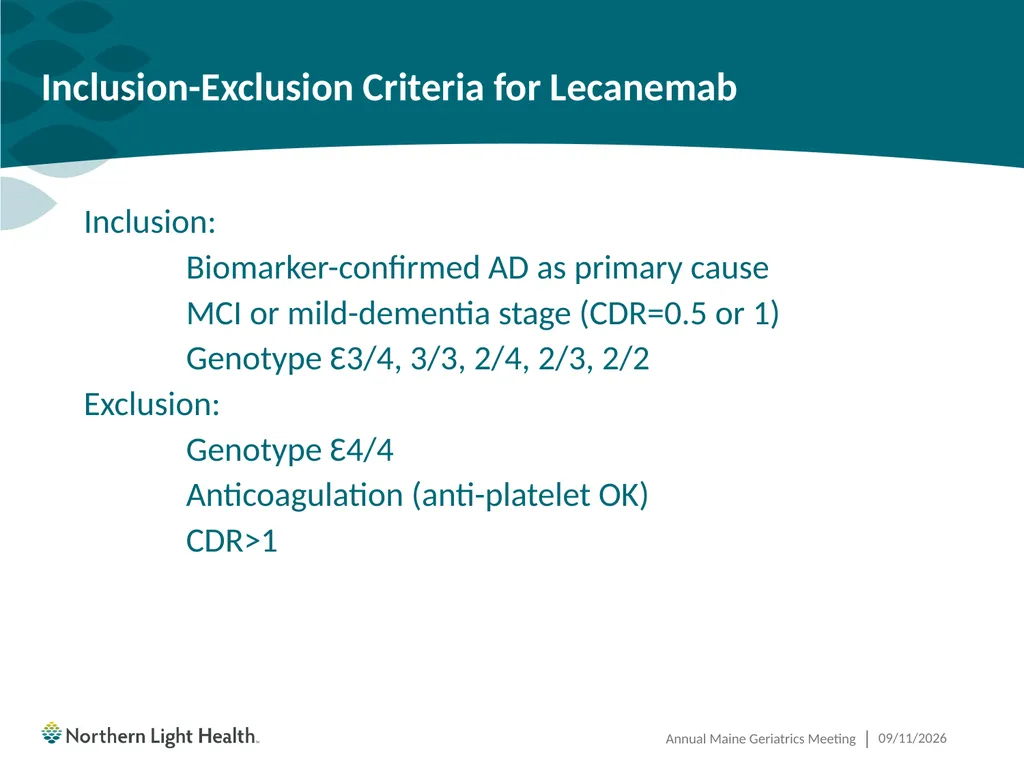
slide17. Inclusion-Exclusion Criteria for Lecanemab 5/21/2024 Annual Maine Geriatrics Meeting Inclusion:
Biomarker-confirmed AD as primary cause
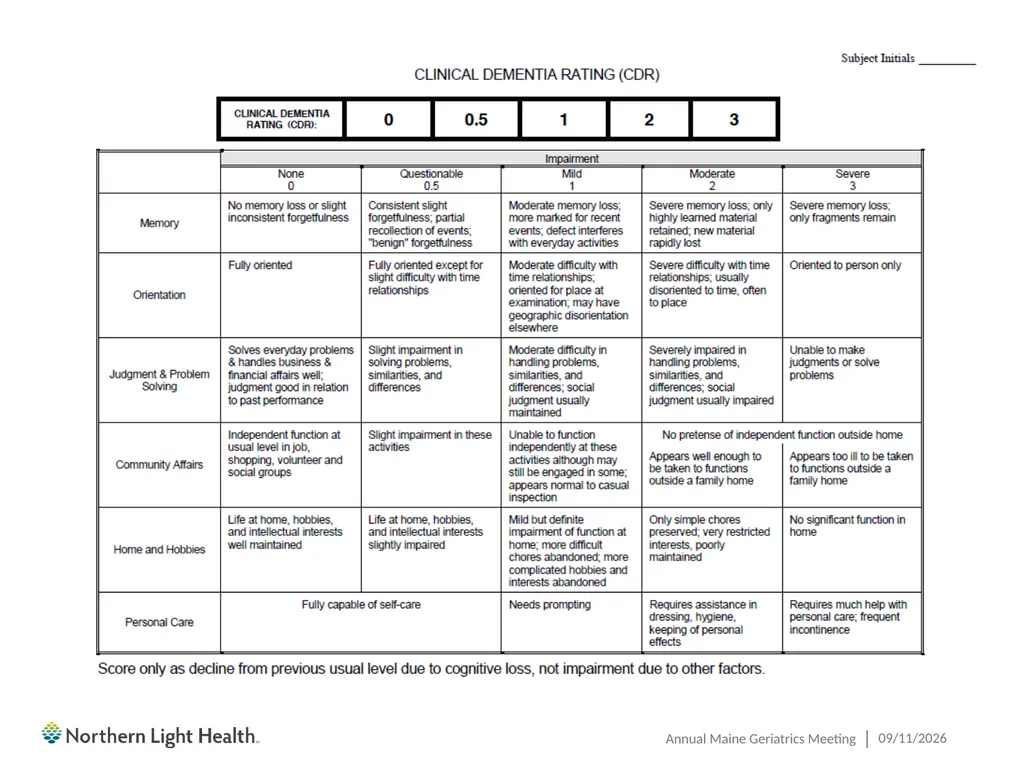
MCI or mild-dementia stage (CDR=0.5 or 1)
Genotype Ɛ3/4, 3/3, 2/4, 2/3, 2/2
Exclusion:
Genotype Ɛ4/4
Anticoagulation (anti-platelet OK)
CDR>1<br>
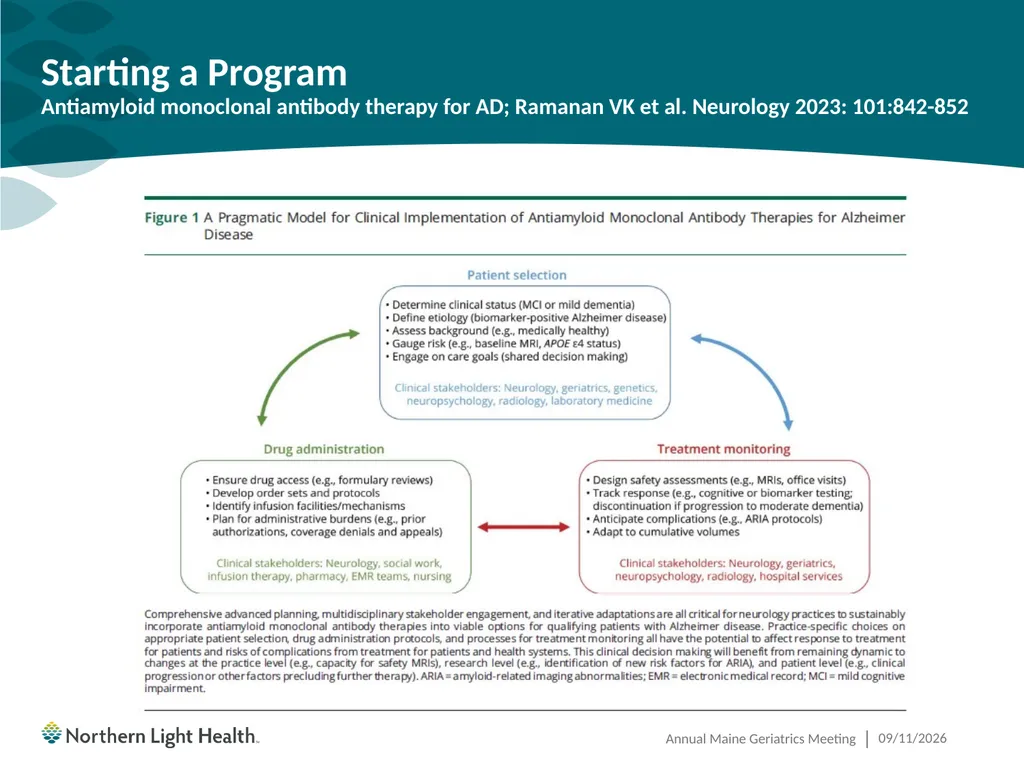
slide18. Starting a Program Antiamyloid monoclonal antibody therapy for AD; Ramanan VK et al. Neurology 2023: 101:842-852 5/21/2024 Annual Maine Geriatrics Meeting<br>
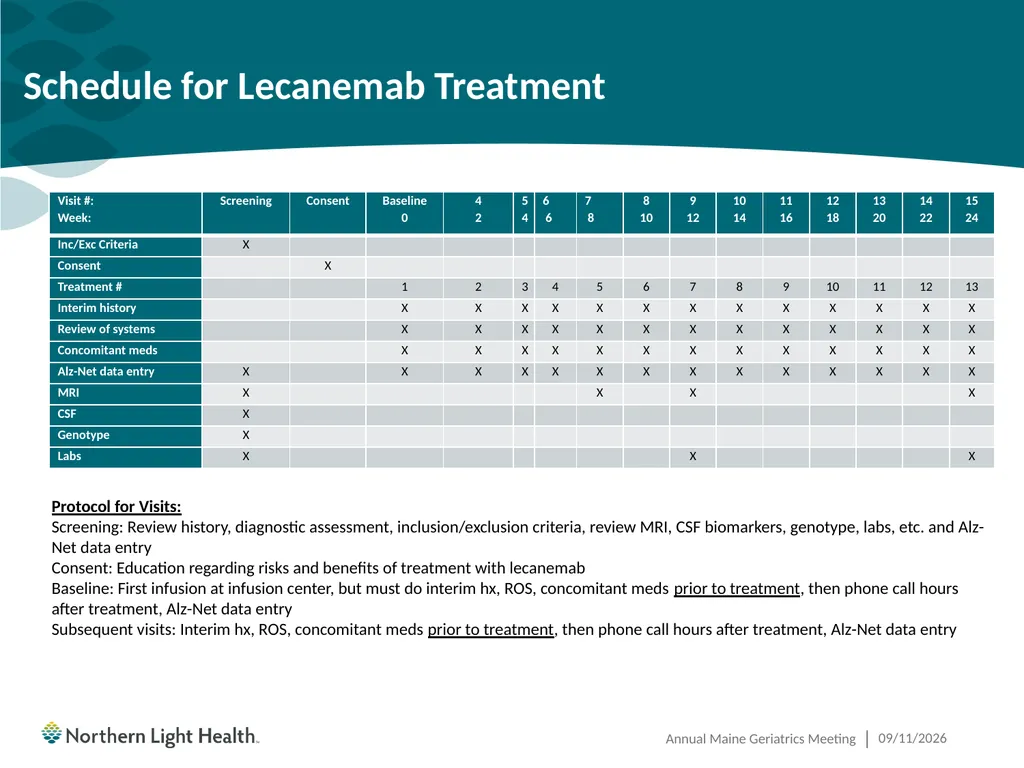
slide19. Schedule for Lecanemab Treatment 5/21/2024 Annual Maine Geriatrics Meeting Protocol for Visits:
Screening: Review history, diagnostic assessment, inclusion/exclusion criteria, review MRI, CSF biomarkers, genotype, labs, etc. and Alz-Net data entry
Consent: Education regarding risks and benefits of treatment with lecanemab
Baseline: First infusion at infusion center, but must do interim hx, ROS, concomitant meds prior to treatment, then phone call hours after treatment, Alz-Net data entry
Subsequent visits: Interim hx, ROS, concomitant meds prior to treatment, then phone call hours after treatment, Alz-Net data entry<br>
slide20. 5/21/2024 Annual Maine Geriatrics Meeting<br>
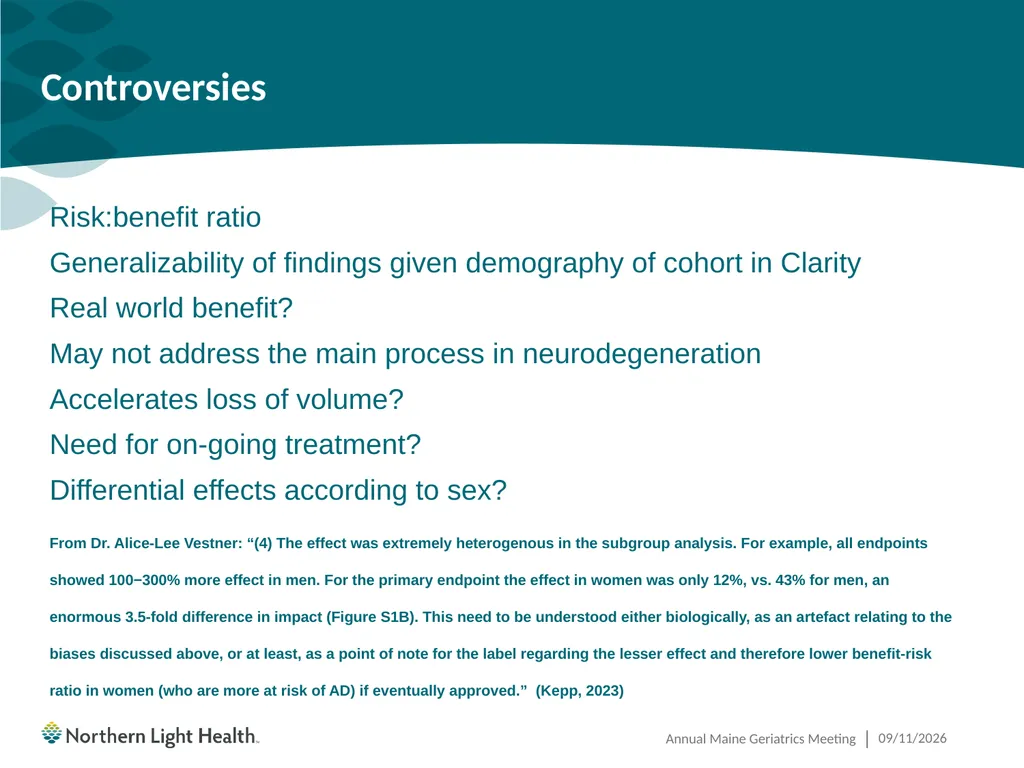
slide21. Controversies 5/21/2024 Annual Maine Geriatrics Meeting Risk:benefit ratio
Generalizability of findings given demography of cohort in Clarity
Real world benefit?
May not address the main process in neurodegeneration
Accelerates loss of volume?
Need for on-going treatment?
Differential effects according to sex?
From Dr. Alice-Lee Vestner: “(4) The effect was extremely heterogenous in the subgroup analysis. For example, all endpoints showed 100−300% more effect in men. For the primary endpoint the effect in women was only 12%, vs. 43% for men, an enormous 3.5-fold difference in impact (Figure S1B). This need to be understood either biologically, as an artefact relating to the biases discussed above, or at least, as a point of note for the label regarding the lesser effect and therefore lower benefit-risk ratio in women (who are more at risk of AD) if eventually approved.” (Kepp, 2023)<br>
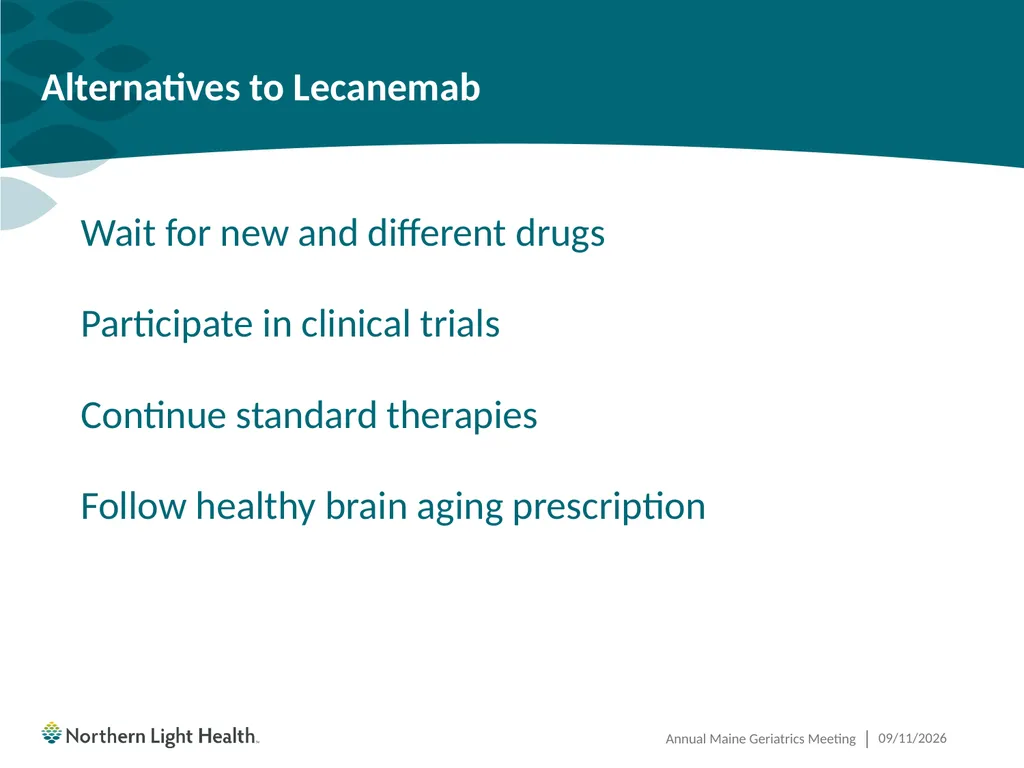
slide22. Alternatives to Lecanemab 5/21/2024 Annual Maine Geriatrics Meeting Wait for new and different drugs
Participate in clinical trials
Continue standard therapies
Follow healthy brain aging prescription<br>
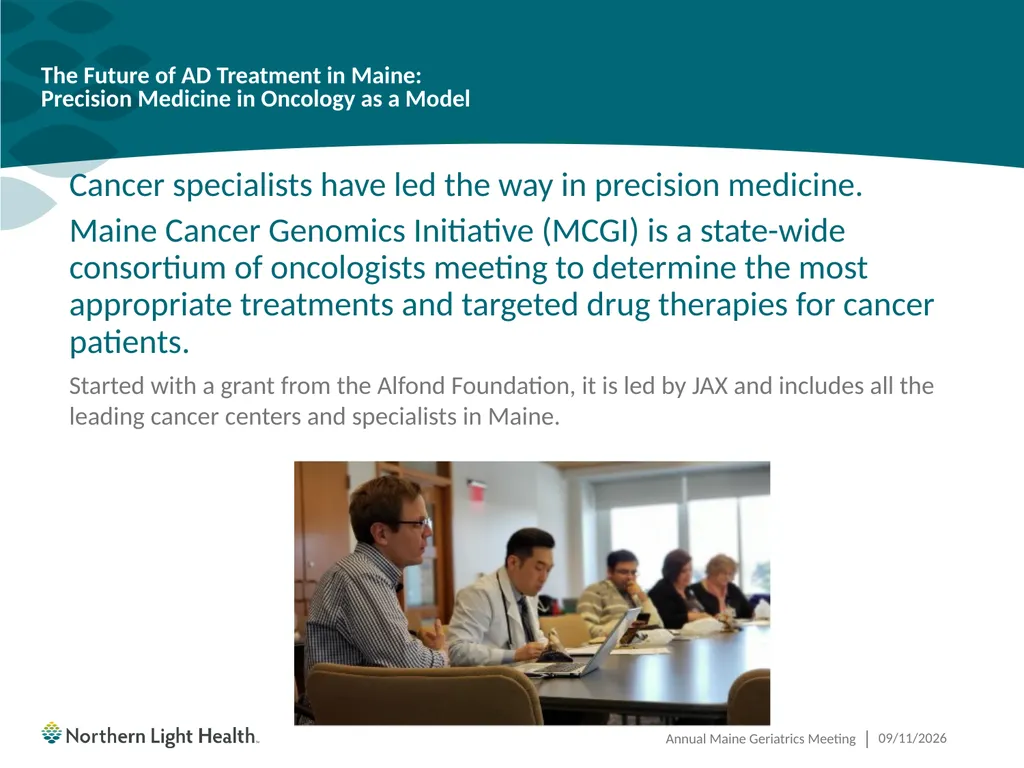
slide23. The Future of AD Treatment in Maine: Precision Medicine in Oncology as a Model 5/21/2024 Cancer specialists have led the way in precision medicine.
Maine Cancer Genomics Initiative (MCGI) is a state-wide consortium of oncologists meeting to determine the most appropriate treatments and targeted drug therapies for cancer patients.
Started with a grant from the Alfond Foundation, it is led by JAX and includes all the leading cancer centers and specialists in Maine. Annual Maine Geriatrics Meeting<br>
slide24. Maine Alzheimer’s Disease Clinical Alliance 5/21/2024 Primary Care Patients and Family Oversite of Protocol-Driven Disease Modifying Therapies Back to Standard Medical Treatment Clinical Trials Community Support Services Dementia Assessment Clinics Clinical, Data, Genomic and Education Cores Standardized clinical, imaging, genomic and fluid biomarker data set Annual Maine Geriatrics Meeting<br>
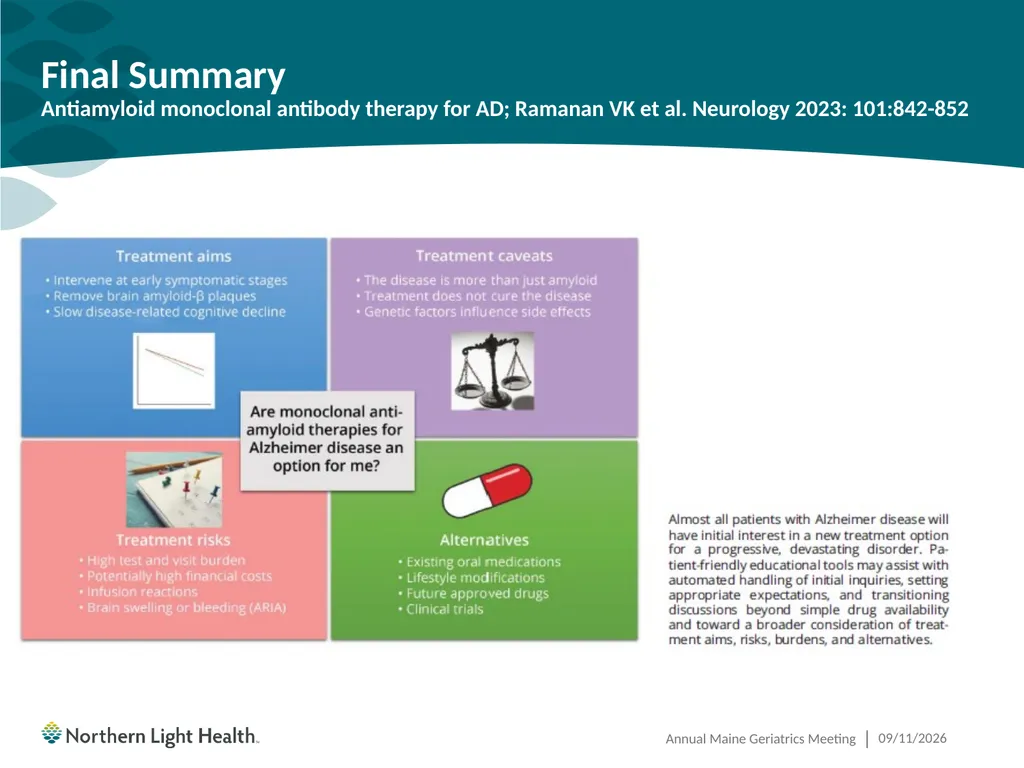
slide25. Final Summary Antiamyloid monoclonal antibody therapy for AD; Ramanan VK et al. Neurology 2023: 101:842-852 5/21/2024 Annual Maine Geriatrics Meeting<br>
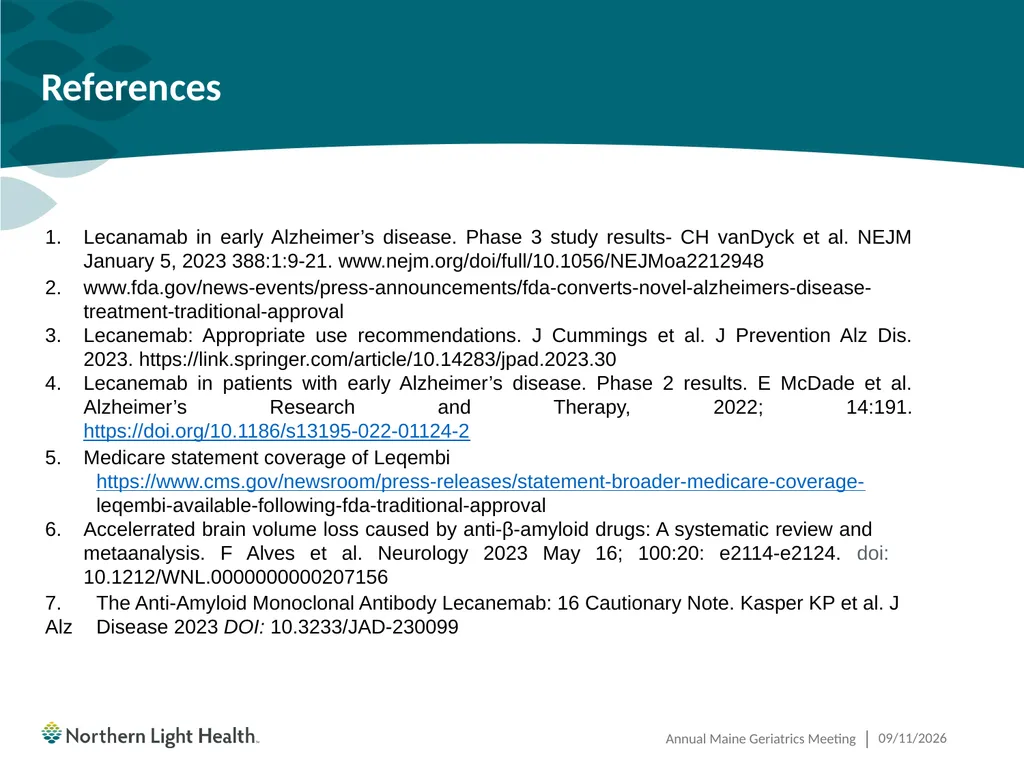
slide26. References 5/21/2024 Annual Maine Geriatrics Meeting Lecanamab in early Alzheimer’s disease. Phase 3 study results- CH vanDyck et al. NEJM January 5, 2023 388:1:9-21. www.nejm.org/doi/full/10.1056/NEJMoa2212948
www.fda.gov/news-events/press-announcements/fda-converts-novel-alzheimers-disease-treatment-traditional-approval
Lecanemab: Appropriate use recommendations. J Cummings et al. J Prevention Alz Dis. 2023. https://link.springer.com/article/10.14283/jpad.2023.30
Lecanemab in patients with early Alzheimer’s disease. Phase 2 results. E McDade et al. Alzheimer’s Research and Therapy, 2022; 14:191. https://doi.org/10.1186/s13195-022-01124-2
Medicare statement coverage of Leqembi
https://www.cms.gov/newsroom/press-releases/statement-broader-medicare-coverage- leqembi-available-following-fda-traditional-approval
Accelerrated brain volume loss caused by anti-β-amyloid drugs: A systematic review and metaanalysis. F Alves et al. Neurology 2023 May 16; 100:20: e2114-e2124. doi: 10.1212/WNL.0000000000207156
7. The Anti-Amyloid Monoclonal Antibody Lecanemab: 16 Cautionary Note. Kasper KP et al. J Alz Disease 2023 DOI: 10.3233/JAD-230099<br>
slide2. Disclosers 5/21/2024 Annual Maine Geriatrics Meeting I have no financial ties to Eisai or any other conflict of interest, financial or otherwise with regards to lecanemab.
I am the principal investigator of several clinical trials involving other potentially disease-modifying drugs and non-drug interventions.<br>
slide3. Learning Objectives: 5/21/2024 Annual Maine Geriatrics Meeting At the end of this session, participants will…..
Have improved confidence in opening the discussion on new anti-amyloid therapy options for Alzheimer’s disease.
Be able to list three inclusion and three exclusion criteria for who is appropriate for these treatments.
Demonstrate knowledge of potential benefits and risks of these new treatments.
Be able to discuss alternate options to anti-amyloid monoclonal antibodies for patients with Alzheimer’s disease.<br>
slide4. What Matters Most 5/21/2024 Annual Maine Geriatrics Meeting<br>
slide5. Primary Protein Biomarkers of Common Dementias Hampel H et al. Trends in Neurosciences 2023; 46:3:176-198 5/21/2024 Aβ (amyloid)
Alzheimer’s disease
Lewy body disease TDP-43
ALS
FTD/MND
Semantic dementia
LATE Tau
Alzheimer’s disease
Progressive supranuclear palsy
Corticobasal degeneration
Frontotemporal dementia bv
Primary progressive aphasia Alpha-synuclein
Lewy body disease
Parkinson’s disease
Multisystem Atrophy Each condition also
has associated
genetic biomarkers Annual Maine Geriatrics Meeting<br>
slide6. Hypothetical Progression of AD Pathology Jack CR et al. Lancet Neurology 2010 5/21/2024 Annual Maine Geriatrics Meeting<br>
slide7. Prevalence of Neuropathology by Age Jack C et al. Lancet Neurology 2014 5/21/2024 Annual Maine Geriatrics Meeting<br>
slide8. AD is More Complicated Than Beta-amyloid Han S, et al. Sci Rep. 2017;7:43577
Medina M et al. Alzheimer's Dement. 2017 Sep 19;3(4):571–578
Love S and Miners JC. Acta Neuropathol. 2016;131(5):645–658; 4. Jackson J et al. Front Neurosci. 2019;13:735. Neuroinflammation Progressive neuronal and synaptic degeneration Neuronal dysfunction Increased deposition of Aβ in the brain to form amyloid plaques Hyperphosphorylated tau and neurofibrillary tangle formation Cerebrovascular disease Oxidative stress and injury AD
Pathogenesis 5/21/2024 Annual Maine Geriatrics Meeting<br>
slide9. FDA Approval for Lecanemab Was Based on Clarity Data 5/21/2024 Annual Maine Geriatrics Meeting<br>
slide10. 5/21/2024 Annual Maine Geriatrics Meeting<br>
slide11. Talking Points for Education and Consent 5/21/2024 Annual Maine Geriatrics Meeting Lecanemab belongs to a class of drugs known as “mono-clonal antibodies” (MCA). These are drugs that stimulate the body’s immune system to attack and digest specific proteins that can cause disease. Lecanemab is currently the only MCA available to treat Alzheimer’s disease (AD). This is a true advance in treatment options.
Lecanemab works by binding to different forms of a protein called beta-amyloid that is thought to initiate the process of AD that eventually leads to dementia.
The binding to beta-amyloid targets it for removal by the brain’s immune system.
Because lecanemab interferes with the process of AD, it is known as a “disease modifying” drug, rather than just helping with cognitive symptoms, as standard treatments do.
Lecanemab, like other drugs in its class that are not available for clinical use, is highly effective at removing amyloid from the brain
There is some evidence that this also slows the spread of tau in the brain (in the form of neurofibrilary tangles)<br>
slide12. Talking Points for Education and Consent II 5/21/2024 Annual Maine Geriatrics Meeting 4. While lecanemab appears to slow disease progression, it may not improve symptoms, although it can delay the decline of function.
5. There is some debate whether the degree to which lecanemab slows disease progression is really meaningful in daily life.
It is estimated that lecanemab treatment, on average, provides an additional 5 to 6 months of sustained function over an 18-month course of treatment. Whether treatment beyond 18 months yields more benefit is not yet known.
6. Lecanemab is given every two weeks through an arm vein at an infusion center. Each treatment takes about one hour.
7. Treatment should be given for at least 18 months. Studies are underway to determine whether treatment beyond 18 months is necessary.
8. Lecanemab seems to be more effective when it is given to people with earlier stages of AD; mild cognitive impairment or at most, mild dementia.<br>
slide13. Talking Points for Education and Consent III 5/21/2024 Annual Maine Geriatrics Meeting 9. To be legible for lecanemab, a person’s AD needs to be confirmed by special testing that may involve a spinal tap (“lumbar puncture” or LP) to confirm levels of beta-amyloid in cerebrospinal fluid (CSF) that are consistent with AD as a primary cause of cognitive symptoms.
The test will also determine levels of tau for stage of disease and best response to treatment
11. In some cases, a blood test to confirm amyloid and tau levels may be an acceptable substitute for the CSF analysis, but Medicare may not pay for this test.
12. A previous amyloid PET scan (special brain imaging to confirm amyloid plaque deposits in the brain) may be acceptable in lieu of LP or plasma test<br>
slide14. Talking Points for Education and Consent IV 5/21/2024 Annual Maine Geriatrics Meeting 13. Before treatment, a blood test will be done to determine your genotype.
APOƐ4 homozygous status will likely exclude you.
14. A recent brain MRI is also necessary to determine eligibility for lecanemab.
Evidence of cerebral amyloid angiopathy, previous hemorrhage, multiple lacunar strokes will make treatment unacceptably high risk.
15. Treatment with lecanemab carries substantial risk.
The risk of brain swelling (edema) or brain bleeds (micro-hemorrhages) is in the range of 10- 40% depending on your genes and other factors.
16. Brain MRIs will be done every few months to look for these complications, known as “ARIAs”. These complications can occur without symptoms.
Routine brain imaging is necessary to detect ARIA.<br>
slide15. ARIA 5/21/2024 Annual Maine Geriatrics Meeting<br>
slide16. Talking Points for Education and Consent V 5/21/2024 Annual Maine Geriatrics Meeting 14. Once ARIA are detected, treatment will be discontinued, at least temporarily.
The most frequent symptoms of ARIAs are headache, confusion, dizziness, changes in vision, nausea, or difficulty walking. These symptoms are generally mild and temporary, resolving in days or a few weeks. Depending on the severity of symptoms, treatment can be cautiously restarted once symptoms and the edema on brain scans clears.
Treatment with lecanemab is expensive. The drug itself costs about $26,000 per year, 80% of which would be paid by Medicare. If you have a Medicare supplement plan, it may or may not pay.
If you choose to be treated with lecanemab, you will also have to consent to have some of your health information shared with either Medicare or a Medicare-approved registry, such as Alz-NET. This is because the Center for Medicare and Medicaid (CMS) has approved payment for this type of treatment only with “coverage with evidence development” (CED) to continue to collect data on safety and efficacy of innovations in treatment Email me (csinger@northernlight.org) for pdf copies of this information.
EisaiPatientSupport.com/Leqembi is a good source as well (albeit branded).<br>
slide17. Inclusion-Exclusion Criteria for Lecanemab 5/21/2024 Annual Maine Geriatrics Meeting Inclusion:
Biomarker-confirmed AD as primary cause
MCI or mild-dementia stage (CDR=0.5 or 1)
Genotype Ɛ3/4, 3/3, 2/4, 2/3, 2/2
Exclusion:
Genotype Ɛ4/4
Anticoagulation (anti-platelet OK)
CDR>1<br>
slide18. Starting a Program Antiamyloid monoclonal antibody therapy for AD; Ramanan VK et al. Neurology 2023: 101:842-852 5/21/2024 Annual Maine Geriatrics Meeting<br>
slide19. Schedule for Lecanemab Treatment 5/21/2024 Annual Maine Geriatrics Meeting Protocol for Visits:
Screening: Review history, diagnostic assessment, inclusion/exclusion criteria, review MRI, CSF biomarkers, genotype, labs, etc. and Alz-Net data entry
Consent: Education regarding risks and benefits of treatment with lecanemab
Baseline: First infusion at infusion center, but must do interim hx, ROS, concomitant meds prior to treatment, then phone call hours after treatment, Alz-Net data entry
Subsequent visits: Interim hx, ROS, concomitant meds prior to treatment, then phone call hours after treatment, Alz-Net data entry<br>
slide20. 5/21/2024 Annual Maine Geriatrics Meeting<br>
slide21. Controversies 5/21/2024 Annual Maine Geriatrics Meeting Risk:benefit ratio
Generalizability of findings given demography of cohort in Clarity
Real world benefit?
May not address the main process in neurodegeneration
Accelerates loss of volume?
Need for on-going treatment?
Differential effects according to sex?
From Dr. Alice-Lee Vestner: “(4) The effect was extremely heterogenous in the subgroup analysis. For example, all endpoints showed 100−300% more effect in men. For the primary endpoint the effect in women was only 12%, vs. 43% for men, an enormous 3.5-fold difference in impact (Figure S1B). This need to be understood either biologically, as an artefact relating to the biases discussed above, or at least, as a point of note for the label regarding the lesser effect and therefore lower benefit-risk ratio in women (who are more at risk of AD) if eventually approved.” (Kepp, 2023)<br>
slide22. Alternatives to Lecanemab 5/21/2024 Annual Maine Geriatrics Meeting Wait for new and different drugs
Participate in clinical trials
Continue standard therapies
Follow healthy brain aging prescription<br>
slide23. The Future of AD Treatment in Maine: Precision Medicine in Oncology as a Model 5/21/2024 Cancer specialists have led the way in precision medicine.
Maine Cancer Genomics Initiative (MCGI) is a state-wide consortium of oncologists meeting to determine the most appropriate treatments and targeted drug therapies for cancer patients.
Started with a grant from the Alfond Foundation, it is led by JAX and includes all the leading cancer centers and specialists in Maine. Annual Maine Geriatrics Meeting<br>
slide24. Maine Alzheimer’s Disease Clinical Alliance 5/21/2024 Primary Care Patients and Family Oversite of Protocol-Driven Disease Modifying Therapies Back to Standard Medical Treatment Clinical Trials Community Support Services Dementia Assessment Clinics Clinical, Data, Genomic and Education Cores Standardized clinical, imaging, genomic and fluid biomarker data set Annual Maine Geriatrics Meeting<br>
slide25. Final Summary Antiamyloid monoclonal antibody therapy for AD; Ramanan VK et al. Neurology 2023: 101:842-852 5/21/2024 Annual Maine Geriatrics Meeting<br>
slide26. References 5/21/2024 Annual Maine Geriatrics Meeting Lecanamab in early Alzheimer’s disease. Phase 3 study results- CH vanDyck et al. NEJM January 5, 2023 388:1:9-21. www.nejm.org/doi/full/10.1056/NEJMoa2212948
www.fda.gov/news-events/press-announcements/fda-converts-novel-alzheimers-disease-treatment-traditional-approval
Lecanemab: Appropriate use recommendations. J Cummings et al. J Prevention Alz Dis. 2023. https://link.springer.com/article/10.14283/jpad.2023.30
Lecanemab in patients with early Alzheimer’s disease. Phase 2 results. E McDade et al. Alzheimer’s Research and Therapy, 2022; 14:191. https://doi.org/10.1186/s13195-022-01124-2
Medicare statement coverage of Leqembi
https://www.cms.gov/newsroom/press-releases/statement-broader-medicare-coverage- leqembi-available-following-fda-traditional-approval
Accelerrated brain volume loss caused by anti-β-amyloid drugs: A systematic review and metaanalysis. F Alves et al. Neurology 2023 May 16; 100:20: e2114-e2124. doi: 10.1212/WNL.0000000000207156
7. The Anti-Amyloid Monoclonal Antibody Lecanemab: 16 Cautionary Note. Kasper KP et al. J Alz Disease 2023 DOI: 10.3233/JAD-230099<br>