
Intelligence. What is Intelligence Intelligence is
Description: Intelligence. What is Intelligence Intelligence is the ability to learn about, learn from understand, and interact with ones environment. This general ability consist of a number of specific abilities : Adaptability to a new environment or
Related Topics
Download Presentation
"Intelligence. What is Intelligence Intelligence is" is the property of its rightful owner. Permission is granted to download and print the materials on this website for personal, non-commercial use only, and to display it on your personal computer provided you do not modify the materials and that you retain all copyright notices contained in the materials. By downloading content from our website, you accept the terms of this agreement.
Presentation Transcript
slide1. Intelligence.<br>
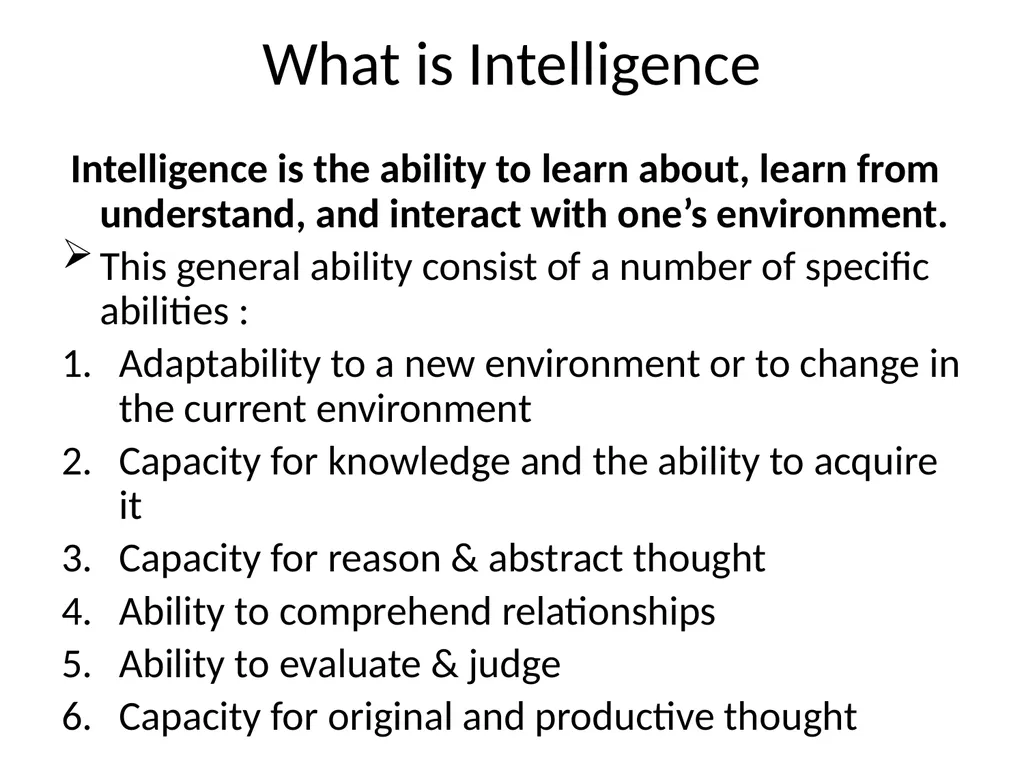
slide2. What is Intelligence Intelligence is the ability to learn about, learn from understand, and interact with one’s environment.
This general ability consist of a number of specific abilities :
Adaptability to a new environment or to change in the current environment
Capacity for knowledge and the ability to acquire it
Capacity for reason & abstract thought
Ability to comprehend relationships
Ability to evaluate & judge
Capacity for original and productive thought<br>
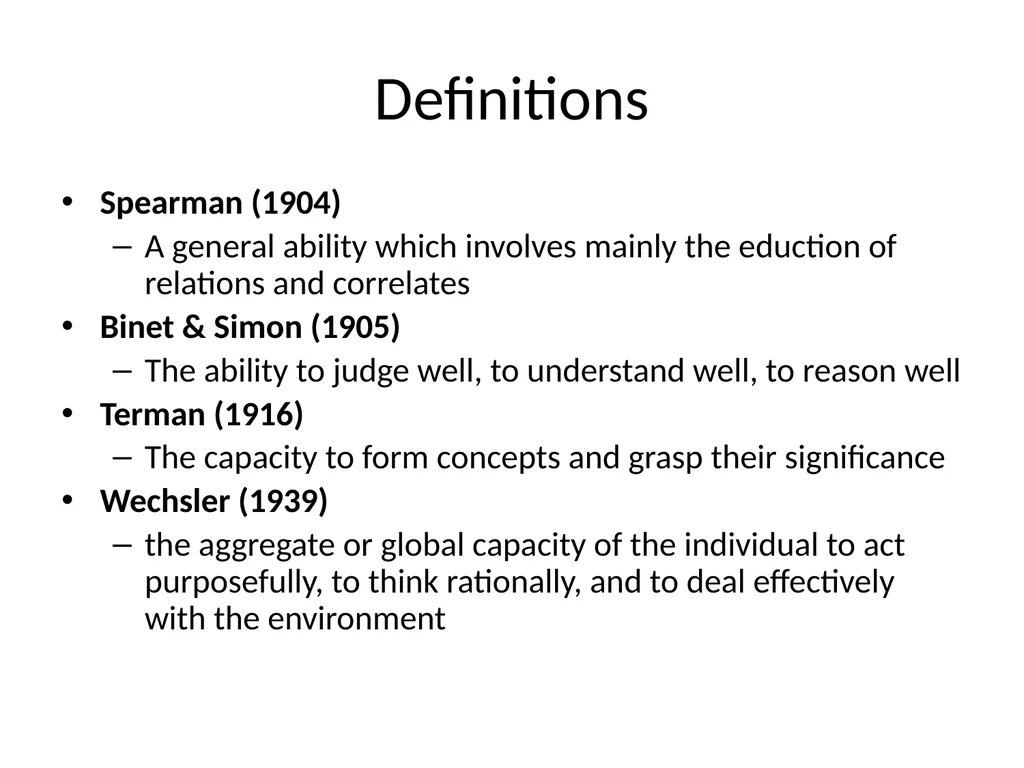
slide3. Definitions Spearman (1904)
A general ability which involves mainly the eduction of relations and correlates
Binet & Simon (1905)
The ability to judge well, to understand well, to reason well
Terman (1916)
The capacity to form concepts and grasp their significance
Wechsler (1939)
the aggregate or global capacity of the individual to act purposefully, to think rationally, and to deal effectively with the environment<br>
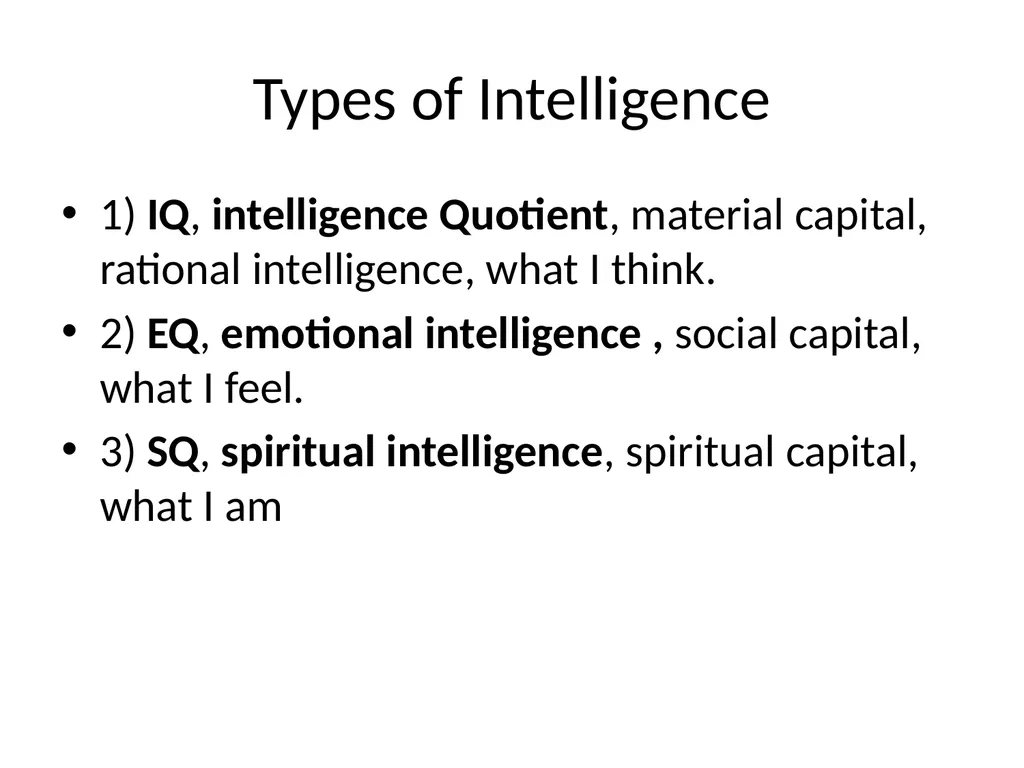
slide4. Types of Intelligence 1) IQ, intelligence Quotient, material capital, rational intelligence, what I think.
2) EQ, emotional intelligence , social capital, what I feel.
3) SQ, spiritual intelligence, spiritual capital, what I am<br>
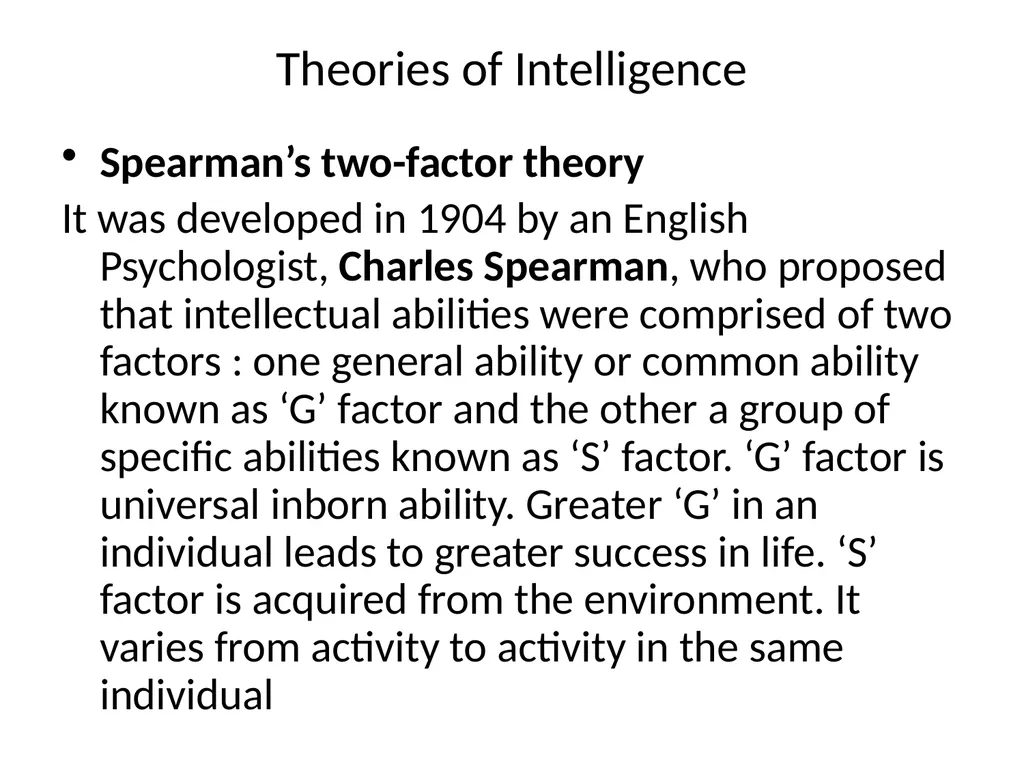
slide5. Theories of Intelligence Spearman’s two-factor theory
It was developed in 1904 by an English Psychologist, Charles Spearman, who proposed that intellectual abilities were comprised of two factors : one general ability or common ability known as ‘G’ factor and the other a group of specific abilities known as ‘S’ factor. ‘G’ factor is universal inborn ability. Greater ‘G’ in an individual leads to greater success in life. ‘S’ factor is acquired from the environment. It varies from activity to activity in the same individual<br>
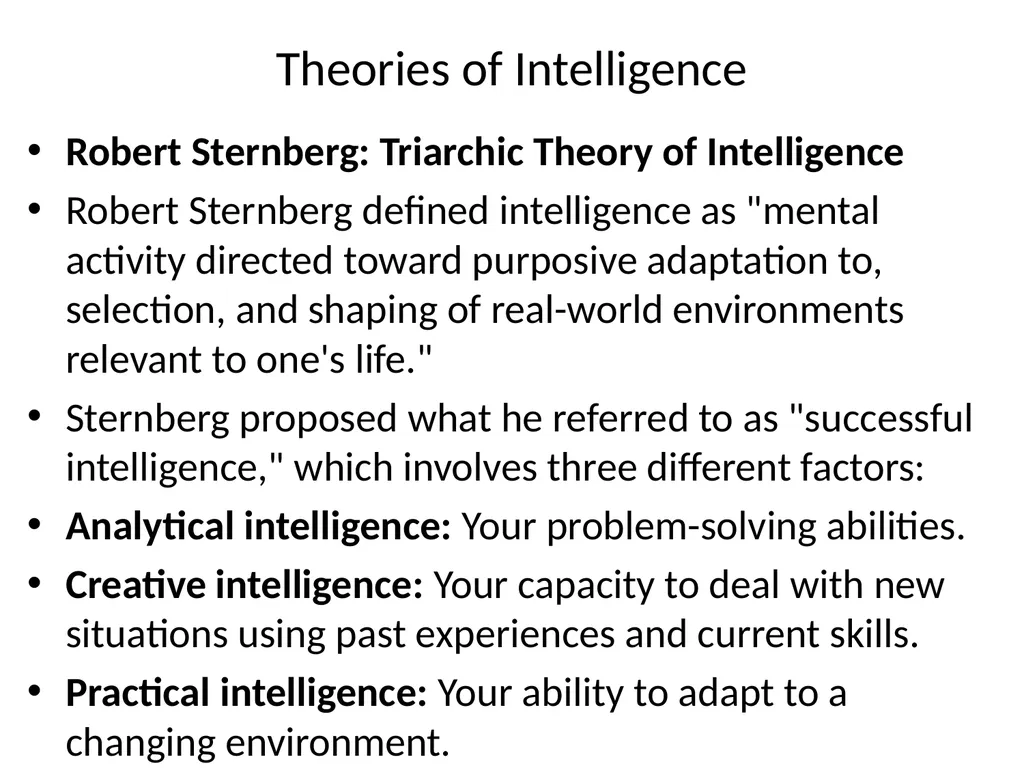
slide6. Theories of Intelligence Robert Sternberg: Triarchic Theory of Intelligence
Robert Sternberg defined intelligence as "mental activity directed toward purposive adaptation to, selection, and shaping of real-world environments relevant to one's life."
Sternberg proposed what he referred to as "successful intelligence," which involves three different factors:
Analytical intelligence: Your problem-solving abilities.
Creative intelligence: Your capacity to deal with new situations using past experiences and current skills.
Practical intelligence: Your ability to adapt to a changing environment.<br>
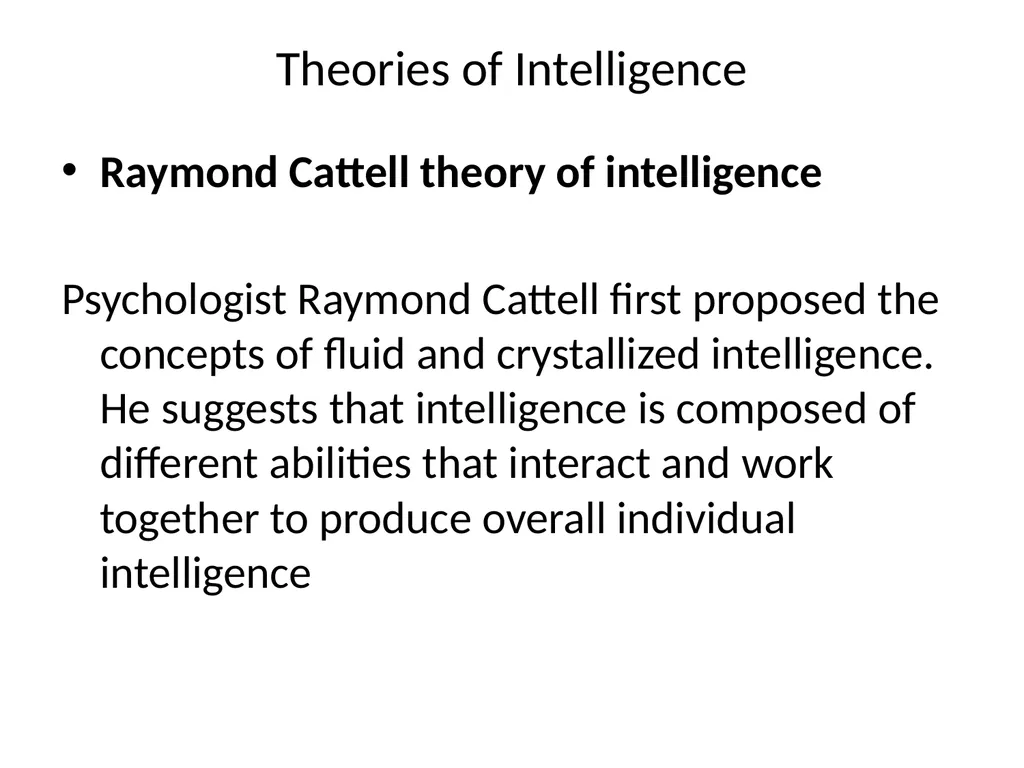
slide7. Theories of Intelligence Raymond Cattell theory of intelligence
Psychologist Raymond Cattell first proposed the concepts of fluid and crystallized intelligence. He suggests that intelligence is composed of different abilities that interact and work together to produce overall individual intelligence<br>
slide8. Theories of Intelligence Fluid Intelligence
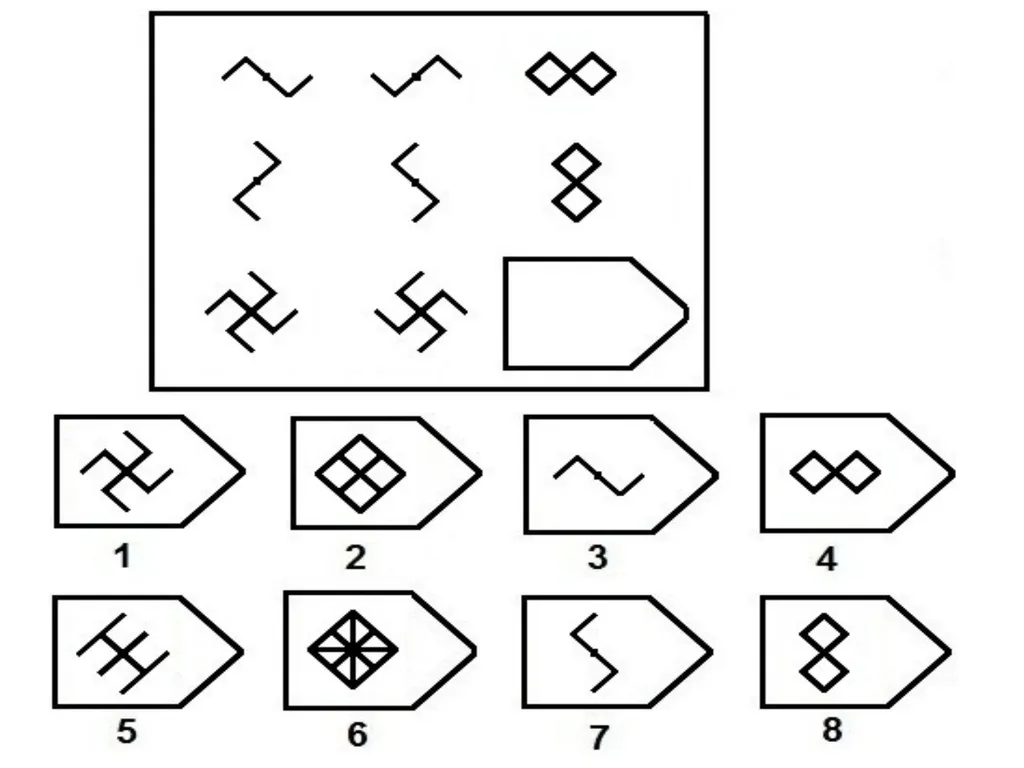
Cattell defined fluid intelligence as "the ability to perceive relationships independent of previous specific practice or instruction concerning those relationships."
Fluid intelligence involves being able to think and reason abstractly and solve problems. This ability is considered independent of learning, experience, and education.<br>
slide9. Crystallized Intelligence
Crystallized intelligence involves knowledge that comes from prior learning and past experiences. Situations that require crystallized intelligence include reading comprehension and vocabulary exams.
Crystallized intelligence is based upon facts and rooted in experiences. As we age and accumulate new knowledge and understanding, crystallized intelligence becomes stronger.<br>
slide10. IQ tests lists Stanford-Binet Intelligence Scales (SB5)
Wechsler Adult Intelligence Scale (WAIS)
Wechsler Intelligence Scale for Children (WISC)
Wechsler Preschool and Primary Scale of Intelligence (WPPSI)
Differential Ability Scales (DAS)
Woodcock-Johnson Tests of Cognitive Abilities (WJ)<br>
slide2. What is Intelligence Intelligence is the ability to learn about, learn from understand, and interact with one’s environment.
This general ability consist of a number of specific abilities :
Adaptability to a new environment or to change in the current environment
Capacity for knowledge and the ability to acquire it
Capacity for reason & abstract thought
Ability to comprehend relationships
Ability to evaluate & judge
Capacity for original and productive thought<br>
slide3. Definitions Spearman (1904)
A general ability which involves mainly the eduction of relations and correlates
Binet & Simon (1905)
The ability to judge well, to understand well, to reason well
Terman (1916)
The capacity to form concepts and grasp their significance
Wechsler (1939)
the aggregate or global capacity of the individual to act purposefully, to think rationally, and to deal effectively with the environment<br>
slide4. Types of Intelligence 1) IQ, intelligence Quotient, material capital, rational intelligence, what I think.
2) EQ, emotional intelligence , social capital, what I feel.
3) SQ, spiritual intelligence, spiritual capital, what I am<br>
slide5. Theories of Intelligence Spearman’s two-factor theory
It was developed in 1904 by an English Psychologist, Charles Spearman, who proposed that intellectual abilities were comprised of two factors : one general ability or common ability known as ‘G’ factor and the other a group of specific abilities known as ‘S’ factor. ‘G’ factor is universal inborn ability. Greater ‘G’ in an individual leads to greater success in life. ‘S’ factor is acquired from the environment. It varies from activity to activity in the same individual<br>
slide6. Theories of Intelligence Robert Sternberg: Triarchic Theory of Intelligence
Robert Sternberg defined intelligence as "mental activity directed toward purposive adaptation to, selection, and shaping of real-world environments relevant to one's life."
Sternberg proposed what he referred to as "successful intelligence," which involves three different factors:
Analytical intelligence: Your problem-solving abilities.
Creative intelligence: Your capacity to deal with new situations using past experiences and current skills.
Practical intelligence: Your ability to adapt to a changing environment.<br>
slide7. Theories of Intelligence Raymond Cattell theory of intelligence
Psychologist Raymond Cattell first proposed the concepts of fluid and crystallized intelligence. He suggests that intelligence is composed of different abilities that interact and work together to produce overall individual intelligence<br>
slide8. Theories of Intelligence Fluid Intelligence
Cattell defined fluid intelligence as "the ability to perceive relationships independent of previous specific practice or instruction concerning those relationships."
Fluid intelligence involves being able to think and reason abstractly and solve problems. This ability is considered independent of learning, experience, and education.<br>
slide9. Crystallized Intelligence
Crystallized intelligence involves knowledge that comes from prior learning and past experiences. Situations that require crystallized intelligence include reading comprehension and vocabulary exams.
Crystallized intelligence is based upon facts and rooted in experiences. As we age and accumulate new knowledge and understanding, crystallized intelligence becomes stronger.<br>
slide10. IQ tests lists Stanford-Binet Intelligence Scales (SB5)
Wechsler Adult Intelligence Scale (WAIS)
Wechsler Intelligence Scale for Children (WISC)
Wechsler Preschool and Primary Scale of Intelligence (WPPSI)
Differential Ability Scales (DAS)
Woodcock-Johnson Tests of Cognitive Abilities (WJ)<br>