Introduction to Computer Engineering ECECS 252, Fall 2011 Prof. Mikko Lipasti Department of Electrical and Computer Engineering University of Wisconsin Madison What is a Computer? Computers! Engineers and scientists of all disciplines
"Introduction to Computer Engineering ECE/CS 252," is the property of its rightful owner. Permission is granted to
download and print the materials on this website for personal, non-commercial use only, and to display it
on your personal computer provided you do not modify the materials and that you retain all copyright
notices contained in the materials. By downloading content from our website, you accept the terms of this
agreement.
Presentation Transcript
01
Introduction to Computer Engineering ECE/CS 252, Fall 2011
Prof. Mikko Lipasti
Department of Electrical and Computer Engineering
University of Wisconsin – Madison<br>
02
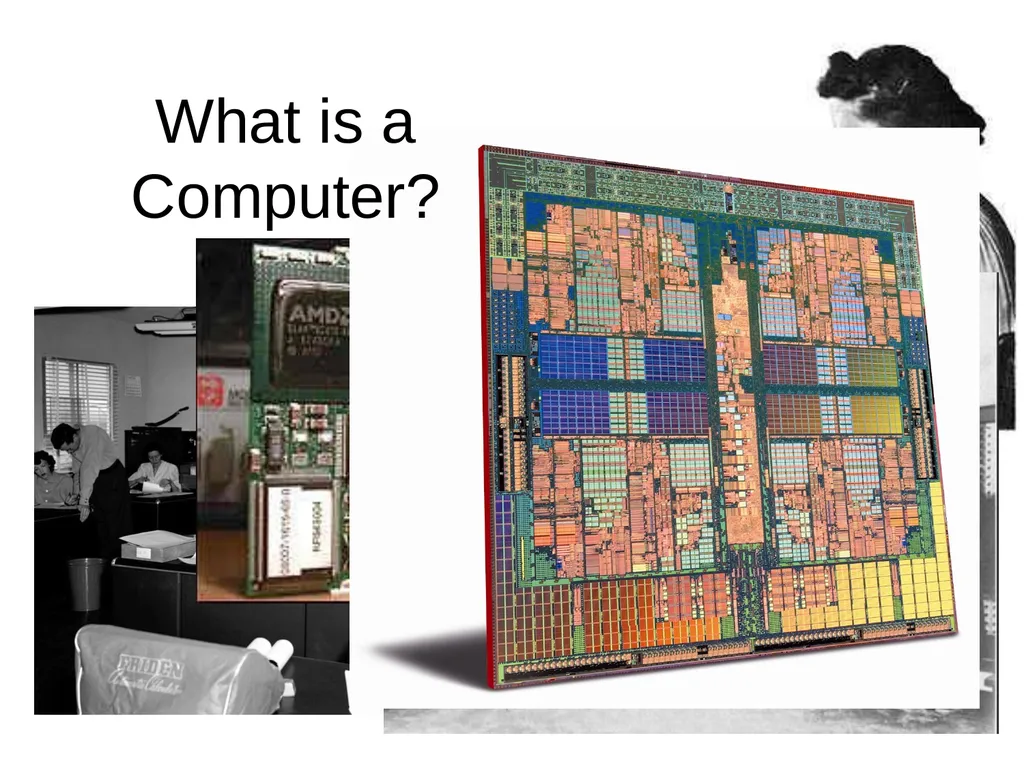
What is a Computer?<br>
03
Computers! Engineers and scientists of all disciplines rely on computers for many aspects of their work
Not just word processing, spreadsheets, CAD, etc.
Computational methods, data mining, analysis/synthesis are fundamental to advances in many fields
Many of the advanced techniques used in today’s microprocessors were invented right here at UW
Some of the most renowned computer design researchers in the world are on our faculty
There is a near-100% likelihood that a Wisconsin graduate helped design the computer or processor that you own<br>
04
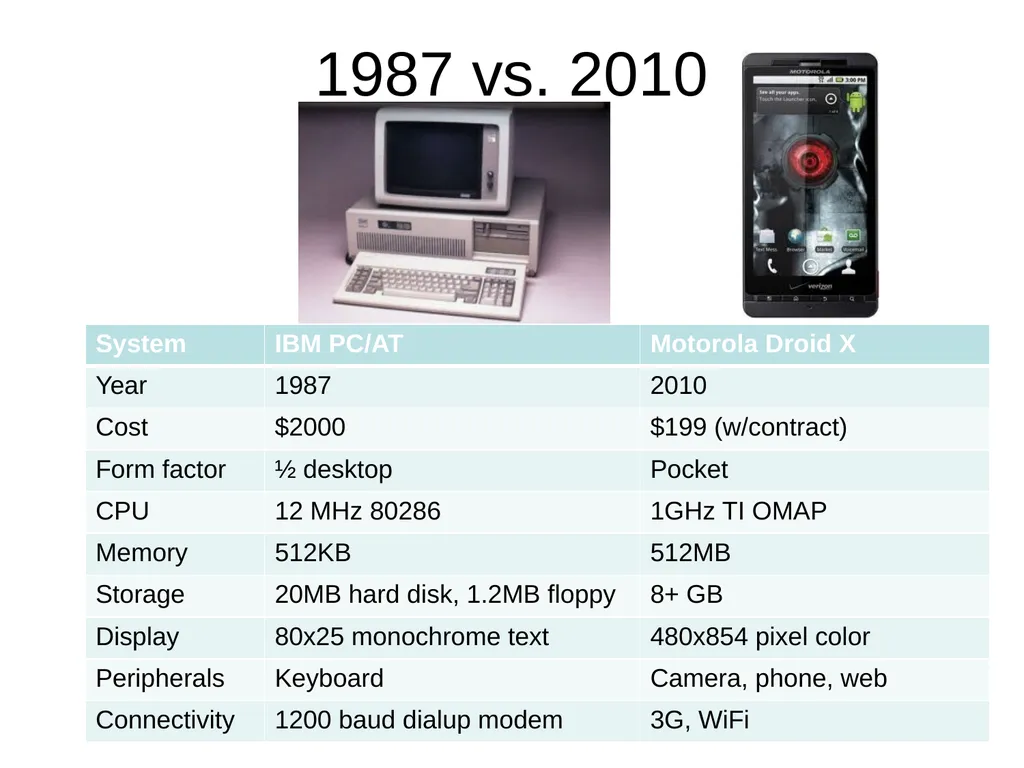
1987 vs. 2010<br>
05
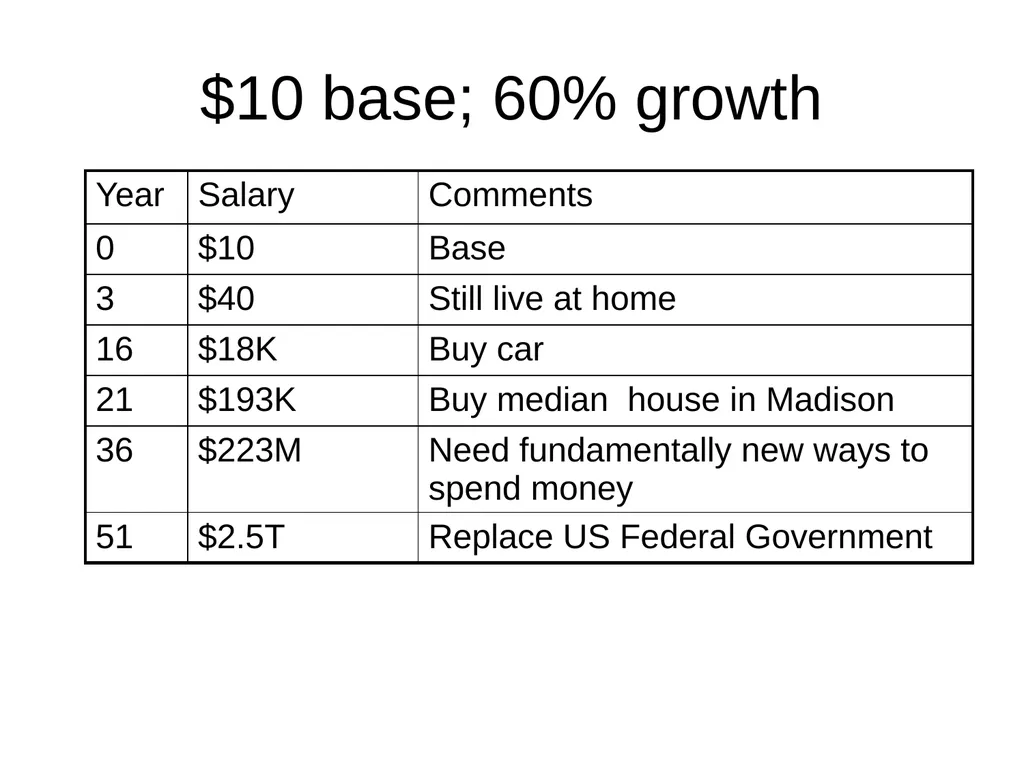
$10 base; 60% growth<br>
06
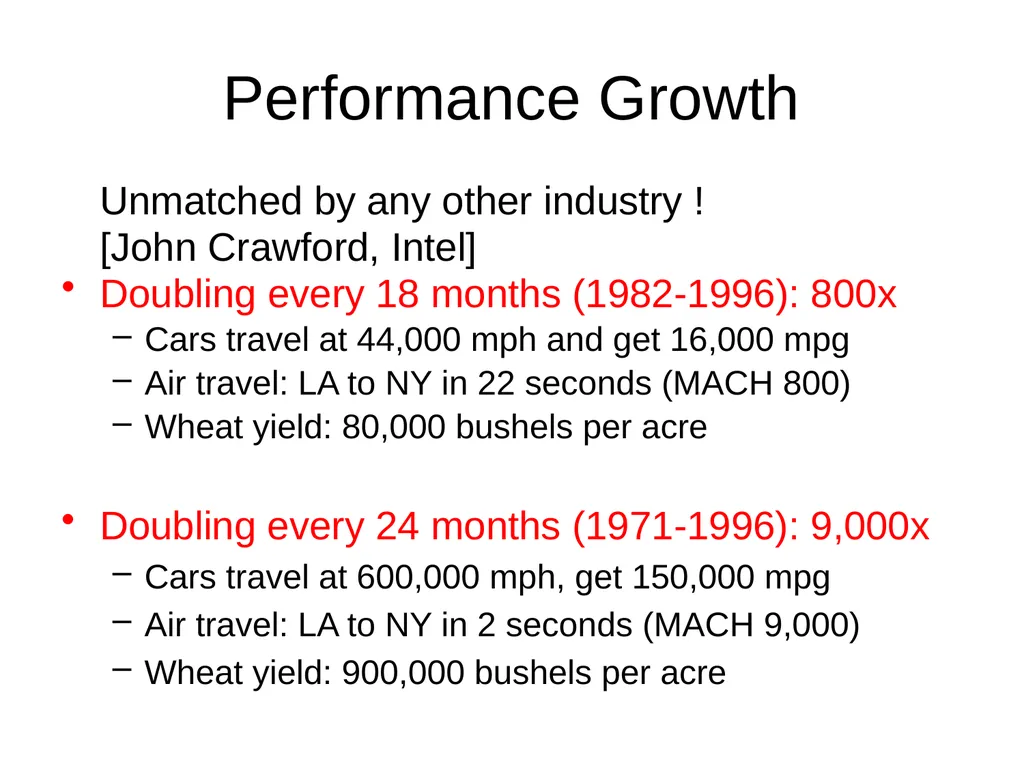
Performance Growth Unmatched by any other industry !
[John Crawford, Intel]
Doubling every 18 months (1982-1996): 800x
Cars travel at 44,000 mph and get 16,000 mpg
Air travel: LA to NY in 22 seconds (MACH 800)
Wheat yield: 80,000 bushels per acre Doubling every 24 months (1971-1996): 9,000x
Cars travel at 600,000 mph, get 150,000 mpg
Air travel: LA to NY in 2 seconds (MACH 9,000)
Wheat yield: 900,000 bushels per acre<br>
07
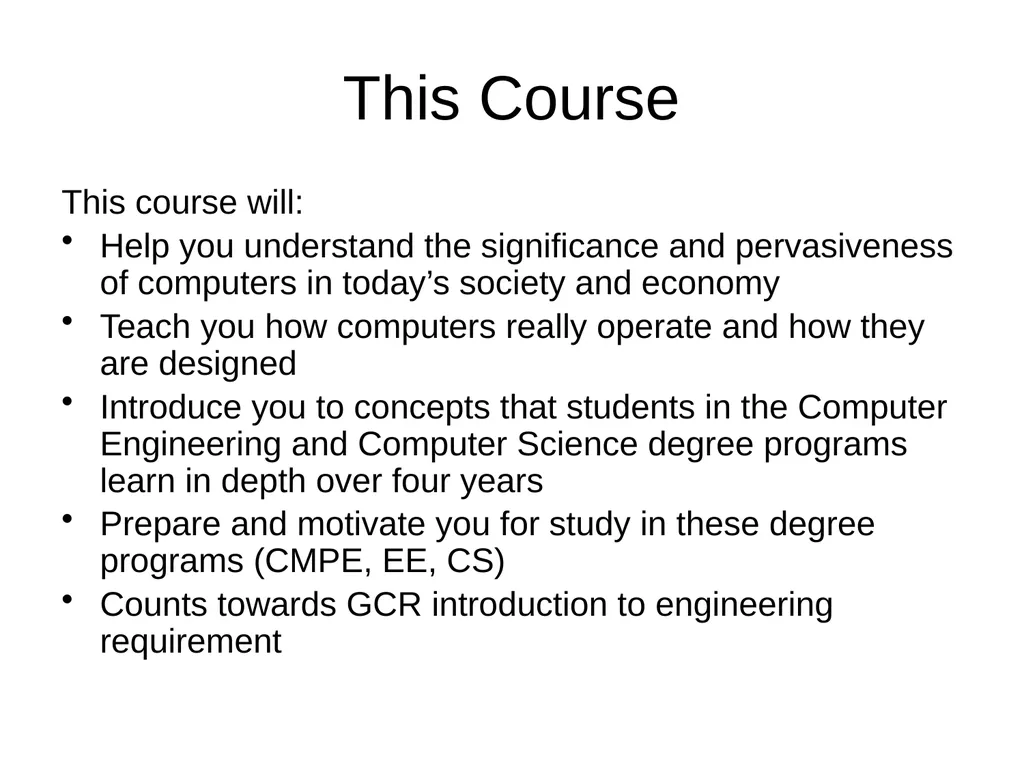
This Course This course will:
Help you understand the significance and pervasiveness of computers in today’s society and economy
Teach you how computers really operate and how they are designed
Introduce you to concepts that students in the Computer Engineering and Computer Science degree programs learn in depth over four years
Prepare and motivate you for study in these degree programs (CMPE, EE, CS)
Counts towards GCR introduction to engineering requirement<br>
08
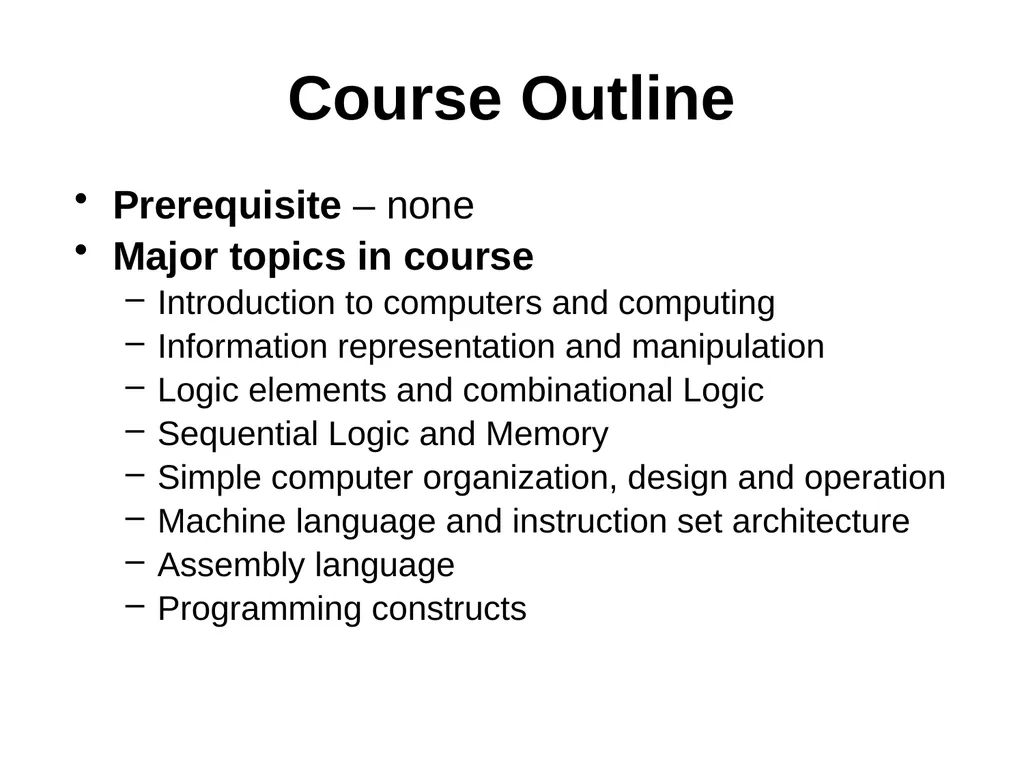
Course Outline Prerequisite – none
Major topics in course
Introduction to computers and computing
Information representation and manipulation
Logic elements and combinational Logic
Sequential Logic and Memory
Simple computer organization, design and operation
Machine language and instruction set architecture
Assembly language
Programming constructs<br>
09
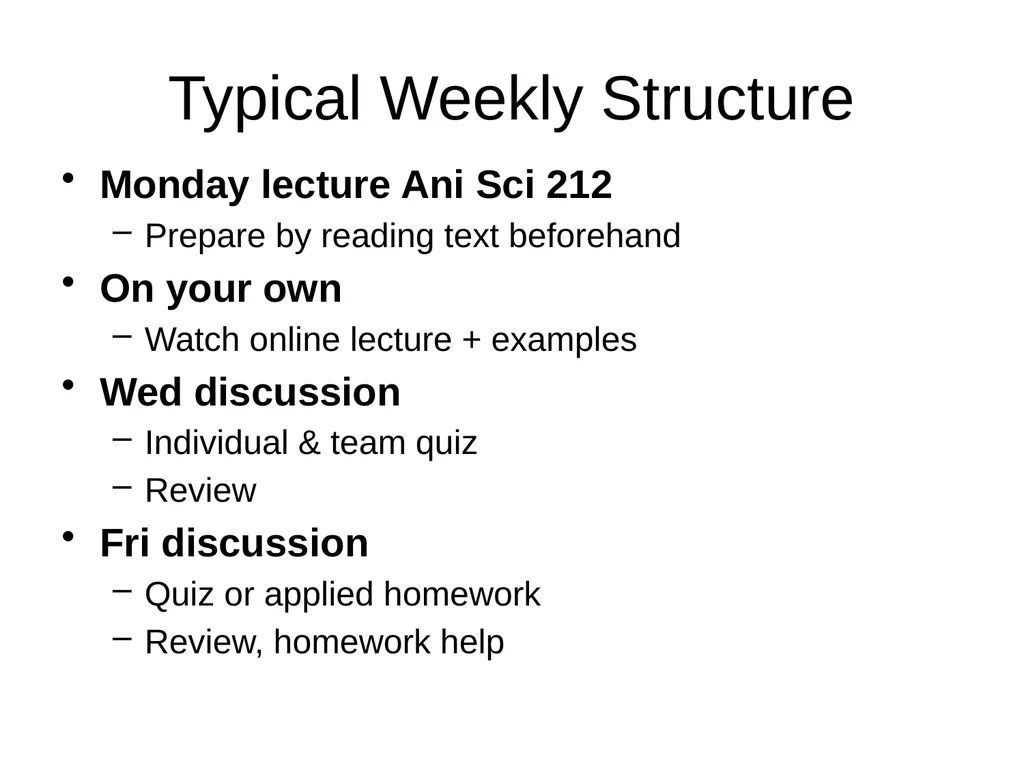
Typical Weekly Structure Monday lecture Ani Sci 212
Prepare by reading text beforehand
On your own
Watch online lecture + examples
Wed discussion
Individual & team quiz
Review
Fri discussion
Quiz or applied homework
Review, homework help<br>
10
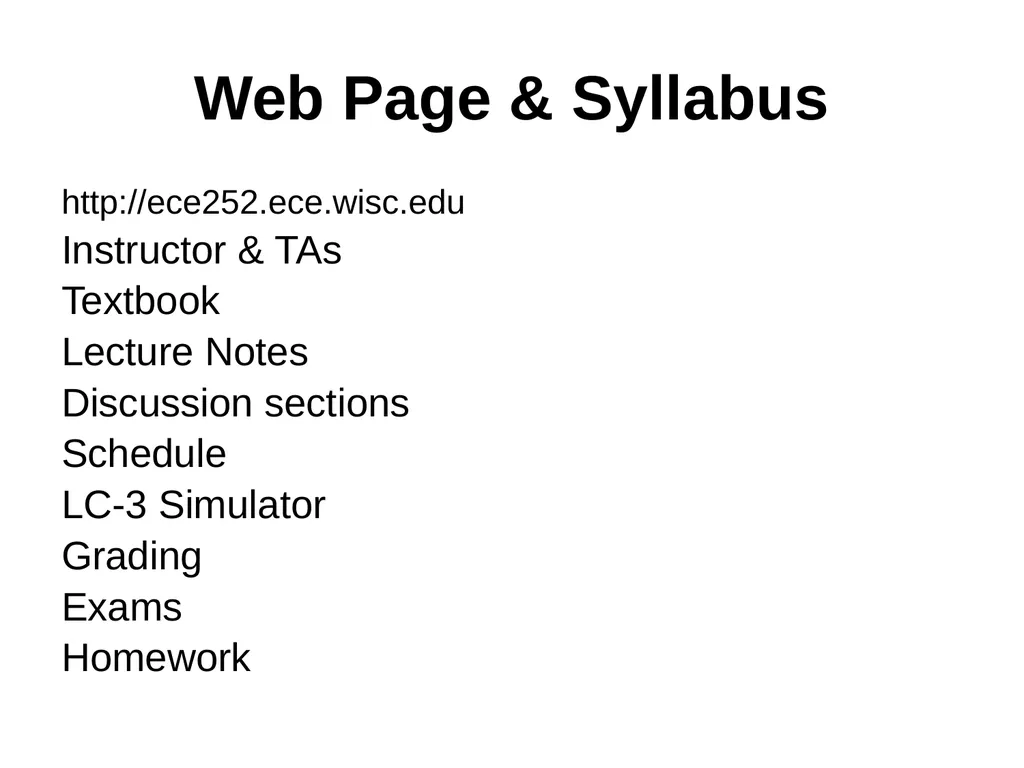
Web Page & Syllabus http://ece252.ece.wisc.edu
Instructor & TAs
Textbook
Lecture Notes
Discussion sections
Schedule
LC-3 Simulator
Grading
Exams
Homework<br>
11
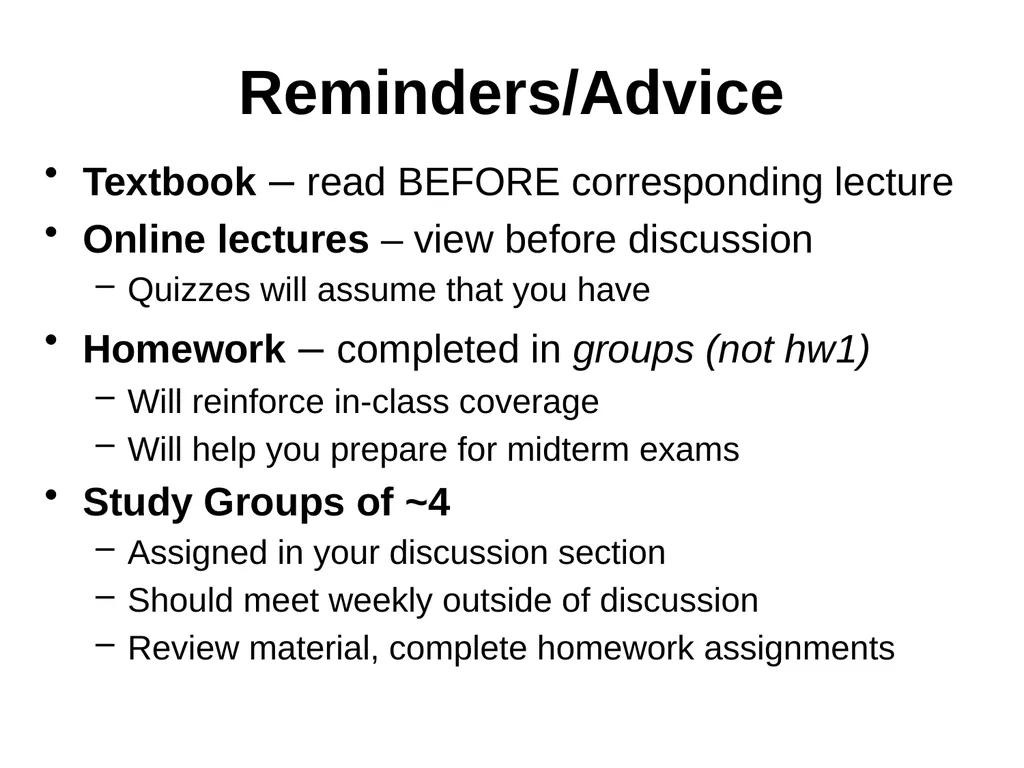
Reminders/Advice Textbook – read BEFORE corresponding lecture
Online lectures – view before discussion
Quizzes will assume that you have
Homework – completed in groups (not hw1)
Will reinforce in-class coverage
Will help you prepare for midterm exams
Study Groups of ~4
Assigned in your discussion section
Should meet weekly outside of discussion
Review material, complete homework assignments<br>
12
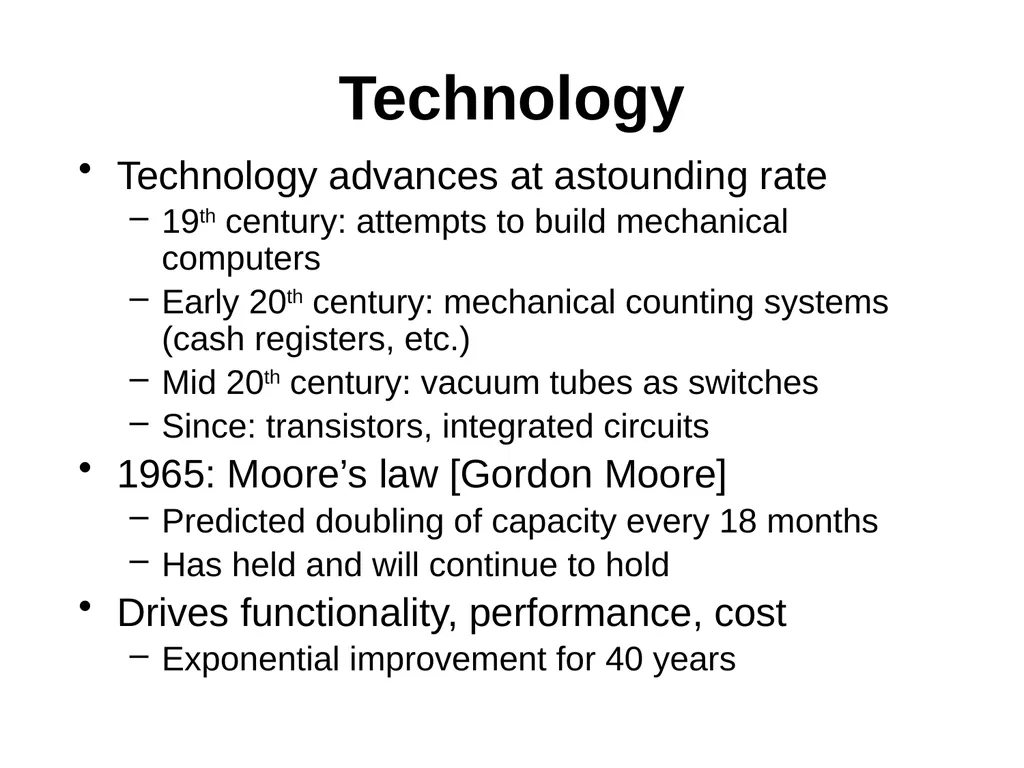
Technology Technology advances at astounding rate
19th century: attempts to build mechanical computers
Early 20th century: mechanical counting systems (cash registers, etc.)
Mid 20th century: vacuum tubes as switches
Since: transistors, integrated circuits
1965: Moore’s law [Gordon Moore]
Predicted doubling of capacity every 18 months
Has held and will continue to hold
Drives functionality, performance, cost
Exponential improvement for 40 years<br>
13
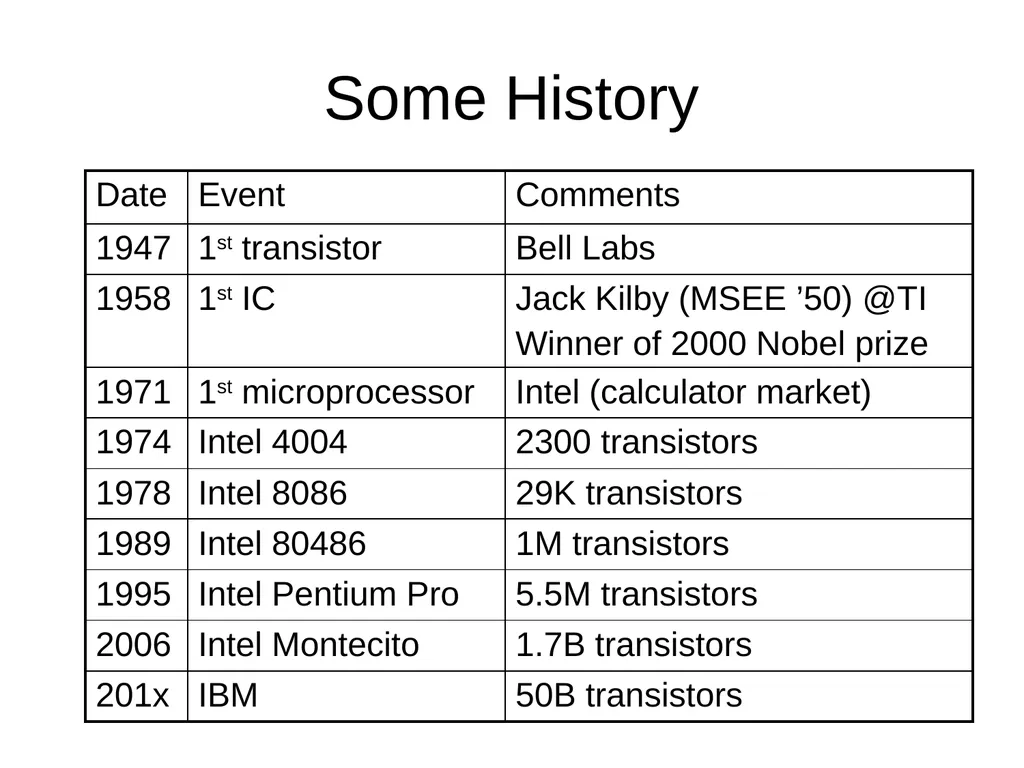
Some History<br>
14
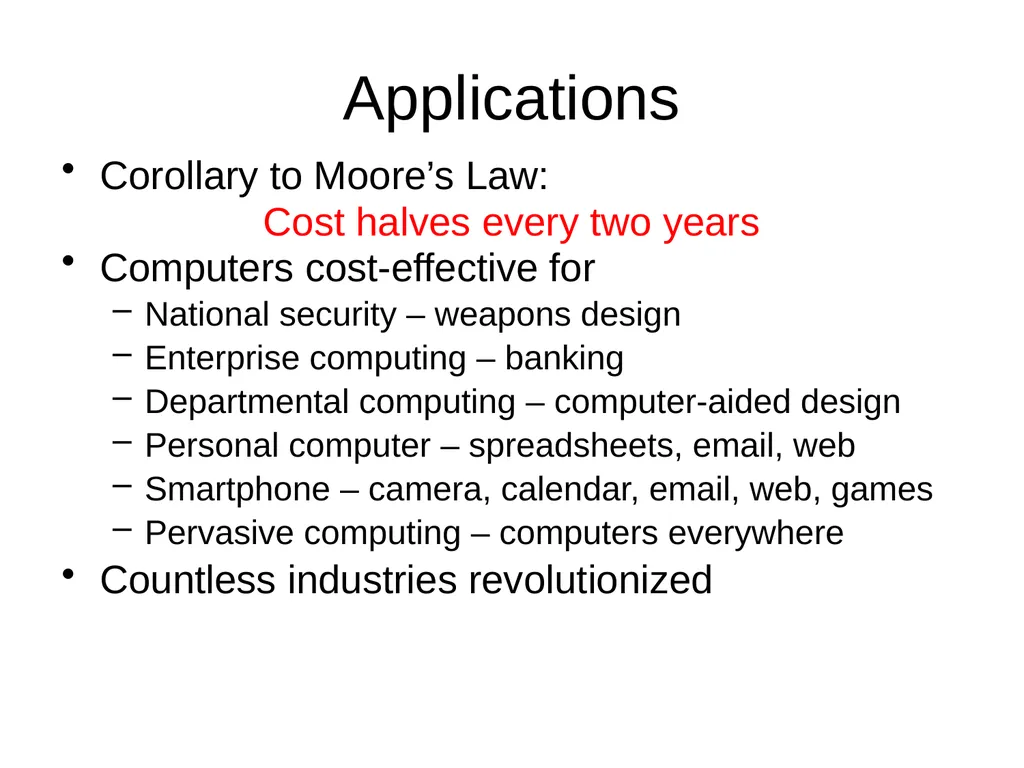
Applications Corollary to Moore’s Law:
Cost halves every two years
Computers cost-effective for
National security – weapons design
Enterprise computing – banking
Departmental computing – computer-aided design
Personal computer – spreadsheets, email, web
Smartphone – camera, calendar, email, web, games
Pervasive computing – computers everywhere
Countless industries revolutionized<br>
15
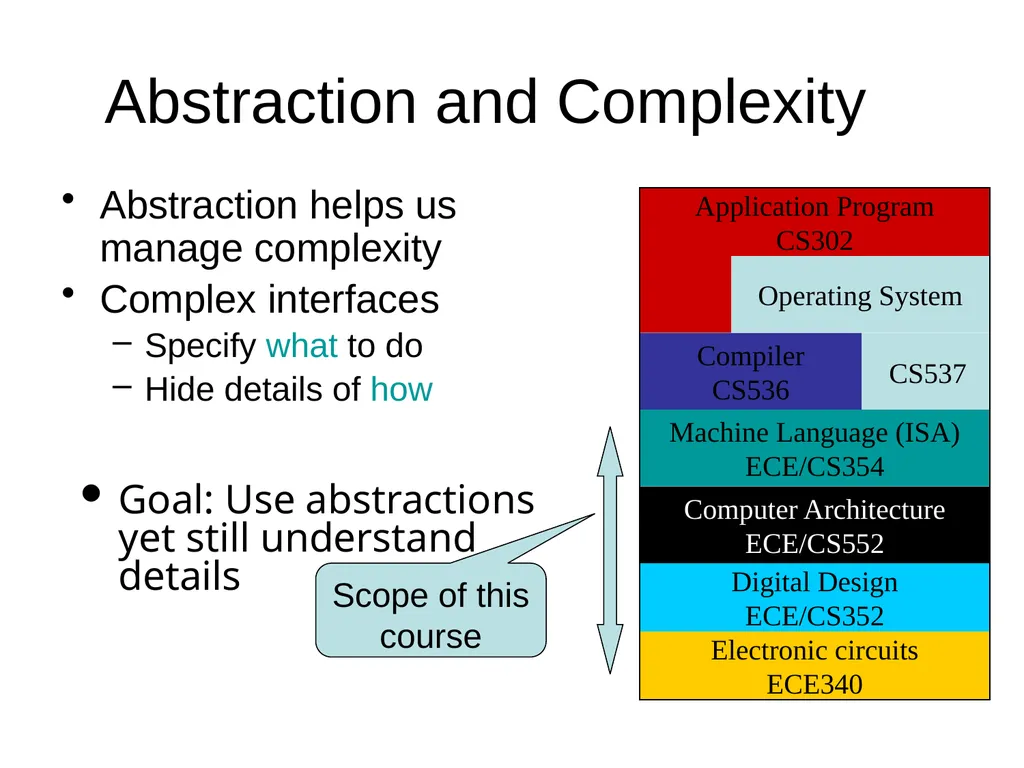
Abstraction and Complexity Abstraction helps us manage complexity
Complex interfaces
Specify what to do
Hide details of how Goal: Use abstractions yet still understand details Electronic circuits
ECE340 Digital Design
ECE/CS352 Computer Architecture
ECE/CS552 Machine Language (ISA)
ECE/CS354 Compiler
CS536 Application Program
CS302 Scope of this course<br>
16
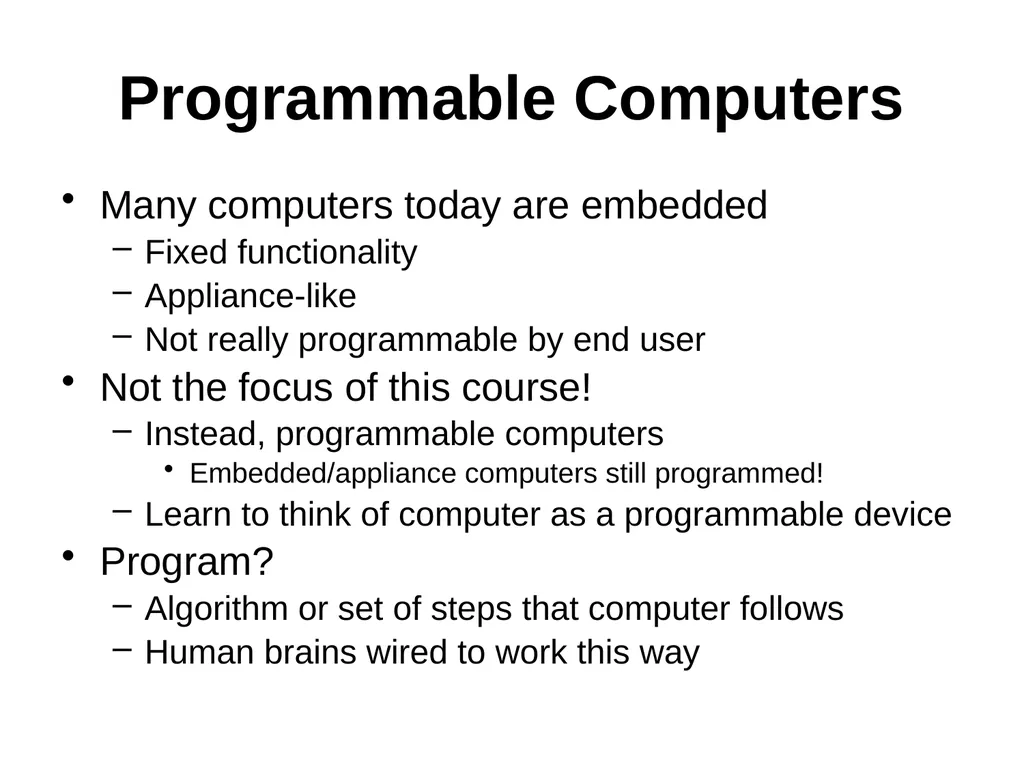
Programmable Computers Many computers today are embedded
Fixed functionality
Appliance-like
Not really programmable by end user
Not the focus of this course!
Instead, programmable computers
Embedded/appliance computers still programmed!
Learn to think of computer as a programmable device
Program?
Algorithm or set of steps that computer follows
Human brains wired to work this way<br>
17
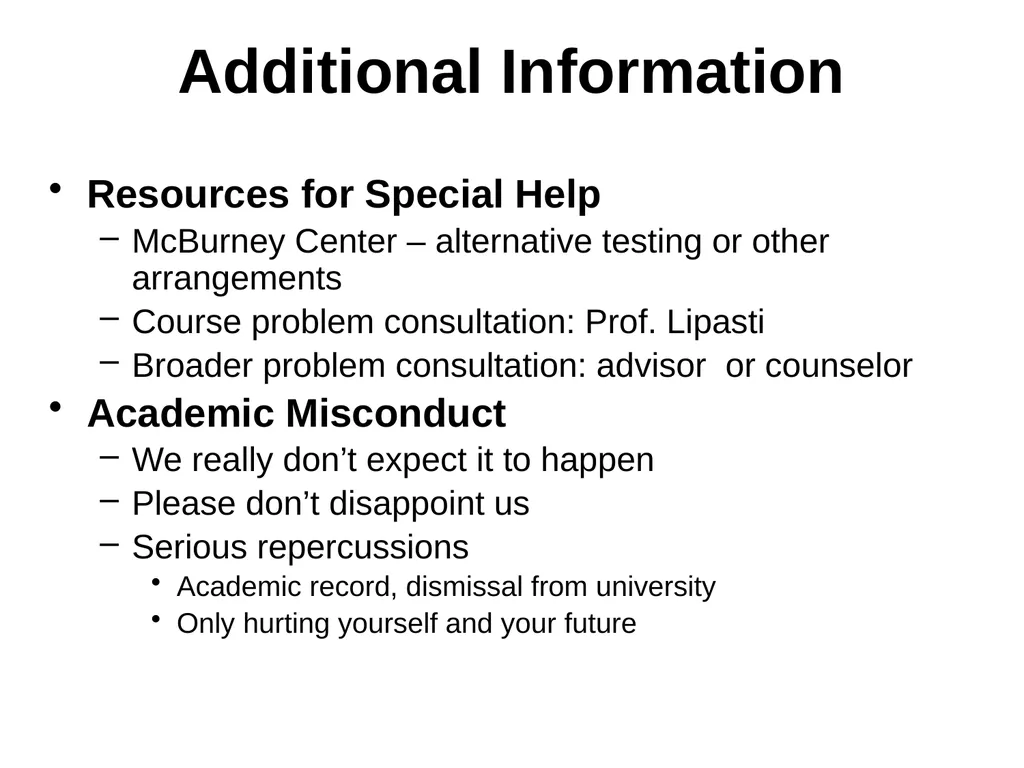
Additional Information Resources for Special Help
McBurney Center – alternative testing or other arrangements
Course problem consultation: Prof. Lipasti
Broader problem consultation: advisor or counselor
Academic Misconduct
We really don’t expect it to happen
Please don’t disappoint us
Serious repercussions
Academic record, dismissal from university
Only hurting yourself and your future<br>
18
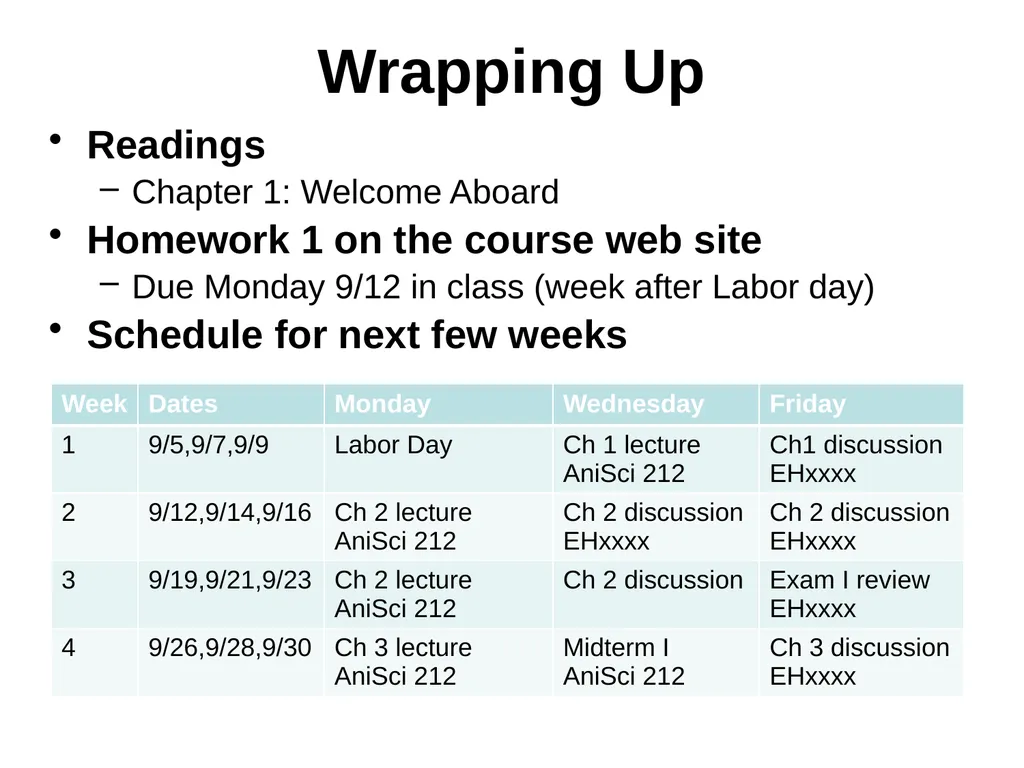
Wrapping Up Readings
Chapter 1: Welcome Aboard
Homework 1 on the course web site
Due Monday 9/12 in class (week after Labor day)
Schedule for next few weeks<br>