
Pregnancy and Fetal Development John J. Parrish


Description: Pregnancy and Fetal Development John J. Parrish Placental Functions Placenta Placental Functions Placenta Gas Nutrients Waste products Immunosupression Prevents infiltration by maternal defenses Filters toxins Shock Absorber Transient
Related Topics
Download Presentation
"Pregnancy and Fetal Development John J. Parrish" is the property of its rightful owner. Permission is granted to download and print the materials on this website for personal, non-commercial use only, and to display it on your personal computer provided you do not modify the materials and that you retain all copyright notices contained in the materials. By downloading content from our website, you accept the terms of this agreement.
Presentation Transcript
slide1. Pregnancy and Fetal Development John J. Parrish<br>
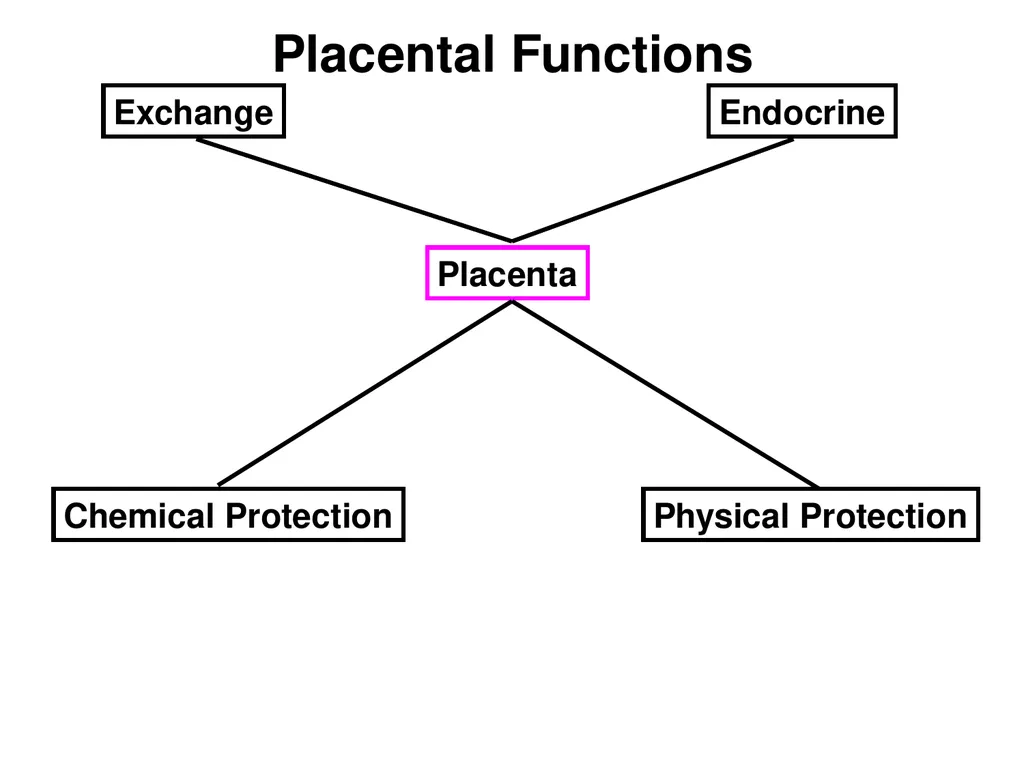
slide2. Placental Functions Placenta<br>
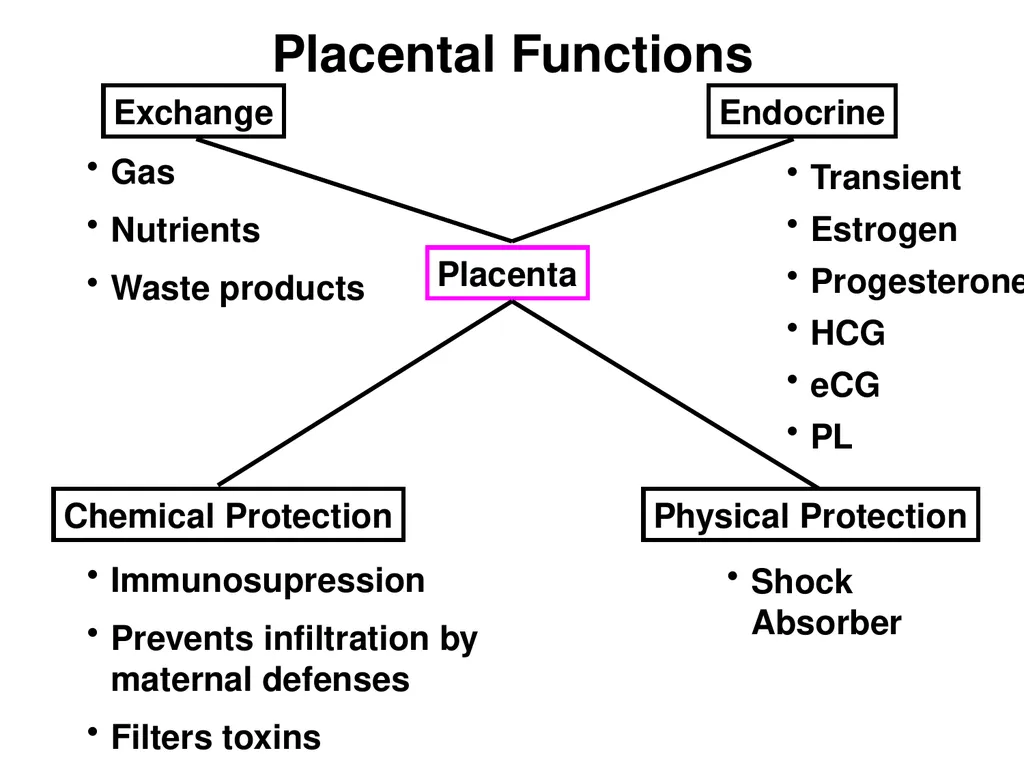
slide3. Placental Functions Placenta Gas
Nutrients
Waste products Immunosupression
Prevents infiltration by maternal defenses
Filters toxins Shock Absorber Transient
Estrogen
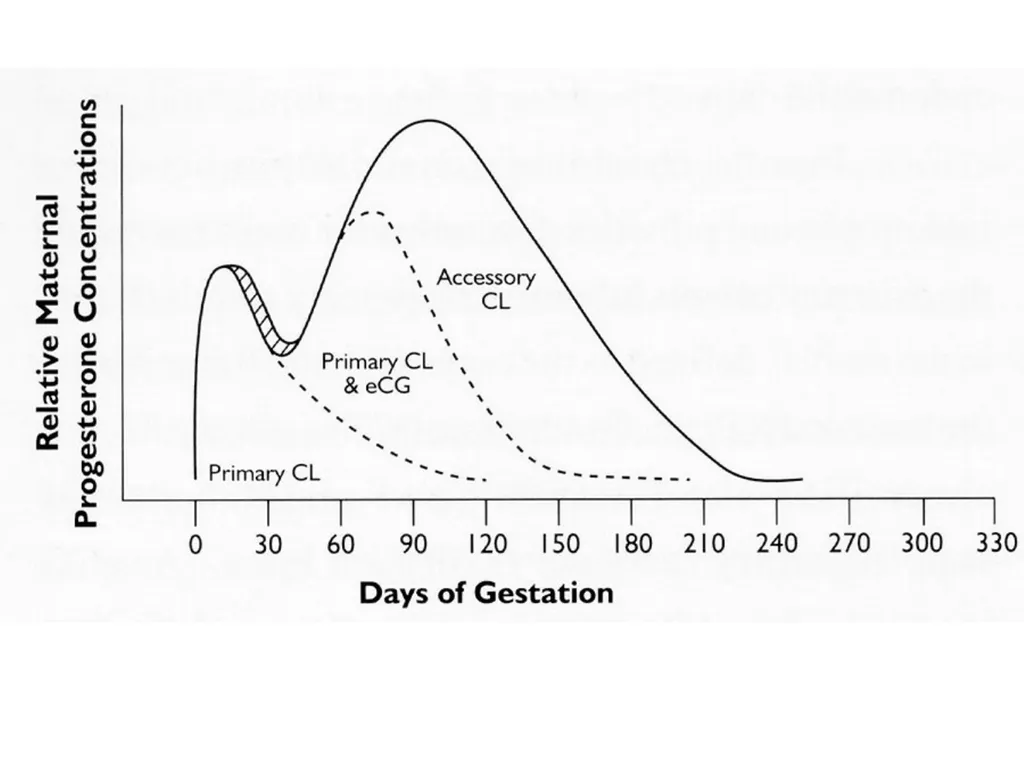
Progesterone
HCG
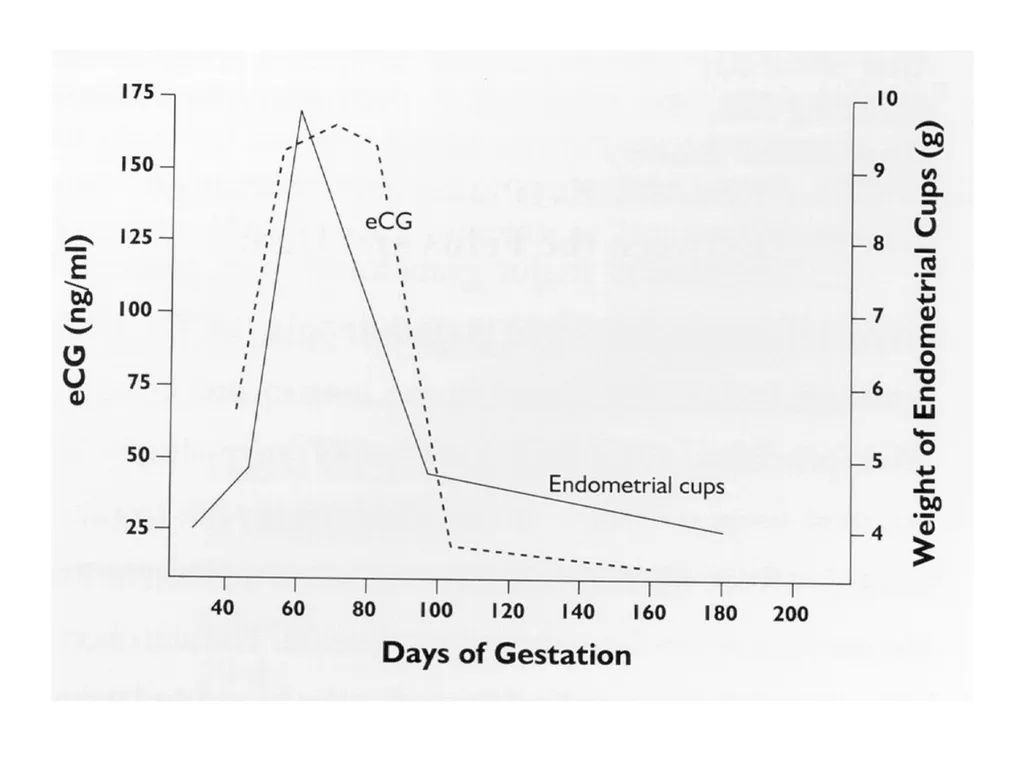
eCG
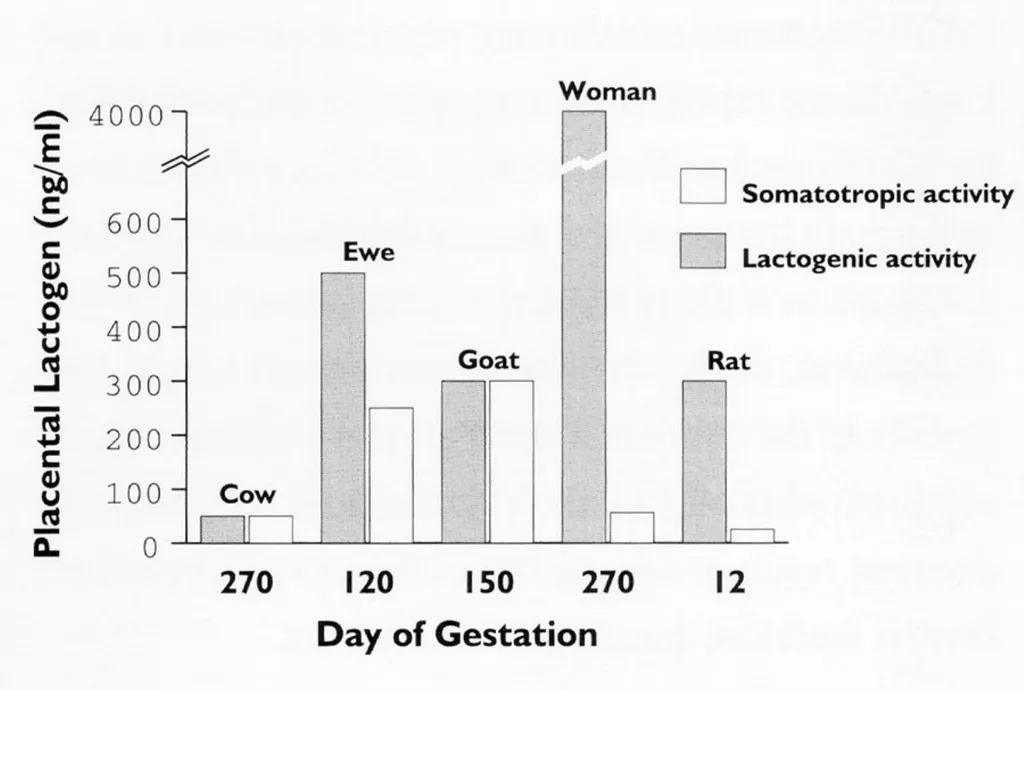
PL<br>
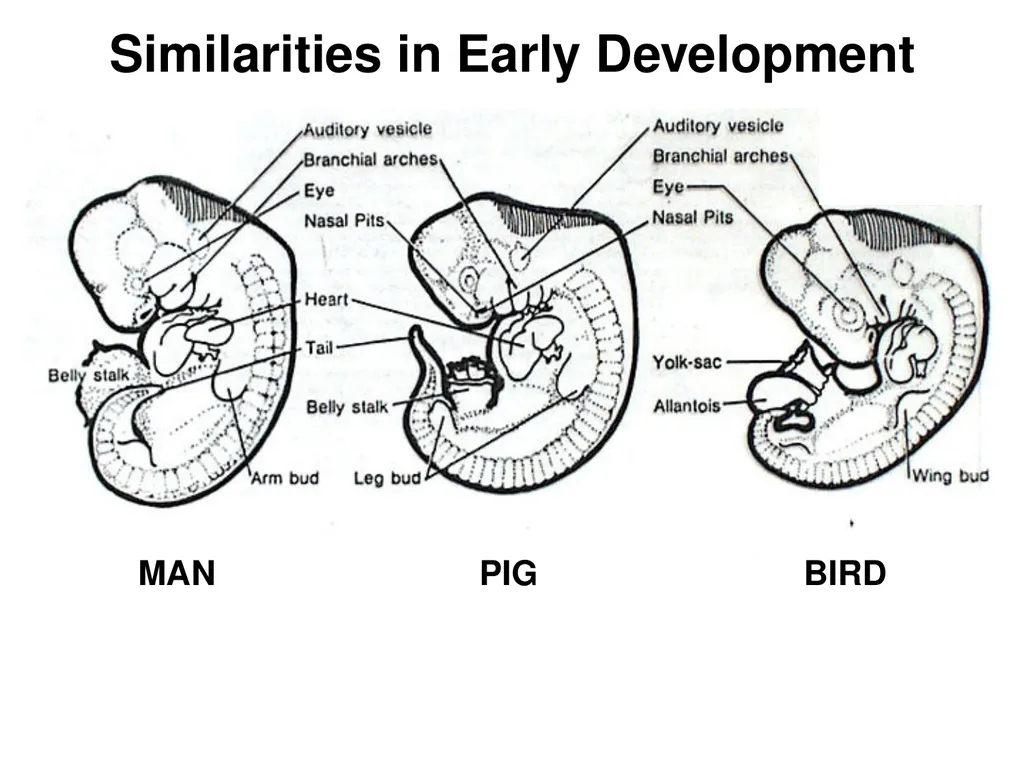
slide4. Similarities in Early Development MAN PIG BIRD<br>
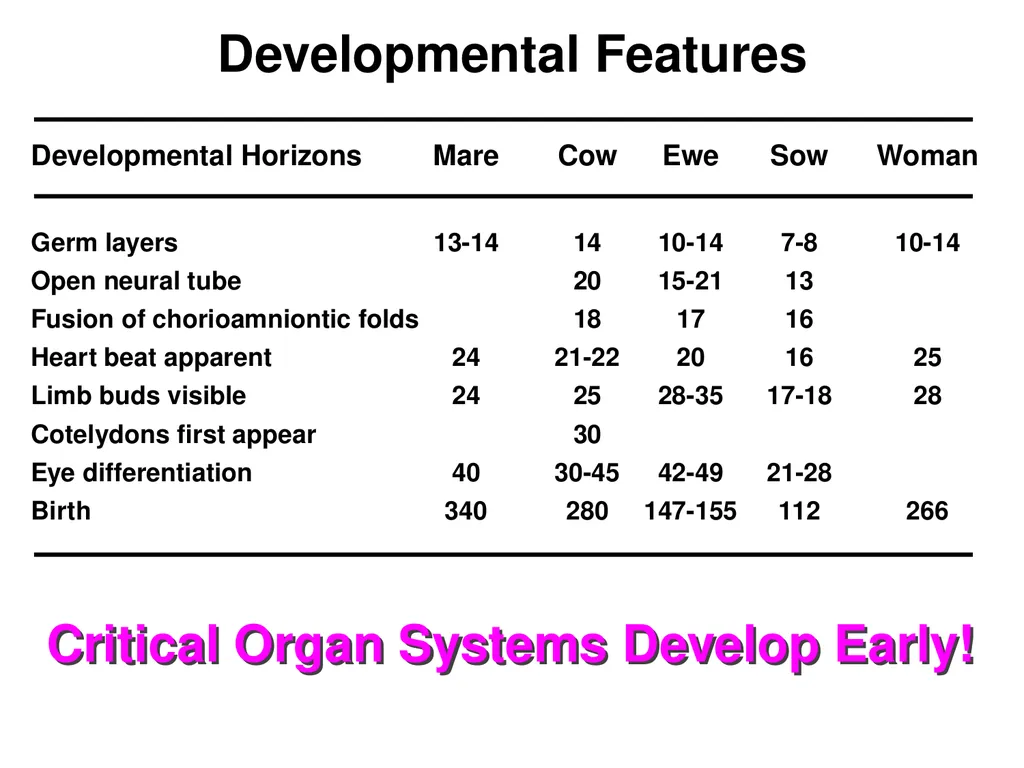
slide5. Developmental Horizons Mare Cow Ewe Sow Woman
Germ layers 13-14 14 10-14 7-8 10-14 Open neural tube 20 15-21 13 Fusion of chorioamniontic folds 18 17 16 Heart beat apparent 24 21-22 20 16 25 Limb buds visible 24 25 28-35 17-18 28 Cotelydons first appear 30 Eye differentiation 40 30-45 42-49 21-28 Birth 340 280 147-155 112 266 Developmental Features Critical Organ Systems Develop Early!<br>
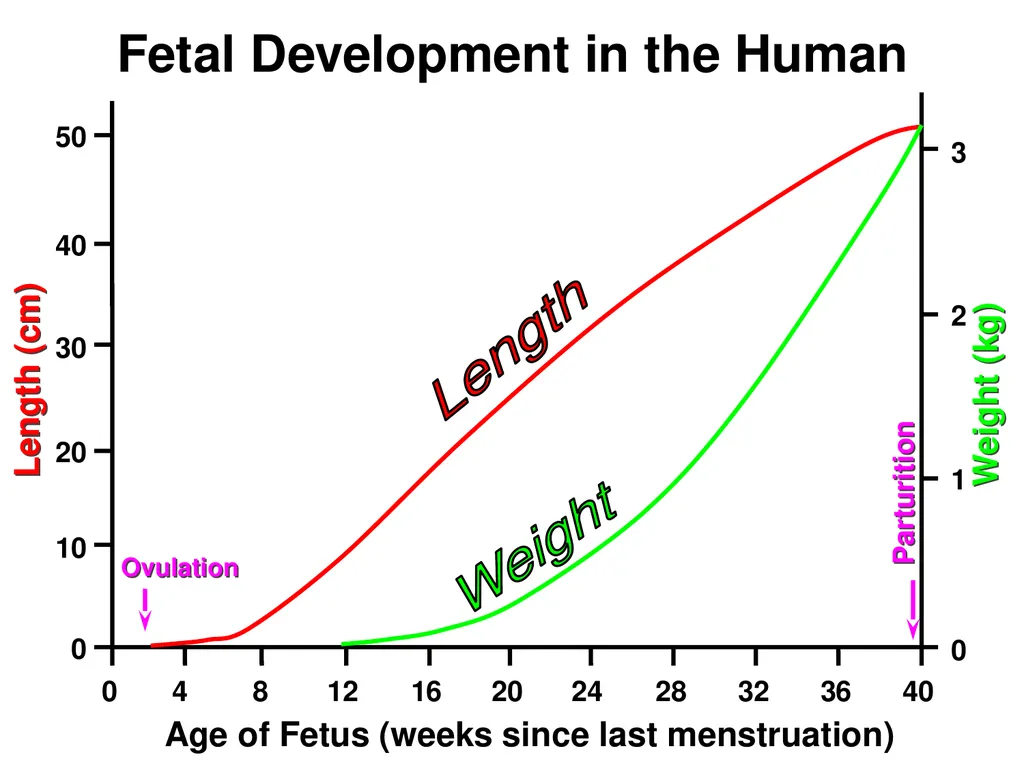
slide6. Fetal Development in the Human Ovulation Length (cm) Age of Fetus (weeks since last menstruation) Weight (kg) Parturition<br>
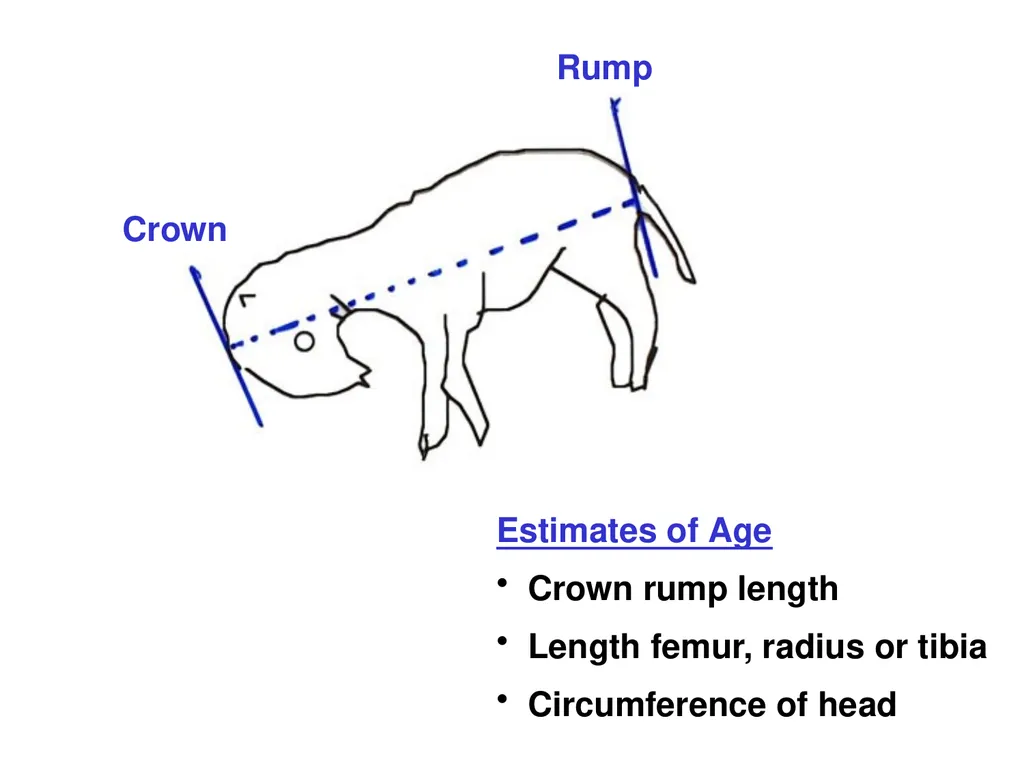
slide7. Crown Rump Estimates of Age
Crown rump length
Length femur, radius or tibia
Circumference of head<br>
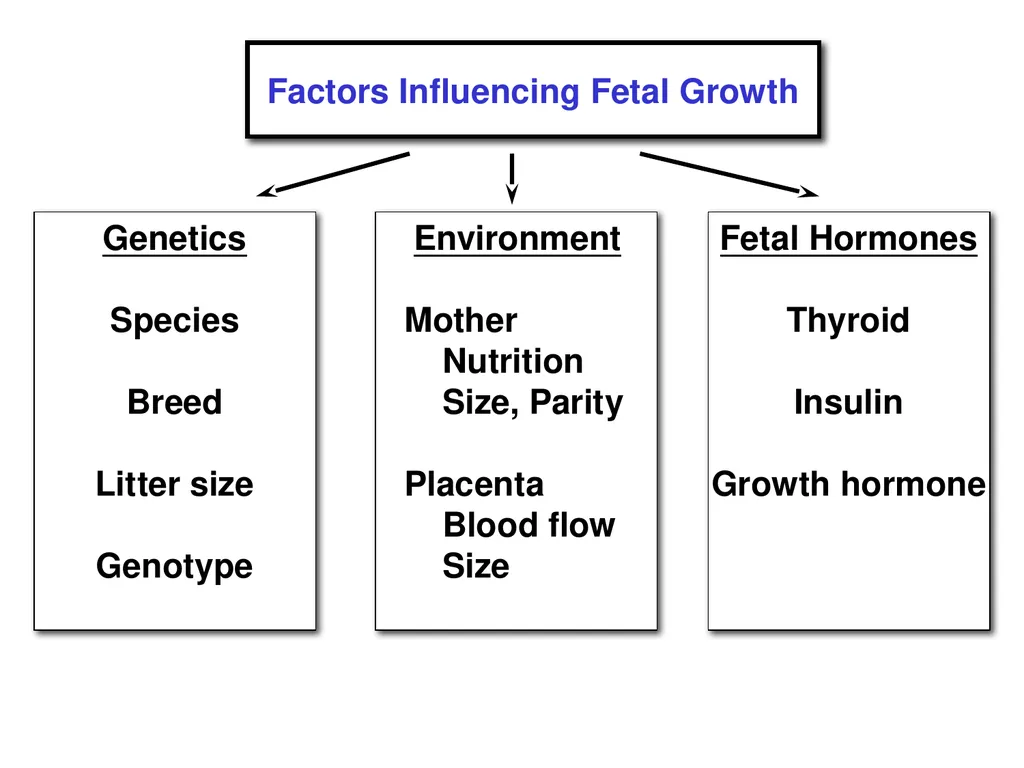
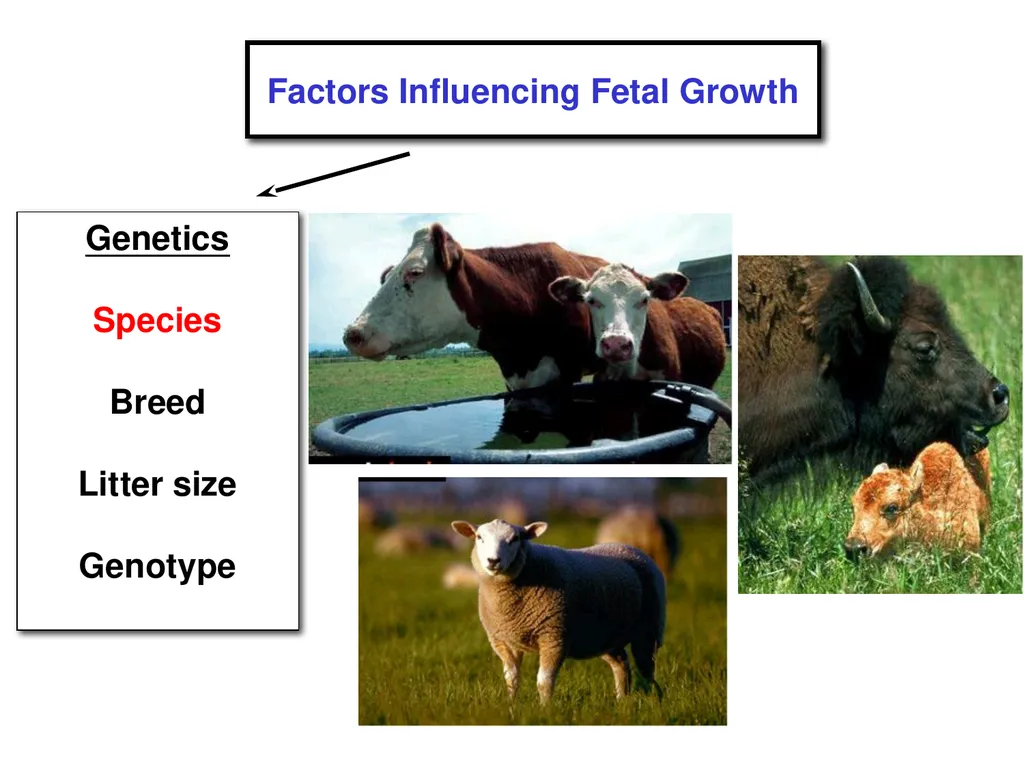
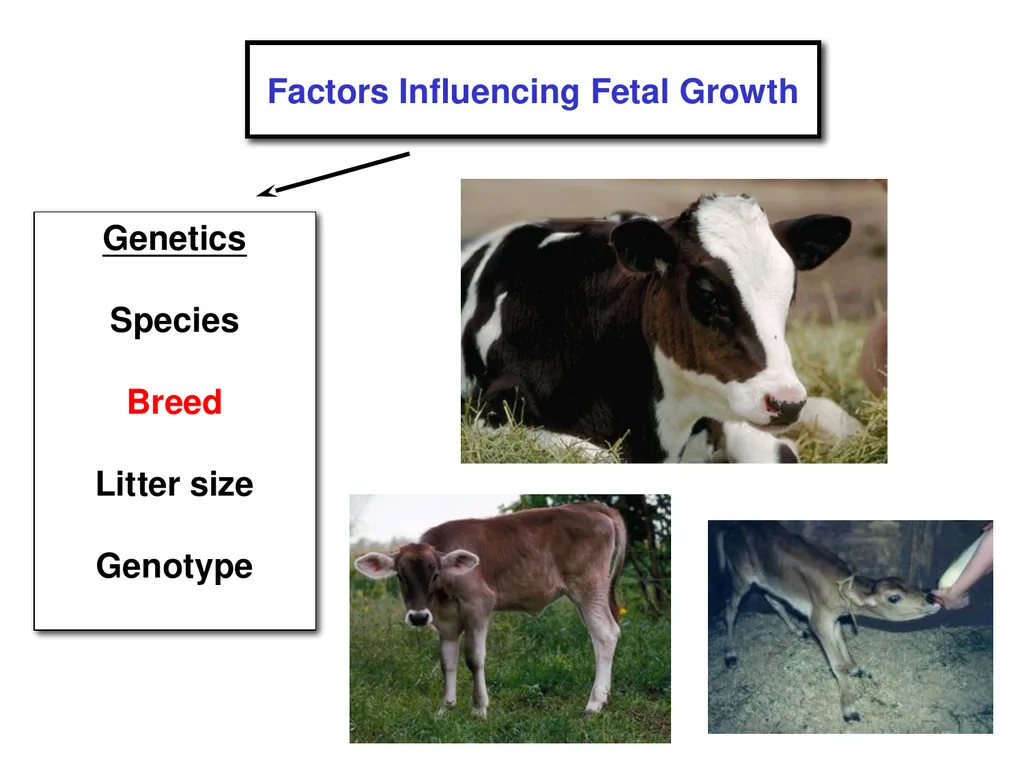
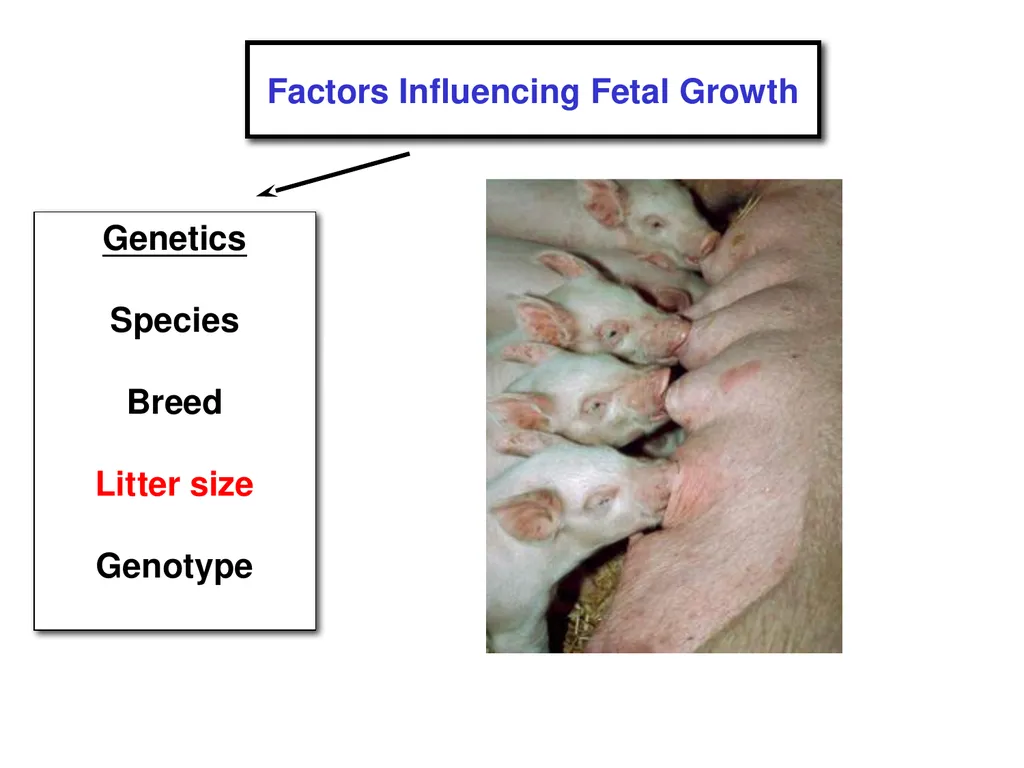
slide8. Factors Influencing Fetal Growth Genetics
Species
Breed
Litter size
Genotype Fetal Hormones
Thyroid
Insulin
Growth hormone Environment
Mother
Nutrition
Size, Parity
Placenta
Blood flow
Size<br>
slide9. Factors Influencing Fetal Growth Genetics
Species
Breed
Litter size
Genotype<br>
slide10. Factors Influencing Fetal Growth Genetics
Species
Breed
Litter size
Genotype<br>
slide11. Genetics
Species
Breed
Litter size
Genotype Factors Influencing Fetal Growth<br>
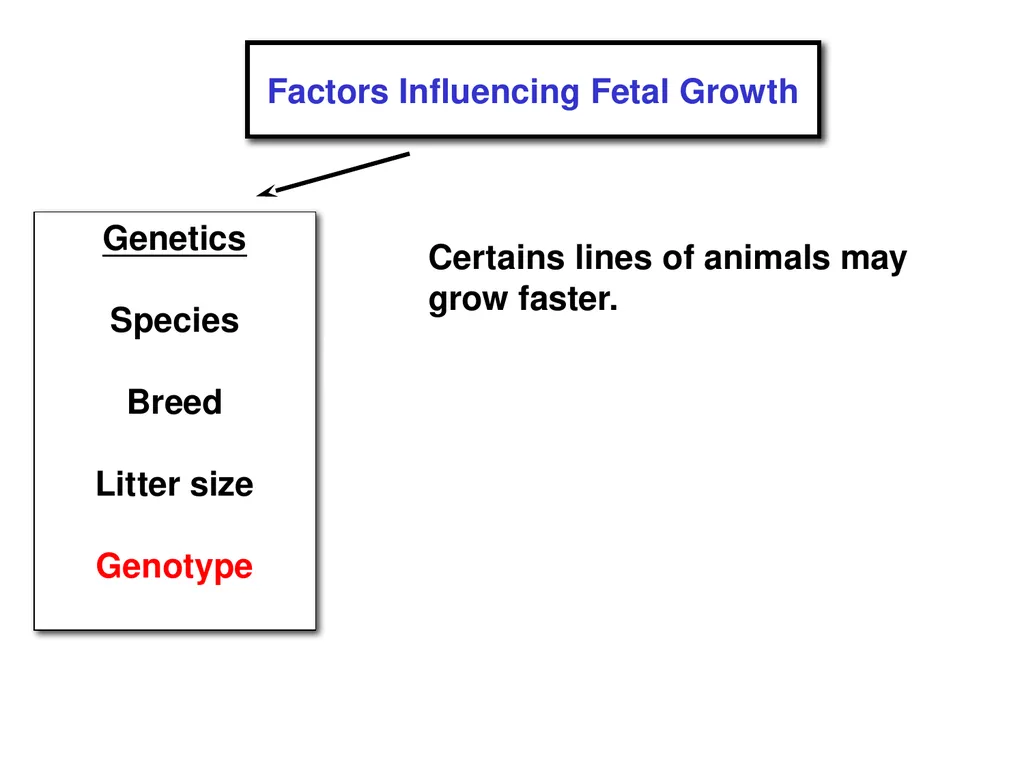
slide12. Genetics
Species
Breed
Litter size
Genotype Factors Influencing Fetal Growth Certains lines of animals may grow faster.<br>
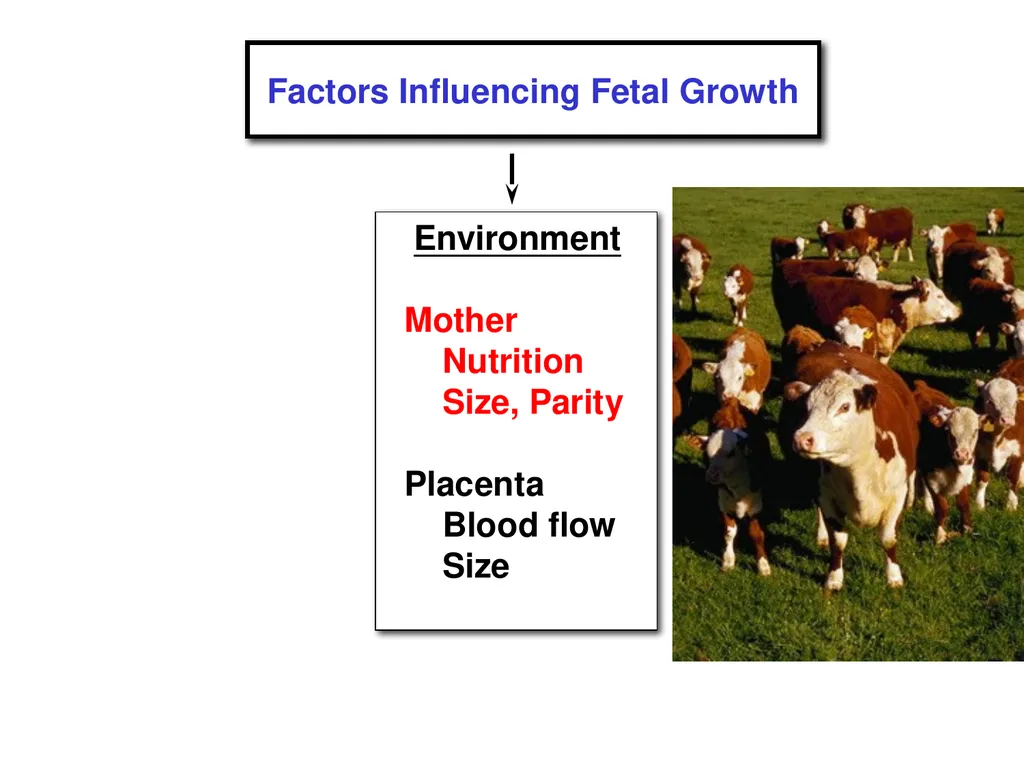
slide13. Factors Influencing Fetal Growth Environment
Mother
Nutrition
Size, Parity
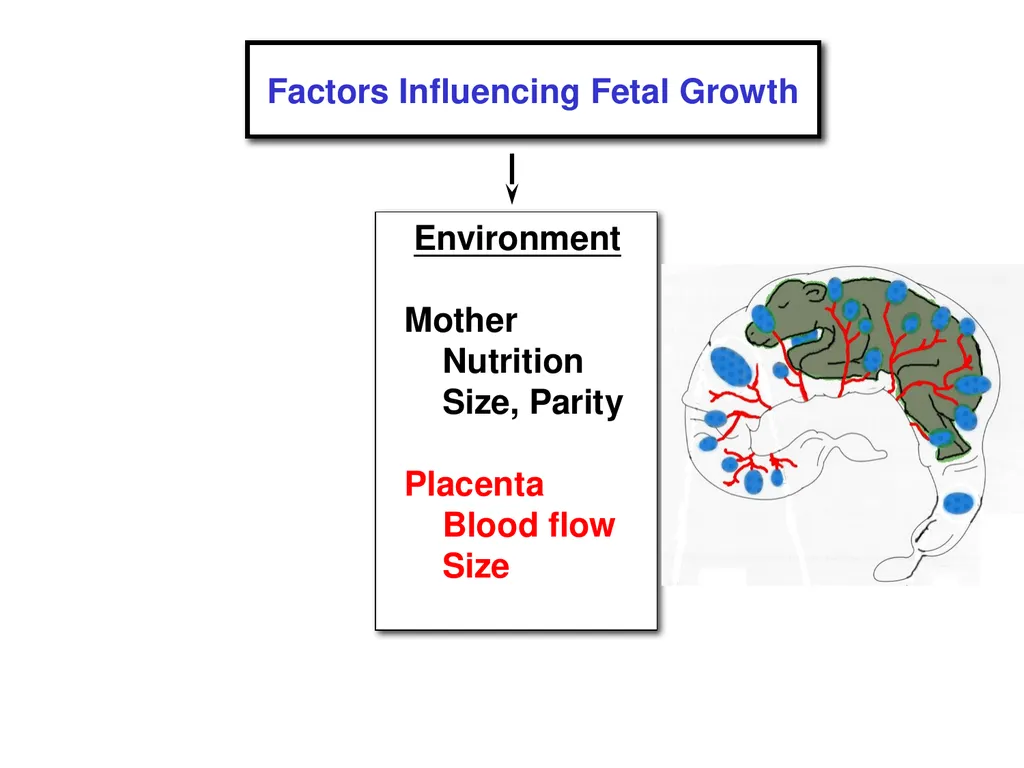
Placenta
Blood flow
Size<br>
slide14. Factors Influencing Fetal Growth Environment
Mother
Nutrition
Size, Parity
Placenta
Blood flow
Size<br>
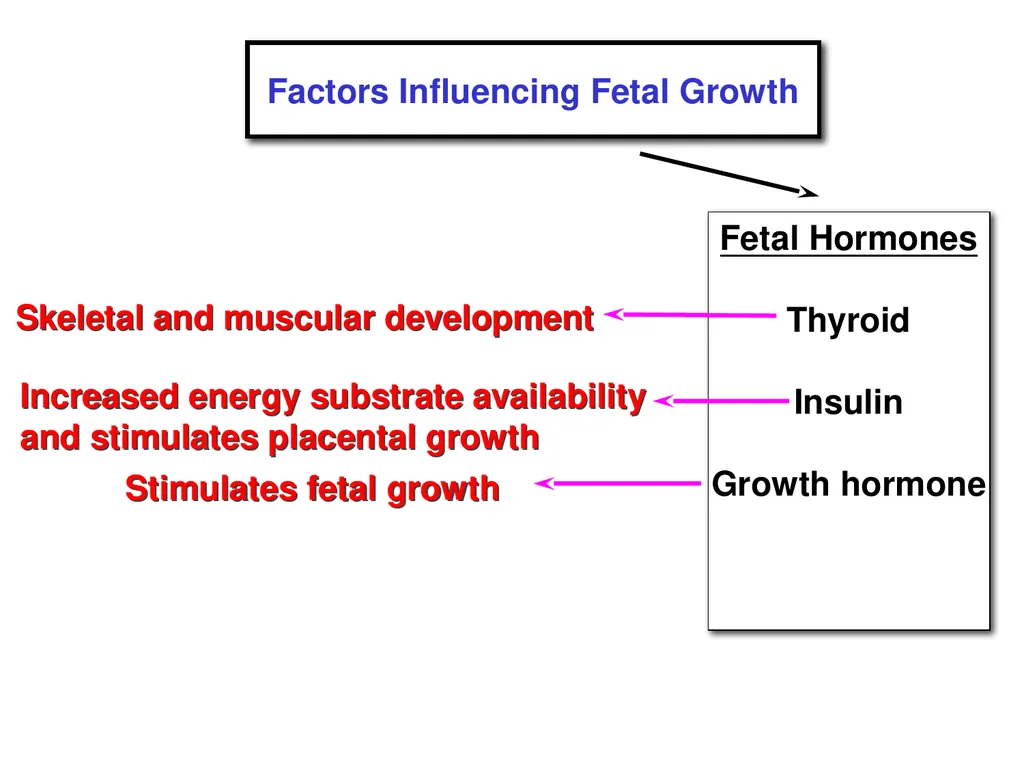
slide15. Factors Influencing Fetal Growth Fetal Hormones
Thyroid
Insulin
Growth hormone Skeletal and muscular development Increased energy substrate availability and stimulates placental growth Stimulates fetal growth<br>
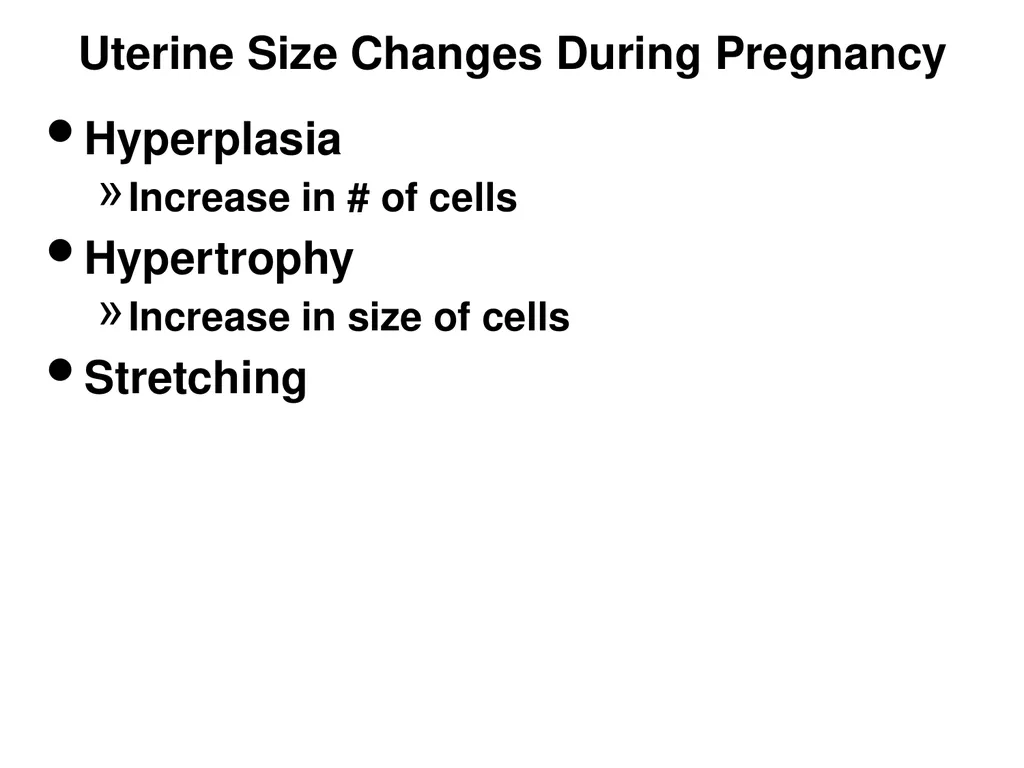
slide16. Uterine Size Changes During Pregnancy Hyperplasia
Increase in # of cells
Hypertrophy
Increase in size of cells
Stretching<br>
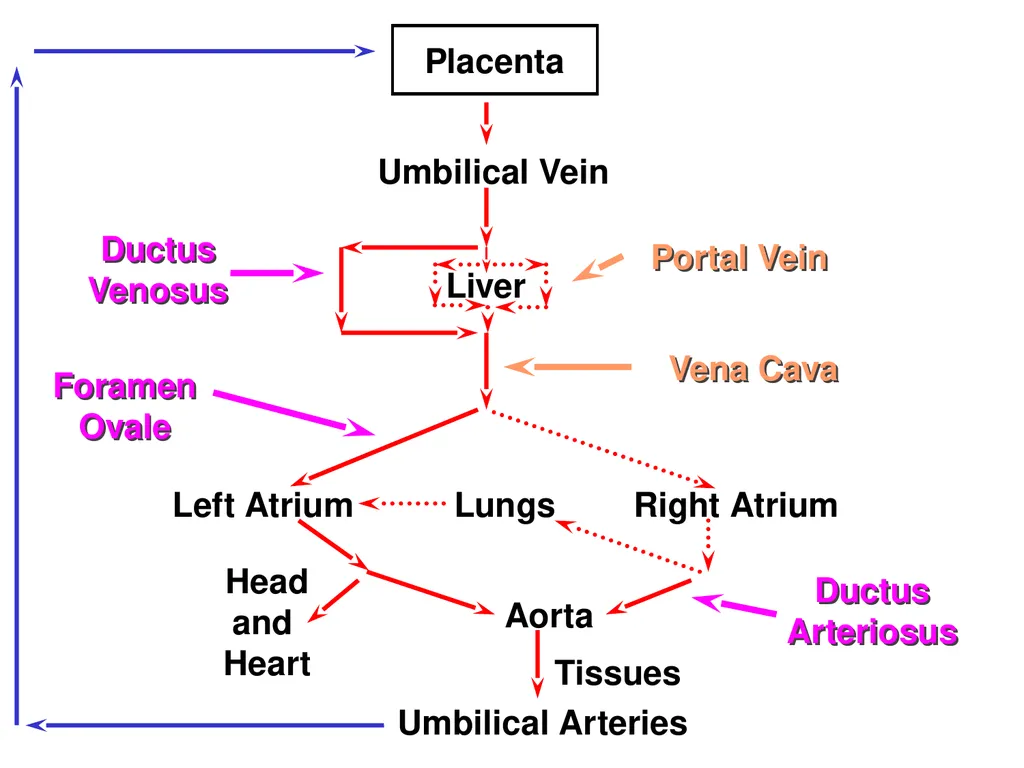
slide17. Placenta Liver Left Atrium Lungs Right Atrium Foramen
Ovale Ductus
Venosus Ductus
Arteriosus Aorta Umbilical Arteries Umbilical Vein Portal Vein Vena Cava Head
and
Heart Tissues<br>
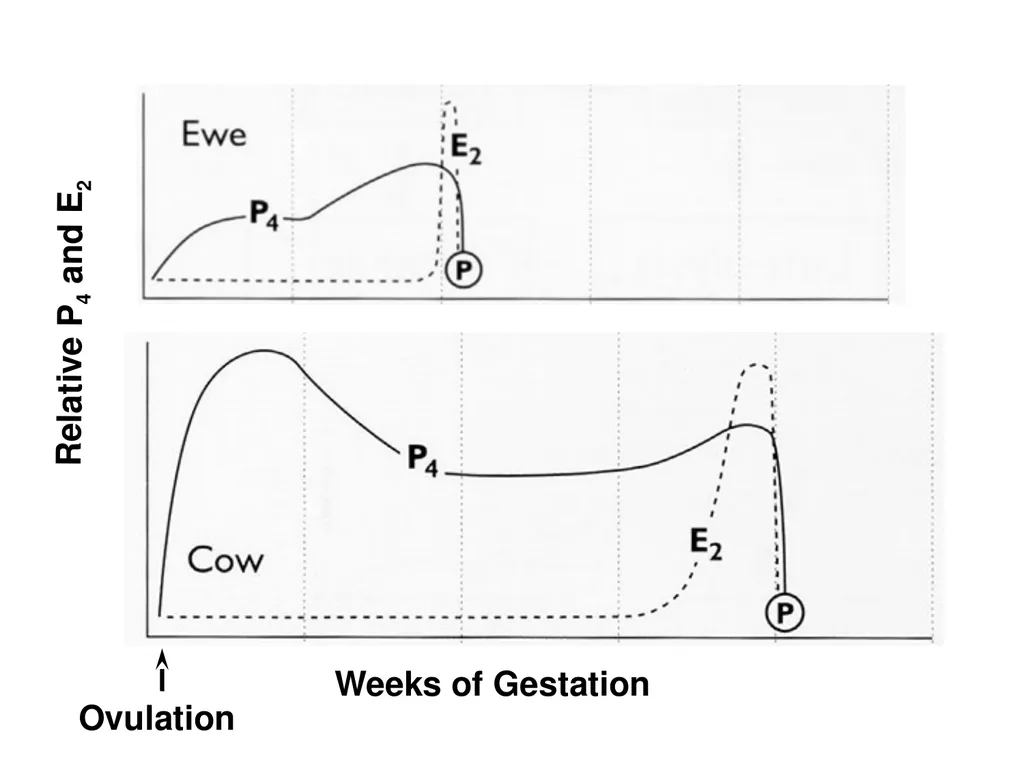
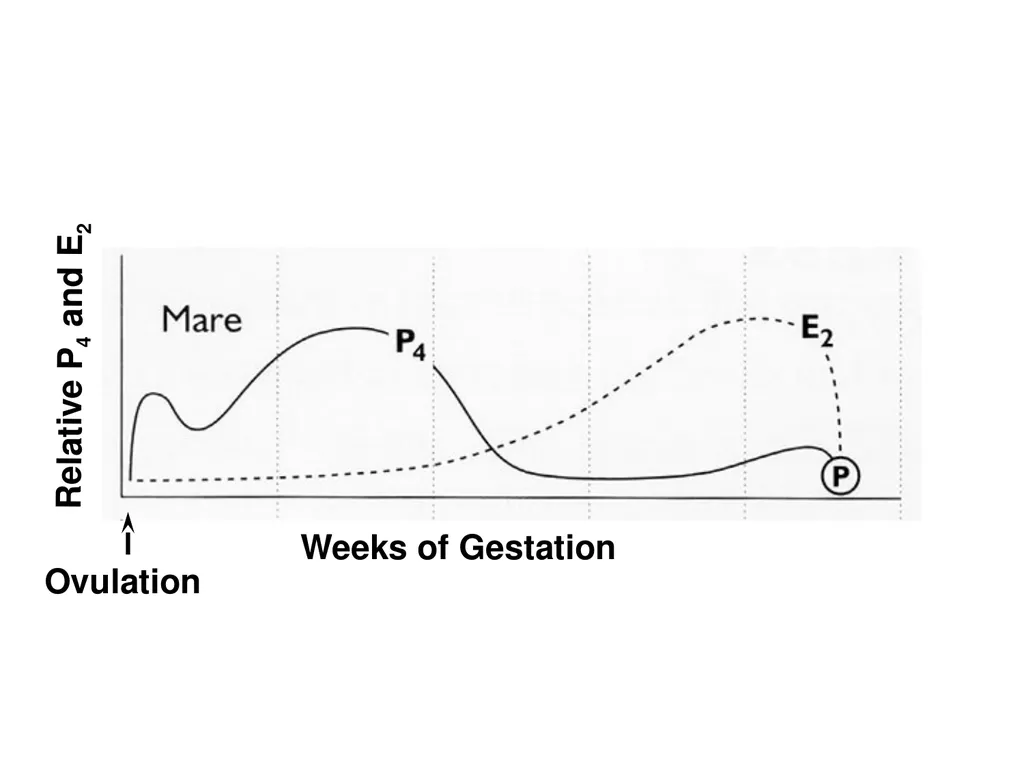
slide18. Relative P4 and E2 Weeks of Gestation Ovulation<br>
slide19. Relative P4 and E2<br>
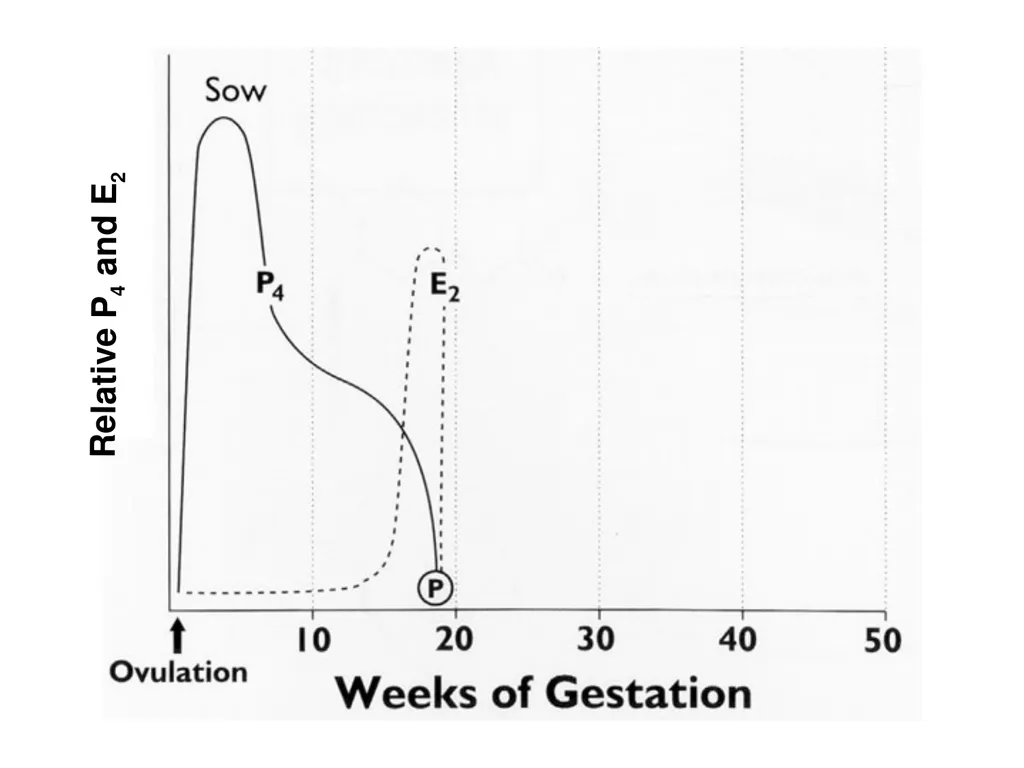
slide20. Relative P4 and E2 Weeks of Gestation Ovulation<br>
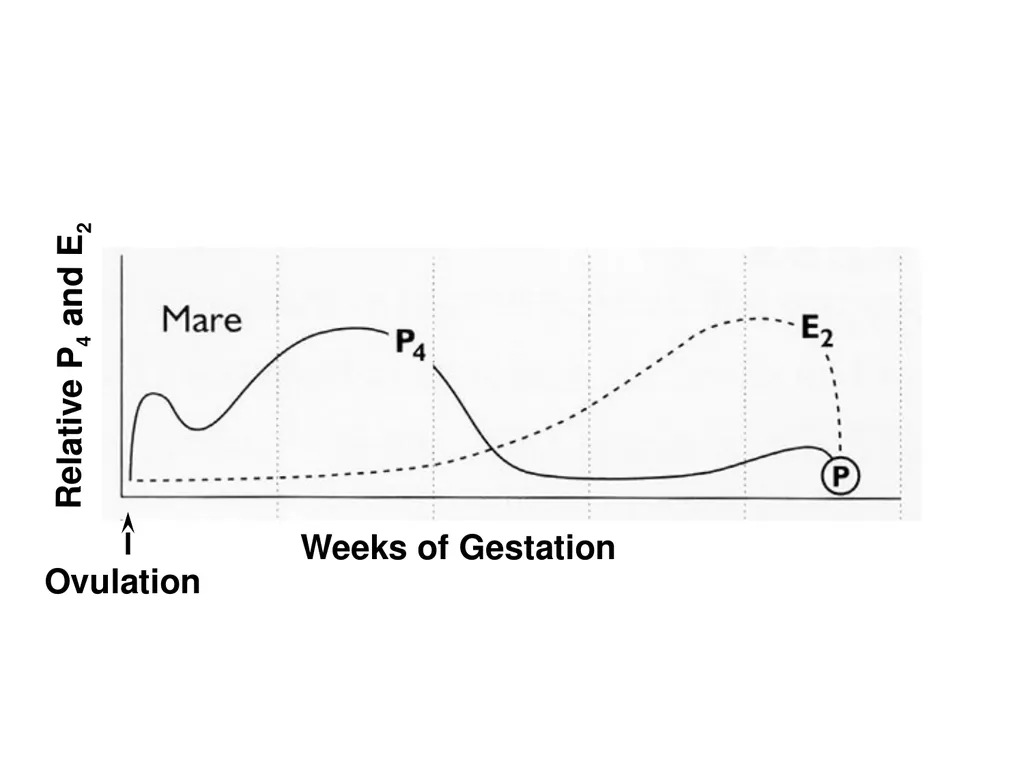
slide23. Relative P4 and E2 Weeks of Gestation Ovulation<br>
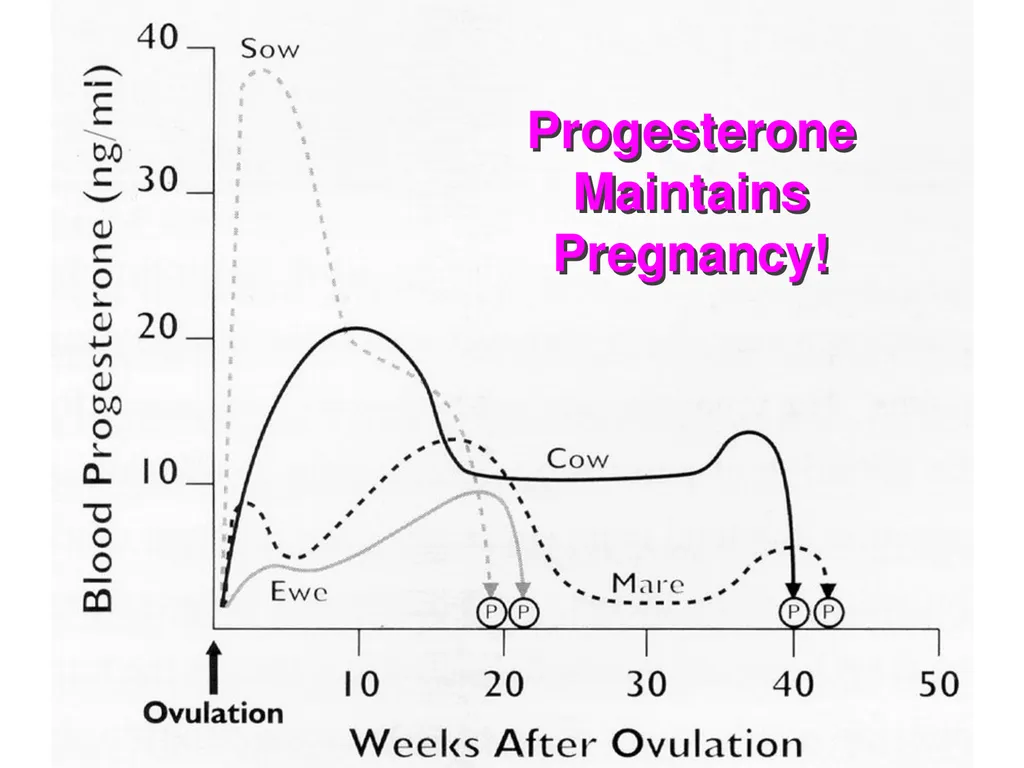
slide25. Progesterone Maintains Pregnancy!<br>
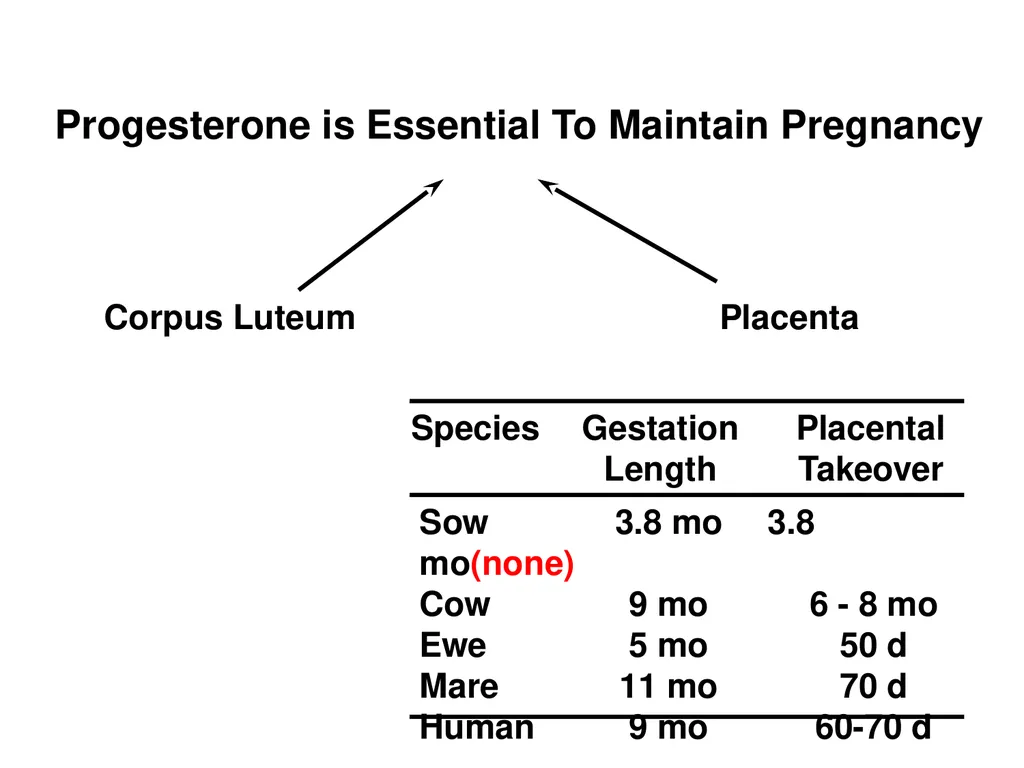
slide26. Progesterone is Essential To Maintain Pregnancy Corpus Luteum Placenta<br>
slide27. Other Species in Which Placenta Does not Take-over Progesterone Production Bitch
Queen
Alpaca, Llama, Camel
Rabbit
Goat<br>
slide2. Placental Functions Placenta<br>
slide3. Placental Functions Placenta Gas
Nutrients
Waste products Immunosupression
Prevents infiltration by maternal defenses
Filters toxins Shock Absorber Transient
Estrogen
Progesterone
HCG
eCG
PL<br>
slide4. Similarities in Early Development MAN PIG BIRD<br>
slide5. Developmental Horizons Mare Cow Ewe Sow Woman
Germ layers 13-14 14 10-14 7-8 10-14 Open neural tube 20 15-21 13 Fusion of chorioamniontic folds 18 17 16 Heart beat apparent 24 21-22 20 16 25 Limb buds visible 24 25 28-35 17-18 28 Cotelydons first appear 30 Eye differentiation 40 30-45 42-49 21-28 Birth 340 280 147-155 112 266 Developmental Features Critical Organ Systems Develop Early!<br>
slide6. Fetal Development in the Human Ovulation Length (cm) Age of Fetus (weeks since last menstruation) Weight (kg) Parturition<br>
slide7. Crown Rump Estimates of Age
Crown rump length
Length femur, radius or tibia
Circumference of head<br>
slide8. Factors Influencing Fetal Growth Genetics
Species
Breed
Litter size
Genotype Fetal Hormones
Thyroid
Insulin
Growth hormone Environment
Mother
Nutrition
Size, Parity
Placenta
Blood flow
Size<br>
slide9. Factors Influencing Fetal Growth Genetics
Species
Breed
Litter size
Genotype<br>
slide10. Factors Influencing Fetal Growth Genetics
Species
Breed
Litter size
Genotype<br>
slide11. Genetics
Species
Breed
Litter size
Genotype Factors Influencing Fetal Growth<br>
slide12. Genetics
Species
Breed
Litter size
Genotype Factors Influencing Fetal Growth Certains lines of animals may grow faster.<br>
slide13. Factors Influencing Fetal Growth Environment
Mother
Nutrition
Size, Parity
Placenta
Blood flow
Size<br>
slide14. Factors Influencing Fetal Growth Environment
Mother
Nutrition
Size, Parity
Placenta
Blood flow
Size<br>
slide15. Factors Influencing Fetal Growth Fetal Hormones
Thyroid
Insulin
Growth hormone Skeletal and muscular development Increased energy substrate availability and stimulates placental growth Stimulates fetal growth<br>
slide16. Uterine Size Changes During Pregnancy Hyperplasia
Increase in # of cells
Hypertrophy
Increase in size of cells
Stretching<br>
slide17. Placenta Liver Left Atrium Lungs Right Atrium Foramen
Ovale Ductus
Venosus Ductus
Arteriosus Aorta Umbilical Arteries Umbilical Vein Portal Vein Vena Cava Head
and
Heart Tissues<br>
slide18. Relative P4 and E2 Weeks of Gestation Ovulation<br>
slide19. Relative P4 and E2<br>
slide20. Relative P4 and E2 Weeks of Gestation Ovulation<br>
slide23. Relative P4 and E2 Weeks of Gestation Ovulation<br>
slide25. Progesterone Maintains Pregnancy!<br>
slide26. Progesterone is Essential To Maintain Pregnancy Corpus Luteum Placenta<br>
slide27. Other Species in Which Placenta Does not Take-over Progesterone Production Bitch
Queen
Alpaca, Llama, Camel
Rabbit
Goat<br>