04
Rheumatoid arthritis (RA) is a chronic, systemic autoimmune disease that involves inflammation in the membrane lining of the joints and often affects internal organs. Most patients exhibit a chronic fluctuating course of disease that can result in progressive joint destruction, deformity, and disability. RA affects between 1 and 2 million Americans. It occurs three times more often in women, and peaks at age 35 to 50 years.<br>
05
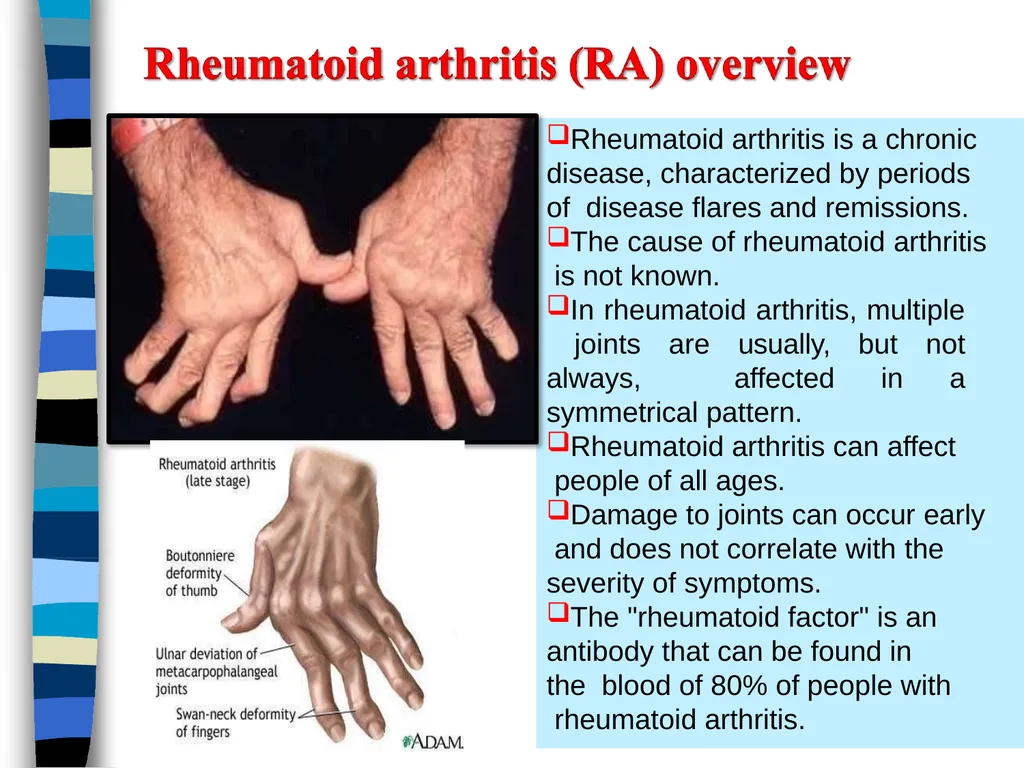
Rheumatoid arthritis is a chronic disease, characterized by periods of disease flares and remissions.
The cause of rheumatoid arthritis is not known.
In rheumatoid arthritis, multiple joints are usually, but not always, affected in a symmetrical pattern.
Rheumatoid arthritis can affect people of all ages.
Damage to joints can occur early and does not correlate with the severity of symptoms.
The "rheumatoid factor" is an antibody that can be found in the blood of 80% of people with rheumatoid arthritis.<br>
06
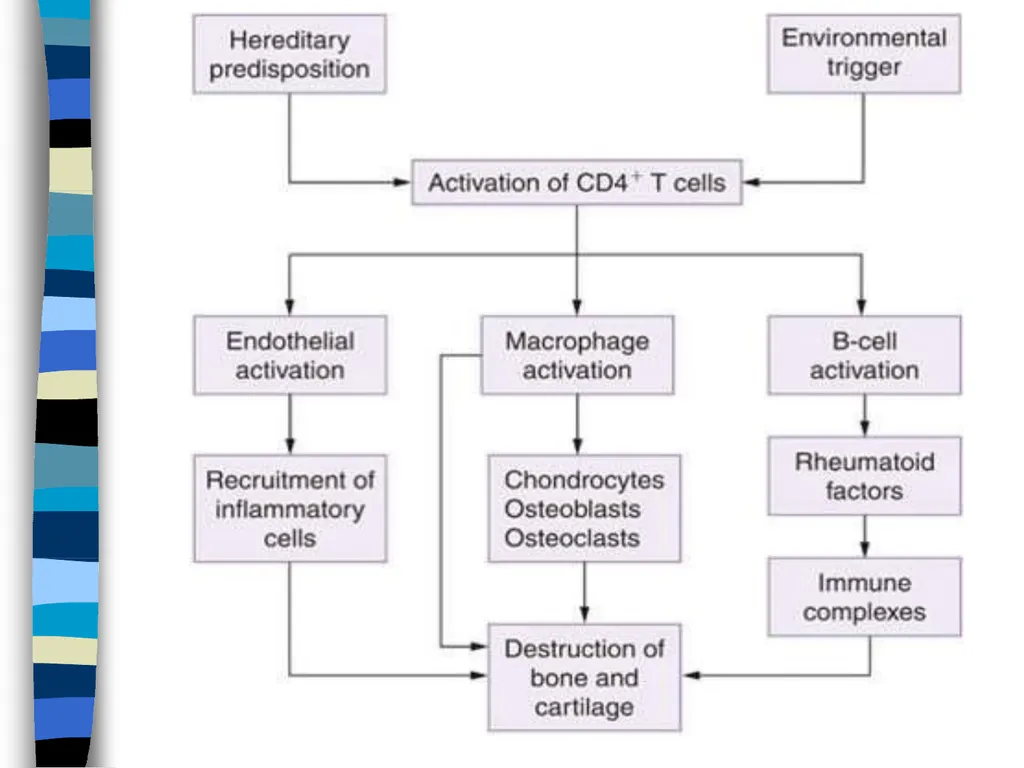
The cause of rheumatoid arthritis is unknown.. It is believed that the tendency to develop rheumatoid arthritis may be genetically inherited (hereditary). It is suspected that certain infections or factors in the environment might trigger the immune system to attack the body's own tissues; resulting in inflammation in various organs of the body such as the lungs or eyes.
Environmental factors also seem to play some role in causing rheumatoid arthritis. For example, scientists have reported that smoking tobacco increases the risk of developing rheumatoid arthritis. ETIOLOGY<br>
07
The cause of RA is not fully understood but appears to be multifactorial.
It is considered an autoimmune disease in which the body loses its ability to distinguish between synovial and foreign tissue. Other factors involved in RA are as follows:
1. Environmental influences, such as infections or trauma, are thought to trigger the development of RA.<br>
08
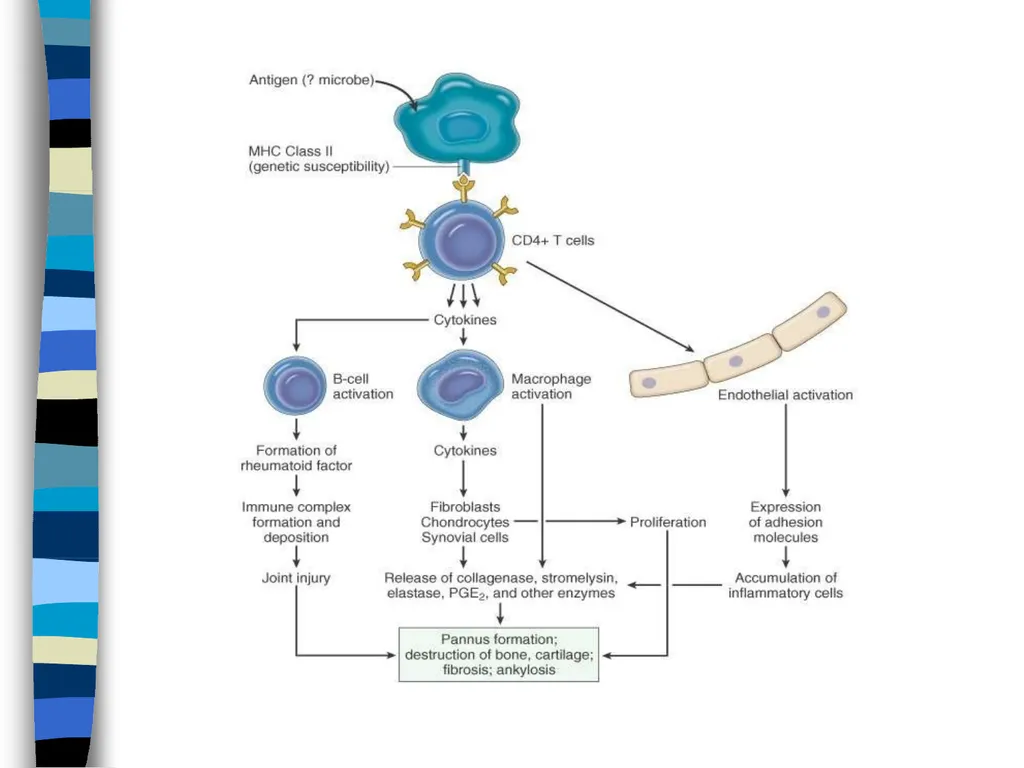
2. Genetic markers, such as human leukocyte antigen DR4 (HLA-DR4), have been associated with triggering the inflammatory process in RA. Such markers, however, are not considered diagnostic because 30% of people with HLA-DR4 develop never RA. 3. Antigen-dependent activation of T lymphocytes leads to proliferation of the synovial lining, activation of proinflammatory cells from the bone marrow, cytokine and protease secretion, and autoantibody production.<br>
09
Anticitrullinated proteins and peptides are high specific for RA.
Tumor necrosis factor & (TNF-&), IL-1, IL-6, IL-8, and growth factors propagate the inflammatory process, and agents found to alter these cytokines show promise in reducing pain and deformity.
Inflamed synovium is a hallmark of the pathophysiology of RA. Synovium proliferates abnormally, growing into the joint space and into the bone, forming a pannus. The pannus migrates to
the articular cartilage and into the subchondral bone leading to destruction of cartilage, bone,
tendons, and blood vessels.<br>
10
Genetic and environmental factors play a part. Gender. Women before the menopause are affected three times more often than men. After the menopause the frequency of onset is similar between the sexes, suggesting an etiological role for sex hormones. The use of the oral contraceptive pill has shown no affect on RA overall, as previously thought, but it may delay the onset of disease.
Familial. The disease is familial with an increased incidence in first degree relatives and a high
concordance amongst monozygotic twins (up to 15%)
and dizygotic twins (3.5%). In occasional families it affects several generations.<br>
11
12 Genetic factors are estimated to account for up to 60% of disease susceptibility.
There is a strong association between susceptibility to RA and certain HLA haplotypes. HLA-DR4, which occurs in 50–75% of patients, correlates with a poor prognosis, as does HLA-DRB1. Individuals with HLA-DRB1 combined with a positive rheumatoid factor are13 times greater risk for developing bone erosions in early disease.<br>
12
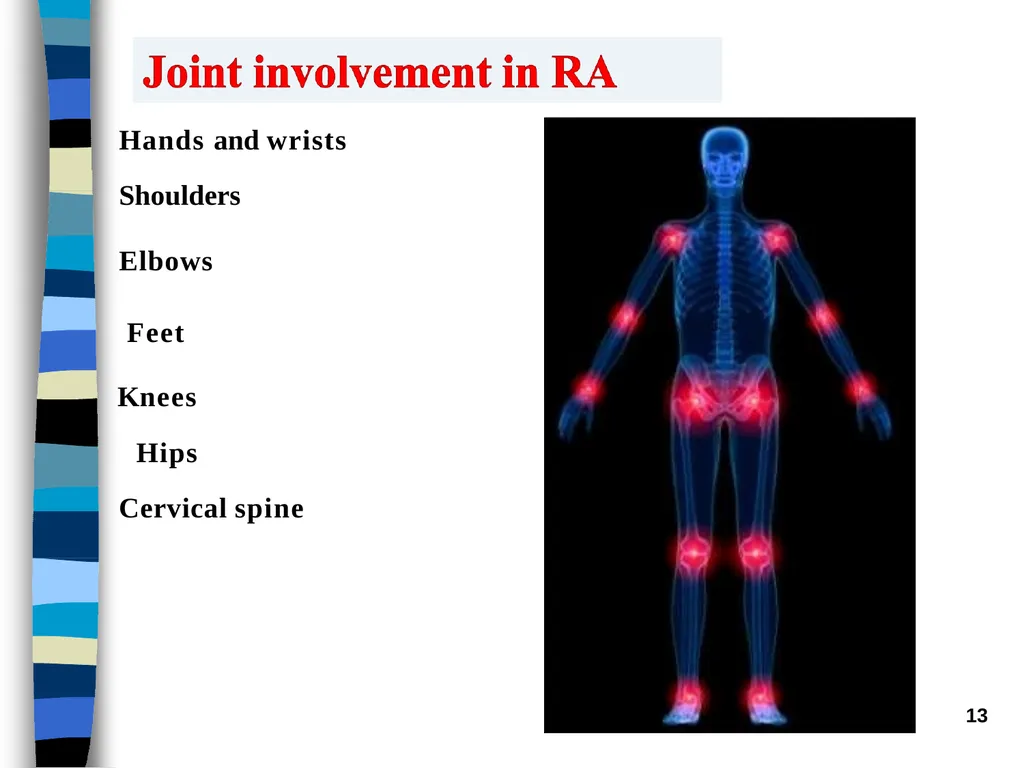
13 Hands and wrists
Shoulders Elbows
Feet Knees
Hips
Cervical spine<br>
13
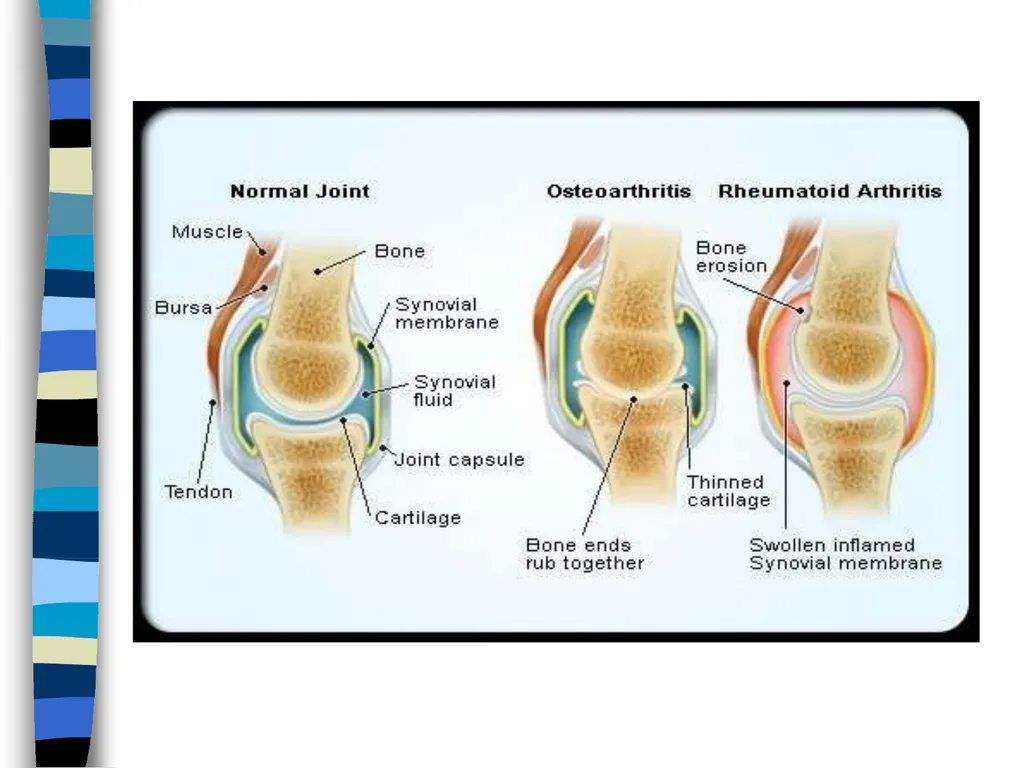
Chronic inflammation of the synovial tissue lining the joint capsule results in the proliferation of this tissue. The inflamed, proliferating synovium characteristic of rheumatoid arthritis is called pannus. This pannus invades the cartilage and eventually the bone surface, producing erosions of bone and cartilage and leading
to destruction of the joint. The factors that initiate the inflammatory process are unknown.<br>
14
The immune system is a complex network of checks and balances designed to discriminate self from non- self (foreign) tissues. It helps rid the body of infectious agents, tumour cells, and products associated with the breakdown of cells. In rheumatoid arthritis, this system no longer can differentiate self from non-self tissues and
attacks the synovial tissue and other connective tissues.<br>
15
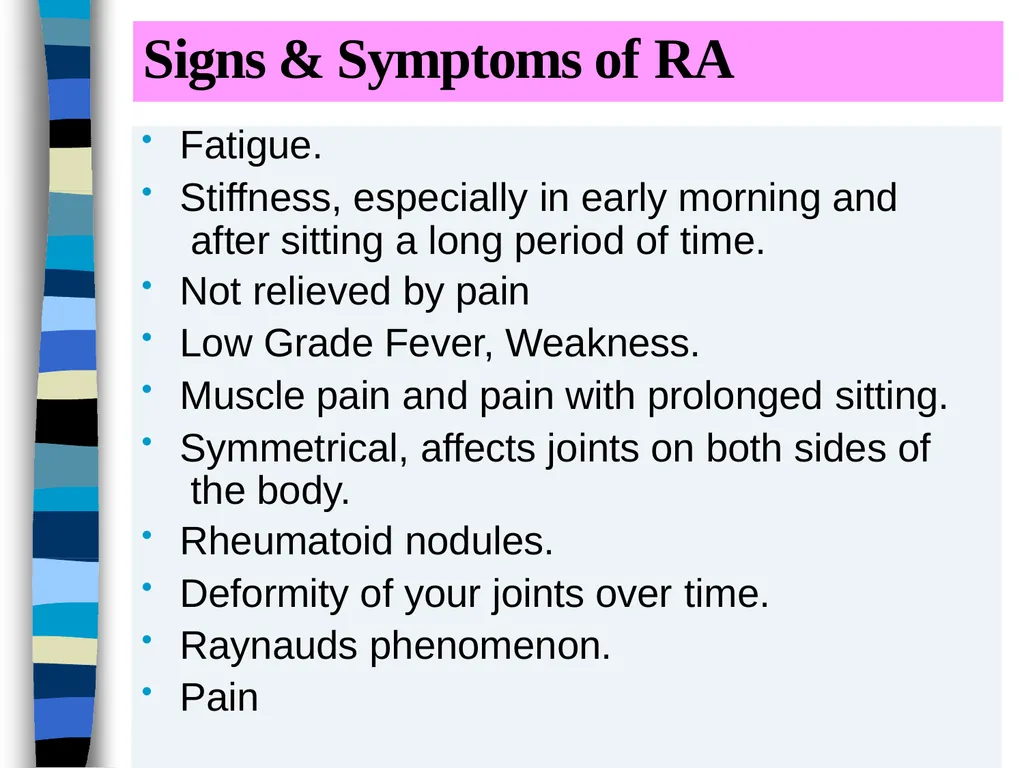
Signs & Symptoms of RA Fatigue.
Stiffness, especially in early morning and after sitting a long period of time.
Not relieved by pain
Low Grade Fever, Weakness.
Muscle pain and pain with prolonged sitting.
Symmetrical, affects joints on both sides of the body.
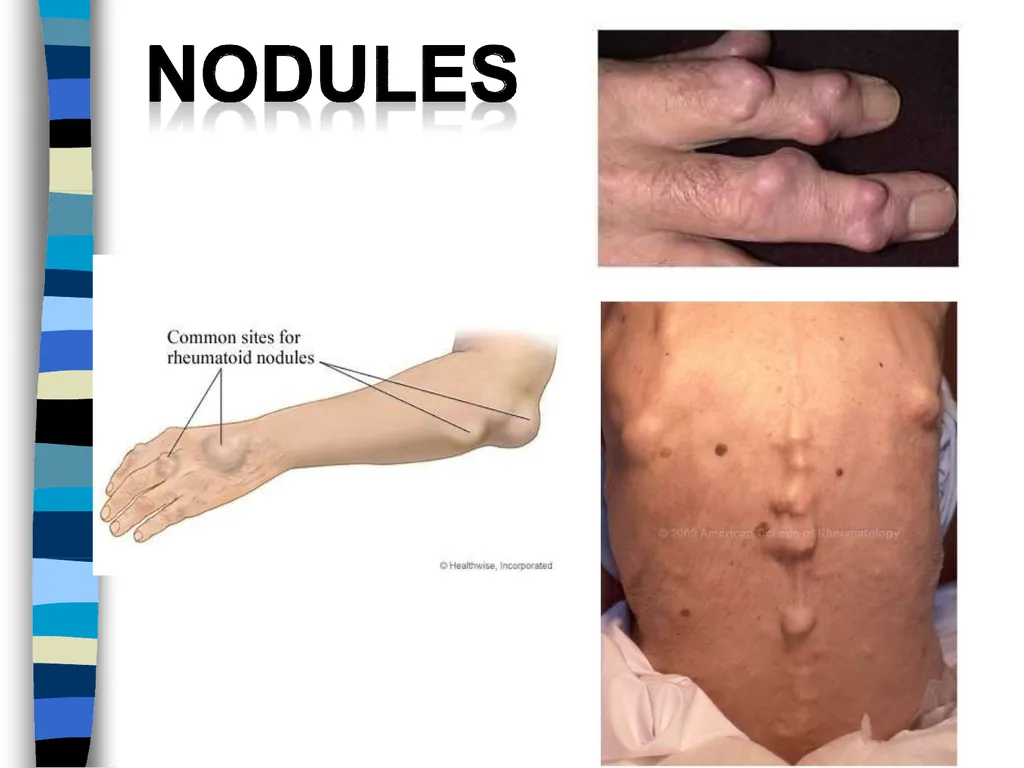
Rheumatoid nodules.
Deformity of your joints over time.
Raynauds phenomenon.
Pain<br>
16
1. Rheumatoid factor (RF) is found in " 60% of patients with RA; however, as many as 5% of healthy individuals will have elevated titers of RF. If initially negative, the test can be repeated in 6 to 12 months. RF is not an accurate measure of disease progression. LABORATORY ASSESSMENT<br>
17
Erythrocyte sedimentation rate (ESR) and C- reactive protein (CRP) :
They are markers of inflammation and are usually elevated in patients with RA. They can also help indicate the activity of the disease, but they do not indicate disease severity.
Anticyclic citrullinated peptide antibodies (ACPA) :
These are found in most patients with RA and are useful in predicting erosive disease.<br>
18
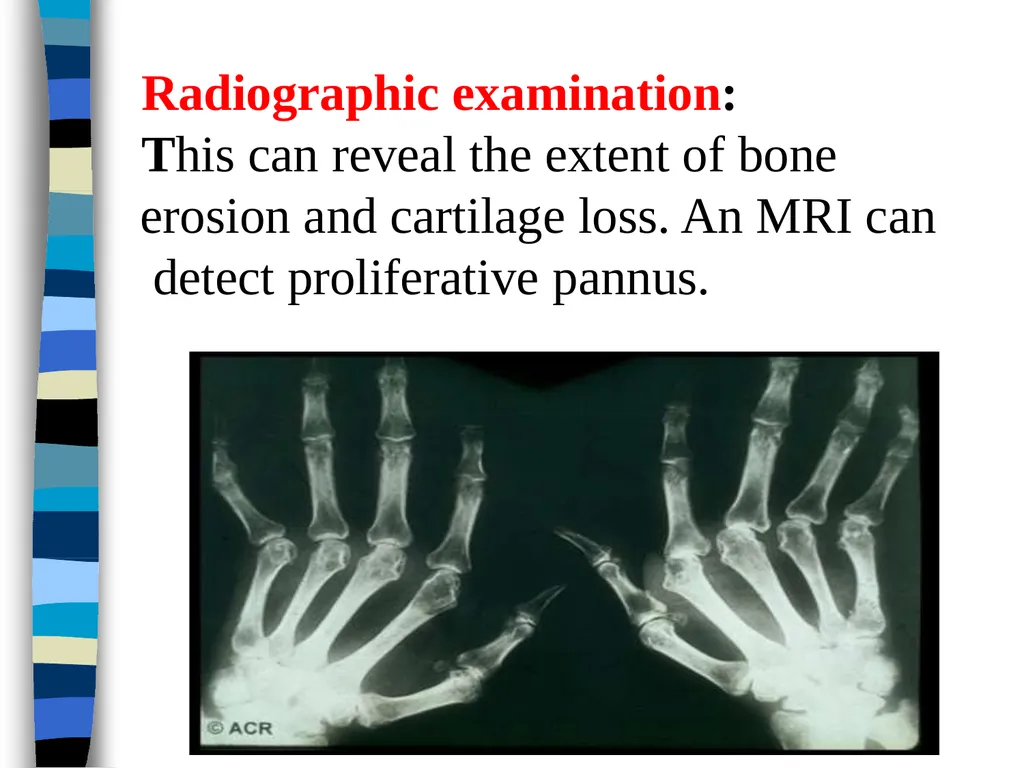
Radiographic examination:
This can reveal the extent of bone erosion and cartilage loss. An MRI can detect proliferative pannus.<br>
19
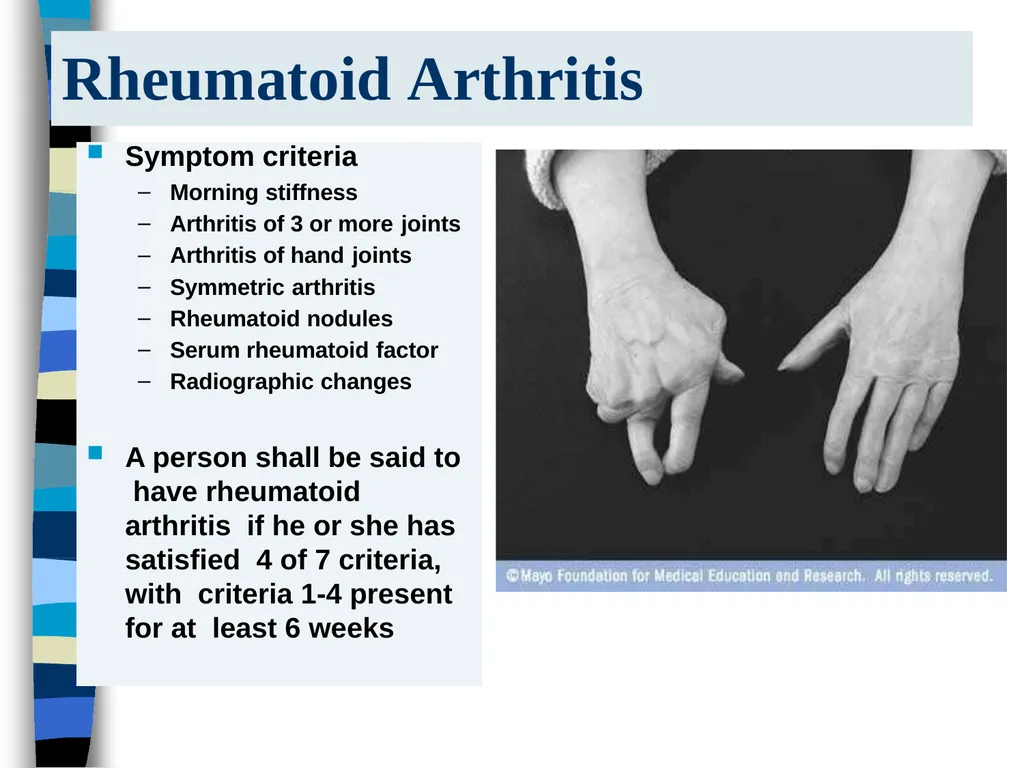
Rheumatoid Arthritis Symptom criteria
Morning stiffness
Arthritis of 3 or more joints
Arthritis of hand joints
Symmetric arthritis
Rheumatoid nodules
Serum rheumatoid factor
Radiographic changes
A person shall be said to have rheumatoid arthritis if he or she has satisfied 4 of 7 criteria, with criteria 1-4 present for at least 6 weeks<br>
20
Diagnosis and clinical evaluation: In 2010, EULAR (European League Against Rheumatism) established a score-based algorithm criteria aimed at diagnoses before joint damage occurs. Definitive RA is defined as a score # 6/10 based on four domains:
Joint involvement (e.g., number and location of involved joints)
Serology (e.g., RF, ACPA)
Acute phase reactants (e.g., CRP, ESR)
Duration of symptoms<br>
21
Treatment objectives The goals in the management of RA are:
1. To prevent or control joint damage
2. To prevent loss of function
3. To decrease pain
4. To maintain the patient’s quality of life
5. To avoid or minimize adverse effects of treatment.
6. Preservation of muscle and joint function.
7. Return to a desirable and productive life.<br>
22
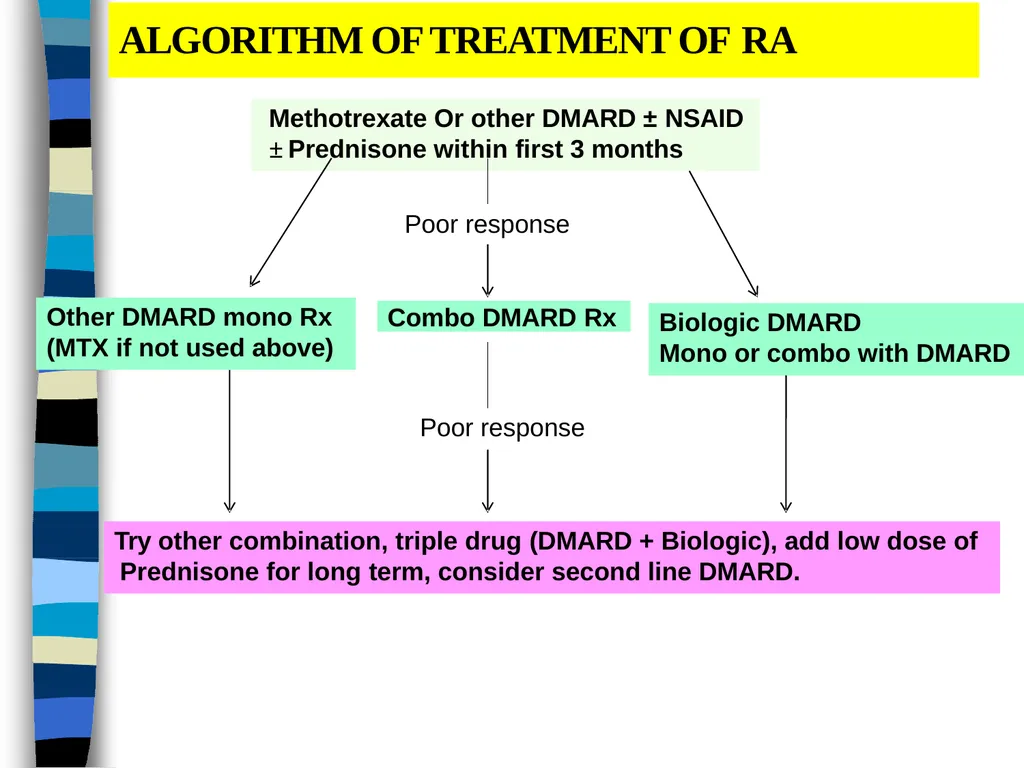
ALGORITHM OF TREATMENT OF RA Methotrexate Or other DMARD ± NSAID
± Prednisone within first 3 months
Poor response Other DMARD mono Rx (MTX if not used above) Combo DMARD Rx Biologic DMARD
Mono or combo with DMARD Poor response Try other combination, triple drug (DMARD + Biologic), add low dose of Prednisone for long term, consider second line DMARD.<br>
23
Non pharmacological Treatment Diet
Exercise
Acupuncture
Herbal Medicines
Massage
Stress Reduction Techniques – prayer, meditation, hypnosis, yoga.<br>
24
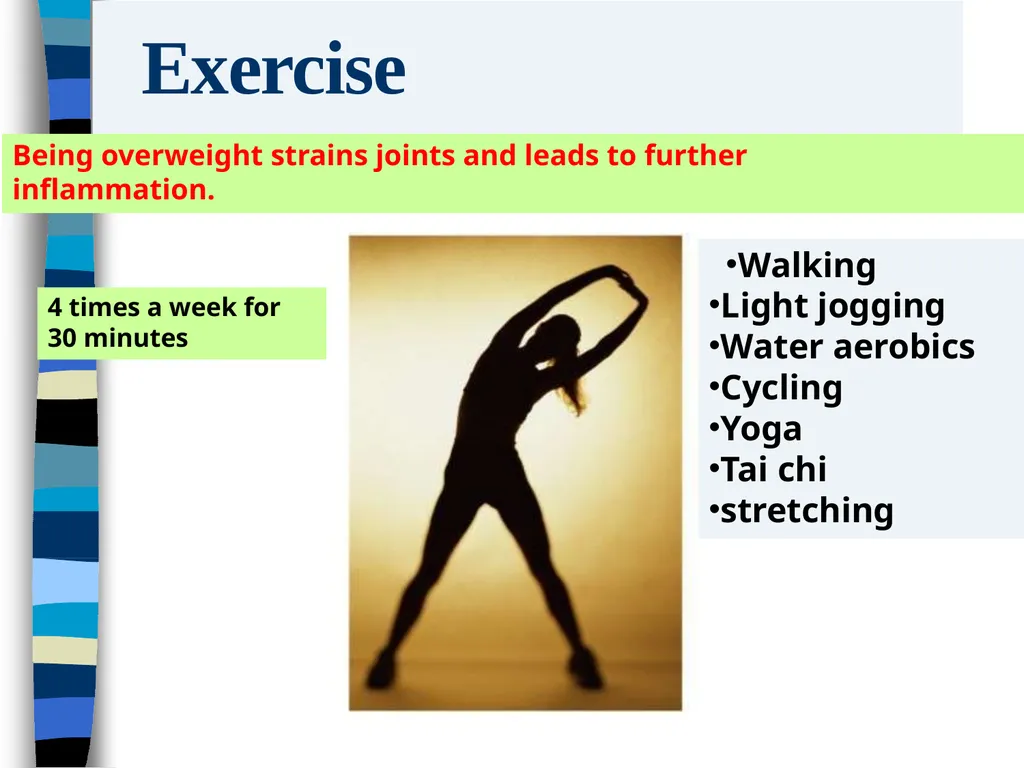
Exercise 4 times a week for 30 minutes Being overweight strains joints and leads to further
inflammation.
Walking Light jogging
Water aerobics Cycling
Yoga
Tai chi
stretching<br>