
Speech Anatomy Phonation • Resonation •
Description: Speech Anatomy Phonation Resonation Articulation Study Guide Companion The 3 Steps of the Speech Mechanism Speech occurs when these three processes work together. Phonation Resonation Articulation Phonation Phonation: The process of
Related Topics
Download Presentation
"Speech Anatomy Phonation • Resonation •" is the property of its rightful owner. Permission is granted to download and print the materials on this website for personal, non-commercial use only, and to display it on your personal computer provided you do not modify the materials and that you retain all copyright notices contained in the materials. By downloading content from our website, you accept the terms of this agreement.
Presentation Transcript
slide1. Speech Anatomy Phonation • Resonation • Articulation
Study Guide Companion<br>
slide2. The 3 Steps of the Speech Mechanism Speech occurs when these three processes work together.
Phonation
Resonation
Articulation<br>
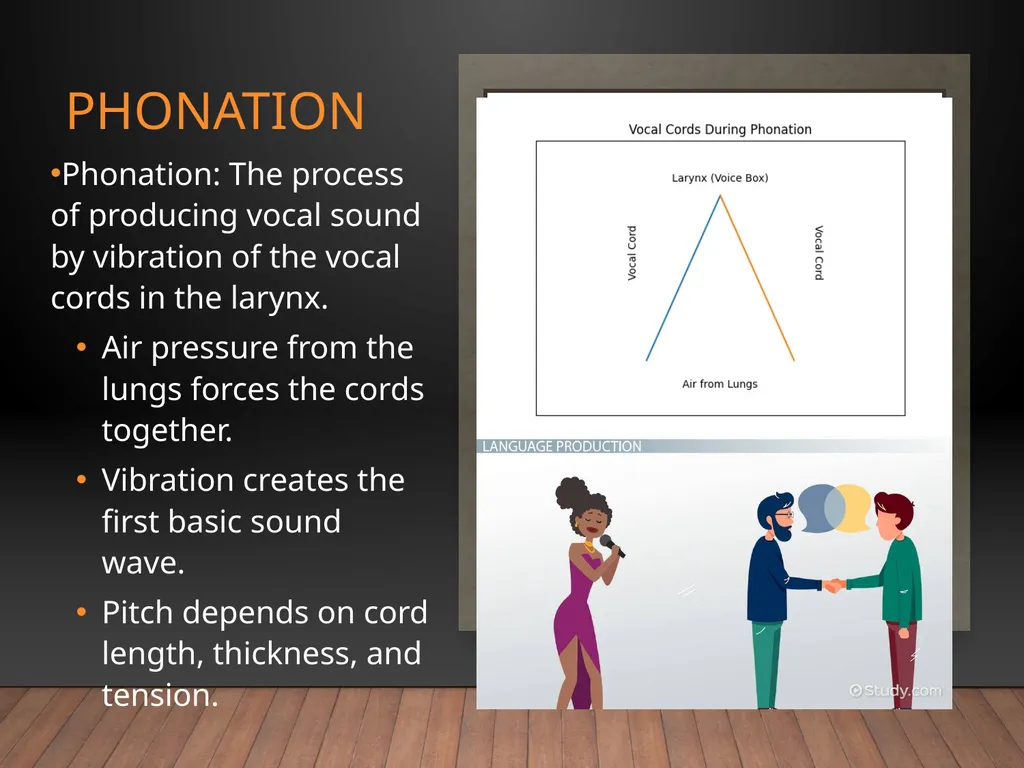
slide3. Phonation Phonation: The process of producing vocal sound by vibration of the vocal cords in the larynx.
Air pressure from the lungs forces the cords together.
Vibration creates the first basic sound wave.
Pitch depends on cord length, thickness, and tension.<br>
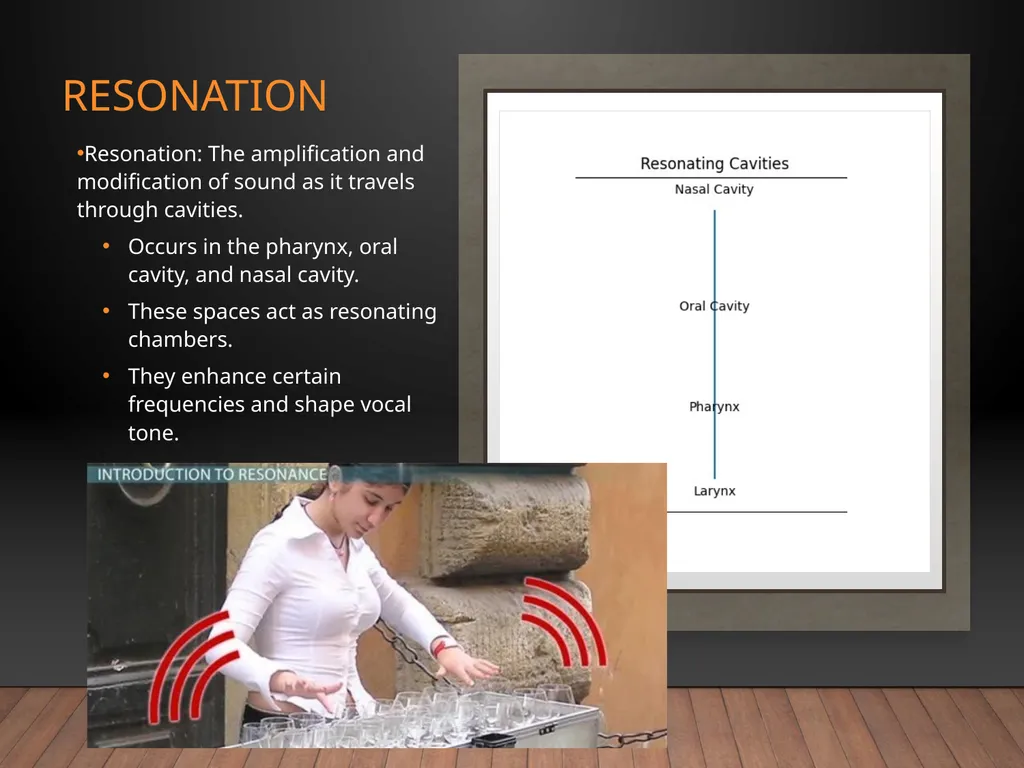
slide4. Resonation Resonation: The amplification and modification of sound as it travels through cavities.
Occurs in the pharynx, oral cavity, and nasal cavity.
These spaces act as resonating chambers.
They enhance certain frequencies and shape vocal tone.<br>
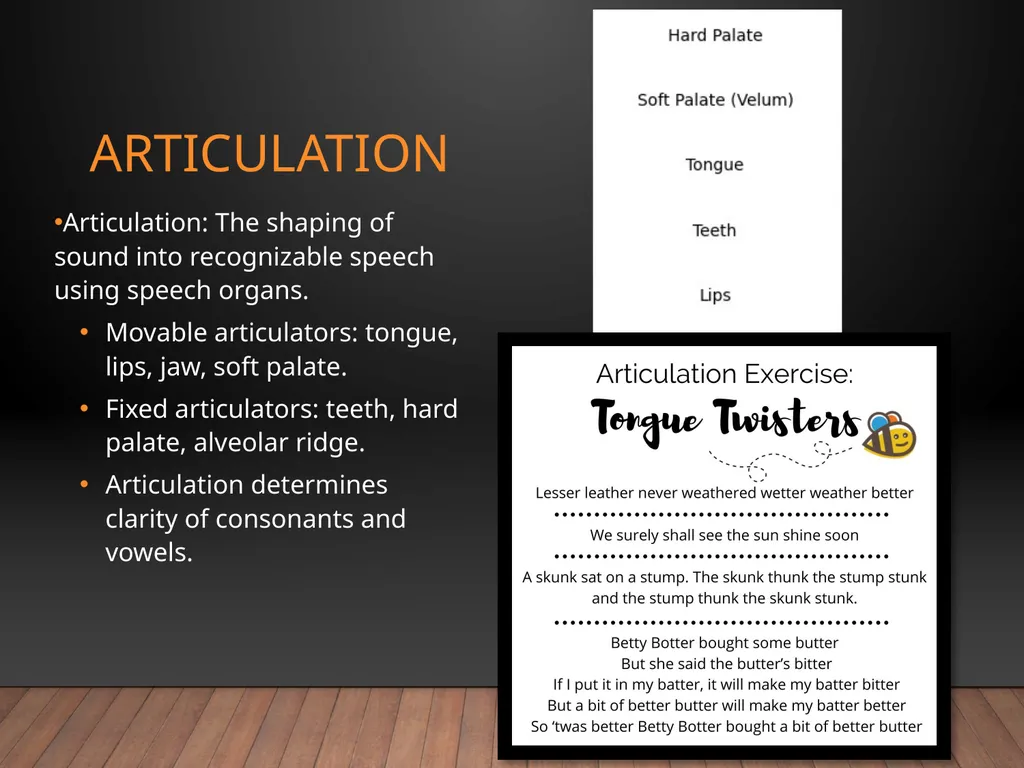
slide5. Articulation Articulation: The shaping of sound into recognizable speech using speech organs.
Movable articulators: tongue, lips, jaw, soft palate.
Fixed articulators: teeth, hard palate, alveolar ridge.
Articulation determines clarity of consonants and vowels.<br>
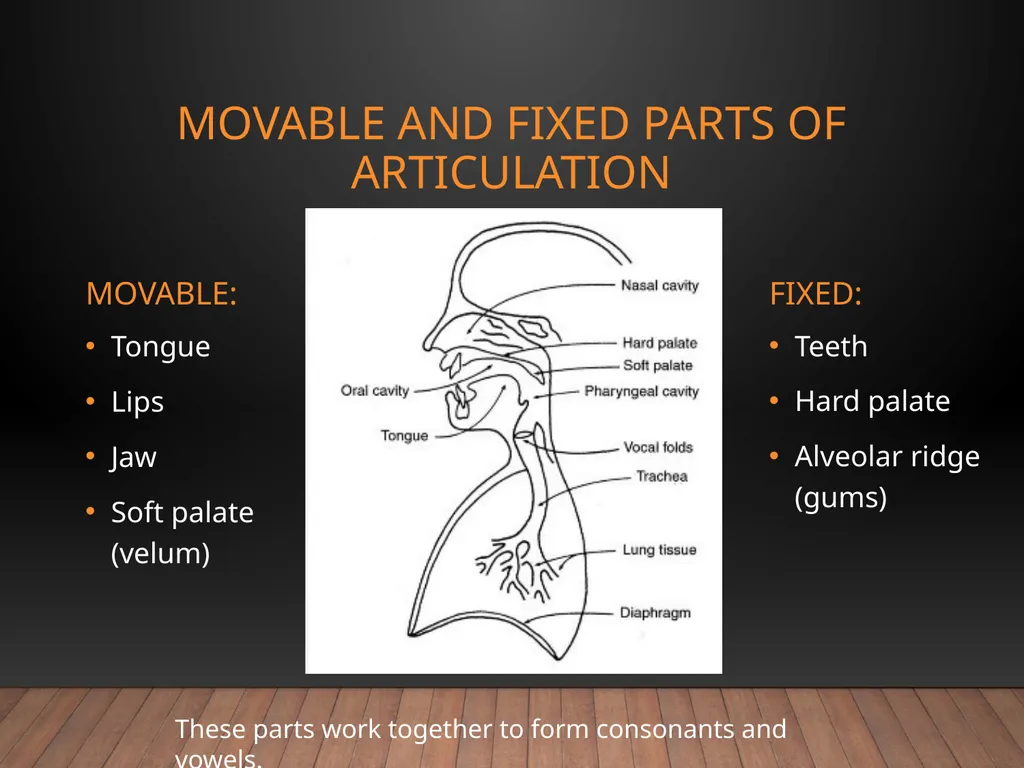
slide6. Movable and Fixed Parts of Articulation Movable: Tongue
Lips
Jaw
Soft palate (velum) Fixed: Teeth
Hard palate
Alveolar ridge (gums) These parts work together to form consonants and vowels.<br>
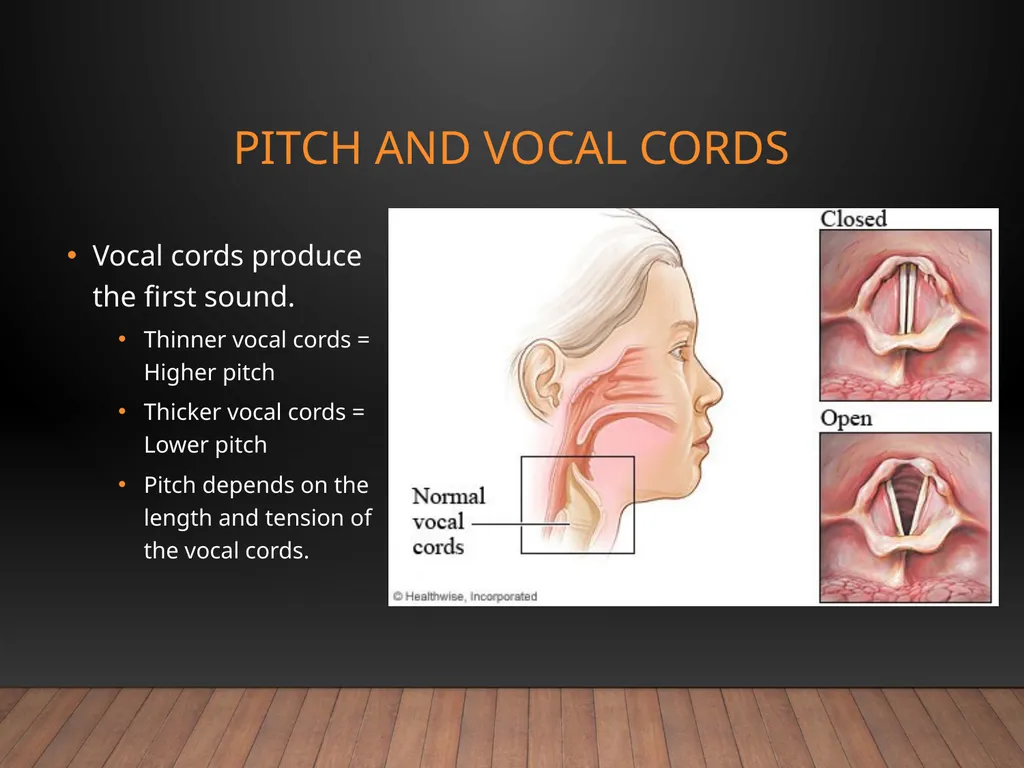
slide7. Pitch and Vocal Cords Vocal cords produce the first sound.
Thinner vocal cords = Higher pitch
Thicker vocal cords = Lower pitch
Pitch depends on the length and tension of the vocal cords.<br>
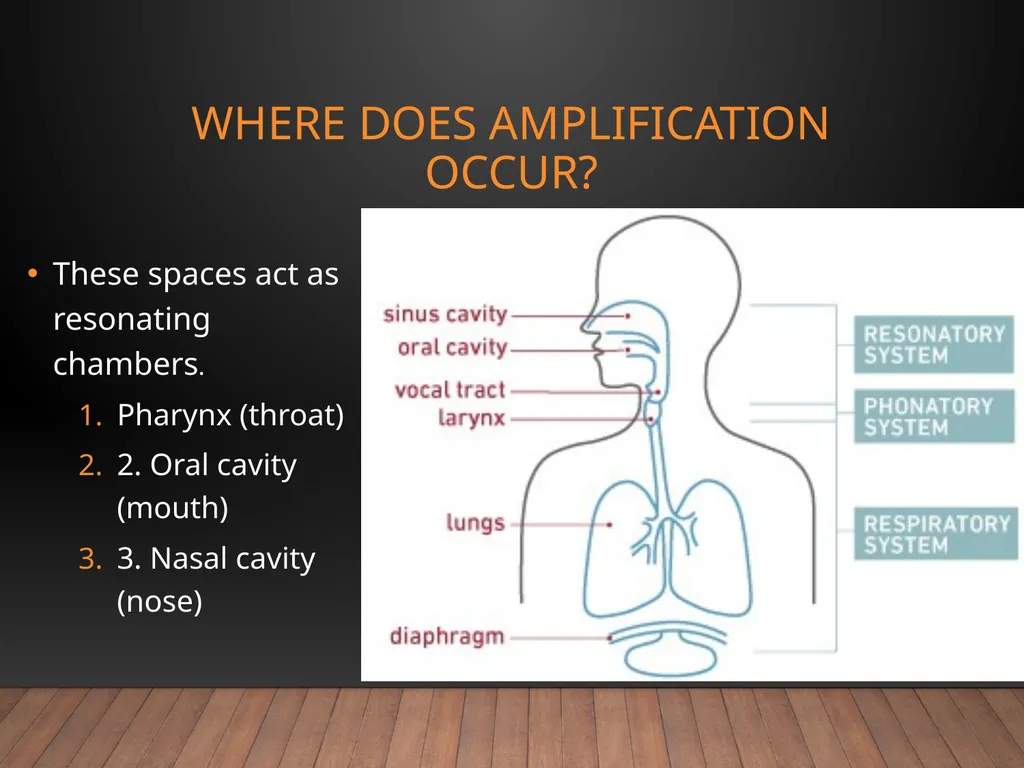
slide8. Where Does Amplification Occur? These spaces act as resonating chambers.
Pharynx (throat)
2. Oral cavity (mouth)
3. Nasal cavity (nose)<br>
slide9. How Does Amplification Work? Sound waves bounce within cavities. Certain frequencies are strengthened.
The size and shape of cavities affect tone.
This process makes the voice louder and fuller. What Acts as Sounding Boards? These structures help carry and enhance vibration.
Sinuses
Skull bones
Facial bones<br>
slide10. Review & Study Tips Be able to define phonation, resonation, and articulation.
Understand pitch differences in vocal cords.
Know where amplification occurs.
Identify movable and fixed articulators.
Study diagrams of vocal cords and head/neck anatomy.<br>
Study Guide Companion<br>
slide2. The 3 Steps of the Speech Mechanism Speech occurs when these three processes work together.
Phonation
Resonation
Articulation<br>
slide3. Phonation Phonation: The process of producing vocal sound by vibration of the vocal cords in the larynx.
Air pressure from the lungs forces the cords together.
Vibration creates the first basic sound wave.
Pitch depends on cord length, thickness, and tension.<br>
slide4. Resonation Resonation: The amplification and modification of sound as it travels through cavities.
Occurs in the pharynx, oral cavity, and nasal cavity.
These spaces act as resonating chambers.
They enhance certain frequencies and shape vocal tone.<br>
slide5. Articulation Articulation: The shaping of sound into recognizable speech using speech organs.
Movable articulators: tongue, lips, jaw, soft palate.
Fixed articulators: teeth, hard palate, alveolar ridge.
Articulation determines clarity of consonants and vowels.<br>
slide6. Movable and Fixed Parts of Articulation Movable: Tongue
Lips
Jaw
Soft palate (velum) Fixed: Teeth
Hard palate
Alveolar ridge (gums) These parts work together to form consonants and vowels.<br>
slide7. Pitch and Vocal Cords Vocal cords produce the first sound.
Thinner vocal cords = Higher pitch
Thicker vocal cords = Lower pitch
Pitch depends on the length and tension of the vocal cords.<br>
slide8. Where Does Amplification Occur? These spaces act as resonating chambers.
Pharynx (throat)
2. Oral cavity (mouth)
3. Nasal cavity (nose)<br>
slide9. How Does Amplification Work? Sound waves bounce within cavities. Certain frequencies are strengthened.
The size and shape of cavities affect tone.
This process makes the voice louder and fuller. What Acts as Sounding Boards? These structures help carry and enhance vibration.
Sinuses
Skull bones
Facial bones<br>
slide10. Review & Study Tips Be able to define phonation, resonation, and articulation.
Understand pitch differences in vocal cords.
Know where amplification occurs.
Identify movable and fixed articulators.
Study diagrams of vocal cords and head/neck anatomy.<br>