
The Chesapeake Bay: A Socio-Environmental



Description: The Chesapeake Bay: A Socio-Environmental Perspective Caroline Solomon, Biology Khadijat Rashid, Economics 1. Where is the Chesapeake Bay? On the western coast of the US On the eastern coast of the US Near the Great Lakes In Canada From
Related Topics
Download Presentation
"The Chesapeake Bay: A Socio-Environmental" is the property of its rightful owner. Permission is granted to download and print the materials on this website for personal, non-commercial use only, and to display it on your personal computer provided you do not modify the materials and that you retain all copyright notices contained in the materials. By downloading content from our website, you accept the terms of this agreement.
Presentation Transcript
slide1. The Chesapeake Bay: A Socio-Environmental Perspective Caroline Solomon, Biology
Khadijat Rashid, Economics<br>
slide2. 1. Where is the Chesapeake Bay? On the western coast of the US
On the eastern coast of the US
Near the Great Lakes
In Canada<br>
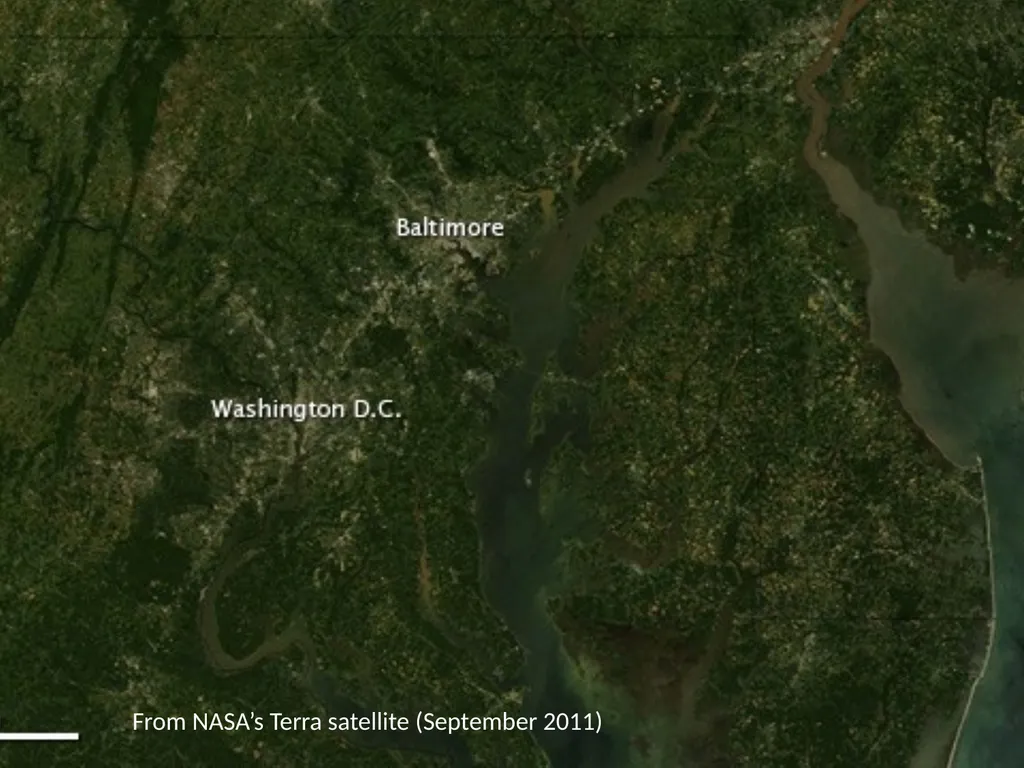
slide3. From NASA’s Terra satellite (September 2011)<br>
slide4. 2. The Chesapeake Bay’s claim to fame is because: very deep in most areas
very shallow in most areas
It floods frequently
It is the country’s largest estuary<br>
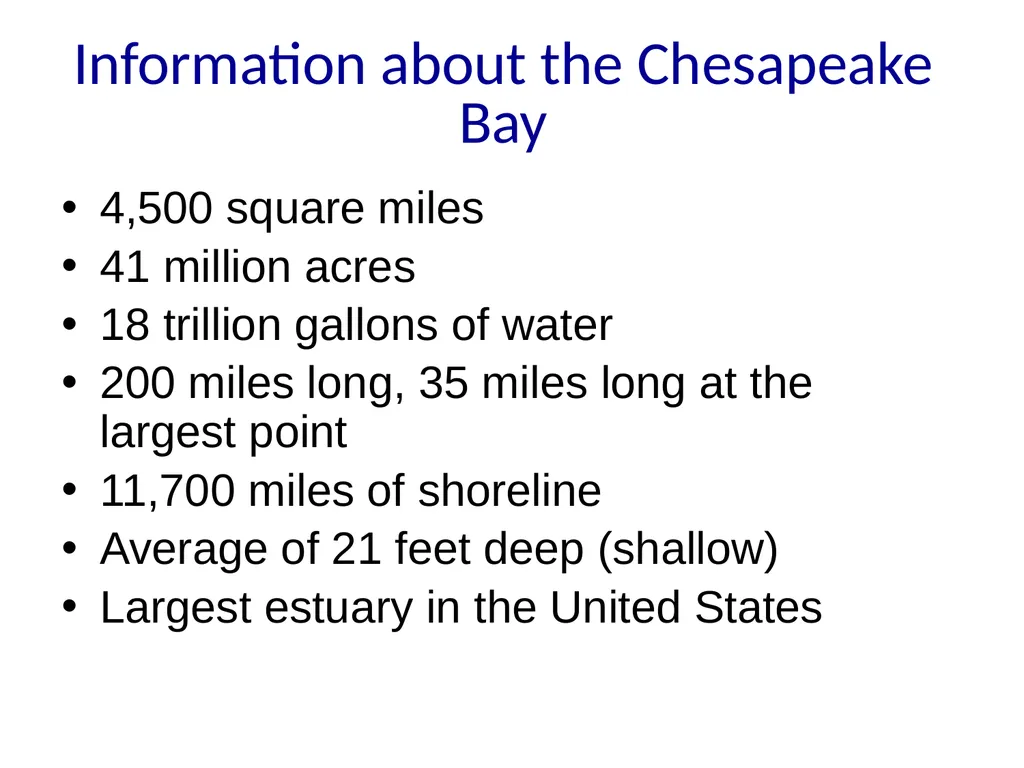
slide5. Information about the Chesapeake Bay 4,500 square miles
41 million acres
18 trillion gallons of water
200 miles long, 35 miles long at the largest point
11,700 miles of shoreline
Average of 21 feet deep (shallow)
Largest estuary in the United States<br>
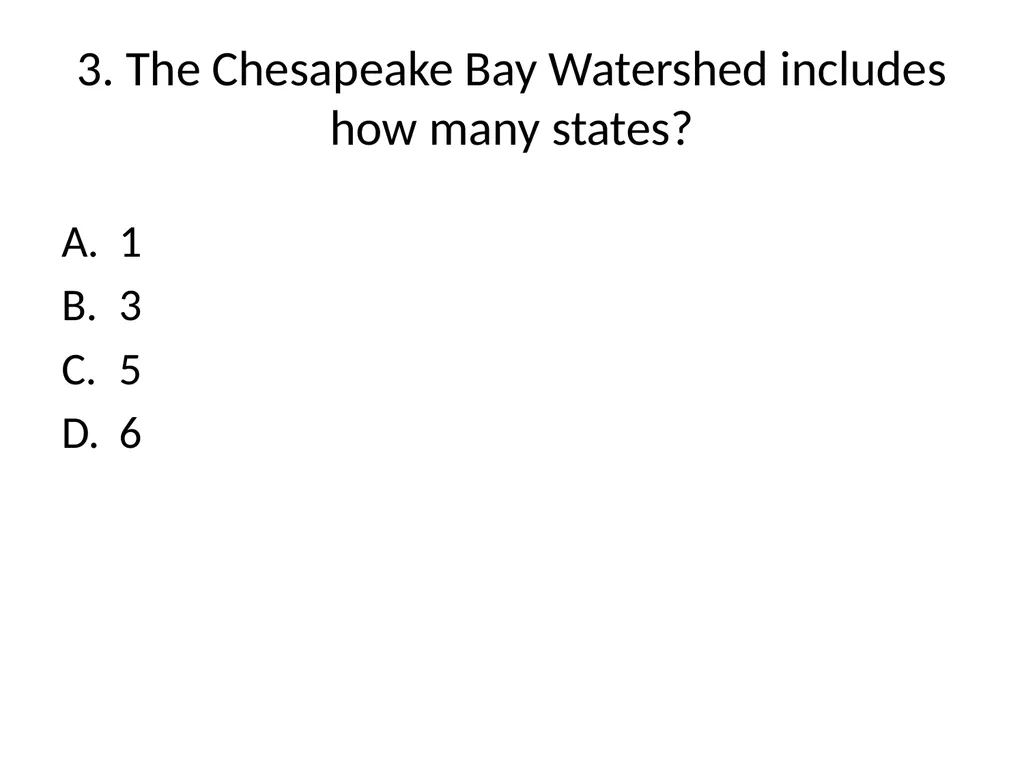
slide6. 3. The Chesapeake Bay Watershed includes how many states? 1
3
5
6<br>
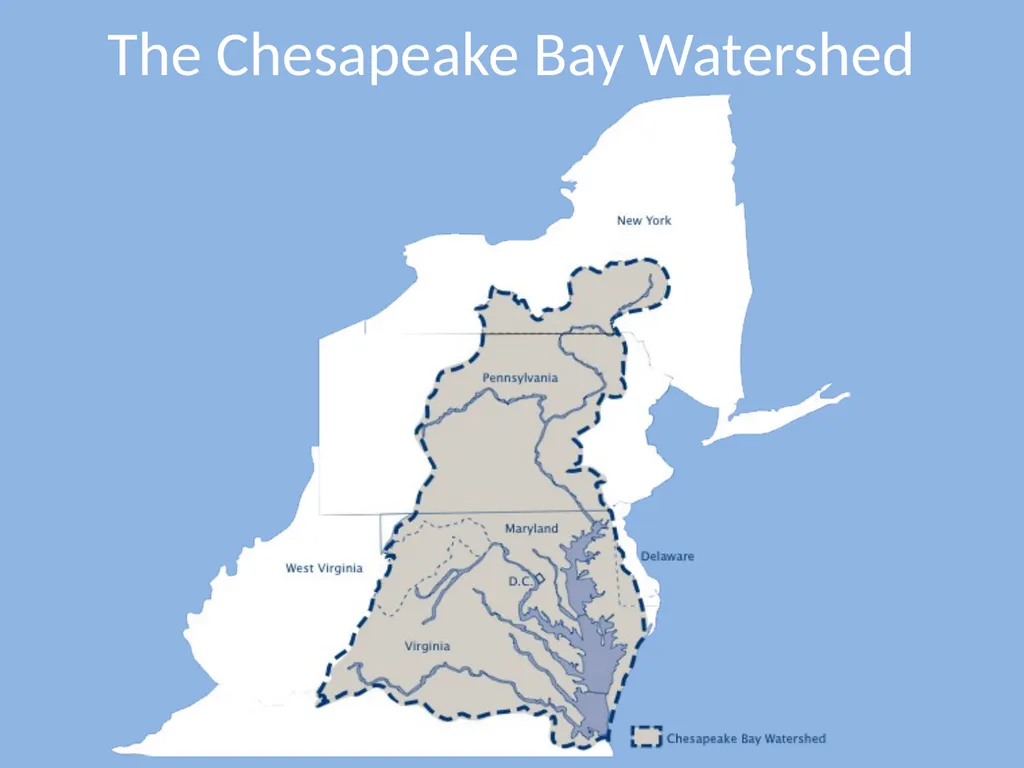
slide7. The Chesapeake Bay Watershed<br>
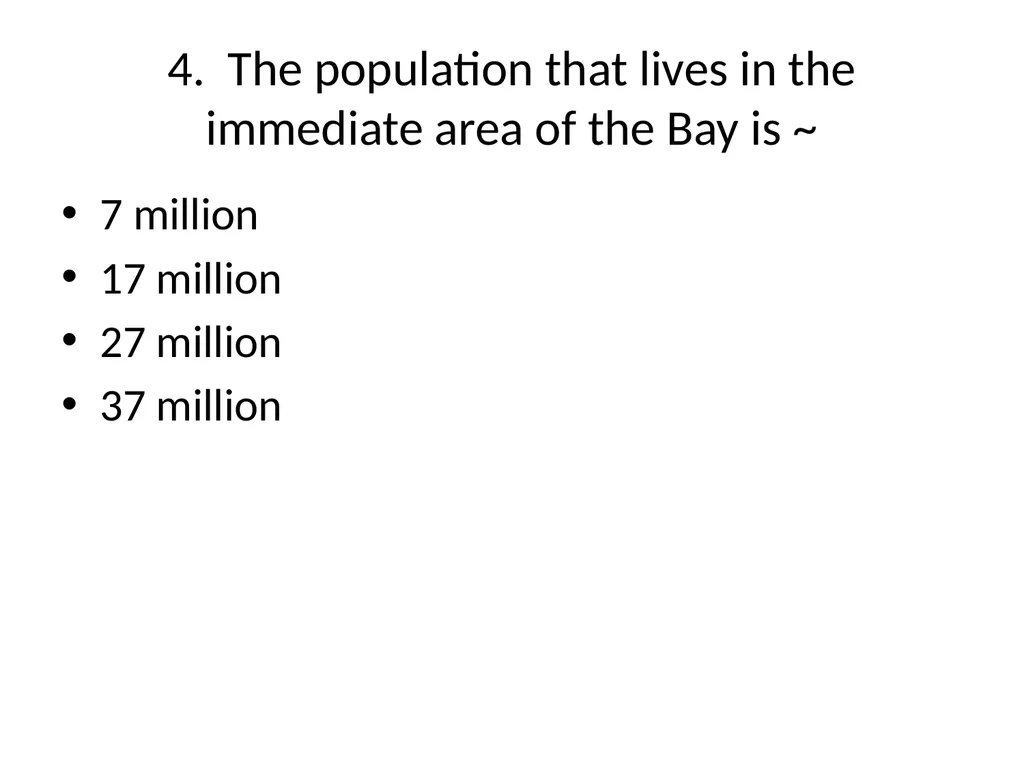
slide8. 4. The population that lives in the immediate area of the Bay is ~ 7 million
17 million
27 million
37 million<br>
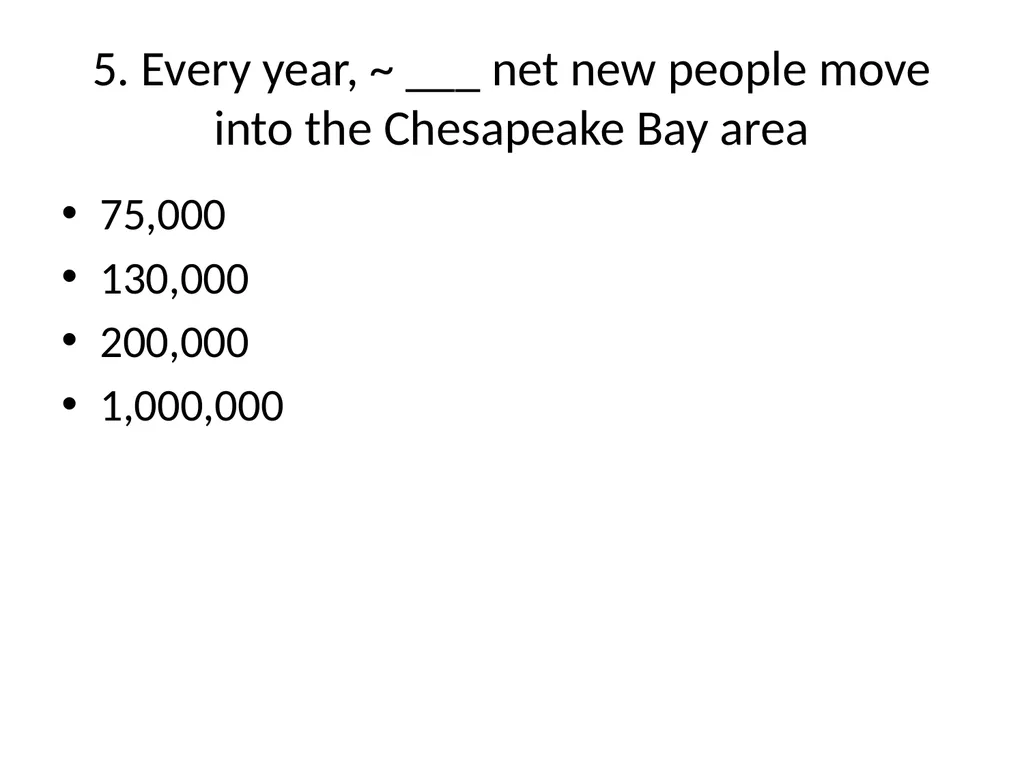
slide9. 5. Every year, ~ ___ net new people move into the Chesapeake Bay area 75,000
130,000
200,000
1,000,000<br>
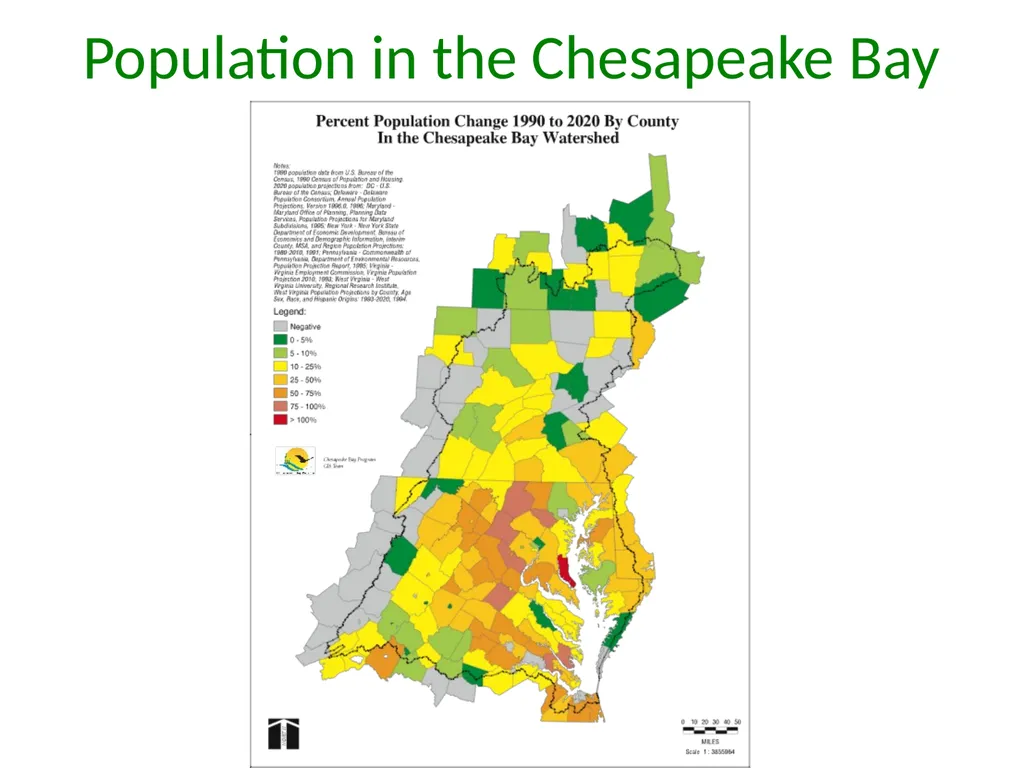
slide10. Population in the Chesapeake Bay<br>
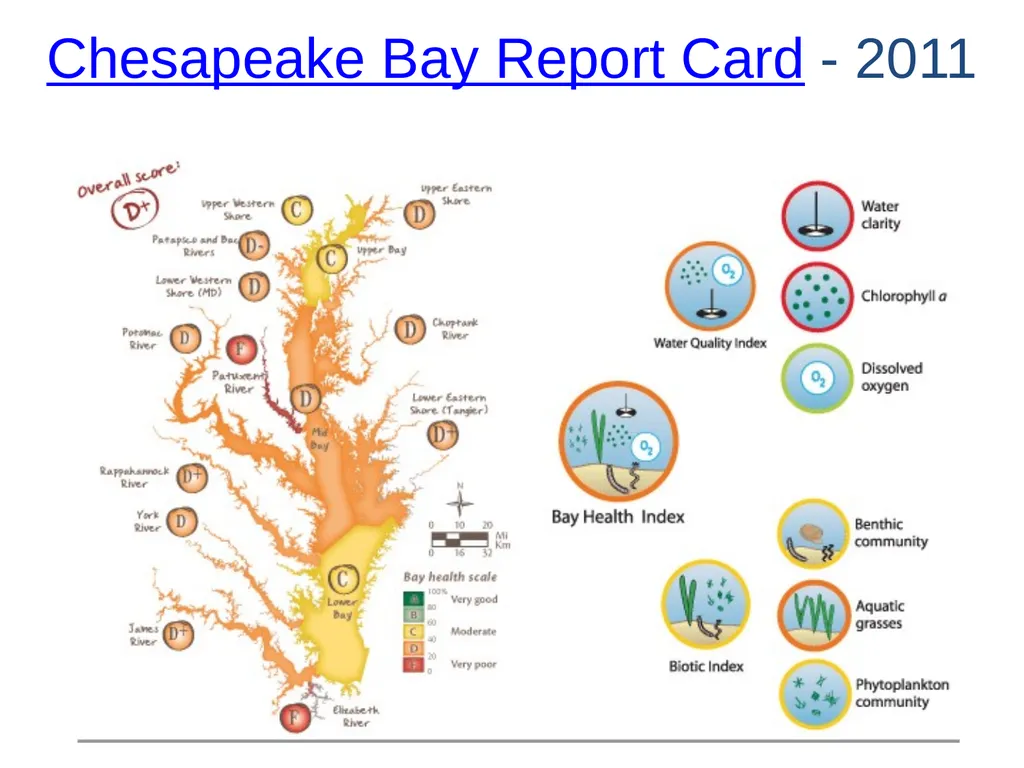
slide11. 6. The health of the Chesapeake Bay was graded as a ______ in 2011? A
B
C
D
F<br>
slide12. Chesapeake Bay Report Card - 2011<br>
slide13. 7. The Chesapeake Bay was formed when…. the glaciers retreated during the last Ice Age
a meteorite hit the area
the Appalachian mountains formed and oceanic water entered the valleys
two continental plates diverged (moved away from each other)<br>
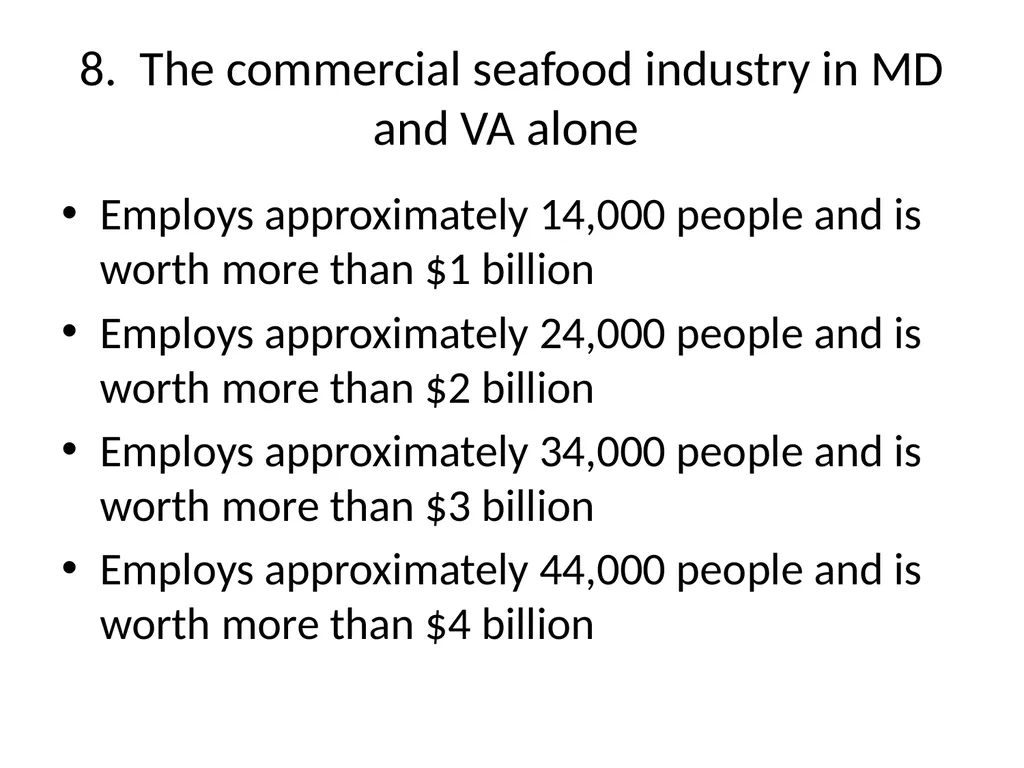
slide15. 8. The commercial seafood industry in MD and VA alone Employs approximately 14,000 people and is worth more than $1 billion
Employs approximately 24,000 people and is worth more than $2 billion
Employs approximately 34,000 people and is worth more than $3 billion
Employs approximately 44,000 people and is worth more than $4 billion<br>
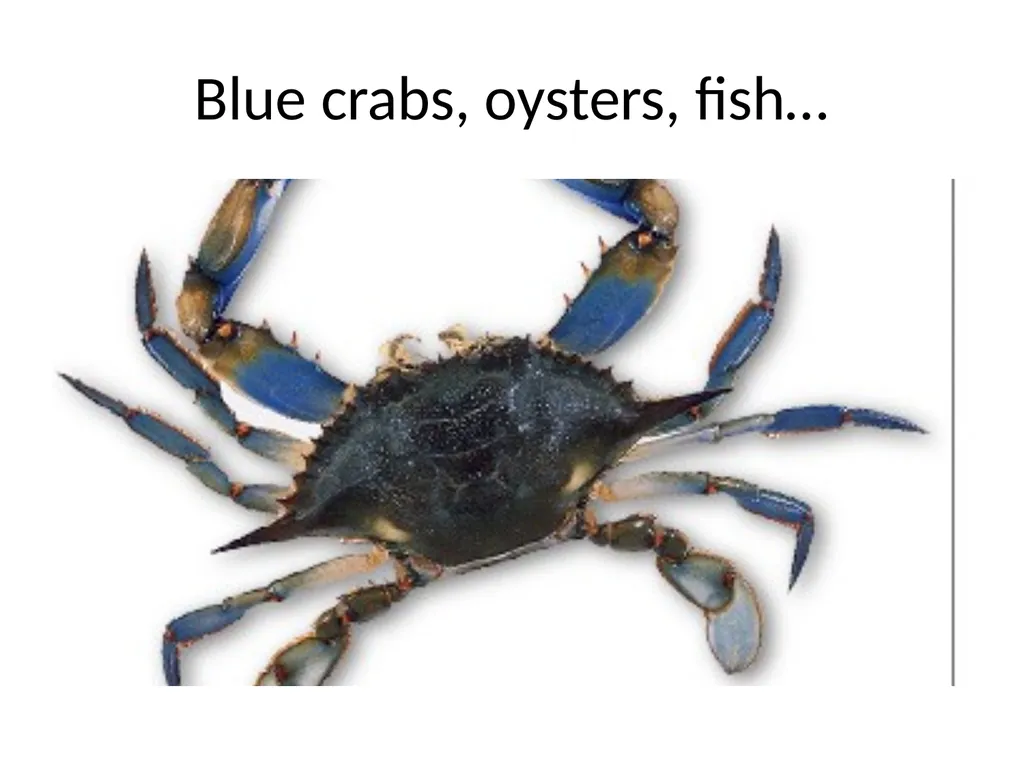
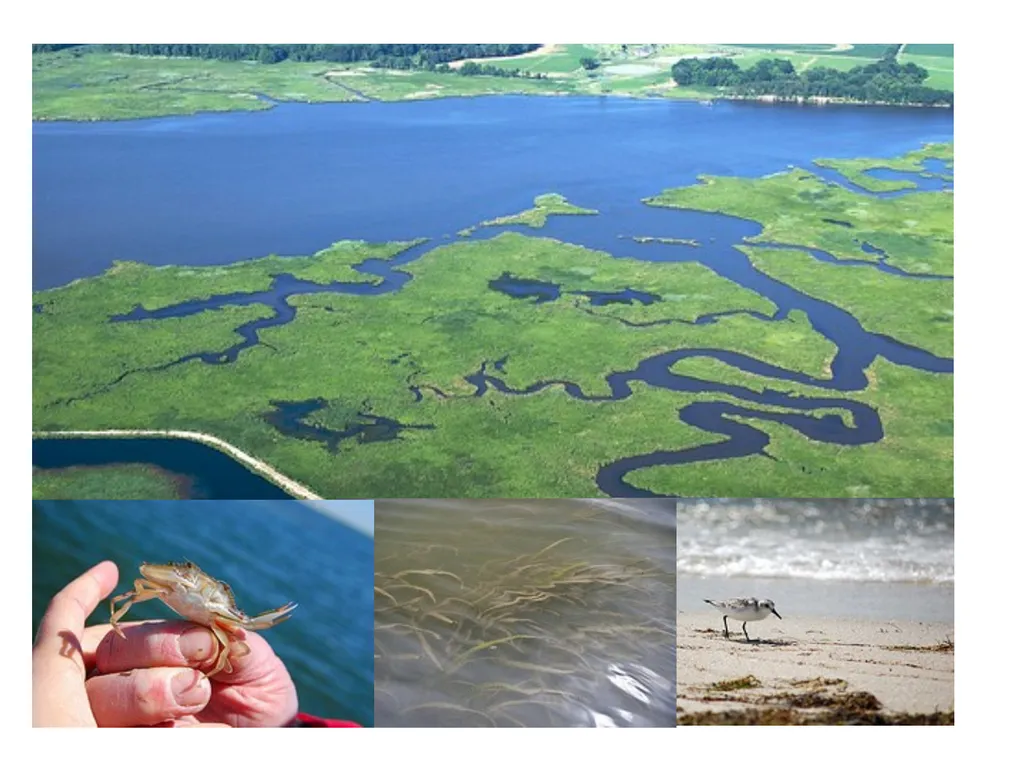
slide16. Blue crabs, oysters, fish…<br>
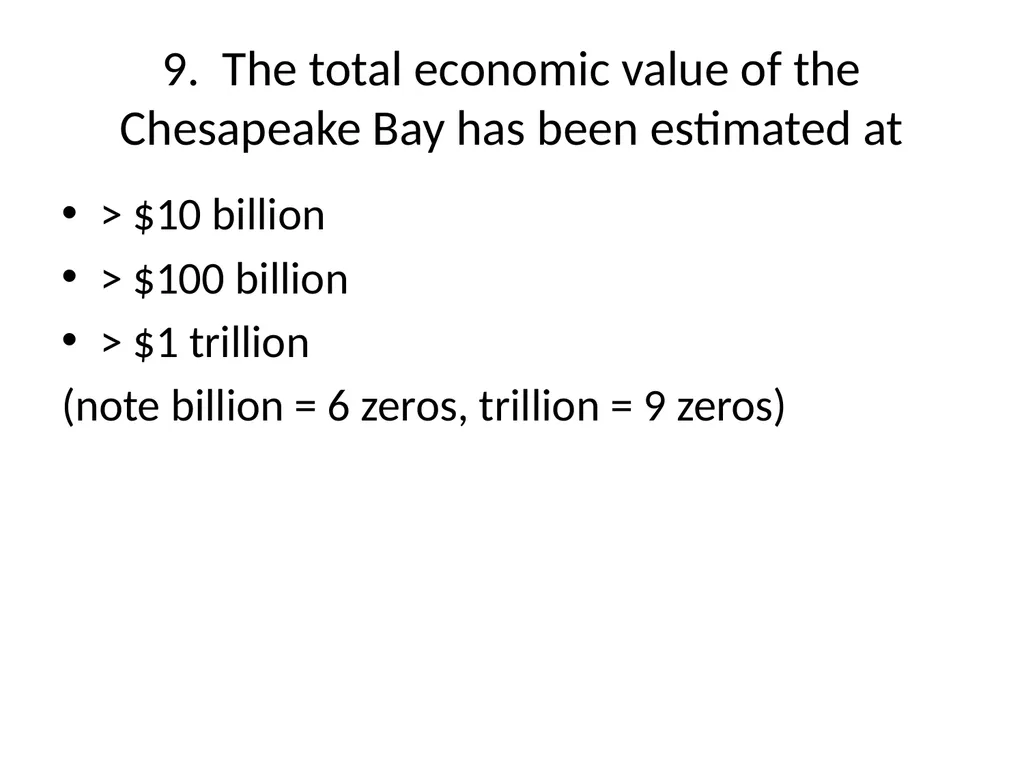
slide17. 9. The total economic value of the Chesapeake Bay has been estimated at > $10 billion
> $100 billion
> $1 trillion
(note billion = 6 zeros, trillion = 9 zeros)<br>
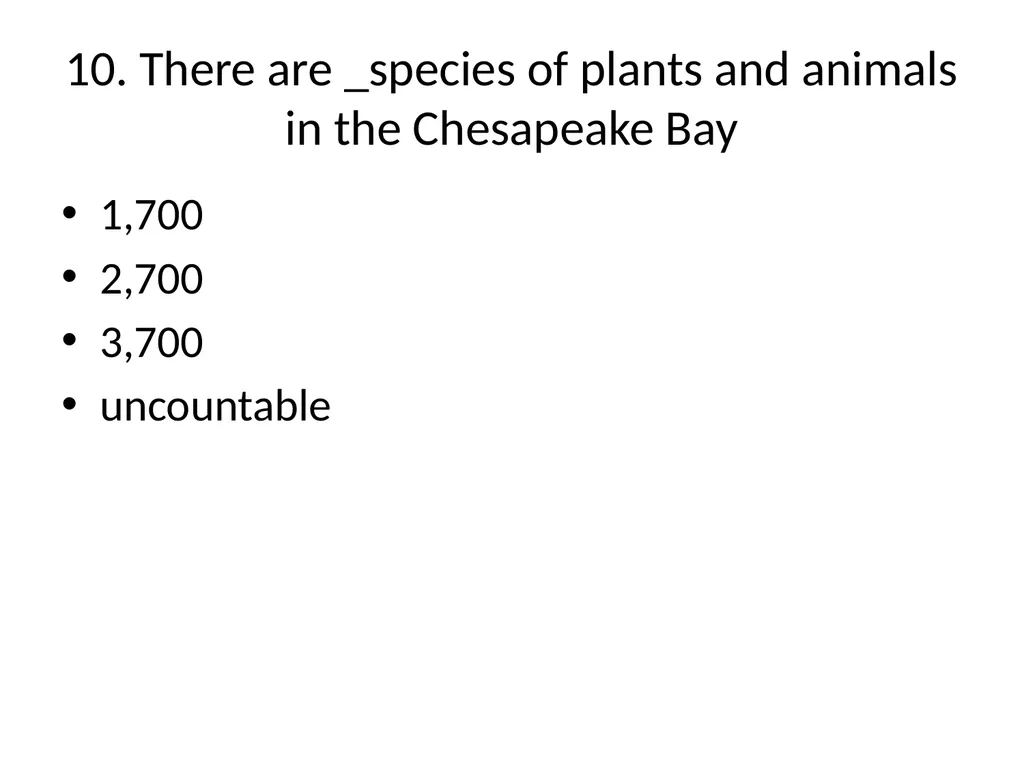
slide18. 10. There are _species of plants and animals in the Chesapeake Bay 1,700
2,700
3,700
uncountable<br>
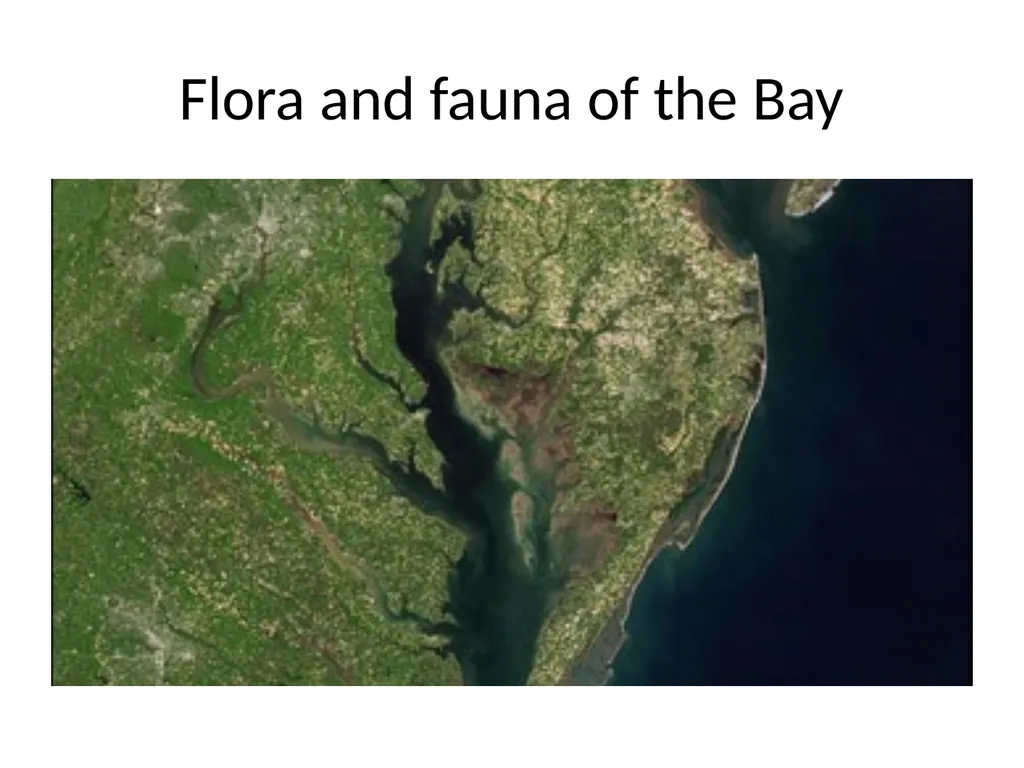
slide20. Flora and fauna of the Bay<br>
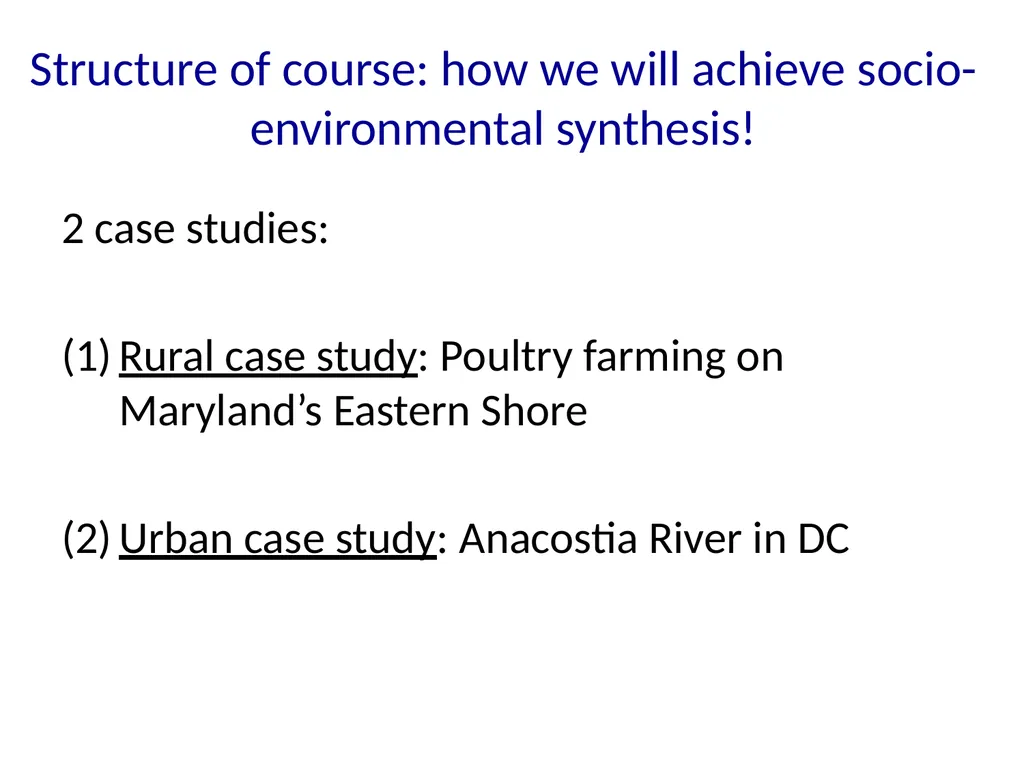
slide21. Structure of course: how we will achieve socio-environmental synthesis! 2 case studies:
Rural case study: Poultry farming on Maryland’s Eastern Shore
Urban case study: Anacostia River in DC<br>
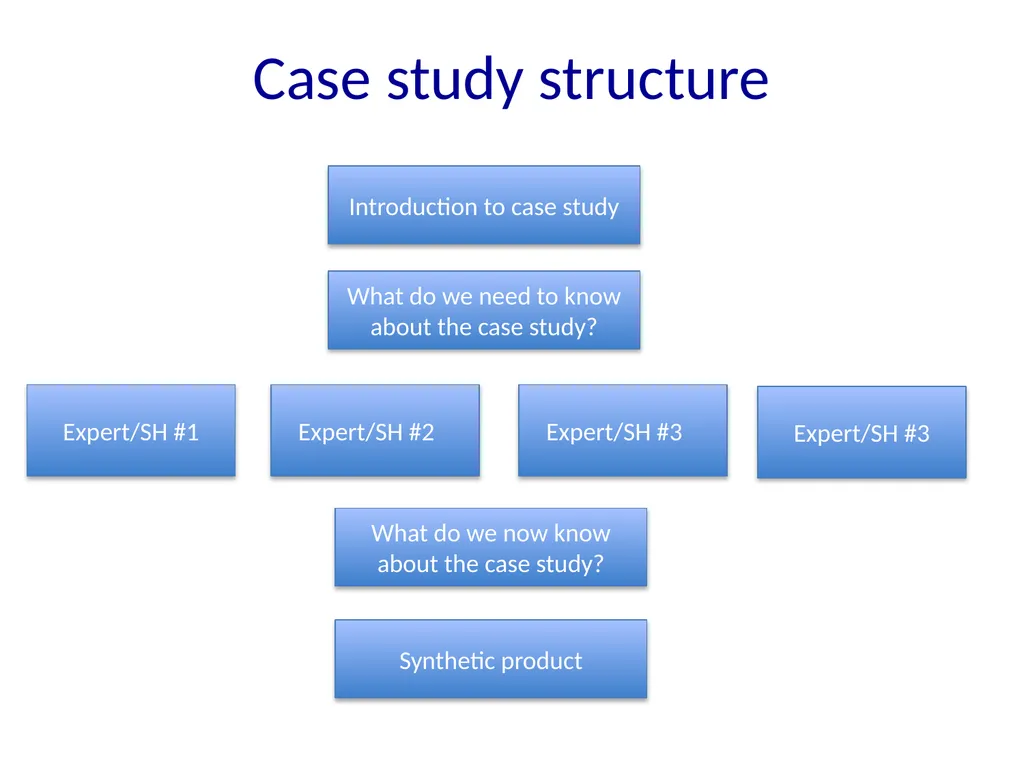
slide22. Case study structure Introduction to case study What do we need to know about the case study? Expert/SH #1 Expert/SH #2 Expert/SH #3 Expert/SH #3 What do we now know about the case study? Synthetic product<br>
Khadijat Rashid, Economics<br>
slide2. 1. Where is the Chesapeake Bay? On the western coast of the US
On the eastern coast of the US
Near the Great Lakes
In Canada<br>
slide3. From NASA’s Terra satellite (September 2011)<br>
slide4. 2. The Chesapeake Bay’s claim to fame is because: very deep in most areas
very shallow in most areas
It floods frequently
It is the country’s largest estuary<br>
slide5. Information about the Chesapeake Bay 4,500 square miles
41 million acres
18 trillion gallons of water
200 miles long, 35 miles long at the largest point
11,700 miles of shoreline
Average of 21 feet deep (shallow)
Largest estuary in the United States<br>
slide6. 3. The Chesapeake Bay Watershed includes how many states? 1
3
5
6<br>
slide7. The Chesapeake Bay Watershed<br>
slide8. 4. The population that lives in the immediate area of the Bay is ~ 7 million
17 million
27 million
37 million<br>
slide9. 5. Every year, ~ ___ net new people move into the Chesapeake Bay area 75,000
130,000
200,000
1,000,000<br>
slide10. Population in the Chesapeake Bay<br>
slide11. 6. The health of the Chesapeake Bay was graded as a ______ in 2011? A
B
C
D
F<br>
slide12. Chesapeake Bay Report Card - 2011<br>
slide13. 7. The Chesapeake Bay was formed when…. the glaciers retreated during the last Ice Age
a meteorite hit the area
the Appalachian mountains formed and oceanic water entered the valleys
two continental plates diverged (moved away from each other)<br>
slide15. 8. The commercial seafood industry in MD and VA alone Employs approximately 14,000 people and is worth more than $1 billion
Employs approximately 24,000 people and is worth more than $2 billion
Employs approximately 34,000 people and is worth more than $3 billion
Employs approximately 44,000 people and is worth more than $4 billion<br>
slide16. Blue crabs, oysters, fish…<br>
slide17. 9. The total economic value of the Chesapeake Bay has been estimated at > $10 billion
> $100 billion
> $1 trillion
(note billion = 6 zeros, trillion = 9 zeros)<br>
slide18. 10. There are _species of plants and animals in the Chesapeake Bay 1,700
2,700
3,700
uncountable<br>
slide20. Flora and fauna of the Bay<br>
slide21. Structure of course: how we will achieve socio-environmental synthesis! 2 case studies:
Rural case study: Poultry farming on Maryland’s Eastern Shore
Urban case study: Anacostia River in DC<br>
slide22. Case study structure Introduction to case study What do we need to know about the case study? Expert/SH #1 Expert/SH #2 Expert/SH #3 Expert/SH #3 What do we now know about the case study? Synthetic product<br>