
The Intertestamental Period: From Babylon To The



Description: The Intertestamental Period: From Babylon To The Birth Of Christ Ptolemaic Period Intertestamental Period Todays Objectives Review last weeks lesson Review the transition of power between Alexander and the Diadochoi Review key Biblical
Related Topics
Download Presentation
"The Intertestamental Period: From Babylon To The" is the property of its rightful owner. Permission is granted to download and print the materials on this website for personal, non-commercial use only, and to display it on your personal computer provided you do not modify the materials and that you retain all copyright notices contained in the materials. By downloading content from our website, you accept the terms of this agreement.
Presentation Transcript
slide1. The Intertestamental Period: From Babylon To The Birth Of Christ Ptolemaic Period<br>
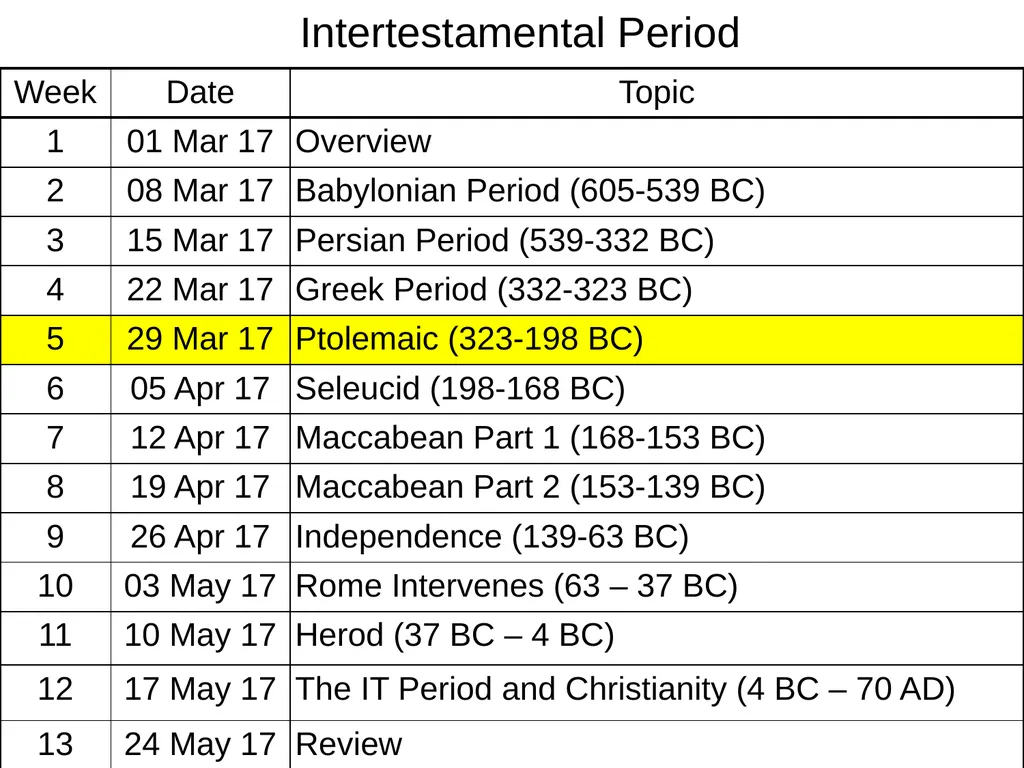
slide2. Intertestamental Period<br>
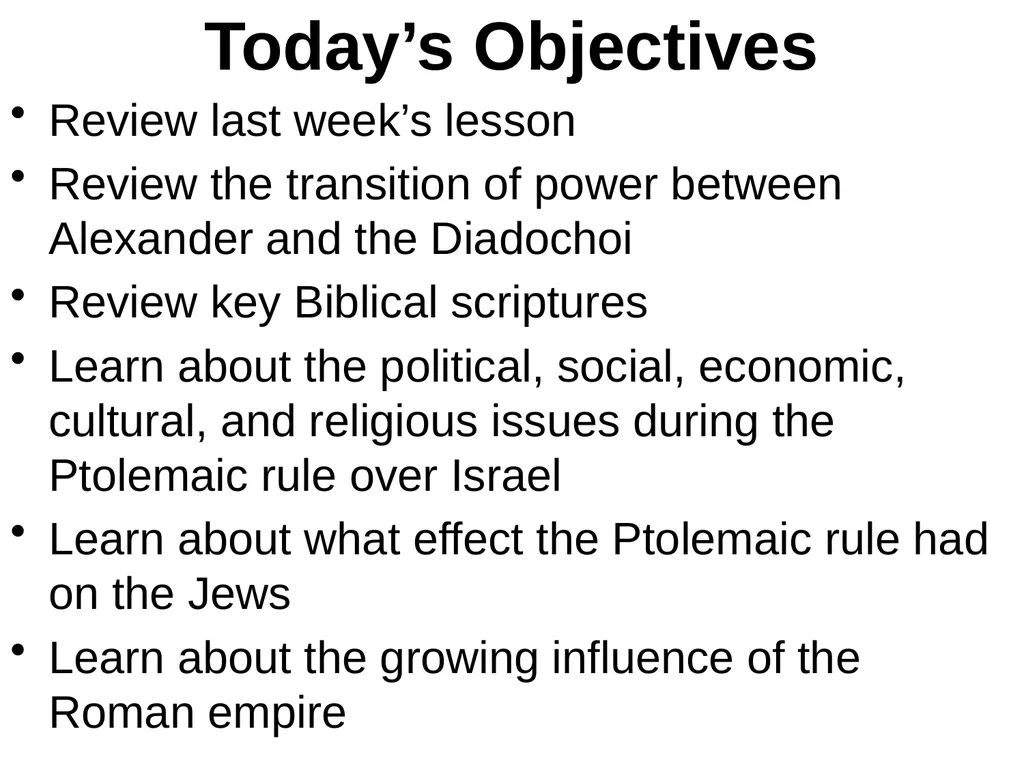
slide3. Today’s Objectives Review last week’s lesson
Review the transition of power between Alexander and the Diadochoi
Review key Biblical scriptures
Learn about the political, social, economic, cultural, and religious issues during the Ptolemaic rule over Israel
Learn about what effect the Ptolemaic rule had on the Jews
Learn about the growing influence of the Roman empire<br>
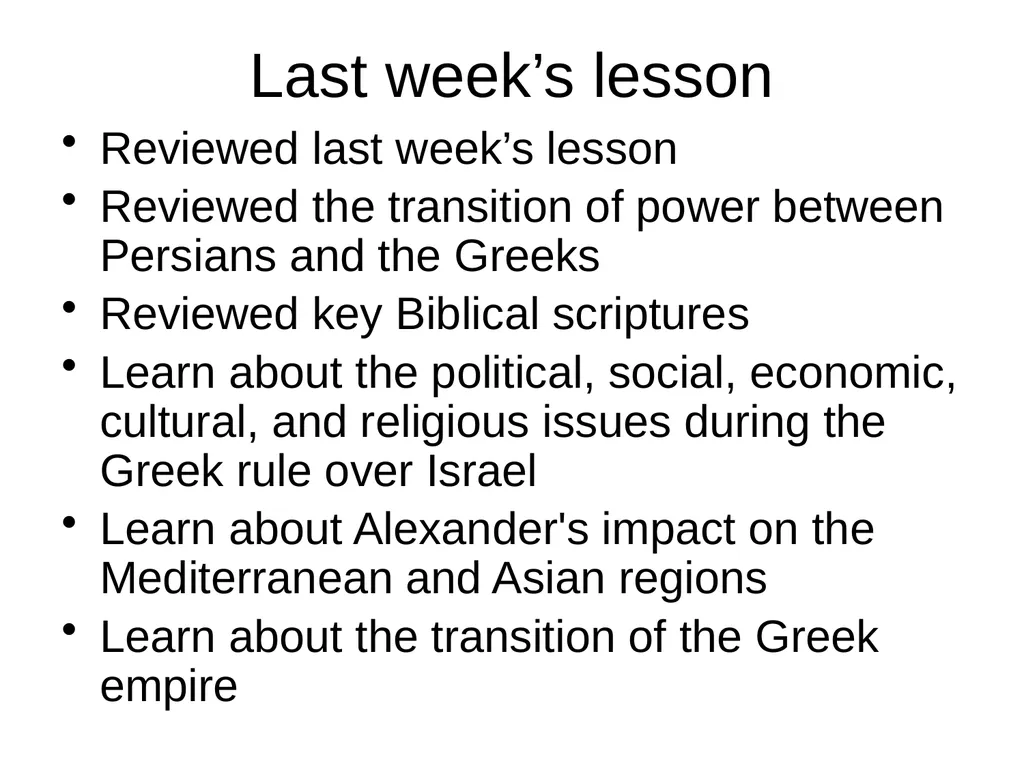
slide4. Last week’s lesson Reviewed last week’s lesson
Reviewed the transition of power between Persians and the Greeks
Reviewed key Biblical scriptures
Learn about the political, social, economic, cultural, and religious issues during the Greek rule over Israel
Learn about Alexander's impact on the Mediterranean and Asian regions
Learn about the transition of the Greek empire<br>
slide5. Reference Material KJV (w/ Apocrypha)
1st and 2nd Maccabbees
Josephus – The Complete Works
Herodotus – The History
Intertestamental History – Mark Moore
Ancient Rome – Simon Baker
Harding University – BNEW 112 Course Notes – Dr. Thompson<br>
slide6. 1 Maccabees Chapter 1:1-10 1 And it happened, after that Alexander son of Philip, the Macedonian, who came out of the land of Chettiim, had smitten Darius king of the Persians and Medes, that he reigned in his stead, the first over Greece,
2 And made many wars, and won many strong holds, and slew the kings of the earth,
3 And went through to the ends of the earth, and took spoils of many nations, insomuch that the earth was quiet before him; whereupon he was exalted and his heart was lifted up.
4 And he gathered a mighty strong host and ruled over countries, and nations, and kings, who became tributaries unto him.
5 And after these things he fell sick, and perceived that he should die.
6 Wherefore he called his servants, such as were honourable, and had been brought up with him from his youth, and parted his kingdom among them, while he was yet alive.
7 So Alexander reigned twelve years, and then died.
8 And his servants bare rule every one in his place.
9 And after his death they all put crowns upon themselves; so did their sons after them many years: and evils were multiplied in the earth.
10 And there came out of them a wicked root Antiochus surnamed Epiphanes, son of Antiochus the king, who had been an hostage at Rome, and he reigned in the hundred and thirty and seventh year of the kingdom of the Greeks.<br>
slide7. The “New” Alexander Alexander declared himself basileus (“king”) and the “son of Ammon” (an Egyptian sun god)
He adopted the clothing and behavior of an Oriental royal leader
Strained the relation between him and his army
He became increasingly cruel
Merciless sack of Persepolis<br>
slide8. Division of the Greek Empire Diadochoi; it is the title given to the Greek generals who carved up Alexander’s empire among themselves after his death
One of them, Cassander, murdered Alexander’s widow and his infant son
After seven years of fighting, four men emerged as the most powerful:
Antigonus (Mediterranean Sea to Asia)
Ptolemy Lagi (Egypt and south Syria)
Cassander (Macedonia)
Lysimachus (Thrace)<br>
slide9. Further Division In 312 B.C. the other three Diadochoi contained the overambitious Antigonus
In 311 B.C. Ptolemy’s General Seleucus split off on his own and established himself as ruler of Babylon and Syria
Four rulers still remained (Dan 7:6; 8:8; 11:4)
Of special importance to Jewish history:
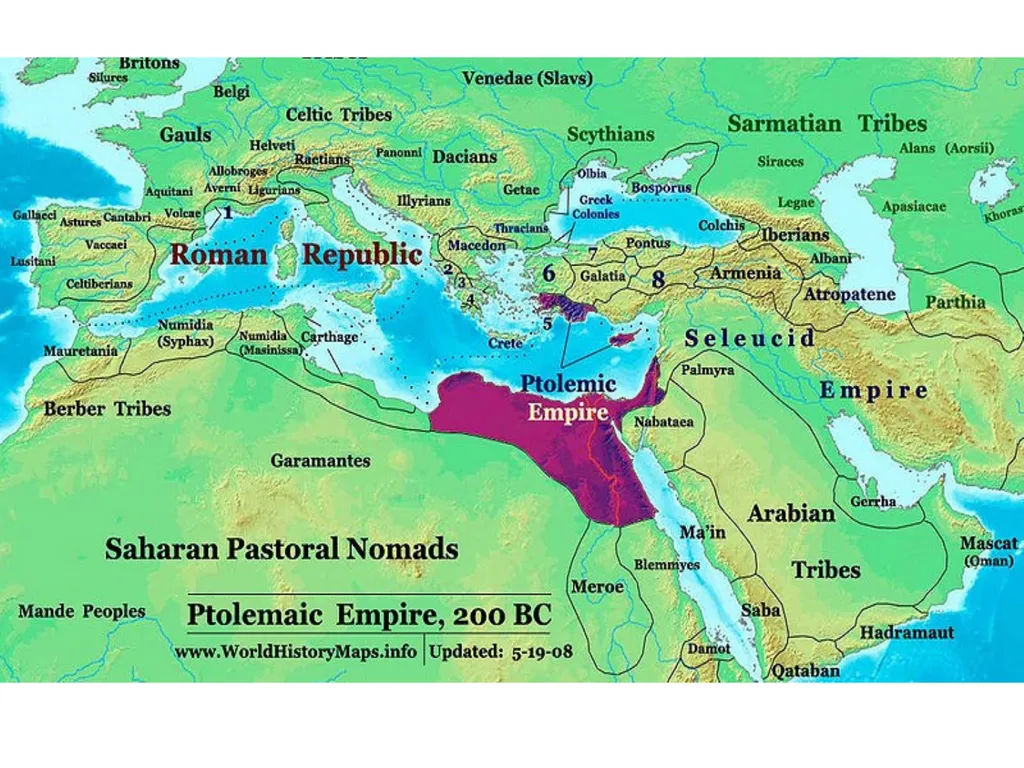
Ptolemies in Egypt
Seleucids in Syria
Palestine became a political football between these competing powers<br>
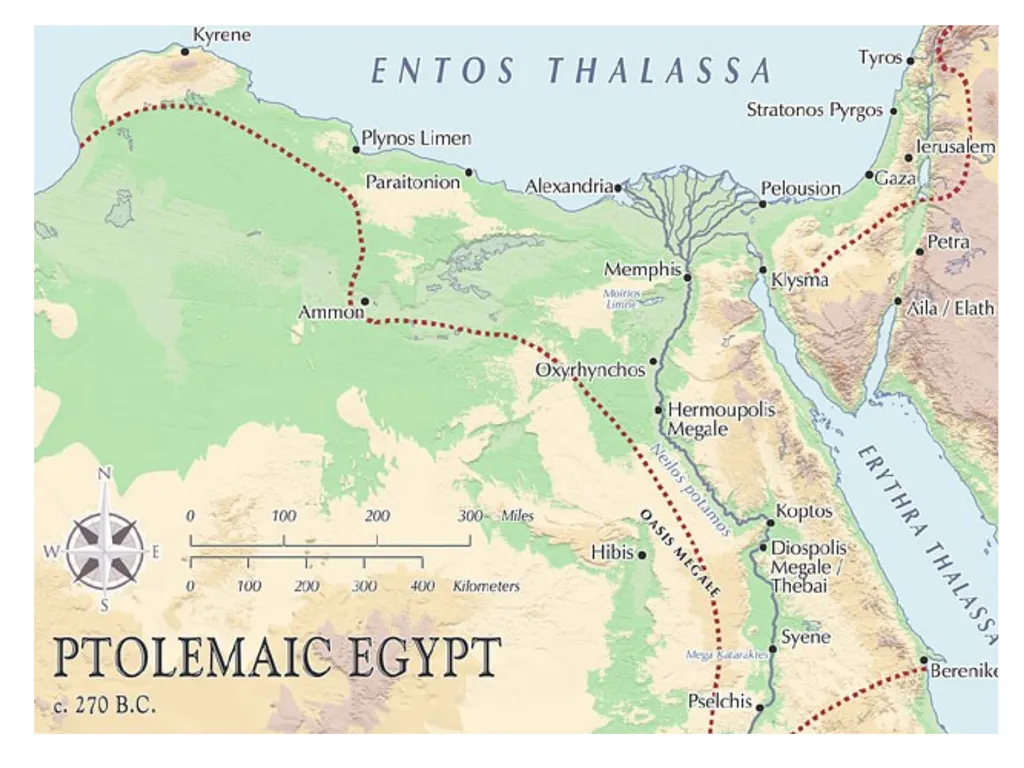
slide13. Ptolemaic Empire 332-30 BC, primarily in Egypt
Named themselves Pharaohs in order to gain recognition by the native Egyptian populace
Took on the Egyptian way of life
Hellenistic/Greek culture thrived in Egypt until the Muslim conquest
Ultimately annexed by Rome in 30 BC
Male rulers of the dynasty took the name "Ptolemy", while princesses and queens preferred the names Cleopatra and Berenice
170 BC, Antiochus IV Epiphanes invaded Egypt and deposed the Ptolemaic ruler<br>
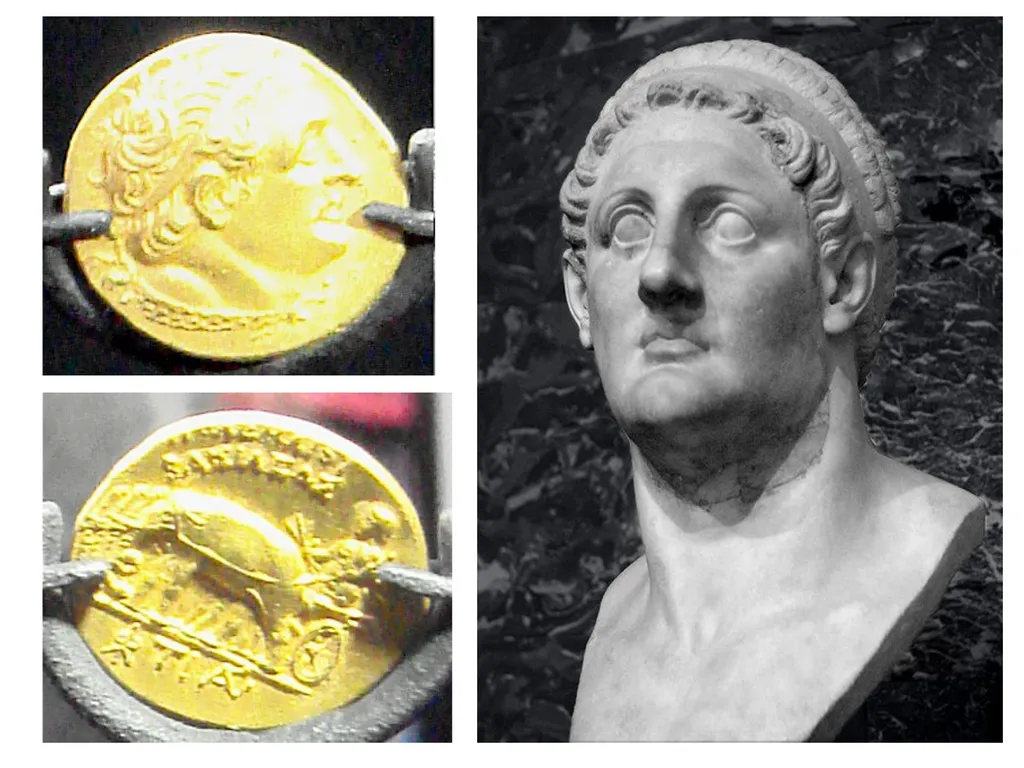
slide14. Ptolemaic Rule of Jerusalem 323-198 BC, read Daniel 11
Alexander had already made Ptolemy I Soter (sometimes “Lagi”) the “governor” of Egypt
Ptolemy aspired to annex Palestine under his control – yet, Antigonus controlled it
In 320 BC, Ptolemy Lagi gained some control of Jerusalem
In 312 BC, enters Jerusalem on the Sabbath
Josephus describes his rule as “cruel”
Alexandria becomes a Jewish refuge<br>
slide16. Influence upon the Jews Jerusalem shifted from being a Seleucid vassal state to a Ptolemaic vassal state
Between 319 and 302 BC, Jerusalem changed hands seven times
Generally enjoyed religious tolerance and peace during the 300-200 BC period
Jewish voluntary migration greatest under Ptolemy
Appear to have continued to live under the rule of the high priest
Sent annual tributes to Egypt<br>
slide17. Tobiads Joseph Tobias
Josephus writes about him in Antiquities
Also recorded in the Zenon papyrus
Joseph Tobias became very wealthy and powerful through tax-farming
He takes advantage of the laxity of the high priest Onias
Many Jews believed he was the descendent of Tobiah the Ammonite
In short, he was likely despised<br>
slide18. Simon the Just Probably the son of Onias I, and grandson of Jaddua
Around 300-270 BC
Greatest high priest during the Egyptian-Ptolemaic period, part of the Sanhedrin
Directed the rebuilding of Jerusalem’s wall, repair of the temple, and construction of a water supply
Remembered as a great teacher of the law
Writings are recorded in the Mishnah
Last of the members of the Great Assembly<br>
slide19. Septuagint (LXX) Letter of Aristeas
77 Jews translated the law of Moses into Greek in Alexandria
Under the direction of Ptolemy II
285-246 BC
Used by Jews outside of Jerusalem
Introduced monotheism to the Greek world
Later Christians effectively used the Septuagint to spread the news of Christ<br>
slide20. War with the Seleucids Fighting initially started in 311 BC as Seleucus I split from Ptolemy I
Predicted in Daniel 11
King of the North represents Seleucids
King of the South represents Ptolemies
Seleucids finally garnered enough power to pull the Palestinian region from the Ptolemies
Created a new capital of the Seleucid empire, called Antioch<br>
slide21. Jewish Impact Rivalry between the Tobiad family and the Oniad high priests
Led to the attempted radical Hellenization of Judea later on in the second century BC
National collective taxation
Jews living in Alexandria were entitled to their own corporation with a council (gerousia)
Empowered to conduct its affairs according to Jewish law, to build synagogues, and to send to Jerusalem taxes collected for the Temple
Predominance of the Greek language<br>
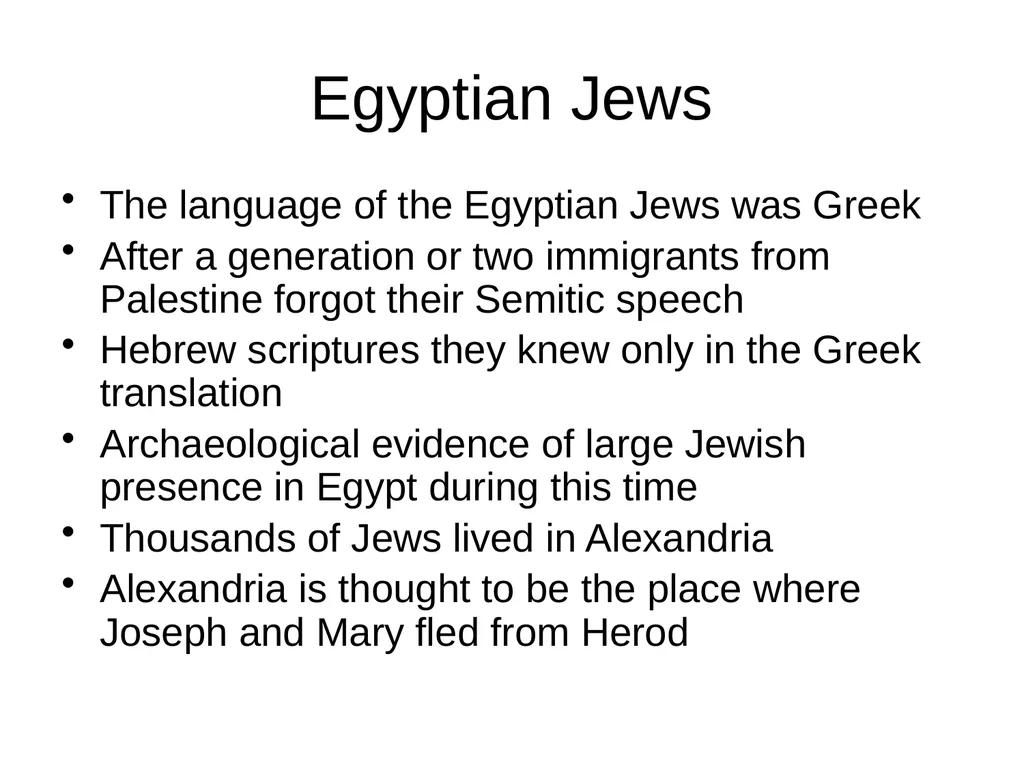
slide22. Egyptian Jews The language of the Egyptian Jews was Greek
After a generation or two immigrants from Palestine forgot their Semitic speech
Hebrew scriptures they knew only in the Greek translation
Archaeological evidence of large Jewish presence in Egypt during this time
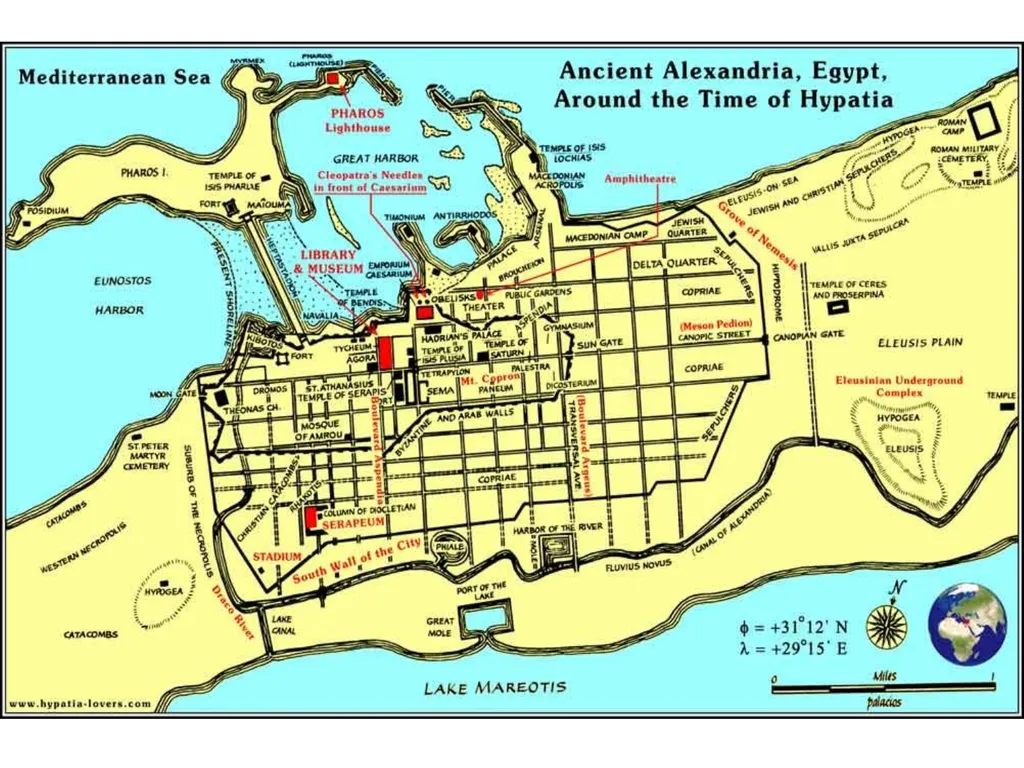
Thousands of Jews lived in Alexandria
Alexandria is thought to be the place where Joseph and Mary fled from Herod<br>
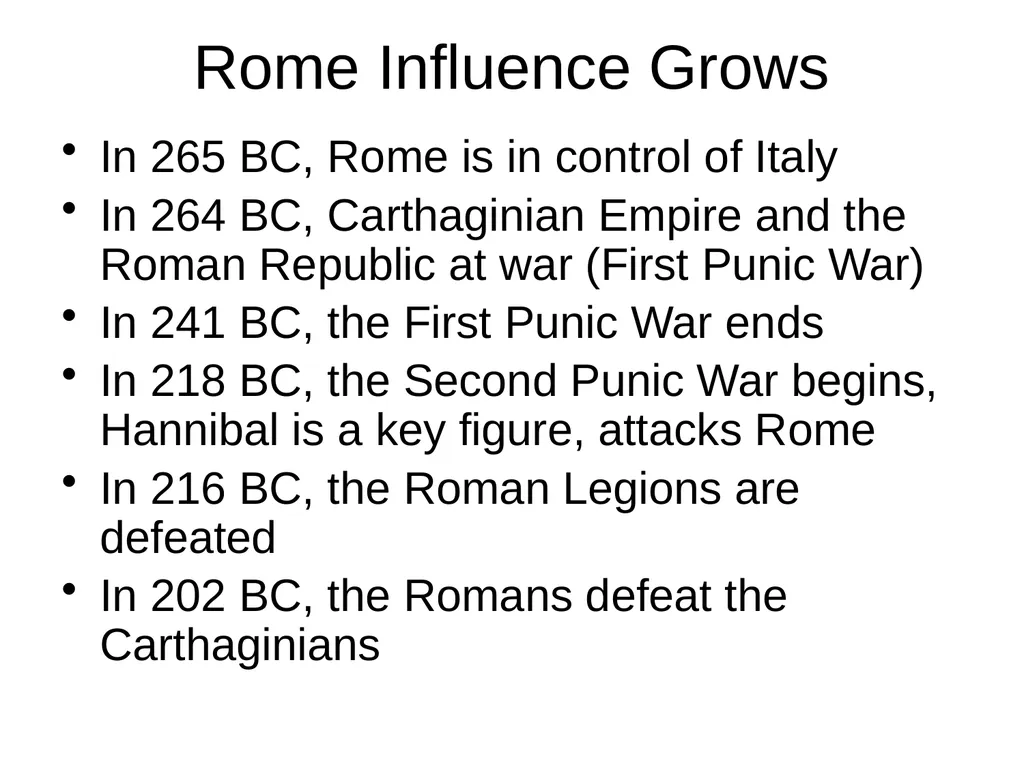
slide24. Rome Influence Grows In 265 BC, Rome is in control of Italy
In 264 BC, Carthaginian Empire and the Roman Republic at war (First Punic War)
In 241 BC, the First Punic War ends
In 218 BC, the Second Punic War begins, Hannibal is a key figure, attacks Rome
In 216 BC, the Roman Legions are defeated
In 202 BC, the Romans defeat the Carthaginians<br>
slide25. Hannibal Crossing Alps<br>
slide26. Review Reviewed last week’s lesson
Reviewed the transition of power between Alexander and the Diadochoi
Reviewed key Biblical scriptures
Learned about the political, social, economic, cultural, and religious issues during the Ptolemaic rule over Israel
Learned about what effect the Ptolemaic rule had on the Jews
Learned about the growing influence of the Roman empire<br>
slide2. Intertestamental Period<br>
slide3. Today’s Objectives Review last week’s lesson
Review the transition of power between Alexander and the Diadochoi
Review key Biblical scriptures
Learn about the political, social, economic, cultural, and religious issues during the Ptolemaic rule over Israel
Learn about what effect the Ptolemaic rule had on the Jews
Learn about the growing influence of the Roman empire<br>
slide4. Last week’s lesson Reviewed last week’s lesson
Reviewed the transition of power between Persians and the Greeks
Reviewed key Biblical scriptures
Learn about the political, social, economic, cultural, and religious issues during the Greek rule over Israel
Learn about Alexander's impact on the Mediterranean and Asian regions
Learn about the transition of the Greek empire<br>
slide5. Reference Material KJV (w/ Apocrypha)
1st and 2nd Maccabbees
Josephus – The Complete Works
Herodotus – The History
Intertestamental History – Mark Moore
Ancient Rome – Simon Baker
Harding University – BNEW 112 Course Notes – Dr. Thompson<br>
slide6. 1 Maccabees Chapter 1:1-10 1 And it happened, after that Alexander son of Philip, the Macedonian, who came out of the land of Chettiim, had smitten Darius king of the Persians and Medes, that he reigned in his stead, the first over Greece,
2 And made many wars, and won many strong holds, and slew the kings of the earth,
3 And went through to the ends of the earth, and took spoils of many nations, insomuch that the earth was quiet before him; whereupon he was exalted and his heart was lifted up.
4 And he gathered a mighty strong host and ruled over countries, and nations, and kings, who became tributaries unto him.
5 And after these things he fell sick, and perceived that he should die.
6 Wherefore he called his servants, such as were honourable, and had been brought up with him from his youth, and parted his kingdom among them, while he was yet alive.
7 So Alexander reigned twelve years, and then died.
8 And his servants bare rule every one in his place.
9 And after his death they all put crowns upon themselves; so did their sons after them many years: and evils were multiplied in the earth.
10 And there came out of them a wicked root Antiochus surnamed Epiphanes, son of Antiochus the king, who had been an hostage at Rome, and he reigned in the hundred and thirty and seventh year of the kingdom of the Greeks.<br>
slide7. The “New” Alexander Alexander declared himself basileus (“king”) and the “son of Ammon” (an Egyptian sun god)
He adopted the clothing and behavior of an Oriental royal leader
Strained the relation between him and his army
He became increasingly cruel
Merciless sack of Persepolis<br>
slide8. Division of the Greek Empire Diadochoi; it is the title given to the Greek generals who carved up Alexander’s empire among themselves after his death
One of them, Cassander, murdered Alexander’s widow and his infant son
After seven years of fighting, four men emerged as the most powerful:
Antigonus (Mediterranean Sea to Asia)
Ptolemy Lagi (Egypt and south Syria)
Cassander (Macedonia)
Lysimachus (Thrace)<br>
slide9. Further Division In 312 B.C. the other three Diadochoi contained the overambitious Antigonus
In 311 B.C. Ptolemy’s General Seleucus split off on his own and established himself as ruler of Babylon and Syria
Four rulers still remained (Dan 7:6; 8:8; 11:4)
Of special importance to Jewish history:
Ptolemies in Egypt
Seleucids in Syria
Palestine became a political football between these competing powers<br>
slide13. Ptolemaic Empire 332-30 BC, primarily in Egypt
Named themselves Pharaohs in order to gain recognition by the native Egyptian populace
Took on the Egyptian way of life
Hellenistic/Greek culture thrived in Egypt until the Muslim conquest
Ultimately annexed by Rome in 30 BC
Male rulers of the dynasty took the name "Ptolemy", while princesses and queens preferred the names Cleopatra and Berenice
170 BC, Antiochus IV Epiphanes invaded Egypt and deposed the Ptolemaic ruler<br>
slide14. Ptolemaic Rule of Jerusalem 323-198 BC, read Daniel 11
Alexander had already made Ptolemy I Soter (sometimes “Lagi”) the “governor” of Egypt
Ptolemy aspired to annex Palestine under his control – yet, Antigonus controlled it
In 320 BC, Ptolemy Lagi gained some control of Jerusalem
In 312 BC, enters Jerusalem on the Sabbath
Josephus describes his rule as “cruel”
Alexandria becomes a Jewish refuge<br>
slide16. Influence upon the Jews Jerusalem shifted from being a Seleucid vassal state to a Ptolemaic vassal state
Between 319 and 302 BC, Jerusalem changed hands seven times
Generally enjoyed religious tolerance and peace during the 300-200 BC period
Jewish voluntary migration greatest under Ptolemy
Appear to have continued to live under the rule of the high priest
Sent annual tributes to Egypt<br>
slide17. Tobiads Joseph Tobias
Josephus writes about him in Antiquities
Also recorded in the Zenon papyrus
Joseph Tobias became very wealthy and powerful through tax-farming
He takes advantage of the laxity of the high priest Onias
Many Jews believed he was the descendent of Tobiah the Ammonite
In short, he was likely despised<br>
slide18. Simon the Just Probably the son of Onias I, and grandson of Jaddua
Around 300-270 BC
Greatest high priest during the Egyptian-Ptolemaic period, part of the Sanhedrin
Directed the rebuilding of Jerusalem’s wall, repair of the temple, and construction of a water supply
Remembered as a great teacher of the law
Writings are recorded in the Mishnah
Last of the members of the Great Assembly<br>
slide19. Septuagint (LXX) Letter of Aristeas
77 Jews translated the law of Moses into Greek in Alexandria
Under the direction of Ptolemy II
285-246 BC
Used by Jews outside of Jerusalem
Introduced monotheism to the Greek world
Later Christians effectively used the Septuagint to spread the news of Christ<br>
slide20. War with the Seleucids Fighting initially started in 311 BC as Seleucus I split from Ptolemy I
Predicted in Daniel 11
King of the North represents Seleucids
King of the South represents Ptolemies
Seleucids finally garnered enough power to pull the Palestinian region from the Ptolemies
Created a new capital of the Seleucid empire, called Antioch<br>
slide21. Jewish Impact Rivalry between the Tobiad family and the Oniad high priests
Led to the attempted radical Hellenization of Judea later on in the second century BC
National collective taxation
Jews living in Alexandria were entitled to their own corporation with a council (gerousia)
Empowered to conduct its affairs according to Jewish law, to build synagogues, and to send to Jerusalem taxes collected for the Temple
Predominance of the Greek language<br>
slide22. Egyptian Jews The language of the Egyptian Jews was Greek
After a generation or two immigrants from Palestine forgot their Semitic speech
Hebrew scriptures they knew only in the Greek translation
Archaeological evidence of large Jewish presence in Egypt during this time
Thousands of Jews lived in Alexandria
Alexandria is thought to be the place where Joseph and Mary fled from Herod<br>
slide24. Rome Influence Grows In 265 BC, Rome is in control of Italy
In 264 BC, Carthaginian Empire and the Roman Republic at war (First Punic War)
In 241 BC, the First Punic War ends
In 218 BC, the Second Punic War begins, Hannibal is a key figure, attacks Rome
In 216 BC, the Roman Legions are defeated
In 202 BC, the Romans defeat the Carthaginians<br>
slide25. Hannibal Crossing Alps<br>
slide26. Review Reviewed last week’s lesson
Reviewed the transition of power between Alexander and the Diadochoi
Reviewed key Biblical scriptures
Learned about the political, social, economic, cultural, and religious issues during the Ptolemaic rule over Israel
Learned about what effect the Ptolemaic rule had on the Jews
Learned about the growing influence of the Roman empire<br>