The presentation can only be copied or altered for non-commercial personal or educational use. Citizenship Foundation Charity Reg No 801360 Author: M. Heath www.gogivers.org The Paralympic Games Using Go-Givers lessons This PowerPoint is
"The presentation can only be copied or altered for" is the property of its rightful owner. Permission is granted to
download and print the materials on this website for personal, non-commercial use only, and to display it
on your personal computer provided you do not modify the materials and that you retain all copyright
notices contained in the materials. By downloading content from our website, you accept the terms of this
agreement.
Using Go-Givers lessons This PowerPoint is designed to inform, and to support critical thinking and discussion.
Go-Givers PowerPoints can be used in their entirety OR content can be saved and edited.
In order for the links and animation to work, always show the PowerPoints in ‘slide show’ view.
The green dot in the bottom right hand corner of the slide indicates when the slide animation is complete.
The LEARNING ACTIVITIES are an essential and integral part of this lesson. They are linked at the end of this PowerPoint.<br>
03
In this lesson we will be finding out about the Paralympic Games.<br>
04
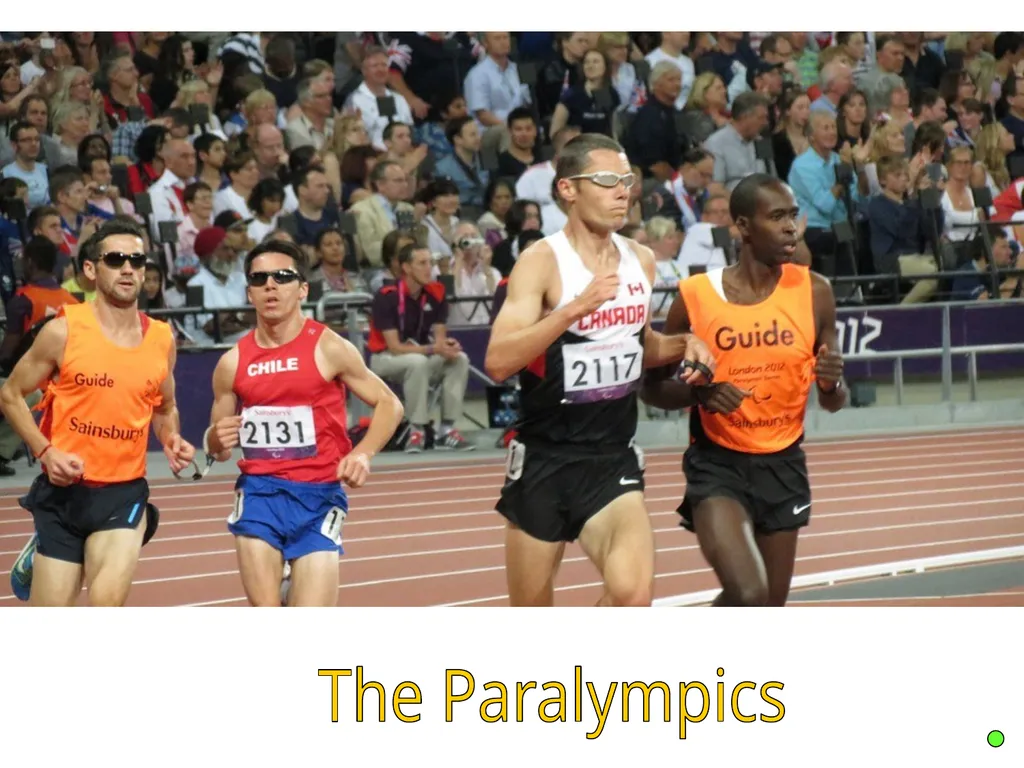
Dis abled En The Paralympics<br>
05
Just like able-bodied people, most people with disabilities grasp opportunities to live their lives to the fullest, and often inspire others to do the same.
Some of them make their goal winning a medal at the Paralympics. Ellie Simmonds<br>
06
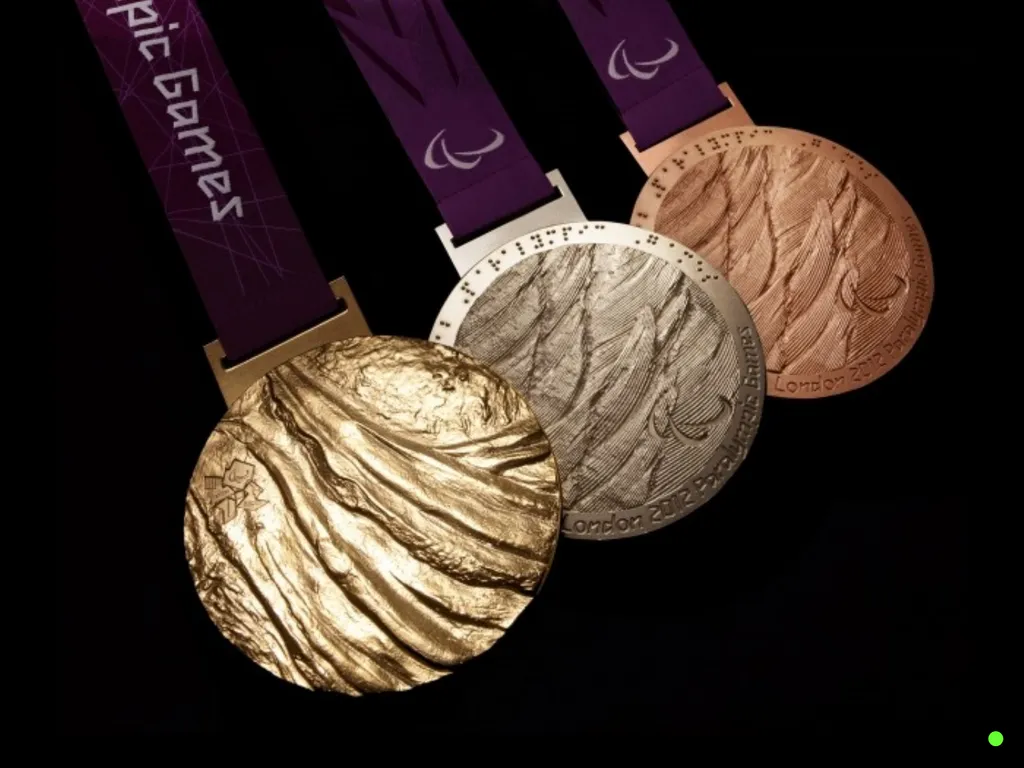
The Paralympic Games are for leading
athletes with disabilities.
Because they take place every four
years in the same city and year as
the Olympic Games they are ‘parallel’
to the Olympic Games, which is why
they are called ‘Paralympics’ Parallel lines<br>
07
Dr Ludwig Guttman, a neurologist
at Stoke Mandeville Hospital,
founded the Paralympic Games
because he knew that sport could
help rehabilitate people with spinal
cord injuries who had been injured in
the Second World War.<br>
08
The Paralympic Games now include
amputees, blind people, people with
cerebral palsy, and athletes with
learning disabilities.<br>
09
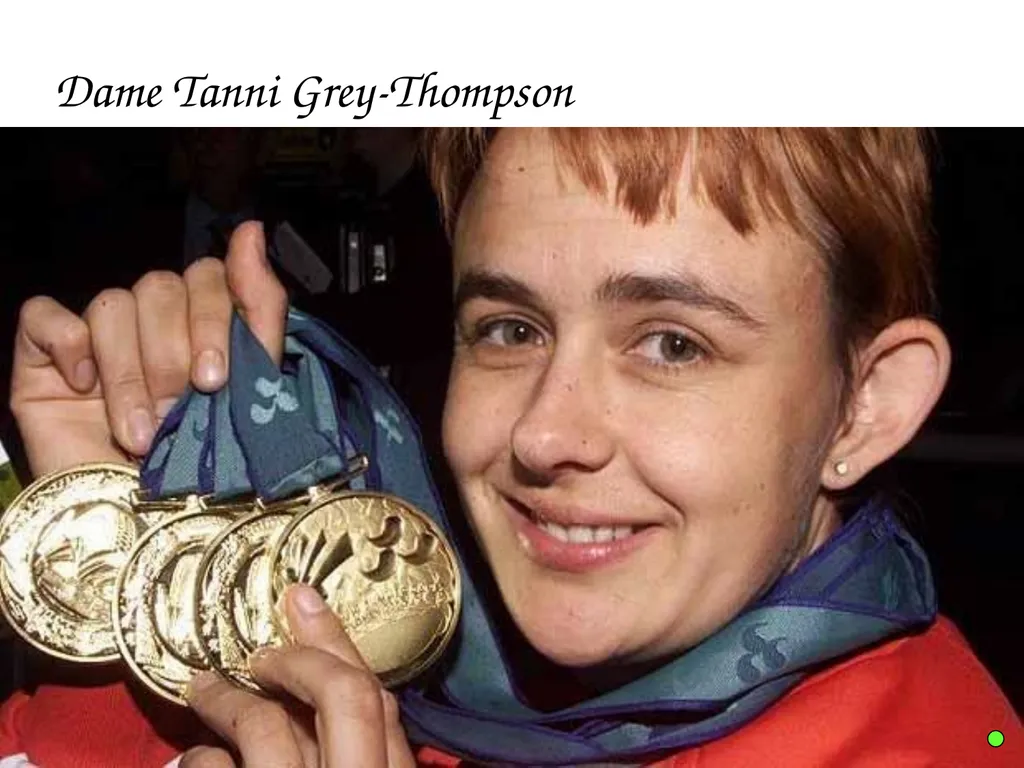
Dame Tanni Grey-Thompson
is Britain’s greatest Paralympian,
winning four golds in 1992, one gold
and three silvers in 1996 and a
further four golds in 2000!<br>
10
Other successful paralympians
include Chris Holmes, who won six
swimming golds in 1992, and Simon
Jackson and Deanna Coates, who
both won gold medals three years
running, Simon for judo and Deanna
for shooting.<br>
11
Wheelchair basketball is a fast paced team sport. Players develop fantastic hand-eye ball skills, and amazing speed and precision from their wheelchairs, which makes it an exciting game to watch as well as play.<br>
12
Football events for blind or partially sighted athletes are played on a small pitch surrounded by boards. There are five players, including a sighted goalkeeper in each team.
A special ball makes a sound when it moves so that the players know where it is. Teams may also have a guide outside the pitch, to help direct the players.<br>
13
Nikki Emerson is one of the stars of the GB Paralympics team. She competes in the marathon, the 100m, 200m, 400m and 800m.
In 2008 Nikki was involved in a car accident that left her with a broken spine. Whilst undergoing physiotherapy and adapting to life in a wheelchair she was inspired by the talented Paralympic Athletes performing in Beijing. Nikki is passionate about encouraging people with disabilities to get involved in sport for their general wellbeing and enjoyment, as well as their fitness.<br>
14
Lee Pearson is a nine-times Paralympic Games gold medallist.
His skill in controlling a horse comes from a special ability to feel what’s happening when he’s on its back. Unlike able-bodied riders, he can’t do that through his legs because they are encased in plastic splints from his heels to his hips.<br>
15
Glossary disability – an impairment
parallel – side by side, always keeping the same distance apart
Paralympics – Olympic games for athletes with disabilities
rehabilitate – mend, recover
amputee – somebody with a missing limb(s)
splint – a strip of stiff material to keep
a limb from moving.<br>
16
Activities to complete this lesson include: Appreciating music through vibrations.
Transcribing from Braille.<br>
17
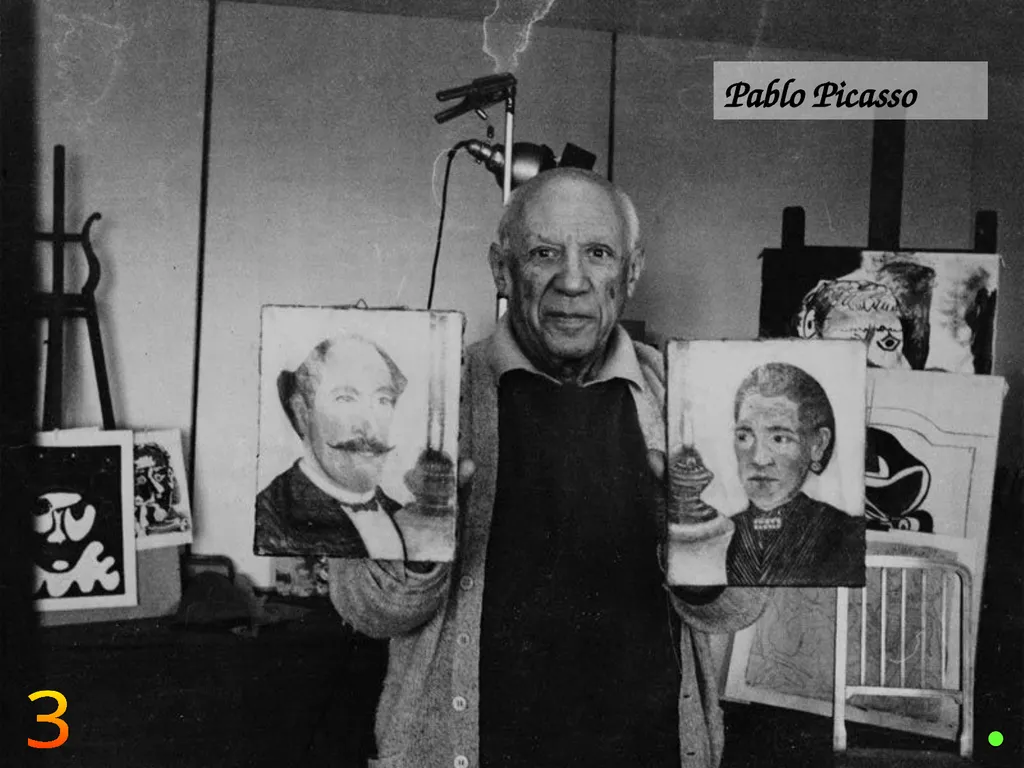
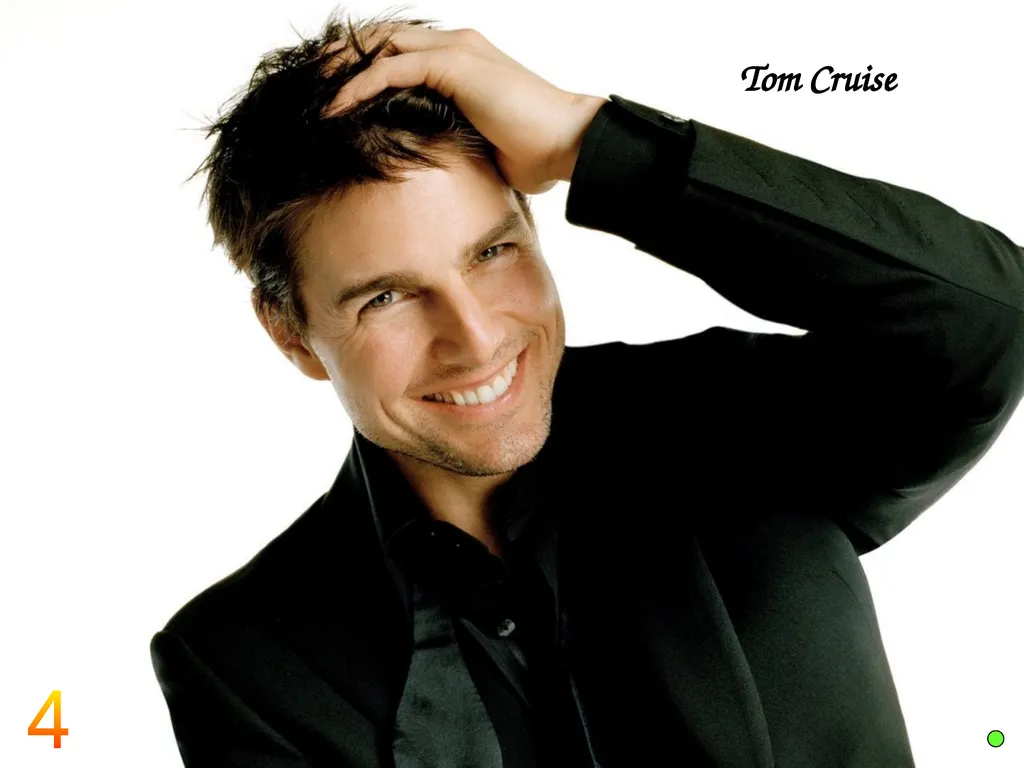
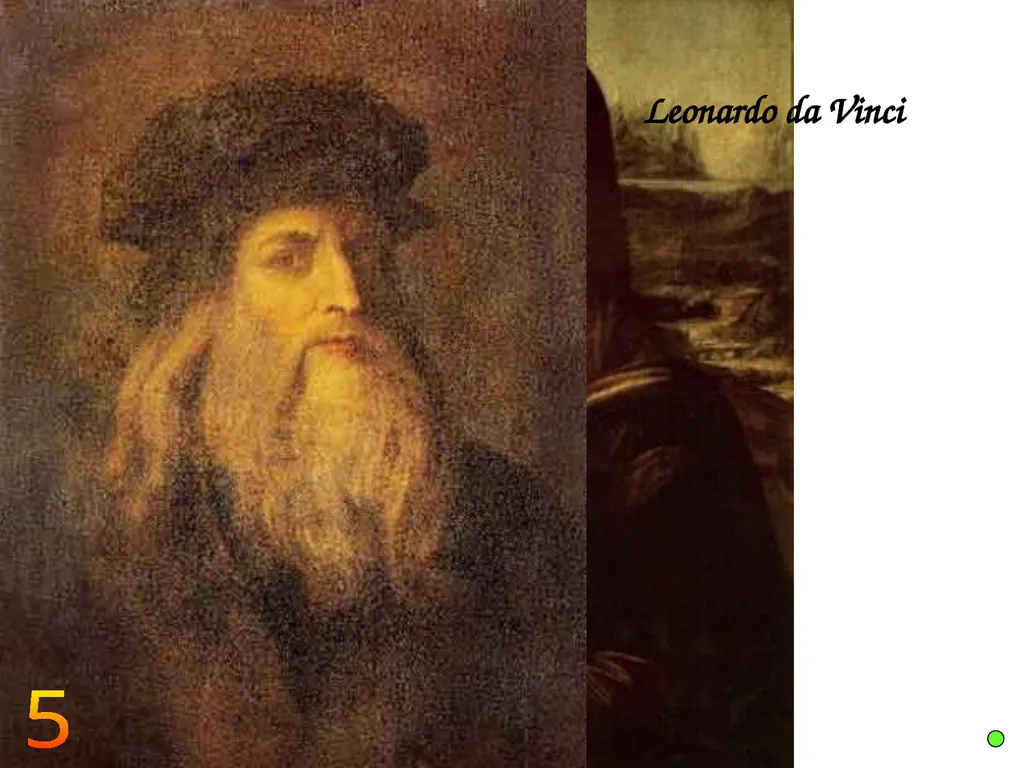
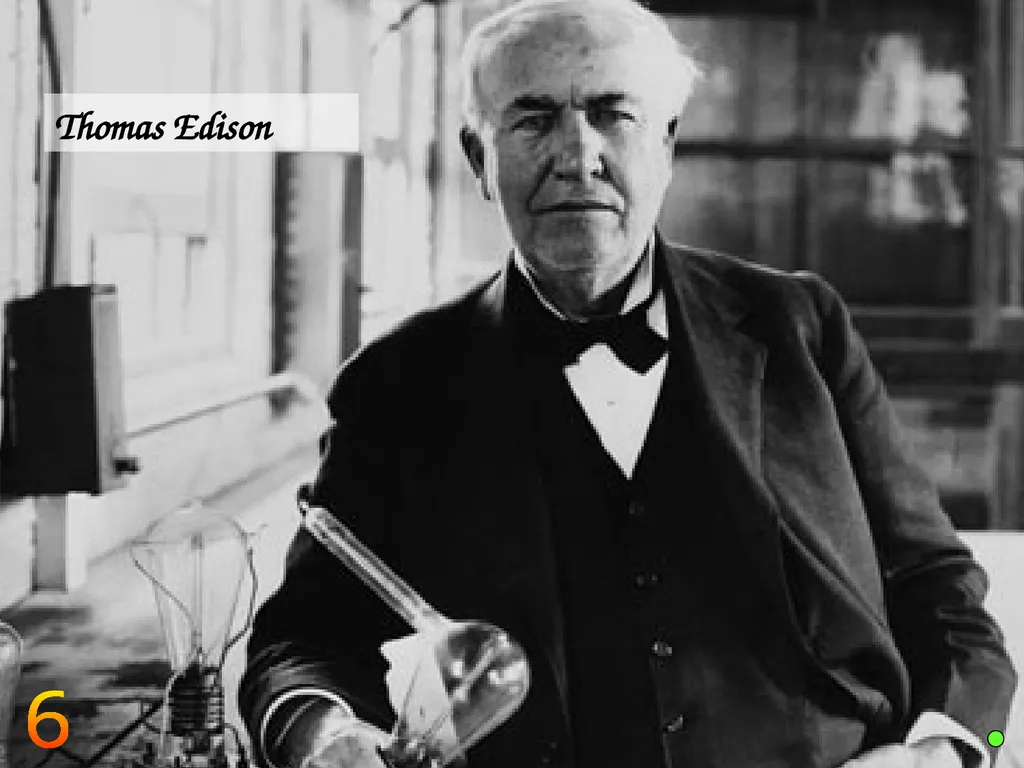
Slides for Learning Activity 3 Famous People with Dyslexia and Learning Difficulties<br>
18
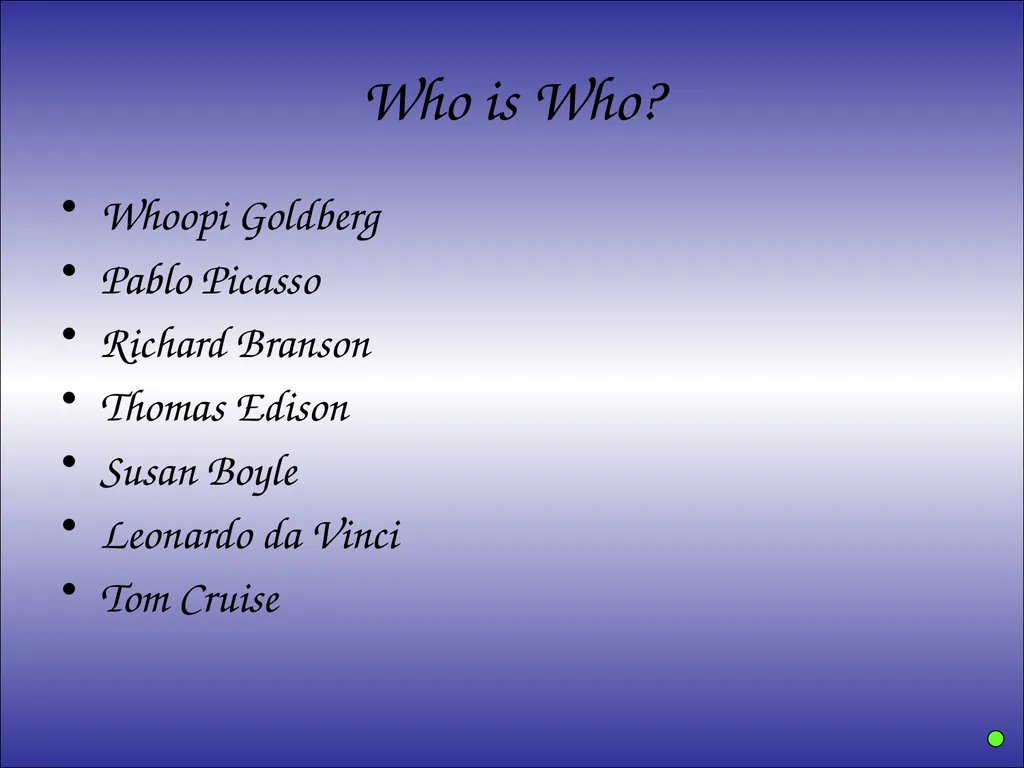
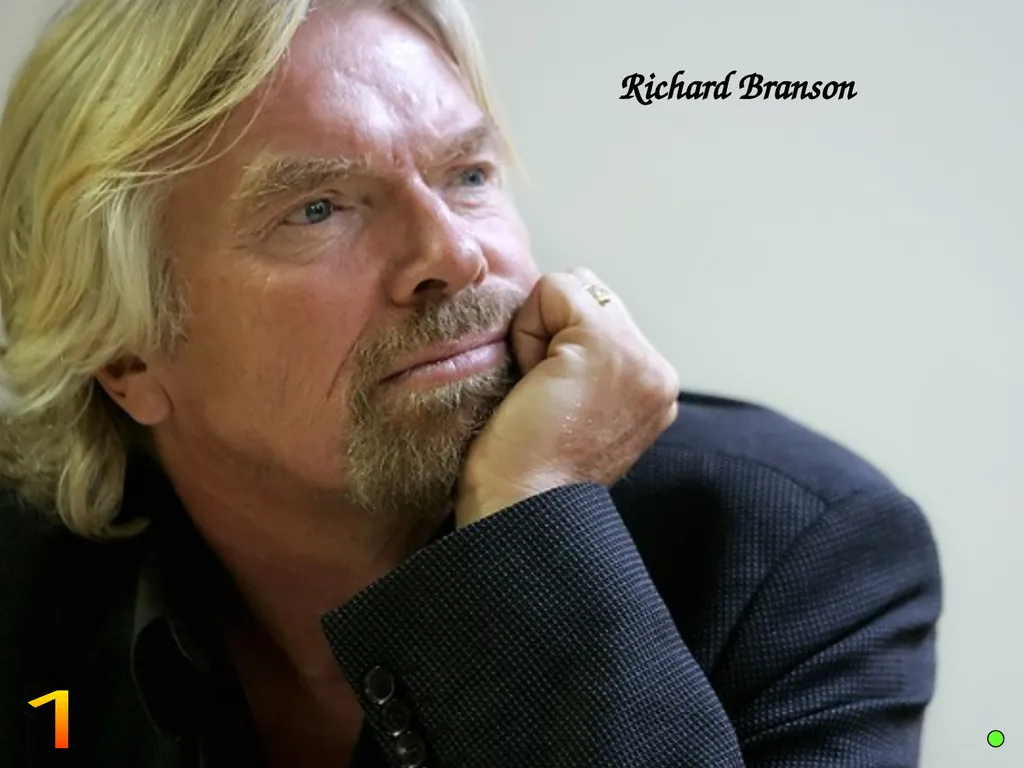
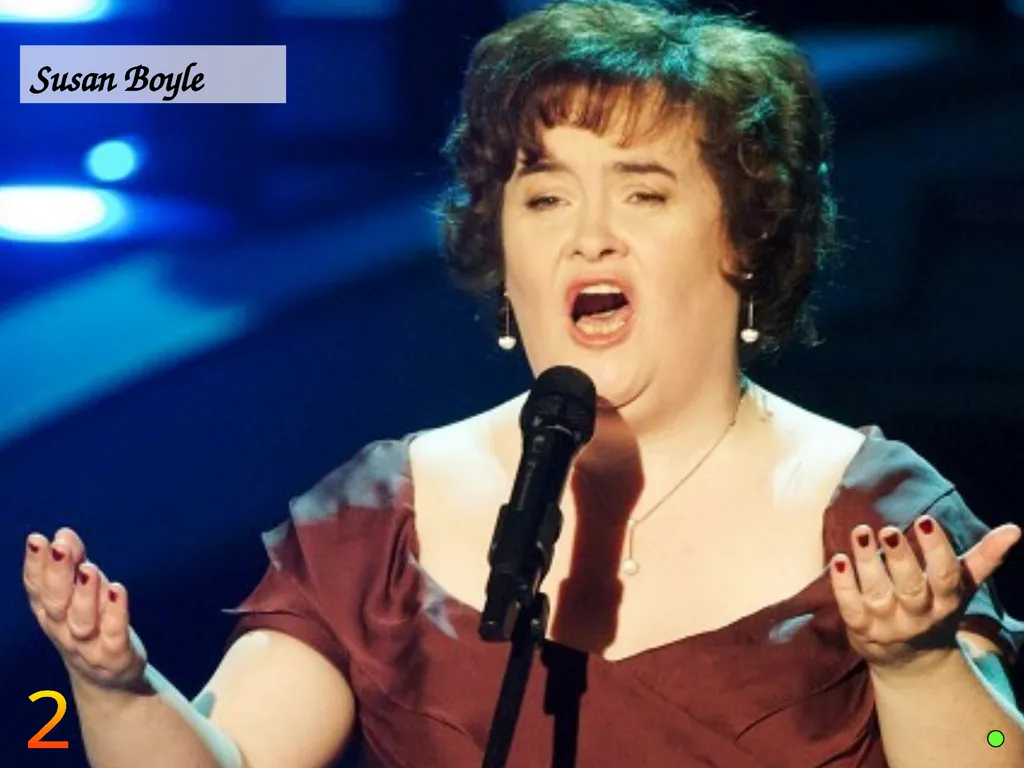
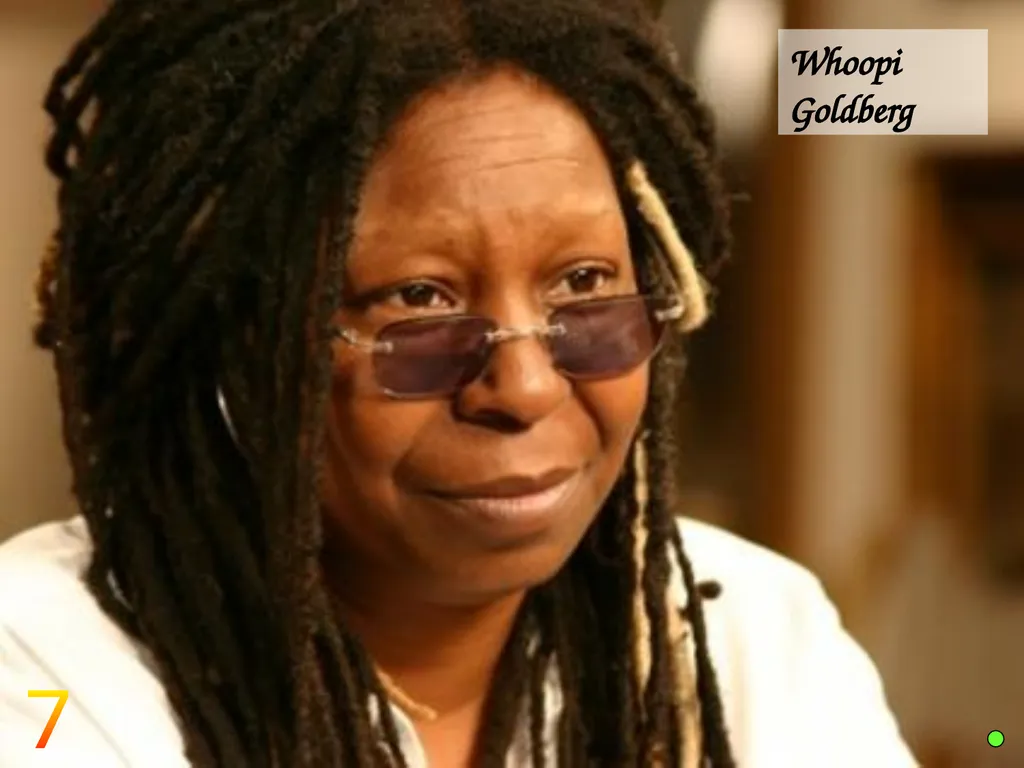
Who is Who? Whoopi Goldberg
Pablo Picasso
Richard Branson
Thomas Edison
Susan Boyle
Leonardo da Vinci
Tom Cruise<br>