The Relationship between Institutional Culture and Faculty Perceptions of Online Learning in Higher Education Presented and Developed by Dr. Keyonda Smith, PhD ICELW International Conference 2017 Agenda Complete validated survey to
"The Relationship between Institutional Culture and" is the property of its rightful owner. Permission is granted to
download and print the materials on this website for personal, non-commercial use only, and to display it
on your personal computer provided you do not modify the materials and that you retain all copyright
notices contained in the materials. By downloading content from our website, you accept the terms of this
agreement.
Presentation Transcript
01
The Relationship between Institutional Culture and Faculty Perceptions of Online Learning in Higher Education Presented and Developed by Dr. Keyonda Smith, PhD ICELW International Conference 2017<br>
02
Agenda Complete validated survey to determine attendee’s institutional culture and online learning perceptions
Describe research method and results
Discuss participants survey results
Implications for professional practice – Wrap Up<br>
03
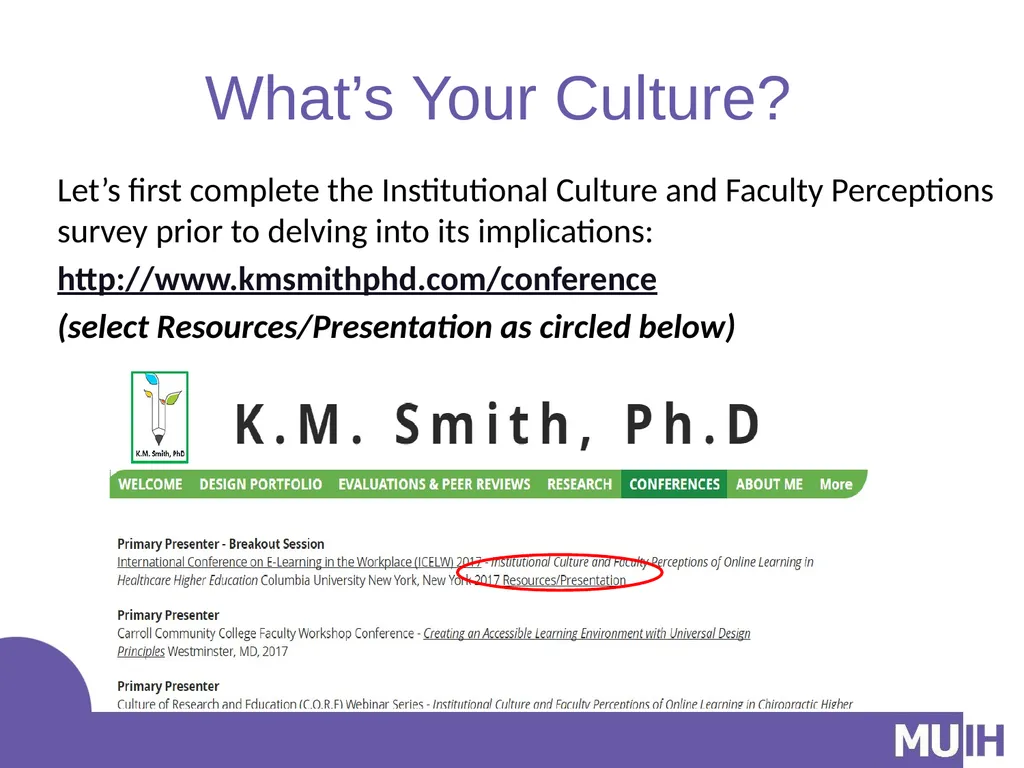
What’s Your Culture? Let’s first complete the Institutional Culture and Faculty Perceptions survey prior to delving into its implications:
http://www.kmsmithphd.com/conference
(select Resources/Presentation as circled below)<br>
04
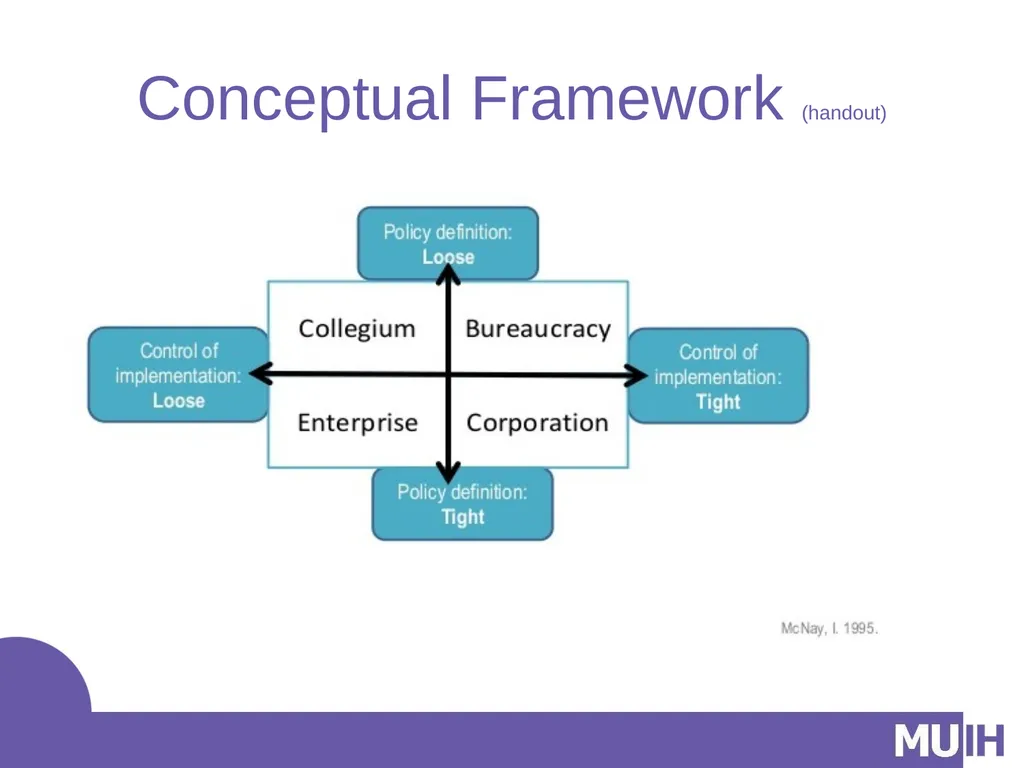
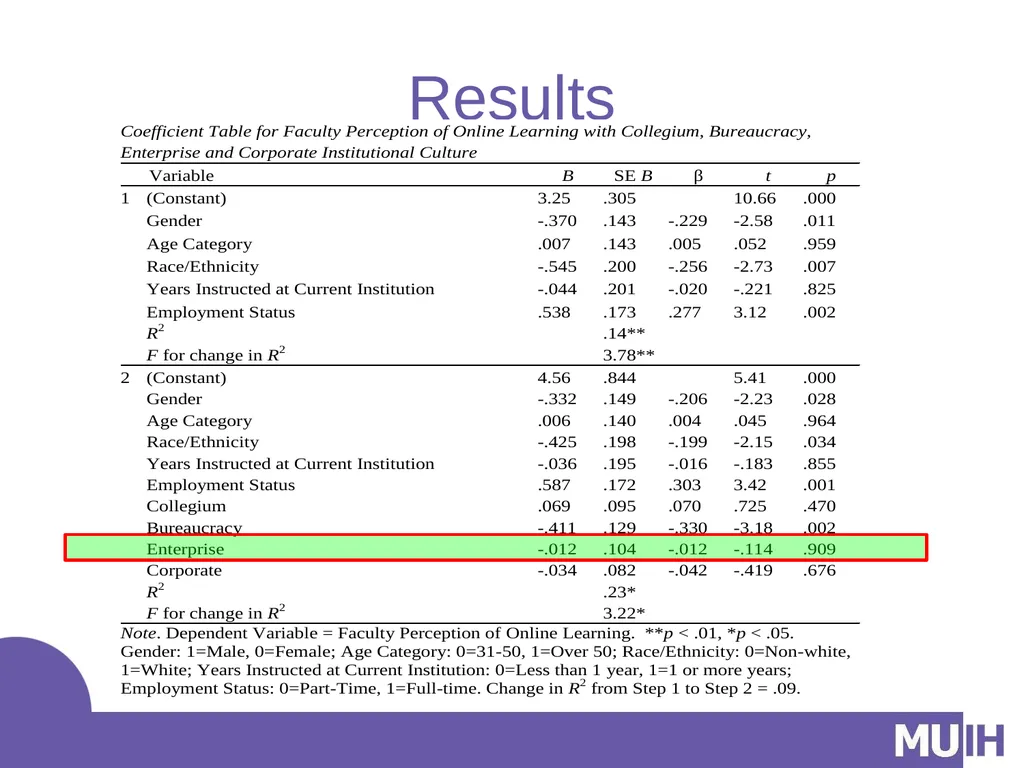
Original Research Question What is the relationship between institutions with collegium, bureaucracy, enterprise, and corporate culture typology and its faculty perceptions of online learning in higher education?<br>
05
Conceptual Framework (handout)<br>
06
Research Method<br>
07
Research Method Correlational quantitative design<br>
08
Research Method Correlational quantitative design Faculty of chiropractic higher education institutions<br>
09
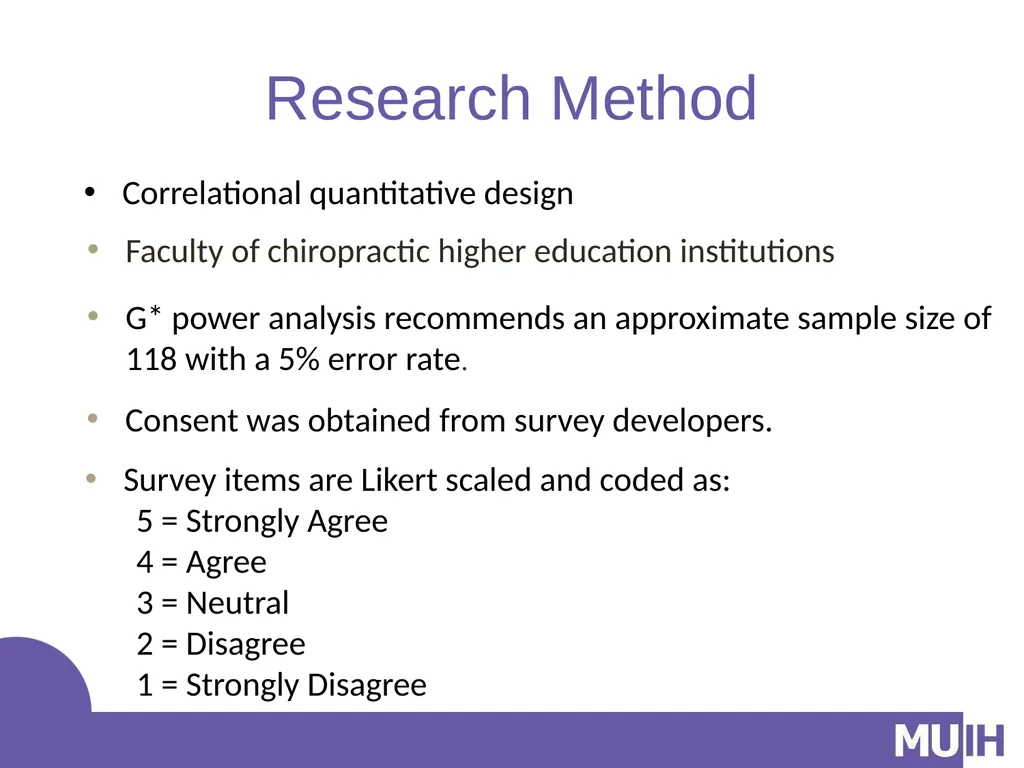
Research Method Correlational quantitative design Faculty of chiropractic higher education institutions G* power analysis recommends an approximate sample size of 118 with a 5% error rate.<br>
10
Research Method Correlational quantitative design G* power analysis recommends an approximate sample size of 118 with a 5% error rate. Consent was obtained from survey developers. Survey items are Likert scaled and coded as:
5 = Strongly Agree
4 = Agree
3 = Neutral
2 = Disagree
1 = Strongly Disagree Faculty of chiropractic higher education institutions<br>
11
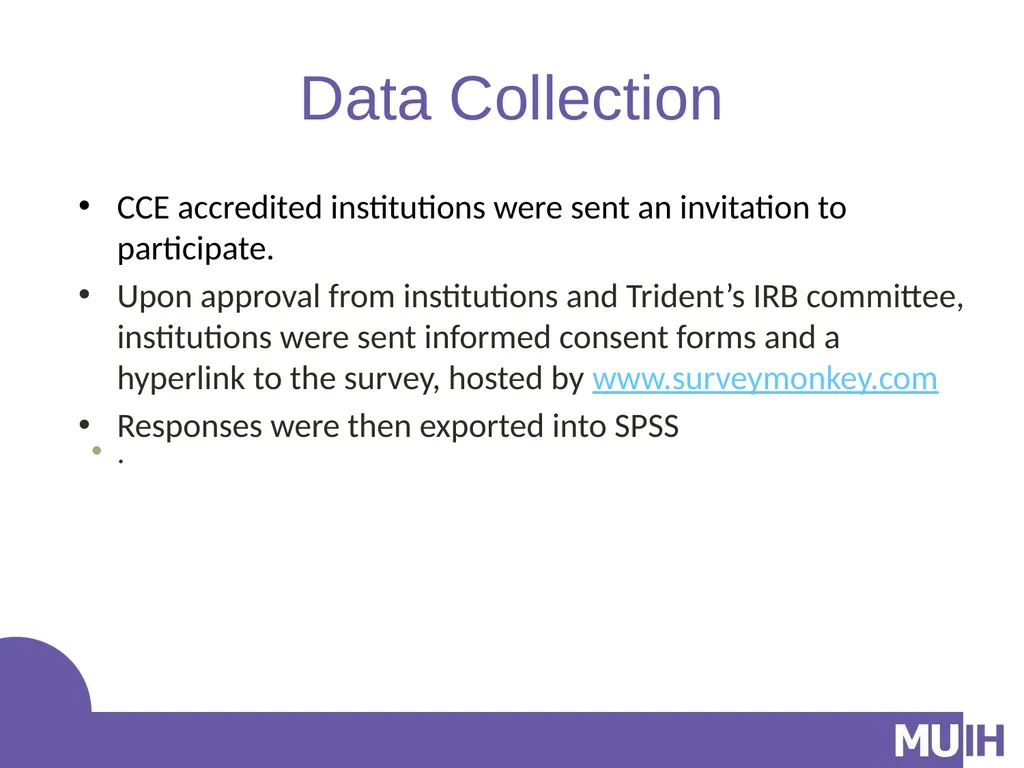
Data Collection CCE accredited institutions were sent an invitation to participate.
Upon approval from institutions and Trident’s IRB committee, institutions were sent informed consent forms and a hyperlink to the survey, hosted by www.surveymonkey.com
Responses were then exported into SPSS .<br>
12
Data Collection Instrumentation<br>
13
Data Collection Instrumentation
Nauffal (2004) Institutional Culture Survey
Reliability coefficient of α = 0.9157
5-point Likert scale<br>
14
Data Collection Instrumentation
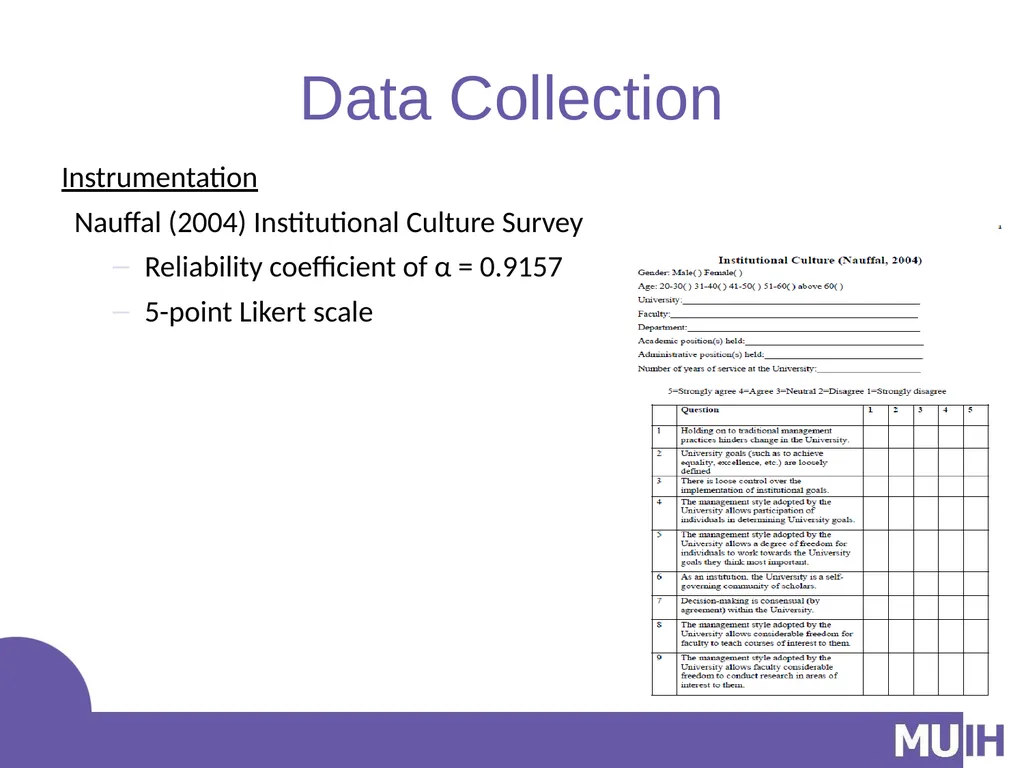
Nauffal (2004) Institutional Culture Survey
Reliability coefficient of α = 0.9157
5-point Likert scale<br>
15
Data Collection Instrumentation (Continued)
Totaro et al (2005) Faculty Perceptions of Distance Education Survey
Pilot tested in 2 studies
Reliability coefficient of α = 0.8917<br>
16
Data Collection Instrumentation (Continued)
Totaro et al (2005) Faculty Perceptions of Distance Education Survey
Pilot tested in 2 studies
Reliability coefficient of α = 0.8917<br>
17
Results<br>
18
Results<br>
19
Your Institutional Culture (IC) What was the Institutional Culture of your organization?
Your results may indicate its members perceptions of online innovation.<br>
20
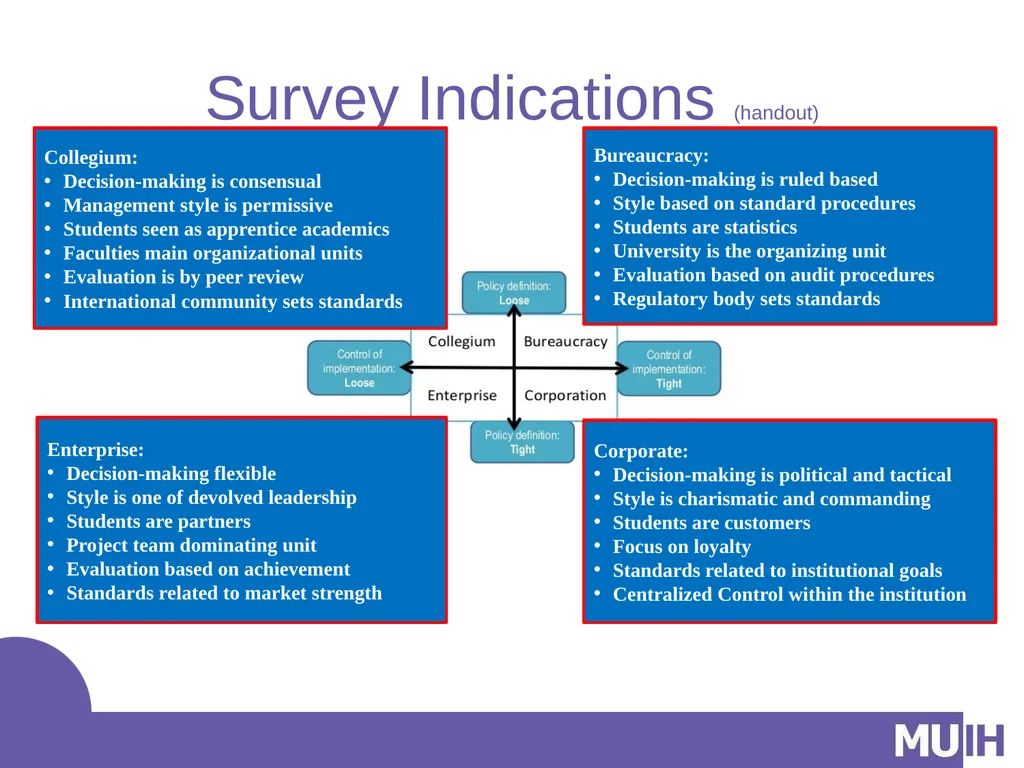
Predictors (Independent Variables) Survey Indications (handout) Corporate:
Decision-making is political and tactical
Style is charismatic and commanding
Students are customers
Focus on loyalty
Standards related to institutional goals
Centralized Control within the institution Collegium:
Decision-making is consensual
Management style is permissive
Students seen as apprentice academics
Faculties main organizational units
Evaluation is by peer review
International community sets standards Bureaucracy:
Decision-making is ruled based
Style based on standard procedures
Students are statistics
University is the organizing unit
Evaluation based on audit procedures
Regulatory body sets standards Enterprise:
Decision-making flexible
Style is one of devolved leadership
Students are partners
Project team dominating unit
Evaluation based on achievement
Standards related to market strength<br>
21
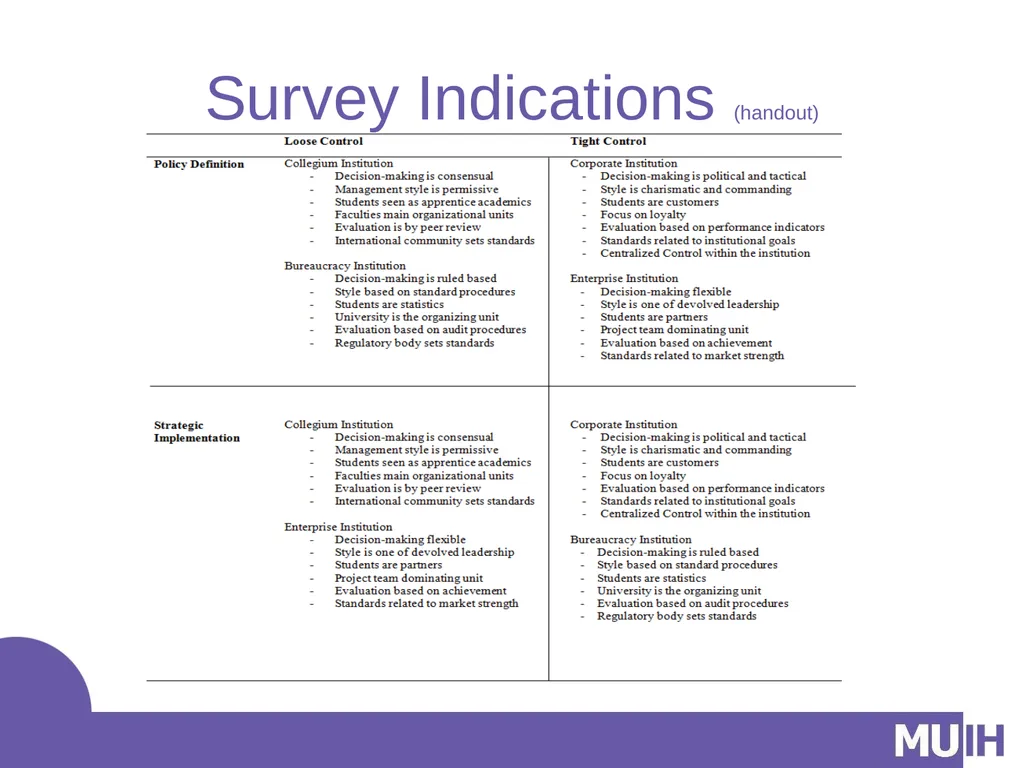
Survey Indications (handout)<br>
22
Wrap Up Now that you know your IC, how does this inform change or innovation implementation?
Based on your IC, what are some ways you can advance towards an enterprise culture?
Questions, comments, suggestions?
Contact Information:
Dr. Keyonda Smith
Director of Course Design
Maryland University of Integrative Health
Slide Deck Available: www.kmsmithphd/conferences
Email: ksmith3@muih.edu<br>