
Welcome to Safeguarding Children Level 1 session


Description: Welcome to Safeguarding Children Level 1 session Tips for this session: Take some time to make yourself comfortable and familiarise yourself with the technology. Hopefully, you have had a chance to read the Teams guidance if you are not
Related Topics
Download Presentation
"Welcome to Safeguarding Children Level 1 session" is the property of its rightful owner. Permission is granted to download and print the materials on this website for personal, non-commercial use only, and to display it on your personal computer provided you do not modify the materials and that you retain all copyright notices contained in the materials. By downloading content from our website, you accept the terms of this agreement.
Presentation Transcript
slide1. Welcome to Safeguarding Children Level 1 session Tips for this session:
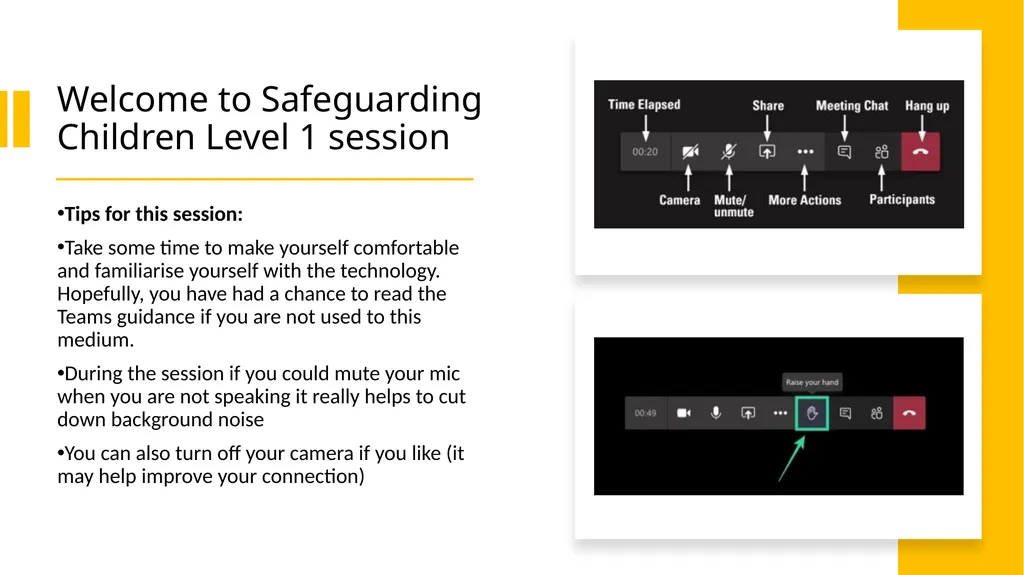
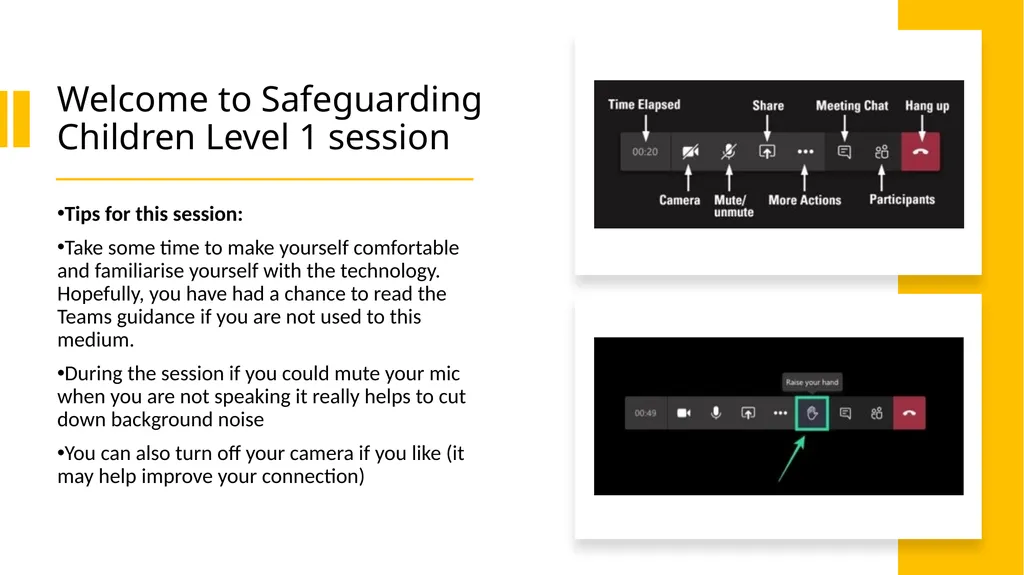
Take some time to make yourself comfortable and familiarise yourself with the technology. Hopefully, you have had a chance to read the Teams guidance if you are not used to this medium.
During the session if you could mute your mic when you are not speaking it really helps to cut down background noise
You can also turn off your camera if you like (it may help improve your connection)<br>
slide2. Safeguarding Children A Shared Responsibility Level One<br>
slide3. Insert Facilitator Name<br>
slide5. Staying Safe Please note that sometimes people can find the content of some sessions upsetting. If you think this could apply to you, we would like you to think about a strategy for keeping yourself safe, for example having someone you trust available to talk to after the session.<br>
slide6. Quick note: A large amount of content is in this presentation and we apologise if some of it is difficult to read. We will be explaining the key points as we go and you can request a copy of the presentation via the evaluation form if you would like to refer back to anything.<br>
slide7. Please maintain utmost confidentiality in relation to cases and service users<br>
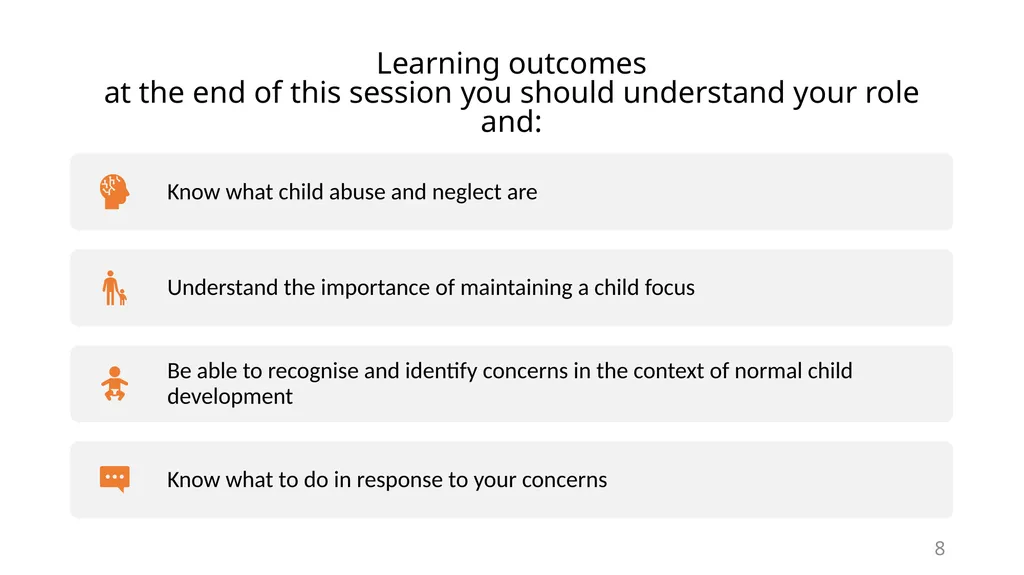
slide8. Learning outcomes at the end of this session you should understand your role and: 8<br>
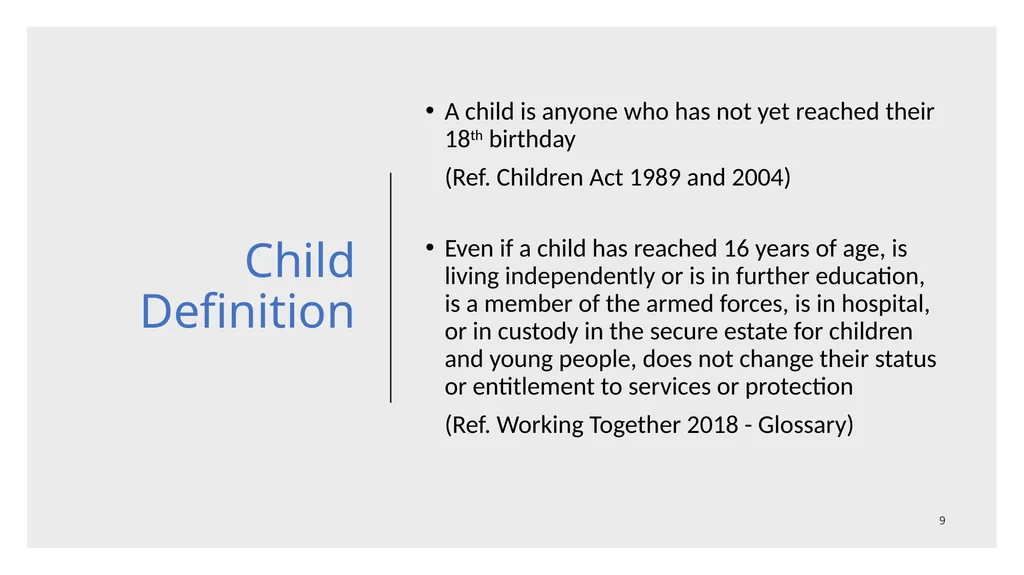
slide9. Child Definition A child is anyone who has not yet reached their 18th birthday
(Ref. Children Act 1989 and 2004)
Even if a child has reached 16 years of age, is living independently or is in further education, is a member of the armed forces, is in hospital, or in custody in the secure estate for children and young people, does not change their status or entitlement to services or protection
(Ref. Working Together 2018 - Glossary) 9<br>
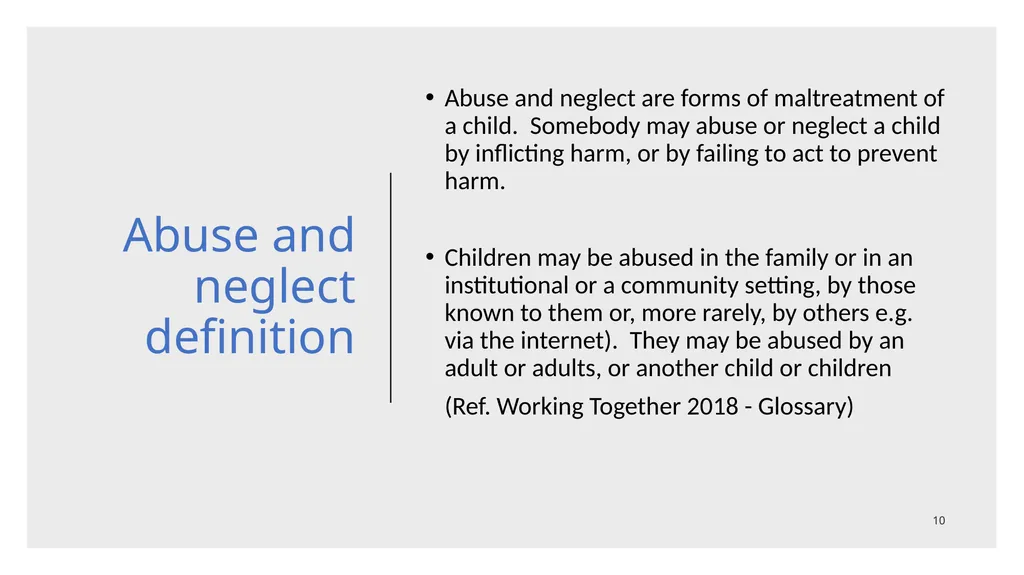
slide10. Abuse and neglect definition Abuse and neglect are forms of maltreatment of a child. Somebody may abuse or neglect a child by inflicting harm, or by failing to act to prevent harm.
Children may be abused in the family or in an institutional or a community setting, by those known to them or, more rarely, by others e.g. via the internet). They may be abused by an adult or adults, or another child or children
(Ref. Working Together 2018 - Glossary) 10<br>
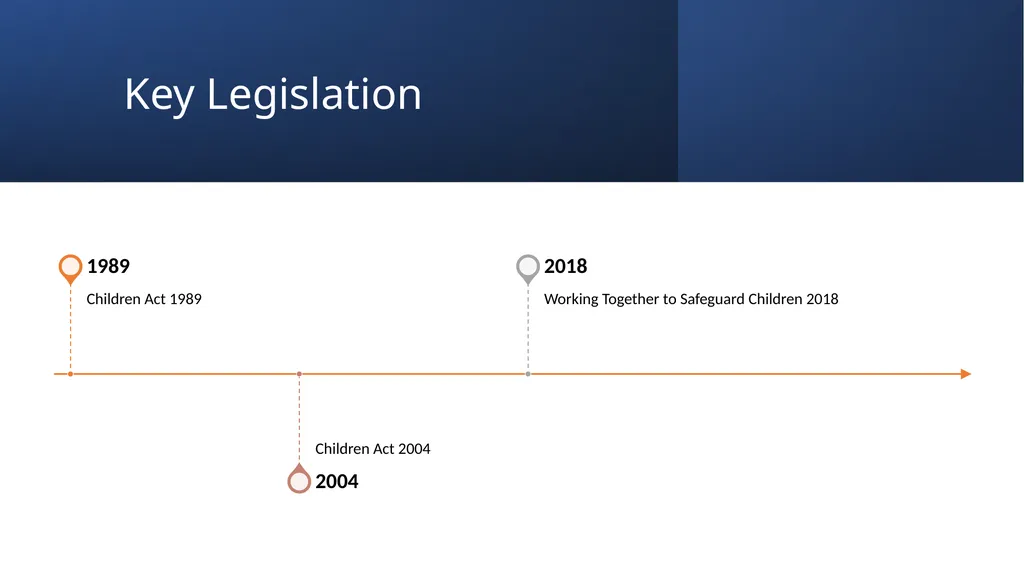
slide11. Key Legislation<br>
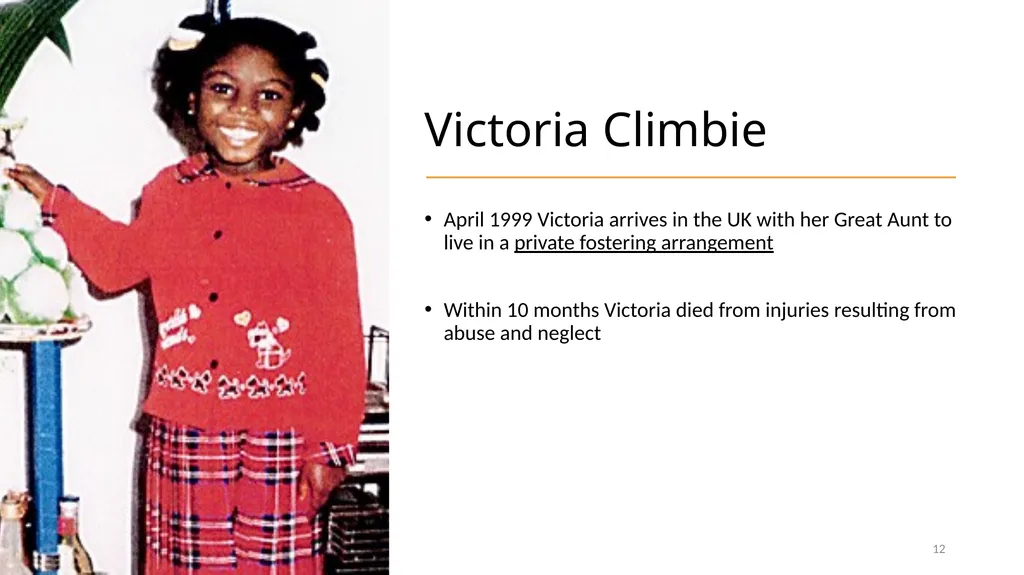
slide12. Victoria Climbie April 1999 Victoria arrives in the UK with her Great Aunt to live in a private fostering arrangement
Within 10 months Victoria died from injuries resulting from abuse and neglect 12<br>
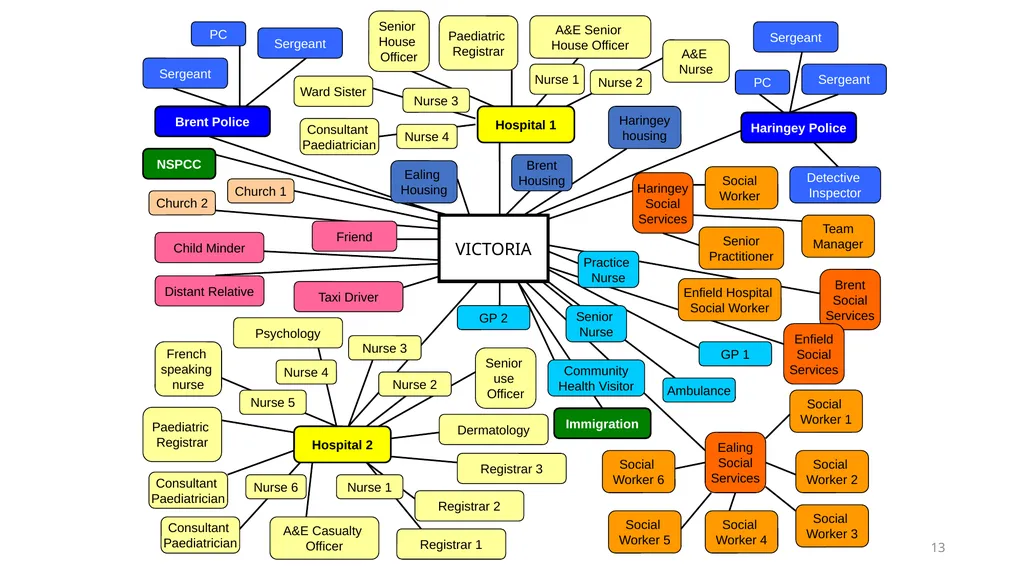
slide13. 13 Paediatric
Registrar A&E Senior
House Officer Hospital 1 A&E
Nurse Brent Police Hospital 2 Senior
House
Officer Ward Sister French
speaking
nurse Consultant
Paediatrician Senior
use
Officer Consultant
Paediatrician Paediatric
Registrar Consultant
Paediatrician A&E Casualty
Officer Registrar 1 Registrar 3 Registrar 2 Dermatology Psychology Haringey Police Sergeant PC PC Detective
Inspector Sergeant Sergeant Sergeant Ambulance Church 1 Church 2 Distant Relative Nurse 1 Nurse 2 Nurse 6 Child Minder Friend Nurse 3 Nurse 5 Taxi Driver Nurse 4 Nurse 3 Nurse 1 Ealing
Social
Services Social
Worker 2 Social
Worker 6 Social
Worker 1 Social
Worker 3 Social
Worker 4 Social
Worker 5 Haringey
Social
Services Senior
Practitioner Team
Manager Social
Worker Brent
Social
Services Enfield
Social
Services Immigration NSPCC Nurse 4 GP 1 GP 2 VICTORIA Enfield Hospital
Social Worker Senior
Nurse Practice
Nurse Community
Health Visitor Nurse 2 Haringey
housing Ealing
Housing Brent
Housing<br>
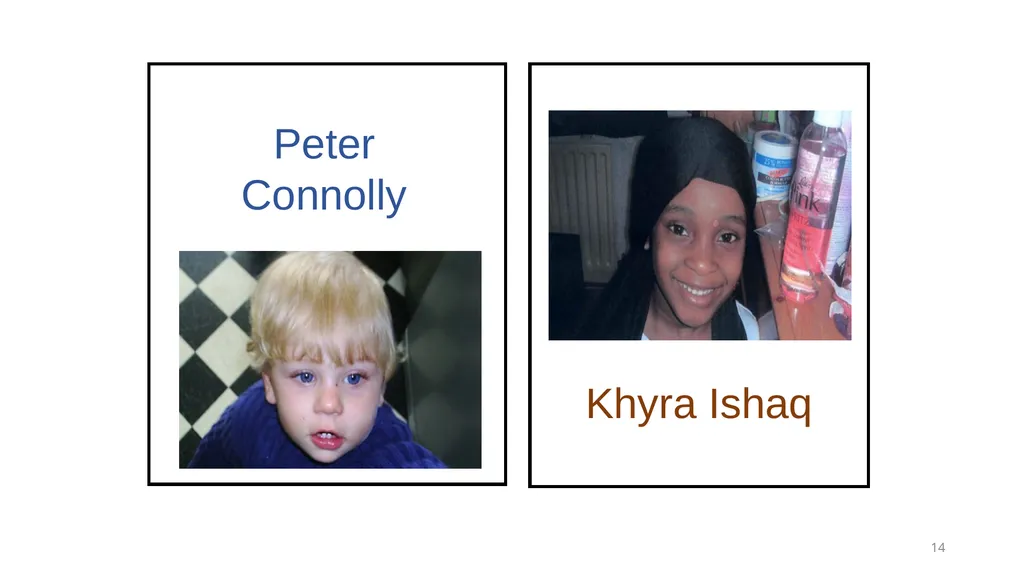
slide14. 14 Peter Connolly Khyra Ishaq<br>
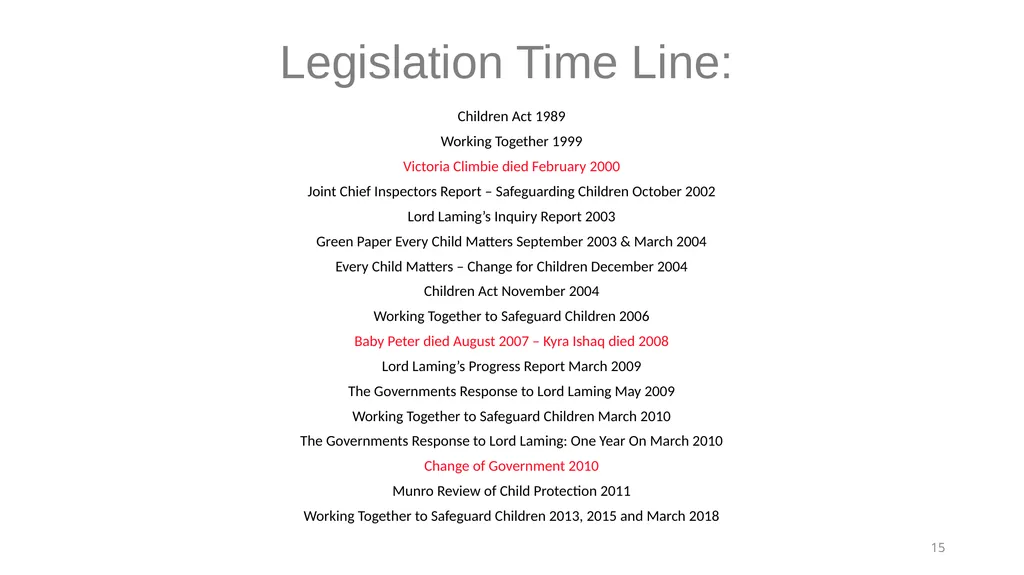
slide15. Children Act 1989
Working Together 1999
Victoria Climbie died February 2000
Joint Chief Inspectors Report – Safeguarding Children October 2002
Lord Laming’s Inquiry Report 2003
Green Paper Every Child Matters September 2003 & March 2004
Every Child Matters – Change for Children December 2004
Children Act November 2004
Working Together to Safeguard Children 2006
Baby Peter died August 2007 – Kyra Ishaq died 2008
Lord Laming’s Progress Report March 2009
The Governments Response to Lord Laming May 2009
Working Together to Safeguard Children March 2010
The Governments Response to Lord Laming: One Year On March 2010
Change of Government 2010
Munro Review of Child Protection 2011
Working Together to Safeguard Children 2013, 2015 and March 2018 15 Legislation Time Line:<br>
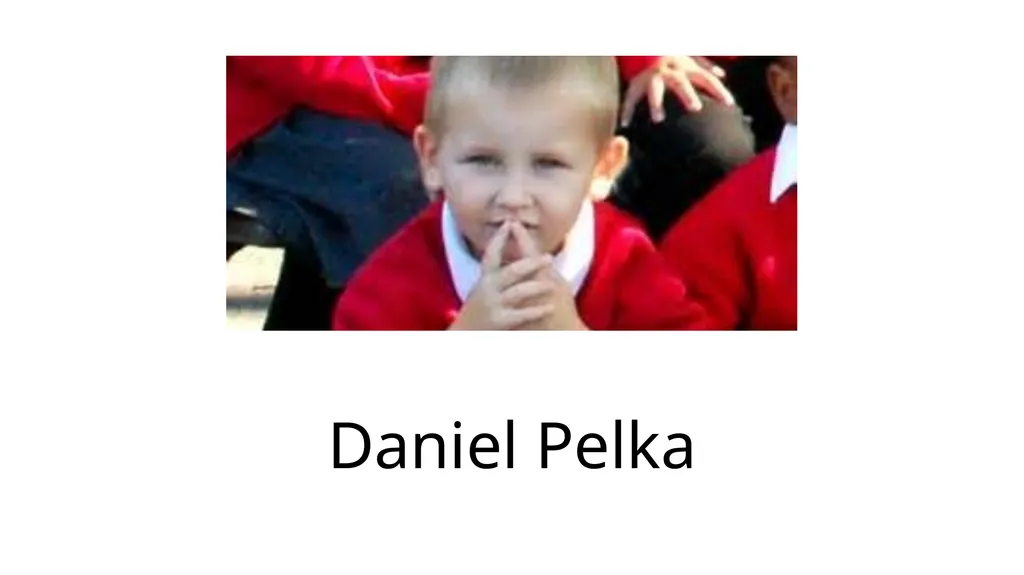
slide16. Daniel Pelka<br>
slide17. News Report<br>
slide18. The Voice of the child The inquiry into Victoria’s death highlighted that no one asked her what a day in her life was like. 18<br>
slide19. Who are children likely to turn to? Friends
Mothers
Fathers
Other trusted adult
‘No matter where you work, you are likely to
encounter children during the course of your normal
working activities. You are in a unique position to be
able to observe signs of abuse or neglect, or
changes in behaviour which may indicate a child may
be being abused or neglected’
That is why safeguarding is everyone’s responsibility 19<br>
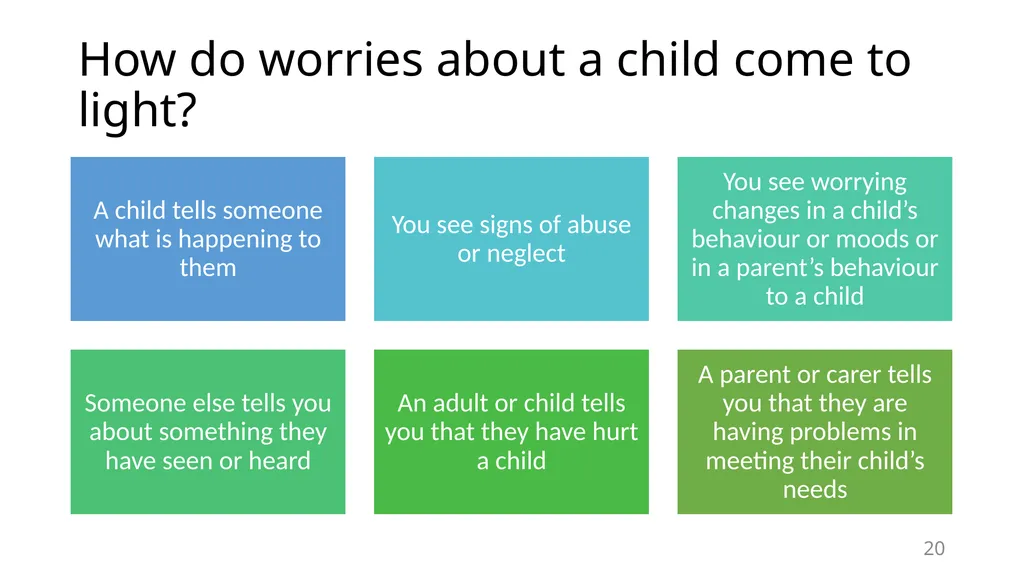
slide20. How do worries about a child come to light? 20<br>
slide21. If a child tells… Do’s and Don’ts exercise 21<br>
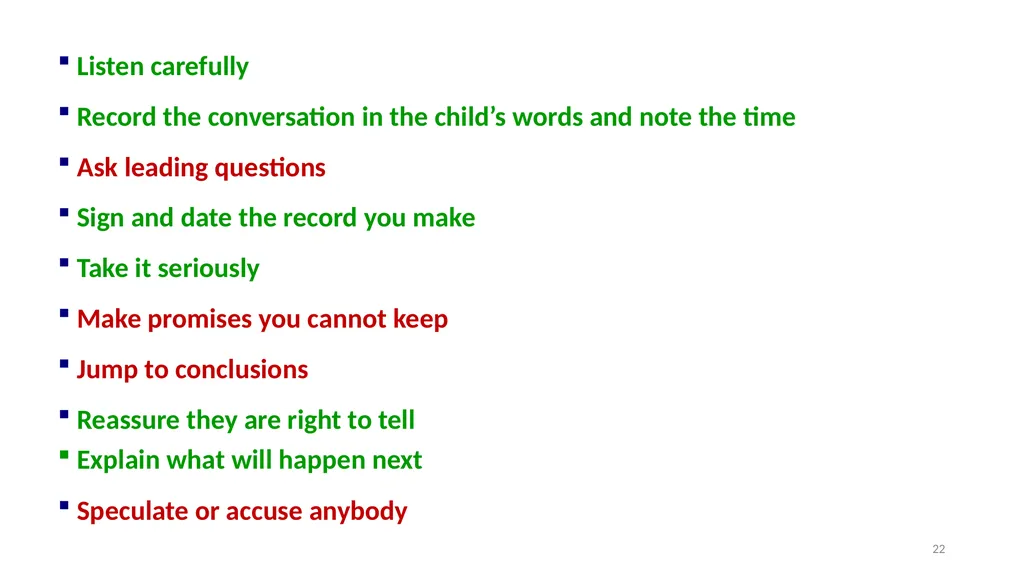
slide22. Listen carefully
Record the conversation in the child’s words and note the time
Ask leading questions
Sign and date the record you make
Take it seriously
Make promises you cannot keep
Jump to conclusions
Reassure they are right to tell
Explain what will happen next
Speculate or accuse anybody 22<br>
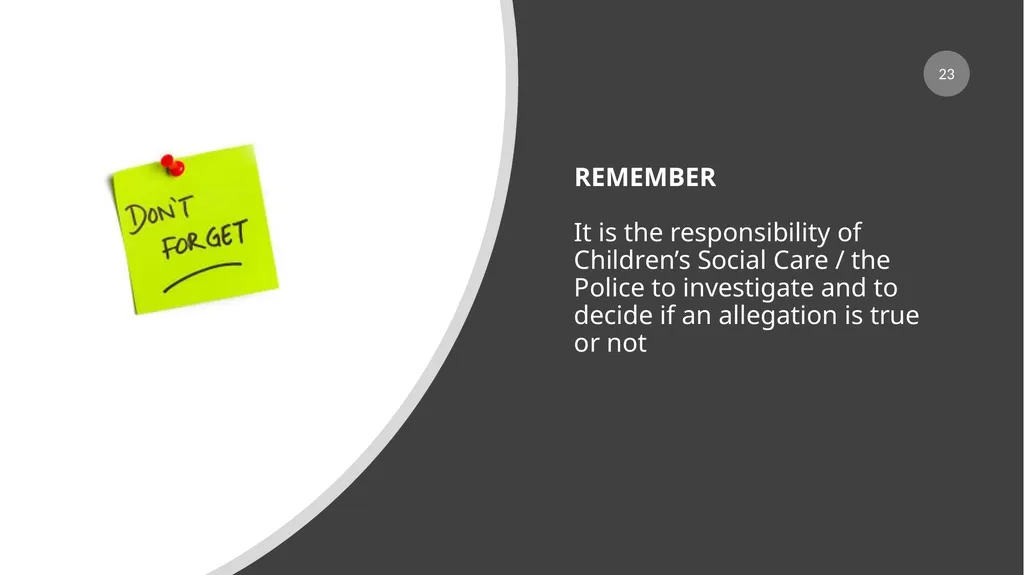
slide23. REMEMBER It is the responsibility of Children’s Social Care / the Police to investigate and to decide if an allegation is true or not 23<br>
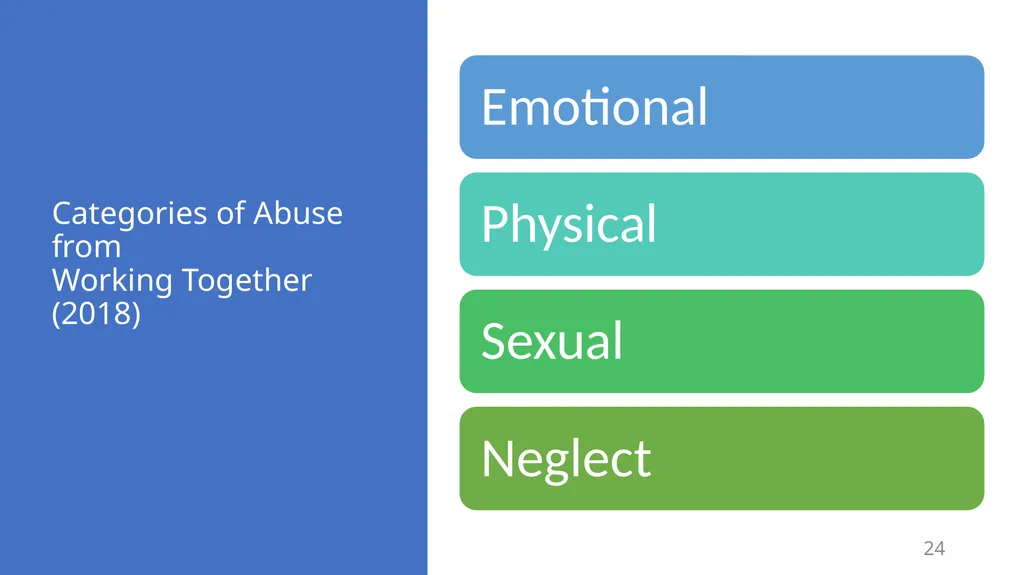
slide24. Categories of Abuse from Working Together (2018) 24<br>
slide25. Emotional abuse: Emotional abuse is the persistent emotional maltreatment of a child such as to cause severe and persistent adverse effects on the child’s emotional development. It may involve conveying to children that they are worthless or unloved, inadequate, or valued only insofar as they meet the needs of another person. It may include not giving the child opportunities to express their views, deliberately silencing them or ‘making fun’ of what they say or how they communicate.
It may feature age or developmentally inappropriate expectations being imposed on children. These may include interactions that are beyond the child’s developmental capability, as well as overprotection and limitation of exploration and learning, or preventing the child participating in normal social interaction.
It may involve seeing or hearing the ill-treatment of another. It may involve serious bullying (including cyberbullying) causing children frequently to feel frightened or in danger, or the exploitation or corruption of children.
Some level of emotional abuse is involved in all types of maltreatment of a child, though it may occur alone.<br>
slide26. Physical abuse: Physical abuse may involve hitting, shaking, throwing, poisoning, burning or scalding, drowning, suffocating, or otherwise causing physical harm to a child.
Physical harm may also be caused when a parent or carer fabricates the symptoms of, or deliberately induces illness in a child (formally known as Munchausen Syndrome by proxy)<br>
slide27. Sexual abuse: Sexual abuse involves forcing or enticing a child or young person to take part in sexual activities, not necessarily involving a high level of violence, whether or not the child is aware of what is happening.
The activities may involve physical contact, including assault by penetration (e.g. rape, or oral sex) or non-penetrative acts such as masturbation, kissing, rubbing and touching outside of clothing.
They may also include non-contact activities, such as involving children in looking at, or in the production of, sexual online images, watching sexual activities, or encouraging children to behave in sexually inappropriate ways, or grooming a child in preparation for abuse (including via the internet). Sexual abuse is not solely perpetrated by adult males. Women can also commit acts of sexual abuse, as can other children.<br>
slide28. Neglect: Neglect is the persistent failure to meet a child’s basic physical and/or psychological needs, likely to result in the serious impairment of the child’s health or development.
Neglect may occur during pregnancy as a result of maternal substance abuse. Once a child is born, neglect may involve a parent or carer failing to:
provide adequate food and clothing, shelter (including exclusion from home or abandonment)
protect a child from physical and emotional harm or danger
ensure adequate supervision (including the use of inadequate care-takers)
ensure access to appropriate medical care or treatment.
It may also include neglect of, or unresponsiveness to, a child’s basic emotional needs.<br>
slide29. Signs and indicators of abuse 29<br>
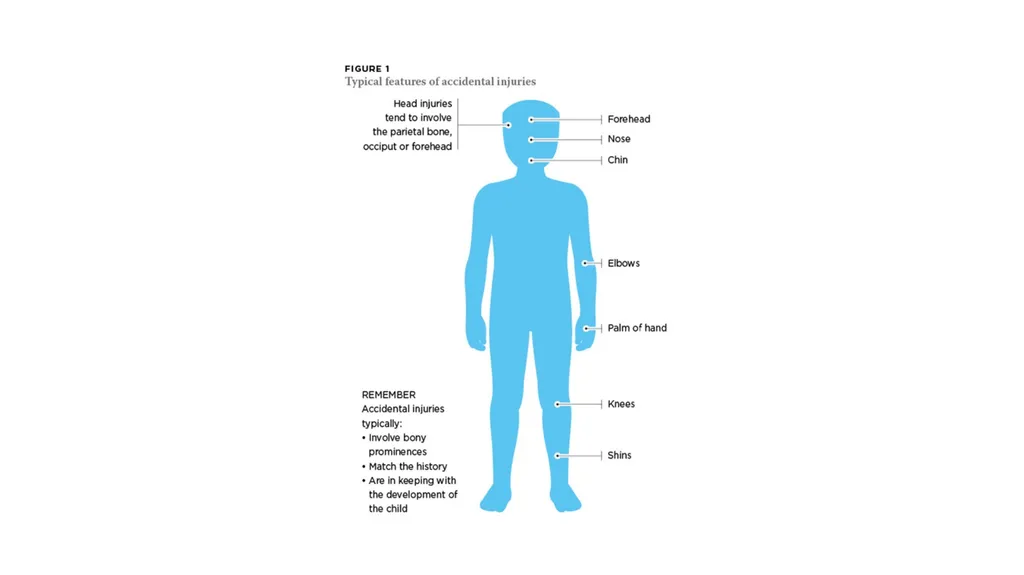
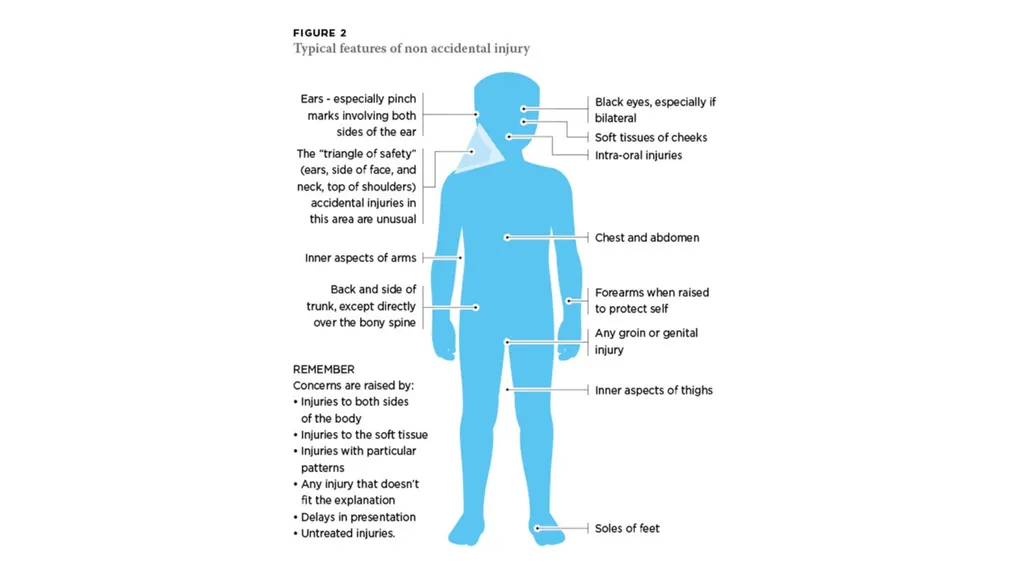
slide30. Accidental v’s Non-accidental Injury Talk to the person next to you 30<br>
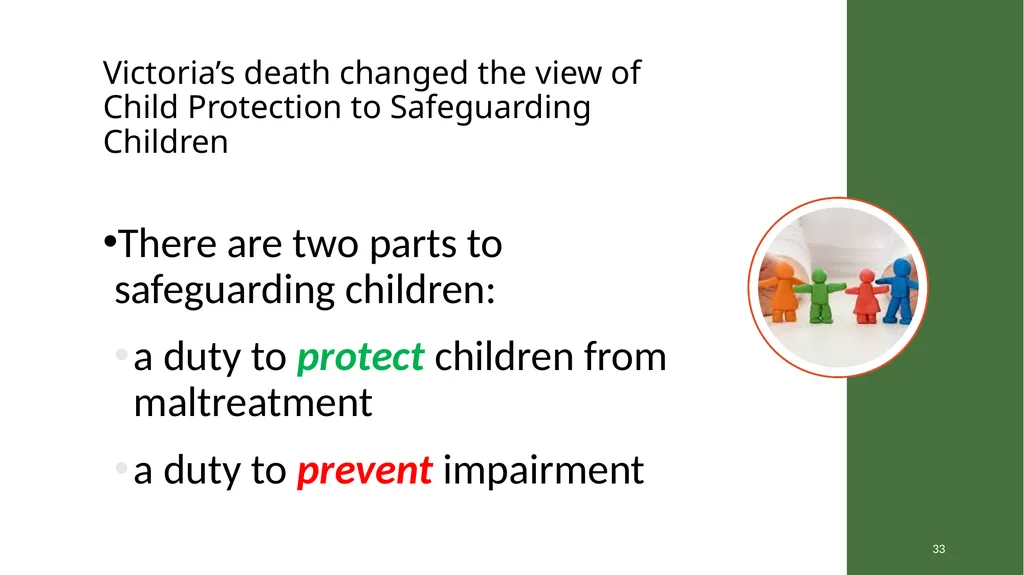
slide33. Victoria’s death changed the view of Child Protection to Safeguarding Children There are two parts to safeguarding children:
a duty to protect children from maltreatment
a duty to prevent impairment 33<br>
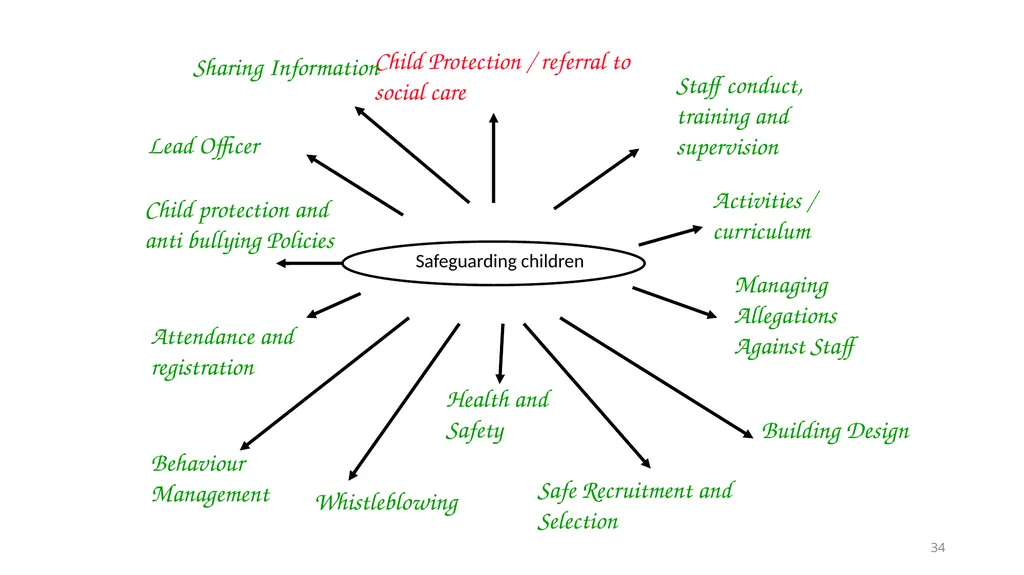
slide34. 34 Safeguarding children Child Protection / referral to social care Staff conduct, training and supervision Activities / curriculum Managing Allegations Against Staff Safe Recruitment and Selection Health and Safety Behaviour Management Attendance and registration Child protection and anti bullying Policies Whistleblowing Building Design Lead Officer Sharing Information<br>
slide35. Expectations for organisations 35<br>
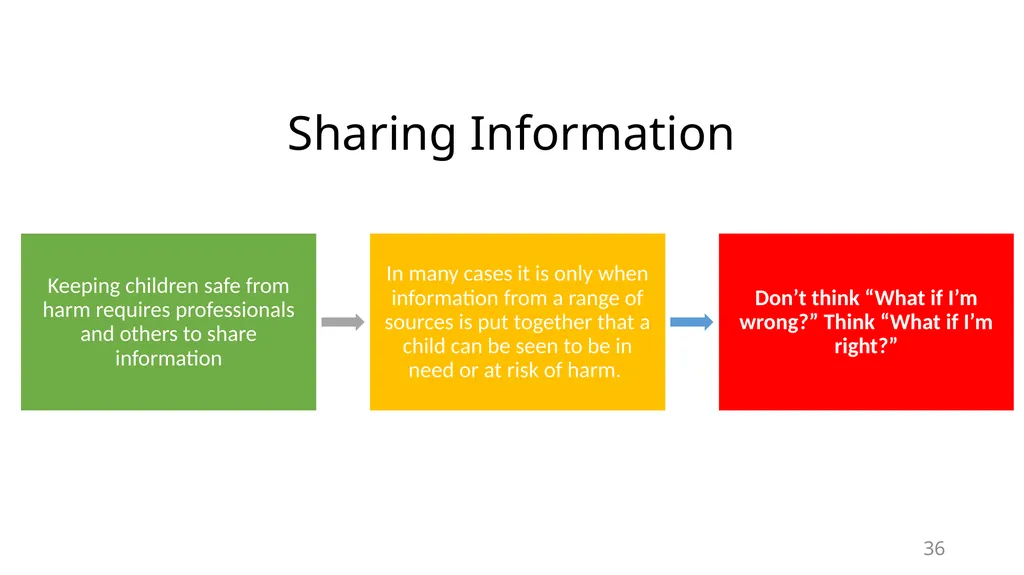
slide36. Sharing Information 36<br>
slide37. Sharing Safeguarding Concerns This is what I have seen and/or heard: when, who from and where
This is my worry/concern
This is how I responded at the time
This is what I have done since
What more do I need to do?<br>
slide38. Who do you share information with?
It is your responsibility to share your concerns with your own supervising officer
What should they then do?
Take the appropriate action - see referral form next slide They may or may not keep you informed of progress as child protection information is shared on a need to know basis<br>
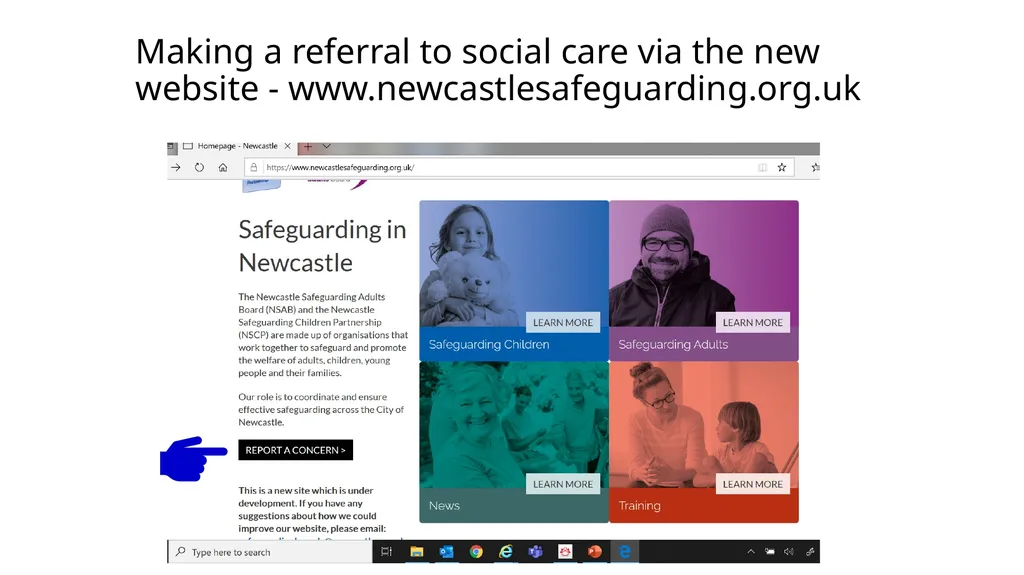
slide39. Making a referral to social care via the new website - www.newcastlesafeguarding.org.uk<br>
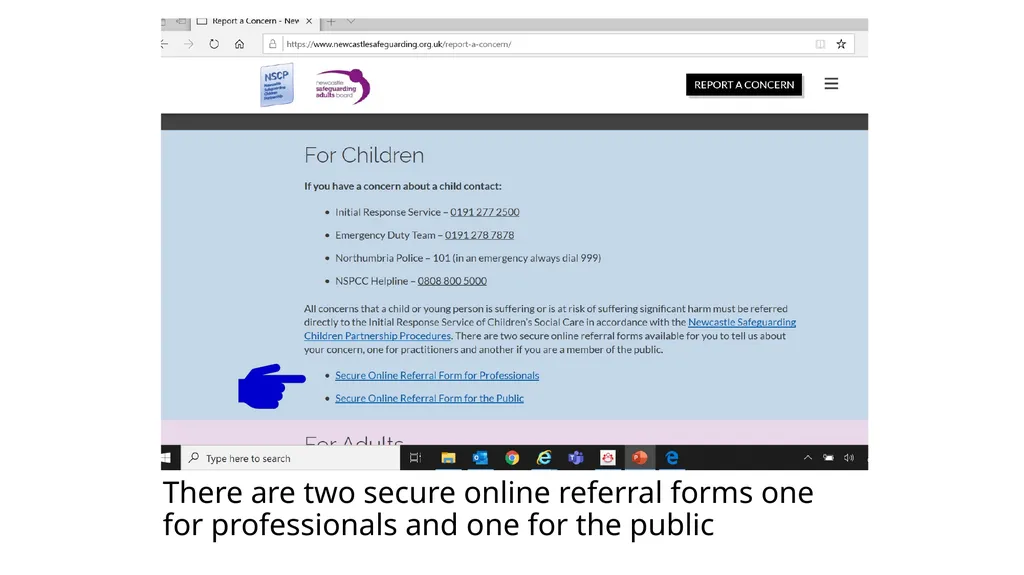
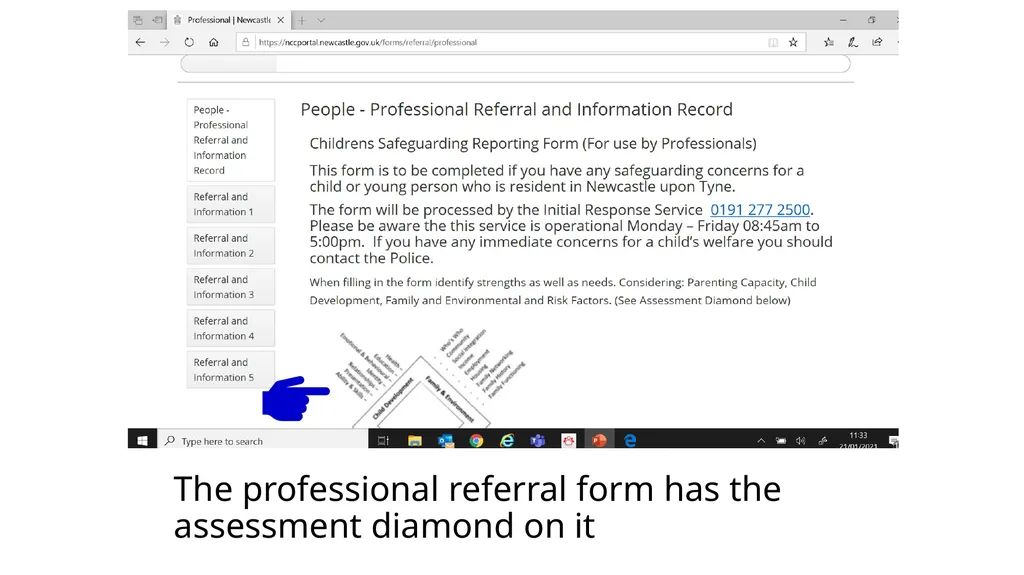
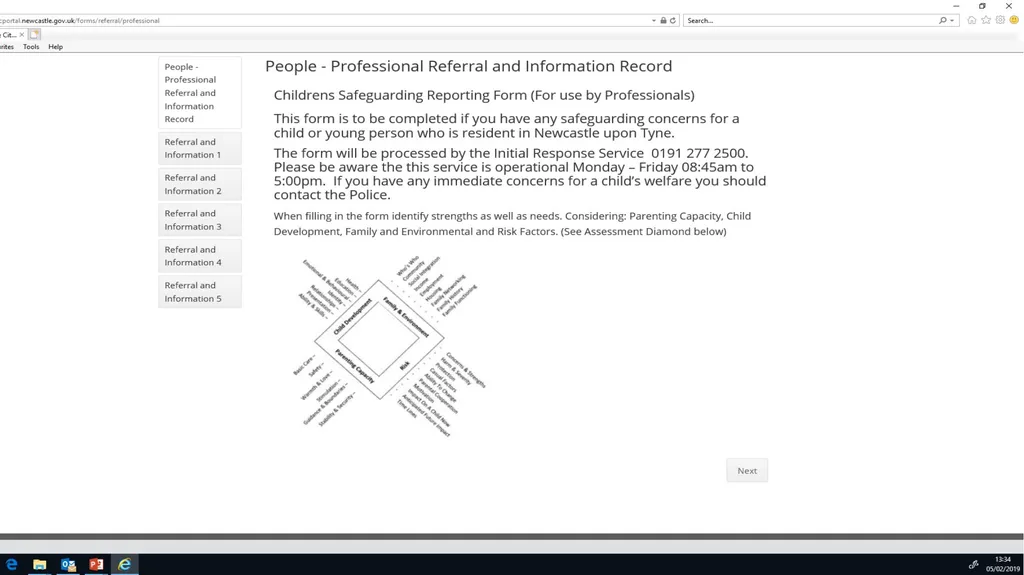
slide40. There are two secure online referral forms one for professionals and one for the public<br>
slide41. The professional referral form has the assessment diamond on it<br>
slide42. 42<br>
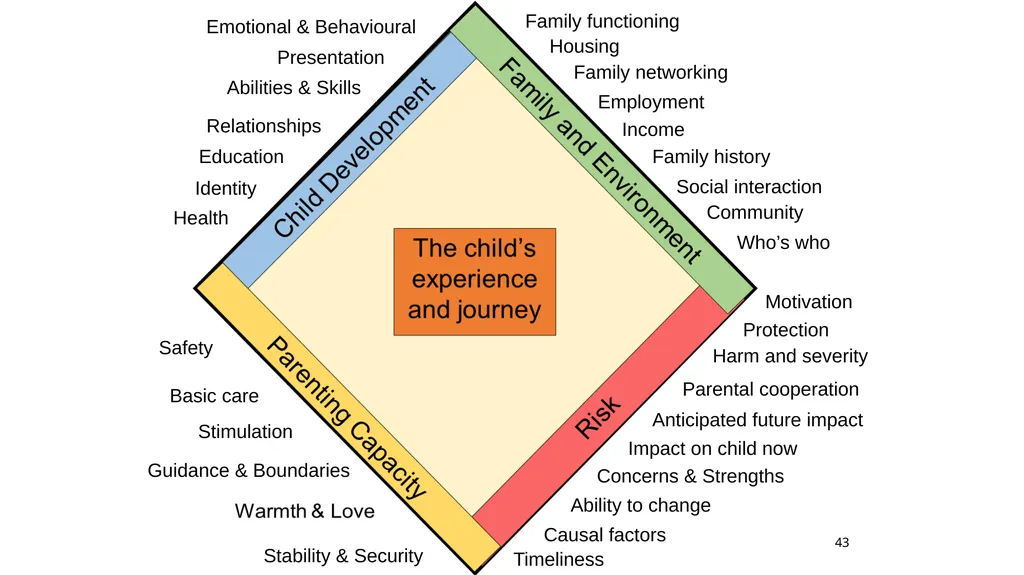
slide43. 43 Presentation Timeliness Guidance & Boundaries Family networking Stimulation Social interaction Family functioning Identity Employment Family history Stability & Security Who’s who Causal factors Community Basic care Emotional & Behavioural Housing Abilities & Skills Education Concerns & Strengths Safety Relationships Health Income Ability to change Parental cooperation Anticipated future impact Harm and severity Impact on child now Motivation Protection<br>
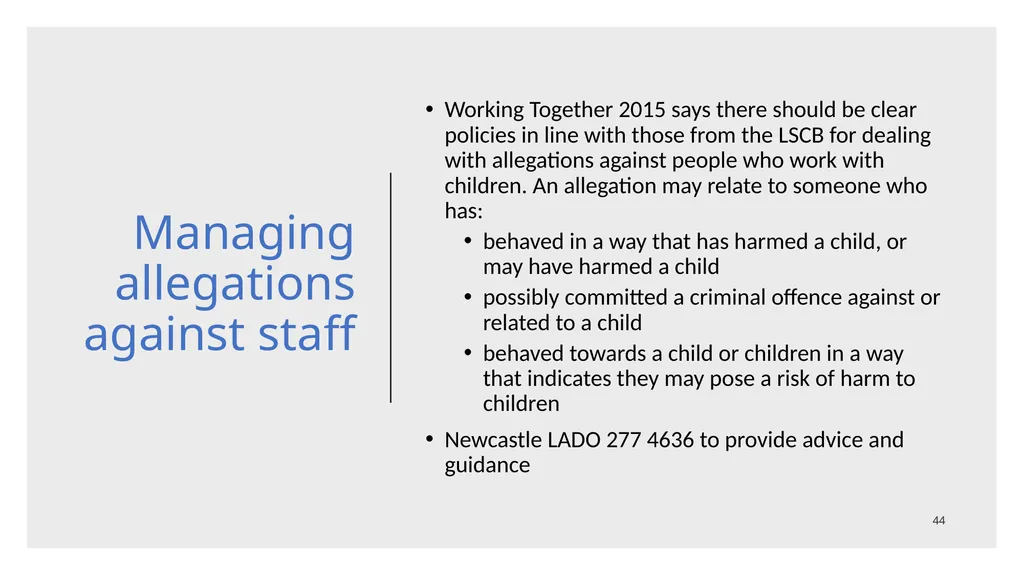
slide44. Managing allegations against staff Working Together 2015 says there should be clear policies in line with those from the LSCB for dealing with allegations against people who work with children. An allegation may relate to someone who has:
behaved in a way that has harmed a child, or may have harmed a child
possibly committed a criminal offence against or related to a child
behaved towards a child or children in a way that indicates they may pose a risk of harm to children
Newcastle LADO 277 4636 to provide advice and guidance 44<br>
Take some time to make yourself comfortable and familiarise yourself with the technology. Hopefully, you have had a chance to read the Teams guidance if you are not used to this medium.
During the session if you could mute your mic when you are not speaking it really helps to cut down background noise
You can also turn off your camera if you like (it may help improve your connection)<br>
slide2. Safeguarding Children A Shared Responsibility Level One<br>
slide3. Insert Facilitator Name<br>
slide5. Staying Safe Please note that sometimes people can find the content of some sessions upsetting. If you think this could apply to you, we would like you to think about a strategy for keeping yourself safe, for example having someone you trust available to talk to after the session.<br>
slide6. Quick note: A large amount of content is in this presentation and we apologise if some of it is difficult to read. We will be explaining the key points as we go and you can request a copy of the presentation via the evaluation form if you would like to refer back to anything.<br>
slide7. Please maintain utmost confidentiality in relation to cases and service users<br>
slide8. Learning outcomes at the end of this session you should understand your role and: 8<br>
slide9. Child Definition A child is anyone who has not yet reached their 18th birthday
(Ref. Children Act 1989 and 2004)
Even if a child has reached 16 years of age, is living independently or is in further education, is a member of the armed forces, is in hospital, or in custody in the secure estate for children and young people, does not change their status or entitlement to services or protection
(Ref. Working Together 2018 - Glossary) 9<br>
slide10. Abuse and neglect definition Abuse and neglect are forms of maltreatment of a child. Somebody may abuse or neglect a child by inflicting harm, or by failing to act to prevent harm.
Children may be abused in the family or in an institutional or a community setting, by those known to them or, more rarely, by others e.g. via the internet). They may be abused by an adult or adults, or another child or children
(Ref. Working Together 2018 - Glossary) 10<br>
slide11. Key Legislation<br>
slide12. Victoria Climbie April 1999 Victoria arrives in the UK with her Great Aunt to live in a private fostering arrangement
Within 10 months Victoria died from injuries resulting from abuse and neglect 12<br>
slide13. 13 Paediatric
Registrar A&E Senior
House Officer Hospital 1 A&E
Nurse Brent Police Hospital 2 Senior
House
Officer Ward Sister French
speaking
nurse Consultant
Paediatrician Senior
use
Officer Consultant
Paediatrician Paediatric
Registrar Consultant
Paediatrician A&E Casualty
Officer Registrar 1 Registrar 3 Registrar 2 Dermatology Psychology Haringey Police Sergeant PC PC Detective
Inspector Sergeant Sergeant Sergeant Ambulance Church 1 Church 2 Distant Relative Nurse 1 Nurse 2 Nurse 6 Child Minder Friend Nurse 3 Nurse 5 Taxi Driver Nurse 4 Nurse 3 Nurse 1 Ealing
Social
Services Social
Worker 2 Social
Worker 6 Social
Worker 1 Social
Worker 3 Social
Worker 4 Social
Worker 5 Haringey
Social
Services Senior
Practitioner Team
Manager Social
Worker Brent
Social
Services Enfield
Social
Services Immigration NSPCC Nurse 4 GP 1 GP 2 VICTORIA Enfield Hospital
Social Worker Senior
Nurse Practice
Nurse Community
Health Visitor Nurse 2 Haringey
housing Ealing
Housing Brent
Housing<br>
slide14. 14 Peter Connolly Khyra Ishaq<br>
slide15. Children Act 1989
Working Together 1999
Victoria Climbie died February 2000
Joint Chief Inspectors Report – Safeguarding Children October 2002
Lord Laming’s Inquiry Report 2003
Green Paper Every Child Matters September 2003 & March 2004
Every Child Matters – Change for Children December 2004
Children Act November 2004
Working Together to Safeguard Children 2006
Baby Peter died August 2007 – Kyra Ishaq died 2008
Lord Laming’s Progress Report March 2009
The Governments Response to Lord Laming May 2009
Working Together to Safeguard Children March 2010
The Governments Response to Lord Laming: One Year On March 2010
Change of Government 2010
Munro Review of Child Protection 2011
Working Together to Safeguard Children 2013, 2015 and March 2018 15 Legislation Time Line:<br>
slide16. Daniel Pelka<br>
slide17. News Report<br>
slide18. The Voice of the child The inquiry into Victoria’s death highlighted that no one asked her what a day in her life was like. 18<br>
slide19. Who are children likely to turn to? Friends
Mothers
Fathers
Other trusted adult
‘No matter where you work, you are likely to
encounter children during the course of your normal
working activities. You are in a unique position to be
able to observe signs of abuse or neglect, or
changes in behaviour which may indicate a child may
be being abused or neglected’
That is why safeguarding is everyone’s responsibility 19<br>
slide20. How do worries about a child come to light? 20<br>
slide21. If a child tells… Do’s and Don’ts exercise 21<br>
slide22. Listen carefully
Record the conversation in the child’s words and note the time
Ask leading questions
Sign and date the record you make
Take it seriously
Make promises you cannot keep
Jump to conclusions
Reassure they are right to tell
Explain what will happen next
Speculate or accuse anybody 22<br>
slide23. REMEMBER It is the responsibility of Children’s Social Care / the Police to investigate and to decide if an allegation is true or not 23<br>
slide24. Categories of Abuse from Working Together (2018) 24<br>
slide25. Emotional abuse: Emotional abuse is the persistent emotional maltreatment of a child such as to cause severe and persistent adverse effects on the child’s emotional development. It may involve conveying to children that they are worthless or unloved, inadequate, or valued only insofar as they meet the needs of another person. It may include not giving the child opportunities to express their views, deliberately silencing them or ‘making fun’ of what they say or how they communicate.
It may feature age or developmentally inappropriate expectations being imposed on children. These may include interactions that are beyond the child’s developmental capability, as well as overprotection and limitation of exploration and learning, or preventing the child participating in normal social interaction.
It may involve seeing or hearing the ill-treatment of another. It may involve serious bullying (including cyberbullying) causing children frequently to feel frightened or in danger, or the exploitation or corruption of children.
Some level of emotional abuse is involved in all types of maltreatment of a child, though it may occur alone.<br>
slide26. Physical abuse: Physical abuse may involve hitting, shaking, throwing, poisoning, burning or scalding, drowning, suffocating, or otherwise causing physical harm to a child.
Physical harm may also be caused when a parent or carer fabricates the symptoms of, or deliberately induces illness in a child (formally known as Munchausen Syndrome by proxy)<br>
slide27. Sexual abuse: Sexual abuse involves forcing or enticing a child or young person to take part in sexual activities, not necessarily involving a high level of violence, whether or not the child is aware of what is happening.
The activities may involve physical contact, including assault by penetration (e.g. rape, or oral sex) or non-penetrative acts such as masturbation, kissing, rubbing and touching outside of clothing.
They may also include non-contact activities, such as involving children in looking at, or in the production of, sexual online images, watching sexual activities, or encouraging children to behave in sexually inappropriate ways, or grooming a child in preparation for abuse (including via the internet). Sexual abuse is not solely perpetrated by adult males. Women can also commit acts of sexual abuse, as can other children.<br>
slide28. Neglect: Neglect is the persistent failure to meet a child’s basic physical and/or psychological needs, likely to result in the serious impairment of the child’s health or development.
Neglect may occur during pregnancy as a result of maternal substance abuse. Once a child is born, neglect may involve a parent or carer failing to:
provide adequate food and clothing, shelter (including exclusion from home or abandonment)
protect a child from physical and emotional harm or danger
ensure adequate supervision (including the use of inadequate care-takers)
ensure access to appropriate medical care or treatment.
It may also include neglect of, or unresponsiveness to, a child’s basic emotional needs.<br>
slide29. Signs and indicators of abuse 29<br>
slide30. Accidental v’s Non-accidental Injury Talk to the person next to you 30<br>
slide33. Victoria’s death changed the view of Child Protection to Safeguarding Children There are two parts to safeguarding children:
a duty to protect children from maltreatment
a duty to prevent impairment 33<br>
slide34. 34 Safeguarding children Child Protection / referral to social care Staff conduct, training and supervision Activities / curriculum Managing Allegations Against Staff Safe Recruitment and Selection Health and Safety Behaviour Management Attendance and registration Child protection and anti bullying Policies Whistleblowing Building Design Lead Officer Sharing Information<br>
slide35. Expectations for organisations 35<br>
slide36. Sharing Information 36<br>
slide37. Sharing Safeguarding Concerns This is what I have seen and/or heard: when, who from and where
This is my worry/concern
This is how I responded at the time
This is what I have done since
What more do I need to do?<br>
slide38. Who do you share information with?
It is your responsibility to share your concerns with your own supervising officer
What should they then do?
Take the appropriate action - see referral form next slide They may or may not keep you informed of progress as child protection information is shared on a need to know basis<br>
slide39. Making a referral to social care via the new website - www.newcastlesafeguarding.org.uk<br>
slide40. There are two secure online referral forms one for professionals and one for the public<br>
slide41. The professional referral form has the assessment diamond on it<br>
slide42. 42<br>
slide43. 43 Presentation Timeliness Guidance & Boundaries Family networking Stimulation Social interaction Family functioning Identity Employment Family history Stability & Security Who’s who Causal factors Community Basic care Emotional & Behavioural Housing Abilities & Skills Education Concerns & Strengths Safety Relationships Health Income Ability to change Parental cooperation Anticipated future impact Harm and severity Impact on child now Motivation Protection<br>
slide44. Managing allegations against staff Working Together 2015 says there should be clear policies in line with those from the LSCB for dealing with allegations against people who work with children. An allegation may relate to someone who has:
behaved in a way that has harmed a child, or may have harmed a child
possibly committed a criminal offence against or related to a child
behaved towards a child or children in a way that indicates they may pose a risk of harm to children
Newcastle LADO 277 4636 to provide advice and guidance 44<br>