
mindfulness healthy self-care shame depression

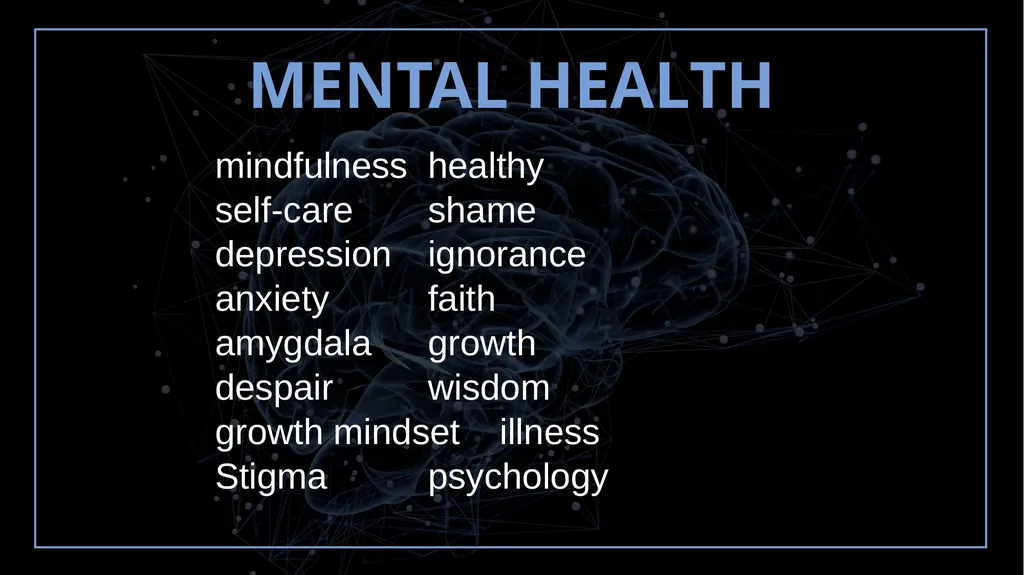


Description: mindfulness healthy self-care shame depression ignorance anxiety faith amygdala growth despair wisdom growth mindset illness Stigma psychology MENTAL HEALTH We all have mental health Created by God Acknowledging this is helpful 2.
Related Topics
Download Presentation
"mindfulness healthy self-care shame depression" is the property of its rightful owner. Permission is granted to download and print the materials on this website for personal, non-commercial use only, and to display it on your personal computer provided you do not modify the materials and that you retain all copyright notices contained in the materials. By downloading content from our website, you accept the terms of this agreement.
Presentation Transcript
slide2. mindfulness healthy
self-care shame
depression ignorance
anxiety faith
amygdala growth
despair wisdom
growth mindset illness
Stigma psychology MENTAL HEALTH<br>
slide3. We all have mental health
Created by God
Acknowledging this is helpful
2. Christians can have mental health
and still be Christians
Cannot assume a person with a mental illness has a weak faith
More in common than different
- Acknowledging this helps us to connect GREY MATTERS<br>
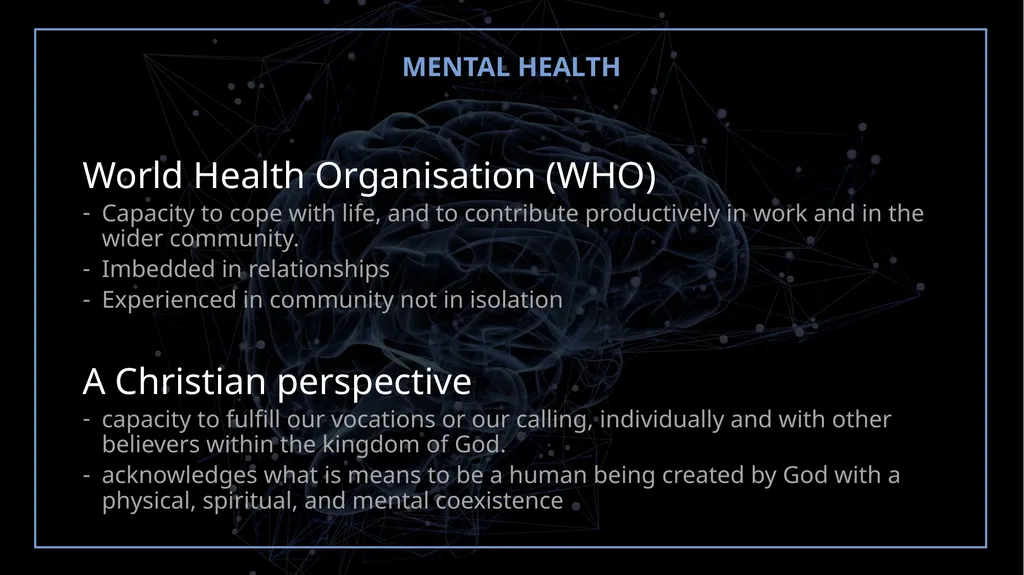
slide6. MENTAL HEALTH World Health Organisation (WHO)
Capacity to cope with life, and to contribute productively in work and in the wider community.
Imbedded in relationships
Experienced in community not in isolation
A Christian perspective
capacity to fulfill our vocations or our calling, individually and with other believers within the kingdom of God.
acknowledges what is means to be a human being created by God with a physical, spiritual, and mental coexistence<br>
slide7. Physical in mental health and much mental in physical health
Humans are biological, psychological and social
Inseparable aspects that affect one another in different ways<br>
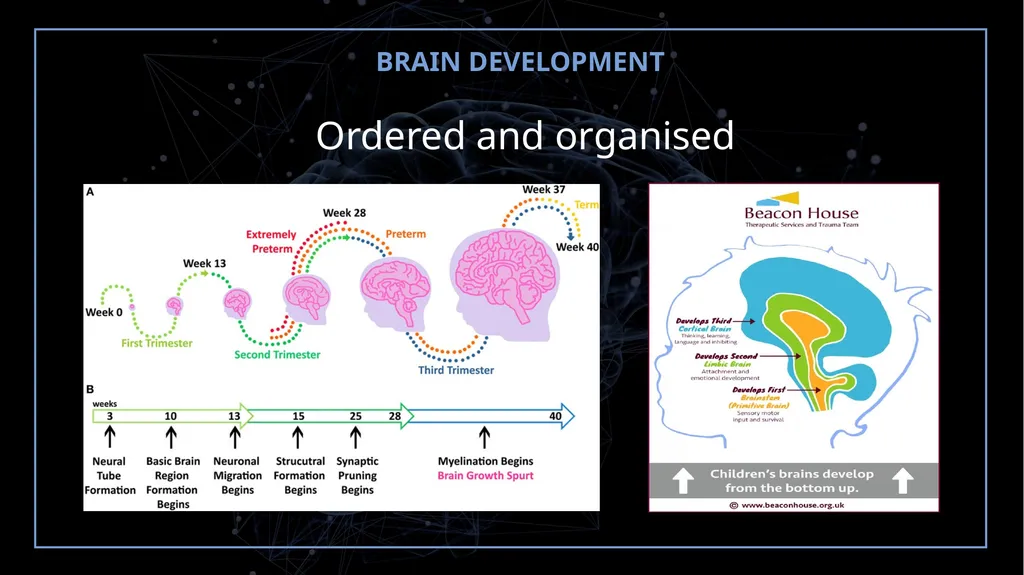
slide8. BRAIN DEVELOPMENT Ordered and organised<br>
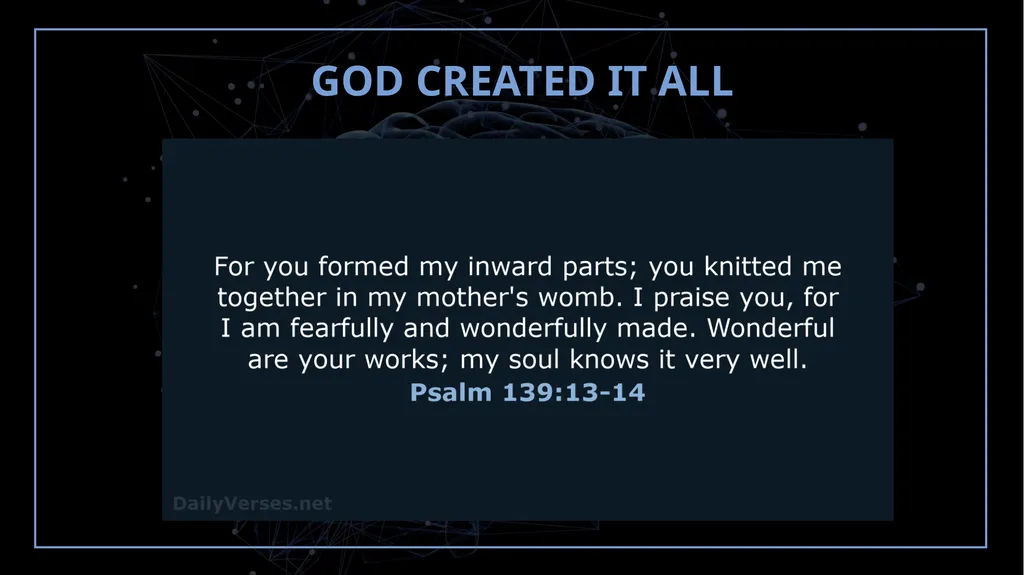
slide9. GOD CREATED IT ALL<br>
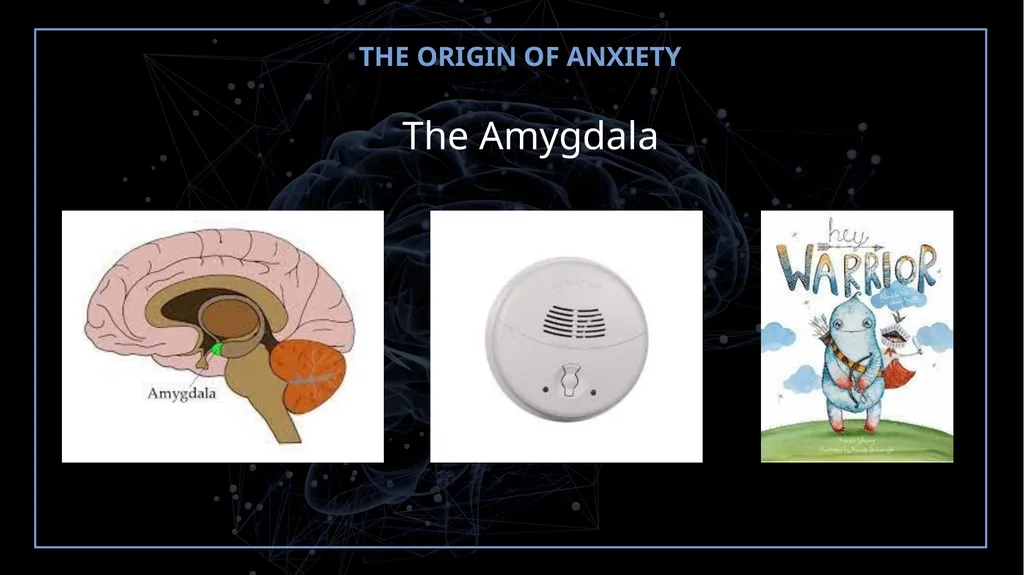
slide10. THE ORIGIN OF ANXIETY The Amygdala<br>
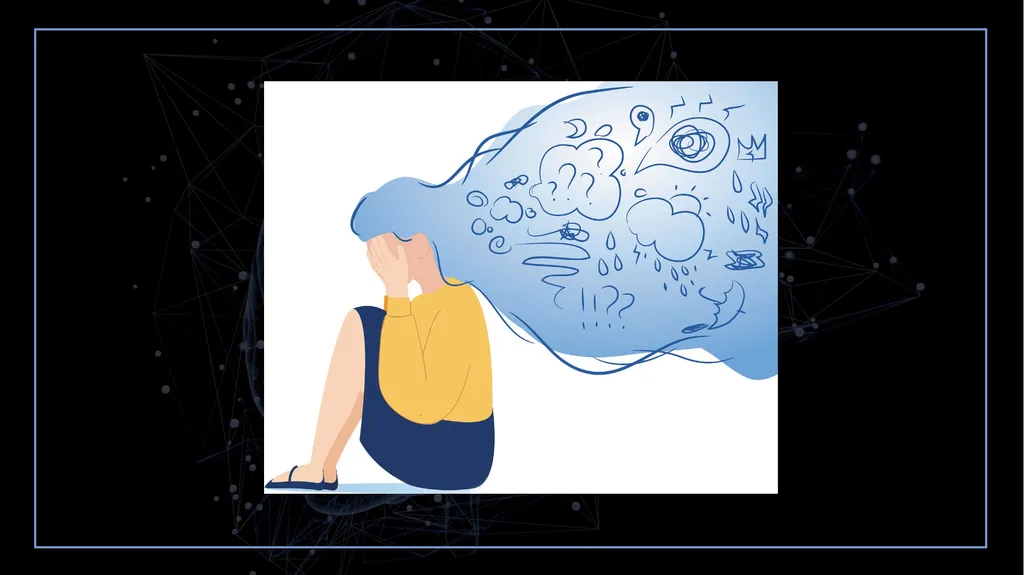
slide11. MENTAL HEALTH – when it isn’t well<br>
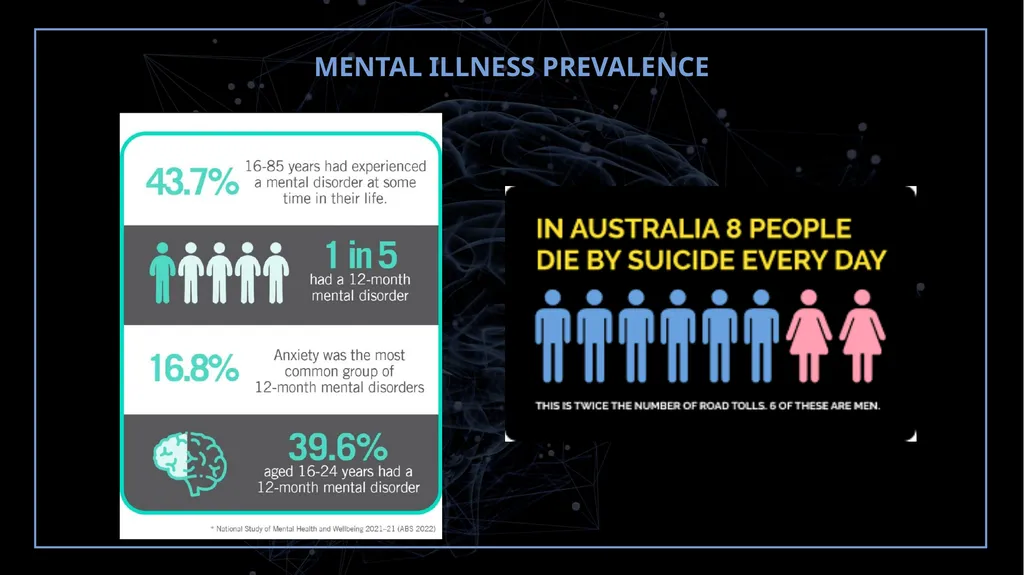
slide12. MENTAL ILLNESS PREVALENCE<br>
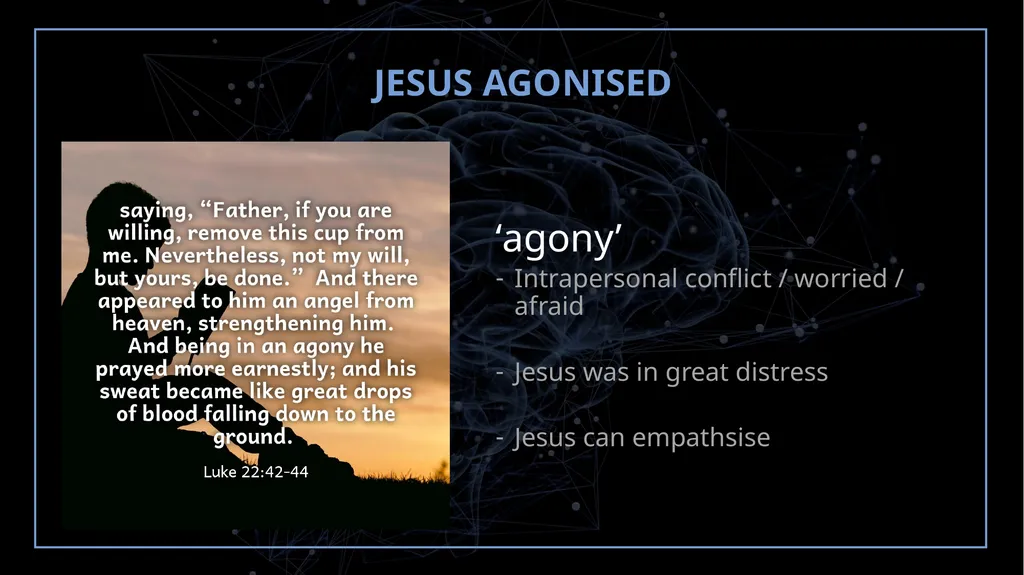
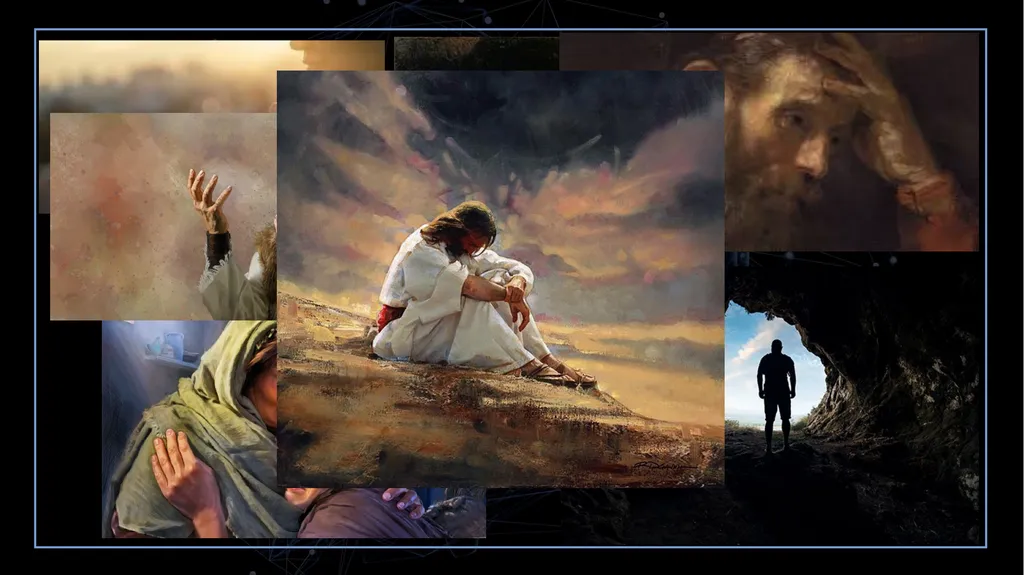
slide13. JESUS AGONISED ‘agony’
Intrapersonal conflict / worried / afraid
Jesus was in great distress
Jesus can empathsise<br>
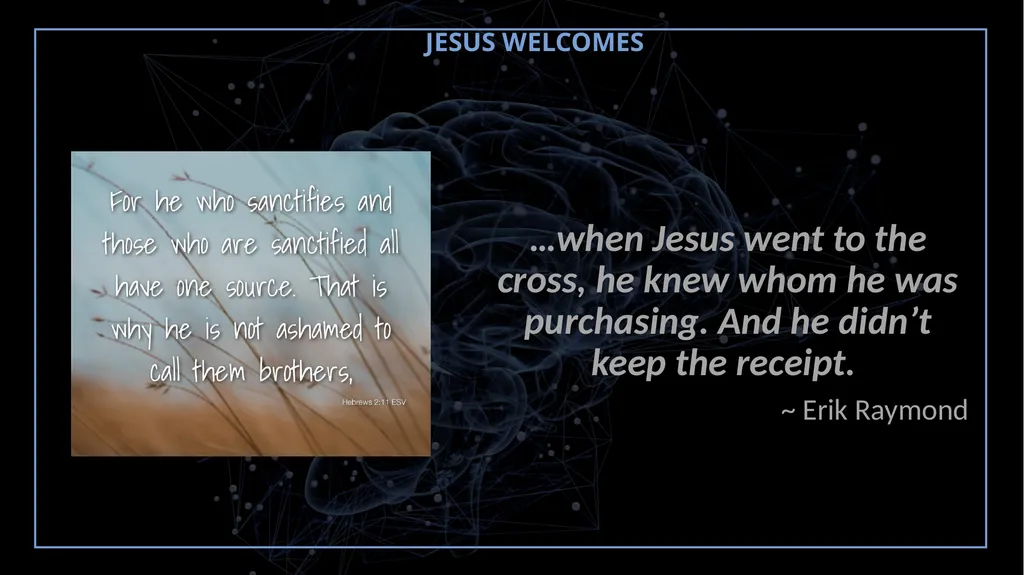
slide14. JESUS WELCOMES …when Jesus went to the cross, he knew whom he was purchasing. And he didn’t keep the receipt.
~ Erik Raymond<br>
slide15. GOD CARES FOR US IN & THROUGH OUR MENTAL HEALTH Mental health challenges affect us in our inner being
Suffering with mental health challenges can make us aware of God and bring him into a right view
We either thank God or shake our fist at God<br>
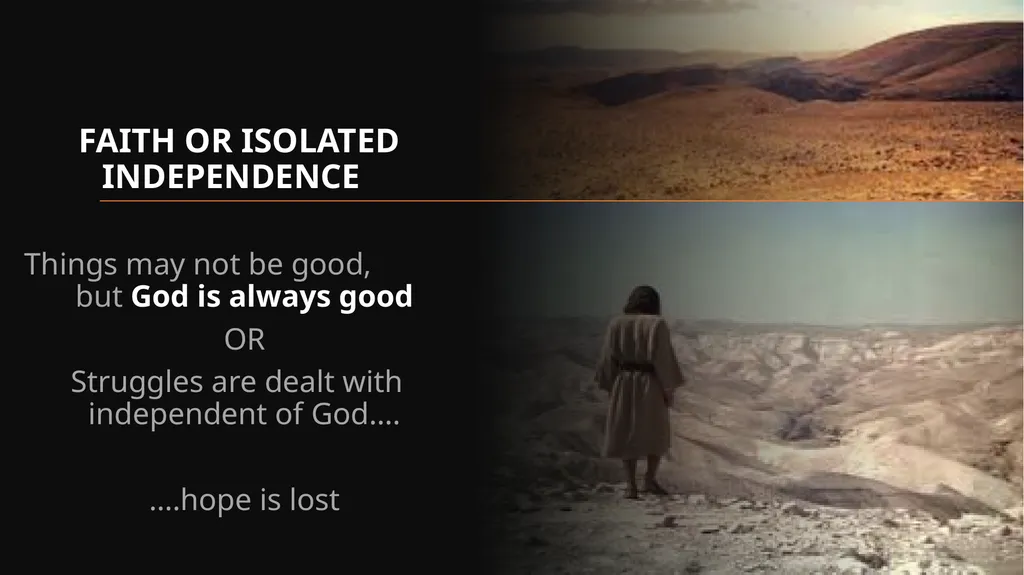
slide16. FAITH OR ISOLATED INDEPENDENCE Things may not be good, but God is always good
OR
Struggles are dealt with independent of God….
….hope is lost<br>
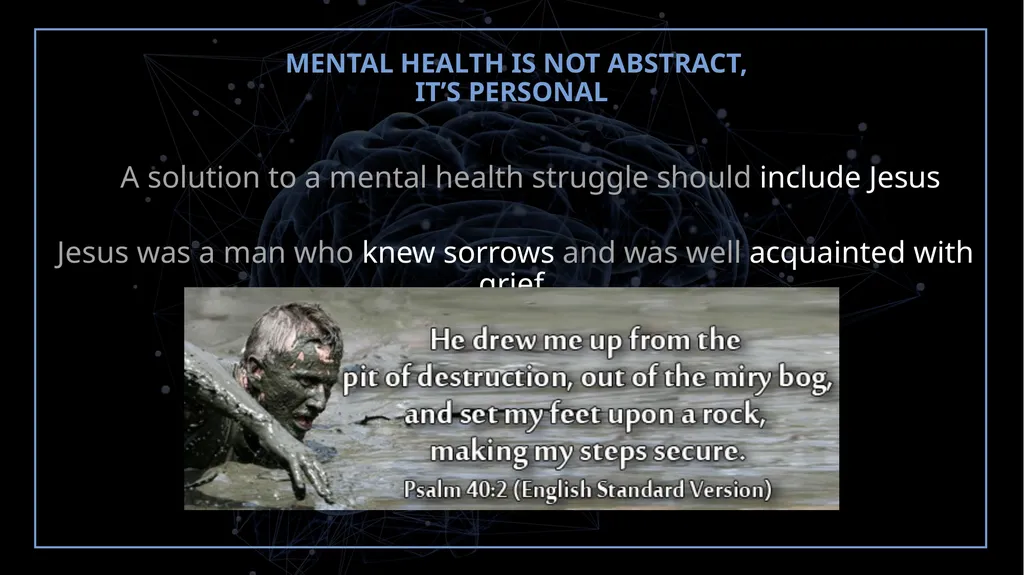
slide17. MENTAL HEALTH IS NOT ABSTRACT, IT’S PERSONAL A solution to a mental health struggle should include Jesus
Jesus was a man who knew sorrows and was well acquainted with grief.<br>
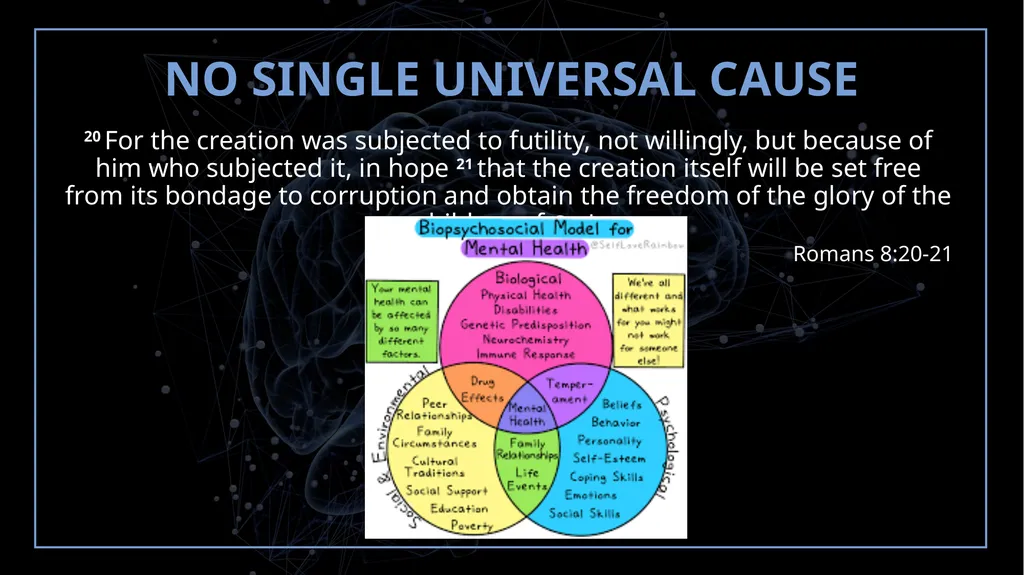
slide18. NO SINGLE UNIVERSAL CAUSE 20 For the creation was subjected to futility, not willingly, but because of him who subjected it, in hope 21 that the creation itself will be set free from its bondage to corruption and obtain the freedom of the glory of the children of God.
Romans 8:20-21<br>
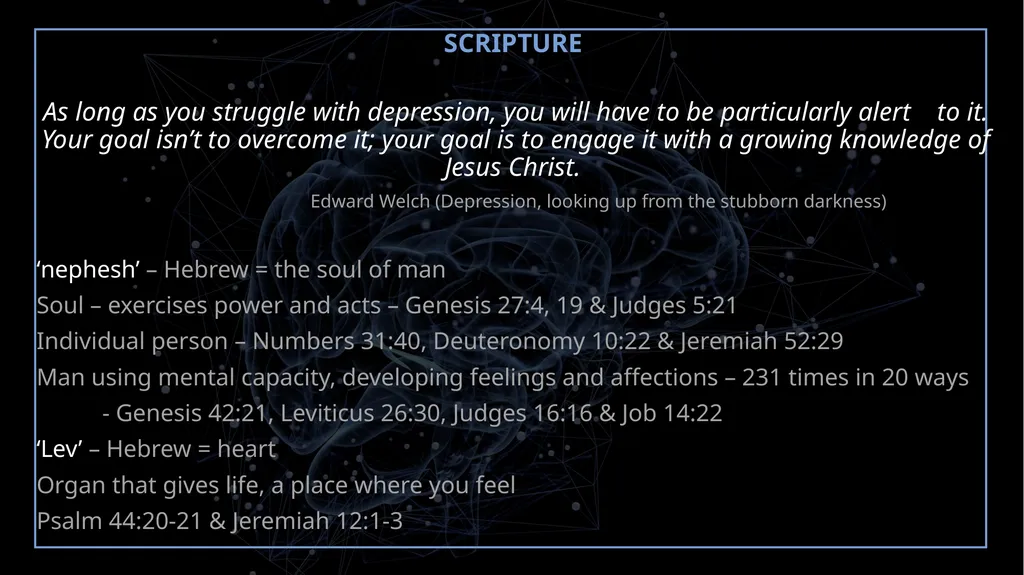
slide19. SCRIPTURE As long as you struggle with depression, you will have to be particularly alert to it. Your goal isn’t to overcome it; your goal is to engage it with a growing knowledge of Jesus Christ.
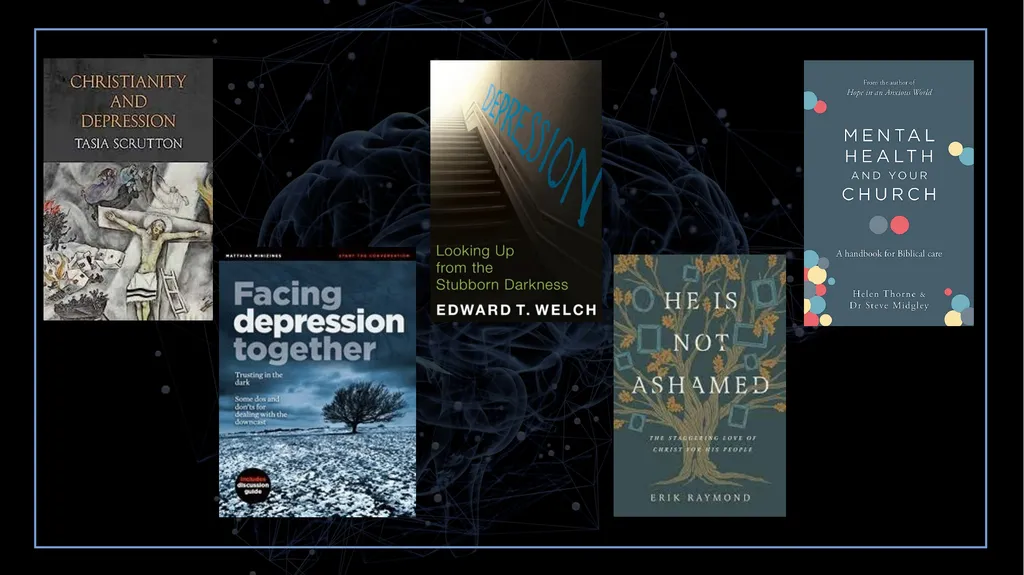
Edward Welch (Depression, looking up from the stubborn darkness)
‘nephesh’ – Hebrew = the soul of man
Soul – exercises power and acts – Genesis 27:4, 19 & Judges 5:21
Individual person – Numbers 31:40, Deuteronomy 10:22 & Jeremiah 52:29
Man using mental capacity, developing feelings and affections – 231 times in 20 ways
- Genesis 42:21, Leviticus 26:30, Judges 16:16 & Job 14:22
‘Lev’ – Hebrew = heart
Organ that gives life, a place where you feel
Psalm 44:20-21 & Jeremiah 12:1-3<br>
slide20. SCRIPTURE THE SAME GOSPEL APPLIES TO ALL
We need to resist the idea that believers with mental illnesses are in a place or are a people where scripture no longer has a voice<br>
slide21. DOES A DIAGNOSIS MATTER?? Can describe what a person is afflicted by, but it does not explain why or how a person experiences their mental illness
Implications to our understanding, or lack thereof, and how we treat a person with a mental illness
Describing a person’s mental health is not restricted to the afflicted…..introducing the mental health spectrum<br>
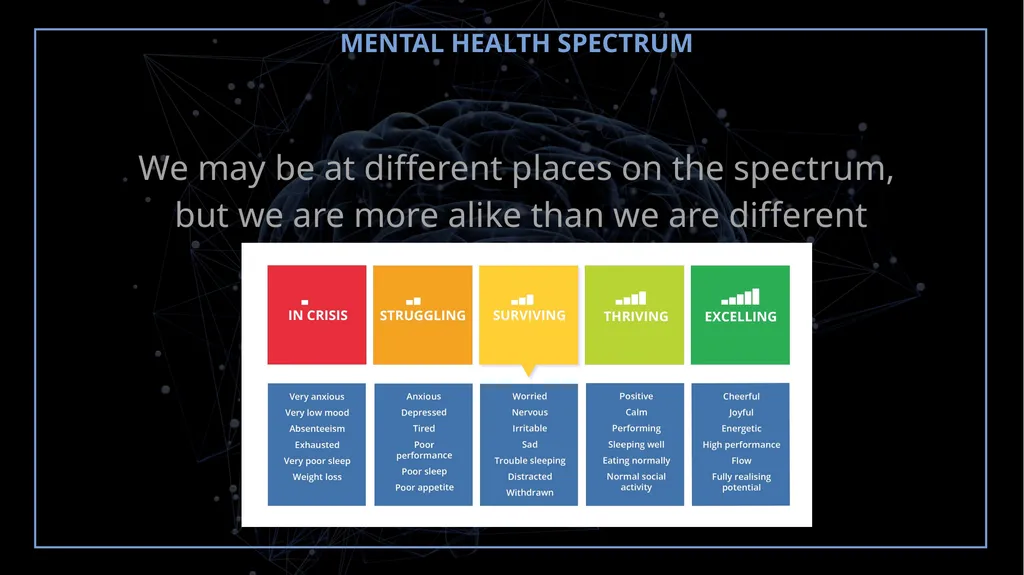
slide22. MENTAL HEALTH SPECTRUM We may be at different places on the spectrum,
but we are more alike than we are different<br>
slide23. MENTAL HEALTH IN CHRISTIAN COMMUNITIES The mind can descend far lower than the body, for in it there are bottomless pits. The flesh can bear only a certain number of wounds and no more, but the soul can bleed in ten thousand ways, and die over and over again each hour.
~ Charles Spurgeon
How a person experiences a mental health challenge, including how they experience others, shapes their perception of it.<br>
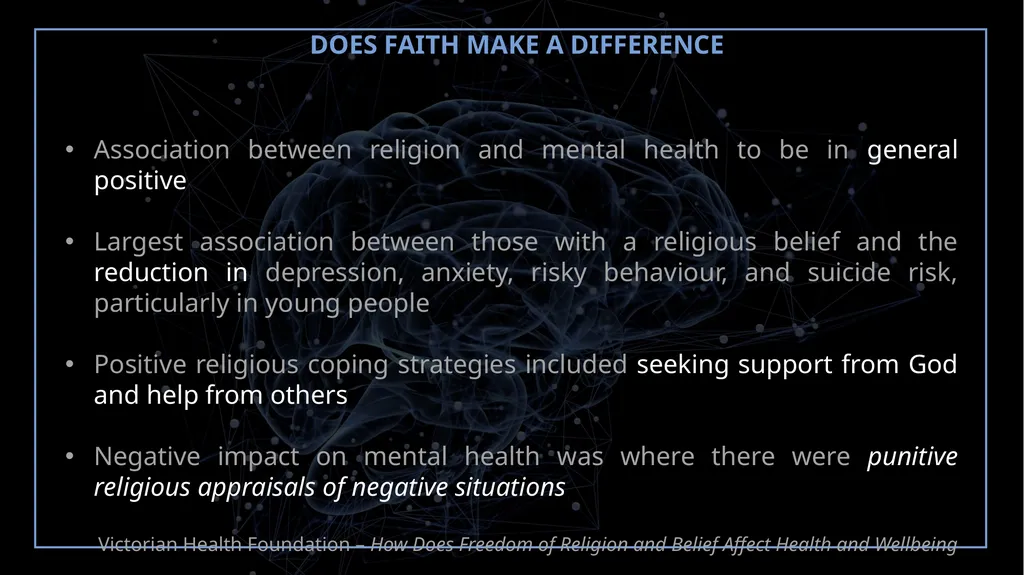
slide24. DOES FAITH MAKE A DIFFERENCE Association between religion and mental health to be in general positive
Largest association between those with a religious belief and the reduction in depression, anxiety, risky behaviour, and suicide risk, particularly in young people
Positive religious coping strategies included seeking support from God and help from others
Negative impact on mental health was where there were punitive religious appraisals of negative situations
Victorian Health Foundation – How Does Freedom of Religion and Belief Affect Health and Wellbeing<br>
slide26. WHAT CAN A CHURCH DO? Doing nothing isn’t an option….
Being the sole fixer isn’t the answer….churches should do what they are called to do best, point people to Christ
Churches can love and support those afflicted in achievable and appropriate ways:
Welcoming
Acknowledging the struggles
Help them find biblical transformative truths with tenderness
The goal is not to heal someone - healing is never promised this side of heaven – the goal is for them to find support and hope<br>
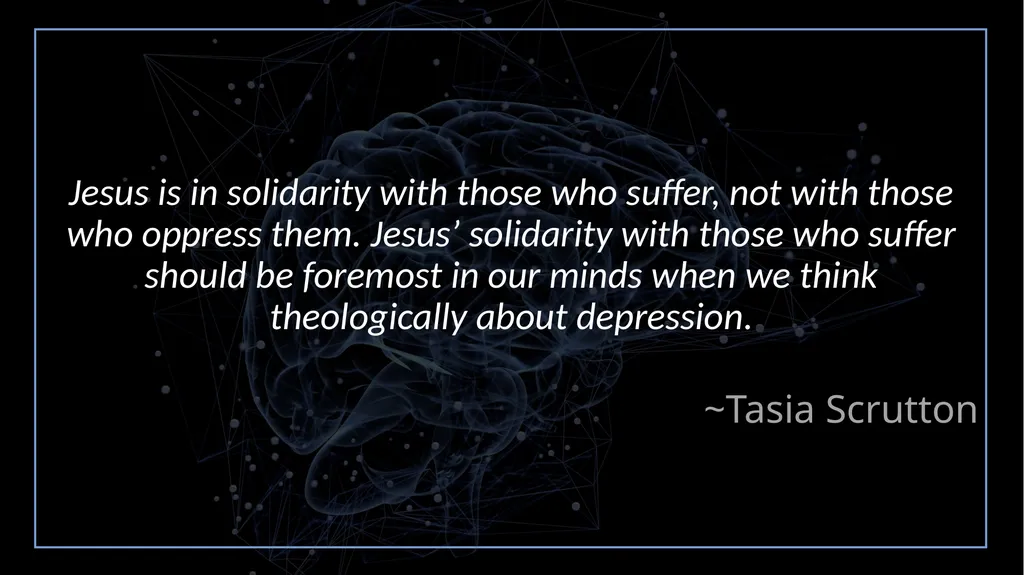
slide27. Jesus is in solidarity with those who suffer, not with those who oppress them. Jesus’ solidarity with those who suffer should be foremost in our minds when we think theologically about depression.
~Tasia Scrutton<br>
self-care shame
depression ignorance
anxiety faith
amygdala growth
despair wisdom
growth mindset illness
Stigma psychology MENTAL HEALTH<br>
slide3. We all have mental health
Created by God
Acknowledging this is helpful
2. Christians can have mental health
and still be Christians
Cannot assume a person with a mental illness has a weak faith
More in common than different
- Acknowledging this helps us to connect GREY MATTERS<br>
slide6. MENTAL HEALTH World Health Organisation (WHO)
Capacity to cope with life, and to contribute productively in work and in the wider community.
Imbedded in relationships
Experienced in community not in isolation
A Christian perspective
capacity to fulfill our vocations or our calling, individually and with other believers within the kingdom of God.
acknowledges what is means to be a human being created by God with a physical, spiritual, and mental coexistence<br>
slide7. Physical in mental health and much mental in physical health
Humans are biological, psychological and social
Inseparable aspects that affect one another in different ways<br>
slide8. BRAIN DEVELOPMENT Ordered and organised<br>
slide9. GOD CREATED IT ALL<br>
slide10. THE ORIGIN OF ANXIETY The Amygdala<br>
slide11. MENTAL HEALTH – when it isn’t well<br>
slide12. MENTAL ILLNESS PREVALENCE<br>
slide13. JESUS AGONISED ‘agony’
Intrapersonal conflict / worried / afraid
Jesus was in great distress
Jesus can empathsise<br>
slide14. JESUS WELCOMES …when Jesus went to the cross, he knew whom he was purchasing. And he didn’t keep the receipt.
~ Erik Raymond<br>
slide15. GOD CARES FOR US IN & THROUGH OUR MENTAL HEALTH Mental health challenges affect us in our inner being
Suffering with mental health challenges can make us aware of God and bring him into a right view
We either thank God or shake our fist at God<br>
slide16. FAITH OR ISOLATED INDEPENDENCE Things may not be good, but God is always good
OR
Struggles are dealt with independent of God….
….hope is lost<br>
slide17. MENTAL HEALTH IS NOT ABSTRACT, IT’S PERSONAL A solution to a mental health struggle should include Jesus
Jesus was a man who knew sorrows and was well acquainted with grief.<br>
slide18. NO SINGLE UNIVERSAL CAUSE 20 For the creation was subjected to futility, not willingly, but because of him who subjected it, in hope 21 that the creation itself will be set free from its bondage to corruption and obtain the freedom of the glory of the children of God.
Romans 8:20-21<br>
slide19. SCRIPTURE As long as you struggle with depression, you will have to be particularly alert to it. Your goal isn’t to overcome it; your goal is to engage it with a growing knowledge of Jesus Christ.
Edward Welch (Depression, looking up from the stubborn darkness)
‘nephesh’ – Hebrew = the soul of man
Soul – exercises power and acts – Genesis 27:4, 19 & Judges 5:21
Individual person – Numbers 31:40, Deuteronomy 10:22 & Jeremiah 52:29
Man using mental capacity, developing feelings and affections – 231 times in 20 ways
- Genesis 42:21, Leviticus 26:30, Judges 16:16 & Job 14:22
‘Lev’ – Hebrew = heart
Organ that gives life, a place where you feel
Psalm 44:20-21 & Jeremiah 12:1-3<br>
slide20. SCRIPTURE THE SAME GOSPEL APPLIES TO ALL
We need to resist the idea that believers with mental illnesses are in a place or are a people where scripture no longer has a voice<br>
slide21. DOES A DIAGNOSIS MATTER?? Can describe what a person is afflicted by, but it does not explain why or how a person experiences their mental illness
Implications to our understanding, or lack thereof, and how we treat a person with a mental illness
Describing a person’s mental health is not restricted to the afflicted…..introducing the mental health spectrum<br>
slide22. MENTAL HEALTH SPECTRUM We may be at different places on the spectrum,
but we are more alike than we are different<br>
slide23. MENTAL HEALTH IN CHRISTIAN COMMUNITIES The mind can descend far lower than the body, for in it there are bottomless pits. The flesh can bear only a certain number of wounds and no more, but the soul can bleed in ten thousand ways, and die over and over again each hour.
~ Charles Spurgeon
How a person experiences a mental health challenge, including how they experience others, shapes their perception of it.<br>
slide24. DOES FAITH MAKE A DIFFERENCE Association between religion and mental health to be in general positive
Largest association between those with a religious belief and the reduction in depression, anxiety, risky behaviour, and suicide risk, particularly in young people
Positive religious coping strategies included seeking support from God and help from others
Negative impact on mental health was where there were punitive religious appraisals of negative situations
Victorian Health Foundation – How Does Freedom of Religion and Belief Affect Health and Wellbeing<br>
slide26. WHAT CAN A CHURCH DO? Doing nothing isn’t an option….
Being the sole fixer isn’t the answer….churches should do what they are called to do best, point people to Christ
Churches can love and support those afflicted in achievable and appropriate ways:
Welcoming
Acknowledging the struggles
Help them find biblical transformative truths with tenderness
The goal is not to heal someone - healing is never promised this side of heaven – the goal is for them to find support and hope<br>
slide27. Jesus is in solidarity with those who suffer, not with those who oppress them. Jesus’ solidarity with those who suffer should be foremost in our minds when we think theologically about depression.
~Tasia Scrutton<br>