NCA5 Website: https:nca2023.globalchange.gov Chapter Website: https:nca2023.globalchange.govchapter5 NCA5 Atlas: https:atlas.globalchange.gov Figure captions: Captions can be found in the slide notes of this deck Social media:
"NCA5 Website: https://nca2023.globalchange.gov" is the property of its rightful owner. Permission is granted to
download and print the materials on this website for personal, non-commercial use only, and to display it
on your personal computer provided you do not modify the materials and that you retain all copyright
notices contained in the materials. By downloading content from our website, you accept the terms of this
agreement.
Presentation Transcript
01
NCA5 Website: https://nca2023.globalchange.gov
Chapter Website: https://nca2023.globalchange.gov/chapter/5
NCA5 Atlas: https://atlas.globalchange.gov
Figure captions: Captions can be found in the slide notes of this deck
Social media: @usgcrp, #NCA5<br>
02
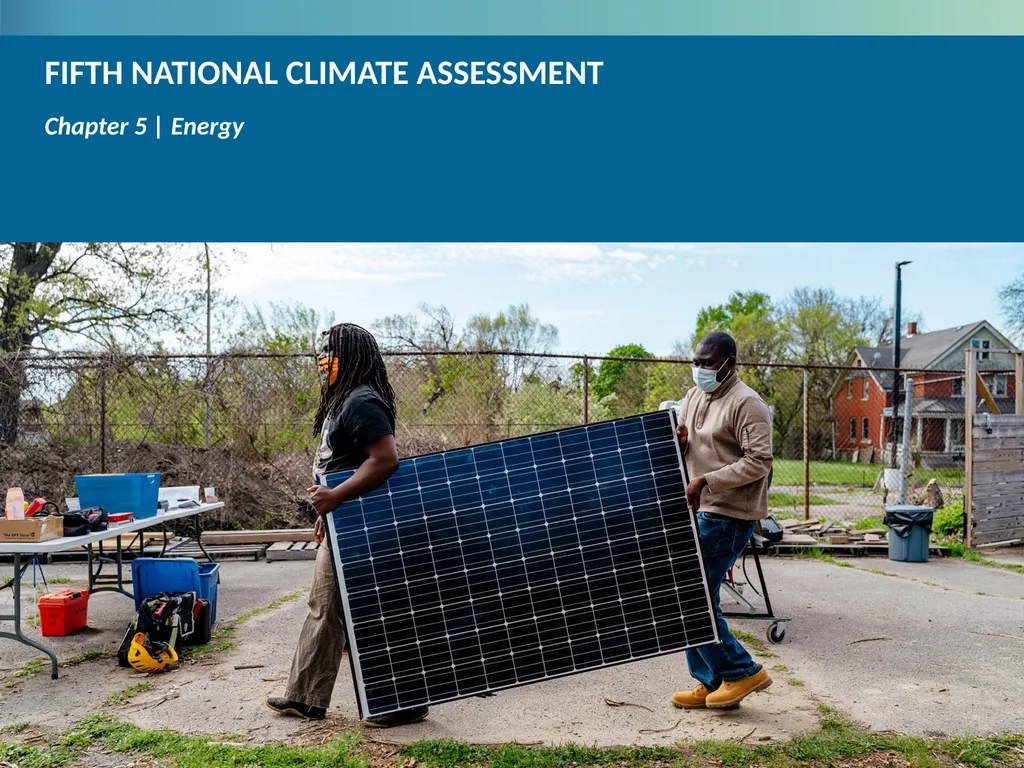
Chapter 5 | Energy<br>
03
Climate Change Threatens Energy Systems Energy supply and delivery are at risk from climate-driven changes, which are also shifting demand (virtually certain, very high confidence). Climate change threats, including increases in extreme precipitation, extreme temperatures, sea level rise, and more intense storms, droughts, and wildfires, are damaging infrastructure and operations and affecting human lives and livelihoods (virtually certain, very high confidence). Impacts will vary over time and location (virtually certain, very high confidence). Without mitigation and adaptation, projected increases in the frequency, intensity, duration, and variability of extreme events will amplify effects on energy systems (virtually certain, very high confidence). 1<br>
04
Compounding Factors Affect Energy-System and Community Vulnerabilities Concurrent changes in technologies, policies, and markets, in addition to their interconnections, can reduce GHG emissions while also increasing vulnerabilities of energy systems and communities to climate change and extreme weather (very likely, very high confidence). Compound and cascading hazards related to energy systems and additional stressors, such as cyber and physical threats and pandemics, create risks for all but disproportionately affect overburdened communities (very likely, very high confidence). 2<br>
05
Efforts to Enhance Energy System Resilience Are Underway Federal, state, local, Tribal, and private-sector investments are being made to increase the resilience of the energy system to climate-related stressors, and opportunities exist to build upon this progress (very high confidence). Ongoing investments will need to include improvements in energy-efficient buildings; technology to decarbonize the energy system; advanced automation and communication and artificial intelligence technologies to optimize operations; climate modeling and planning methodologies under uncertainties; and efforts to increase equitable access to clean energy (very high confidence). An energy system transition emphasizing decarbonization and electrification would require efforts in new generation, transmission, distribution, and fuel delivery (very high confidence). 3<br>
06
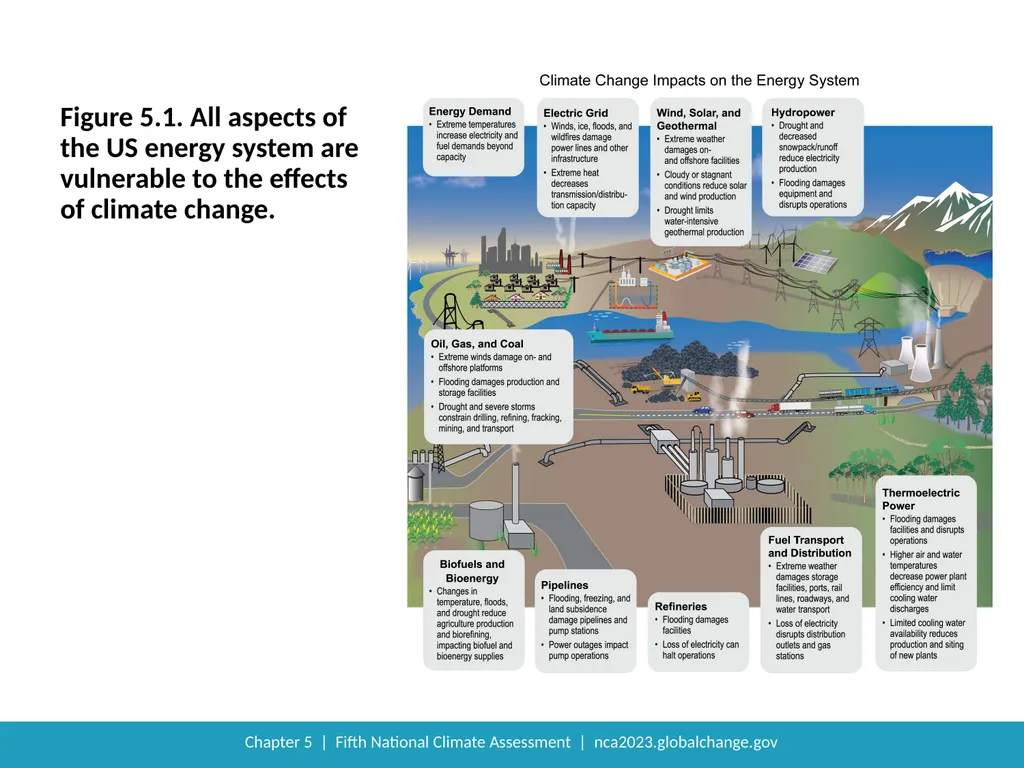
Figure 5.1. All aspects of the US energy system are vulnerable to the effects of climate change.<br>
07
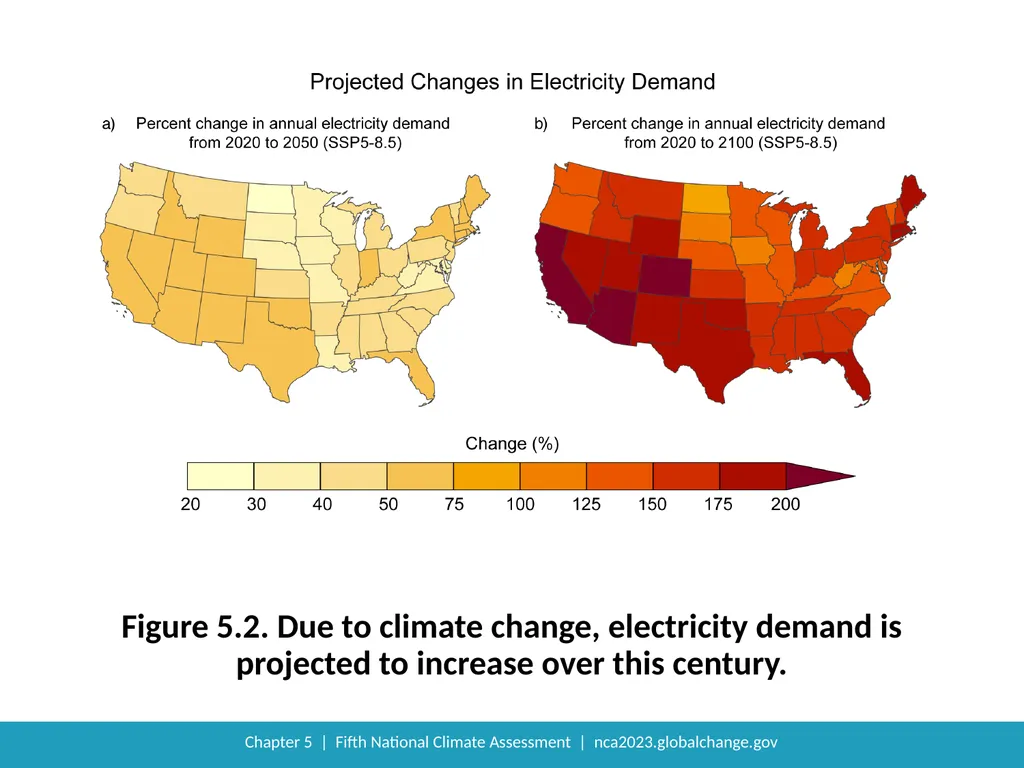
Figure 5.2. Due to climate change, electricity demand is projected to increase over this century.<br>
08
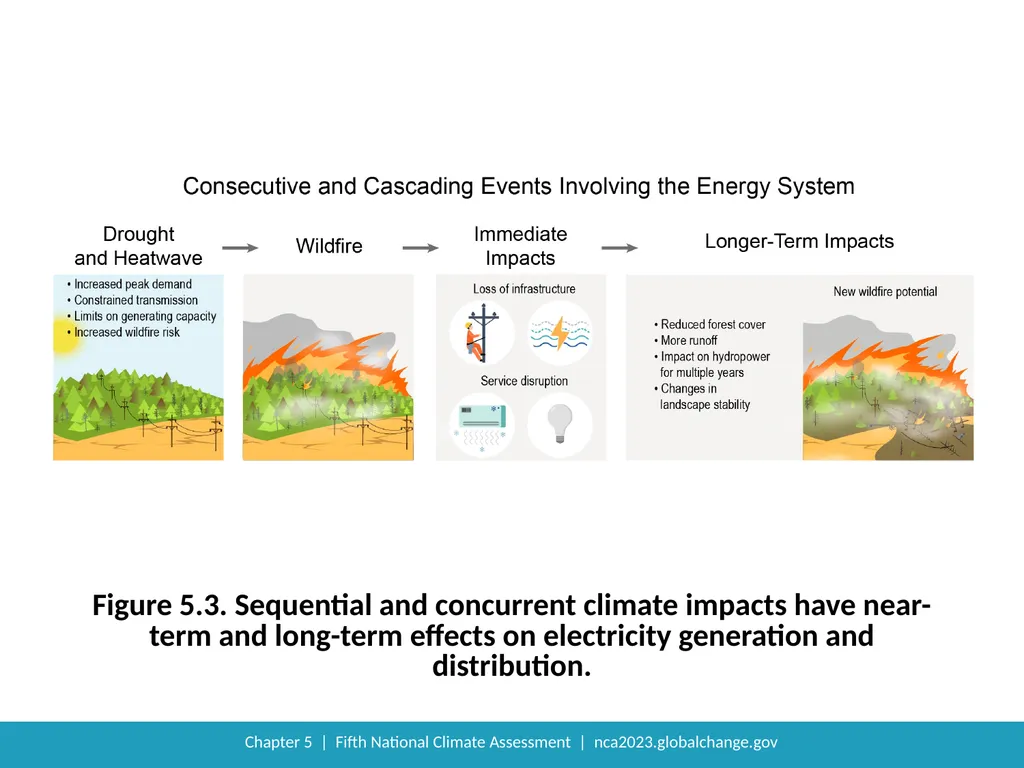
Figure 5.3. Sequential and concurrent climate impacts have near-term and long-term effects on electricity generation and distribution.<br>
09
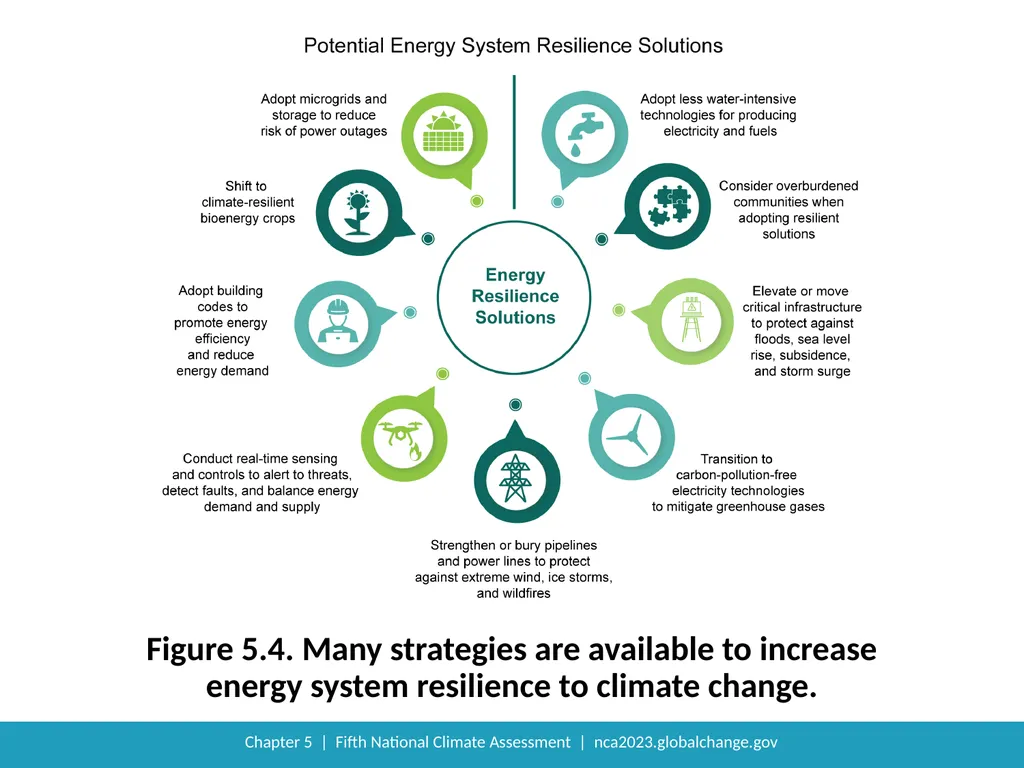
Figure 5.4. Many strategies are available to increase energy system resilience to climate change.<br>
10
Figure 5.5. A reimagination of building design and operation is being driven by decarbonization goals.<br>
11
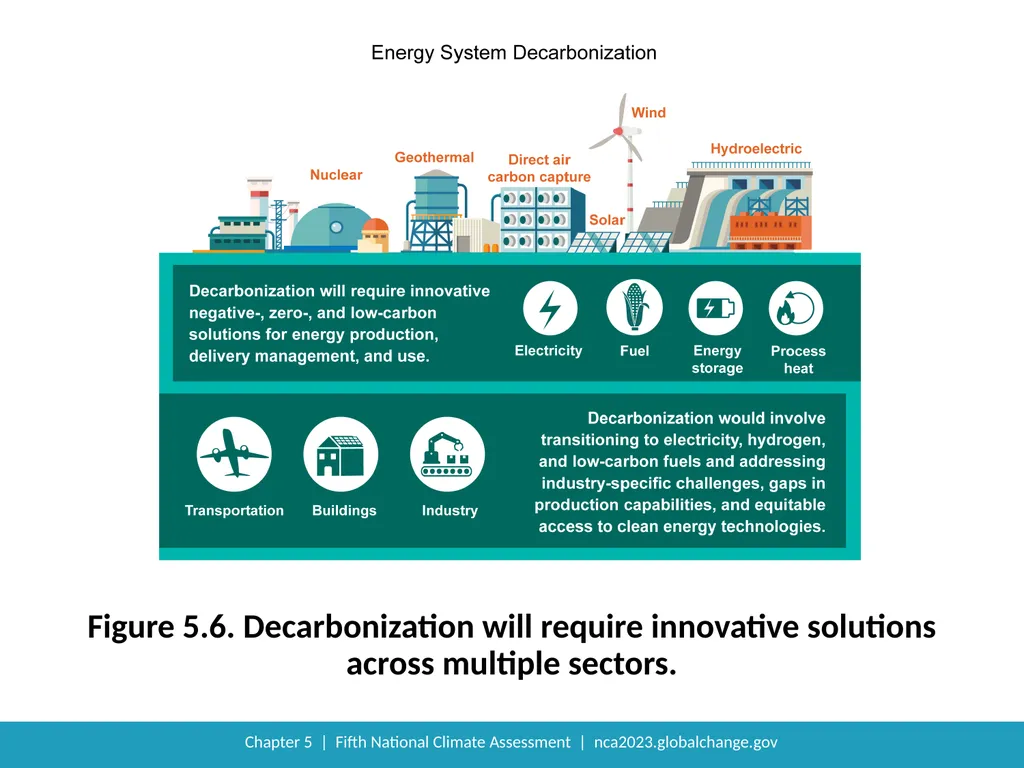
Figure 5.6. Decarbonization will require innovative solutions across multiple sectors.<br>
12
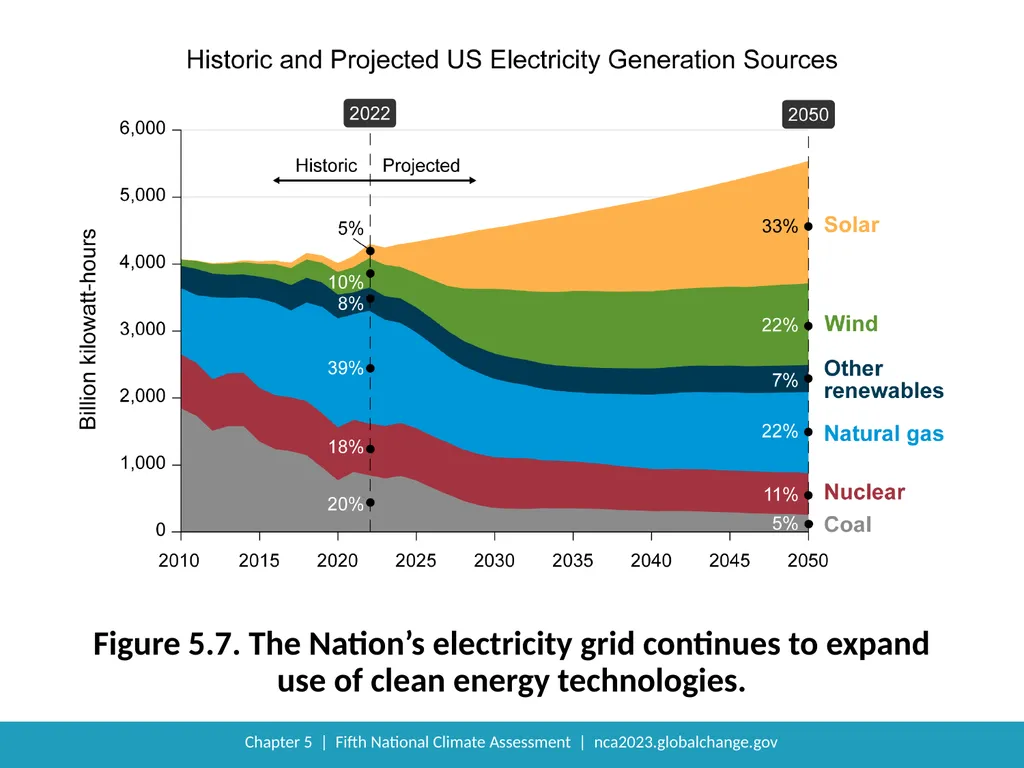
Figure 5.7. The Nation’s electricity grid continues to expand use of clean energy technologies.<br>
13
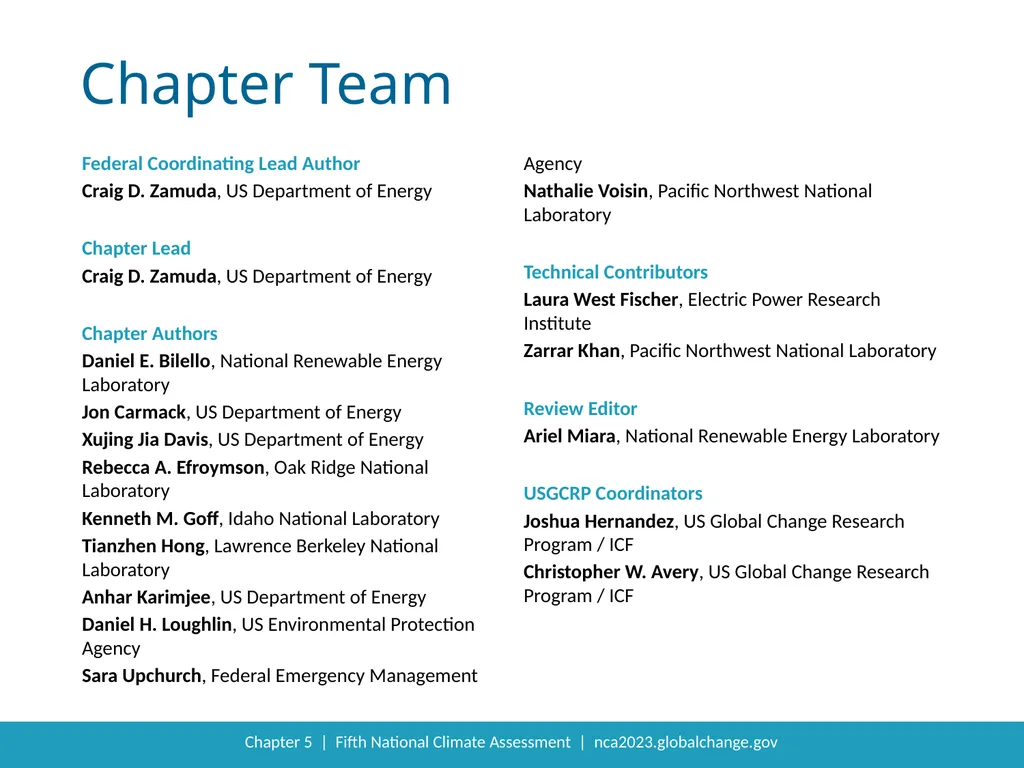
Federal Coordinating Lead Author
Craig D. Zamuda, US Department of Energy
Chapter Lead
Craig D. Zamuda, US Department of Energy
Chapter Authors
Daniel E. Bilello, National Renewable Energy Laboratory
Jon Carmack, US Department of Energy
Xujing Jia Davis, US Department of Energy
Rebecca A. Efroymson, Oak Ridge National Laboratory
Kenneth M. Goff, Idaho National Laboratory
Tianzhen Hong, Lawrence Berkeley National Laboratory
Anhar Karimjee, US Department of Energy
Daniel H. Loughlin, US Environmental Protection Agency
Sara Upchurch, Federal Emergency Management Agency
Nathalie Voisin, Pacific Northwest National Laboratory
Technical Contributors
Laura West Fischer, Electric Power Research Institute
Zarrar Khan, Pacific Northwest National Laboratory
Review Editor
Ariel Miara, National Renewable Energy Laboratory
USGCRP Coordinators
Joshua Hernandez, US Global Change Research Program / ICF
Christopher W. Avery, US Global Change Research Program / ICF<br>
14
Zamuda, C.D., D.E. Bilello, J. Carmack, X.J. Davis, R.A. Efroymson, K.M. Goff, T. Hong, A. Karimjee, D.H. Loughlin, S. Upchurch, and N. Voisin, 2023: Ch. 5. Energy supply, delivery, and demand. In: Fifth National Climate Assessment. Crimmins, A.R., C.W. Avery, D.R. Easterling, K.E. Kunkel, B.C. Stewart, and T.K. Maycock, Eds. U.S. Global Change Research Program, Washington, DC, USA. https://doi.org/10.7930/NCA5.2023.CH5 https://doi.org/10.7930/NCA5.2023.CH5 https://nca2023.globalchange.gov/chapter/5<br>