Numberblocks Support Materials Series 2, Episode 11 Odds and Evens Practitioner Notes Episode Description The Numberblocks get together to play bounceball - first they split into two teams of alternate numbers, who decide to call themselves
"Numberblocks Support Materials Series 2, Episode" is the property of its rightful owner. Permission is granted to
download and print the materials on this website for personal, non-commercial use only, and to display it
on your personal computer provided you do not modify the materials and that you retain all copyright
notices contained in the materials. By downloading content from our website, you accept the terms of this
agreement.
Presentation Transcript
01
Numberblocks Support Materials
Series 2, Episode 11
Odds and Evens<br>
02
Practitioner Notes<br>
03
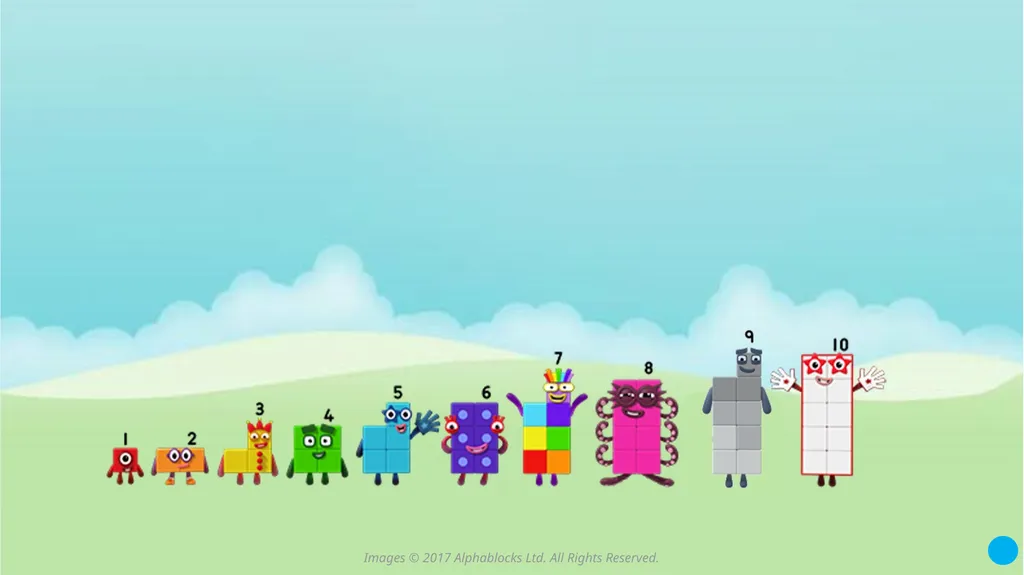
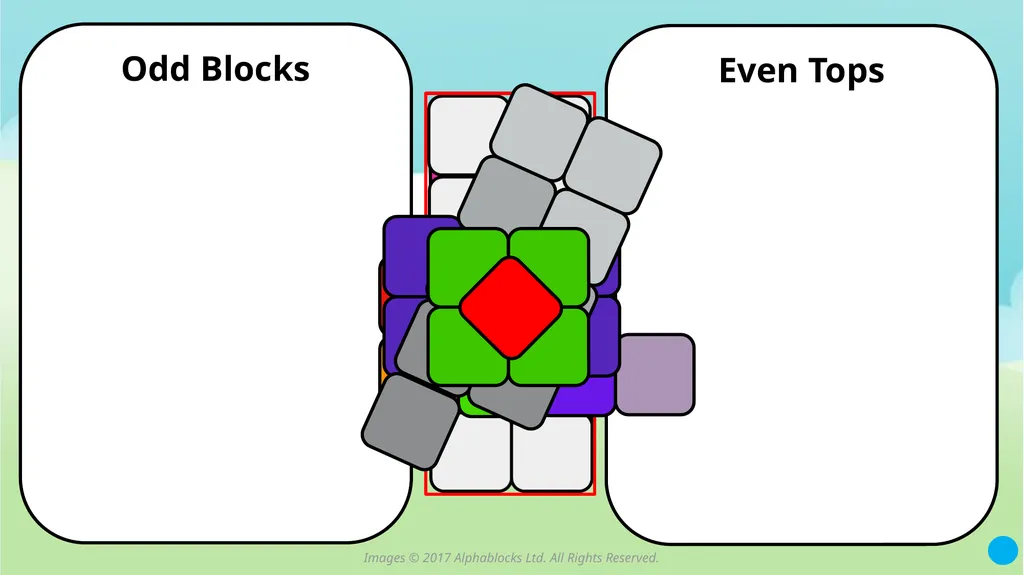
Episode Description The Numberblocks get together to play bounceball - first they split into two teams of alternate numbers, who decide to call themselves the Even Tops and the Odd Blocks. Wearing helmets, they face off across a net and bounce a ball on their heads to try to score. During the game they all split into Twos, turn into cheerleaders and hop onto each other, while One and Two commentate.<br>
04
Maths in the Episode Odds and Evens
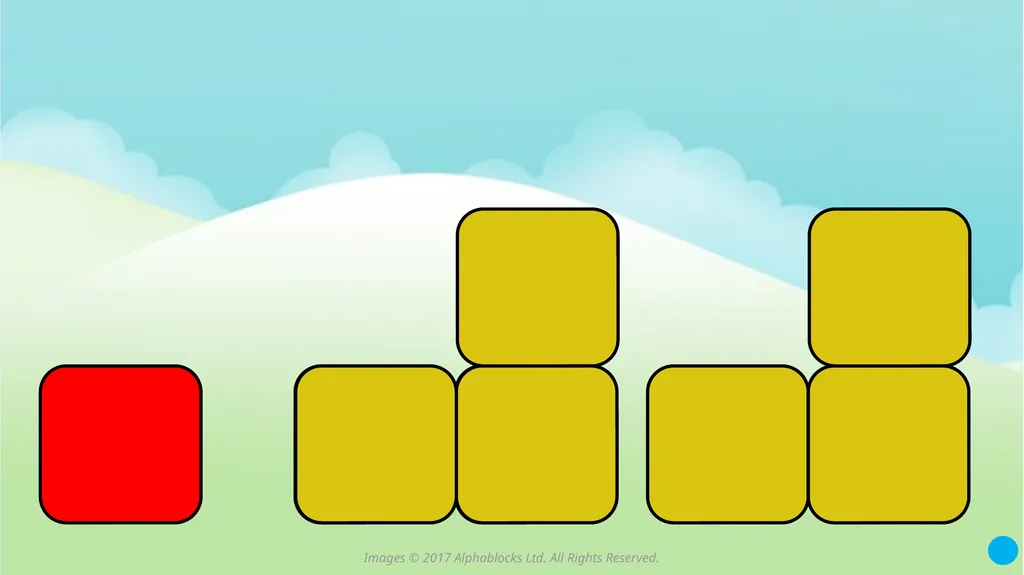
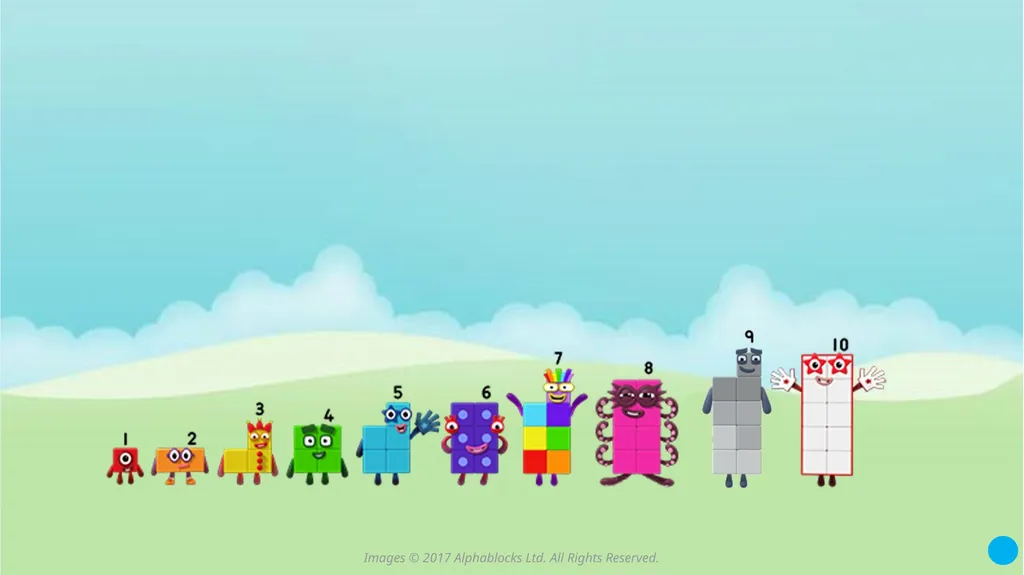
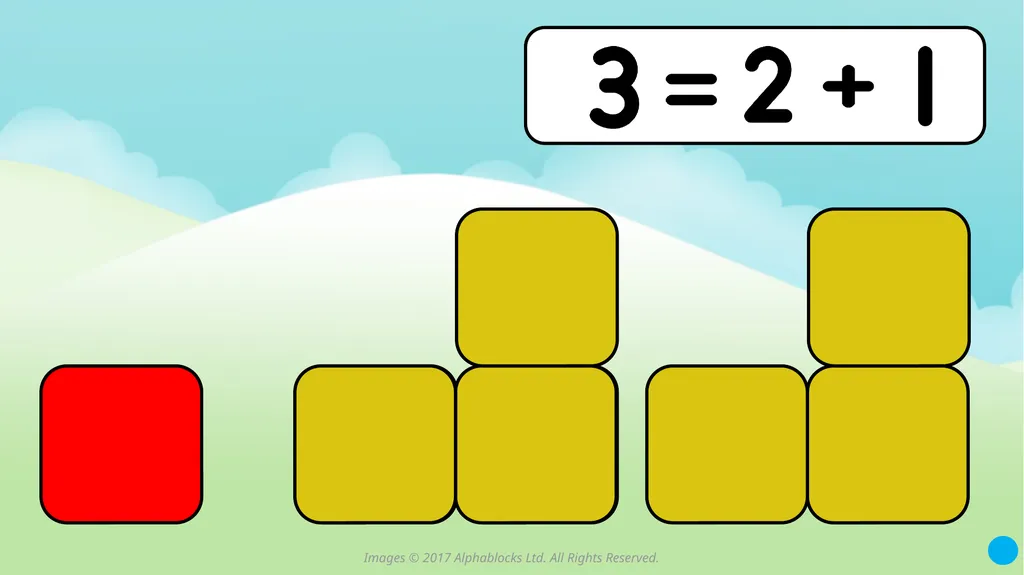
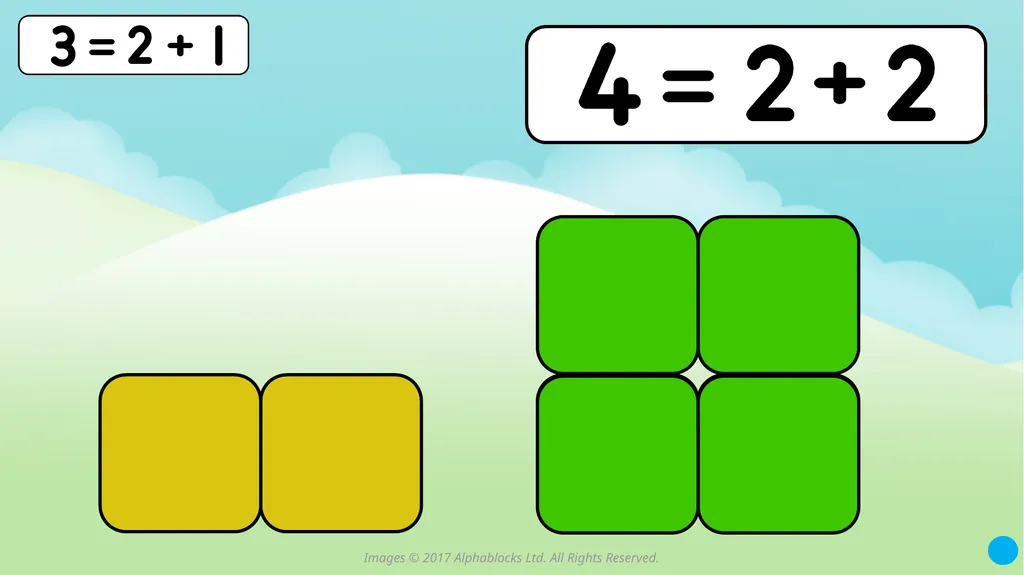
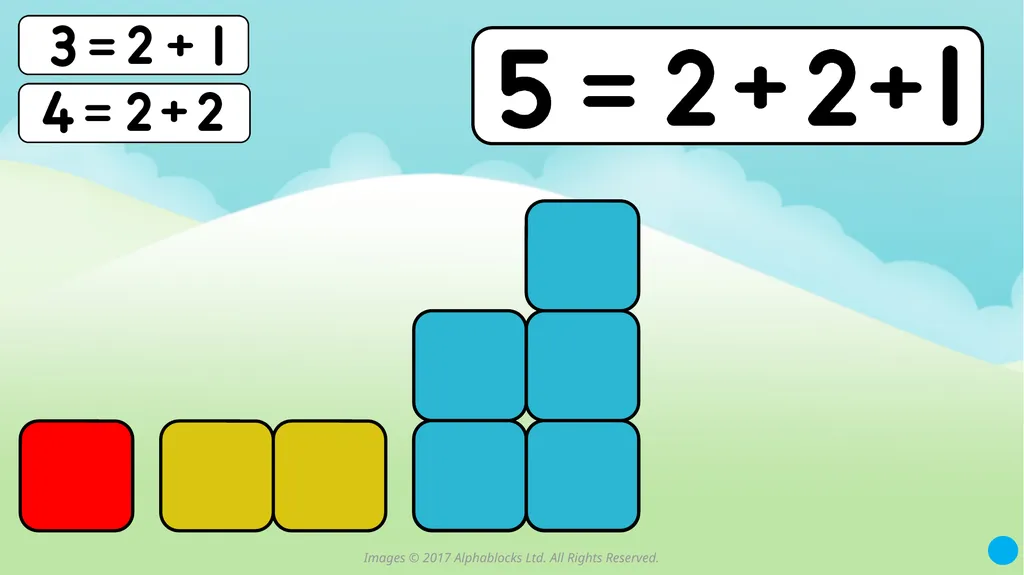
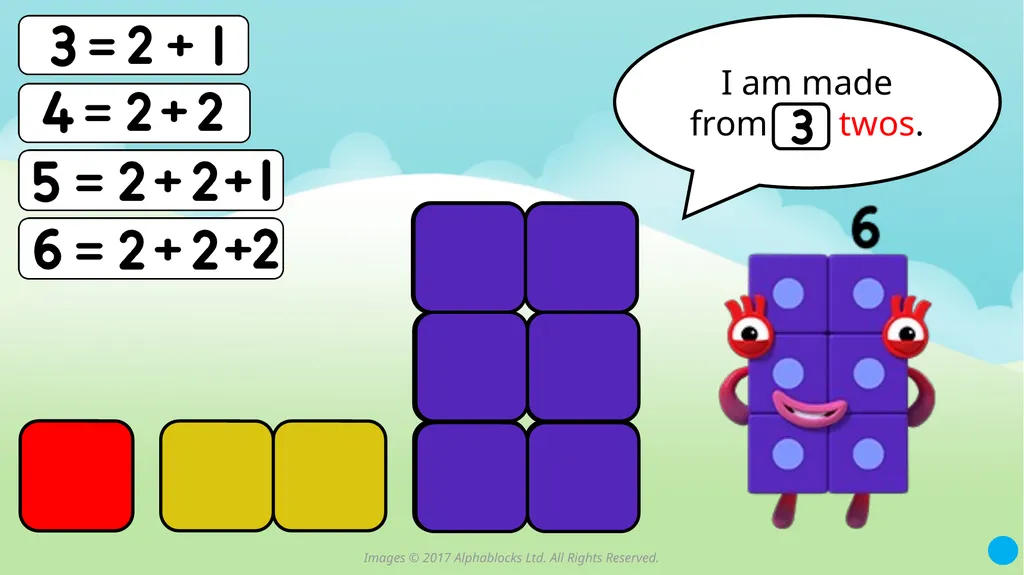
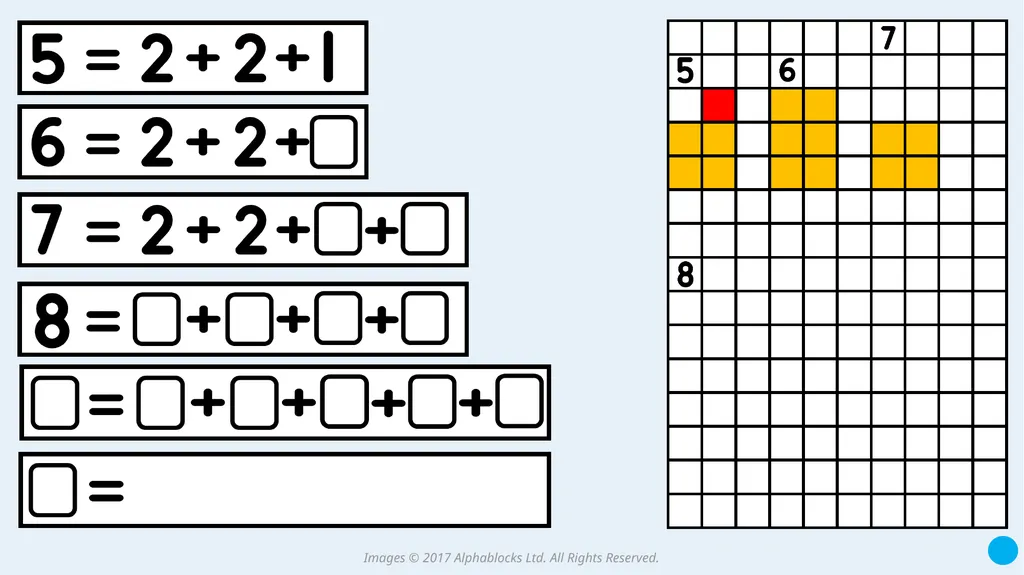
The Numberblocks are arranged ‘twowise’ to expose the odd and even structure of numbers 1-10. The even Numberblocks have smooth ‘even-top’ heads. The odd Numberblocks have an ‘odd’ block on top, illustrating that an odd number is an even number plus 1.
When the Numberblocks are sorted into odds (1, 3, 5, 7, 9) and evens (2, 4, 6, 8, 10) they notice that the adjacent Numberblocks differ by two.
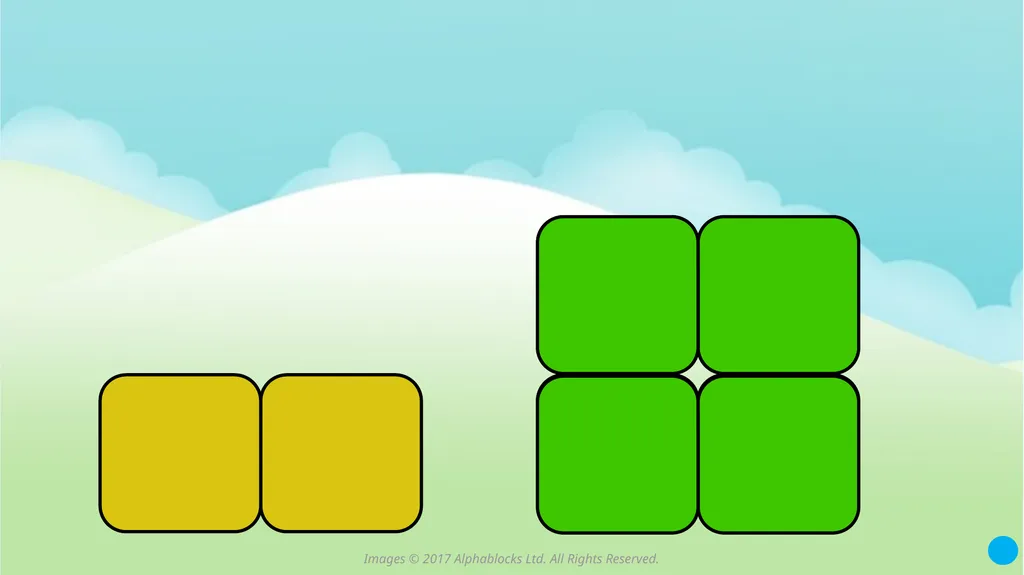
Equal Groups
The Numberblocks 1-10 are split into two equal teams.<br>
05
Using Mathematical Language During this episode children will experience sorting the numbers from 1-10 into odds and evens.
Children should practise describing numbers to 10 using ‘odd’ and ‘even’.
“____ is even because it is made with twos.”
“____ is odd because it has one on top.”
Children may begin to describe the relationship between adjacent numbers:
“An even number comes after an odd number.”
“An odd number comes after an even number.”
“An even number comes before an odd number.”
“An odd number comes before an even number.”<br>
06
Talk and Discuss Together<br>
07
Talk and Discuss Together Watch the episode of Numberblocks. First ask the children what they noticed and allow them to talk to you and each other. The following slides are designed to stimulate children and adults to talk about the episode and draw out some key aspects of the mathematics.<br>
Enabling Environments Playing and Exploring
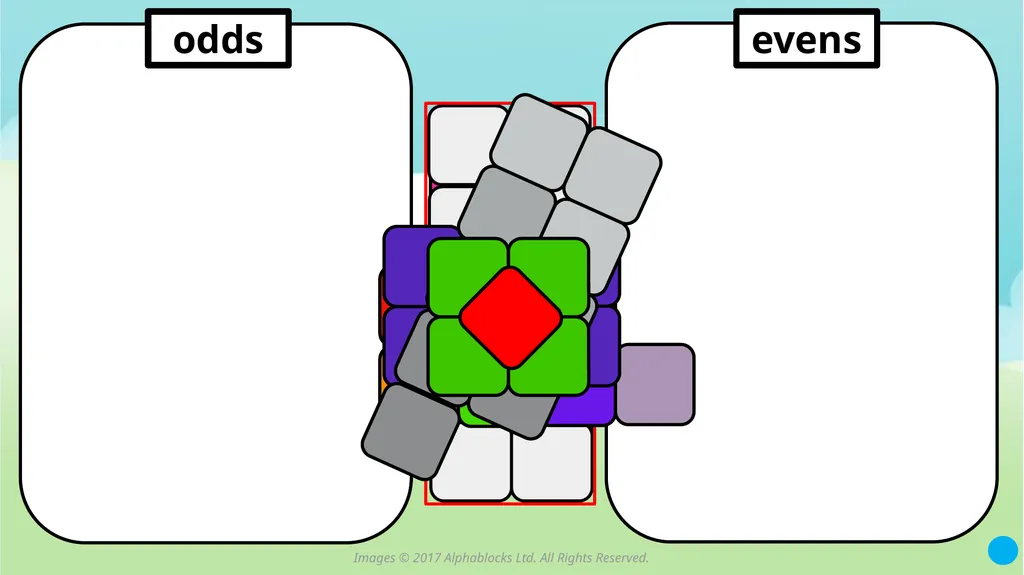
Provide a feely bag of Numberblocks 1-10 as Even Tops or Odd Blocks on the ‘Magic Maths’ table. Provide two trays to sort the Odd Blocks and Even Tops.
Active Learning
Notice whether children actively find a partner when asked to do so. Look for examples when children are building a bridge and need to balance each side with the same number of blocks, or build a ramp where one end must be taller than the other end.
Creating and Thinking Critically
Look for opportunities where children need to separate small world characters into two groups, e.g. people in buses, animals in fields. Model the phrase:
I wonder if we can put the same number in each field?<br>