Prof. Swati What is advertising?? The term advertising originates from the latin word advertere which means to turn the mind towards DEFINITION OF ADVERTISING The American Marketing Association defines advertising as any paid form of
"Prof. Swati What is advertising?? The term" is the property of its rightful owner. Permission is granted to
download and print the materials on this website for personal, non-commercial use only, and to display it
on your personal computer provided you do not modify the materials and that you retain all copyright
notices contained in the materials. By downloading content from our website, you accept the terms of this
agreement.
Presentation Transcript
01
Prof. Swati<br>
02
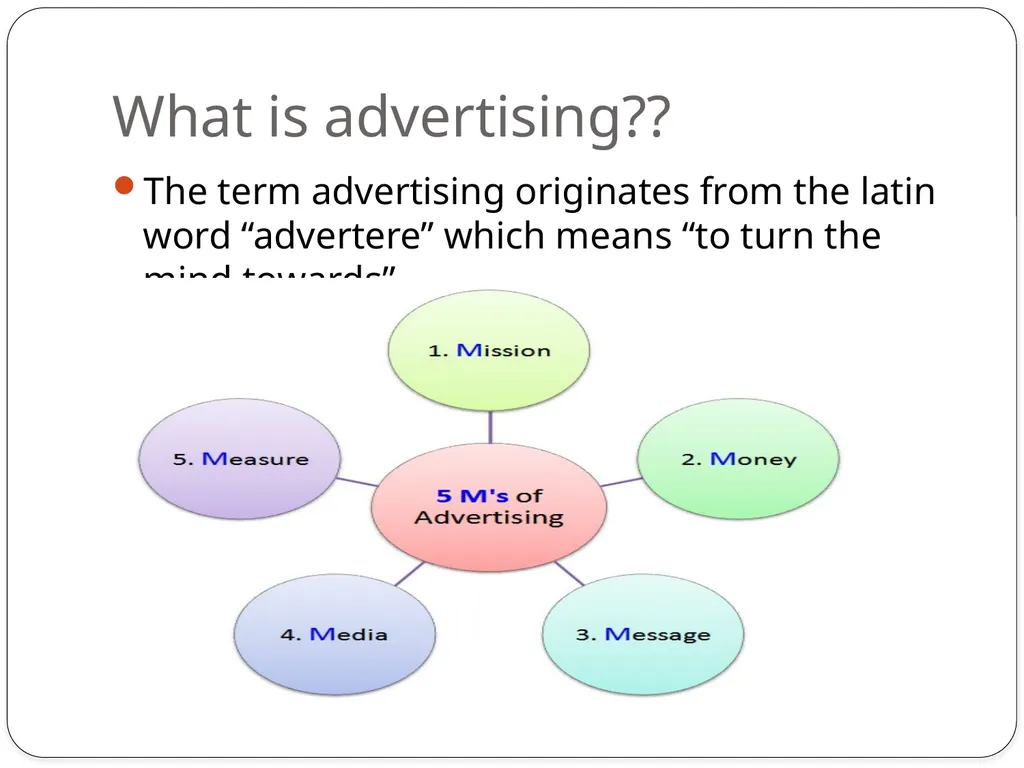
What is advertising?? The term advertising originates from the latin word “advertere” which means “to turn the mind towards”<br>
03
DEFINITION OF ADVERTISING The American Marketing Association defines advertising as” any paid form of non-personal presentation and promotion of ideas, goods or services by an identified sponsor”<br>
04
Advertising A shop wants to attract more customers or clear stocks, so it decides to offer special discounts for a period. It advertises in the daily newspapers to inform the public of its “sale”.
A company brings out a new product which is much more economical than the existing ones in its category. If the company cannot advertise the product, it would never be able to enter the market. Any other form of communication would be long drawn out and uneconomical.
The Government wants corporate, businessmen and salaried people to pay taxes. It advertises in newspapers, radio and television to reach the target audience.<br>
05
Advertising Advertising’s primary role is to create awareness to help sell products. In today’s time with global economic meltdown, advertising has to this in the most economical way.
Marketers are ever ready to tighten the noose around advertising and promotions budget and demands more bang for every buck spent.
Advertising agencies are expected to keep doing their job that they are best at i.e providing creative solutions – albeit at lower costs.<br>
06
Who needs advertising? Companies use advertising to:
inform people about their products and services
to make their brand names familiar to the public<br>
07
Who needs advertising? Companies use advertising to:
to make their brand names familiar to the public
However there are exceptions
New age/economy brands<br>
08
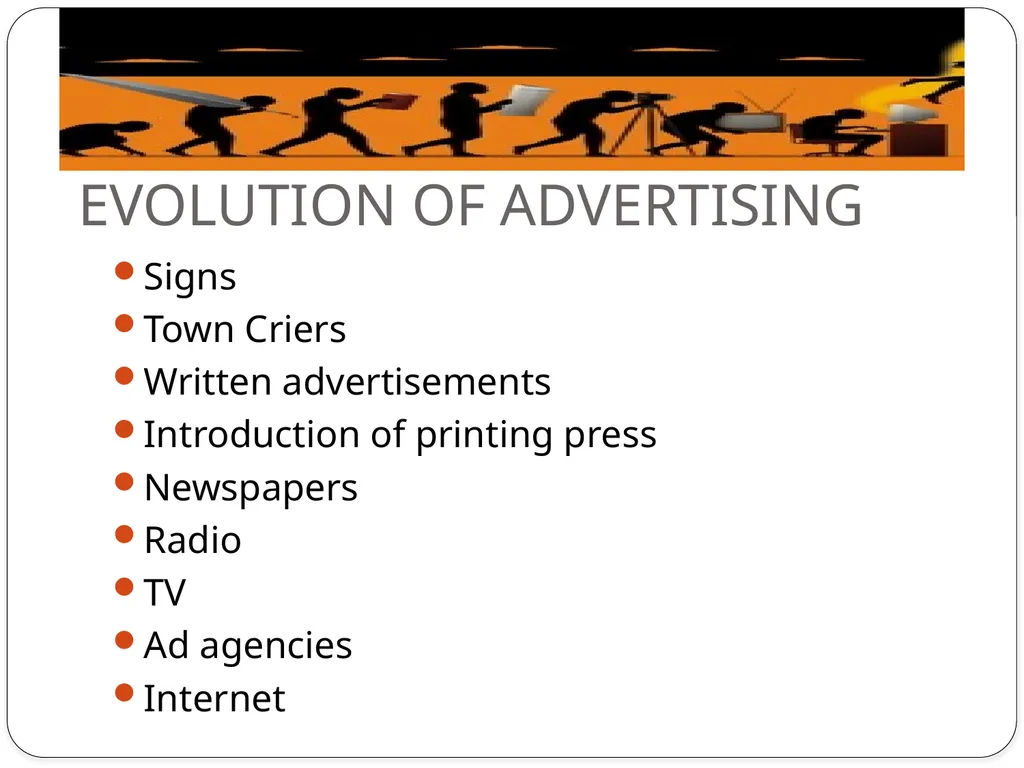
EVOLUTION OF ADVERTISING Signs
Town Criers
Written advertisements
Introduction of printing press
Newspapers
Radio
TV
Ad agencies
Internet<br>
09
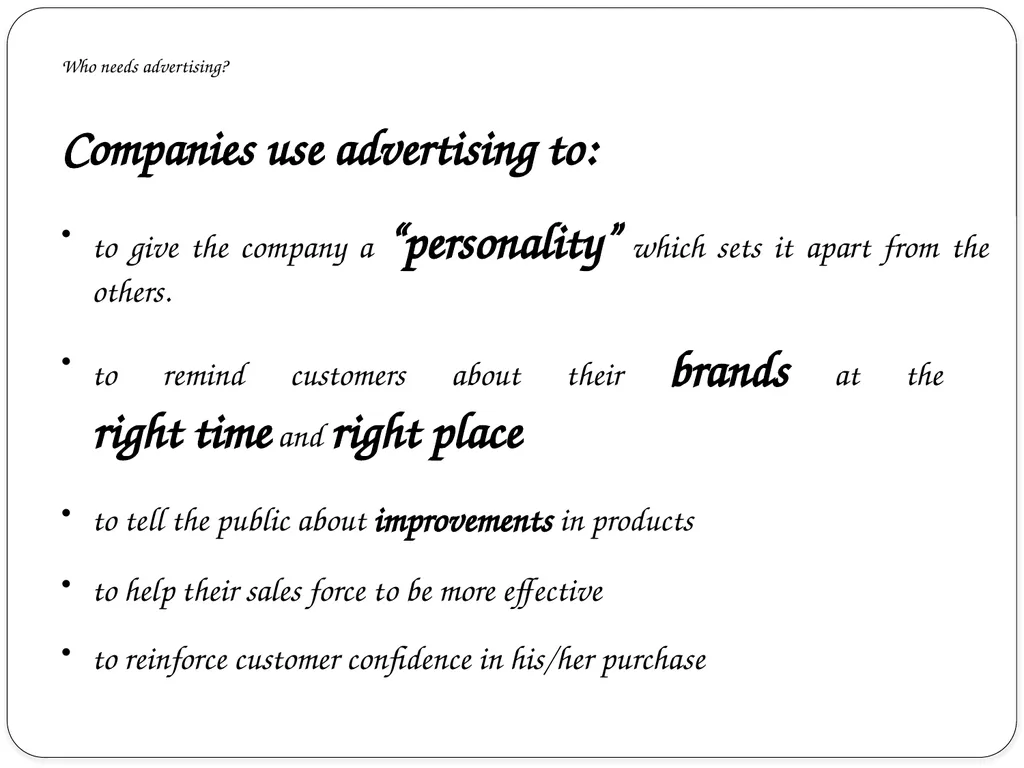
Who needs advertising? Companies use advertising to:
to give the company a “personality” which sets it apart from the others.
to remind customers about their brands at the right time and right place
to tell the public about improvements in products
to help their sales force to be more effective
to reinforce customer confidence in his/her purchase<br>
10
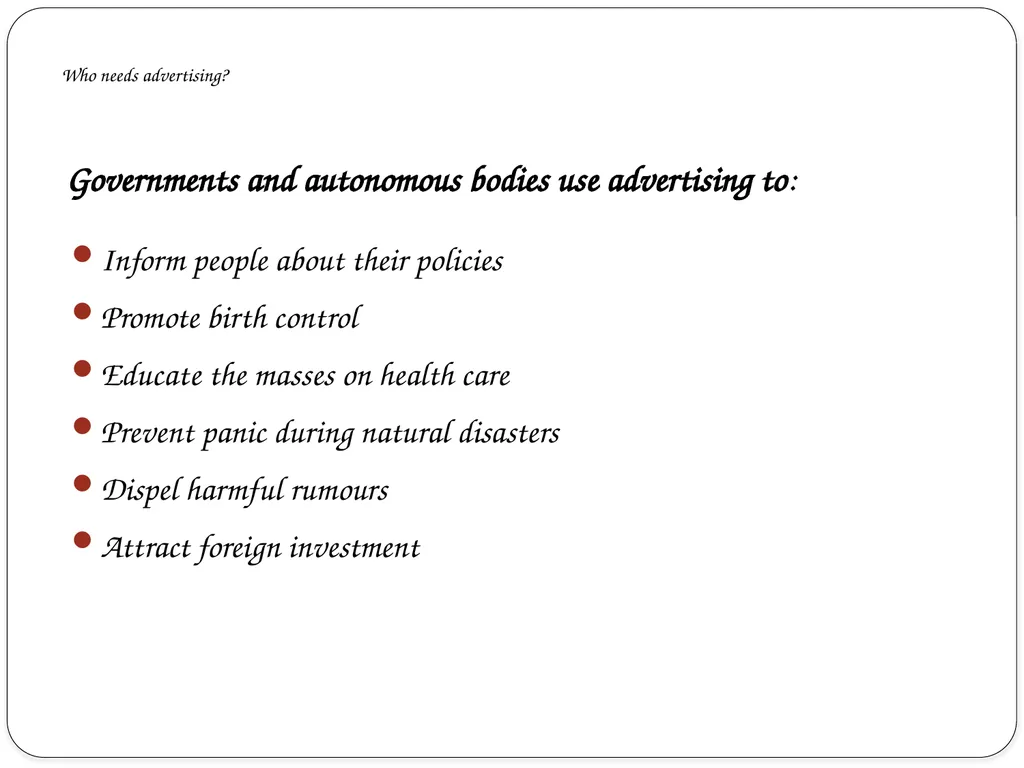
Governments and autonomous bodies use advertising to:
Inform people about their policies
Promote birth control
Educate the masses on health care
Prevent panic during natural disasters
Dispel harmful rumours
Attract foreign investment Who needs advertising?<br>
11
Public bodies prefer to use professional advertising agencies because agencies have the creative talent to explain complex issues in a way which makes them interesting, easy to understand and meaningful. Who needs advertising?<br>
12
What is ADVERTISING? “ the action of calling something to the attention of public”
WEBSTER’s Dictionary<br>
13
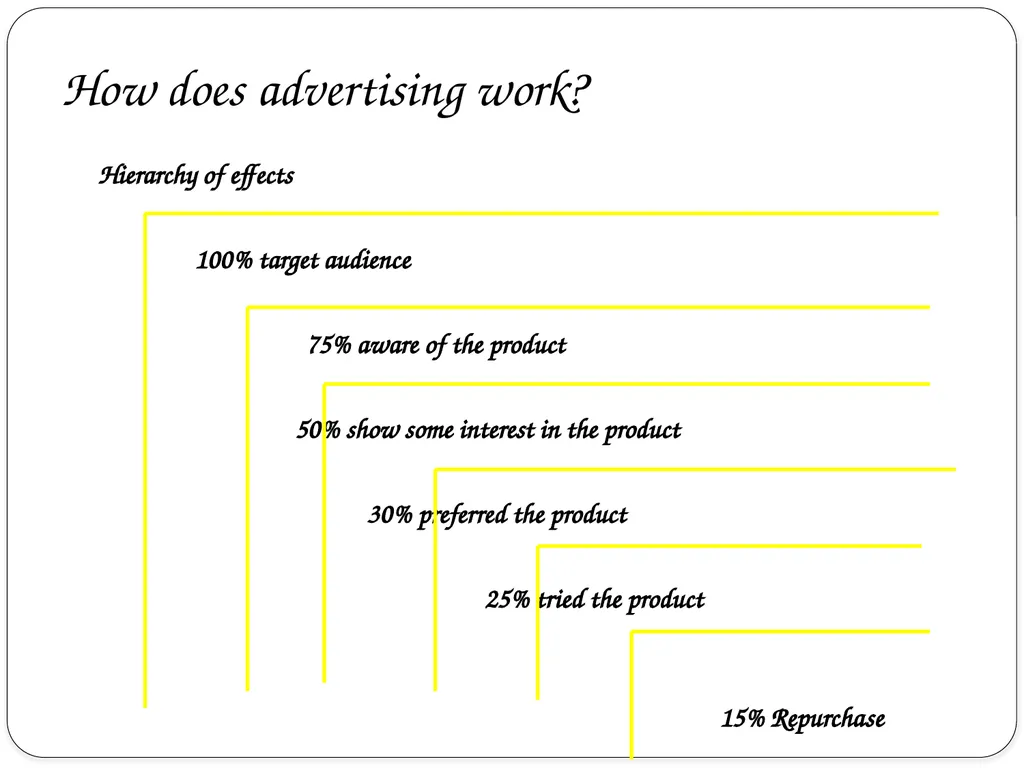
Hierarchy of effects
100% target audience
75% aware of the product
50% show some interest in the product
30% preferred the product
25% tried the product
15% Repurchase How does advertising work?<br>
14
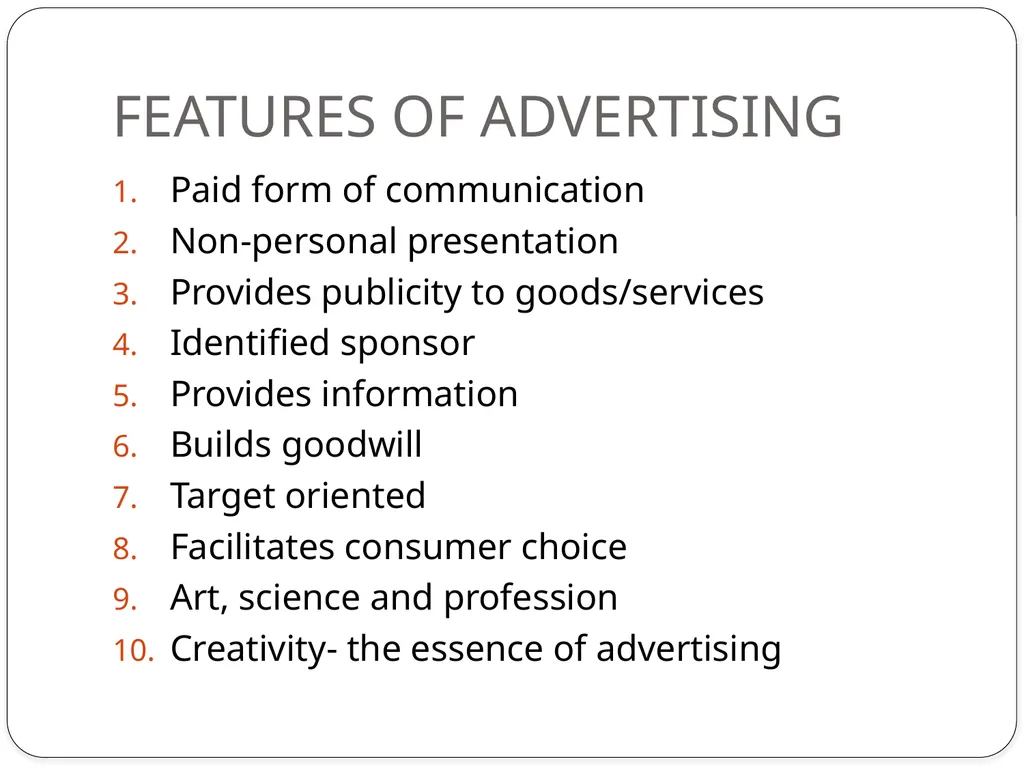
FEATURES OF ADVERTISING Paid form of communication
Non-personal presentation
Provides publicity to goods/services
Identified sponsor
Provides information
Builds goodwill
Target oriented
Facilitates consumer choice
Art, science and profession
Creativity- the essence of advertising<br>
15
Active participants in advertising ACTIVE PARTICIPANTS AUDIENCE GOVERNMENT AUTHORITIES ADVERTISING PRODUCTION FIRMS ADVERTISING MEDIA ADVERTISING AGENCIES ADVERTISERS<br>
16
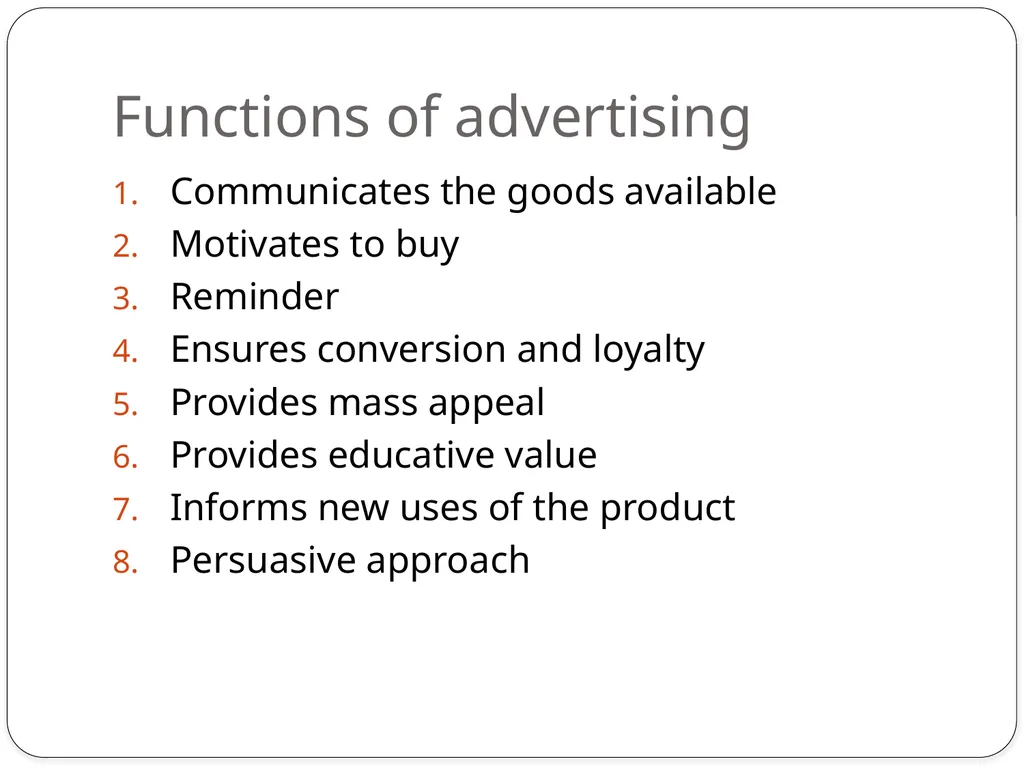
Functions of advertising Communicates the goods available
Motivates to buy
Reminder
Ensures conversion and loyalty
Provides mass appeal
Provides educative value
Informs new uses of the product
Persuasive approach<br>
17
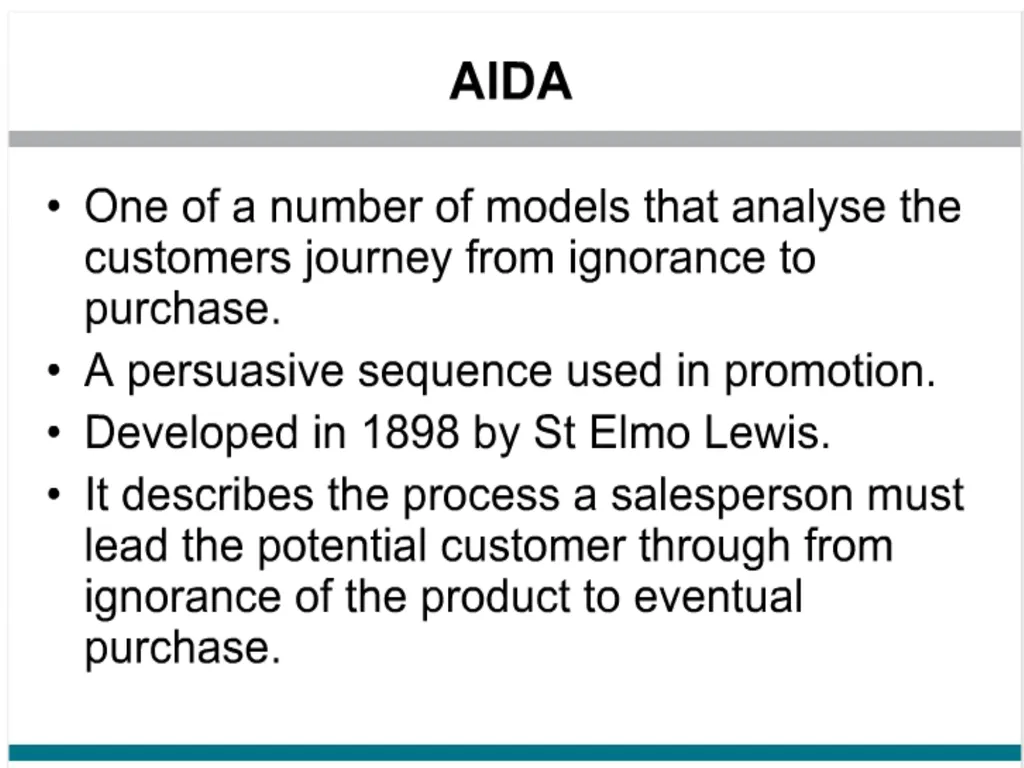
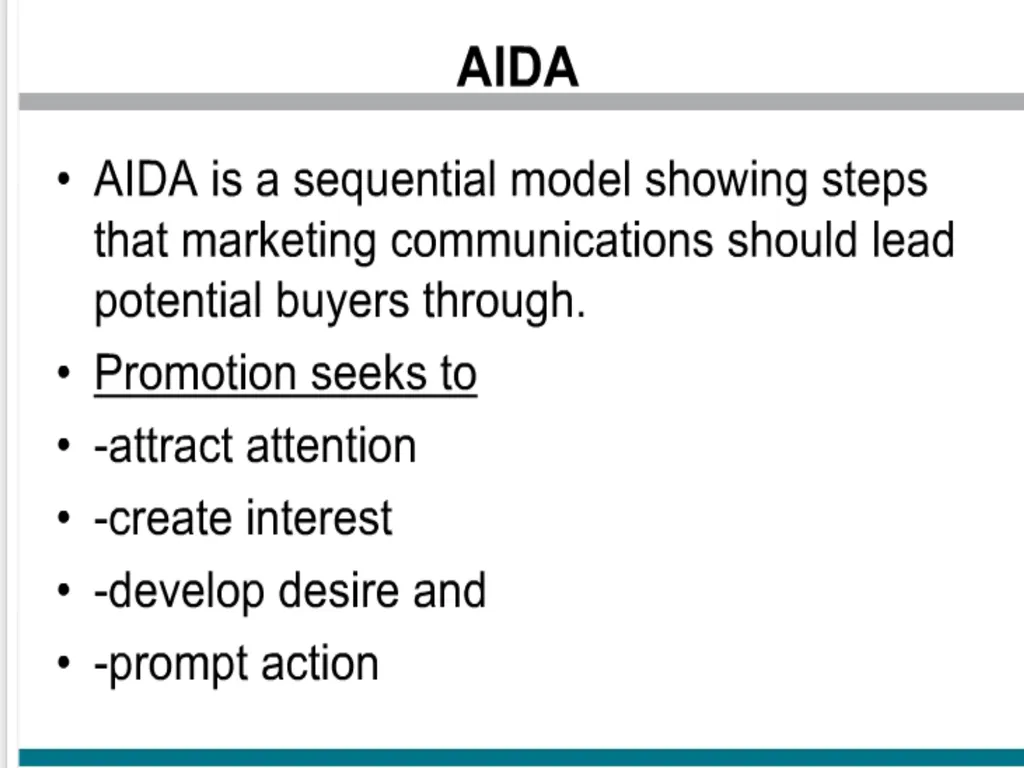
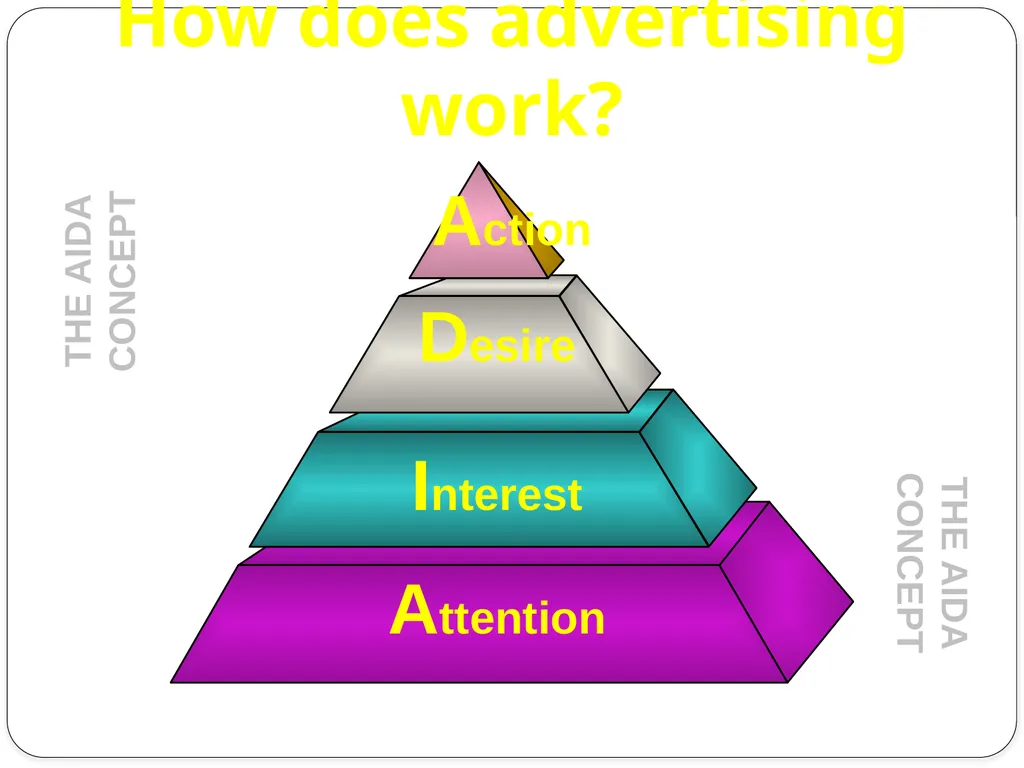
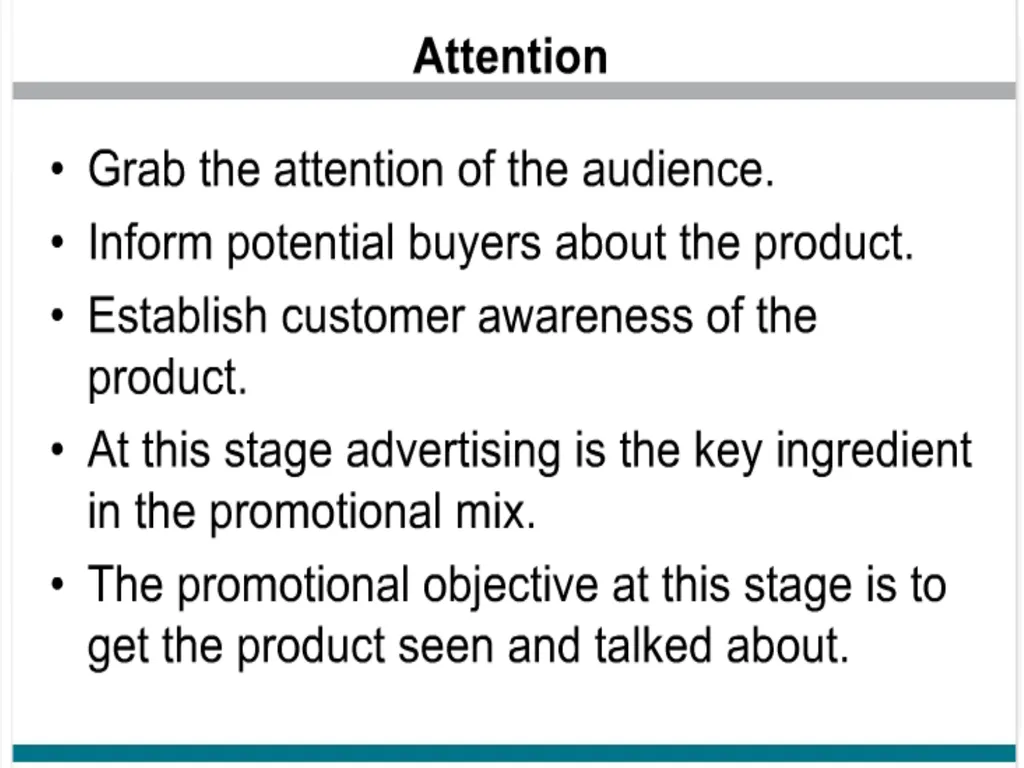
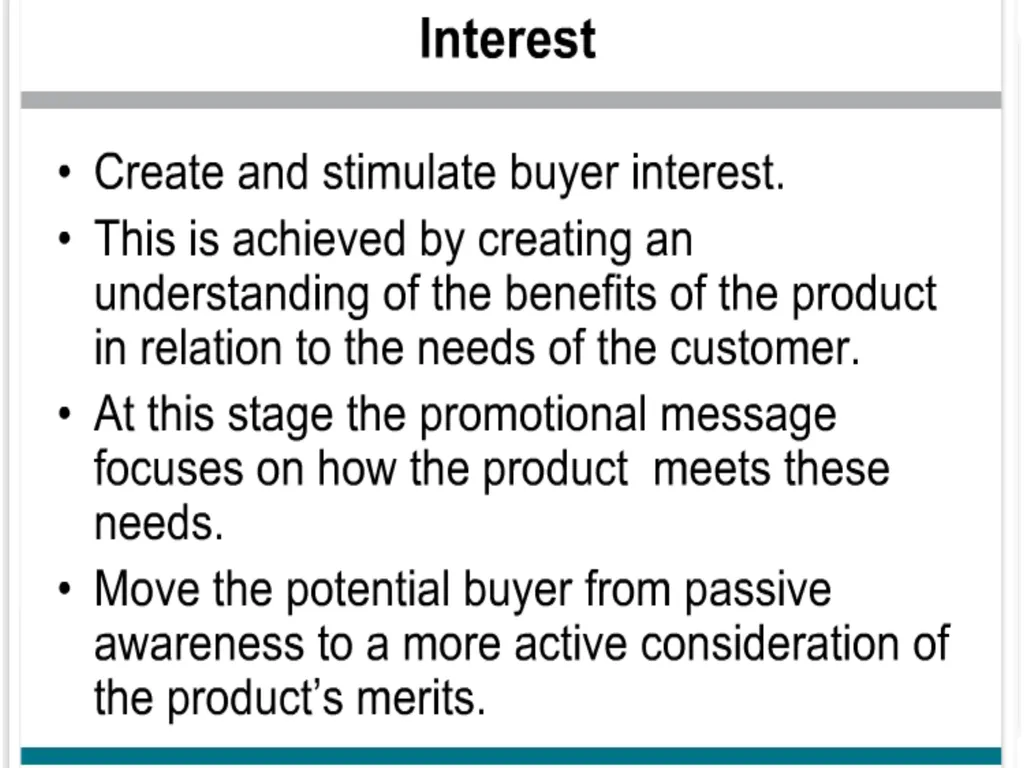
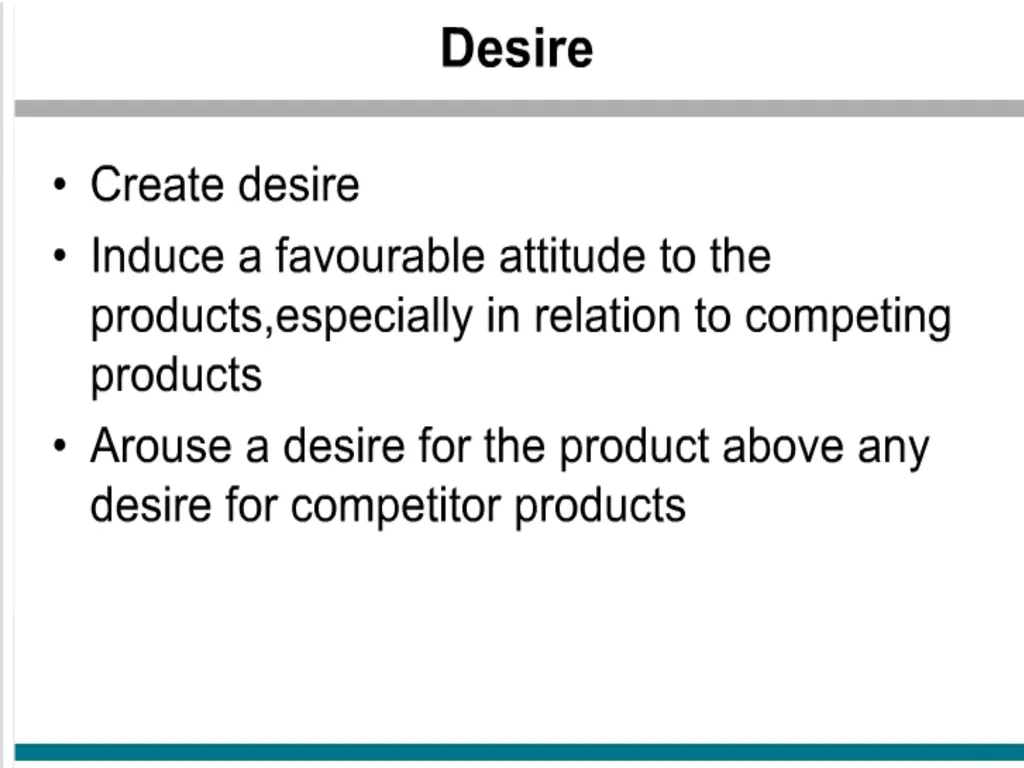
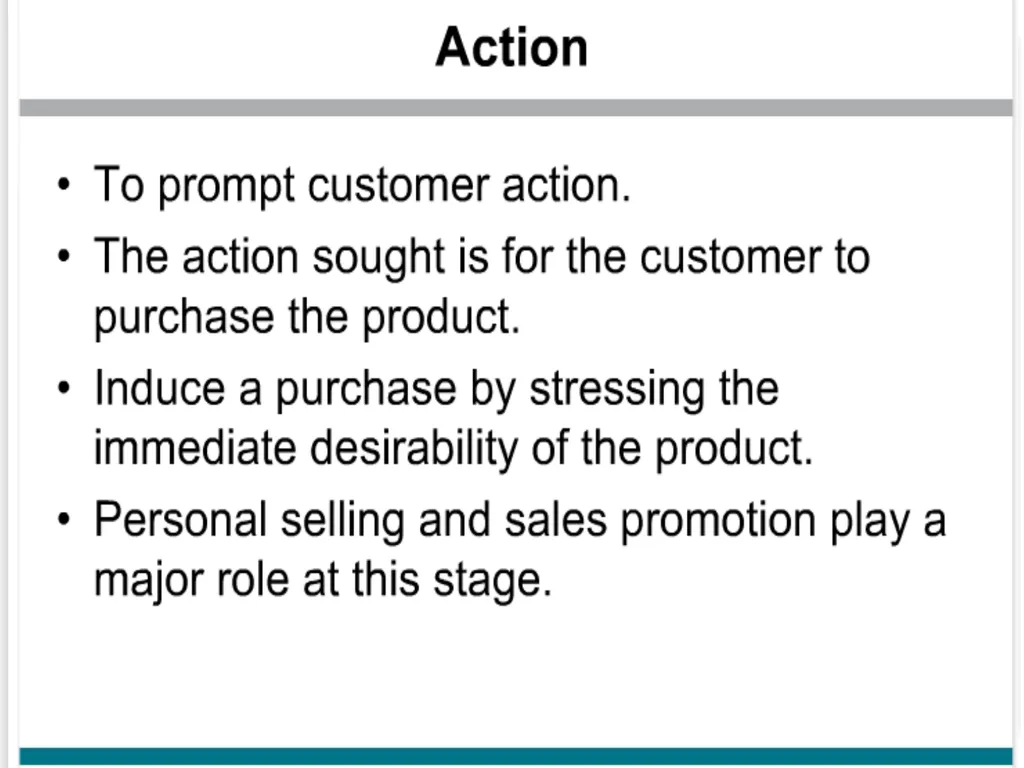
Attention Interest Desire Action THE AIDA CONCEPT THE AIDA CONCEPT How does advertising work?<br>
18
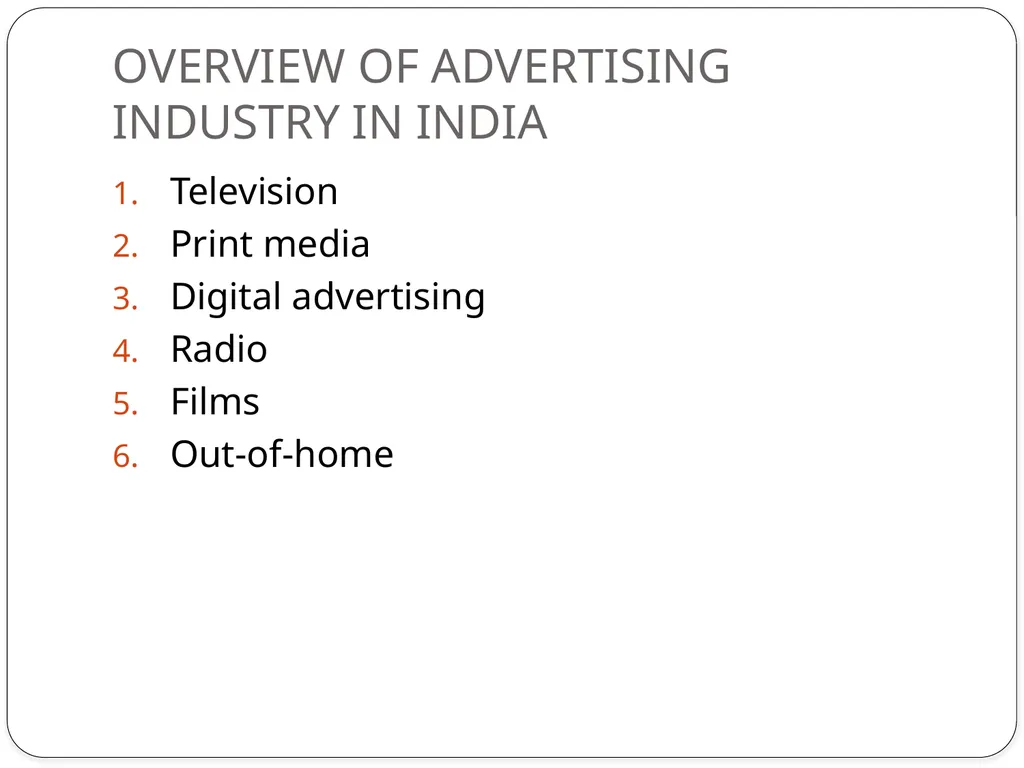
OVERVIEW OF ADVERTISING INDUSTRY IN INDIA Television
Print media
Digital advertising
Radio
Films
Out-of-home<br>
19
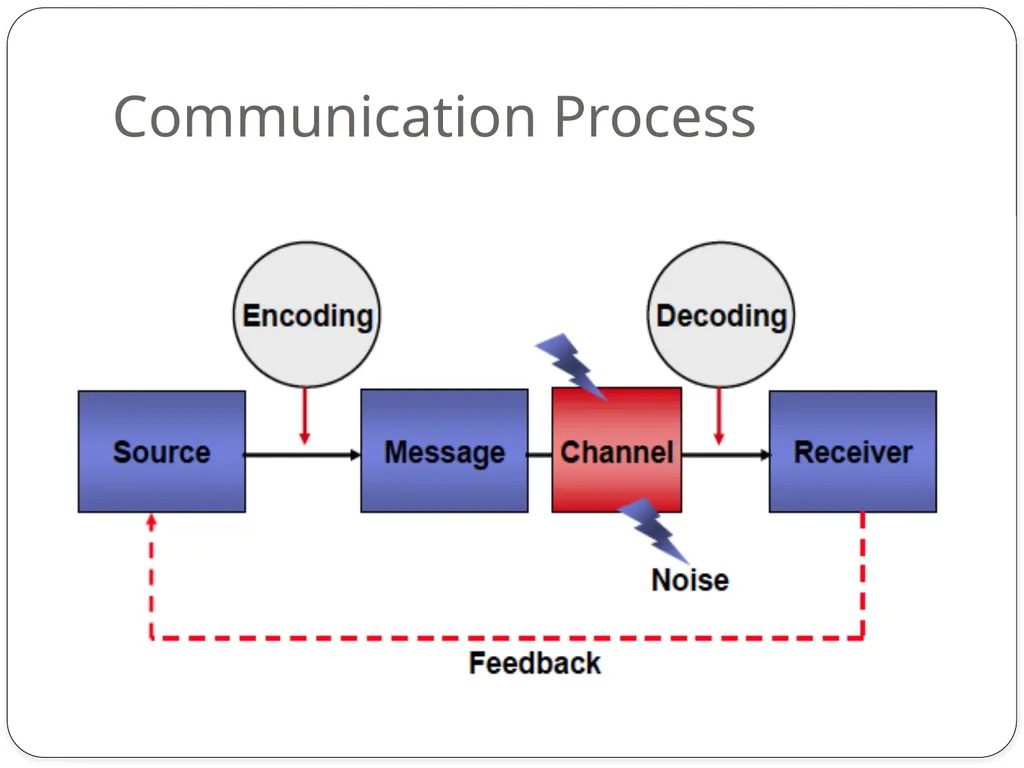
Communication Process<br>
20
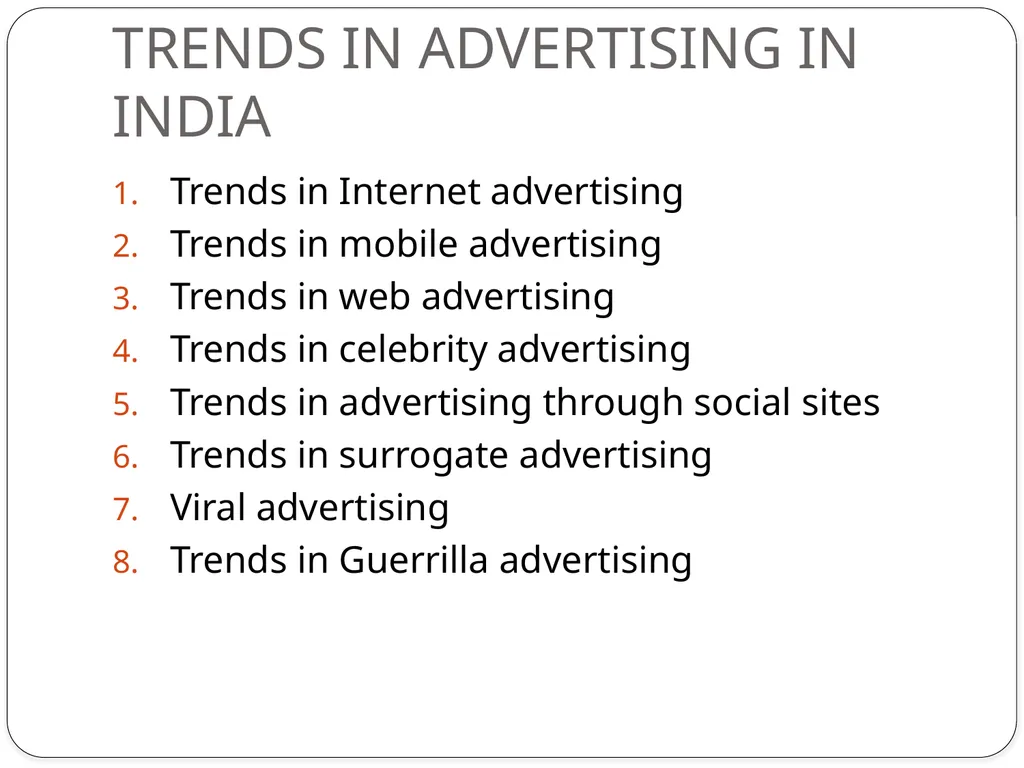
TRENDS IN ADVERTISING IN INDIA Trends in Internet advertising
Trends in mobile advertising
Trends in web advertising
Trends in celebrity advertising
Trends in advertising through social sites
Trends in surrogate advertising
Viral advertising
Trends in Guerrilla advertising<br>
21
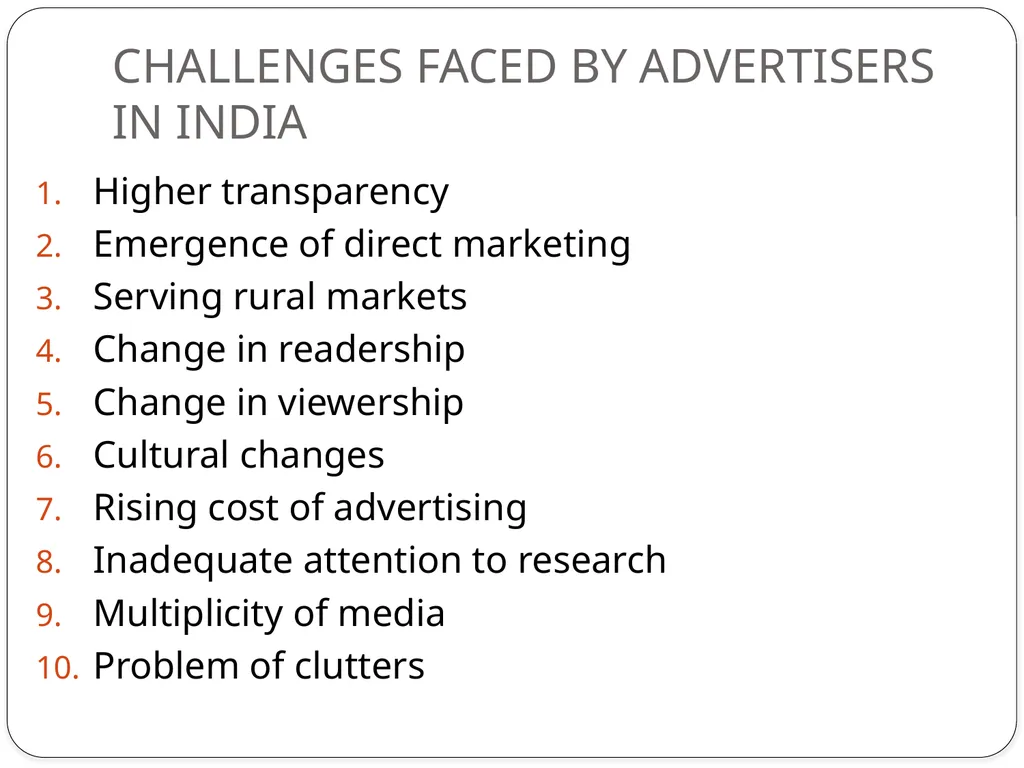
CHALLENGES FACED BY ADVERTISERS IN INDIA Higher transparency
Emergence of direct marketing
Serving rural markets
Change in readership
Change in viewership
Cultural changes
Rising cost of advertising
Inadequate attention to research
Multiplicity of media
Problem of clutters<br>