
Stop, Notice, and note Signposts for close reading
Description: Stop, Notice, and note Signposts for close reading What are signposts? Important moments in the text worth examining Like red flags in literature saying Pay attention! Common across narrative (both fiction and non-fiction) Represent
Related Topics
Download Presentation
"Stop, Notice, and note Signposts for close reading" is the property of its rightful owner. Permission is granted to download and print the materials on this website for personal, non-commercial use only, and to display it on your personal computer provided you do not modify the materials and that you retain all copyright notices contained in the materials. By downloading content from our website, you accept the terms of this agreement.
Presentation Transcript
slide1. Stop, Notice, and note Signposts for close reading<br>
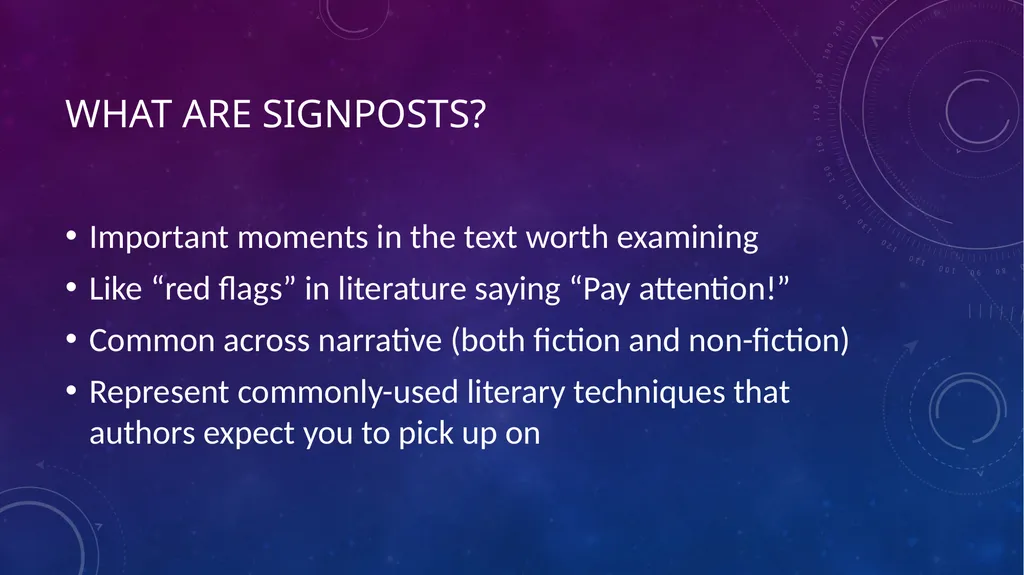
slide2. What are signposts? Important moments in the text worth examining
Like “red flags” in literature saying “Pay attention!”
Common across narrative (both fiction and non-fiction)
Represent commonly-used literary techniques that authors expect you to pick up on<br>
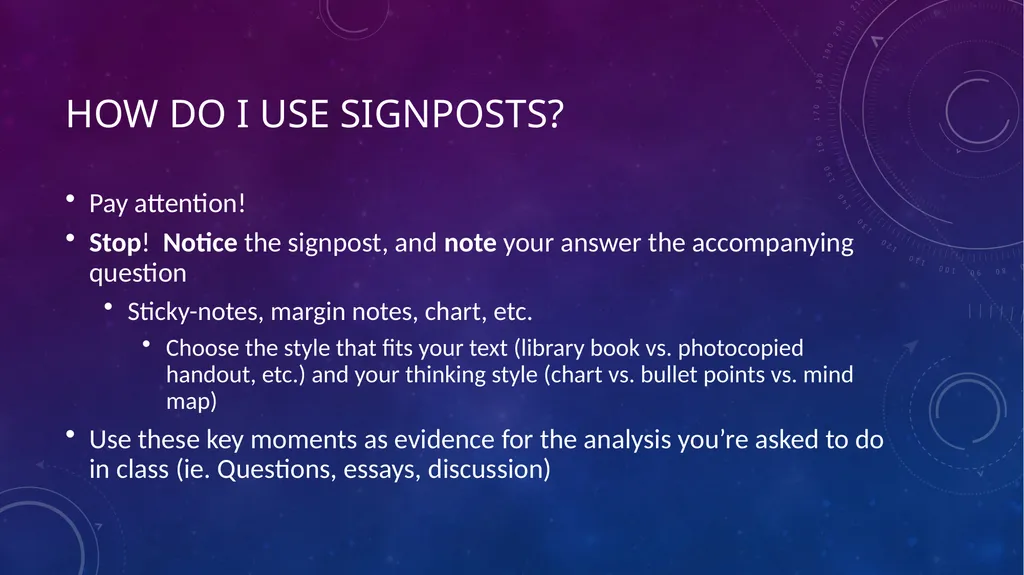
slide3. How do I use signposts? Pay attention!
Stop! Notice the signpost, and note your answer the accompanying question
Sticky-notes, margin notes, chart, etc.
Choose the style that fits your text (library book vs. photocopied handout, etc.) and your thinking style (chart vs. bullet points vs. mind map)
Use these key moments as evidence for the analysis you’re asked to do in class (ie. Questions, essays, discussion)<br>
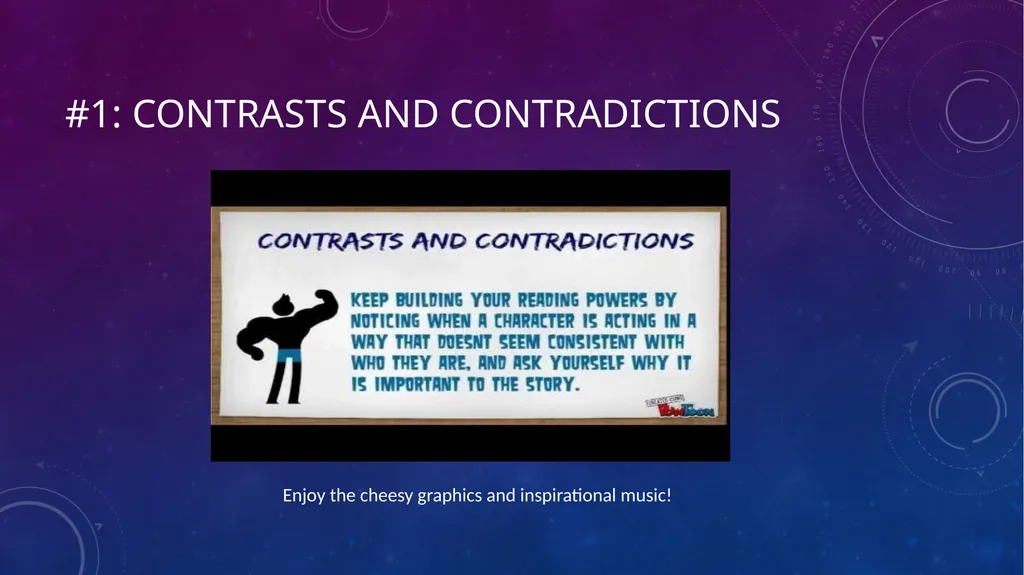
slide4. #1: contrasts and contradictions Enjoy the cheesy graphics and inspirational music!<br>
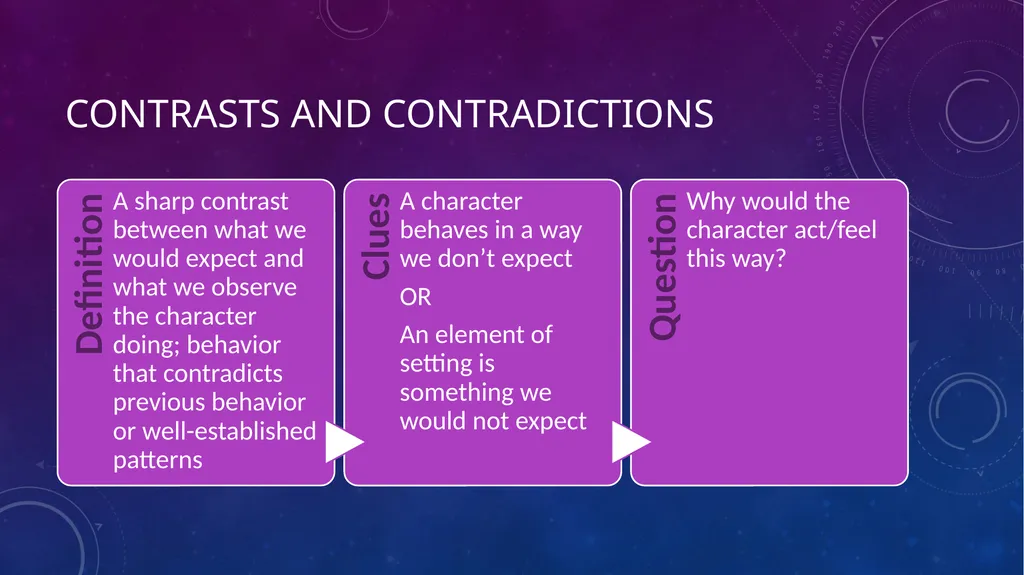
slide5. Contrasts and Contradictions<br>
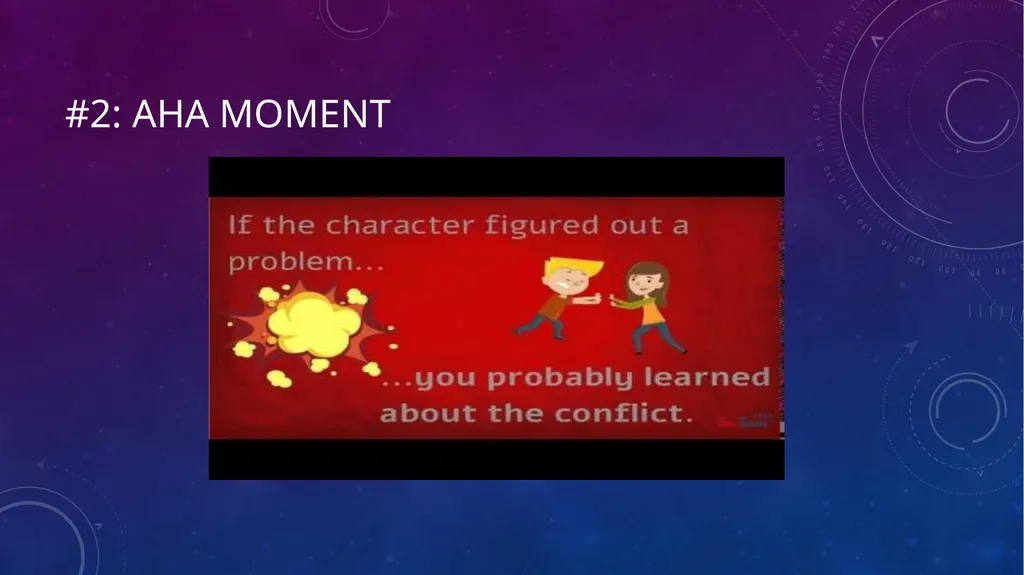
slide6. #2: aha moment<br>
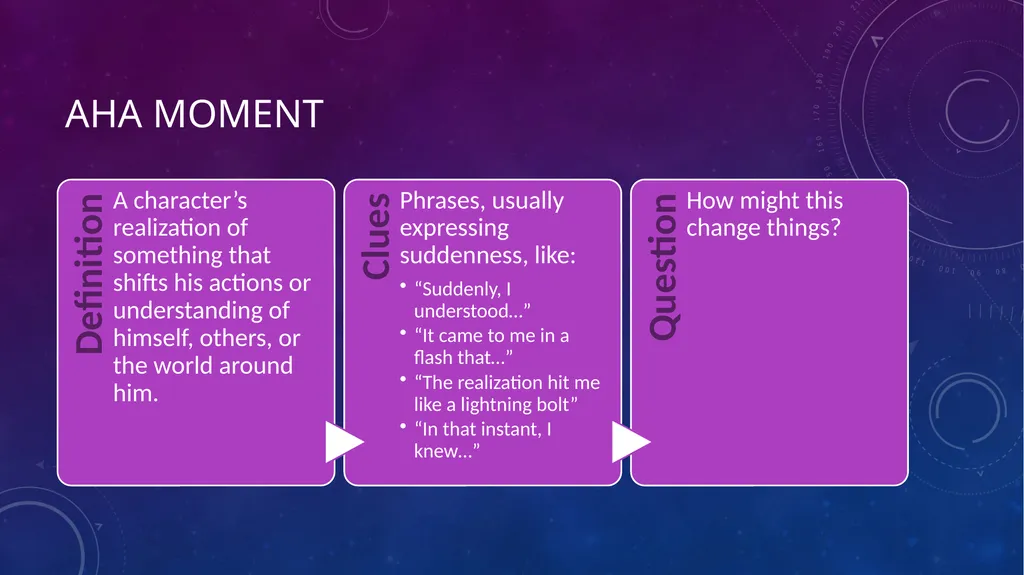
slide7. Aha moment<br>
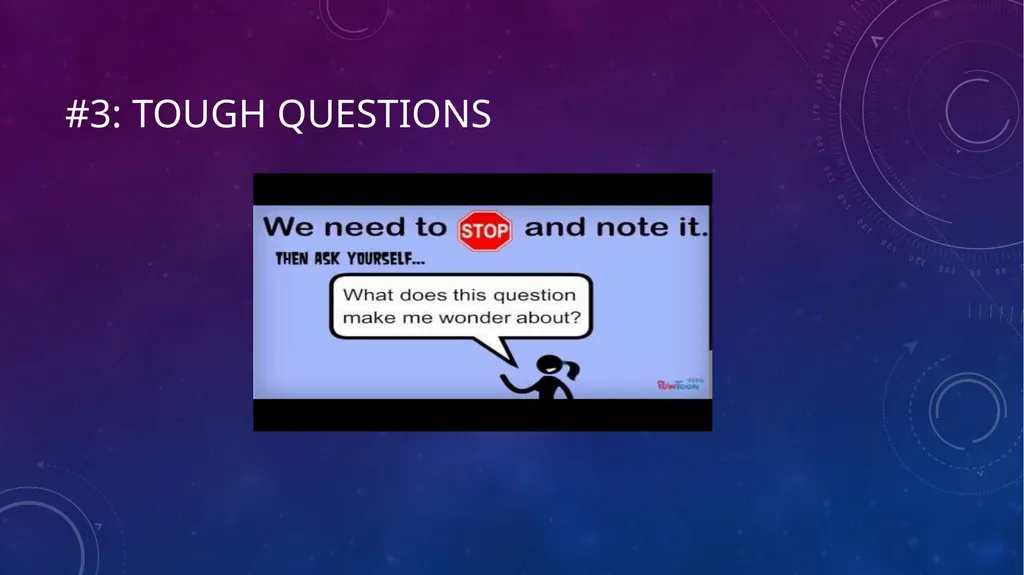
slide8. #3: tough questions<br>
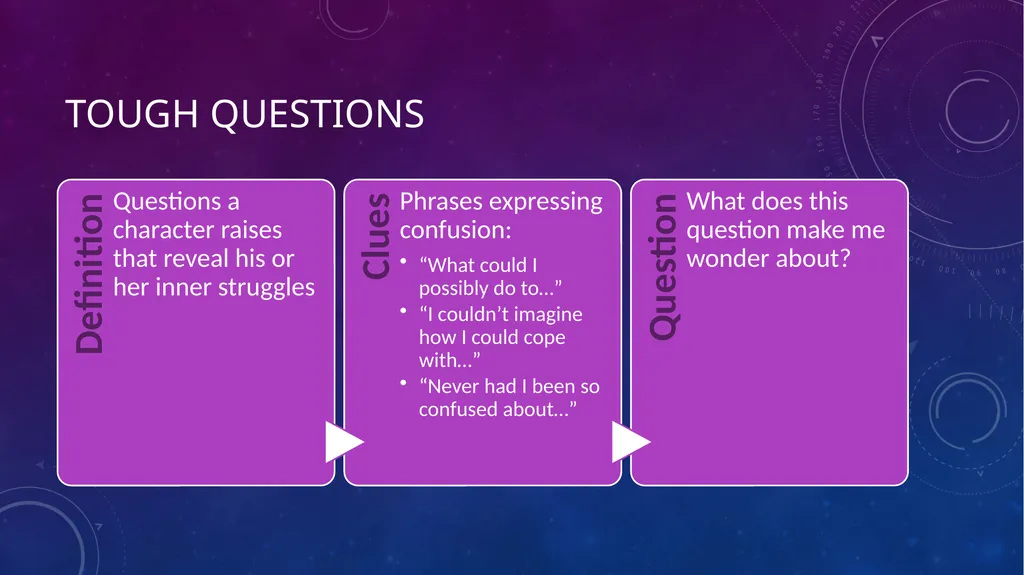
slide9. Tough questions<br>
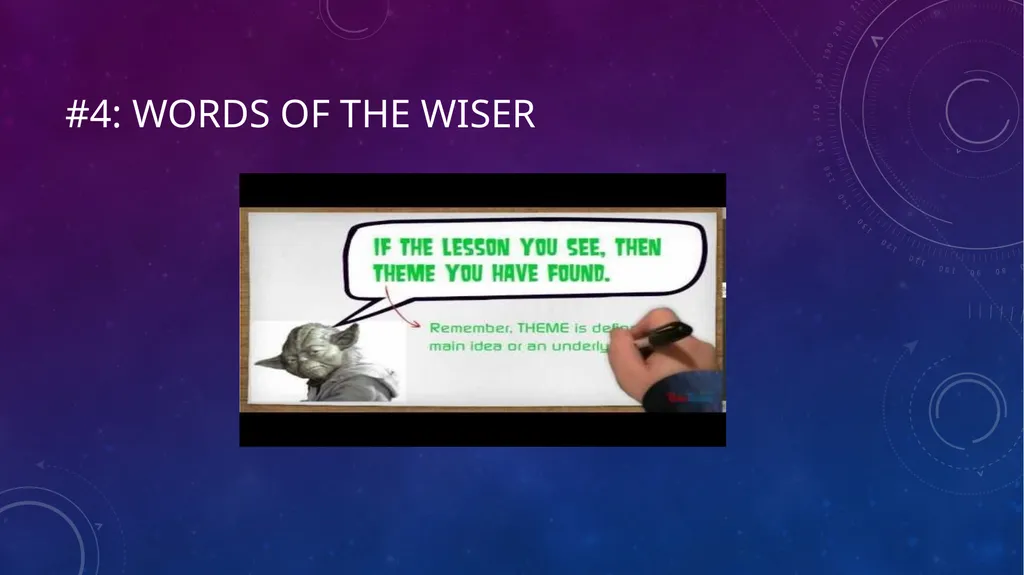
slide10. #4: Words of the wiser<br>
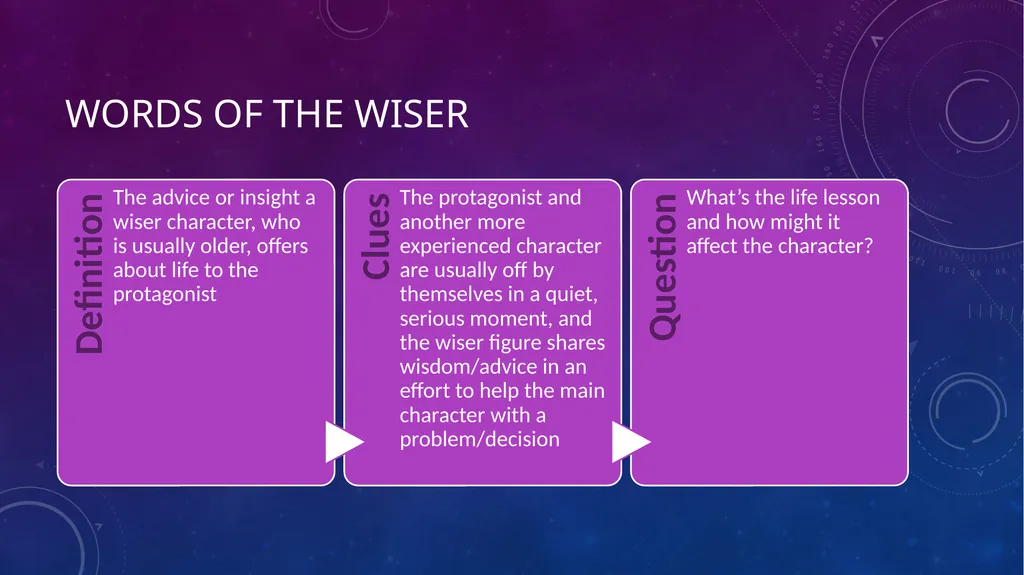
slide11. Words of the wiser<br>
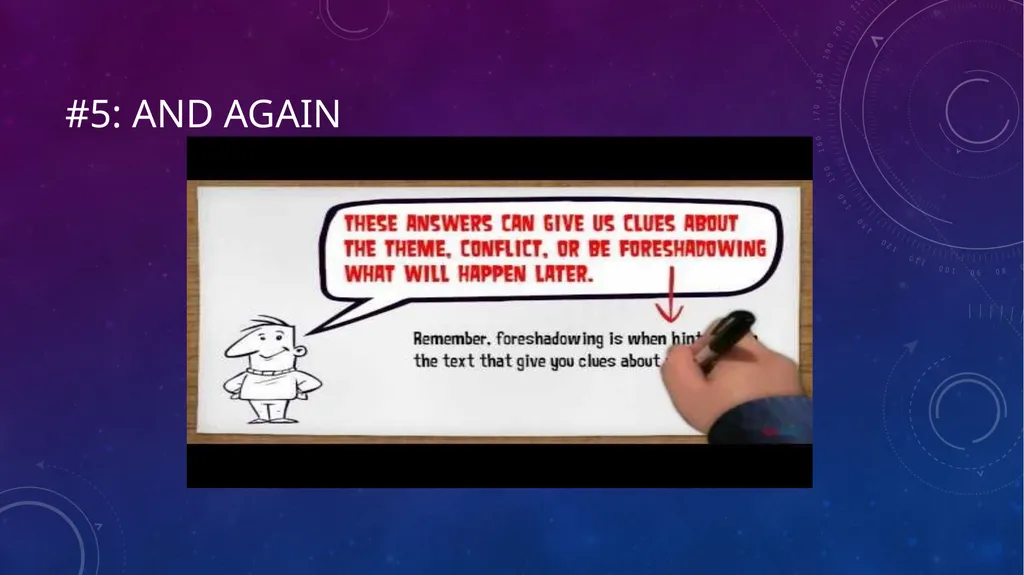
slide12. #5: and again<br>
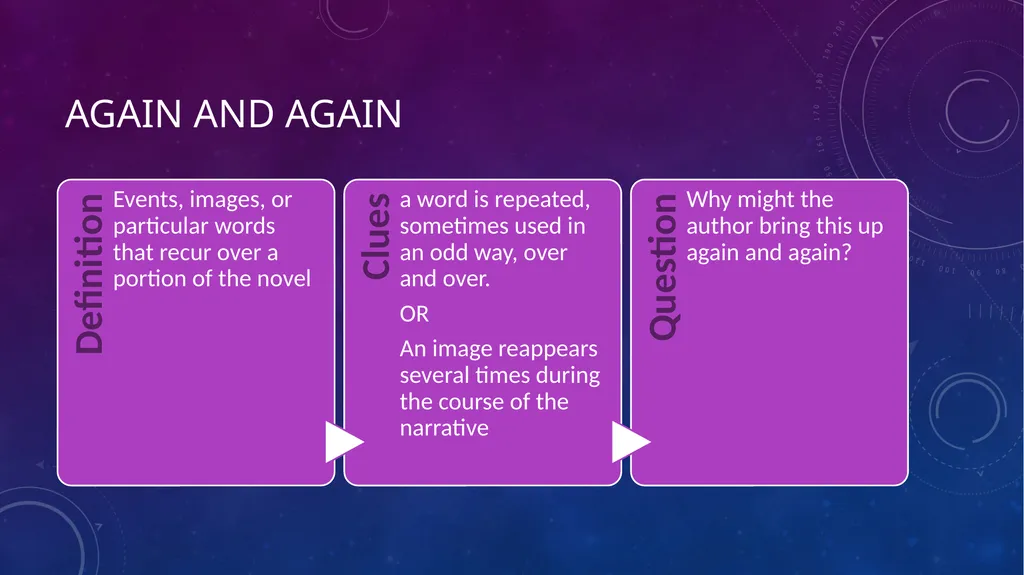
slide13. Again and again<br>
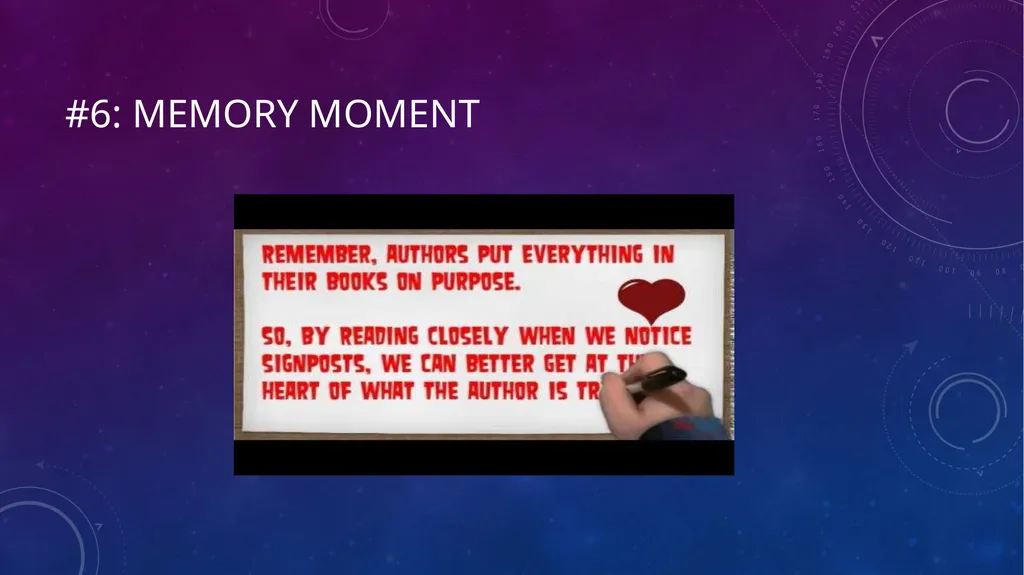
slide14. #6: memory moment<br>
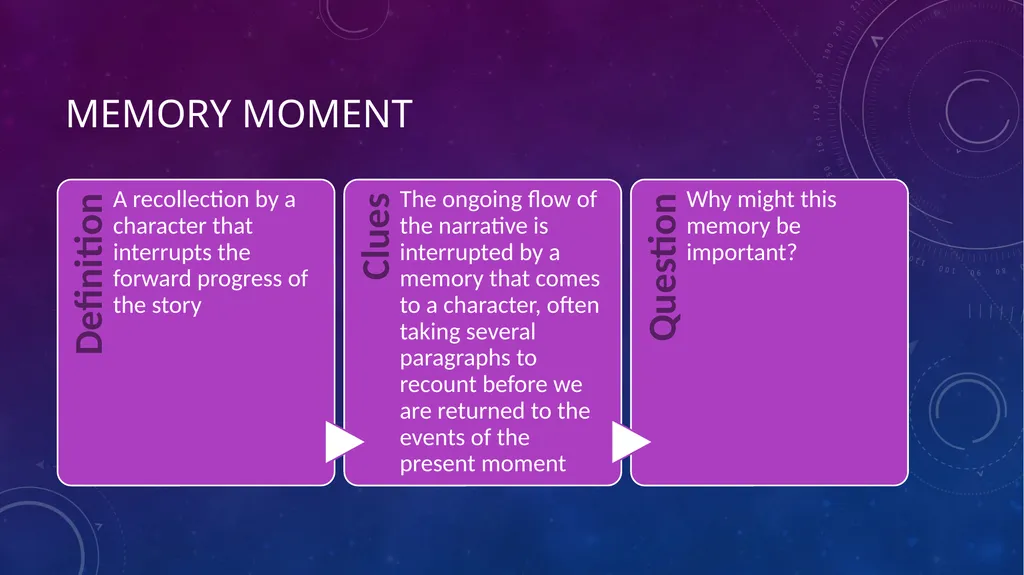
slide15. Memory moment<br>
slide2. What are signposts? Important moments in the text worth examining
Like “red flags” in literature saying “Pay attention!”
Common across narrative (both fiction and non-fiction)
Represent commonly-used literary techniques that authors expect you to pick up on<br>
slide3. How do I use signposts? Pay attention!
Stop! Notice the signpost, and note your answer the accompanying question
Sticky-notes, margin notes, chart, etc.
Choose the style that fits your text (library book vs. photocopied handout, etc.) and your thinking style (chart vs. bullet points vs. mind map)
Use these key moments as evidence for the analysis you’re asked to do in class (ie. Questions, essays, discussion)<br>
slide4. #1: contrasts and contradictions Enjoy the cheesy graphics and inspirational music!<br>
slide5. Contrasts and Contradictions<br>
slide6. #2: aha moment<br>
slide7. Aha moment<br>
slide8. #3: tough questions<br>
slide9. Tough questions<br>
slide10. #4: Words of the wiser<br>
slide11. Words of the wiser<br>
slide12. #5: and again<br>
slide13. Again and again<br>
slide14. #6: memory moment<br>
slide15. Memory moment<br>