
Infectious Bovine Rhinotracheitis (IBR) Dr Padma



Description: Infectious Bovine Rhinotracheitis (IBR) Dr Padma Nibash Panigrahi Assistant Professor Department of Veterinary Medicine DUVASU, Mathura Etiology Alfa herpesviridae subtypes Bovine herpes virus-l BHV-l .l (respiratory) BHV-l.2a and
Related Topics
Download Presentation
"Infectious Bovine Rhinotracheitis (IBR) Dr Padma" is the property of its rightful owner. Permission is granted to download and print the materials on this website for personal, non-commercial use only, and to display it on your personal computer provided you do not modify the materials and that you retain all copyright notices contained in the materials. By downloading content from our website, you accept the terms of this agreement.
Presentation Transcript
slide1. Infectious Bovine Rhinotracheitis (IBR) Dr Padma Nibash Panigrahi
Assistant Professor
Department of Veterinary Medicine
DUVASU, Mathura<br>
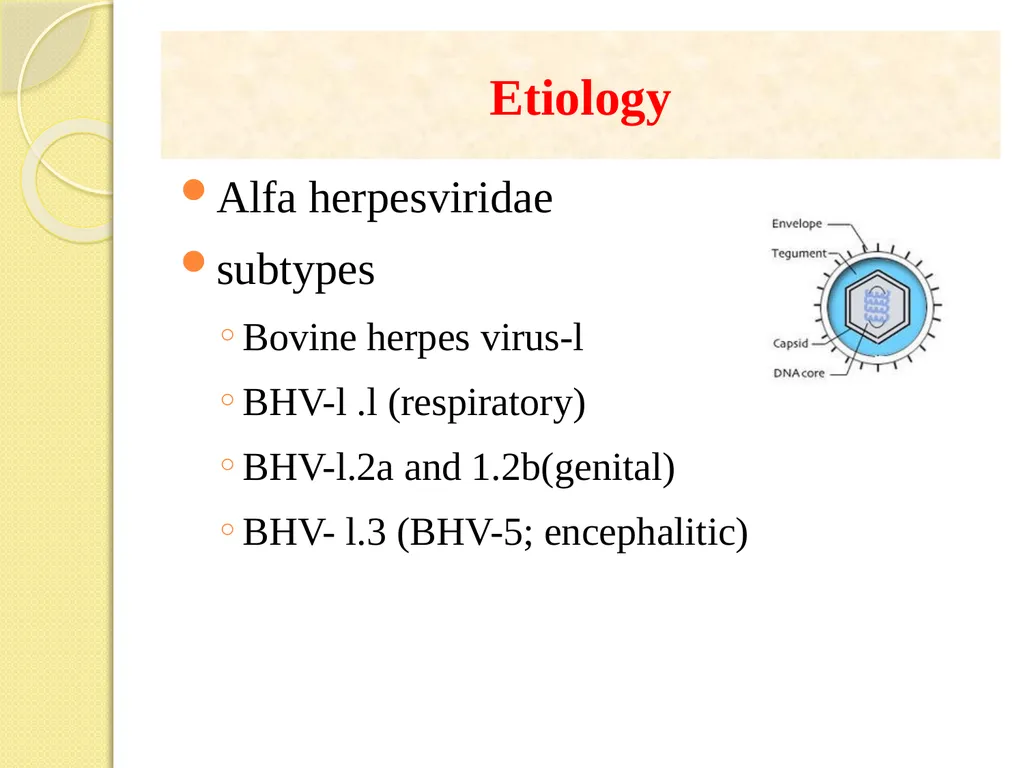
slide2. Etiology Alfa herpesviridae
subtypes
Bovine herpes virus-l
BHV-l .l (respiratory)
BHV-l.2a and 1.2b(genital)
BHV- l.3 (BHV-5; encephalitic)<br>
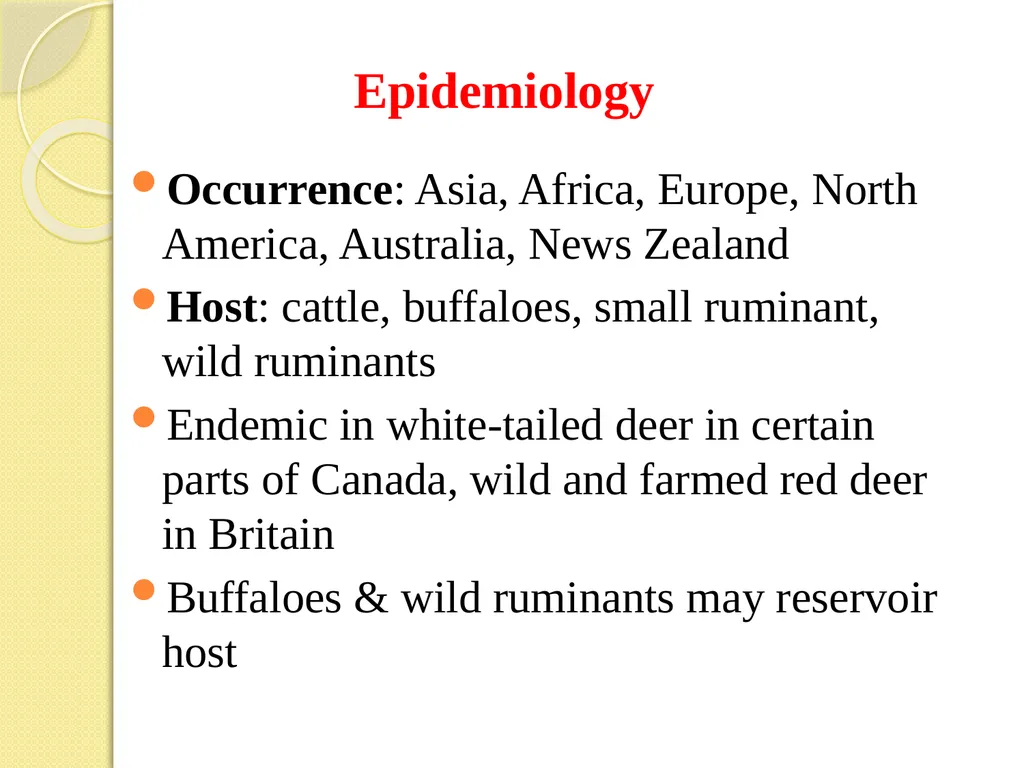
slide3. Epidemiology Occurrence: Asia, Africa, Europe, North America, Australia, News Zealand
Host: cattle, buffaloes, small ruminant, wild ruminants
Endemic in white-tailed deer in certain parts of Canada, wild and farmed red deer in Britain
Buffaloes & wild ruminants may reservoir host<br>
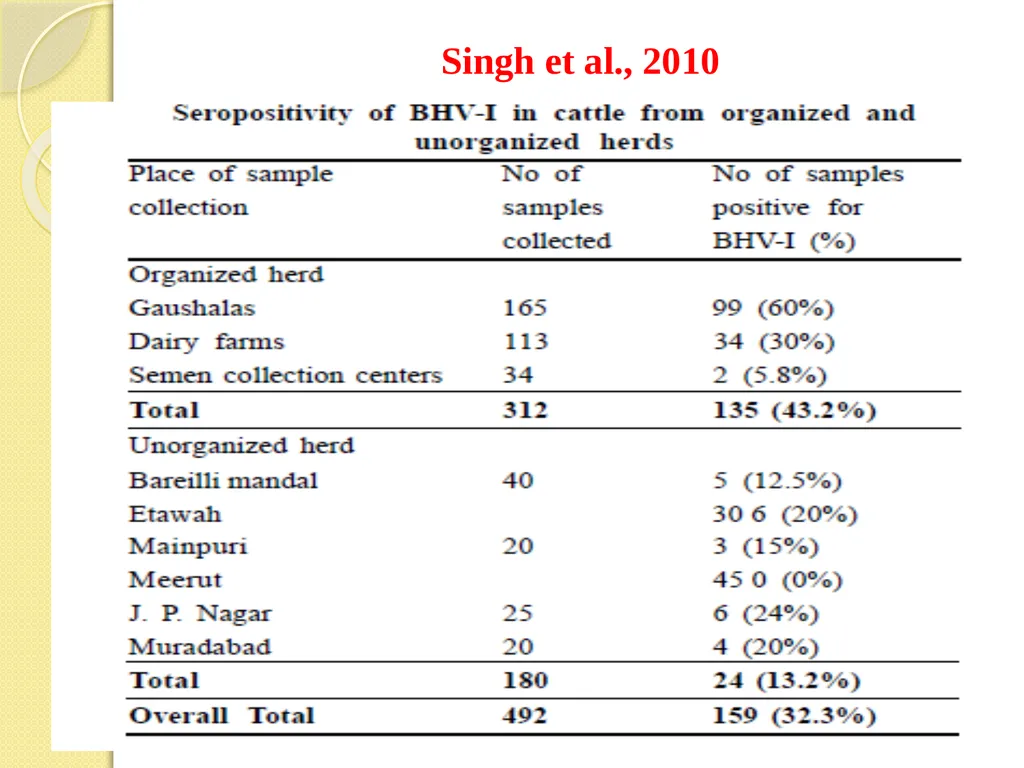
slide4. Singh et al., 2010<br>
slide5. Morbidity & case fatality:
Uncomplicated form of the respiratory disease in cattle is not highly fatal
most losses being due mainly to secondary bacterial bronchopneumonia.
The morbidity and case fatality rates in dairy cattle are about 8% and 3%
feedlot cattle the morbidity rate is usually 20-30% in unvaccinated<br>
slide6. Methods of transmission
Respiratory form: droplet, nasal secretion
Genital form: semen, genital fluid, foetal fluid, venereal
Risk factor
All ages and breeds of cattle are susceptible
most common- above 6 months of age (probably because of their greater exposure)
Unvaccinated herd -breeding cattle are highly susceptible to epidemics of respiratory disease and abortion<br>
slide7. Clinical signs Respiratory, Rhinitis (red nose)
Ocular form
Abortive form (IPV)
Systemic disease in newborn calves
Encephalitic form<br>
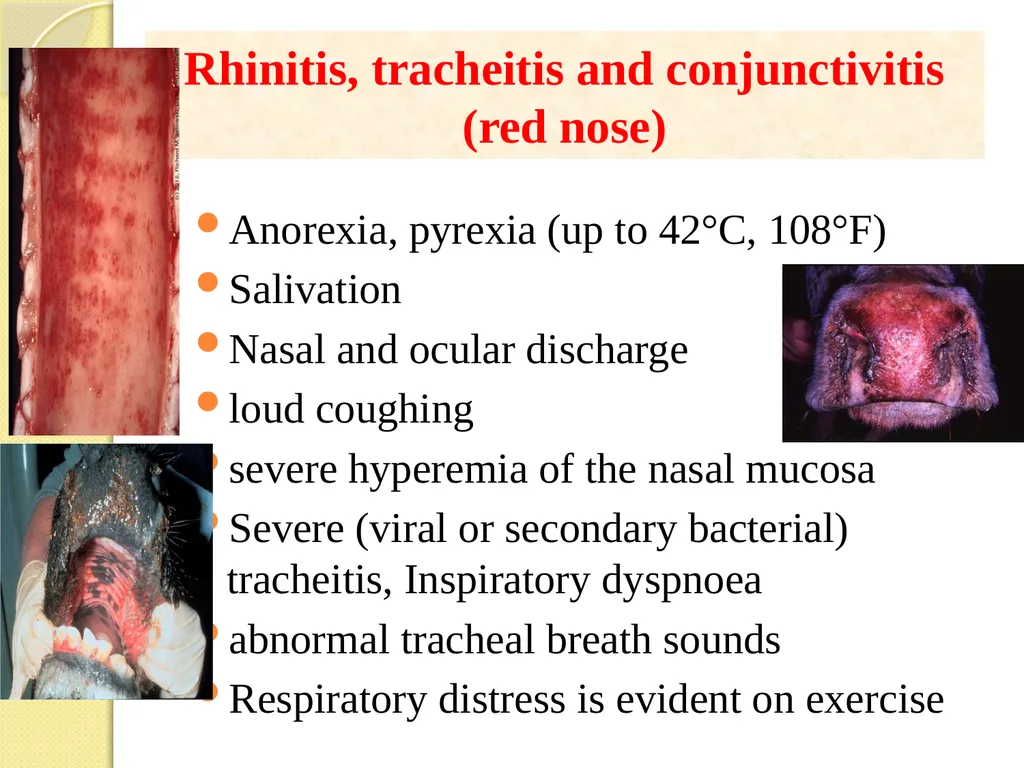
slide8. Rhinitis, tracheitis and conjunctivitis (red nose) Anorexia, pyrexia (up to 42°C, 108°F)
Salivation
Nasal and ocular discharge
loud coughing
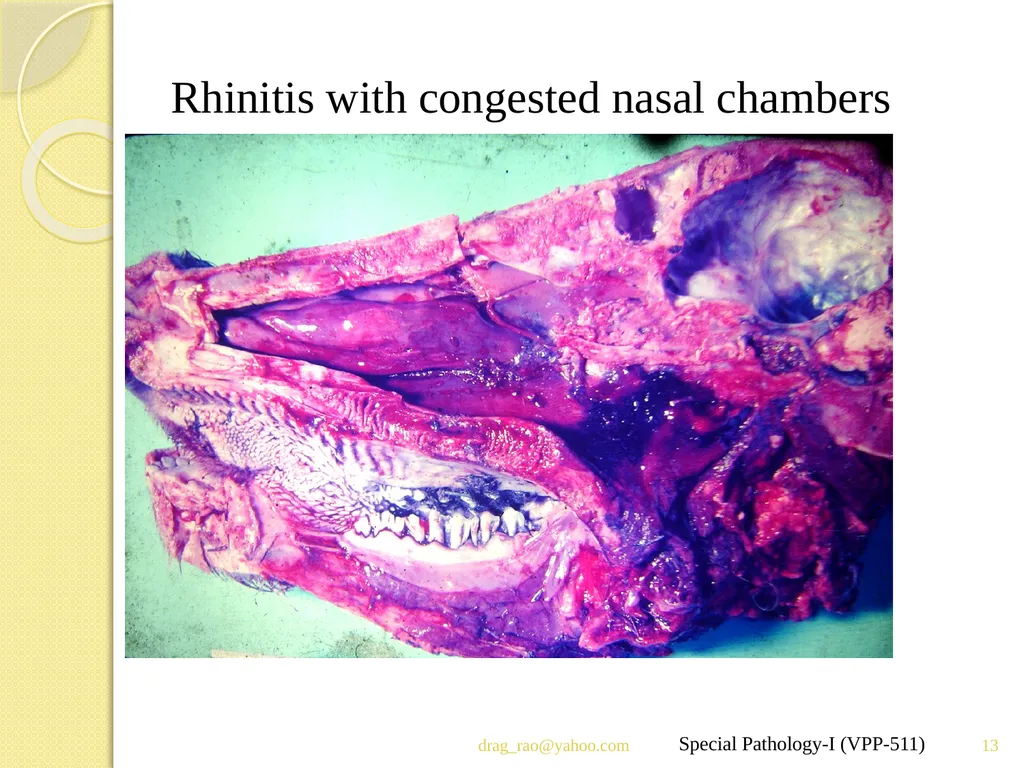
severe hyperemia of the nasal mucosa
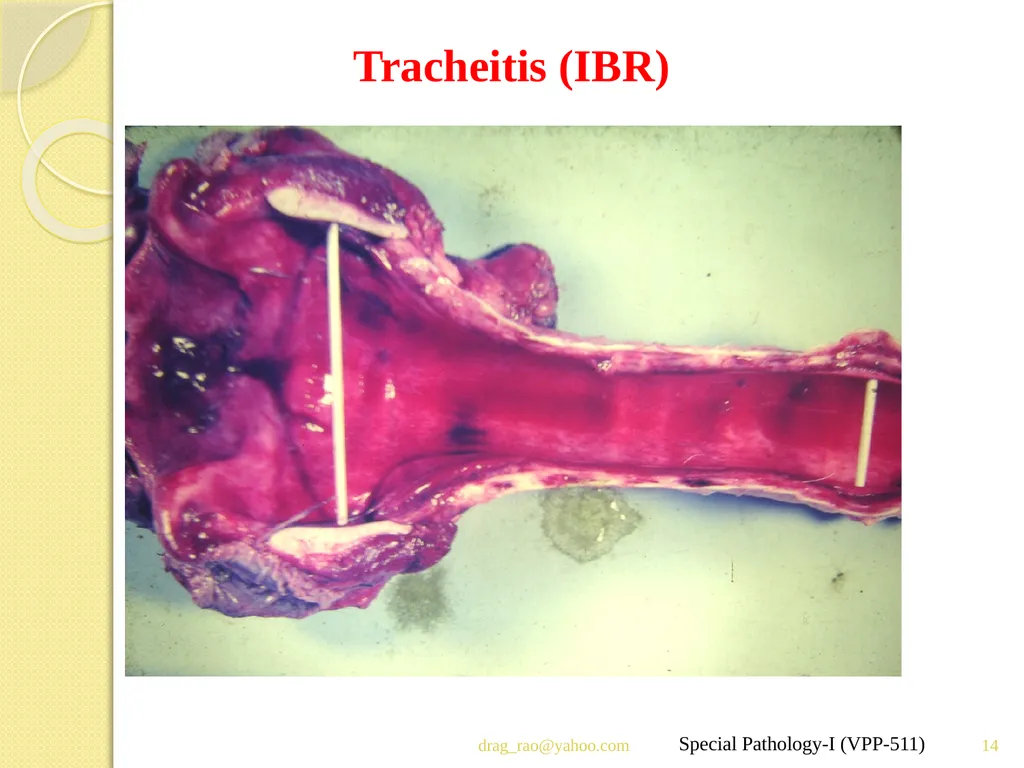
Severe (viral or secondary bacterial) tracheitis, Inspiratory dyspnoea
abnormal tracheal breath sounds
Respiratory distress is evident on exercise<br>
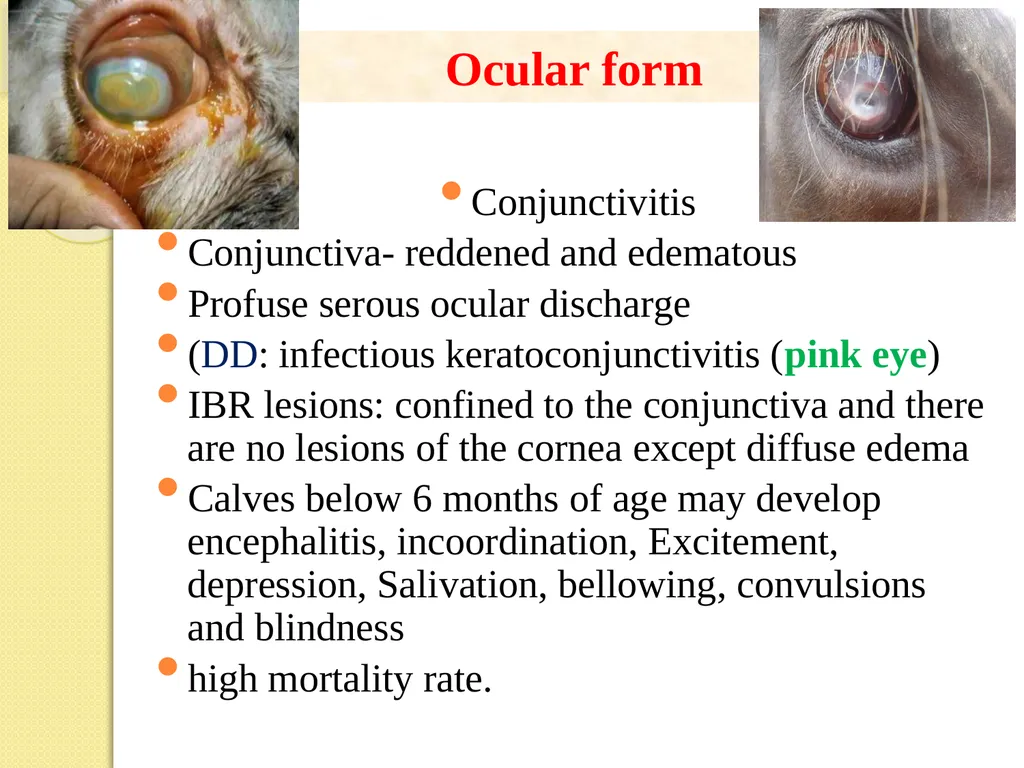
slide9. Ocular form Conjunctivitis
Conjunctiva- reddened and edematous
Profuse serous ocular discharge
(DD: infectious keratoconjunctivitis (pink eye)
IBR lesions: confined to the conjunctiva and there are no lesions of the cornea except diffuse edema
Calves below 6 months of age may develop encephalitis, incoordination, Excitement, depression, Salivation, bellowing, convulsions and blindness
high mortality rate.<br>
slide10. Systemic disease in newborn calves newborn calves under 10 days of age
highly fatal
Sudden anorexia, fever
excessive salivation
rhinitis
unilateral or bilateral conjunctivitis
Bronchopneumonia
loud breath sounds, crackles and wheezes
Outbreaks- unvaccinated herd (dams)<br>
slide11. Abortion (IPV) 6-8 month of pregnancy
Retention of placenta
Endometritis
Infectious vulvo vaginitis
Short estrous
Infertility<br>
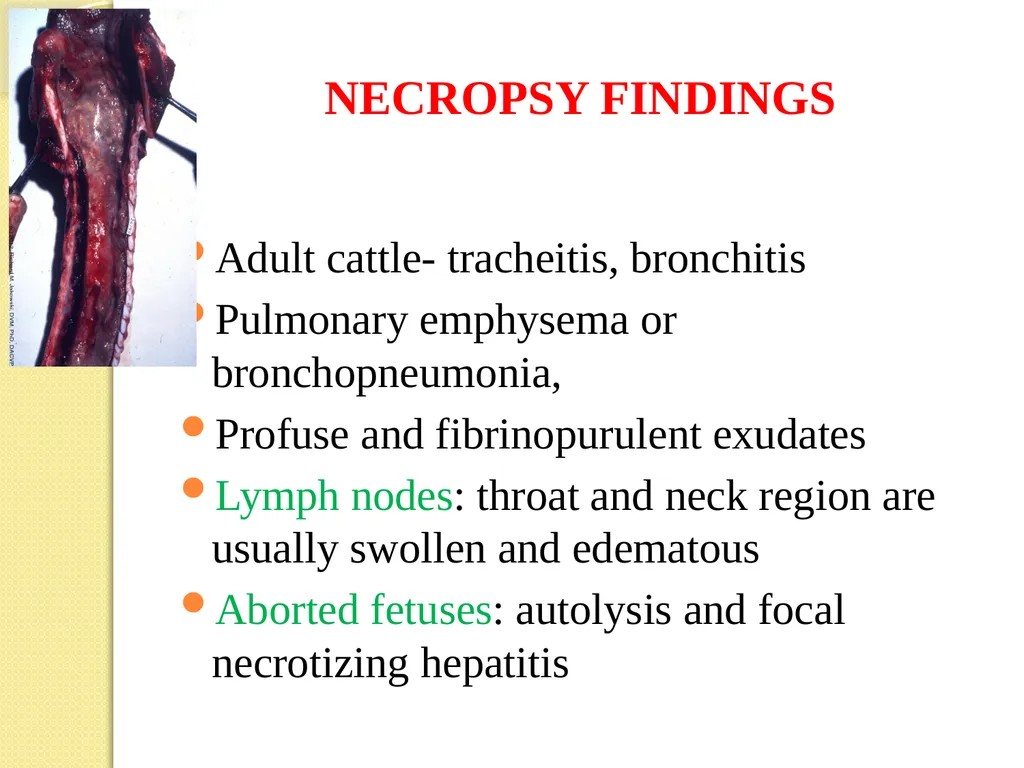
slide12. NECROPSY FINDINGS Adult cattle- tracheitis, bronchitis
Pulmonary emphysema or bronchopneumonia,
Profuse and fibrinopurulent exudates
Lymph nodes: throat and neck region are usually swollen and edematous
Aborted fetuses: autolysis and focal necrotizing hepatitis<br>
slide13. Rhinitis with congested nasal chambers drag_rao@yahoo.com Special Pathology-I (VPP-511) 13<br>
slide14. Tracheitis (IBR) drag_rao@yahoo.com Special Pathology-I (VPP-511) 14<br>
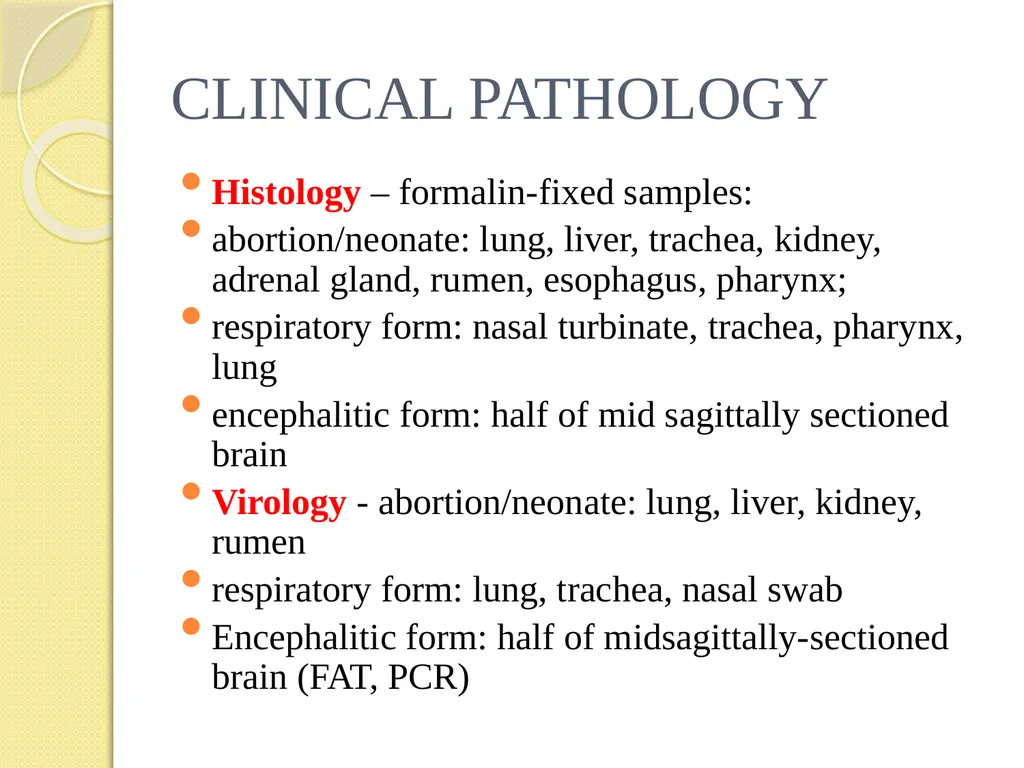
slide15. CLINICAL PATHOLOGY Histology – formalin-fixed samples:
abortion/neonate: lung, liver, trachea, kidney, adrenal gland, rumen, esophagus, pharynx;
respiratory form: nasal turbinate, trachea, pharynx, lung
encephalitic form: half of mid sagittally sectioned brain
Virology - abortion/neonate: lung, liver, kidney, rumen
respiratory form: lung, trachea, nasal swab
Encephalitic form: half of midsagittally-sectioned brain (FAT, PCR)<br>
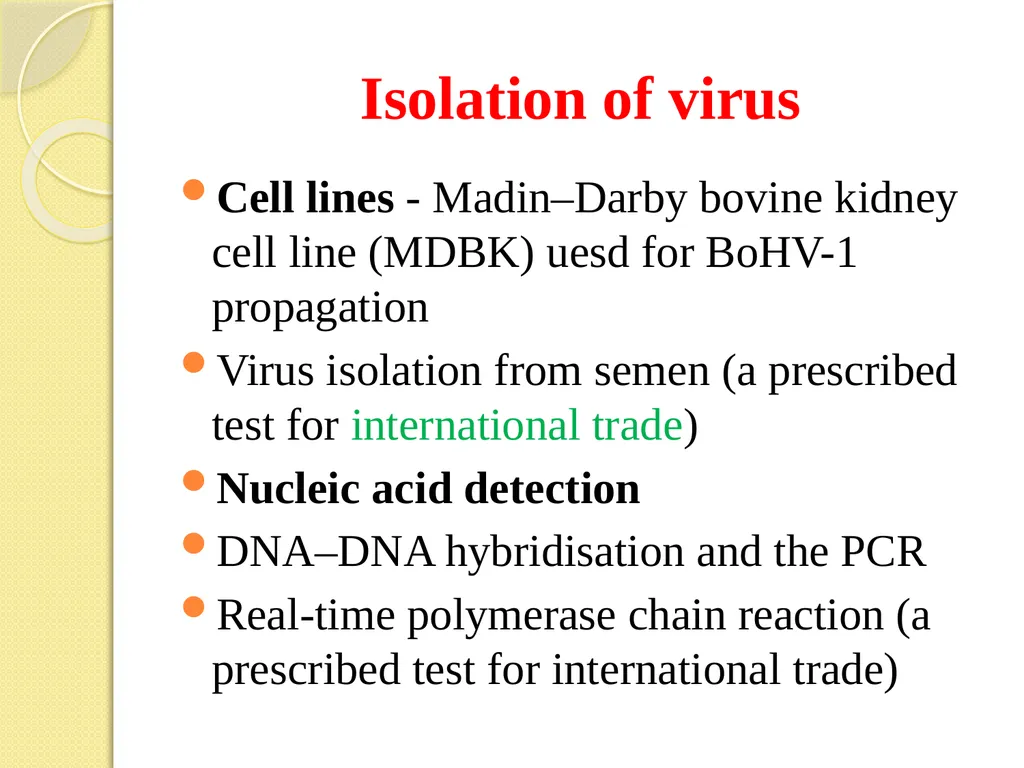
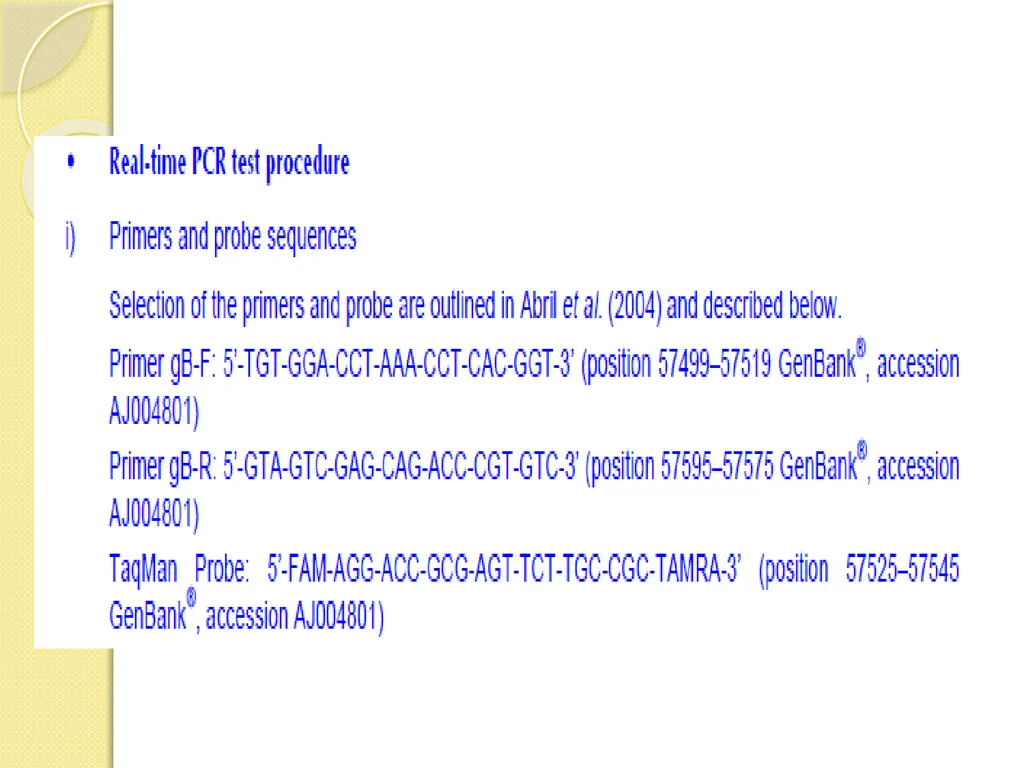
slide16. Isolation of virus Cell lines - Madin–Darby bovine kidney cell line (MDBK) uesd for BoHV-1 propagation
Virus isolation from semen (a prescribed test for international trade)
Nucleic acid detection
DNA–DNA hybridisation and the PCR
Real-time polymerase chain reaction (a prescribed test for international trade)<br>
slide18. Viral antigen detection
Nasal, ocular or genital swabs can be directly smeared onto glass cover-slips
direct or indirect fluorescent antibody test
ELISA
VNT<br>
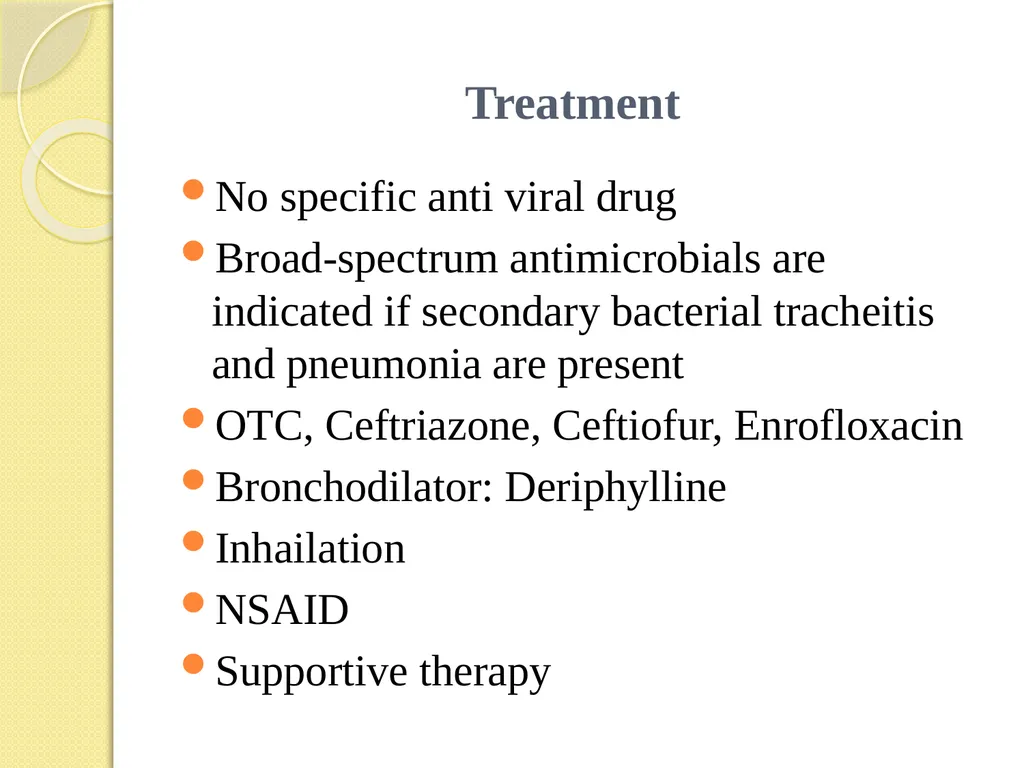
slide19. Treatment No specific anti viral drug
Broad-spectrum antimicrobials are indicated if secondary bacterial tracheitis and pneumonia are present
OTC, Ceftriazone, Ceftiofur, Enrofloxacin
Bronchodilator: Deriphylline
Inhailation
NSAID
Supportive therapy<br>
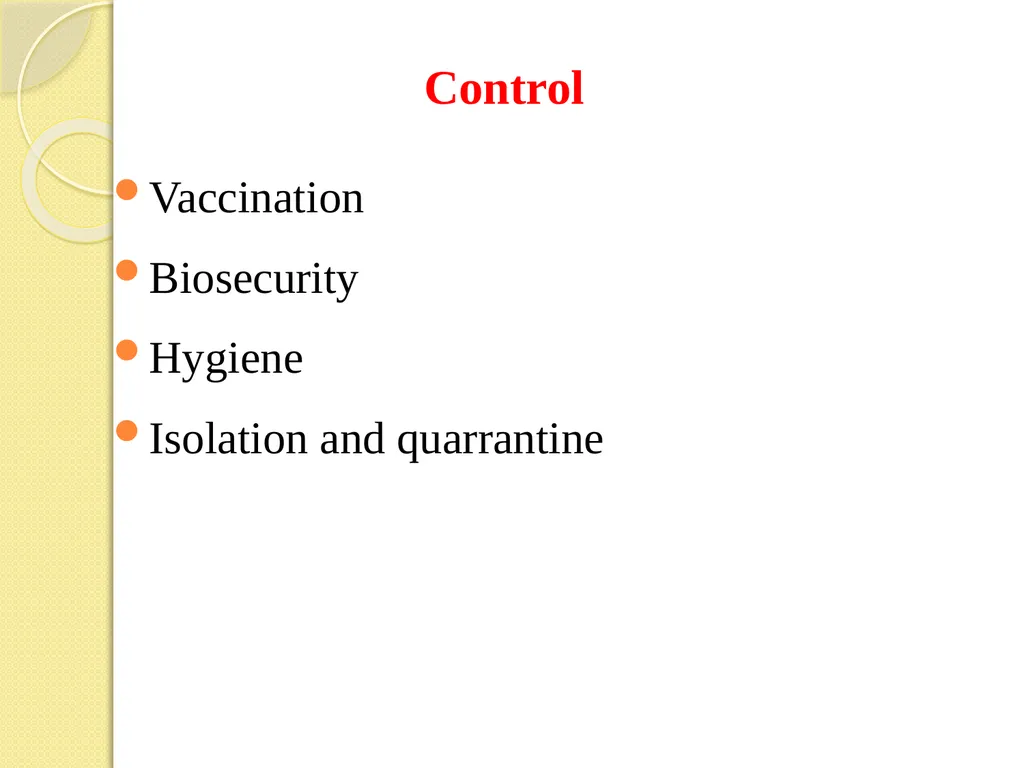
slide20. Control Vaccination
Biosecurity
Hygiene
Isolation and quarrantine<br>
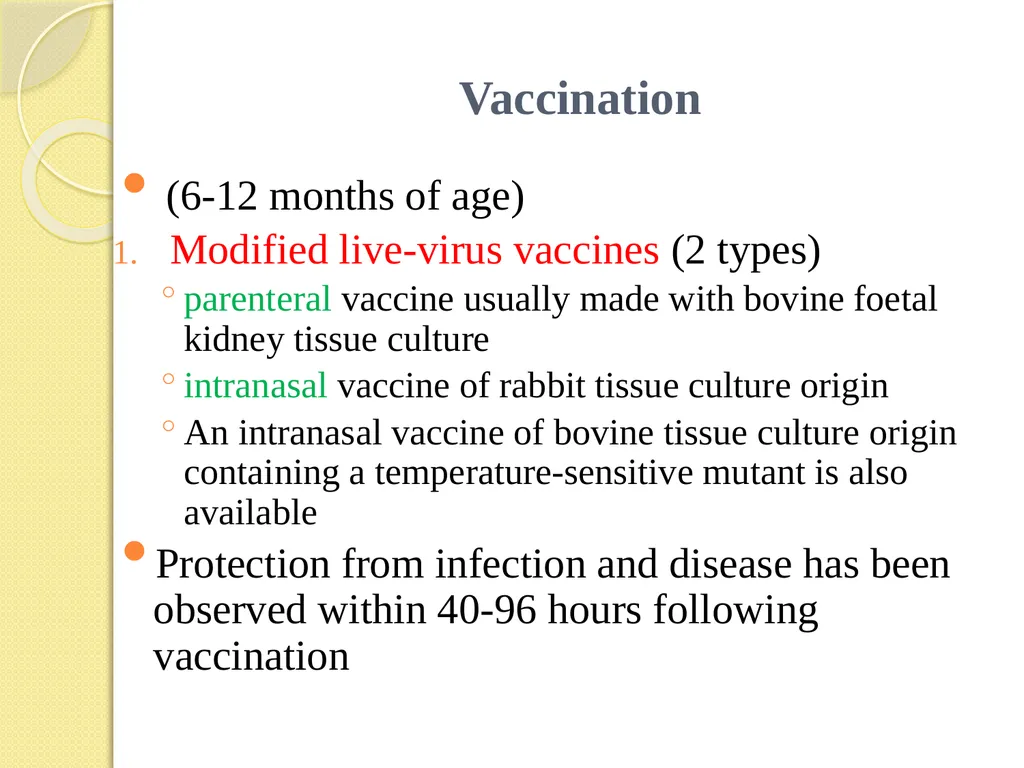
slide21. Vaccination (6-12 months of age)
Modified live-virus vaccines (2 types)
parenteral vaccine usually made with bovine foetal kidney tissue culture
intranasal vaccine of rabbit tissue culture origin
An intranasal vaccine of bovine tissue culture origin containing a temperature-sensitive mutant is also available
Protection from infection and disease has been observed within 40-96 hours following vaccination<br>
slide22. 2. Inactivated vaccine
require two doses of the vaccine
Booster- 10-14 days after the primary
But protection is observed after 7-10 days following the second dose of vaccine<br>
slide23. .3. Subunit vaccines
contains only one or more of the antigens of the pathogen necessary to evoke protective immunity, and lacks the components that might cause unwanted side-effects.
Contain major surface glycoproteins of the BHV-1<br>
slide24. Vaccination programs in herds Beef breeding herds.
Beef calves -2-3 weeks before weaning
Heifer and bull -at least 2 weeks before breeding
Dairy cattle
heifer 2-3 weeks before breeding.<br>
slide25. Thank you<br>
Assistant Professor
Department of Veterinary Medicine
DUVASU, Mathura<br>
slide2. Etiology Alfa herpesviridae
subtypes
Bovine herpes virus-l
BHV-l .l (respiratory)
BHV-l.2a and 1.2b(genital)
BHV- l.3 (BHV-5; encephalitic)<br>
slide3. Epidemiology Occurrence: Asia, Africa, Europe, North America, Australia, News Zealand
Host: cattle, buffaloes, small ruminant, wild ruminants
Endemic in white-tailed deer in certain parts of Canada, wild and farmed red deer in Britain
Buffaloes & wild ruminants may reservoir host<br>
slide4. Singh et al., 2010<br>
slide5. Morbidity & case fatality:
Uncomplicated form of the respiratory disease in cattle is not highly fatal
most losses being due mainly to secondary bacterial bronchopneumonia.
The morbidity and case fatality rates in dairy cattle are about 8% and 3%
feedlot cattle the morbidity rate is usually 20-30% in unvaccinated<br>
slide6. Methods of transmission
Respiratory form: droplet, nasal secretion
Genital form: semen, genital fluid, foetal fluid, venereal
Risk factor
All ages and breeds of cattle are susceptible
most common- above 6 months of age (probably because of their greater exposure)
Unvaccinated herd -breeding cattle are highly susceptible to epidemics of respiratory disease and abortion<br>
slide7. Clinical signs Respiratory, Rhinitis (red nose)
Ocular form
Abortive form (IPV)
Systemic disease in newborn calves
Encephalitic form<br>
slide8. Rhinitis, tracheitis and conjunctivitis (red nose) Anorexia, pyrexia (up to 42°C, 108°F)
Salivation
Nasal and ocular discharge
loud coughing
severe hyperemia of the nasal mucosa
Severe (viral or secondary bacterial) tracheitis, Inspiratory dyspnoea
abnormal tracheal breath sounds
Respiratory distress is evident on exercise<br>
slide9. Ocular form Conjunctivitis
Conjunctiva- reddened and edematous
Profuse serous ocular discharge
(DD: infectious keratoconjunctivitis (pink eye)
IBR lesions: confined to the conjunctiva and there are no lesions of the cornea except diffuse edema
Calves below 6 months of age may develop encephalitis, incoordination, Excitement, depression, Salivation, bellowing, convulsions and blindness
high mortality rate.<br>
slide10. Systemic disease in newborn calves newborn calves under 10 days of age
highly fatal
Sudden anorexia, fever
excessive salivation
rhinitis
unilateral or bilateral conjunctivitis
Bronchopneumonia
loud breath sounds, crackles and wheezes
Outbreaks- unvaccinated herd (dams)<br>
slide11. Abortion (IPV) 6-8 month of pregnancy
Retention of placenta
Endometritis
Infectious vulvo vaginitis
Short estrous
Infertility<br>
slide12. NECROPSY FINDINGS Adult cattle- tracheitis, bronchitis
Pulmonary emphysema or bronchopneumonia,
Profuse and fibrinopurulent exudates
Lymph nodes: throat and neck region are usually swollen and edematous
Aborted fetuses: autolysis and focal necrotizing hepatitis<br>
slide13. Rhinitis with congested nasal chambers drag_rao@yahoo.com Special Pathology-I (VPP-511) 13<br>
slide14. Tracheitis (IBR) drag_rao@yahoo.com Special Pathology-I (VPP-511) 14<br>
slide15. CLINICAL PATHOLOGY Histology – formalin-fixed samples:
abortion/neonate: lung, liver, trachea, kidney, adrenal gland, rumen, esophagus, pharynx;
respiratory form: nasal turbinate, trachea, pharynx, lung
encephalitic form: half of mid sagittally sectioned brain
Virology - abortion/neonate: lung, liver, kidney, rumen
respiratory form: lung, trachea, nasal swab
Encephalitic form: half of midsagittally-sectioned brain (FAT, PCR)<br>
slide16. Isolation of virus Cell lines - Madin–Darby bovine kidney cell line (MDBK) uesd for BoHV-1 propagation
Virus isolation from semen (a prescribed test for international trade)
Nucleic acid detection
DNA–DNA hybridisation and the PCR
Real-time polymerase chain reaction (a prescribed test for international trade)<br>
slide18. Viral antigen detection
Nasal, ocular or genital swabs can be directly smeared onto glass cover-slips
direct or indirect fluorescent antibody test
ELISA
VNT<br>
slide19. Treatment No specific anti viral drug
Broad-spectrum antimicrobials are indicated if secondary bacterial tracheitis and pneumonia are present
OTC, Ceftriazone, Ceftiofur, Enrofloxacin
Bronchodilator: Deriphylline
Inhailation
NSAID
Supportive therapy<br>
slide20. Control Vaccination
Biosecurity
Hygiene
Isolation and quarrantine<br>
slide21. Vaccination (6-12 months of age)
Modified live-virus vaccines (2 types)
parenteral vaccine usually made with bovine foetal kidney tissue culture
intranasal vaccine of rabbit tissue culture origin
An intranasal vaccine of bovine tissue culture origin containing a temperature-sensitive mutant is also available
Protection from infection and disease has been observed within 40-96 hours following vaccination<br>
slide22. 2. Inactivated vaccine
require two doses of the vaccine
Booster- 10-14 days after the primary
But protection is observed after 7-10 days following the second dose of vaccine<br>
slide23. .3. Subunit vaccines
contains only one or more of the antigens of the pathogen necessary to evoke protective immunity, and lacks the components that might cause unwanted side-effects.
Contain major surface glycoproteins of the BHV-1<br>
slide24. Vaccination programs in herds Beef breeding herds.
Beef calves -2-3 weeks before weaning
Heifer and bull -at least 2 weeks before breeding
Dairy cattle
heifer 2-3 weeks before breeding.<br>
slide25. Thank you<br>