
PATHOGENIC MICROORGANISMS WHAT IS A PATHOGEN? A
PM
Published · 38 slides · 0 views
1 / 1







Description
PATHOGENIC MICROORGANISMS WHAT IS A PATHOGEN? A pathogen is an organism that causes disease. Pathogenic microorganism may be viruses,bacteria,mycobacteria,fungi, protozoa, they infects people or animals in direct or indirect ways.Virus
Related Topics
Share
Embed code
Download this presentation From Below
"PATHOGENIC MICROORGANISMS WHAT IS A PATHOGEN? A" is the property of its rightful owner. Permission is granted to download and print the materials on this website for personal, non-commercial use only, and to display it on your personal computer provided you do not modify the materials and that you retain all copyright notices contained in the materials. By downloading content from our website, you accept the terms of this agreement.
Presentation Transcript
01
PATHOGENIC MICROORGANISMS<br>
02
WHAT IS A PATHOGEN? A pathogen is an organism that causes disease. Pathogenic microorganism may be viruses,bacteria,mycobacteria,fungi, protozoa, they infects people or animals in direct or indirect ways.Virus often result in serious disesase.
Your body is naturally full of microbes. However, these microbes only cause a problem if your immune system is weakened or if they manage to enter a normally sterile part of your body.
Pathogens are different and can cause disease upon entering the body.
All a pathogen needs to thrive and survive is a host. Once the pathogen sets itself up in a host’s body, it manages to avoid the body’s immune responses and uses the body’s resources to replicate before exiting and spreading to a new host.
Pathogens can be transmitted a few ways depending on the type. They can be spread through skin contact, bodily fluids, airborne particles, contact with feces, and touching a surface touched by an infected person.<br>
Your body is naturally full of microbes. However, these microbes only cause a problem if your immune system is weakened or if they manage to enter a normally sterile part of your body.
Pathogens are different and can cause disease upon entering the body.
All a pathogen needs to thrive and survive is a host. Once the pathogen sets itself up in a host’s body, it manages to avoid the body’s immune responses and uses the body’s resources to replicate before exiting and spreading to a new host.
Pathogens can be transmitted a few ways depending on the type. They can be spread through skin contact, bodily fluids, airborne particles, contact with feces, and touching a surface touched by an infected person.<br>
03
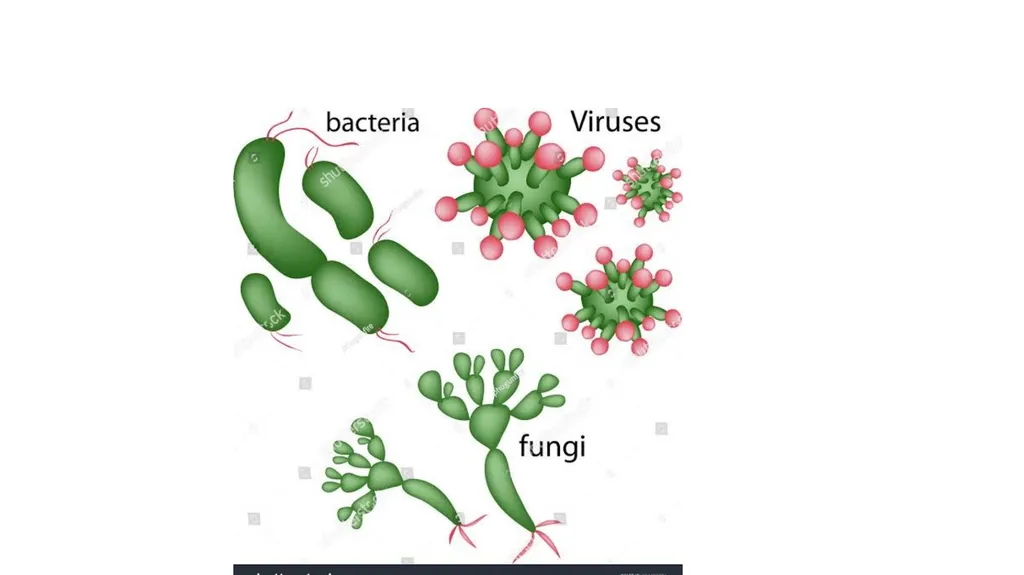
PATHOGEN TYPES There are different types of pathogens, but we’re going to focus on the four most common types: viruses, bacteria, fungi, and parasites.
Viruses
Bacteria
Fungi
Parasites<br>
Viruses
Bacteria
Fungi
Parasites<br>
04
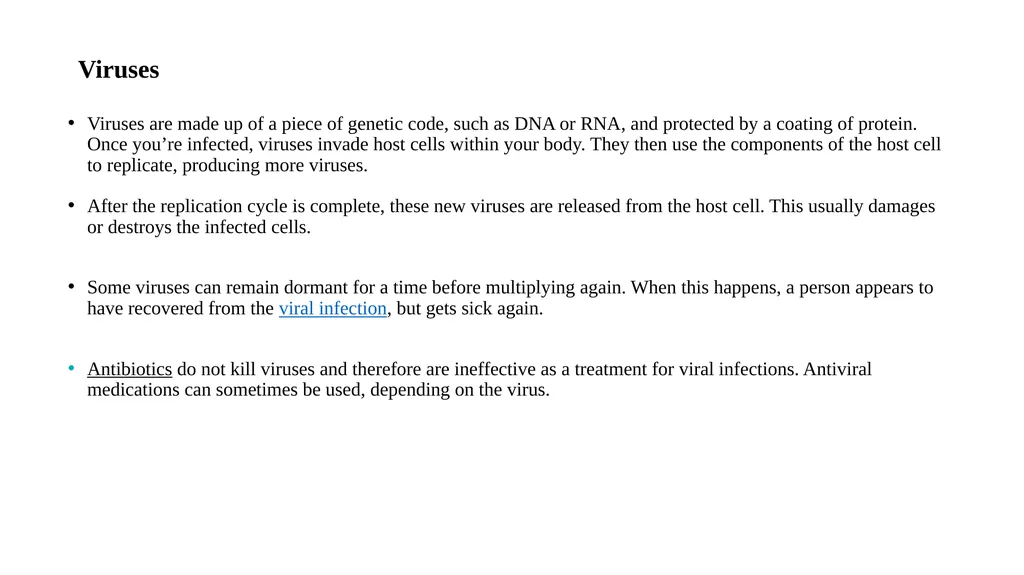
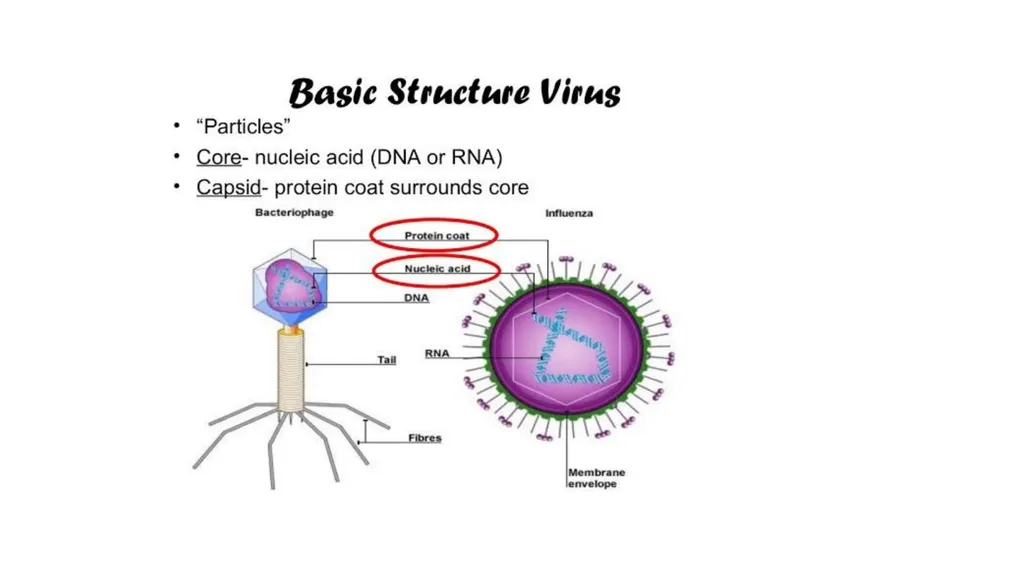
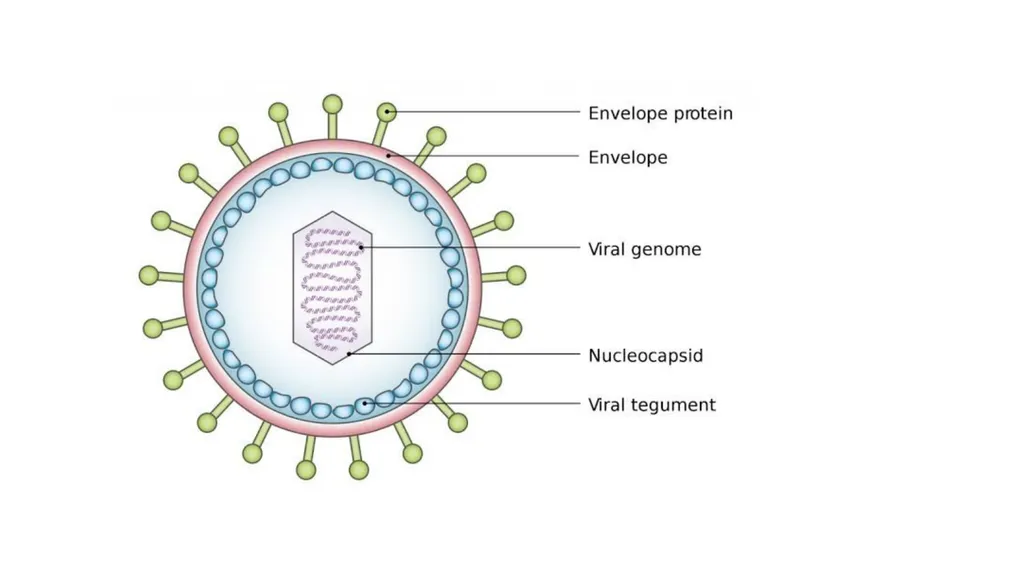
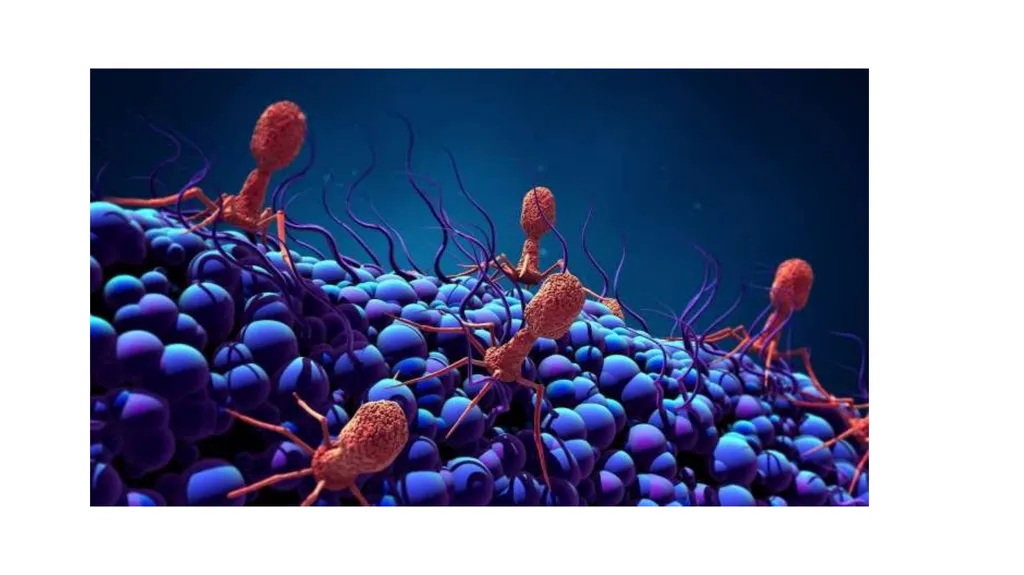
Viruses Viruses are made up of a piece of genetic code, such as DNA or RNA, and protected by a coating of protein. Once you’re infected, viruses invade host cells within your body. They then use the components of the host cell to replicate, producing more viruses.
After the replication cycle is complete, these new viruses are released from the host cell. This usually damages or destroys the infected cells.
Some viruses can remain dormant for a time before multiplying again. When this happens, a person appears to have recovered from the viral infection, but gets sick again.
Antibiotics do not kill viruses and therefore are ineffective as a treatment for viral infections. Antiviral medications can sometimes be used, depending on the virus.<br>
After the replication cycle is complete, these new viruses are released from the host cell. This usually damages or destroys the infected cells.
Some viruses can remain dormant for a time before multiplying again. When this happens, a person appears to have recovered from the viral infection, but gets sick again.
Antibiotics do not kill viruses and therefore are ineffective as a treatment for viral infections. Antiviral medications can sometimes be used, depending on the virus.<br>
05
Bacteria Bacteria are microorganisms made of a single cell. They are very diverse, have a variety of shapes and features, and have the ability to live in just about any environment, including in and on your body. Not all bacteria cause infections. Those that can are called pathogenic bacteria.
Your body can be more prone to bacterial infections when your immune system is compromised by a virus. The disease state caused by a virus enables normally harmless bacteria to become pathogenic.
Antibiotics are used to treat bacterial infections. Some strains of bacteria have become resistant to antibiotics, making them difficult to treat<br>
Your body can be more prone to bacterial infections when your immune system is compromised by a virus. The disease state caused by a virus enables normally harmless bacteria to become pathogenic.
Antibiotics are used to treat bacterial infections. Some strains of bacteria have become resistant to antibiotics, making them difficult to treat<br>
06
Fungi Fungi can be found just about everywhere in the environment, including indoors, outdoors, and on human skin. They cause infection when they overgrow.
Fungi cells contain a nucleus and other components protected by a membrane and a thick cell wall. Their structure can make them harder to kill.
Some new strains of fungal infections are proving to be especially dangerous, such as Candida aurus, and have prompted more research into fungal infections.<br>
Fungi cells contain a nucleus and other components protected by a membrane and a thick cell wall. Their structure can make them harder to kill.
Some new strains of fungal infections are proving to be especially dangerous, such as Candida aurus, and have prompted more research into fungal infections.<br>
07
Parasites Parasites are organisms that behave like tiny animals, living in or on a host and feeding from or at the expense of the host. Though parasitic infections are more common in tropical and subtropical regions, they can occur anywhere.
Three main types of parasites can cause disease in humans. These include:
1. Protozoa, which are single-celled organisms that can live and multiply in your body
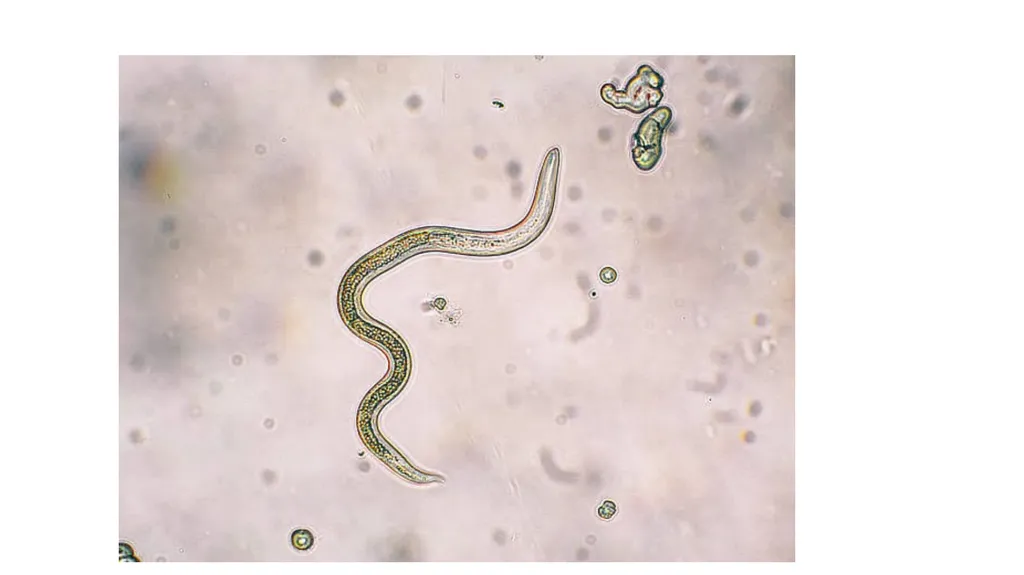
2. Helminths, which are larger, multi-celled organisms that can live inside or outside your body and are commonly known as worms
3. Ectoparasites, which are multi-celled organisms that live on or feed off your skin, including some insects, such as ticks and mosquitos
They can be spread several ways, including through contaminated soil, water, food, and blood, as well as through sexual contact and via insect bites.<br>
Three main types of parasites can cause disease in humans. These include:
1. Protozoa, which are single-celled organisms that can live and multiply in your body
2. Helminths, which are larger, multi-celled organisms that can live inside or outside your body and are commonly known as worms
3. Ectoparasites, which are multi-celled organisms that live on or feed off your skin, including some insects, such as ticks and mosquitos
They can be spread several ways, including through contaminated soil, water, food, and blood, as well as through sexual contact and via insect bites.<br>
08
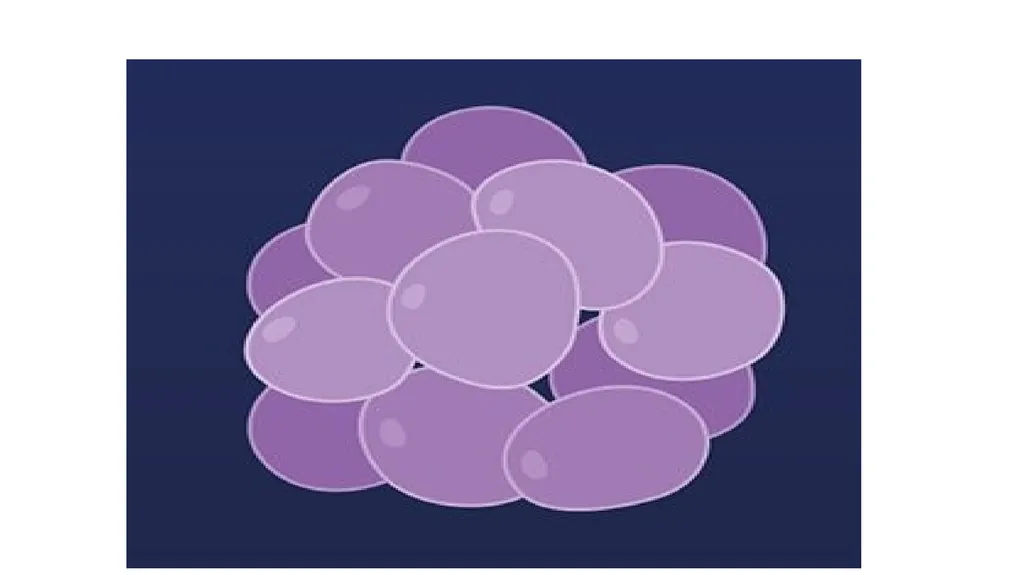
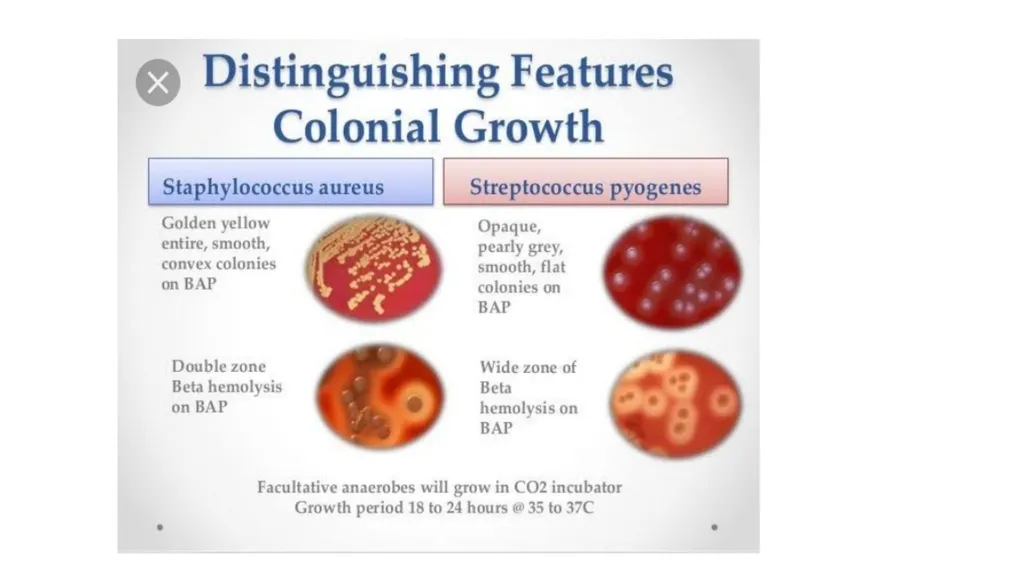
1. Staphylococcus aureus (MRSA) Staphylococcus aureus is a gram positive coccus forming spherical to ovoid cells about 1mm in diameter.
Cell division occurs in more than one plane so that cells form irregular clumps resembling bunches of grapes.<br>
Cell division occurs in more than one plane so that cells form irregular clumps resembling bunches of grapes.<br>
09
Illness Caused: Pneumonia, Flesh Eating Disease
Antibiotic Resistance: Medium
Virulence(Disease causing nature): Dangerous
More commonly known as MRSA (which stands for Methicillin-resistant Staphylococcus aureus), this ‘superbug’ is very easily spread through human contact and can cause a range of illnesses from skin disorders to deadly diseases like meningitis and pneumonia. Most often treated with Penicillin type antibiotics, by 1960, 80 per cent of hospital samples were antibiotic resistant.<br>
Antibiotic Resistance: Medium
Virulence(Disease causing nature): Dangerous
More commonly known as MRSA (which stands for Methicillin-resistant Staphylococcus aureus), this ‘superbug’ is very easily spread through human contact and can cause a range of illnesses from skin disorders to deadly diseases like meningitis and pneumonia. Most often treated with Penicillin type antibiotics, by 1960, 80 per cent of hospital samples were antibiotic resistant.<br>
10
2. Pseudomonas aeruginosa Illness Caused: Pneumonia, Various Infections
Antibiotic Resistance: Medium
Virulence: Worrying
Quick to mutate and adapt to counter different antibiotic treatments, Pseudomonas aeruginosa shows an innate ability to develop resistance to antibiotics. Described as ‘opportunistic’ because it primarily affects humans that are already critically ill, this bacteria can cause serious complications in the treatment of AIDS, cancer or cystic fibrosis patients. While it isn’t a massive threat to humanity currently, this bacteria will become an increasing threat over the next few years.<br>
Antibiotic Resistance: Medium
Virulence: Worrying
Quick to mutate and adapt to counter different antibiotic treatments, Pseudomonas aeruginosa shows an innate ability to develop resistance to antibiotics. Described as ‘opportunistic’ because it primarily affects humans that are already critically ill, this bacteria can cause serious complications in the treatment of AIDS, cancer or cystic fibrosis patients. While it isn’t a massive threat to humanity currently, this bacteria will become an increasing threat over the next few years.<br>
11
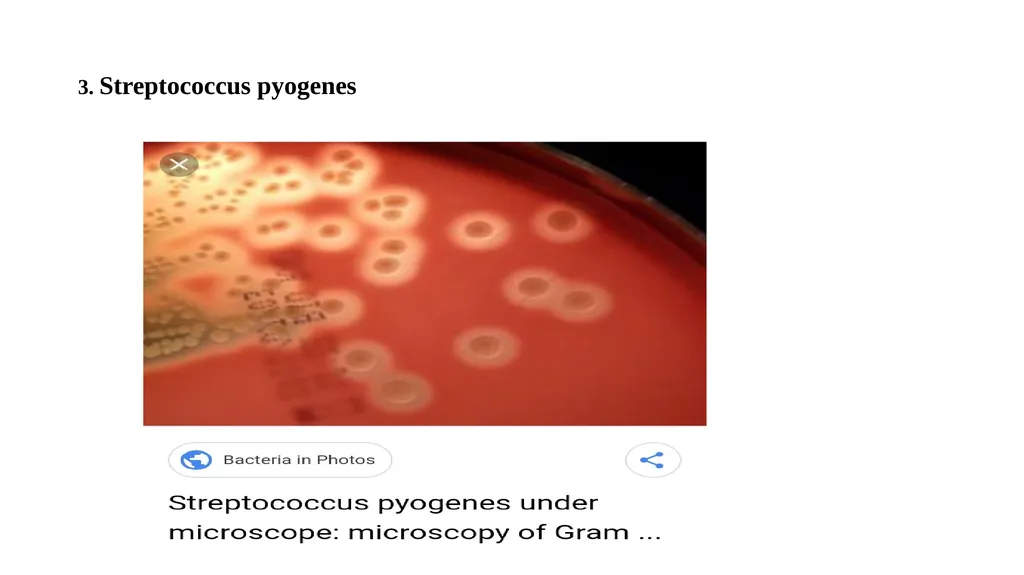
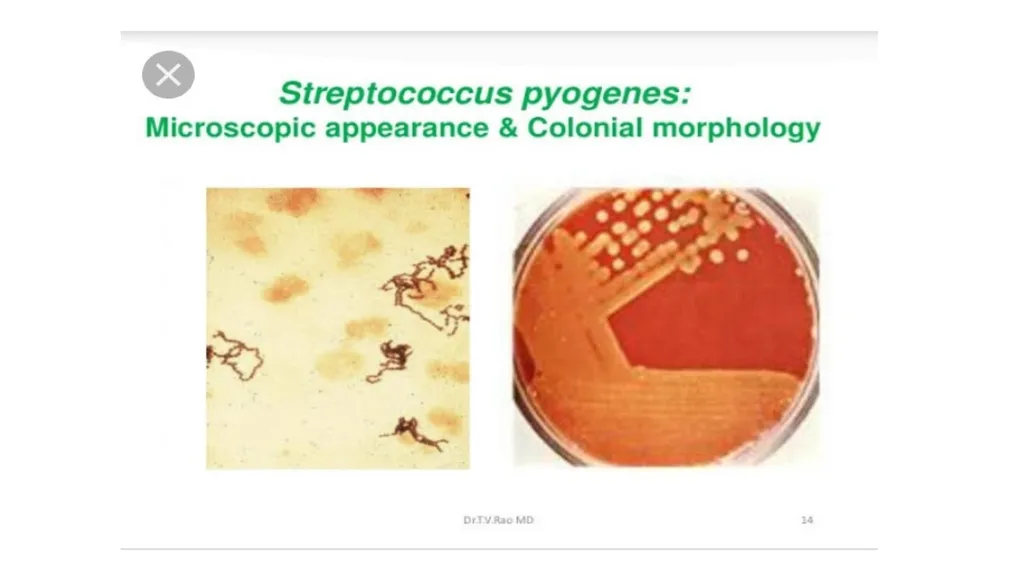
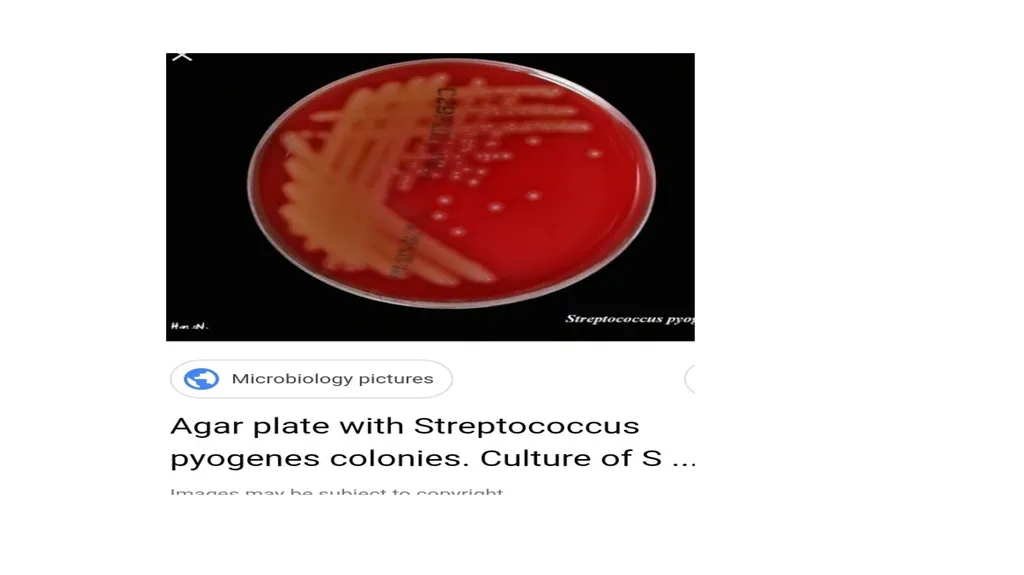
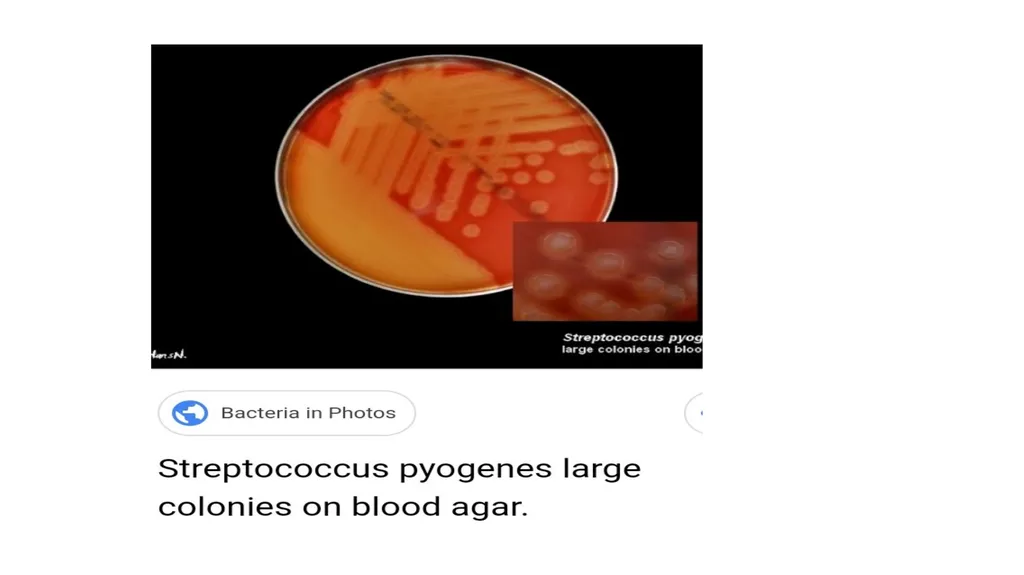
3. Streptococcus pyogenes<br>
12
Illness Caused: Sore throat, skin disorders
Antibiotic Resistance: Low
Virulence: Deadly
Like other potentially dangerous bacteria such as E.coli, Streptococcus pyogenes can be found in 5 per cent - 15 per cent of all humans, residing in the lungs or throat without causing any harm.
Streptococcus pyogenes causes over 700 million infections globally every year and has a high mortality rate of 25 per cent in serious cases.
once you have an infection the bacteria can cause a range of diseases ranging from sore throat and scarlet fever. Luckily, the bacteria is affected by penicillin so is treated easily in most cases - however several strains are building resistance to various other antibiotics.<br>
Antibiotic Resistance: Low
Virulence: Deadly
Like other potentially dangerous bacteria such as E.coli, Streptococcus pyogenes can be found in 5 per cent - 15 per cent of all humans, residing in the lungs or throat without causing any harm.
Streptococcus pyogenes causes over 700 million infections globally every year and has a high mortality rate of 25 per cent in serious cases.
once you have an infection the bacteria can cause a range of diseases ranging from sore throat and scarlet fever. Luckily, the bacteria is affected by penicillin so is treated easily in most cases - however several strains are building resistance to various other antibiotics.<br>
13
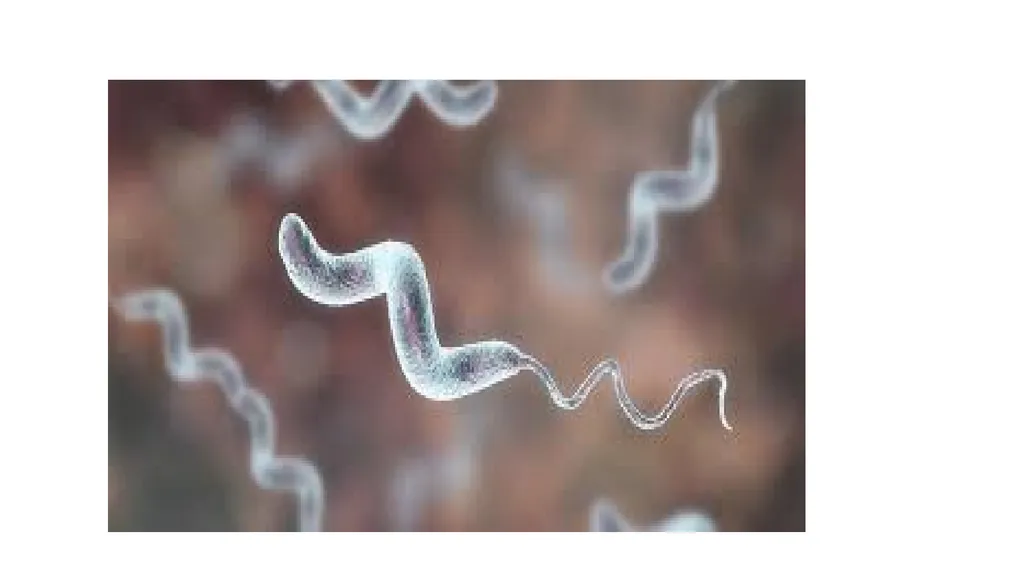
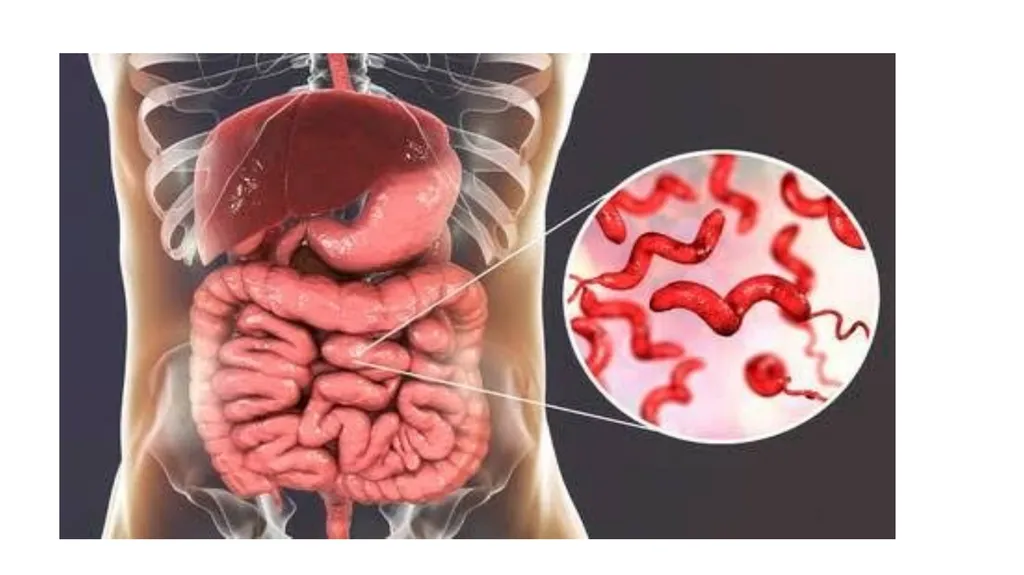
CAMPYLOBACTER Campylobacter (meaning "curved bacteria") is a genus of Gram-negative bacteria. Campylobacter typically appear comma- or s-shaped, and are motile. Some Campylobacter species can infect humans, sometimes causing campylobacteriosis, a diarrhoeal disease in humans.
People can get Campylobacter infection by eating raw or undercooked poultry or eating something that touched it. They can also get it from eating other foods, including seafood, meat, and produce, by contact with animals, and by drinking untreated water.
Although people with Campylobacter infection usually recover on their own, some need antibiotic treatment.<br>
People can get Campylobacter infection by eating raw or undercooked poultry or eating something that touched it. They can also get it from eating other foods, including seafood, meat, and produce, by contact with animals, and by drinking untreated water.
Although people with Campylobacter infection usually recover on their own, some need antibiotic treatment.<br>
14
Campylobacteriosis is an infection caused by bacteria you can get from contaminated food and water. It causes diarrhea. It is also called campylobacter, campylobacter infection, or campylobacteriosis gastroenteritis.
Like a salmonella infection, campylobacteriosis can cause diarrhea and sometimes other serious complications.
Infants and children have a greater chance than adults for campylobacter infection, but it can strike anyone at any age. Men are also more likely than women to get infected. It’s more common in summer than winter.
Campylobacteriosis Symptoms
The infection usually lasts about a week. If you’ve been infected, symptoms start within a couple of days of eating the infected food. They may include:
Diarrhea, sometimes bloody, Nausea, Vomiting, Belly cramps, Bloating, Fever, Some people never have symptoms.<br>
Like a salmonella infection, campylobacteriosis can cause diarrhea and sometimes other serious complications.
Infants and children have a greater chance than adults for campylobacter infection, but it can strike anyone at any age. Men are also more likely than women to get infected. It’s more common in summer than winter.
Campylobacteriosis Symptoms
The infection usually lasts about a week. If you’ve been infected, symptoms start within a couple of days of eating the infected food. They may include:
Diarrhea, sometimes bloody, Nausea, Vomiting, Belly cramps, Bloating, Fever, Some people never have symptoms.<br>
15
How does campylobacteriosis contamination happen? Poultry and cattle can carry campylobacter even if they have no symptoms. When the animals are slaughtered, bacteria can spread from the intestines to the parts people eat. Infection in a cow’s udder or contact with manure can contaminate milk. Pasteurized milk is safe to drink.
Animal waste can get into lakes and streams. The contaminated water can spread bacteria to fruits and vegetables. Washing produce with clean water helps make it safe.<br>
Animal waste can get into lakes and streams. The contaminated water can spread bacteria to fruits and vegetables. Washing produce with clean water helps make it safe.<br>
16
Escherichia coli (E.coli) E. coli (Escherichia coli), is a type of bacteria that normally lives in your intestines. It’s also found in the gut of some animals.
Most types of E. coli are harmless and even help keep your digestive tract healthy.
Some strains of E.coli can cause serious illness and most commonly lead to severe food poisoning as well as meningitis and infections, if you eat contaminated food or drink fouled water.
While many of us associate E. coli with food poisoning, you can also get pneumonia and urinary tract infections from different types of the bacteria.
In fact, 75% to 95% of urinary tract infections are caused by E. coli.
E.coli is a normal resident of the bowel, which is how it makes it way to the urinary tract.
Some versions of E. coli make you sick by making a toxin called Shiga.
This toxin damages the lining of your intestine. The strains of E. coli that make the toxin are sometimes called STEC, which is short for “Shiga toxin-producing E. coli.”
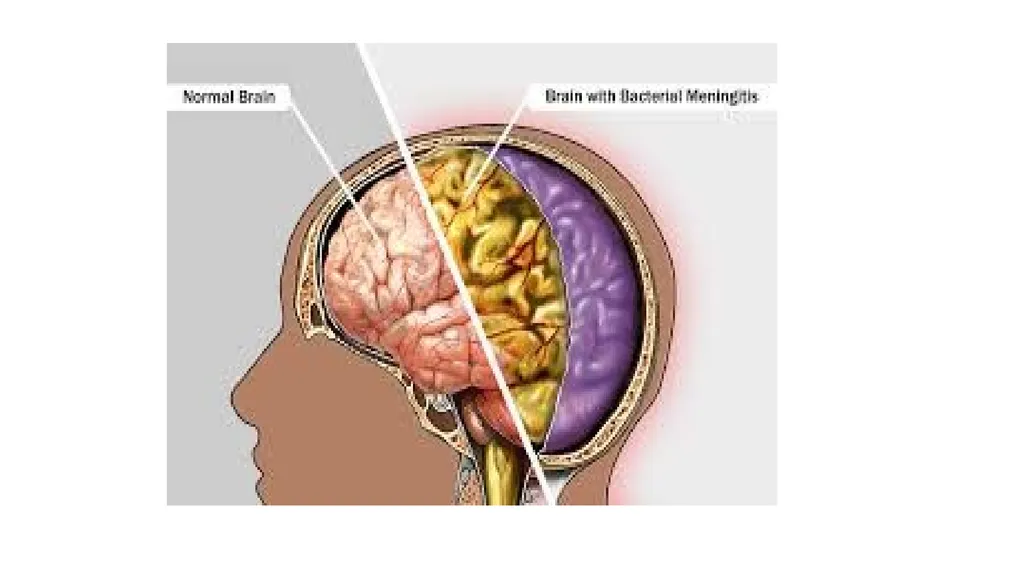
NOTE- Meningitis is an inflammation of the fluid and membranes (meninges) surrounding your brain and spinal cord. The swelling from meningitis typically triggers signs and symptoms such as headache, fever and a stiff neck.<br>
Most types of E. coli are harmless and even help keep your digestive tract healthy.
Some strains of E.coli can cause serious illness and most commonly lead to severe food poisoning as well as meningitis and infections, if you eat contaminated food or drink fouled water.
While many of us associate E. coli with food poisoning, you can also get pneumonia and urinary tract infections from different types of the bacteria.
In fact, 75% to 95% of urinary tract infections are caused by E. coli.
E.coli is a normal resident of the bowel, which is how it makes it way to the urinary tract.
Some versions of E. coli make you sick by making a toxin called Shiga.
This toxin damages the lining of your intestine. The strains of E. coli that make the toxin are sometimes called STEC, which is short for “Shiga toxin-producing E. coli.”
NOTE- Meningitis is an inflammation of the fluid and membranes (meninges) surrounding your brain and spinal cord. The swelling from meningitis typically triggers signs and symptoms such as headache, fever and a stiff neck.<br>
17
One especially bad strain, O157:H7, can make you very sick. It causes abdominal cramps, vomiting, and bloody diarrhea. It is the leading cause of acute kidney failure in children. It can also cause life-threatening symptoms such as:
Adult kidney failure
fever
Bleeding
Confusion
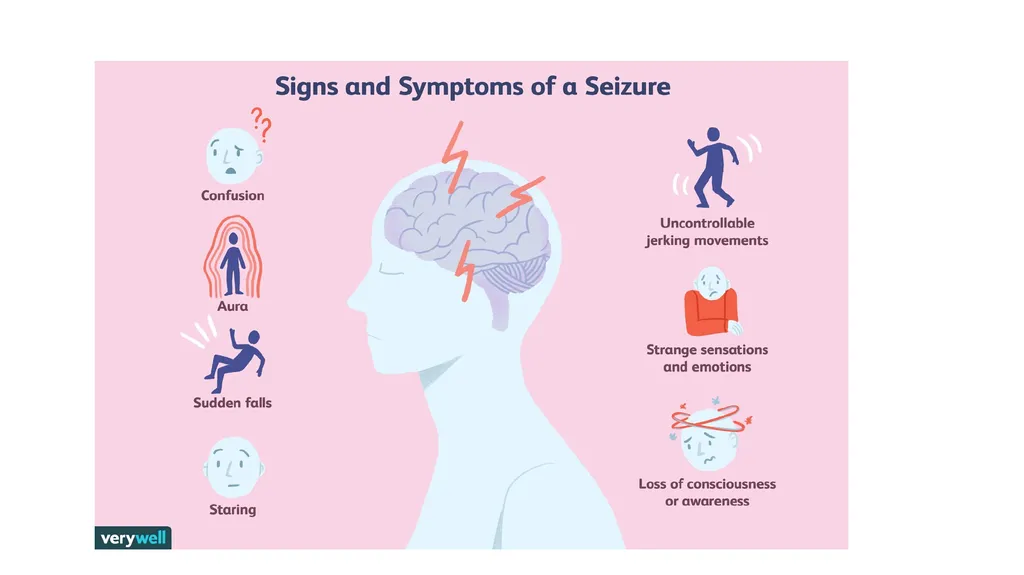
Seizures (A seizure is a sudden, uncontrolled electrical disturbance in the brain. It can cause changes in your behavior, movements or feelings, and in levels of consciousness.)<br>
Adult kidney failure
fever
Bleeding
Confusion
Seizures (A seizure is a sudden, uncontrolled electrical disturbance in the brain. It can cause changes in your behavior, movements or feelings, and in levels of consciousness.)<br>
18
How Do You Get Infected? You can become infected when you swallow even a small amount of E. coli bacteria. Among the ways this can happen:
Ground meat: You eat ground meat that carries E. coli, and the meat wasn’t cooked enough to kill the bacteria. When meat is processed, sometimes bacteria from the animals’ intestines make their way into the meat. This happens more with ground meat because it comes from more than one animal.
Untreated milk: You drink unpasteurized milk, which hasn’t been heated to kill bacteria. E. coli can get into the milk from the cow’s udder or from milking equipment.
Vegetables and fruit: You might eat fresh vegetables or fruit that’s been tainted by water that has the bacteria. This happens most often when manure from nearby animals mixes with the water supply.
Other foods and beverages: You might also get E. coli from unpasteurized fruit juices and yogurt and cheese made from raw milk.
Water: You swallow water that contains E. coli, perhaps while swimming in a pool, lake, or pond.<br>
Ground meat: You eat ground meat that carries E. coli, and the meat wasn’t cooked enough to kill the bacteria. When meat is processed, sometimes bacteria from the animals’ intestines make their way into the meat. This happens more with ground meat because it comes from more than one animal.
Untreated milk: You drink unpasteurized milk, which hasn’t been heated to kill bacteria. E. coli can get into the milk from the cow’s udder or from milking equipment.
Vegetables and fruit: You might eat fresh vegetables or fruit that’s been tainted by water that has the bacteria. This happens most often when manure from nearby animals mixes with the water supply.
Other foods and beverages: You might also get E. coli from unpasteurized fruit juices and yogurt and cheese made from raw milk.
Water: You swallow water that contains E. coli, perhaps while swimming in a pool, lake, or pond.<br>
19
Other people: You might get E. coli from another person who has it, such as a child. The bacteria can be passed to you if you clean up after an infected person and then don’t wash your hands really well before you touch your mouth.
Animals: It can be found at petting zoos or animal exhibits at fairs.
You can also contaminate food in your own kitchen if you allow a knife or cutting board that has touched uncooked meat (like chicken) to come into contact with food that will be eaten raw (like a salad).
Symptoms- You’ll probably start to feel ill 2 to 5 days after you’ve taken in the E. coli bacteria. The most common symptoms are:
Abdominal cramps.
Diarrhea, which may be bloody.
nausea
Constant fatigue
You may not have a fever. If you do, it may be slight.
Healthy people infected with E. coli usually feel better within a week. But some people have a serious complication called hemolytic uremic syndrome, which affects the kidneys. This is more likely to happen to older people and children.<br>
Animals: It can be found at petting zoos or animal exhibits at fairs.
You can also contaminate food in your own kitchen if you allow a knife or cutting board that has touched uncooked meat (like chicken) to come into contact with food that will be eaten raw (like a salad).
Symptoms- You’ll probably start to feel ill 2 to 5 days after you’ve taken in the E. coli bacteria. The most common symptoms are:
Abdominal cramps.
Diarrhea, which may be bloody.
nausea
Constant fatigue
You may not have a fever. If you do, it may be slight.
Healthy people infected with E. coli usually feel better within a week. But some people have a serious complication called hemolytic uremic syndrome, which affects the kidneys. This is more likely to happen to older people and children.<br>
20
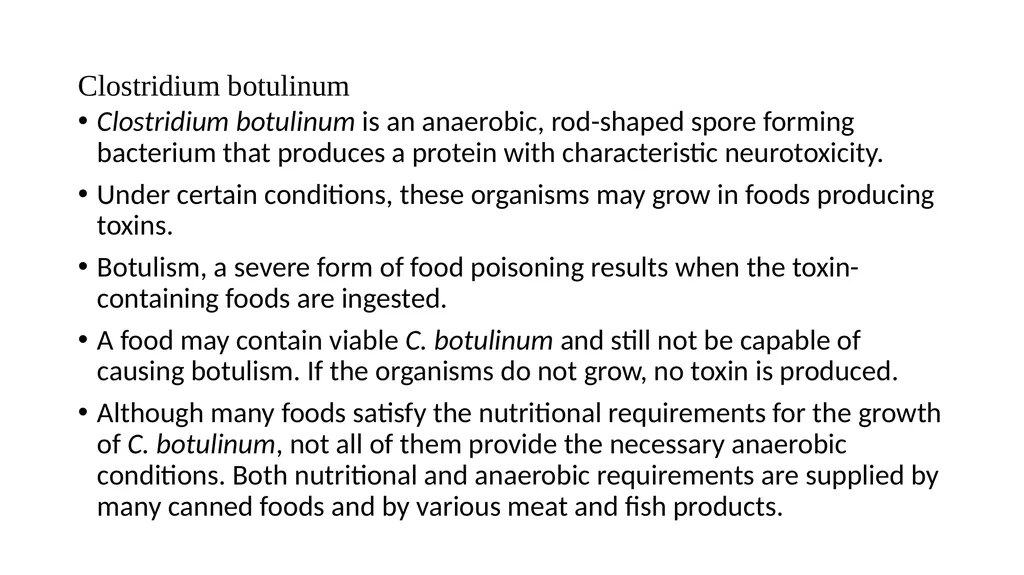
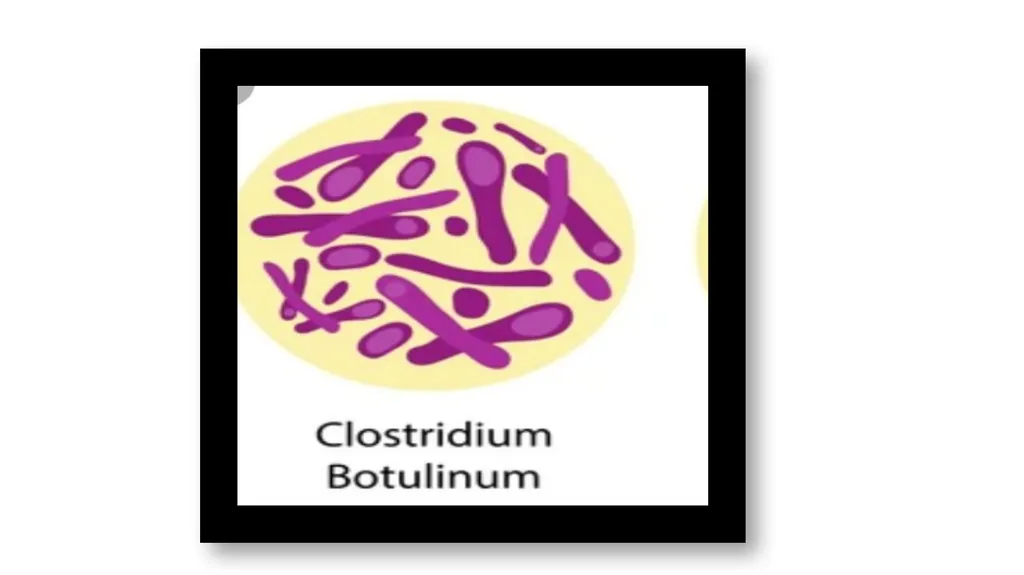
Clostridium botulinum Clostridium botulinum is an anaerobic, rod-shaped spore forming bacterium that produces a protein with characteristic neurotoxicity.
Under certain conditions, these organisms may grow in foods producing toxins.
Botulism, a severe form of food poisoning results when the toxin-containing foods are ingested.
A food may contain viable C. botulinum and still not be capable of causing botulism. If the organisms do not grow, no toxin is produced.
Although many foods satisfy the nutritional requirements for the growth of C. botulinum, not all of them provide the necessary anaerobic conditions. Both nutritional and anaerobic requirements are supplied by many canned foods and by various meat and fish products.<br>
Under certain conditions, these organisms may grow in foods producing toxins.
Botulism, a severe form of food poisoning results when the toxin-containing foods are ingested.
A food may contain viable C. botulinum and still not be capable of causing botulism. If the organisms do not grow, no toxin is produced.
Although many foods satisfy the nutritional requirements for the growth of C. botulinum, not all of them provide the necessary anaerobic conditions. Both nutritional and anaerobic requirements are supplied by many canned foods and by various meat and fish products.<br>
21
What Is Botulism?
Botulism (or botulism poisoning) is a rare but very serious illness that transmits through food, contact with contaminated soil, or through an open wound. Without early treatment, botulism can lead to paralysis, breathing difficulties, and death.
There are three main types of botulism:
infant botulism
foodborne botulism
wound botulism<br>
Botulism (or botulism poisoning) is a rare but very serious illness that transmits through food, contact with contaminated soil, or through an open wound. Without early treatment, botulism can lead to paralysis, breathing difficulties, and death.
There are three main types of botulism:
infant botulism
foodborne botulism
wound botulism<br>
22
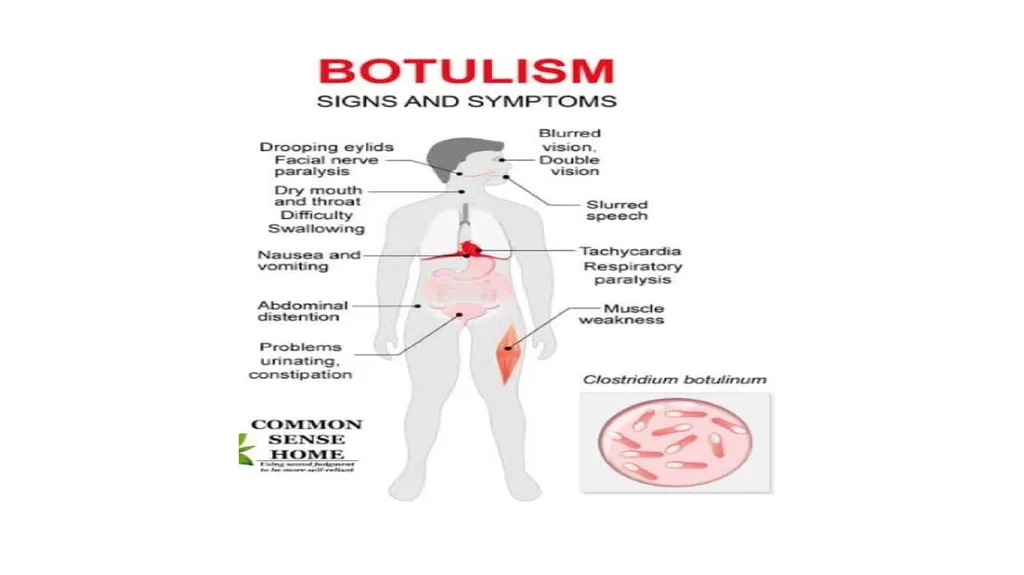
Symptoms of Botulism<br>