StudyMafia.Org Submitted To: Submitted By:
Description: StudyMafia.Org Submitted To: Submitted By: Studymafia.org Studymafia.org High-Risk Pregnancy Table Contents Definition Introduction Symptoms of High-risk Pregnancy Causes of High-risk Pregnancy Risk-Factors of High-risk Pregnancy
Related Topics
Download Presentation
"StudyMafia.Org Submitted To: Submitted By:" is the property of its rightful owner. Permission is granted to download and print the materials on this website for personal, non-commercial use only, and to display it on your personal computer provided you do not modify the materials and that you retain all copyright notices contained in the materials. By downloading content from our website, you accept the terms of this agreement.
Presentation Transcript
slide1. StudyMafia.Org Submitted To: Submitted By:
Studymafia.org Studymafia.org High-RiskPregnancy<br>
slide2. Table Contents Definition
Introduction
Symptoms of High-risk Pregnancy
Causes of High-risk Pregnancy
Risk-Factors of High-risk Pregnancy
Complications of High-risk Pregnancy
Diagnosis of High-risk Pregnancy
Treatment of High-risk Pregnancy
Prevention of High-risk Pregnancy
Conclusion 2<br>
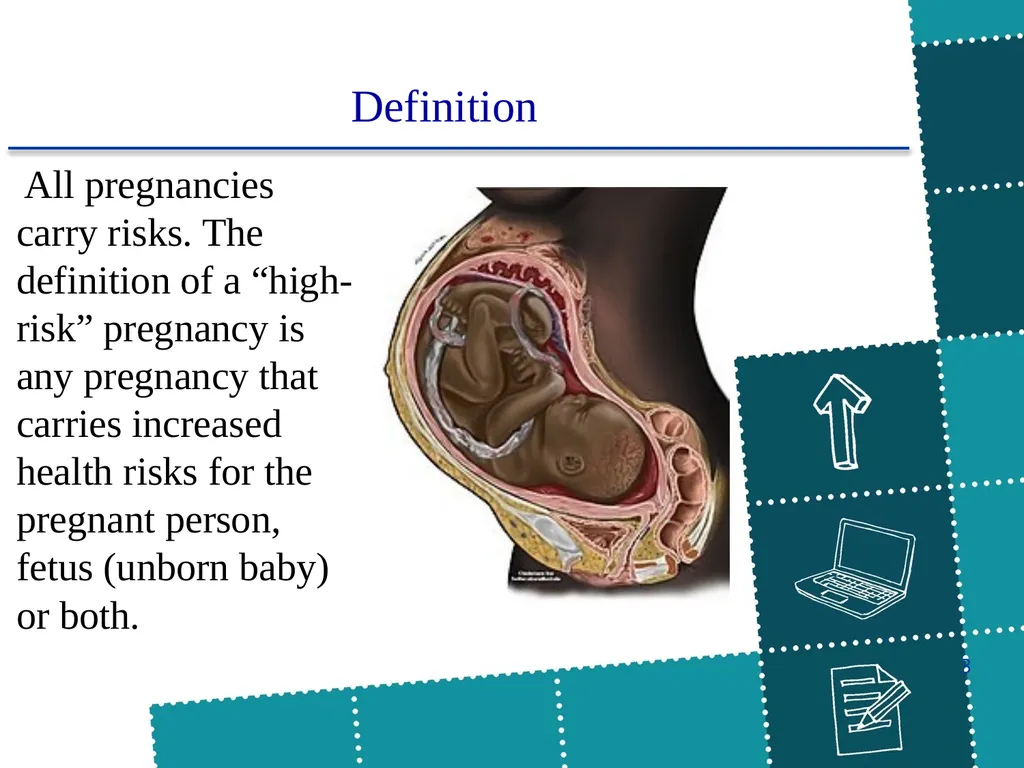
slide3. Definition All pregnancies carry risks. The definition of a “high-risk” pregnancy is any pregnancy that carries increased health risks for the pregnant person, fetus (unborn baby) or both. 3<br>
slide4. Introduction People with high-risk pregnancies may need extra care before, during and after they give birth. This helps to reduce the possibility of complications.
However, having a pregnancy that’s considered high risk doesn’t mean you or your unborn baby will have problems. Many people experience healthy pregnancies and normal labor and delivery despite having special health needs. 4<br>
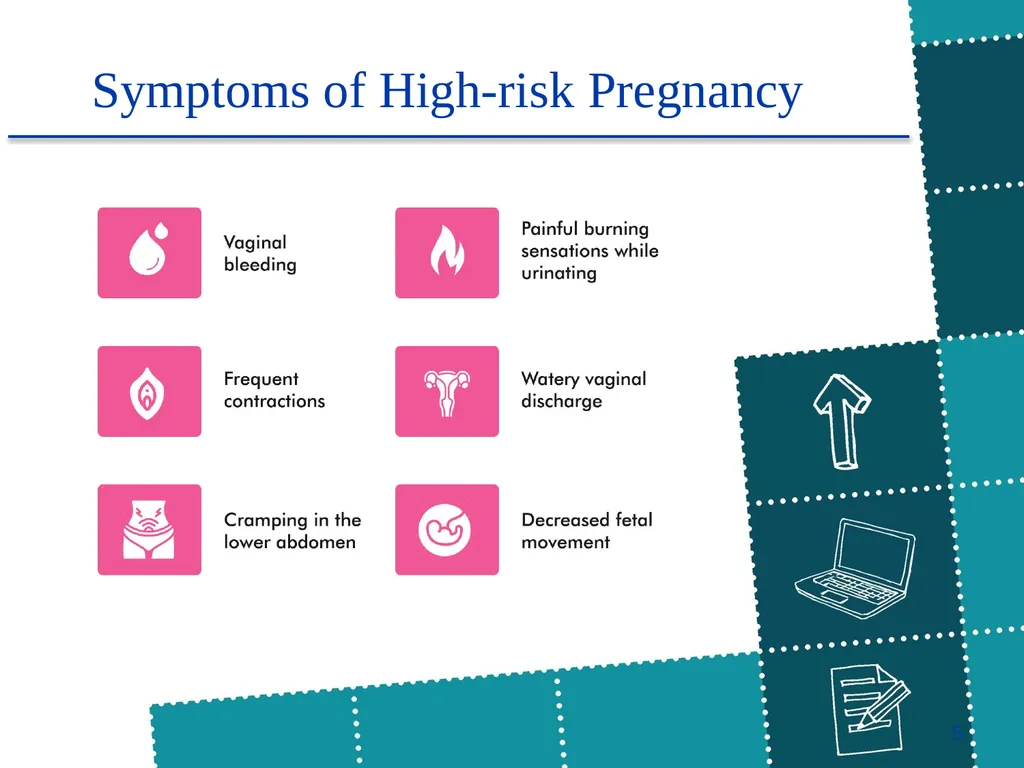
slide5. 5 Symptoms of High-risk Pregnancy<br>
slide6. Causes of High-risk Pregnancy Preexisting health conditions.
Pregnancy-related health conditions.
Lifestyle factors (including smoking, drug addiction, alcohol abuse and exposure to certain toxins).
Age (being over 35 or under 17 when pregnant). 6<br>
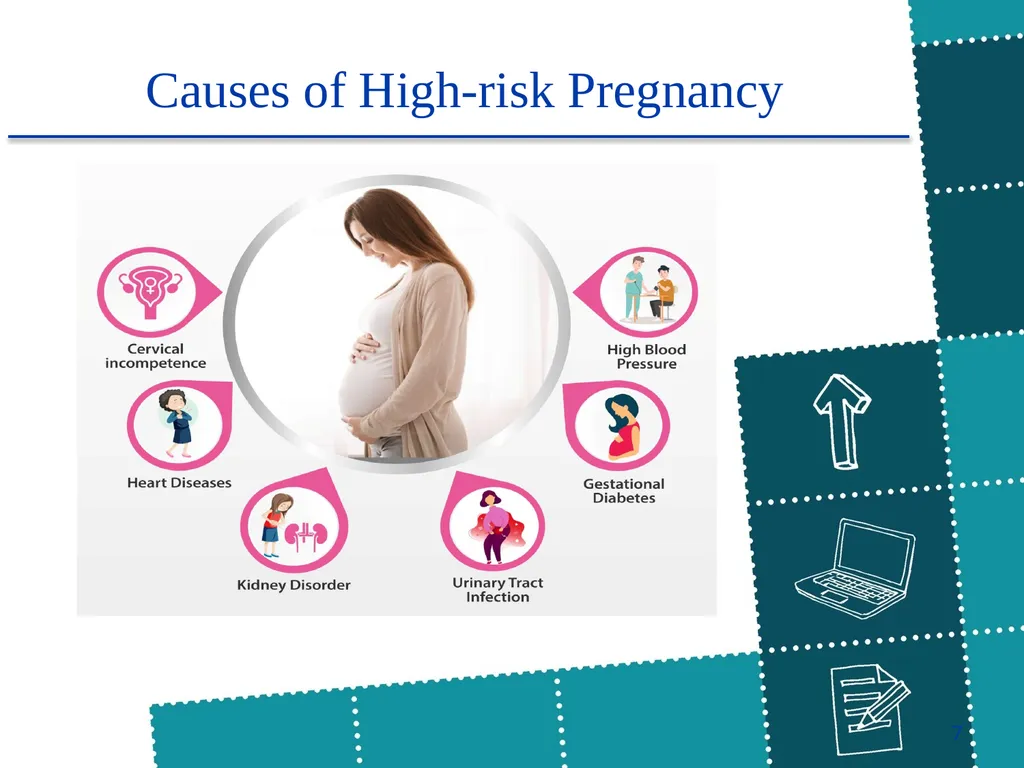
slide7. Causes of High-risk Pregnancy 7<br>
slide8. Risk factors of High-risk Pregnancy People with many preexisting conditions have increased health risks during pregnancy. Some of these conditions include:
Autoimmune diseases, such as lupus or multiple sclerosis (MS).
COVID-19.
Diabetes.
Fibroids.
High blood pressure.
HIV/AIDS. ●●●
8<br>
slide9. Risk factors of High-risk Pregnancy Kidney disease.
Low body weight (BMI of less than 18.5).
Mental health disorders, such as depression.
Obesity.
Polycystic ovary syndrome (PCOS).
Thyroid disease.
Blood clotting disorders. ●●●
9<br>
slide10. Risk factors of High-risk Pregnancy Birth defects or genetic conditions in the unborn baby.
Poor growth in the unborn baby.
Gestational diabetes.
Multiple gestation (pregnancy with more than one baby, such as twins or triplets).
Preeclampsia and eclampsia.
Previous preterm labor or birth, or other complications with previous pregnancies. 10<br>
slide11. Complications of High-risk Pregnancy A high-risk pregnancy can be life-threatening for the pregnant person or unborn baby. Serious complications can include:
Preeclampsia (high blood pressure from pregnancy).
Eclampsia (seizure from pregnancy).
Preterm delivery.
Cesarean delivery (C-section).
Excessive bleeding during labor and delivery, or after birth. ●●●
11<br>
slide12. Complications of High-risk Pregnancy Low or high birth weight.
Birth defects.
Problems with your baby’s brain development.
Neonatal intensive care unit admission for your baby.
Intensive care unit admission for you.
Miscarriage.
Stillbirth. 12<br>
slide13. Diagnosis of High-risk Pregnancy Blood and urine testing to check for genetic conditions or certain birth defects in your baby.
Ultrasonography, which uses sound waves to create images of your baby in the womb to screen for birth defects.
Monitoring to ensure your unborn baby is getting enough oxygen, such as a biophysical profile, which monitors their breathing, movements and amniotic fluid using ultrasound, and a non-stress test, which monitors their heartrate. 13<br>
slide14. Treatment of High-risk Pregnancy Closer follow-up with your obstetrician.
Consultation with a maternal fetal medicine (high-risk pregnancy) specialist.
Consultation with other medical specialists.
More ultrasounds and closer fetal evaluation.
Home blood pressure monitoring.
Careful monitoring of medications used to manage preexisting conditions. 14<br>
slide15. Prevention of High-risk Pregnancy Avoiding drugs and alcohol.
Identifying potential health risks before getting pregnant. Tell your doctor about your familial and personal medical history.
Maintaining a healthy body weight before pregnancy.
Managing any preexisting health conditions you may have. ●●●
15<br>
slide16. Prevention of High-risk Pregnancy Making sure any long-term medications are safe to take during pregnancy.
Quitting smoking.
Planning pregnancies between the ages of 18 and 34.
Practicing safe sex. 16<br>
slide17. Conclusion A variety of factors can make a pregnancy high risk. These include age and certain health conditions. If you have a high-risk pregnancy, both you and your baby may need extra care before, during and after birth.
Be sure to get thorough prenatal care. Stay in close communication with your healthcare provider to reduce your risk of pregnancy complications. 17<br>

slide18. References Google.com
Wikipedia.org
Studymafia.org
Slidespanda.com<br>
slide19. ThanksTo StudyMafia.org<br>
Studymafia.org Studymafia.org High-RiskPregnancy<br>
slide2. Table Contents Definition
Introduction
Symptoms of High-risk Pregnancy
Causes of High-risk Pregnancy
Risk-Factors of High-risk Pregnancy
Complications of High-risk Pregnancy
Diagnosis of High-risk Pregnancy
Treatment of High-risk Pregnancy
Prevention of High-risk Pregnancy
Conclusion 2<br>
slide3. Definition All pregnancies carry risks. The definition of a “high-risk” pregnancy is any pregnancy that carries increased health risks for the pregnant person, fetus (unborn baby) or both. 3<br>
slide4. Introduction People with high-risk pregnancies may need extra care before, during and after they give birth. This helps to reduce the possibility of complications.
However, having a pregnancy that’s considered high risk doesn’t mean you or your unborn baby will have problems. Many people experience healthy pregnancies and normal labor and delivery despite having special health needs. 4<br>
slide5. 5 Symptoms of High-risk Pregnancy<br>
slide6. Causes of High-risk Pregnancy Preexisting health conditions.
Pregnancy-related health conditions.
Lifestyle factors (including smoking, drug addiction, alcohol abuse and exposure to certain toxins).
Age (being over 35 or under 17 when pregnant). 6<br>
slide7. Causes of High-risk Pregnancy 7<br>
slide8. Risk factors of High-risk Pregnancy People with many preexisting conditions have increased health risks during pregnancy. Some of these conditions include:
Autoimmune diseases, such as lupus or multiple sclerosis (MS).
COVID-19.
Diabetes.
Fibroids.
High blood pressure.
HIV/AIDS. ●●●
8<br>
slide9. Risk factors of High-risk Pregnancy Kidney disease.
Low body weight (BMI of less than 18.5).
Mental health disorders, such as depression.
Obesity.
Polycystic ovary syndrome (PCOS).
Thyroid disease.
Blood clotting disorders. ●●●
9<br>
slide10. Risk factors of High-risk Pregnancy Birth defects or genetic conditions in the unborn baby.
Poor growth in the unborn baby.
Gestational diabetes.
Multiple gestation (pregnancy with more than one baby, such as twins or triplets).
Preeclampsia and eclampsia.
Previous preterm labor or birth, or other complications with previous pregnancies. 10<br>
slide11. Complications of High-risk Pregnancy A high-risk pregnancy can be life-threatening for the pregnant person or unborn baby. Serious complications can include:
Preeclampsia (high blood pressure from pregnancy).
Eclampsia (seizure from pregnancy).
Preterm delivery.
Cesarean delivery (C-section).
Excessive bleeding during labor and delivery, or after birth. ●●●
11<br>
slide12. Complications of High-risk Pregnancy Low or high birth weight.
Birth defects.
Problems with your baby’s brain development.
Neonatal intensive care unit admission for your baby.
Intensive care unit admission for you.
Miscarriage.
Stillbirth. 12<br>
slide13. Diagnosis of High-risk Pregnancy Blood and urine testing to check for genetic conditions or certain birth defects in your baby.
Ultrasonography, which uses sound waves to create images of your baby in the womb to screen for birth defects.
Monitoring to ensure your unborn baby is getting enough oxygen, such as a biophysical profile, which monitors their breathing, movements and amniotic fluid using ultrasound, and a non-stress test, which monitors their heartrate. 13<br>
slide14. Treatment of High-risk Pregnancy Closer follow-up with your obstetrician.
Consultation with a maternal fetal medicine (high-risk pregnancy) specialist.
Consultation with other medical specialists.
More ultrasounds and closer fetal evaluation.
Home blood pressure monitoring.
Careful monitoring of medications used to manage preexisting conditions. 14<br>
slide15. Prevention of High-risk Pregnancy Avoiding drugs and alcohol.
Identifying potential health risks before getting pregnant. Tell your doctor about your familial and personal medical history.
Maintaining a healthy body weight before pregnancy.
Managing any preexisting health conditions you may have. ●●●
15<br>
slide16. Prevention of High-risk Pregnancy Making sure any long-term medications are safe to take during pregnancy.
Quitting smoking.
Planning pregnancies between the ages of 18 and 34.
Practicing safe sex. 16<br>
slide17. Conclusion A variety of factors can make a pregnancy high risk. These include age and certain health conditions. If you have a high-risk pregnancy, both you and your baby may need extra care before, during and after birth.
Be sure to get thorough prenatal care. Stay in close communication with your healthcare provider to reduce your risk of pregnancy complications. 17<br>
slide18. References Google.com
Wikipedia.org
Studymafia.org
Slidespanda.com<br>
slide19. ThanksTo StudyMafia.org<br>