StudyMafia.Org Submitted To: Submitted By:
Description: StudyMafia.Org Submitted To: Submitted By: Studymafia.org Studymafia.org Laws Of Thermodynamics Table Contents Definition Introduction Types of Thermodynamics Laws of Thermodynamics Examples of Thermodynamics Conclusion 2 Definition
Related Topics
Download Presentation
"StudyMafia.Org Submitted To: Submitted By:" is the property of its rightful owner. Permission is granted to download and print the materials on this website for personal, non-commercial use only, and to display it on your personal computer provided you do not modify the materials and that you retain all copyright notices contained in the materials. By downloading content from our website, you accept the terms of this agreement.
Presentation Transcript
slide1. StudyMafia.Org Submitted To: Submitted By:
Studymafia.org Studymafia.org Laws Of
Thermodynamics<br>
slide2. Table Contents Definition
Introduction
Types of Thermodynamics
Laws of Thermodynamics
Examples of Thermodynamics
Conclusion 2<br>
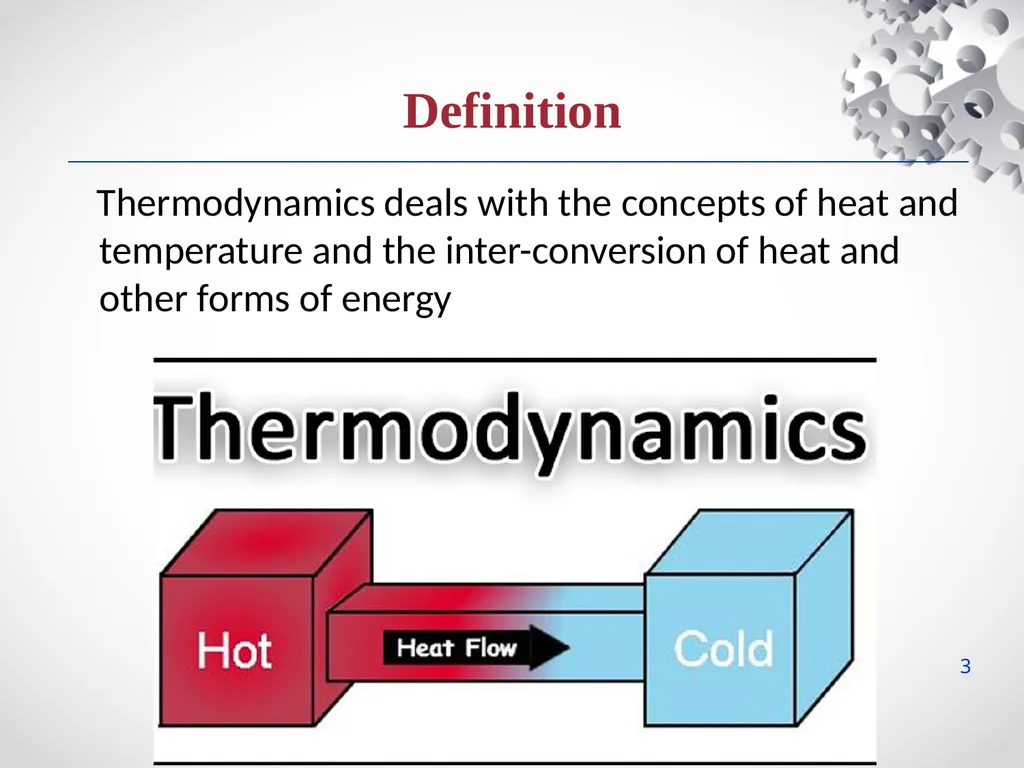
slide3. Definition Thermodynamics deals with the concepts of heat and temperature and the inter-conversion of heat and other forms of energy 3<br>
slide4. Introduction Thermal energy is the energy that comes from heat. This heat is generated by the movement of tiny particles within an object, and the faster these particles move, the more heat is generated.
The four laws of thermodynamics govern the behaviour of these quantities and provide a quantitative description. William Thomson, in 1749, coined the term thermodynamics. 4<br>
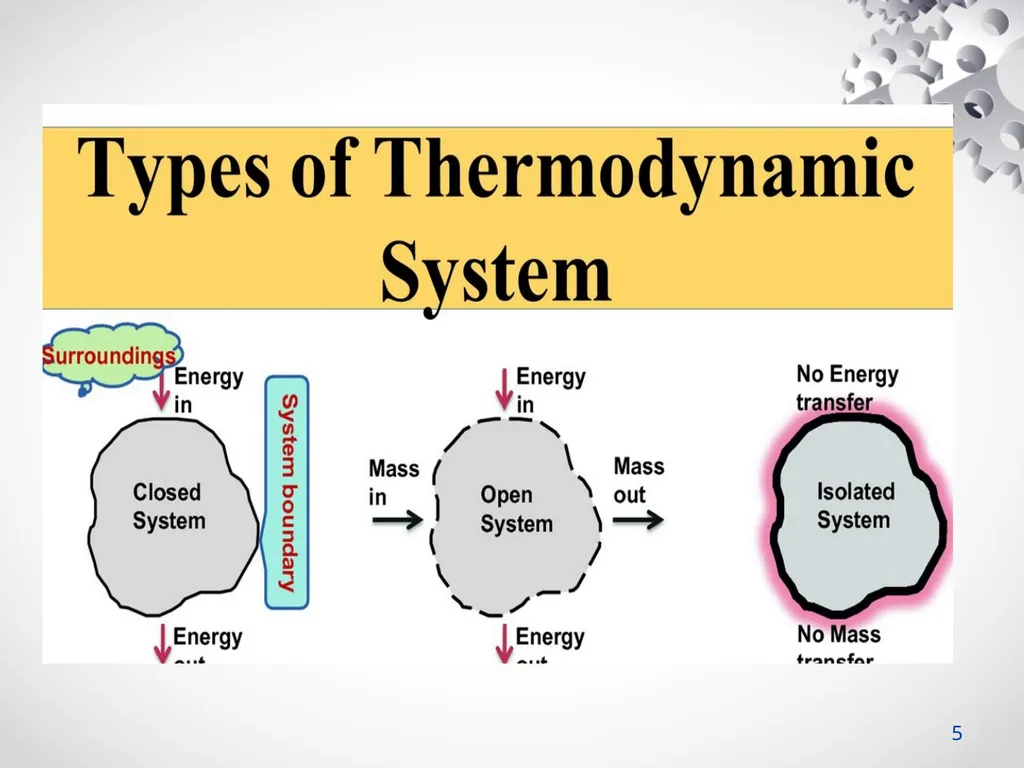
slide5. 5<br>
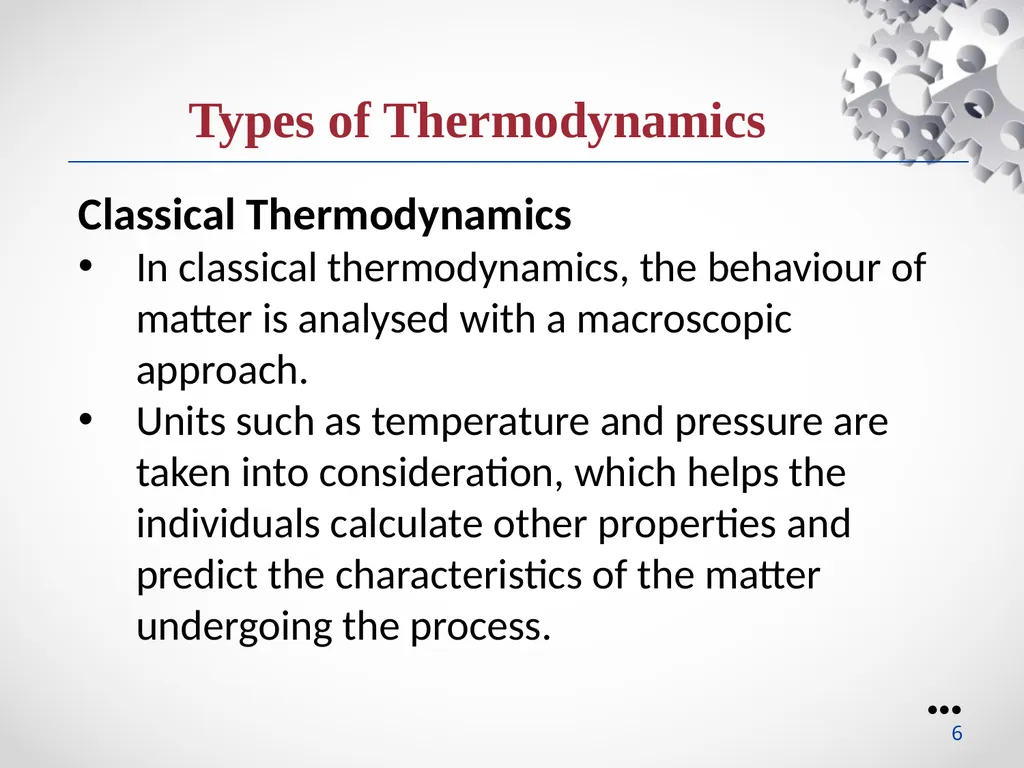
slide6. Types of Thermodynamics Classical Thermodynamics
In classical thermodynamics, the behaviour of matter is analysed with a macroscopic approach.
Units such as temperature and pressure are taken into consideration, which helps the individuals calculate other properties and predict the characteristics of the matter undergoing the process. ●●●
6<br>
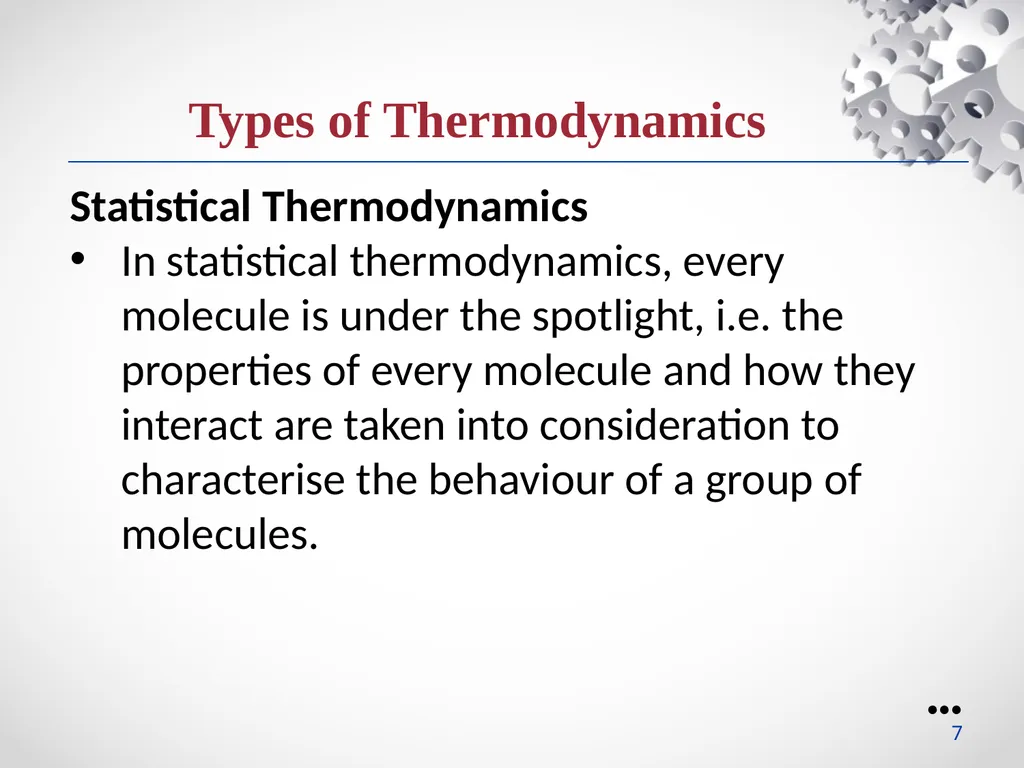
slide7. Types of Thermodynamics Statistical Thermodynamics
In statistical thermodynamics, every molecule is under the spotlight, i.e. the properties of every molecule and how they interact are taken into consideration to characterise the behaviour of a group of molecules. ●●●
7<br>
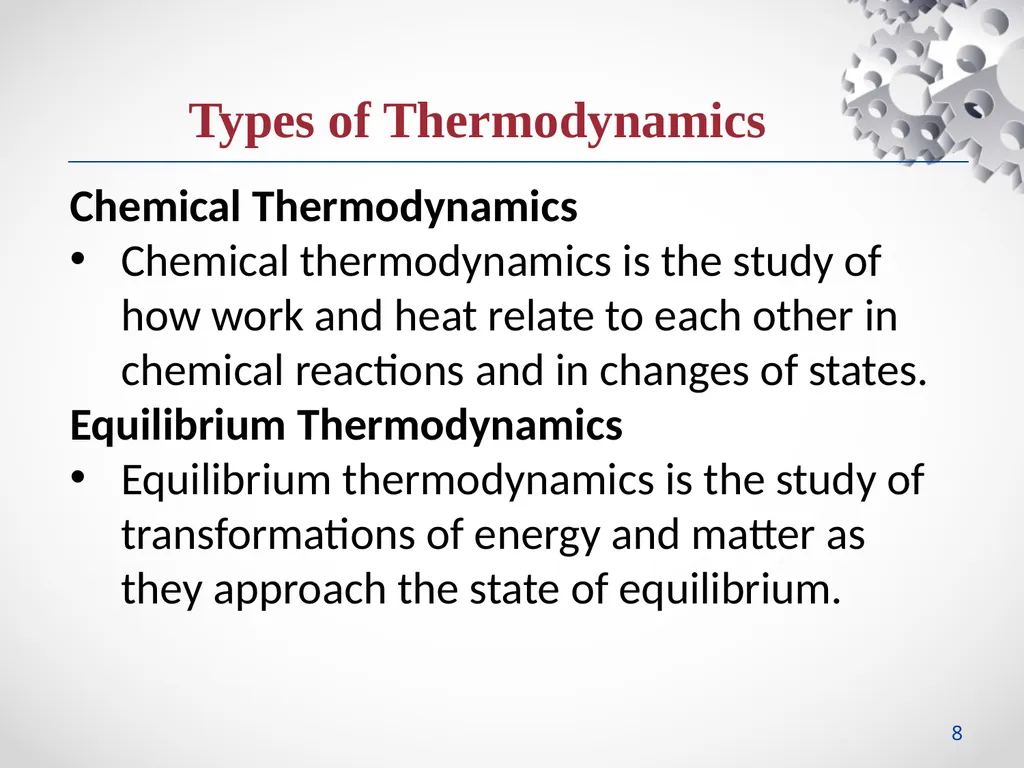
slide8. Types of Thermodynamics Chemical Thermodynamics
Chemical thermodynamics is the study of how work and heat relate to each other in chemical reactions and in changes of states.
Equilibrium Thermodynamics
Equilibrium thermodynamics is the study of transformations of energy and matter as they approach the state of equilibrium. 8<br>
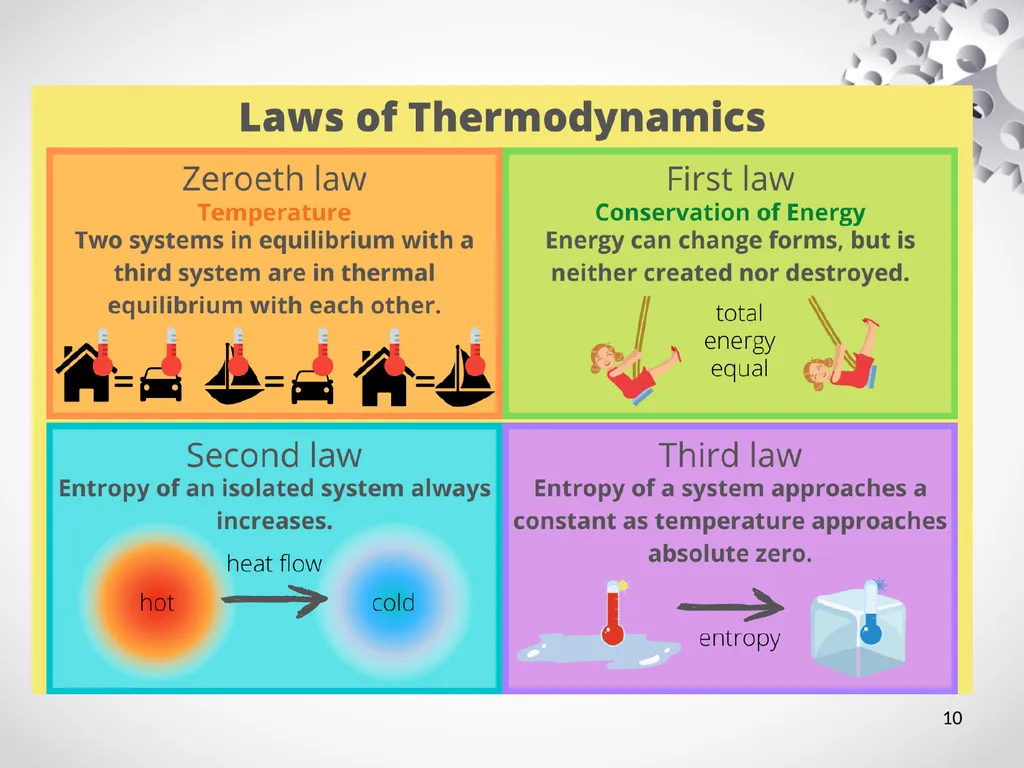
slide9. Laws of Thermodynamics Thermodynamics laws define the fundamental physical quantities like energy, temperature and entropy that characterize thermodynamic systems at thermal equilibrium.
These thermodynamics laws represent how these quantities behave under various circumstances. ●●●
9<br>
slide10. 10<br>
slide11. Laws of Thermodynamics Zeroth Law of Thermodynamics
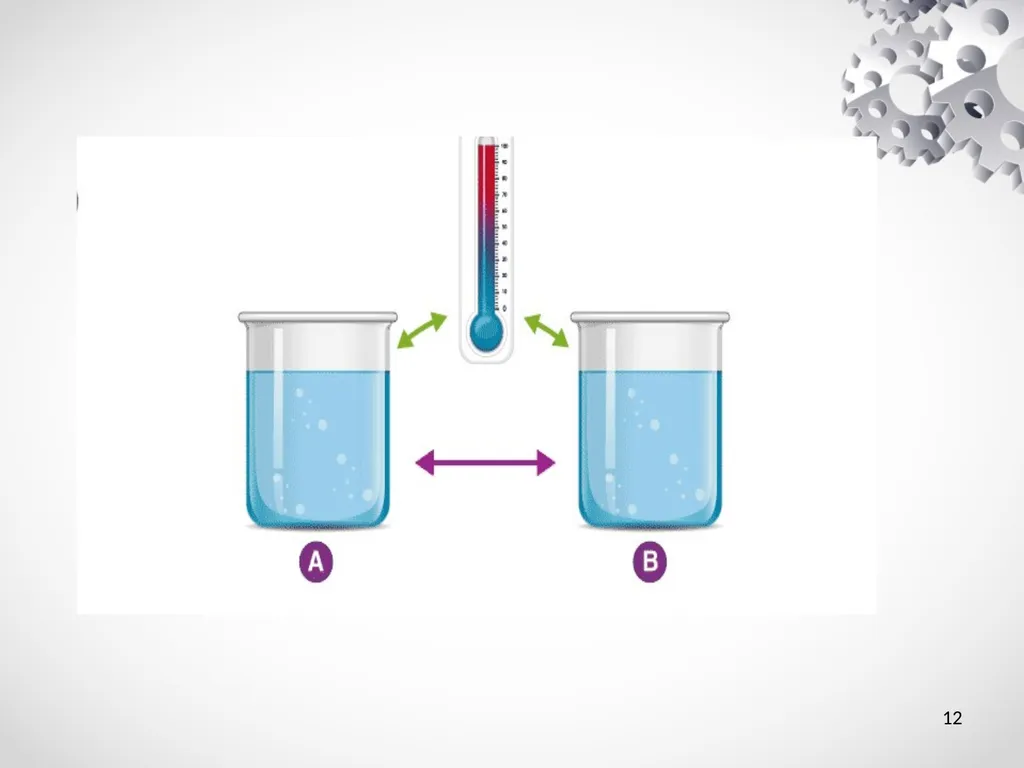
The Zeroth law of thermodynamics states that if two bodies are individually in equilibrium with a separate third body, then the first two bodies are also in thermal equilibrium with each other. ●●●
11<br>
slide12. 12<br>
slide13. Laws of Thermodynamics First Law of Thermodynamics
First law of thermodynamics, also known as the law of conservation of energy, states that energy can neither be created nor destroyed, but it can be changed from one form to another. ●●●
13<br>
slide14. Laws of Thermodynamics Second Law of Thermodynamics
Second law of thermodynamics states that the entropy in an isolated system always increases. Any isolated system spontaneously evolves towards thermal equilibrium—the state of maximum entropy of the system. ●●●
14<br>
slide15. Laws of Thermodynamics Third Law of Thermodynamics
Third law of thermodynamics states that the entropy of a system approaches a constant value as the temperature approaches absolute zero. 15<br>
slide16. Examples of Thermodynamics Whether we are sitting in an air-conditioned room or travelling in any vehicle, the application of thermodynamics is everywhere. We have listed a few of these applications below:
Different types of vehicles such as planes, trucks and ships work on the basis of the 2nd law of thermodynamics. ●●●
16<br>
slide17. Examples of Thermodynamics The three modes of heat transfer work on the basis of thermodynamics. The heat transfer concepts are widely used in radiators, heaters and coolers.
Thermodynamics is involved in the study of different types of power plants such as nuclear power plants, thermal power plants. 17<br>
slide18. Conclusion Thermodynamics is the science of heat as a special form of energy exchange. It is thus a branch of energetics, the general science of the forms and interchanges of energy
From a thermodynamic standpoint energy can be exchanged in two fundamental ways: in the form of work or in the form of heat. 18<br>

slide19. ThanksTo StudyMafia.org<br>
Studymafia.org Studymafia.org Laws Of
Thermodynamics<br>
slide2. Table Contents Definition
Introduction
Types of Thermodynamics
Laws of Thermodynamics
Examples of Thermodynamics
Conclusion 2<br>
slide3. Definition Thermodynamics deals with the concepts of heat and temperature and the inter-conversion of heat and other forms of energy 3<br>
slide4. Introduction Thermal energy is the energy that comes from heat. This heat is generated by the movement of tiny particles within an object, and the faster these particles move, the more heat is generated.
The four laws of thermodynamics govern the behaviour of these quantities and provide a quantitative description. William Thomson, in 1749, coined the term thermodynamics. 4<br>
slide5. 5<br>
slide6. Types of Thermodynamics Classical Thermodynamics
In classical thermodynamics, the behaviour of matter is analysed with a macroscopic approach.
Units such as temperature and pressure are taken into consideration, which helps the individuals calculate other properties and predict the characteristics of the matter undergoing the process. ●●●
6<br>
slide7. Types of Thermodynamics Statistical Thermodynamics
In statistical thermodynamics, every molecule is under the spotlight, i.e. the properties of every molecule and how they interact are taken into consideration to characterise the behaviour of a group of molecules. ●●●
7<br>
slide8. Types of Thermodynamics Chemical Thermodynamics
Chemical thermodynamics is the study of how work and heat relate to each other in chemical reactions and in changes of states.
Equilibrium Thermodynamics
Equilibrium thermodynamics is the study of transformations of energy and matter as they approach the state of equilibrium. 8<br>
slide9. Laws of Thermodynamics Thermodynamics laws define the fundamental physical quantities like energy, temperature and entropy that characterize thermodynamic systems at thermal equilibrium.
These thermodynamics laws represent how these quantities behave under various circumstances. ●●●
9<br>
slide10. 10<br>
slide11. Laws of Thermodynamics Zeroth Law of Thermodynamics
The Zeroth law of thermodynamics states that if two bodies are individually in equilibrium with a separate third body, then the first two bodies are also in thermal equilibrium with each other. ●●●
11<br>
slide12. 12<br>
slide13. Laws of Thermodynamics First Law of Thermodynamics
First law of thermodynamics, also known as the law of conservation of energy, states that energy can neither be created nor destroyed, but it can be changed from one form to another. ●●●
13<br>
slide14. Laws of Thermodynamics Second Law of Thermodynamics
Second law of thermodynamics states that the entropy in an isolated system always increases. Any isolated system spontaneously evolves towards thermal equilibrium—the state of maximum entropy of the system. ●●●
14<br>
slide15. Laws of Thermodynamics Third Law of Thermodynamics
Third law of thermodynamics states that the entropy of a system approaches a constant value as the temperature approaches absolute zero. 15<br>
slide16. Examples of Thermodynamics Whether we are sitting in an air-conditioned room or travelling in any vehicle, the application of thermodynamics is everywhere. We have listed a few of these applications below:
Different types of vehicles such as planes, trucks and ships work on the basis of the 2nd law of thermodynamics. ●●●
16<br>
slide17. Examples of Thermodynamics The three modes of heat transfer work on the basis of thermodynamics. The heat transfer concepts are widely used in radiators, heaters and coolers.
Thermodynamics is involved in the study of different types of power plants such as nuclear power plants, thermal power plants. 17<br>
slide18. Conclusion Thermodynamics is the science of heat as a special form of energy exchange. It is thus a branch of energetics, the general science of the forms and interchanges of energy
From a thermodynamic standpoint energy can be exchanged in two fundamental ways: in the form of work or in the form of heat. 18<br>
slide19. ThanksTo StudyMafia.org<br>