04
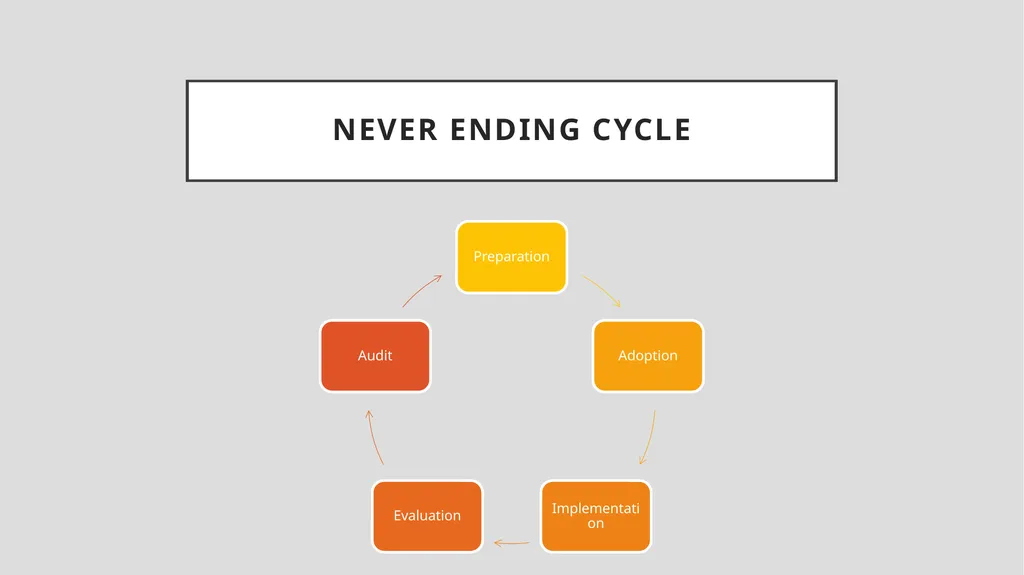
Never Ending Cycle<br>
05
“Forecasting is very difficult, especially if it is about the future”�� Niels Bohr, Nobel Prize-winning physicist 5<br>
06
Purpose of Forecasting 6<br>
07
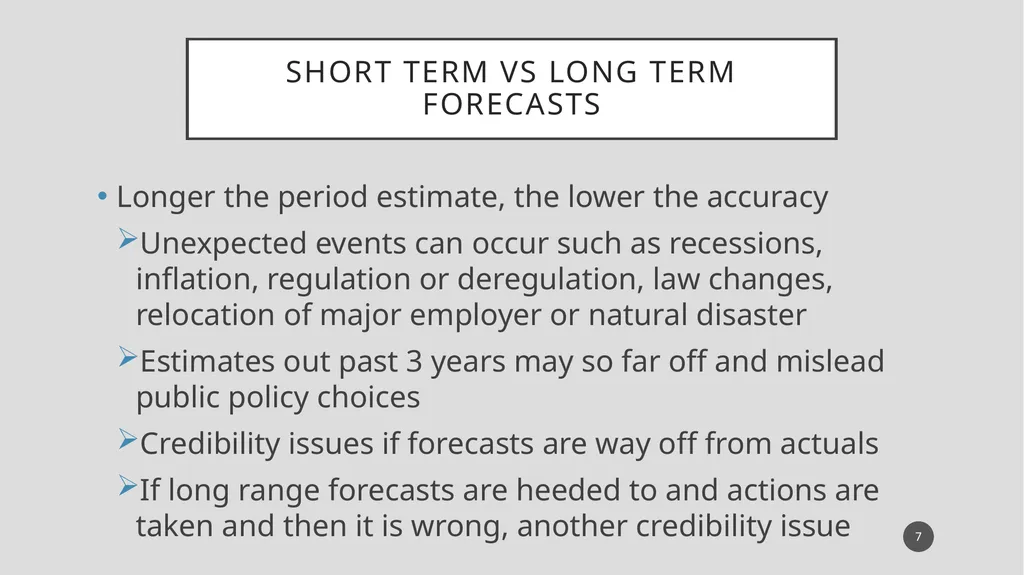
Short Term Vs Long Term Forecasts Longer the period estimate, the lower the accuracy
Unexpected events can occur such as recessions, inflation, regulation or deregulation, law changes, relocation of major employer or natural disaster
Estimates out past 3 years may so far off and mislead public policy choices
Credibility issues if forecasts are way off from actuals
If long range forecasts are heeded to and actions are taken and then it is wrong, another credibility issue 7<br>
08
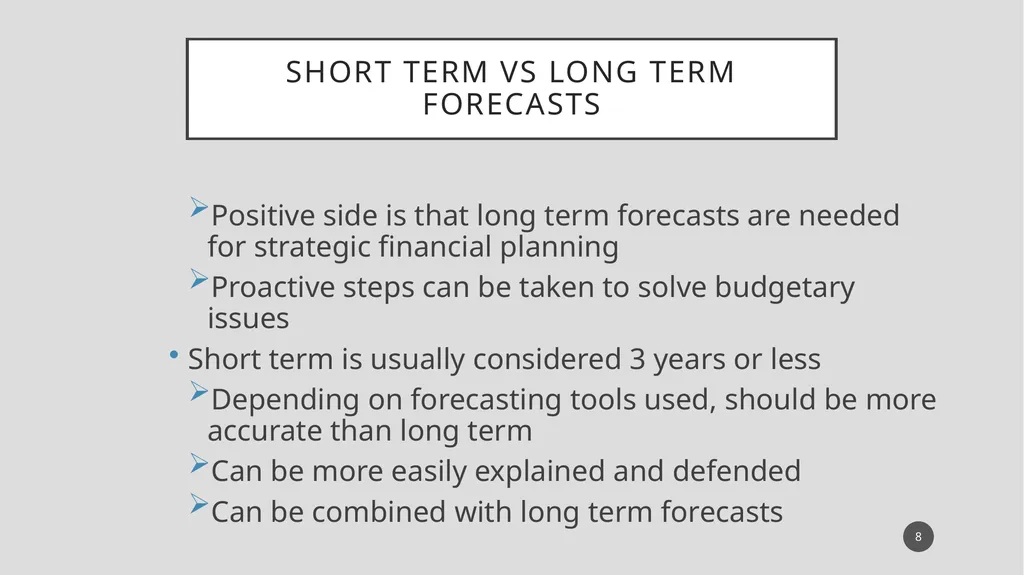
Short Term Vs Long Term Forecasts Positive side is that long term forecasts are needed for strategic financial planning
Proactive steps can be taken to solve budgetary issues
Short term is usually considered 3 years or less
Depending on forecasting tools used, should be more accurate than long term
Can be more easily explained and defended
Can be combined with long term forecasts 8<br>
09
Financial Forecasting Have to know how much you can spend without anything changing – baseline
Financial forecasting is one of the Finance Director’s most important tasks
Allows a proactive versus reactive response to potential imbalances
Long term plans & strategies 9<br>
10
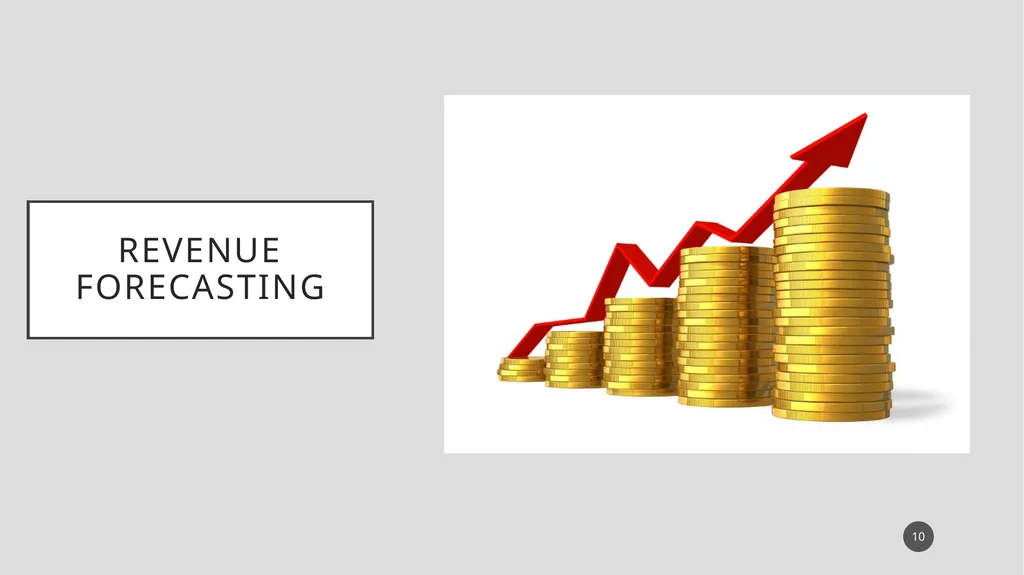
Revenue Forecasting 10<br>
11
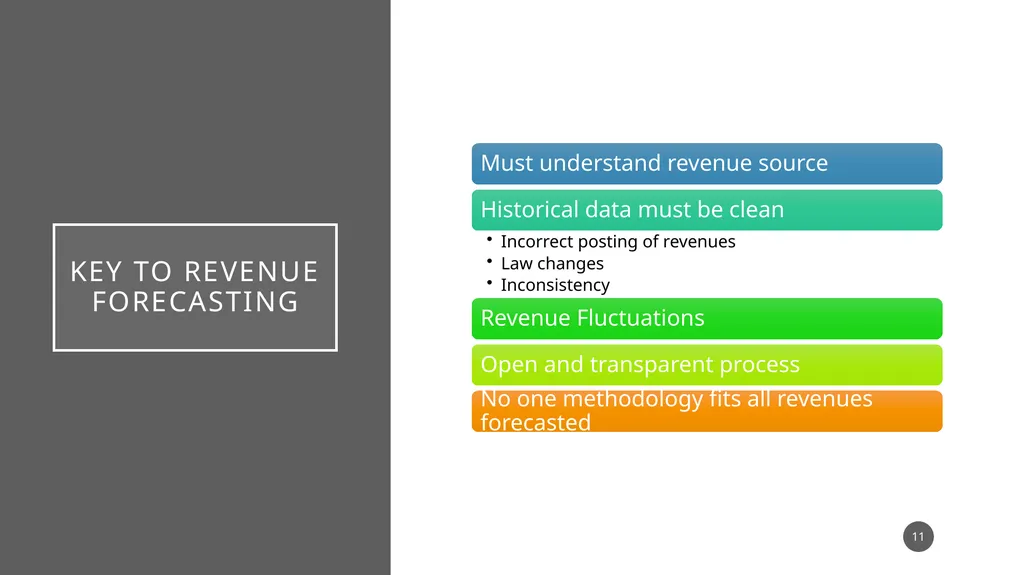
Key to Revenue Forecasting 11<br>
12
Guide for Revenue Forecasting Forecaster must understand the revenue being forecast, how it is administered and collected
Estimates based on incorrect, misunderstood or inconsistent revenue data is hopeless!
Visually see revenue collections with a simple line graph over time
Open and transparent process with one ultimate revenue projection
No single approach is ideally suited for all revenue forecasts 12<br>
13
Guide for Revenue Forecasting 13<br>
14
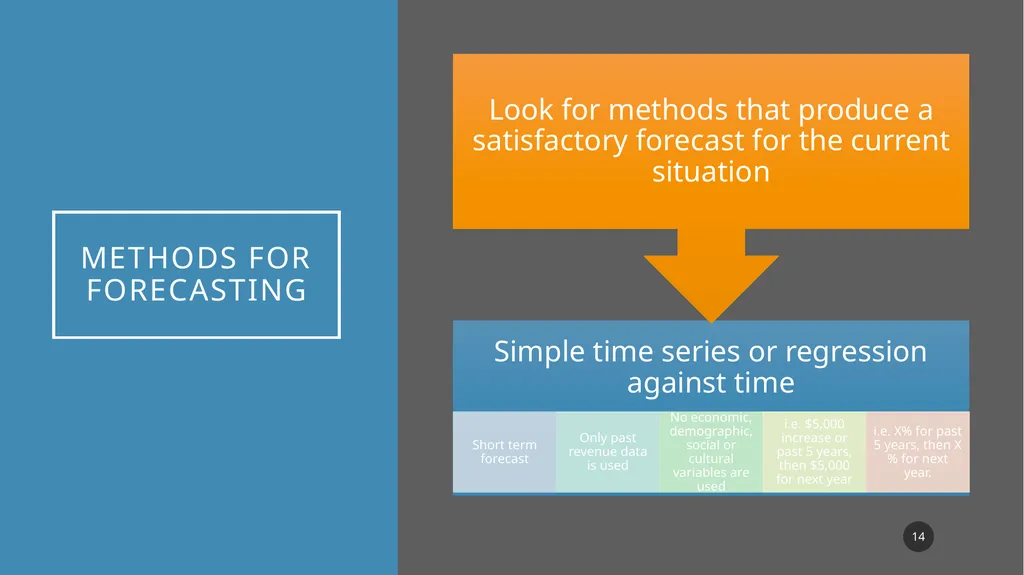
Methods for Forecasting 14<br>
15
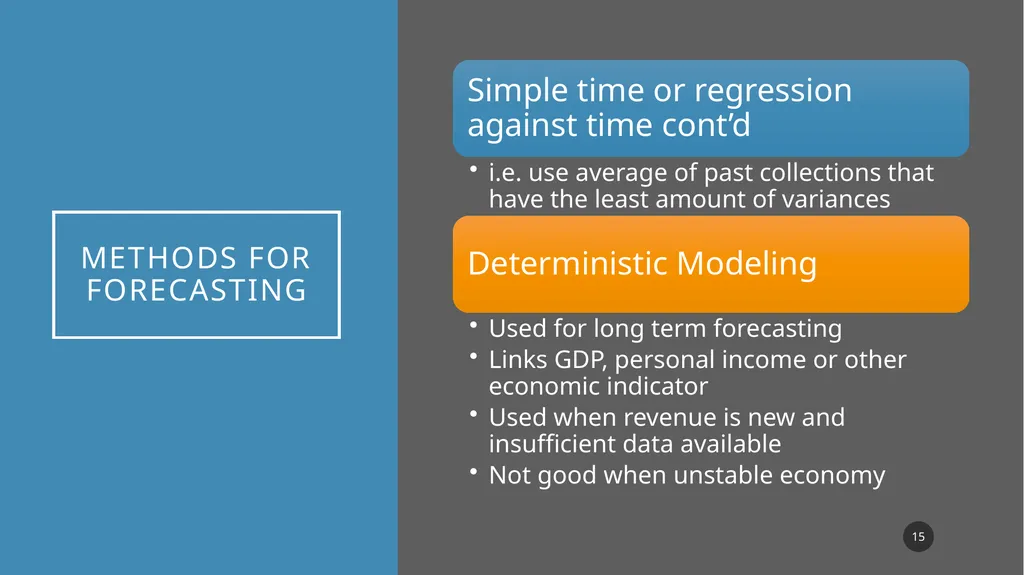
Methods for Forecasting 15<br>
16
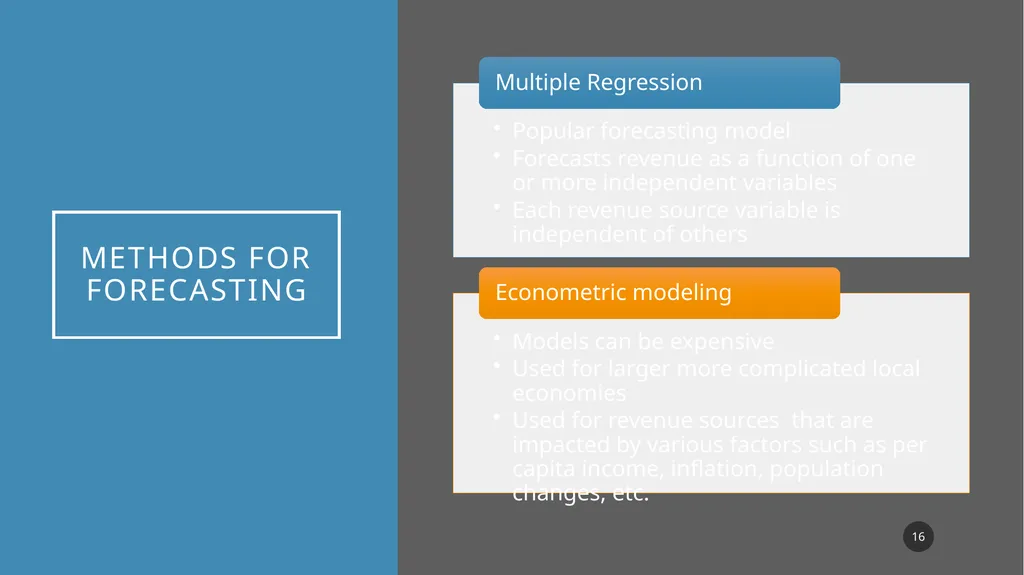
Methods for Forecasting 16<br>
17
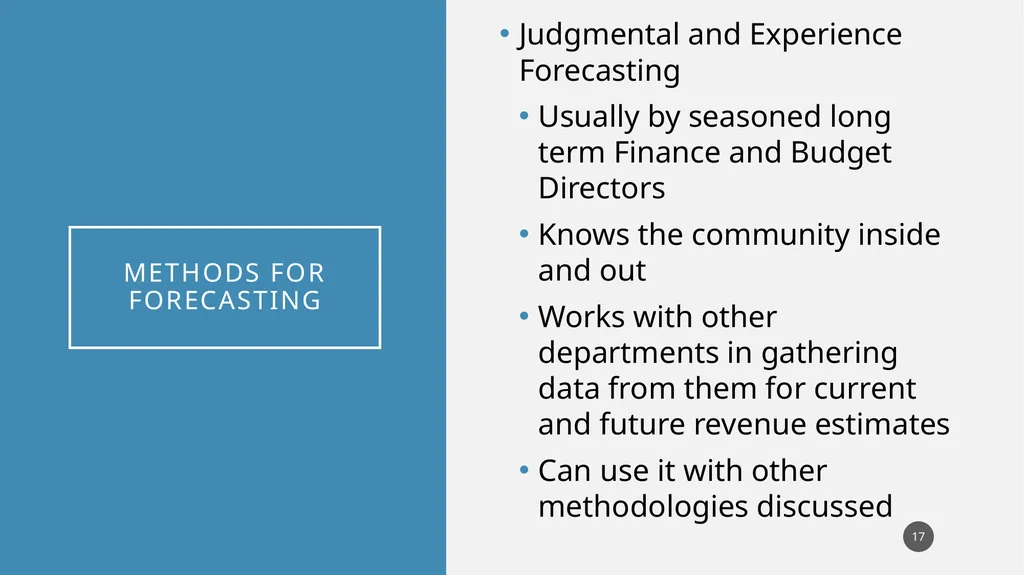
Methods for Forecasting Judgmental and Experience Forecasting
Usually by seasoned long term Finance and Budget Directors
Knows the community inside and out
Works with other departments in gathering data from them for current and future revenue estimates
Can use it with other methodologies discussed 17<br>
18
Most Widely Used Forecast Judgmental and Subjective!
“Devastatingly accurate and immensely useful” 18<br>
19
Type of Revenue Forecast *Government Finance Review, “Revenue Forecasting,” October 2012.<br>
20
Forecast Policies Two policies but Council must understand differences in policies
Conservative – Under estimating revenues but if TOO conservative could lead to unnecessary fiscal stress, loss of opportunity costs or layoffs
Objective – Project revenues as accurate as possible but understand risks.
Could result in budget cuts/layoffs
Must have contingency funds and strong financial policies 20<br>
21
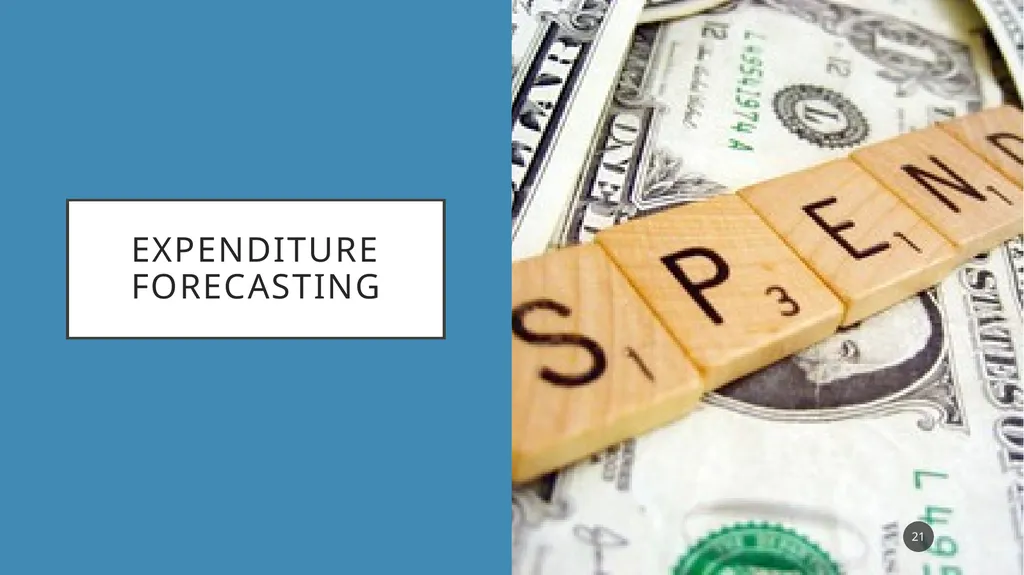
Expenditure Forecasting 21<br>
22
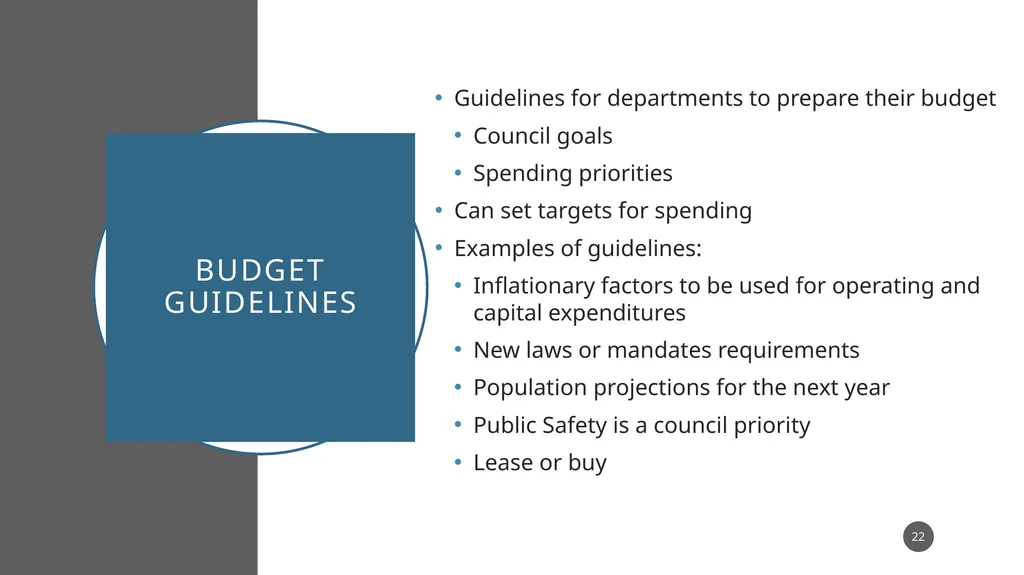
Budget Guidelines Guidelines for departments to prepare their budget
Council goals
Spending priorities
Can set targets for spending
Examples of guidelines:
Inflationary factors to be used for operating and capital expenditures
New laws or mandates requirements
Population projections for the next year
Public Safety is a council priority
Lease or buy 22<br>
23
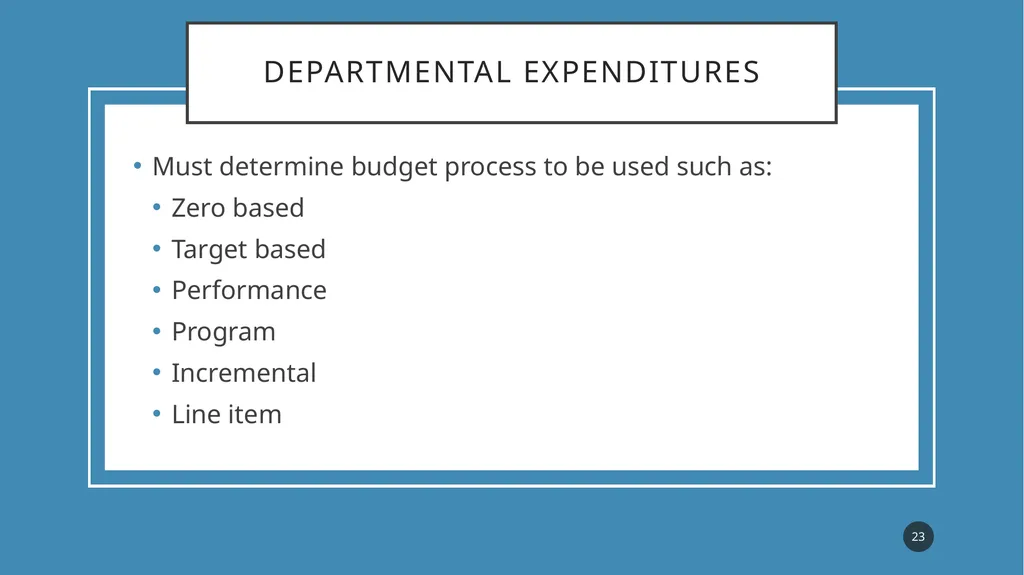
Departmental Expenditures Must determine budget process to be used such as:
Zero based
Target based
Performance
Program
Incremental
Line item 23<br>
24
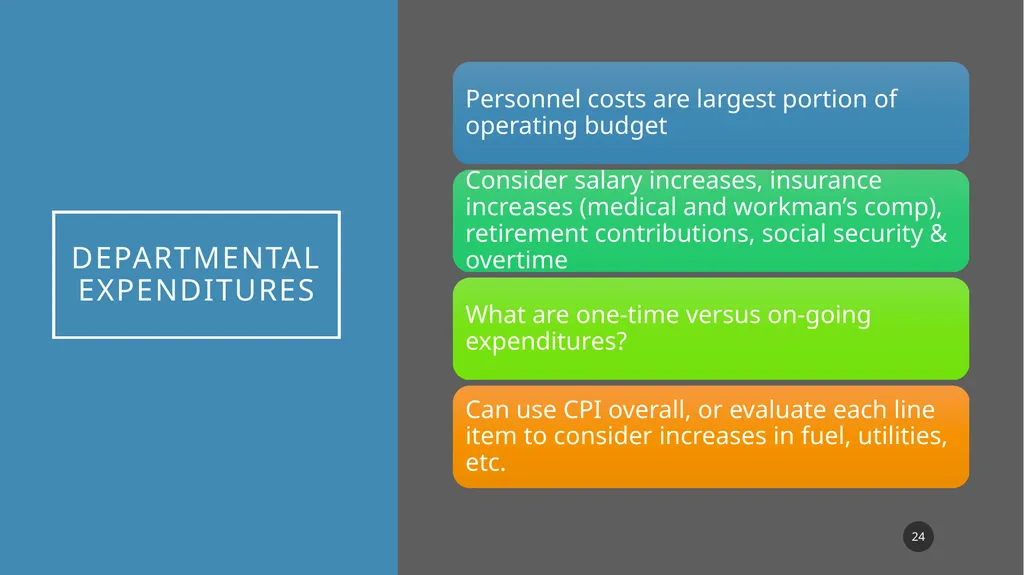
Departmental Expenditures 24<br>
25
The “nuts and bolts” of revenue forecasting<br>
26
The “new” fill-in-the-blank City Manager:
“Did you include the new in your forecast”
Restaurant
Hotel
Movie theater
Big box retail store<br>
27
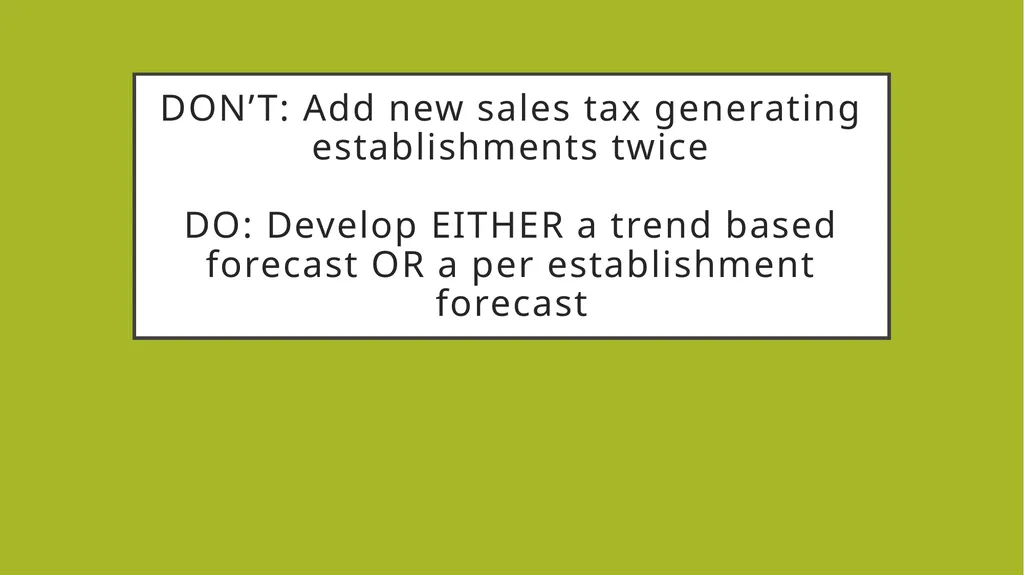
Don’t: Add new sales tax generating establishments twice��Do: Develop EITHER a trend based forecast OR a per establishment forecast<br>
28
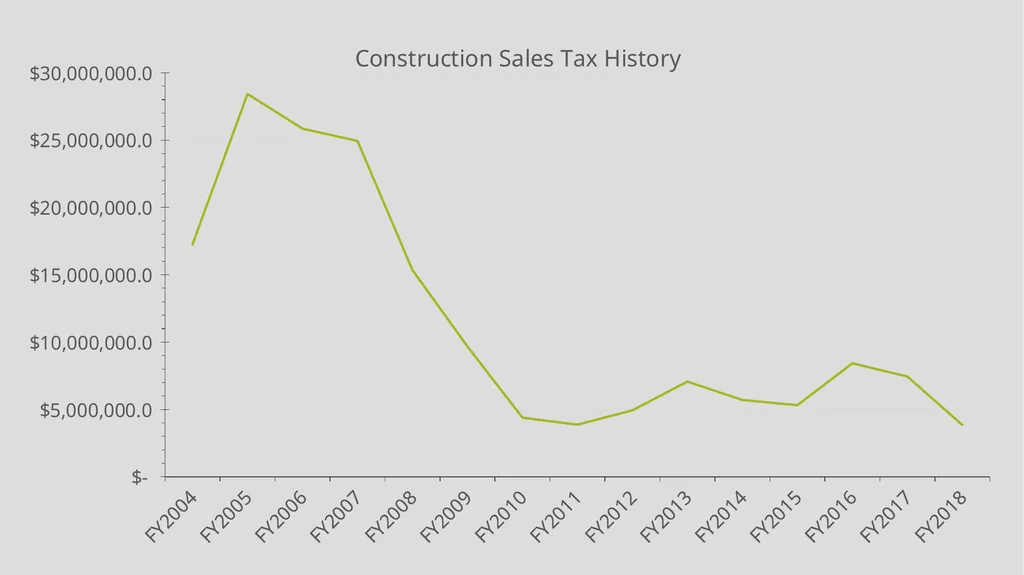
THE CONSTRUCTION SALES TAX TRAP How do you forecast?
How much of the construction sales tax (contracting transaction privilege tax) is Ongoing? One-time?
How do you use?<br>
29
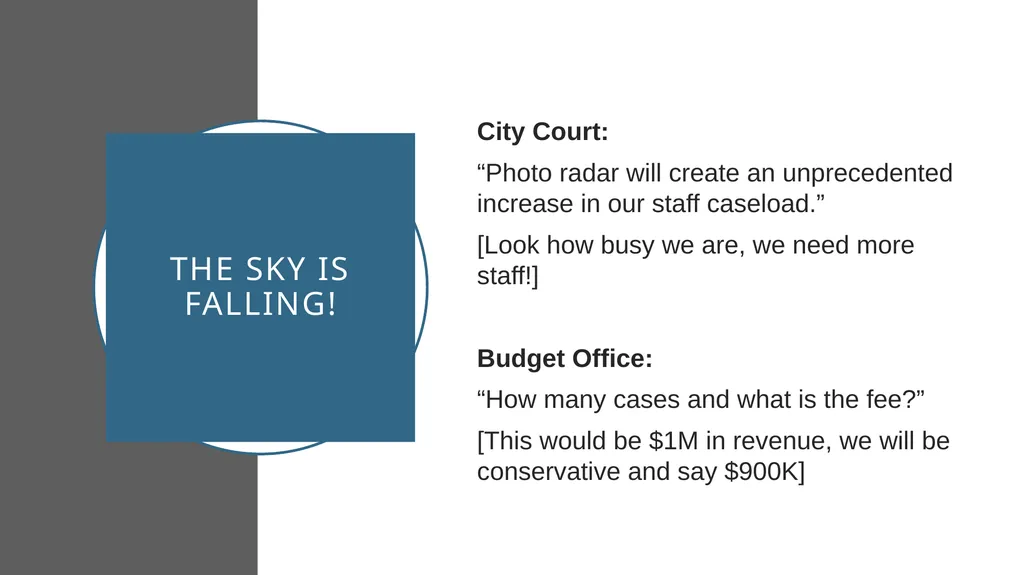
The sky is falling! City Court:
“Photo radar will create an unprecedented increase in our staff caseload.”
[Look how busy we are, we need more staff!]
Budget Office:
“How many cases and what is the fee?”
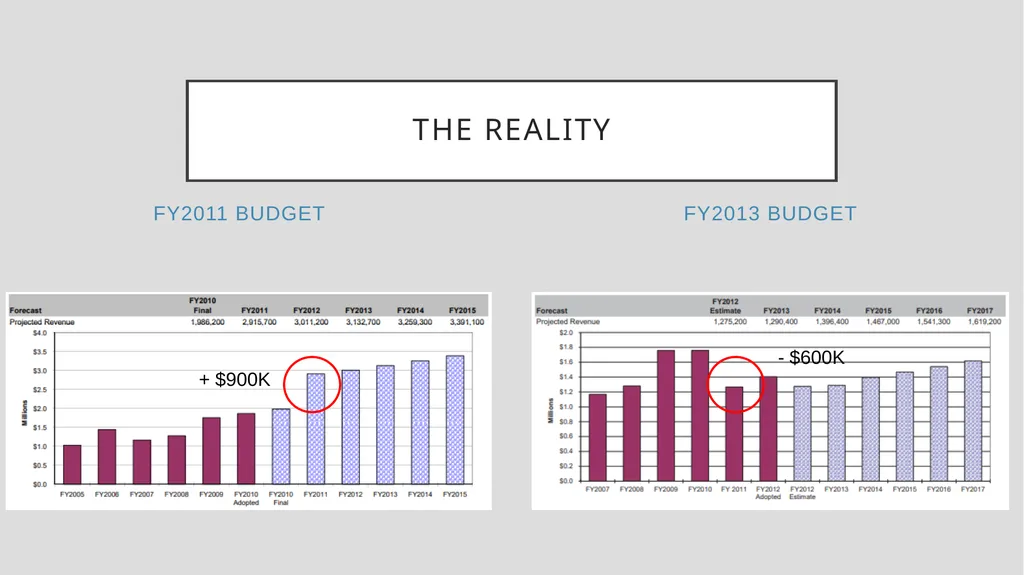
[This would be $1M in revenue, we will be conservative and say $900K]<br>
30
FY2011 Budget FY2013 Budget The reality + $900K - $600K<br>
31
Don’t: Rely on department workload concerns��Do: Critically evaluate new programs, Wait for results and adjust mid-year Similar sources: passports<br>
32
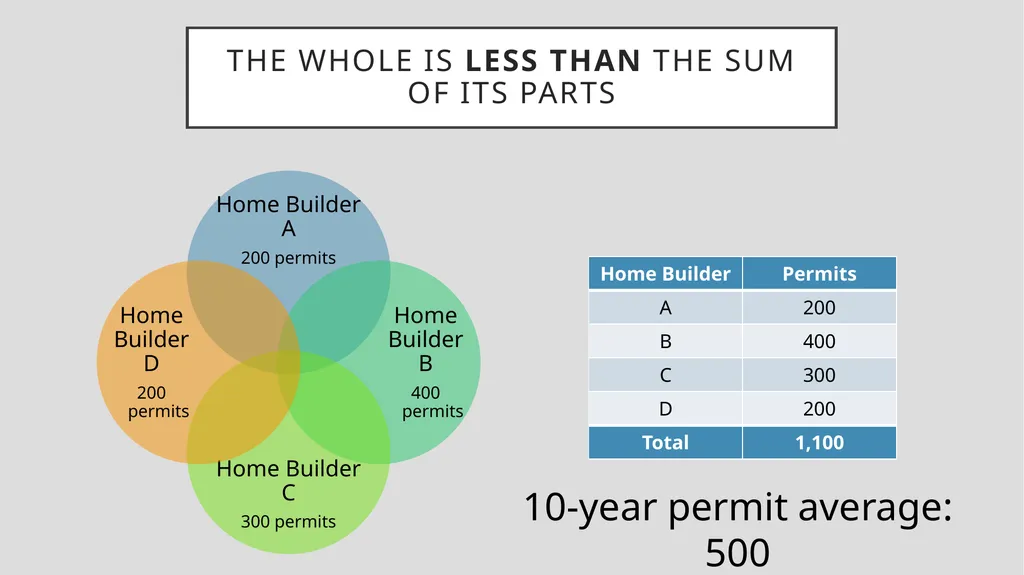
The whole is less than the sum of its parts 10-year permit average: 500<br>
33
Don’t: Rely on private sector forecasts… all homebuilders think they will win: sell all of the city’s forecasted permits��Do: Conduct Reasonableness test based on historical trends<br>
34
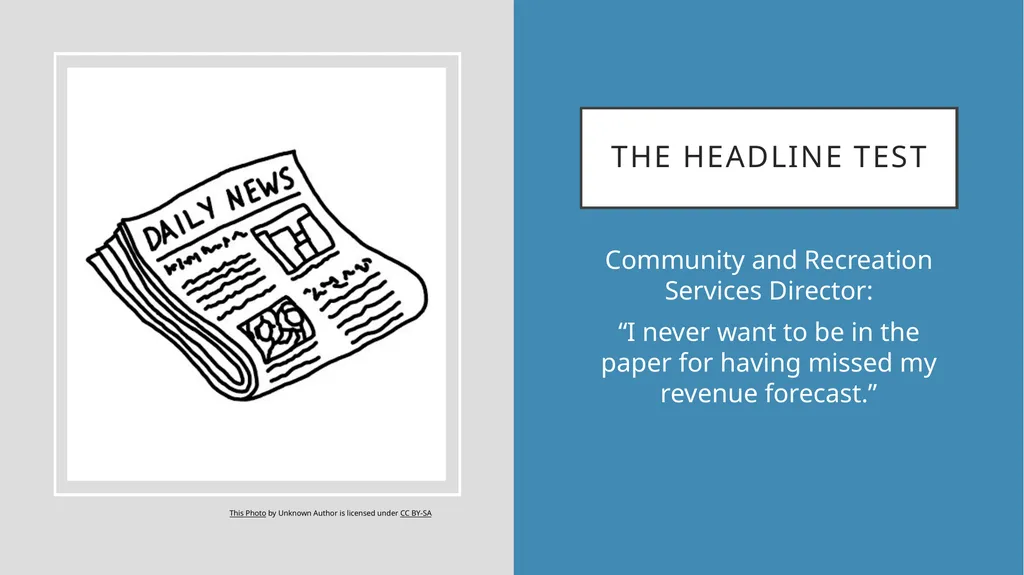
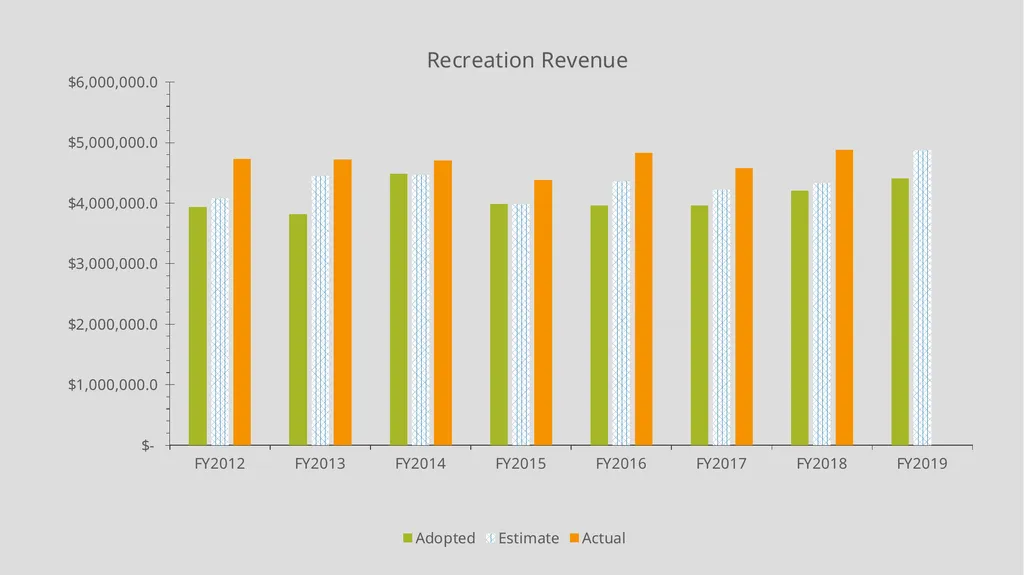
The headline test Community and Recreation Services Director:
“I never want to be in the paper for having missed my revenue forecast.” This Photo by Unknown Author is licensed under CC BY-SA<br>
35
Recreation revenue history<br>
36
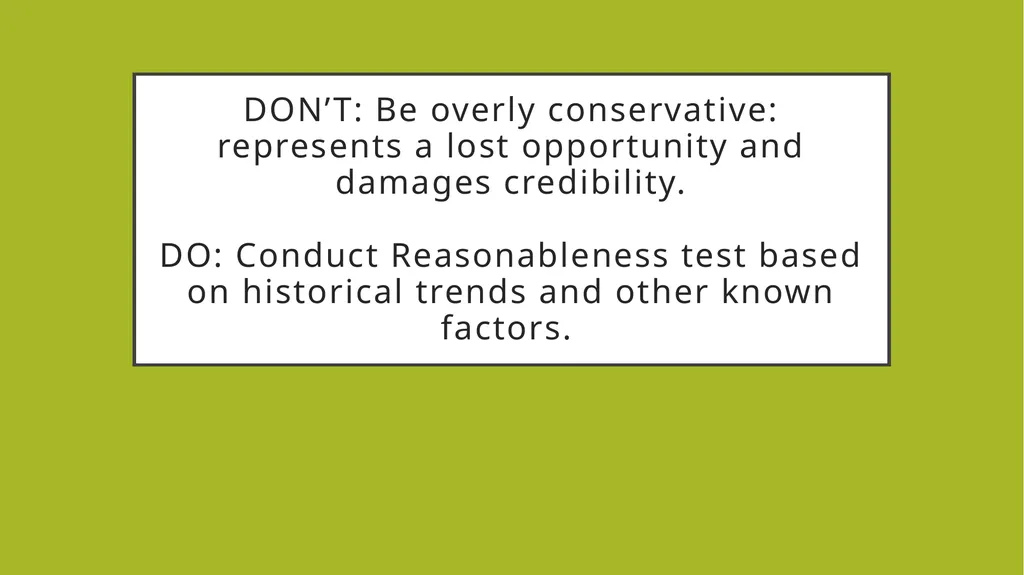
Don’t: Be overly conservative: represents a lost opportunity and damages credibility.��Do: Conduct Reasonableness test based on historical trends and other known factors.<br>
37
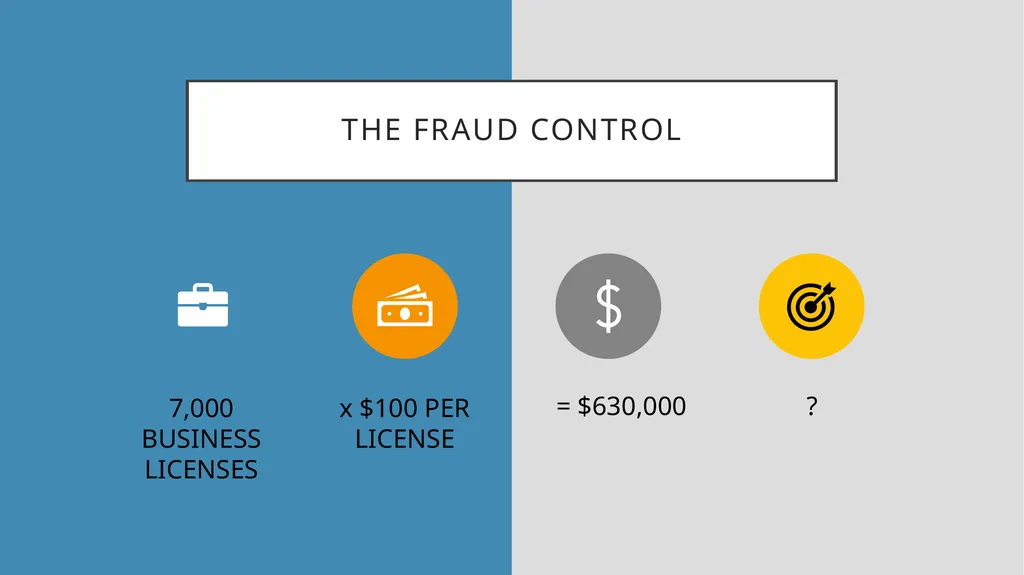
The fraud control = $630,000 ?<br>
38
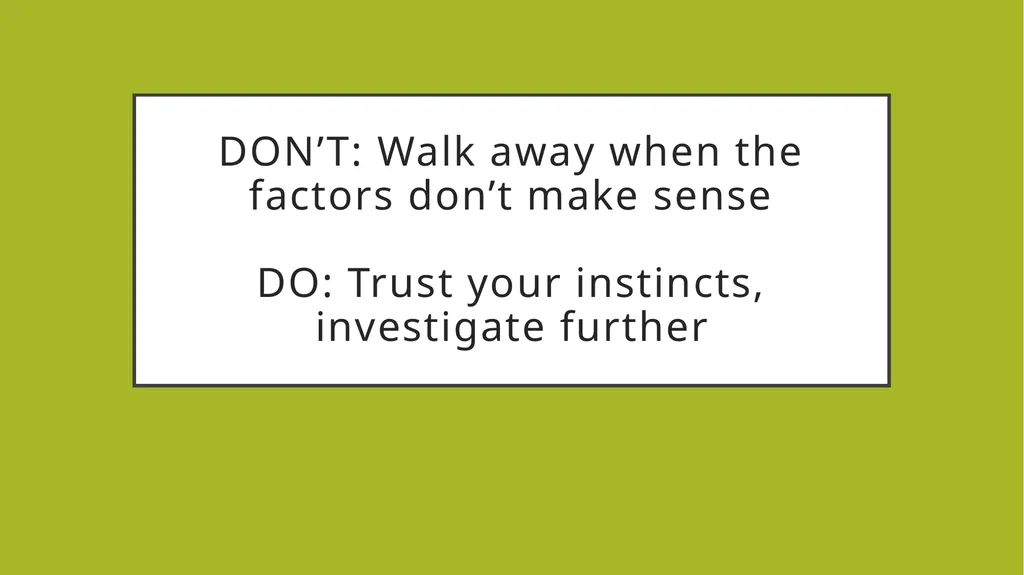
Don’t: Walk away when the factors don’t make sense��Do: Trust your instincts, investigate further<br>
39
The “new” fill-in-the-blank City Manager:
“Did you include the new in your forecast”
Restaurant
Hotel
Movie theater
Big box retail store<br>
40
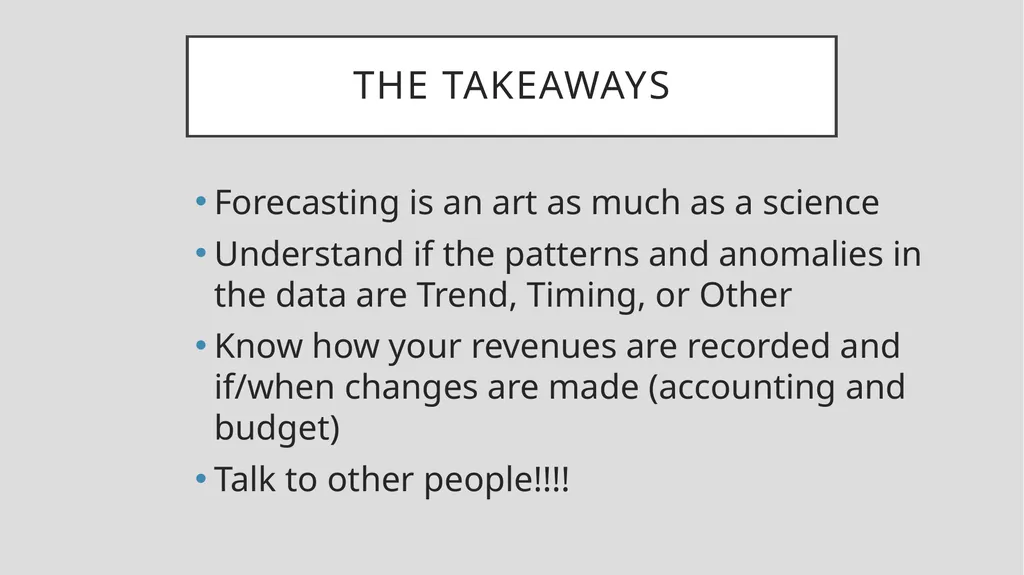
The Takeaways Forecasting is an art as much as a science
Understand if the patterns and anomalies in the data are Trend, Timing, or Other
Know how your revenues are recorded and if/when changes are made (accounting and budget)
Talk to other people!!!!<br>