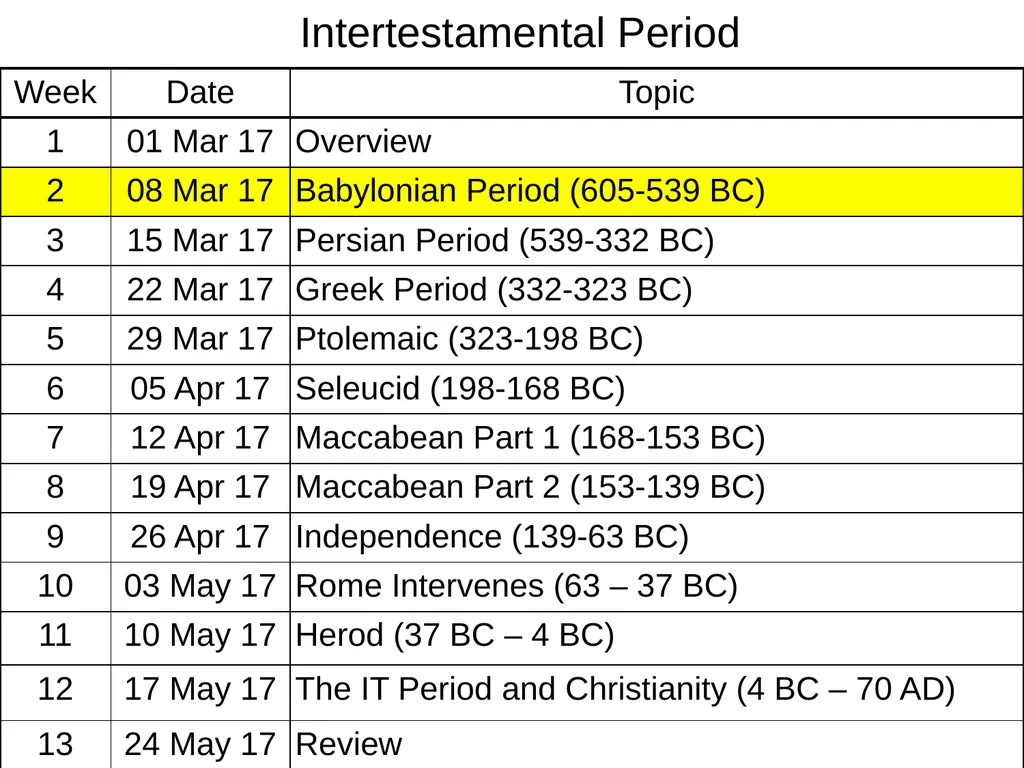
The Intertestamental Period: From Babylon To The Birth Of Christ Babylonian Period Intertestamental Period Todays Objectives Review last weeks lesson Review the historical background from which Babylon was formed Learn about he historical
"The Intertestamental Period: From Babylon To The" is the property of its rightful owner. Permission is granted to
download and print the materials on this website for personal, non-commercial use only, and to display it
on your personal computer provided you do not modify the materials and that you retain all copyright
notices contained in the materials. By downloading content from our website, you accept the terms of this
agreement.
Presentation Transcript
01
The Intertestamental Period: From Babylon To The Birth Of Christ Babylonian Period<br>
02
Intertestamental Period<br>
03
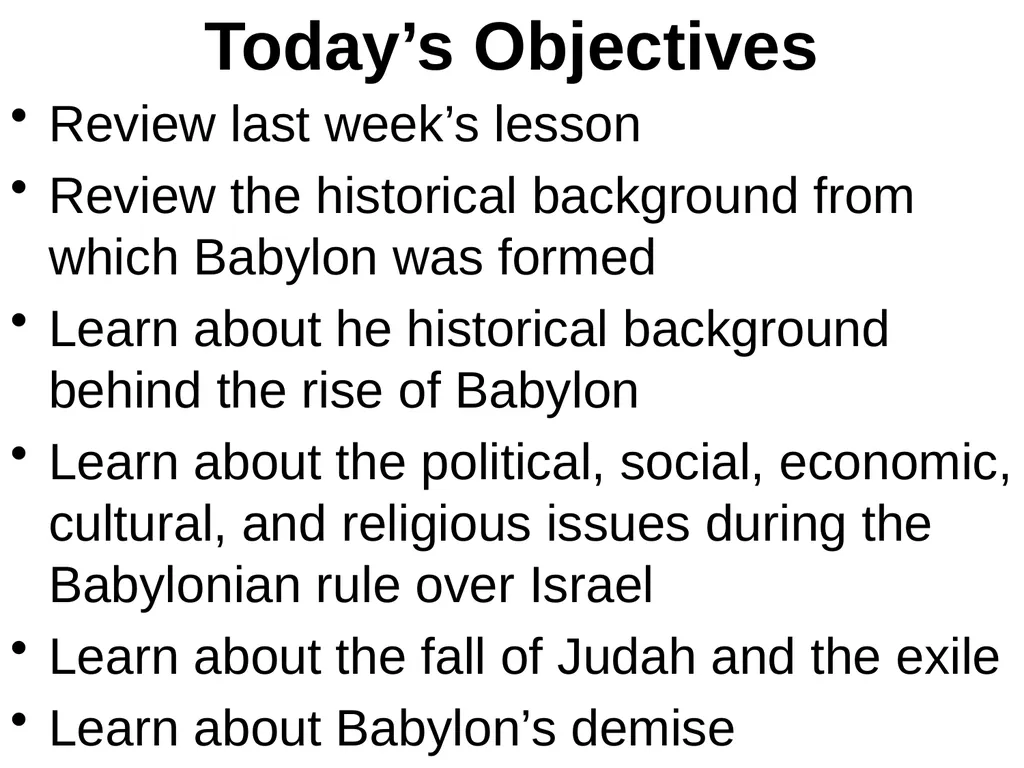
Today’s Objectives Review last week’s lesson
Review the historical background from which Babylon was formed
Learn about he historical background behind the rise of Babylon
Learn about the political, social, economic, cultural, and religious issues during the Babylonian rule over Israel
Learn about the fall of Judah and the exile
Learn about Babylon’s demise<br>
04
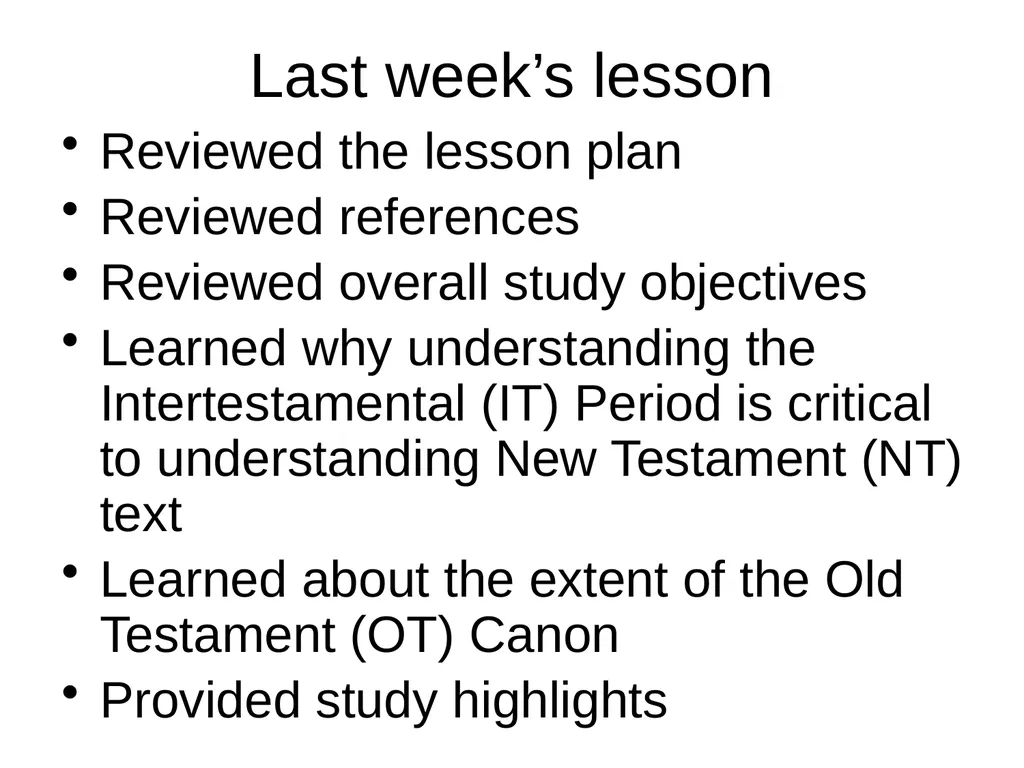
Last week’s lesson Reviewed the lesson plan
Reviewed references
Reviewed overall study objectives
Learned why understanding the Intertestamental (IT) Period is critical to understanding New Testament (NT) text
Learned about the extent of the Old Testament (OT) Canon
Provided study highlights<br>
05
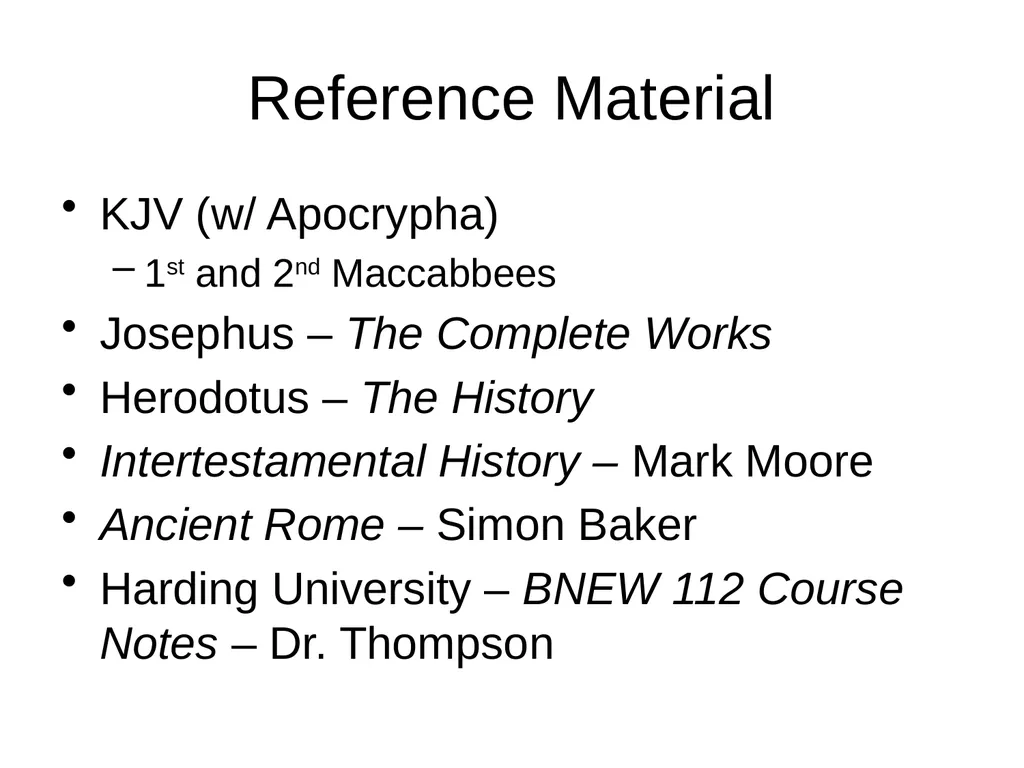
Reference Material KJV (w/ Apocrypha)
1st and 2nd Maccabbees
Josephus – The Complete Works
Herodotus – The History
Intertestamental History – Mark Moore
Ancient Rome – Simon Baker
Harding University – BNEW 112 Course Notes – Dr. Thompson<br>
06
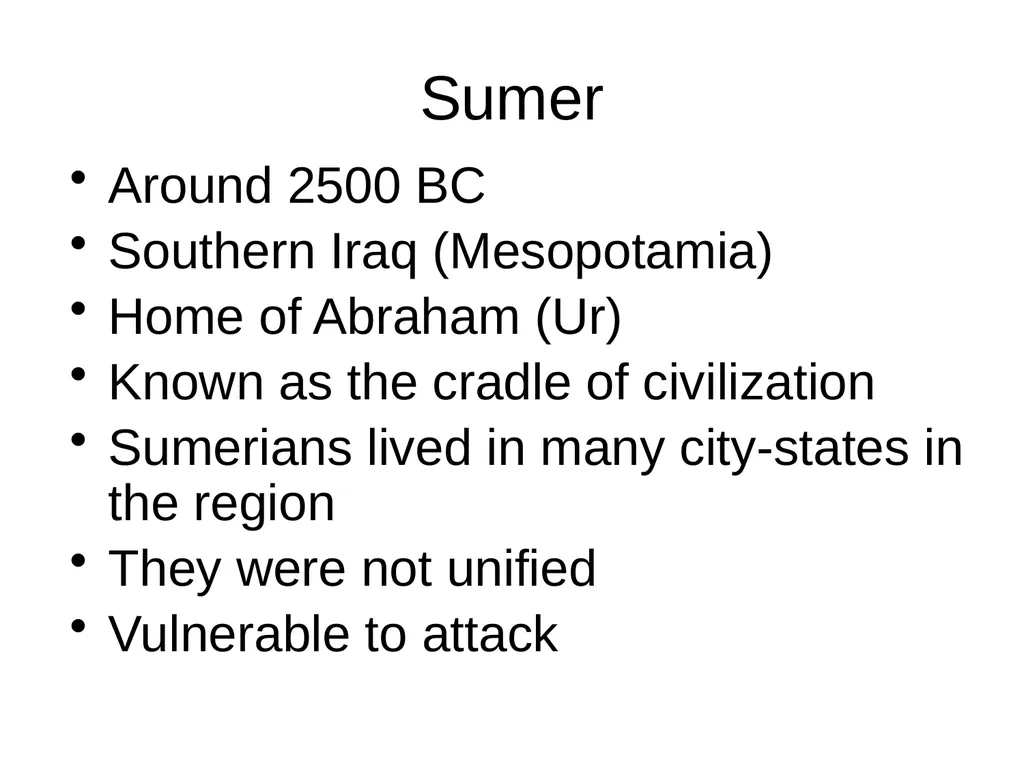
Sumer Around 2500 BC
Southern Iraq (Mesopotamia)
Home of Abraham (Ur)
Known as the cradle of civilization
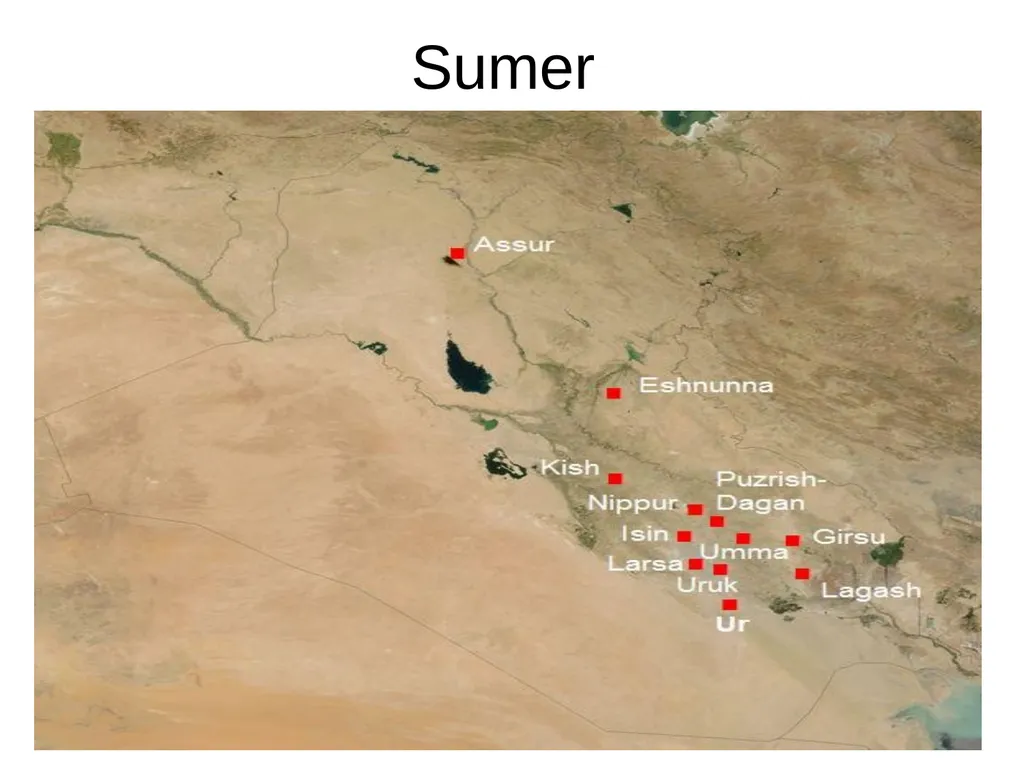
Sumerians lived in many city-states in the region
They were not unified
Vulnerable to attack<br>
07
Sumer<br>
08
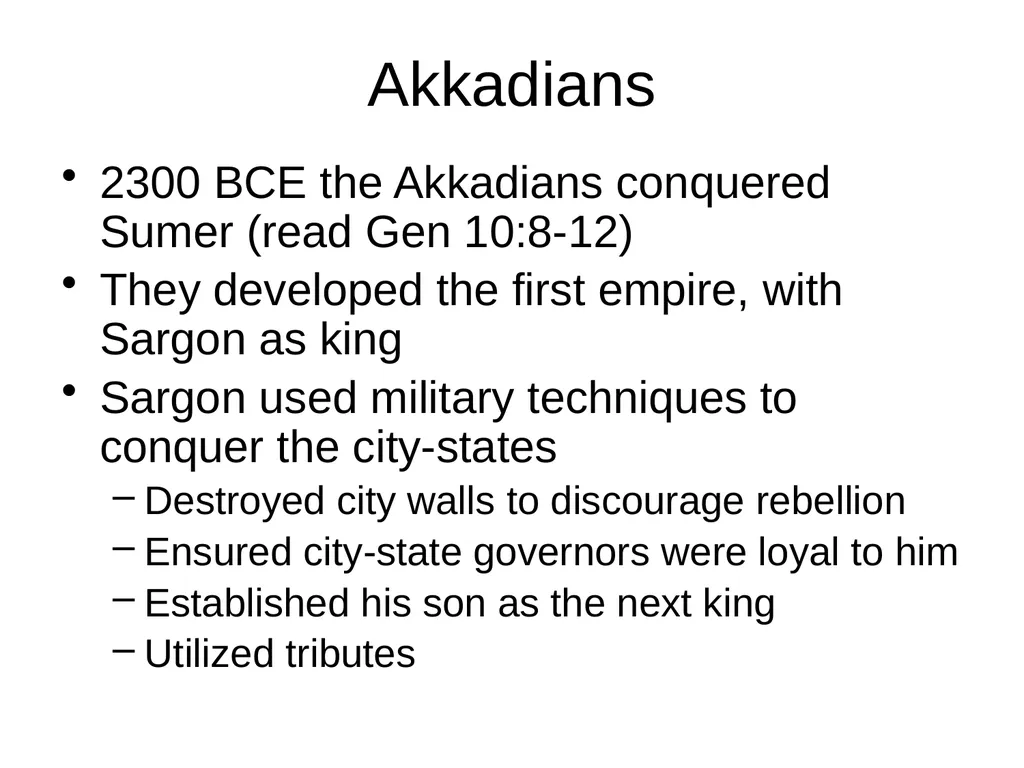
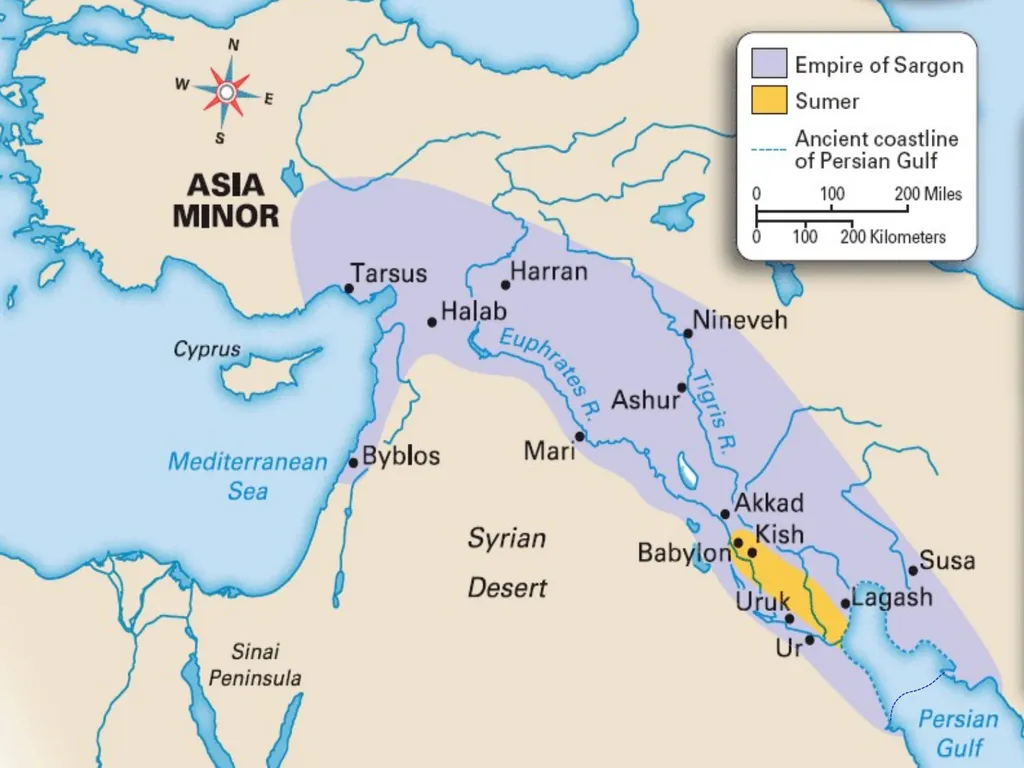
Akkadians 2300 BCE the Akkadians conquered Sumer (read Gen 10:8-12)
They developed the first empire, with Sargon as king
Sargon used military techniques to conquer the city-states
Destroyed city walls to discourage rebellion
Ensured city-state governors were loyal to him
Established his son as the next king
Utilized tributes<br>
09
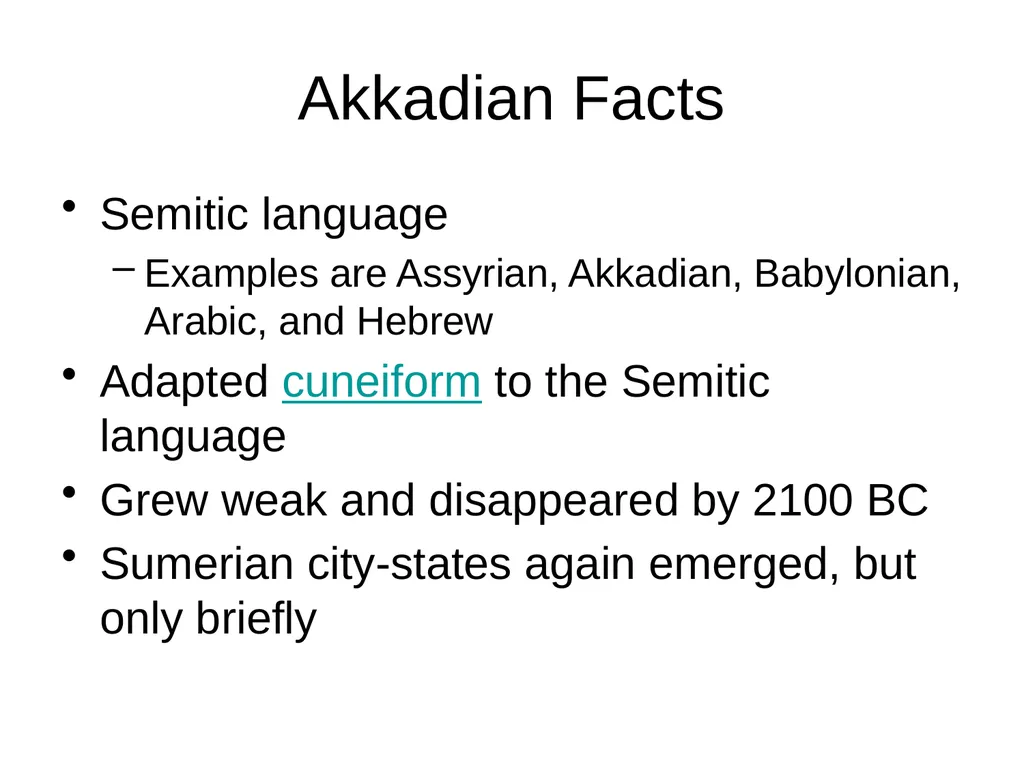
Akkadian Facts Semitic language
Examples are Assyrian, Akkadian, Babylonian, Arabic, and Hebrew
Adapted cuneiform to the Semitic language
Grew weak and disappeared by 2100 BC
Sumerian city-states again emerged, but only briefly<br>
10
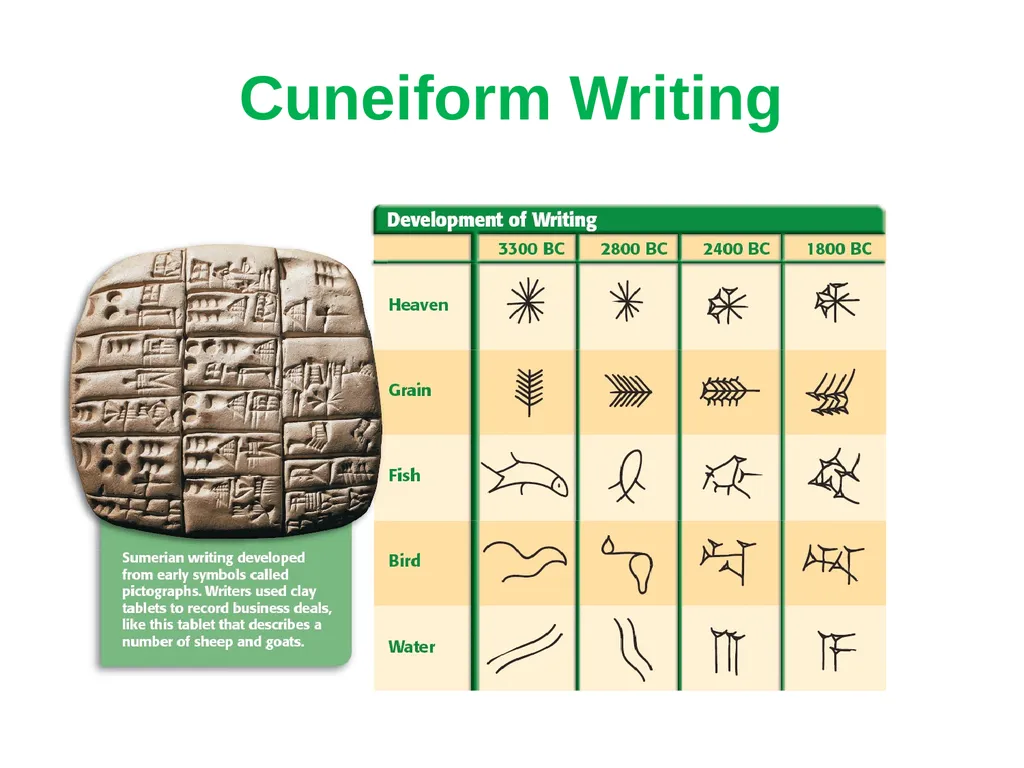
Cuneiform Writing<br>
11
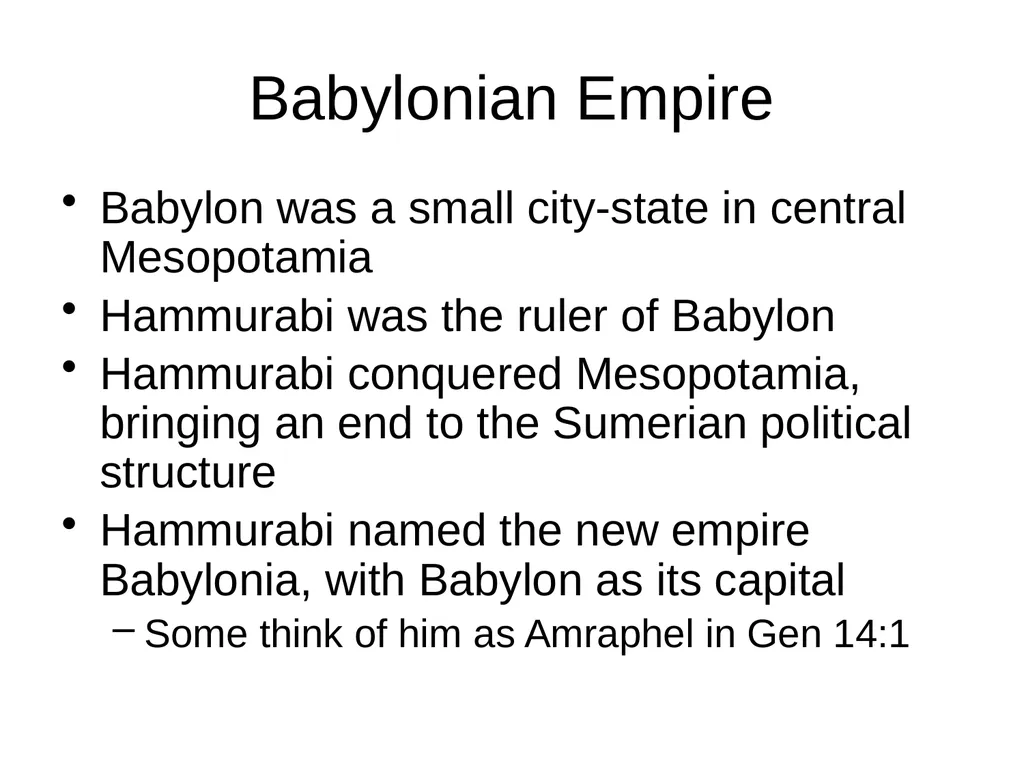
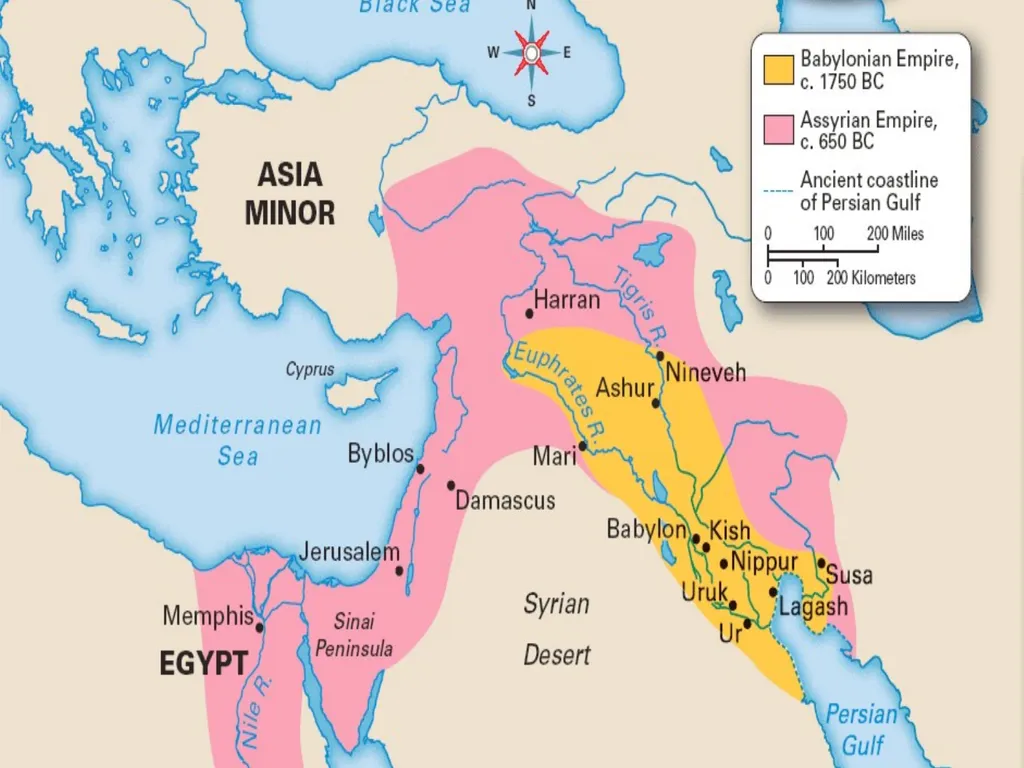
Babylonian Empire Babylon was a small city-state in central Mesopotamia
Hammurabi was the ruler of Babylon
Hammurabi conquered Mesopotamia, bringing an end to the Sumerian political structure
Hammurabi named the new empire Babylonia, with Babylon as its capital
Some think of him as Amraphel in Gen 14:1<br>
12
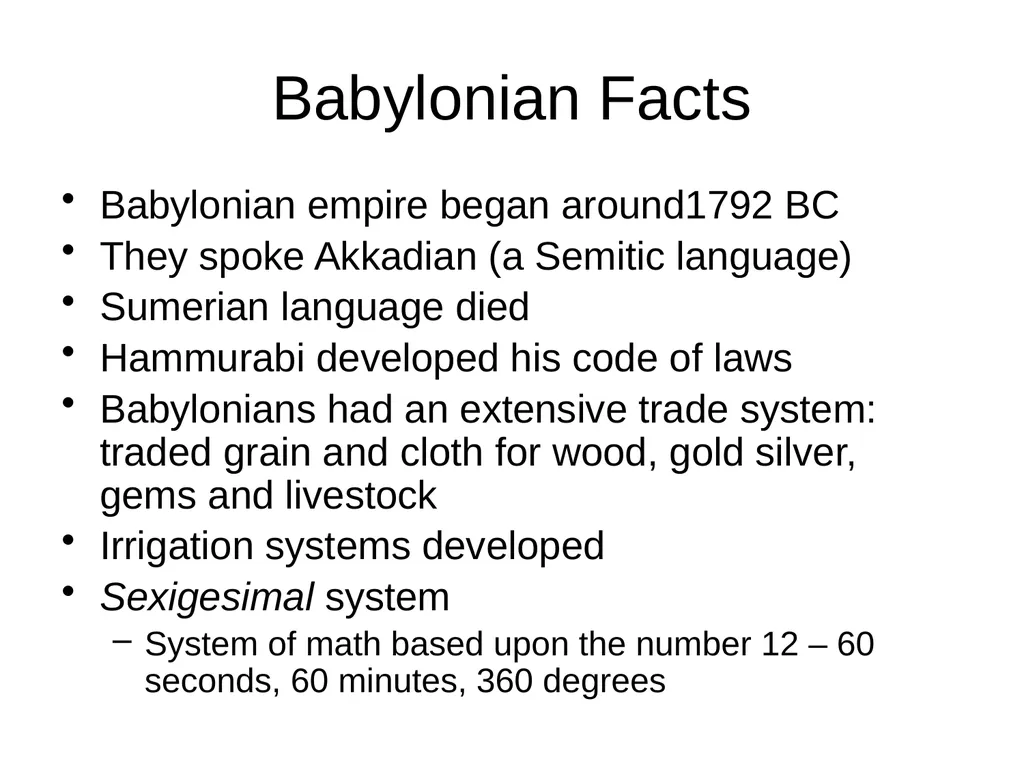
Babylonian Facts Babylonian empire began around1792 BC
They spoke Akkadian (a Semitic language)
Sumerian language died
Hammurabi developed his code of laws
Babylonians had an extensive trade system: traded grain and cloth for wood, gold silver, gems and livestock
Irrigation systems developed
Sexigesimal system
System of math based upon the number 12 – 60 seconds, 60 minutes, 360 degrees<br>
13
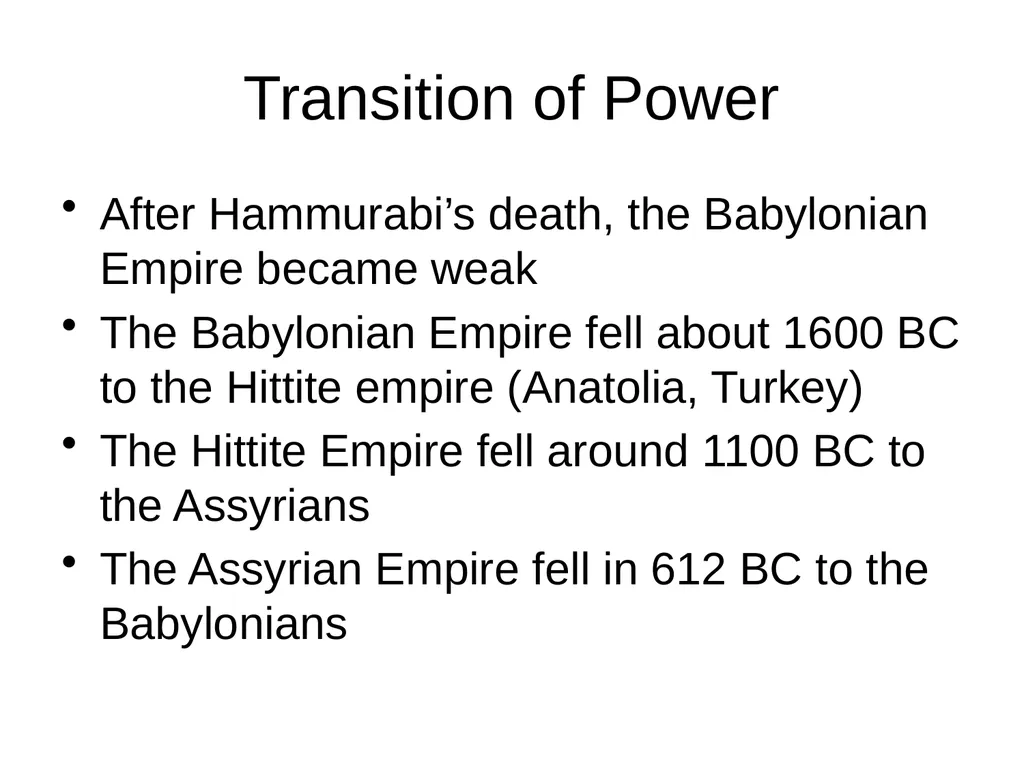
Transition of Power After Hammurabi’s death, the Babylonian Empire became weak
The Babylonian Empire fell about 1600 BC to the Hittite empire (Anatolia, Turkey)
The Hittite Empire fell around 1100 BC to the Assyrians
The Assyrian Empire fell in 612 BC to the Babylonians<br>
14
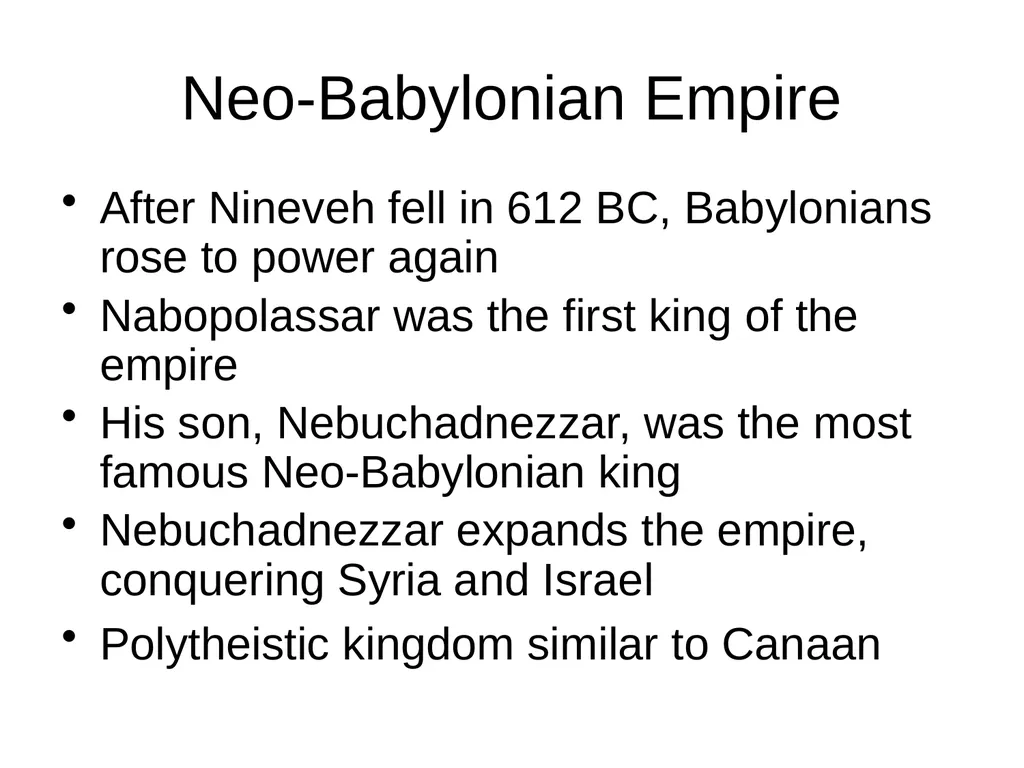
Neo-Babylonian Empire After Nineveh fell in 612 BC, Babylonians rose to power again
Nabopolassar was the first king of the empire
His son, Nebuchadnezzar, was the most famous Neo-Babylonian king
Nebuchadnezzar expands the empire, conquering Syria and Israel
Polytheistic kingdom similar to Canaan<br>
15
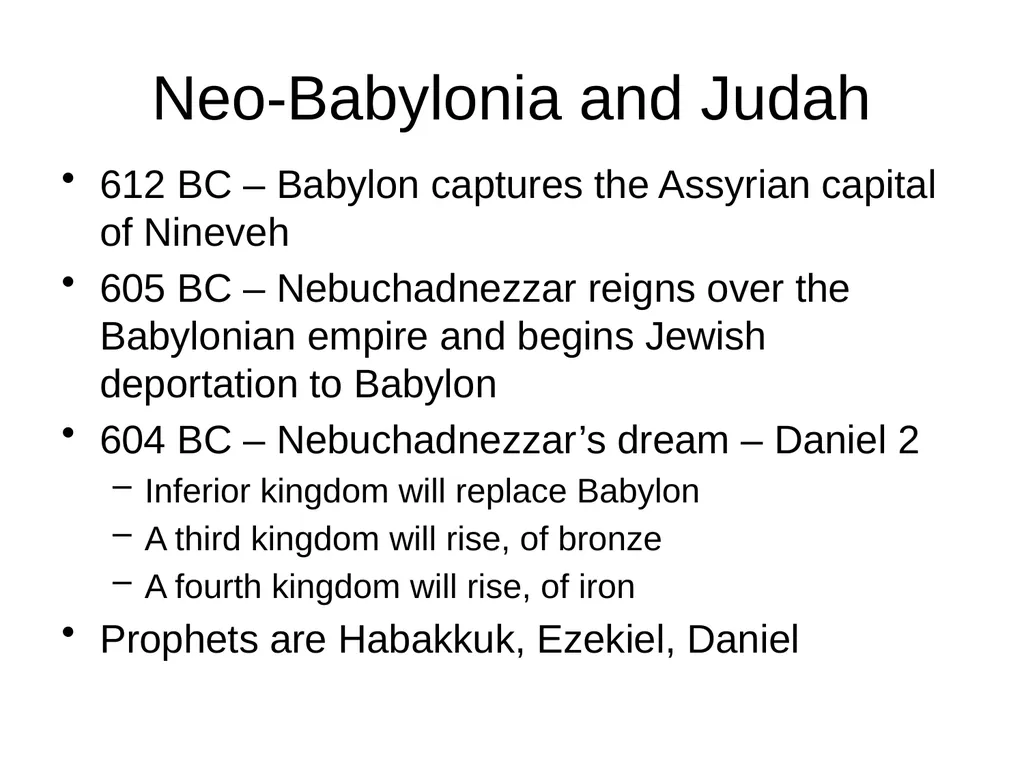
Neo-Babylonia and Judah 612 BC – Babylon captures the Assyrian capital of Nineveh
605 BC – Nebuchadnezzar reigns over the Babylonian empire and begins Jewish deportation to Babylon
604 BC – Nebuchadnezzar’s dream – Daniel 2
Inferior kingdom will replace Babylon
A third kingdom will rise, of bronze
A fourth kingdom will rise, of iron
Prophets are Habakkuk, Ezekiel, Daniel<br>
16
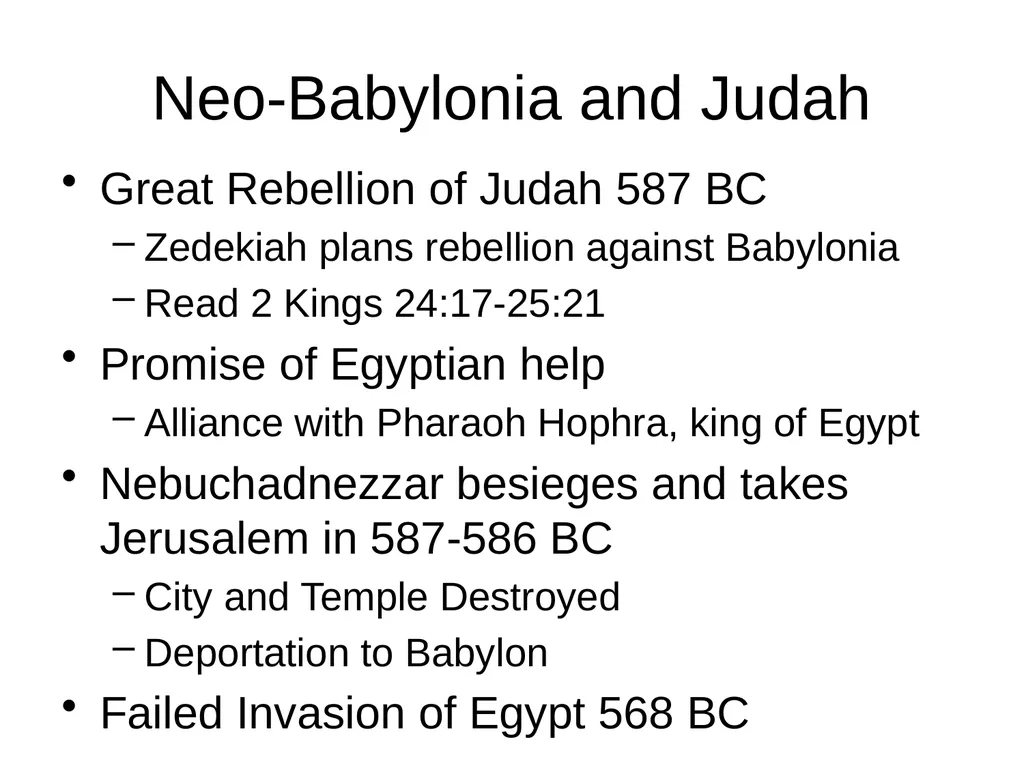
Great Rebellion of Judah 587 BC
Zedekiah plans rebellion against Babylonia
Read 2 Kings 24:17-25:21
Promise of Egyptian help
Alliance with Pharaoh Hophra, king of Egypt
Nebuchadnezzar besieges and takes Jerusalem in 587-586 BC
City and Temple Destroyed
Deportation to Babylon
Failed Invasion of Egypt 568 BC Neo-Babylonia and Judah<br>
17
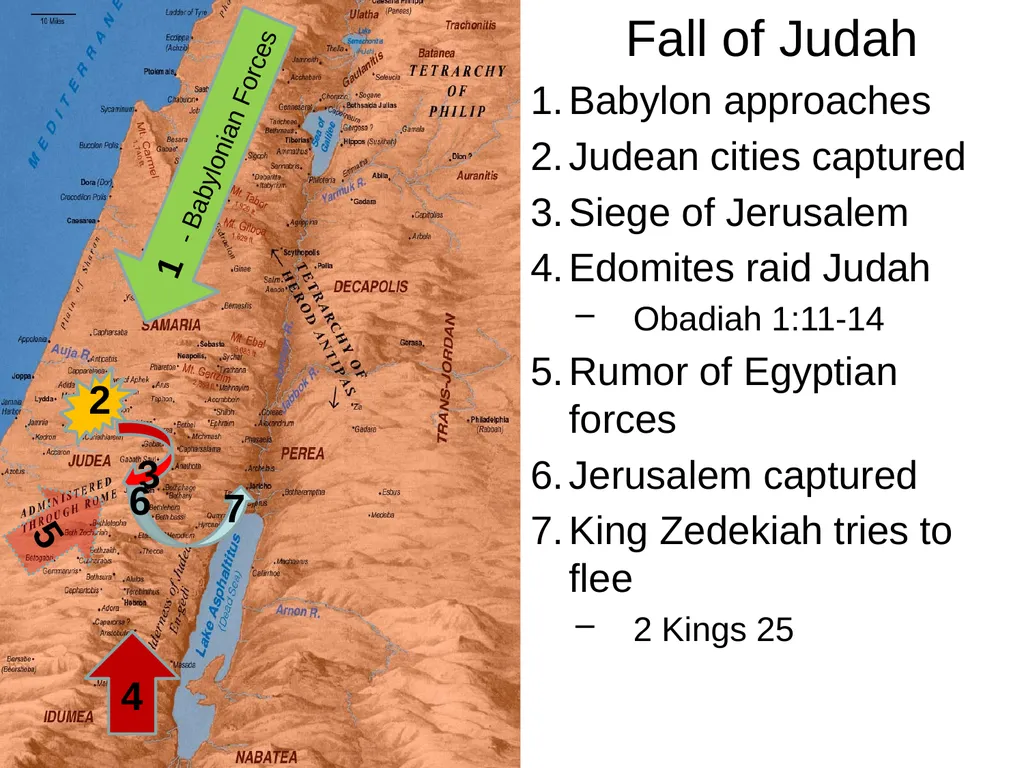
Fall of Judah
Babylon approaches
Judean cities captured
Siege of Jerusalem
Edomites raid Judah
Obadiah 1:11-14
Rumor of Egyptian forces
Jerusalem captured
King Zedekiah tries to flee
2 Kings 25<br>
18
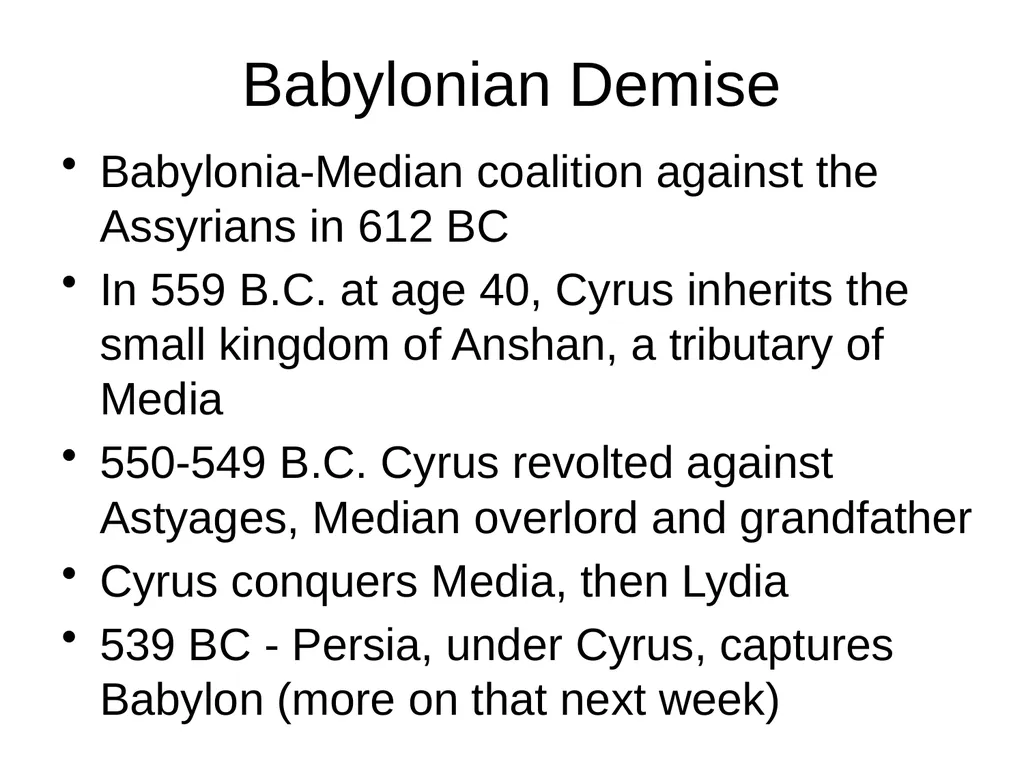
Babylonian Demise Babylonia-Median coalition against the Assyrians in 612 BC
In 559 B.C. at age 40, Cyrus inherits the small kingdom of Anshan, a tributary of Media
550-549 B.C. Cyrus revolted against Astyages, Median overlord and grandfather
Cyrus conquers Media, then Lydia
539 BC - Persia, under Cyrus, captures Babylon (more on that next week)<br>
19
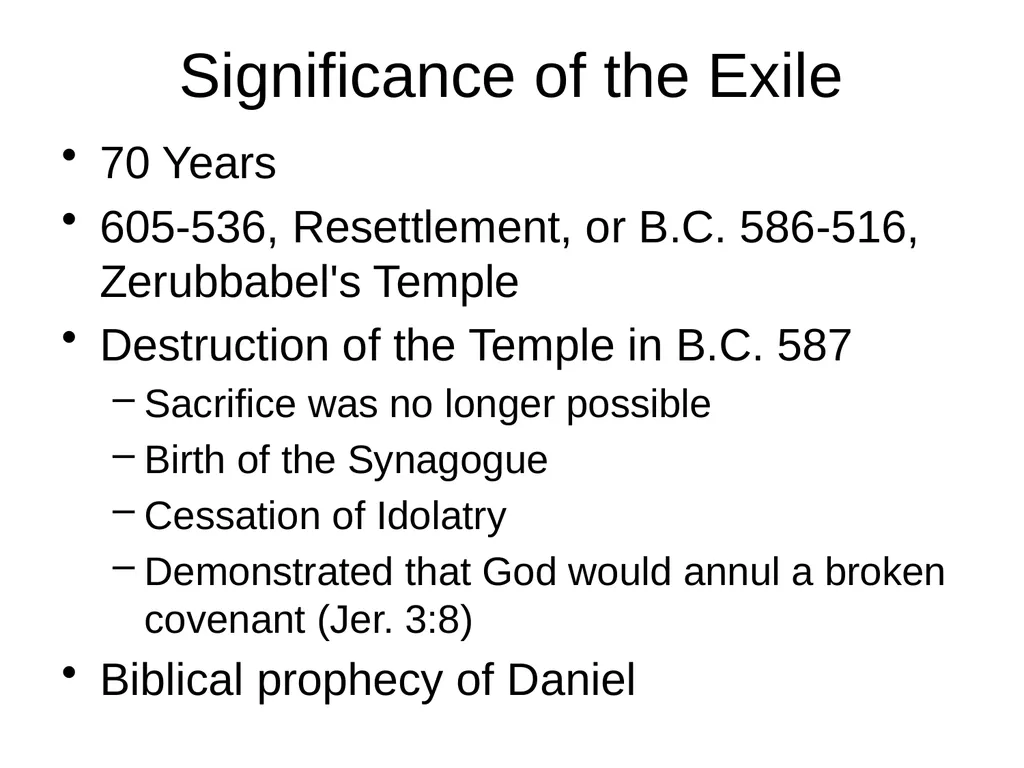
Significance of the Exile 70 Years
605-536, Resettlement, or B.C. 586-516, Zerubbabel's Temple
Destruction of the Temple in B.C. 587
Sacrifice was no longer possible
Birth of the Synagogue
Cessation of Idolatry
Demonstrated that God would annul a broken covenant (Jer. 3:8)
Biblical prophecy of Daniel<br>
20
Review Reviewed last week’s lesson
Reviewed the historical background from which Babylon was formed
Learned about he historical background behind the rise of Babylon
Learned about the political, social, economic, cultural, and religious issues during the Babylonian rule over Israel
Learned about the fall of Judah and the exile
Learned about Babylon’s demise<br>