04
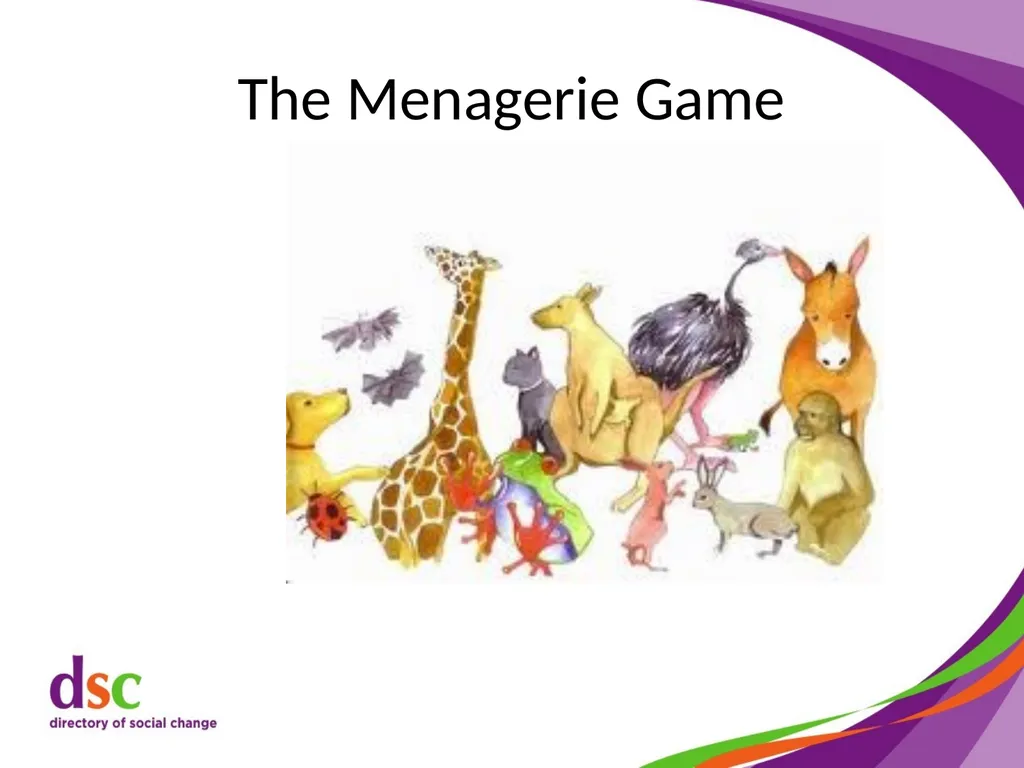
The Menagerie Game<br>
05
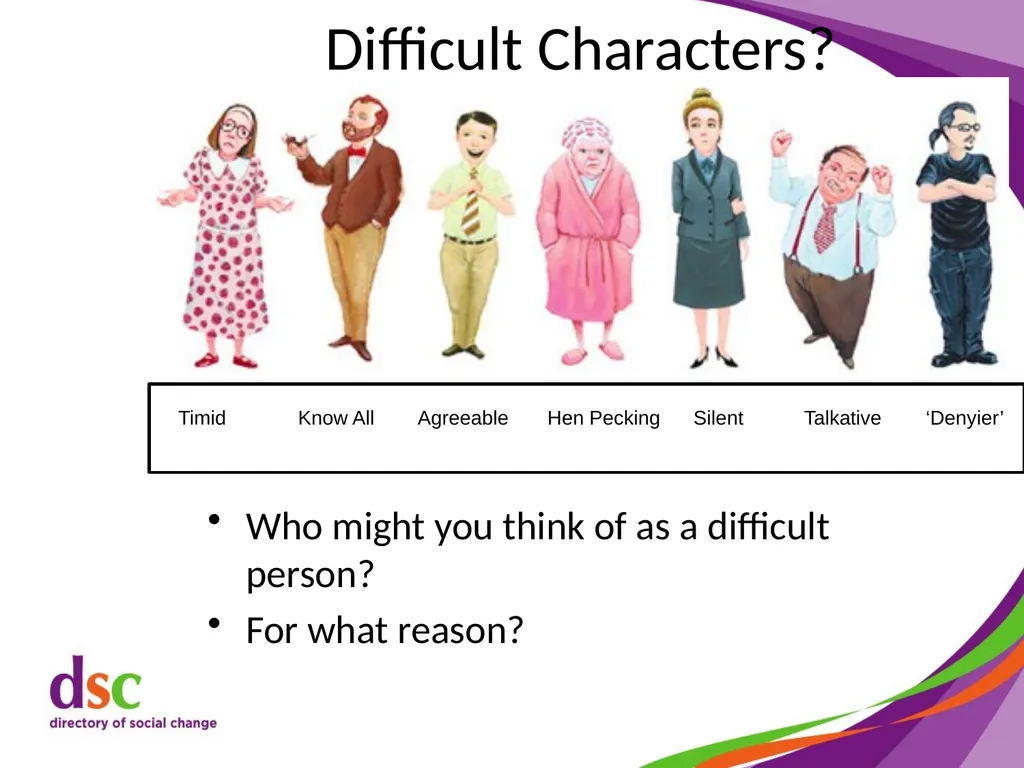
Difficult Characters? Timid Know All Agreeable Hen Pecking Silent Talkative ‘Denyier’ Who might you think of as a difficult person?
For what reason?<br>
06
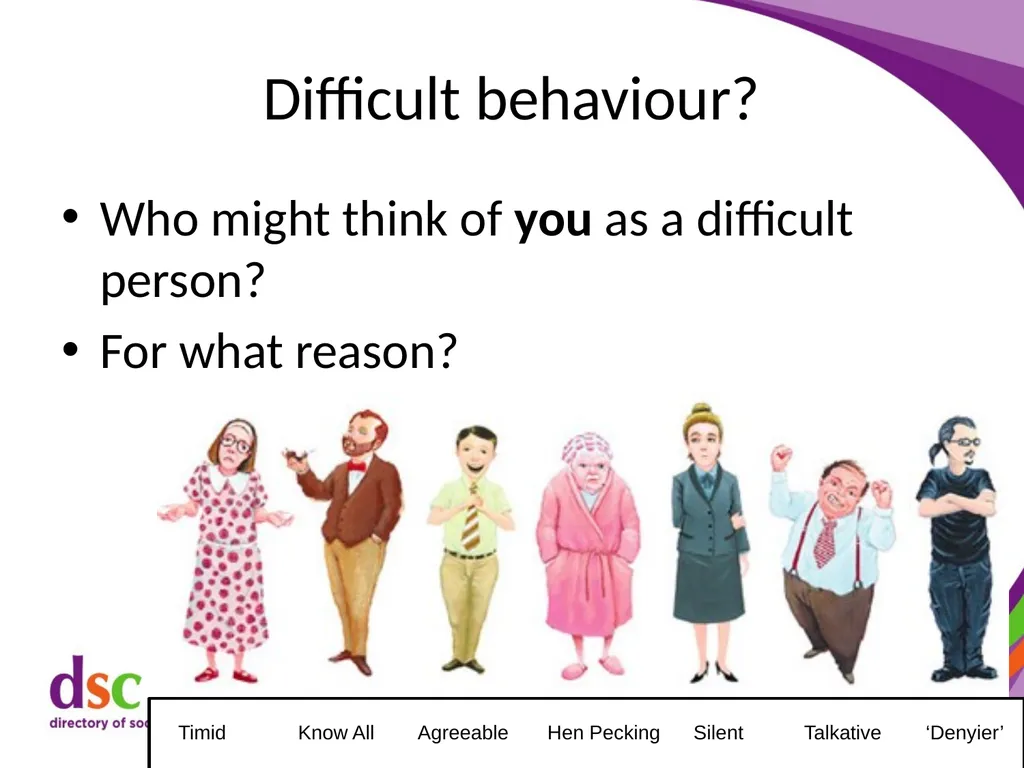
Difficult behaviour? Who might think of you as a difficult person?
For what reason? Timid Know All Agreeable Hen Pecking Silent Talkative ‘Denyier’<br>
07
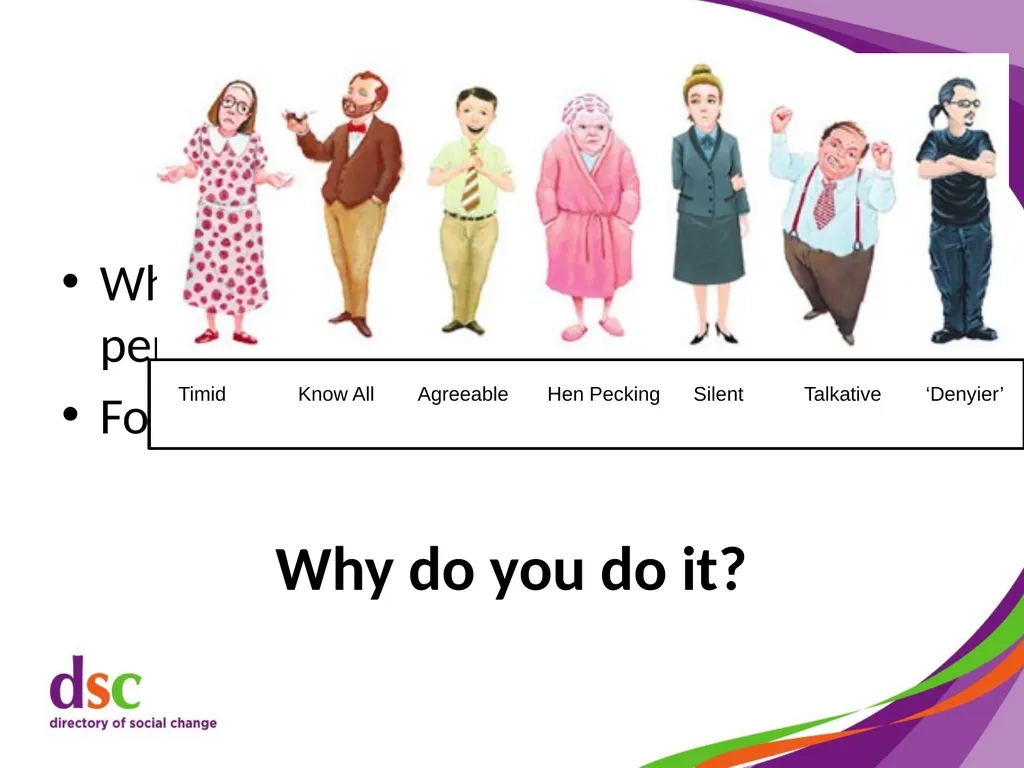
Difficult behaviour? Who might think of you as a difficult person?
For what reason?
Why do you do it? Timid Know All Agreeable Hen Pecking Silent Talkative ‘Denyier’<br>
08
1. How well do you know yourself? What kind of people do you find it easy to work with?
What kind of people do you find hard?<br>
09
1. How well do you know yourself? What kind of people do you find it easy to work with?
What kind of people do you find hard?
What does that tell you about you?<br>
10
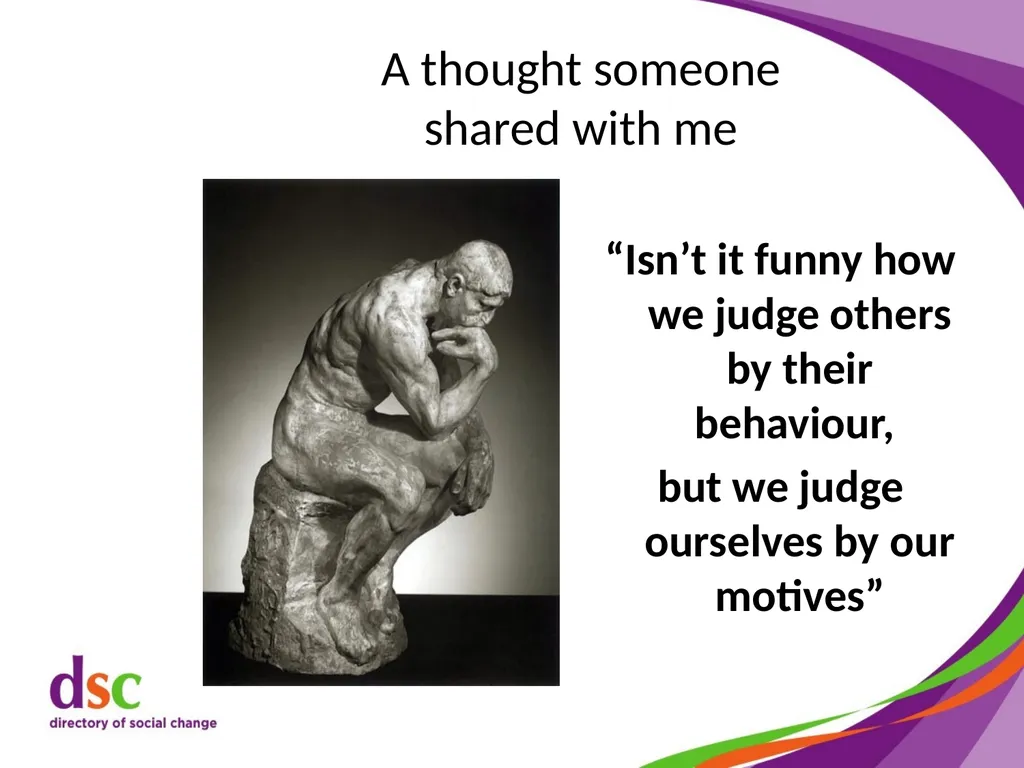
A thought someone�shared with me “Isn’t it funny how we judge others by their behaviour,
but we judge ourselves by our motives”<br>
12
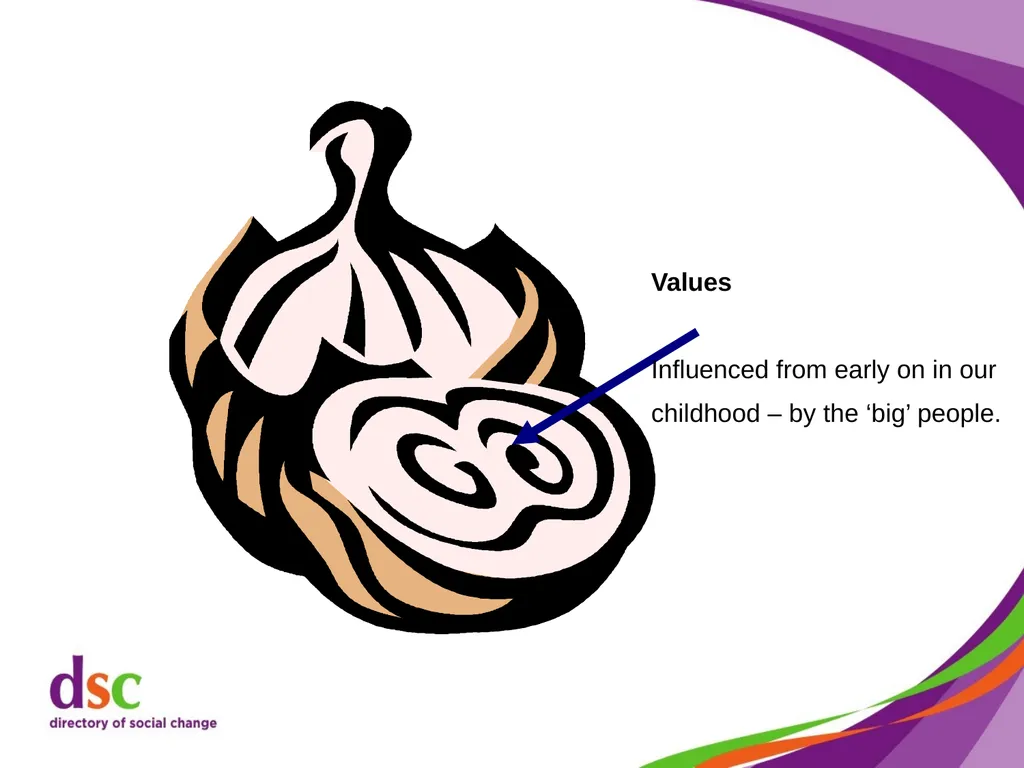
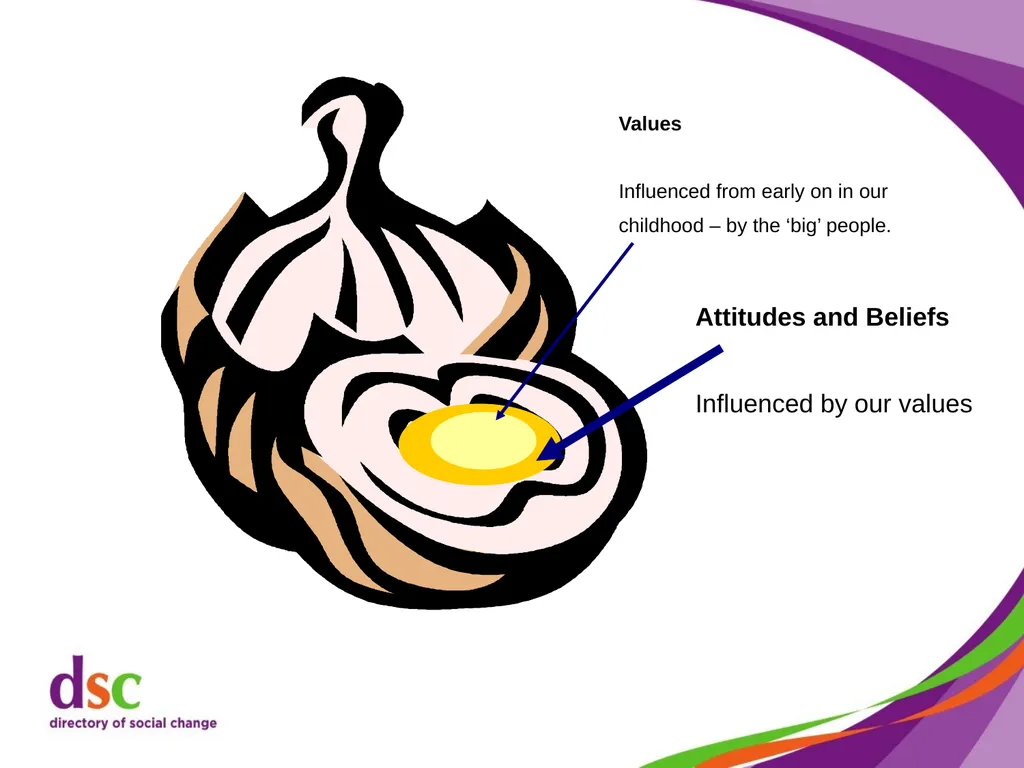
Values
Influenced from early on in our
childhood – by the ‘big’ people.<br>
13
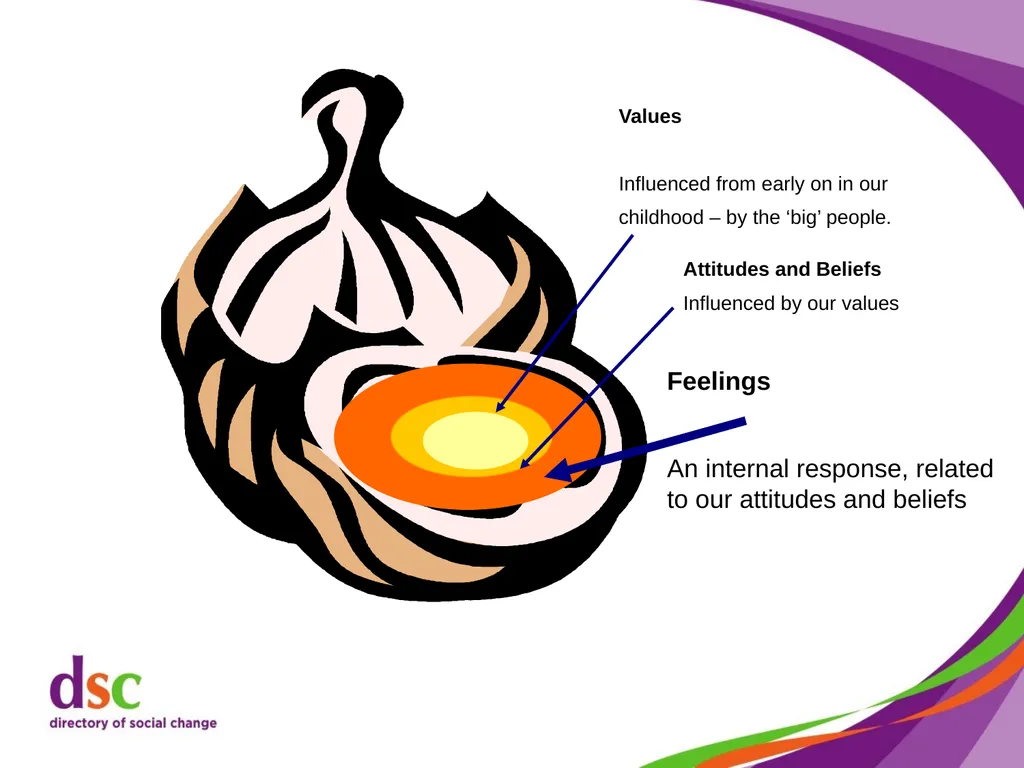
Values
Influenced from early on in our
childhood – by the ‘big’ people. Attitudes and Beliefs
Influenced by our values<br>
14
Values
Influenced from early on in our
childhood – by the ‘big’ people. Attitudes and Beliefs
Influenced by our values Feelings
An internal response, related to our attitudes and beliefs<br>
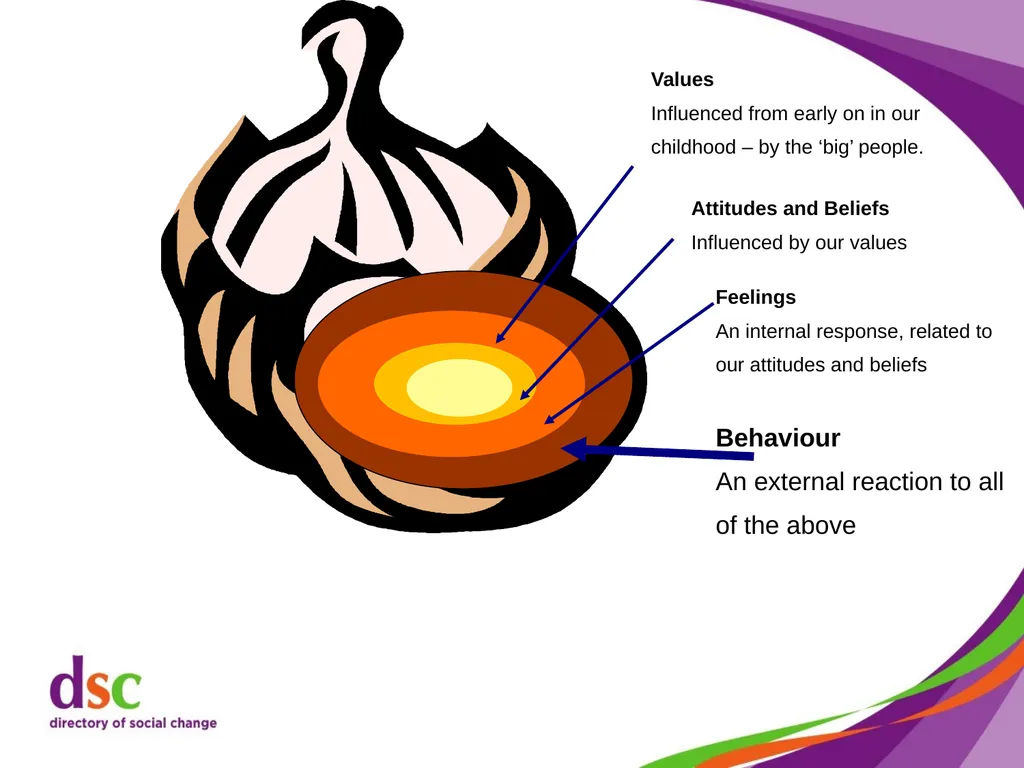
15
Values
Influenced from early on in our
childhood – by the ‘big’ people. Attitudes and Beliefs
Influenced by our values Feelings
An internal response, related to
our attitudes and beliefs Behaviour
An external reaction to all
of the above<br>
16
In order to be understood,
Seek first to understand
Stephen Covey
7 Habits of Highly Effective People<br>
18
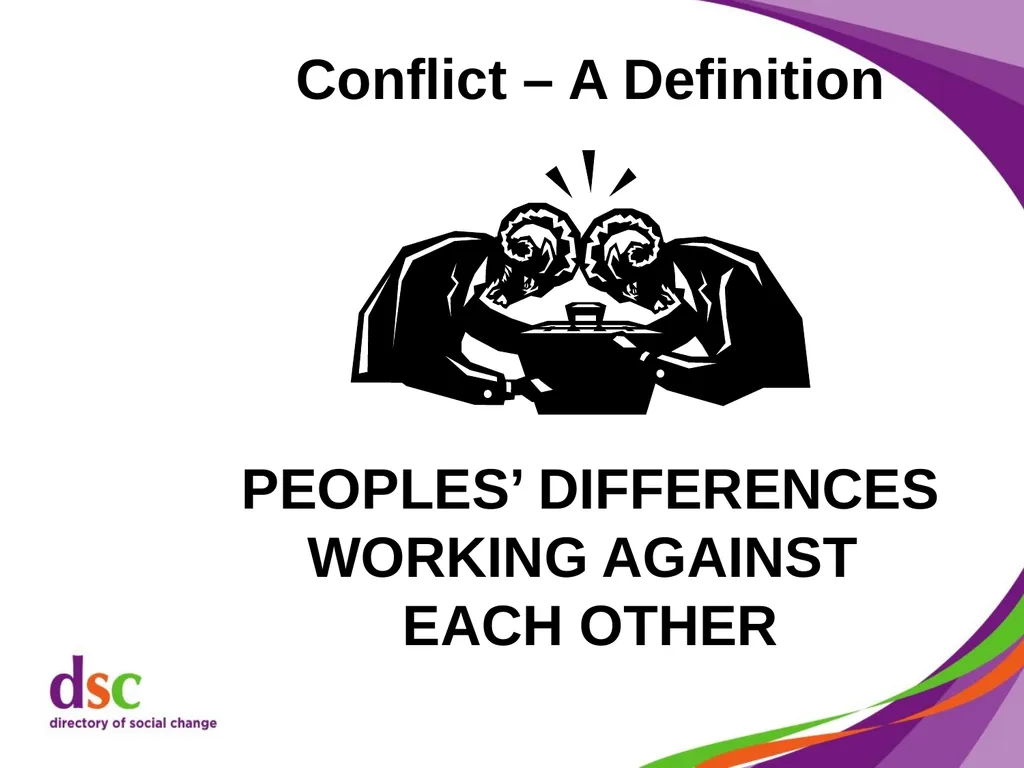
Conflict – A Definition
PEOPLES’ DIFFERENCES
WORKING AGAINST
EACH OTHER<br>
19
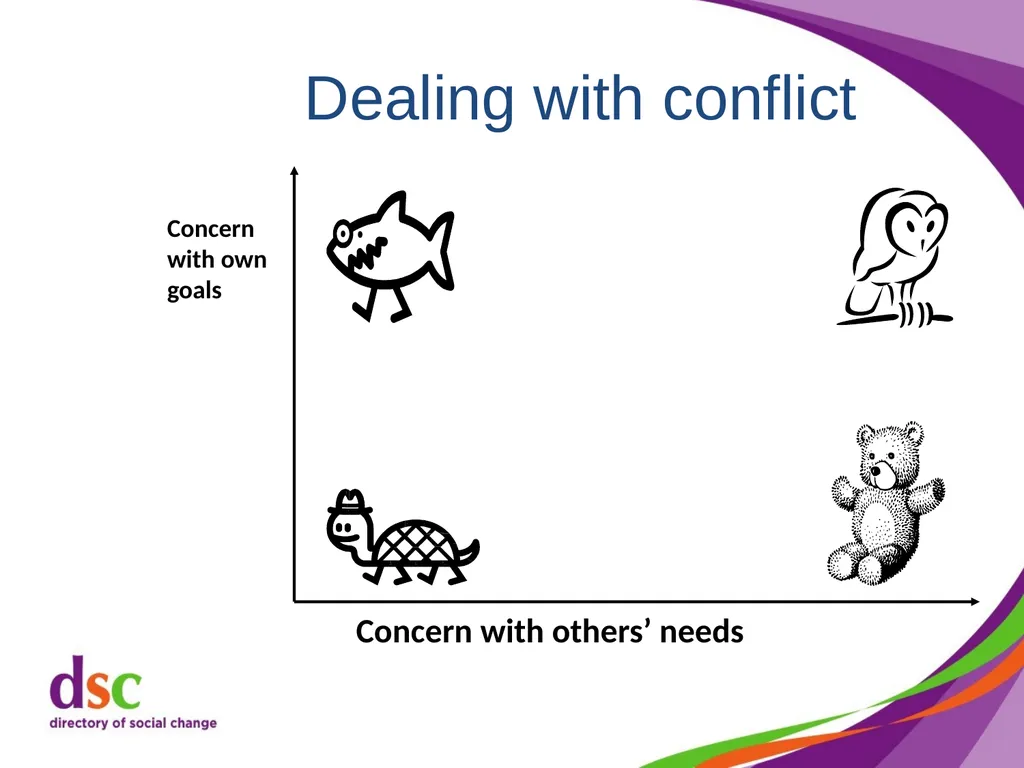
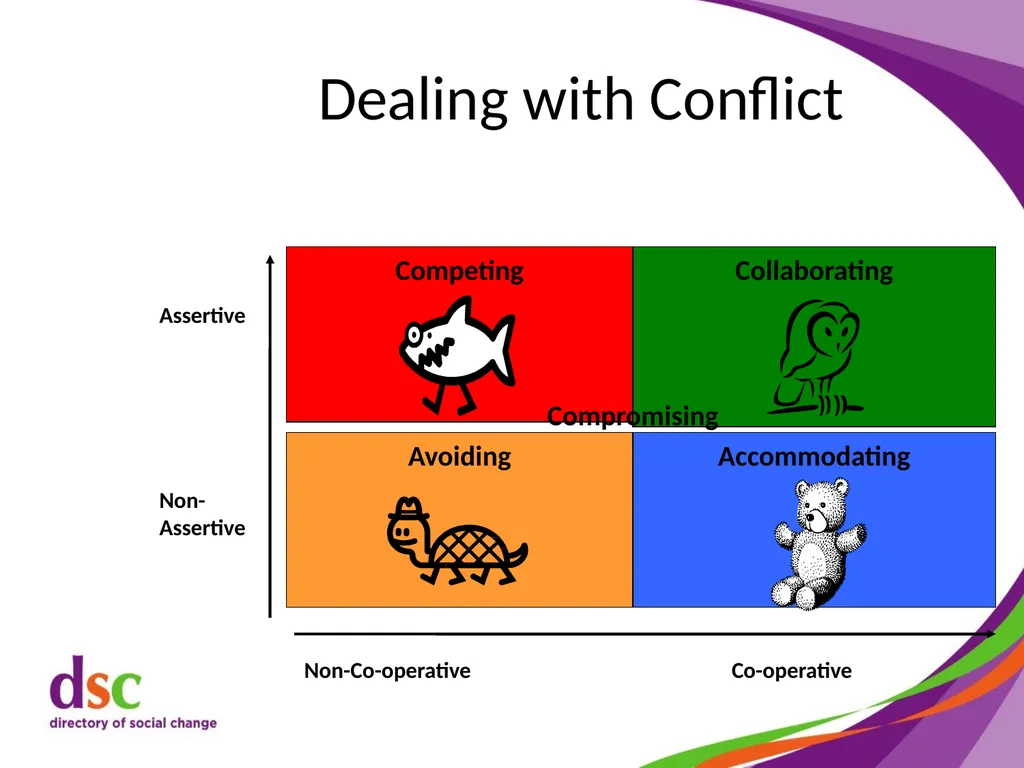
Dealing with conflict Concern with others’ needs Concern with own goals<br>
20
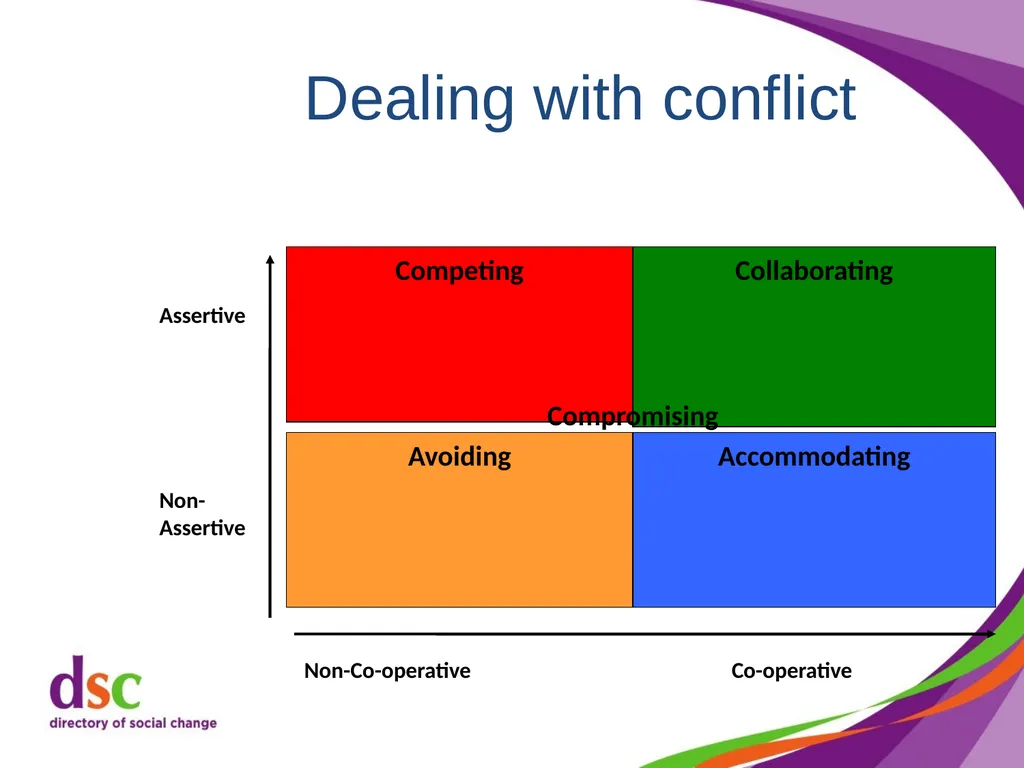
Competing Collaborating Avoiding Accommodating Compromising Assertive Non-Assertive Non-Co-operative Co-operative Dealing with conflict<br>
21
Dealing with Conflict Competing Collaborating Avoiding Accommodating Compromising Assertive Non-Assertive Non-Co-operative Co-operative<br>
22
Dealing with conflict Competing - can be useful when…
A quick decision is vital e.g. an emergency
An unpopular course of action needs implementing
Avoiding – can be useful when…
Others can resolve the conflict more effectively
More important issues are pressing
Potential costs outweigh potential benefits<br>
23
Dealing with conflict Accommodating - can be useful when…
You realise you’re wrong!
Preserving harmony is particularly important
Allowing someone to experiment to develop
Compromising ….. Can be useful in short term
But …
I win, you win – but I also lose and you also lose
Can fail to satisfy anybody<br>
24
Dealing with conflict Collaborating – can be useful when…
Concerns of both parties are too important to be compromised
Merging insights to gain a consensual decision
Striving for commitment to the outcome<br>
25
Some working suppositions
Dealing with Difficult Behaviour is about managing the relationship
You cannot change others – only yourself
It isn’t about you or them – it is about the relationship
The relationship you create is in your own power ?<br>
26
Some working suppositions
Dealing with Difficult Behaviour is about managing the relationship
You cannot change others – only yourself
It isn’t about you or them – it is about the relationship
The relationship you create is in your own power
So, what holds me back ?<br>
27
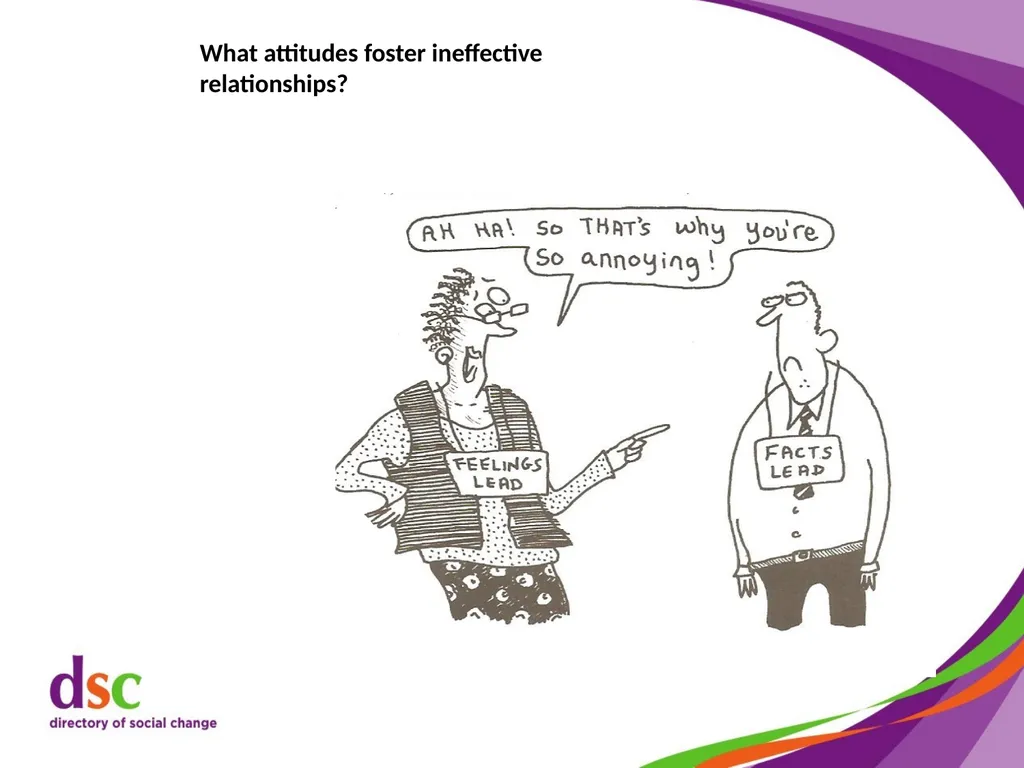
What attitudes foster ineffective
relationships?<br>
28
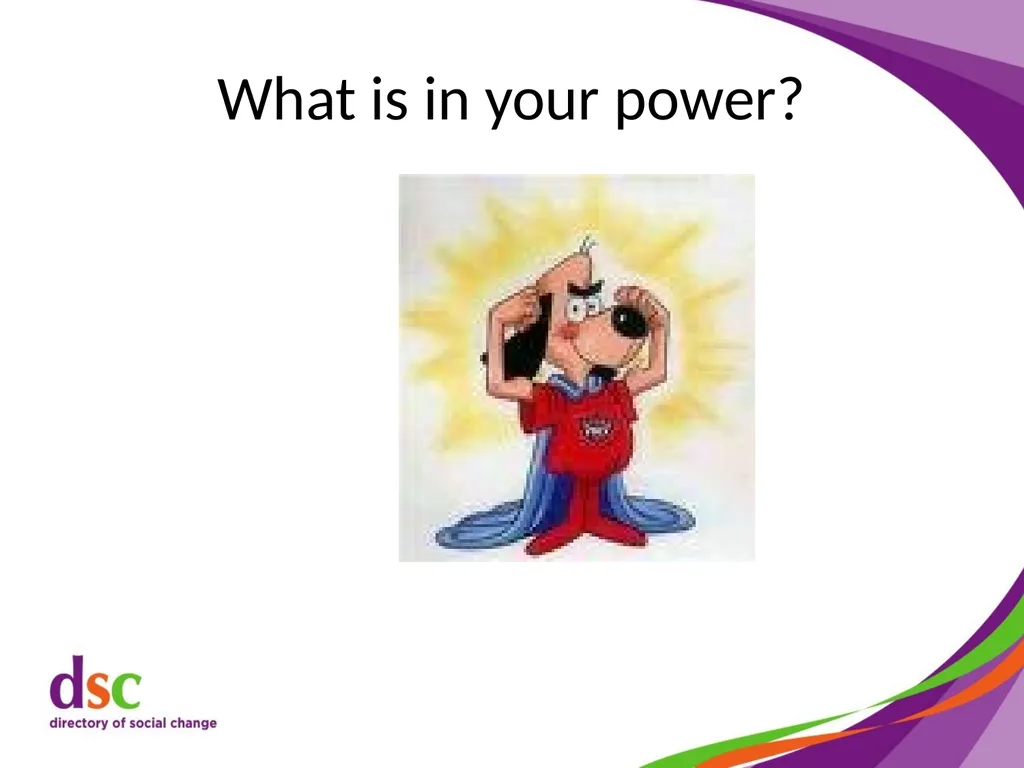
What is in your power?<br>
29
Avoid a head-on; buy more time “I need to think about that; can I get back to you (specific time)”
“I’m not sure. Who else have you spoken to about this?”
“Tell me a bit more.”
Summarise to check your understanding.<br>
31
What does the term�“Emotional Intelligence”�mean to you<br>
32
Emotional Intelligence Howard Gardner, Peter Salovey, John ‘Jack’ Mayer 1970’s/80’s
Daniel Goleman’s book 1995
A way to understand and assess people’s behaviour, communication styles, (inter)personal skills<br>
33
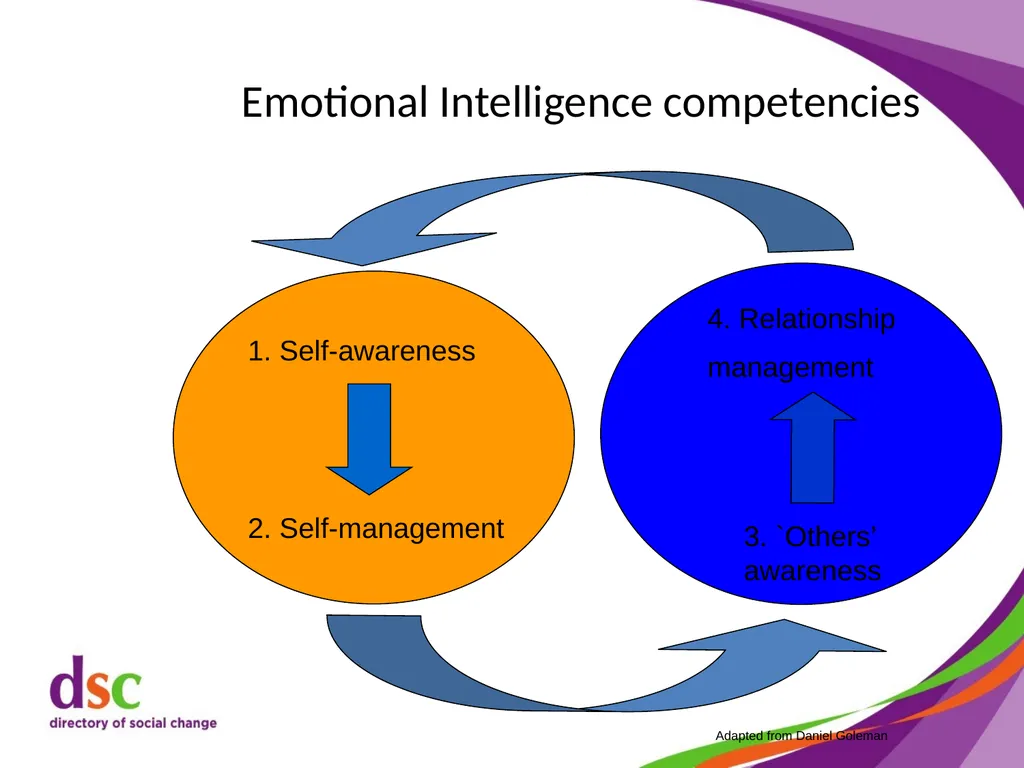
Emotional Intelligence competencies 1. Self-awareness 2. Self-management 3. `Others’ awareness 4. Relationship
management Adapted from Daniel Goleman<br>
34
Think about what they DO �not just what they are �or what they have. What skills, qualities behaviours and characteristics do you expect to see in each competency?<br>
35
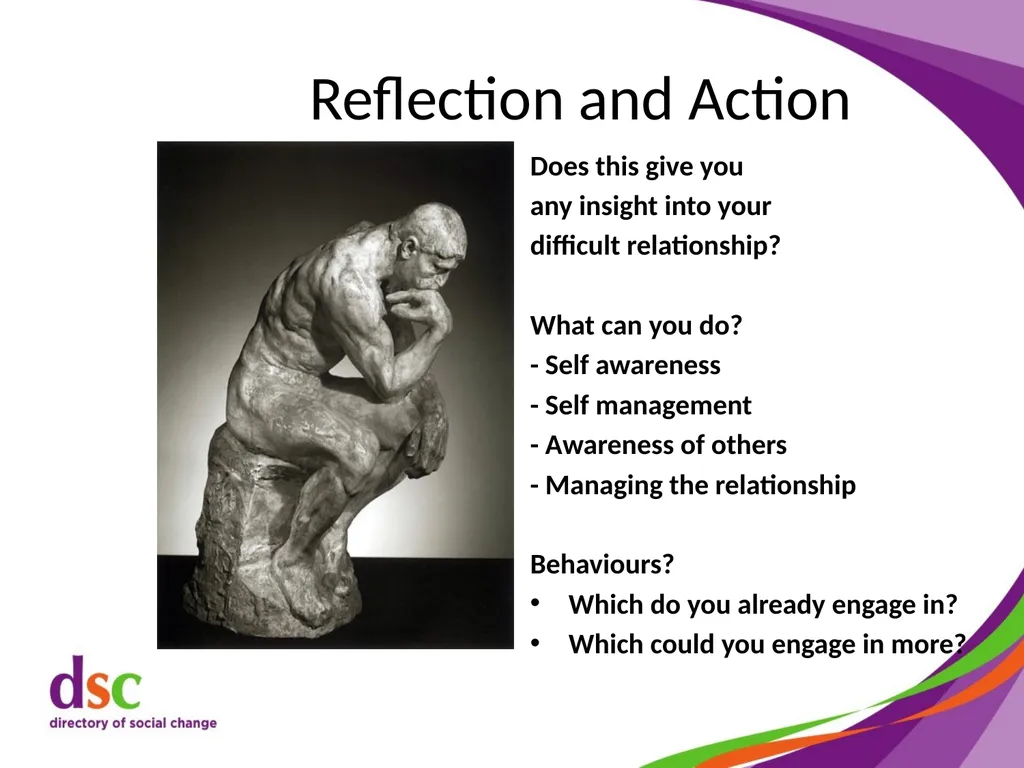
Reflection and Action Does this give you
any insight into your
difficult relationship?
What can you do?
- Self awareness
- Self management
- Awareness of others
- Managing the relationship
Behaviours?
Which do you already engage in?
Which could you engage in more?<br>
36
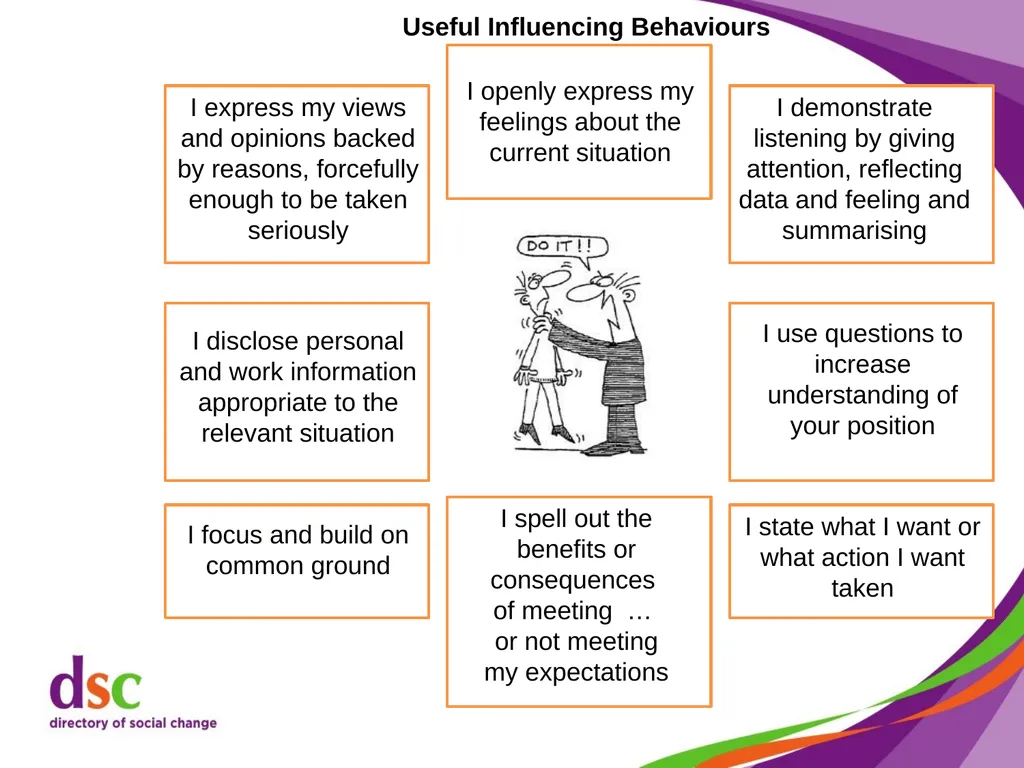
Useful Influencing Behaviours I demonstrate listening by giving attention, reflecting data and feeling and summarising I express my views and opinions backed by reasons, forcefully enough to be taken seriously I focus and build on common ground I spell out the benefits or consequences
of meeting …
or not meeting
my expectations I disclose personal and work information appropriate to the relevant situation I state what I want or what action I want taken I use questions to increase understanding of your position I openly express my feelings about the current situation<br>
38
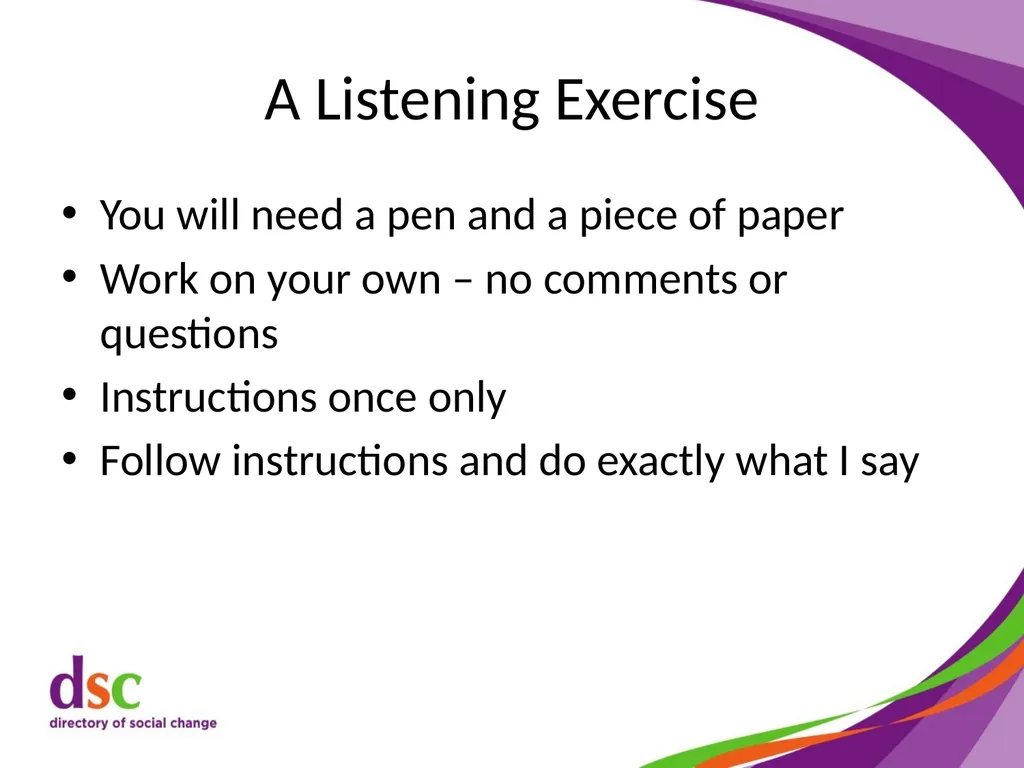
A Listening Exercise You will need a pen and a piece of paper
Work on your own – no comments or questions
Instructions once only
Follow instructions and do exactly what I say<br>
40
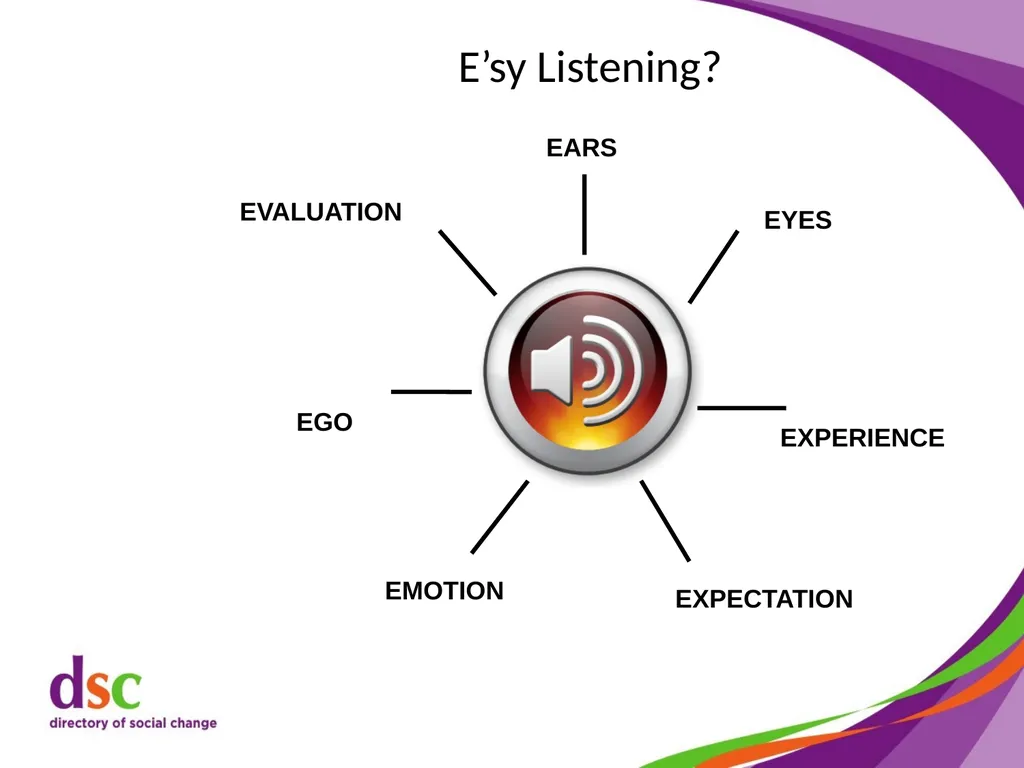
E’sy Listening? EVALUATION EARS EYES EXPERIENCE EMOTION EXPECTATION EGO<br>
41
7 Ways To Listen More Effectively
Silence the inner talk
Don’t interrupt
Don’t plan you answer half way
Avoid assuming the end
Sum up and reflect back
Check for understanding
Ask questions<br>
42
7 Ways To Engage More Effectively
Consider the audience
Clarify goal – to you and them
Use 3 point frameworks
Plan the opener – get attention
Show benefits to them
Choose language and jargon
Ask effective questions & listen<br>
43
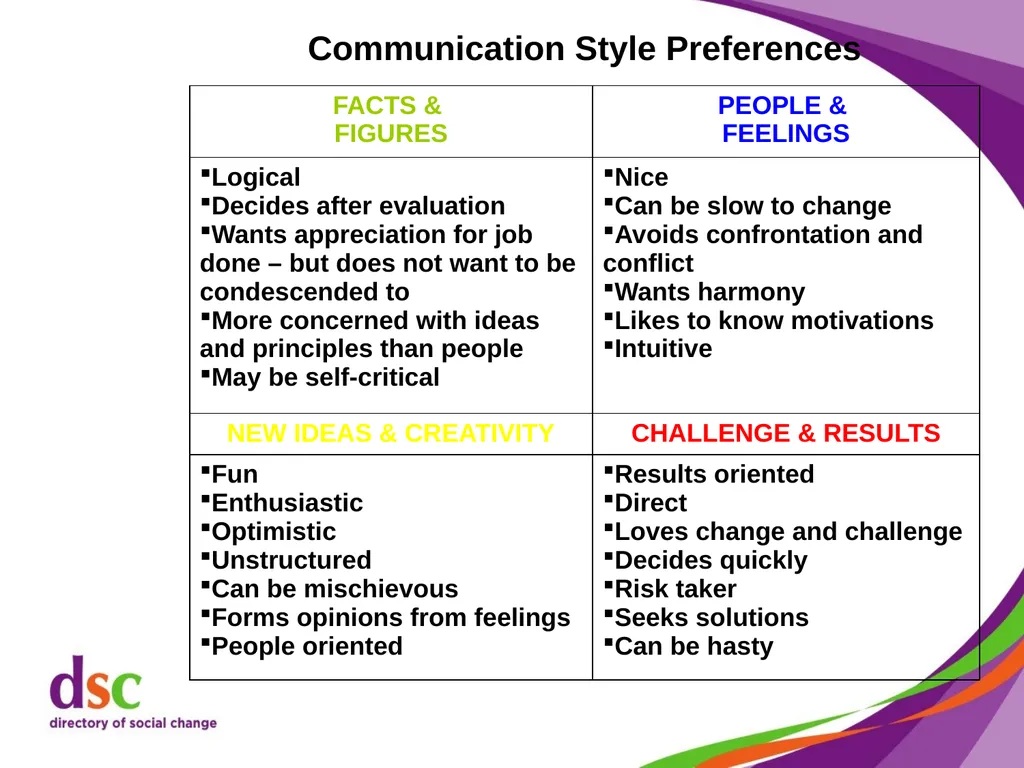
Communication Style Preferences<br>
44
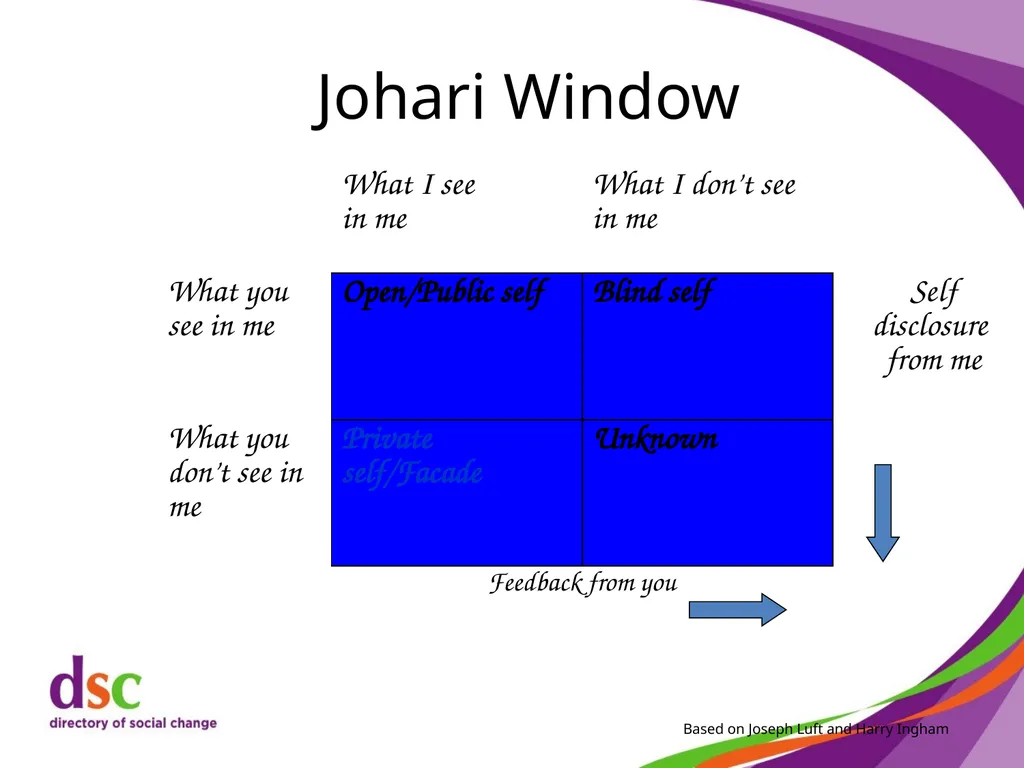
Based on Joseph Luft and Harry Ingham Johari Window<br>
45
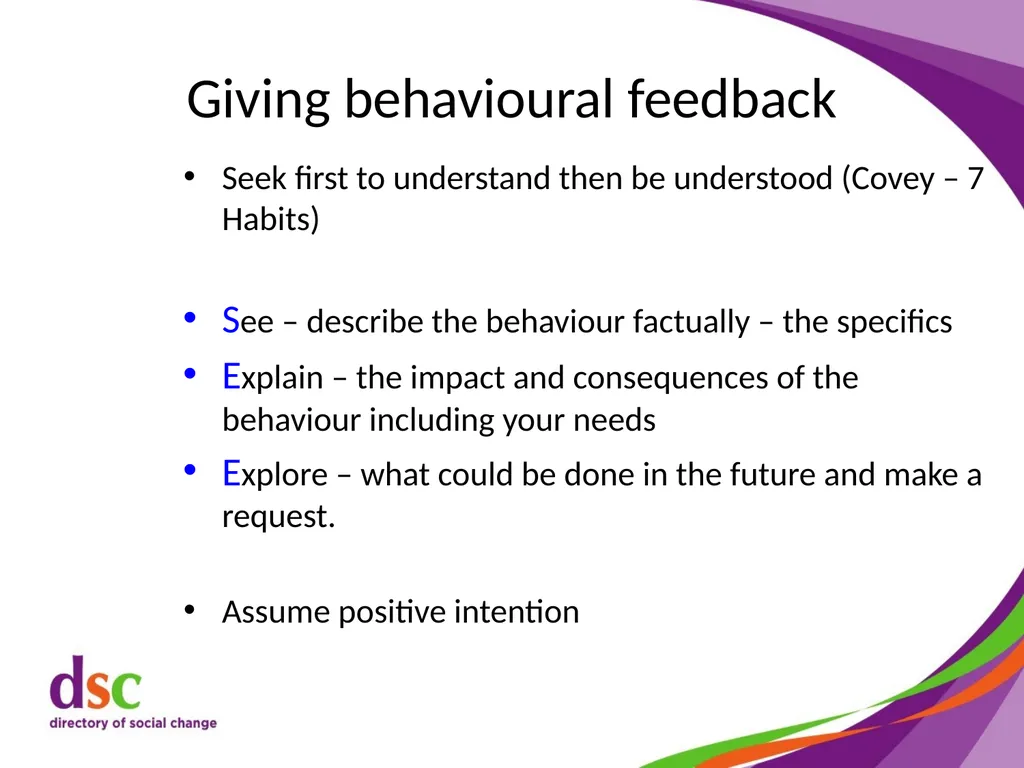
Giving behavioural feedback Seek first to understand then be understood (Covey – 7 Habits)
See – describe the behaviour factually – the specifics
Explain – the impact and consequences of the behaviour including your needs
Explore – what could be done in the future and make a request.
Assume positive intention<br>
46
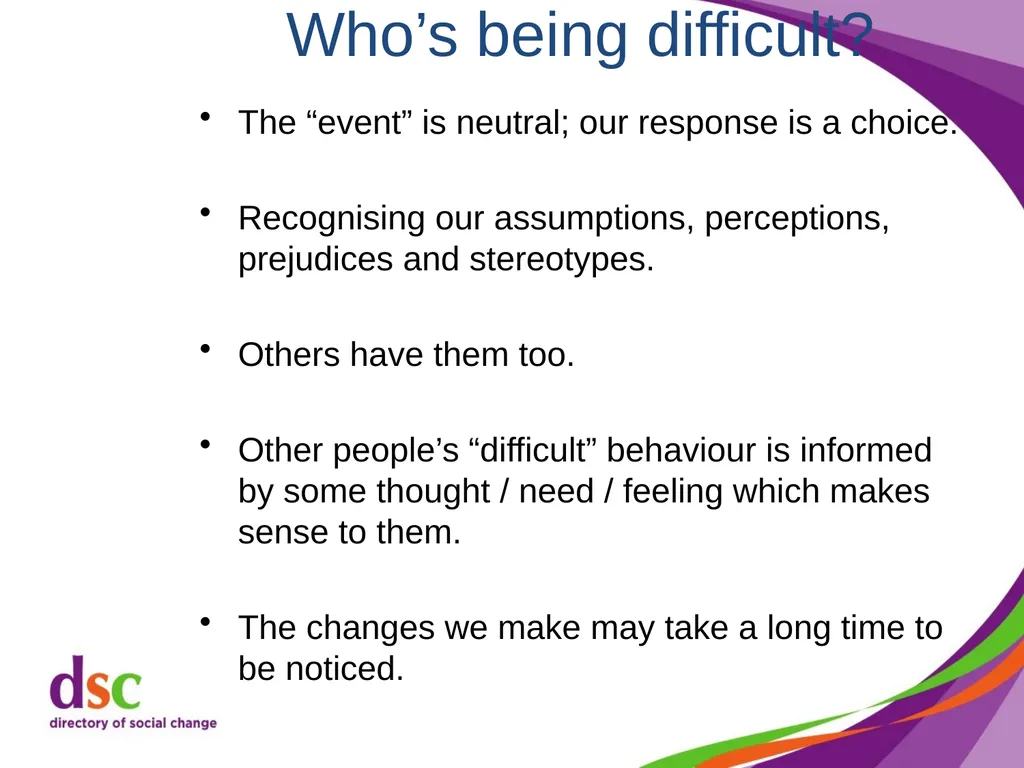
Who’s being difficult? The “event” is neutral; our response is a choice.
Recognising our assumptions, perceptions, prejudices and stereotypes.
Others have them too.
Other people’s “difficult” behaviour is informed by some thought / need / feeling which makes sense to them.
The changes we make may take a long time to be noticed.<br>
47
Cathy Shimmin
Senior Training Manager
Directory of Social Change
07967 027304
cshimmin@dsc.org.uk
www.dsc.org.uk<br>
48
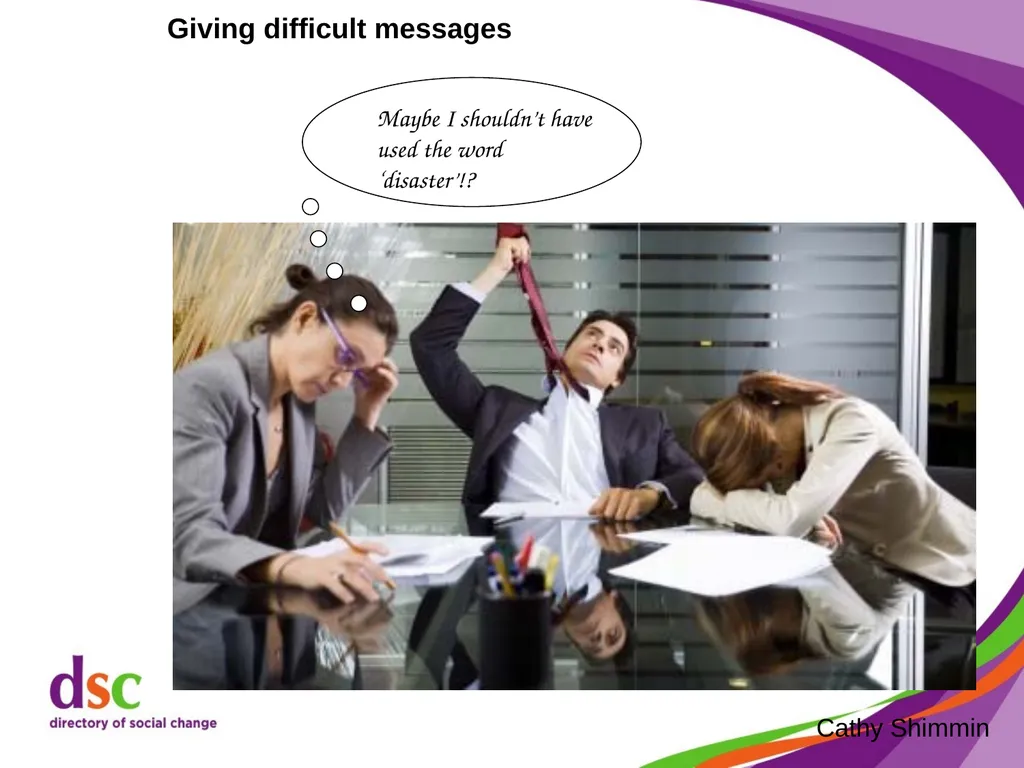
Cathy Shimmin Giving difficult messages Maybe I shouldn’t have used the word ‘disaster’!?<br>
49
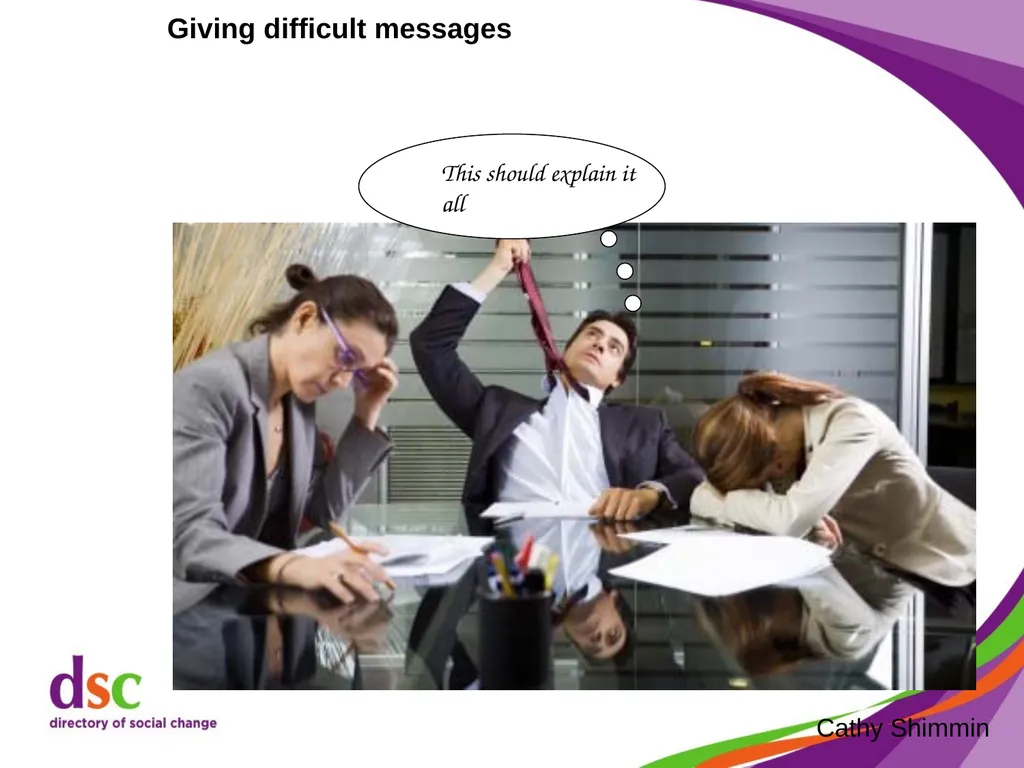
Cathy Shimmin This should explain it all Giving difficult messages<br>
50
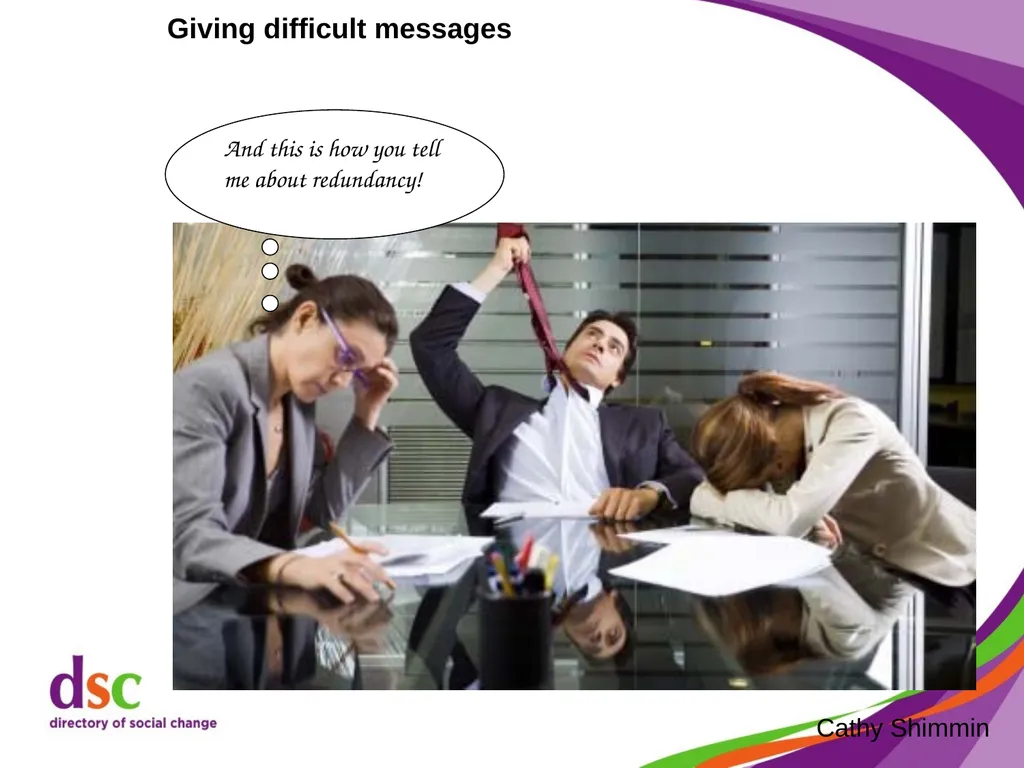
Cathy Shimmin And this is how you tell me about redundancy! Giving difficult messages<br>
51
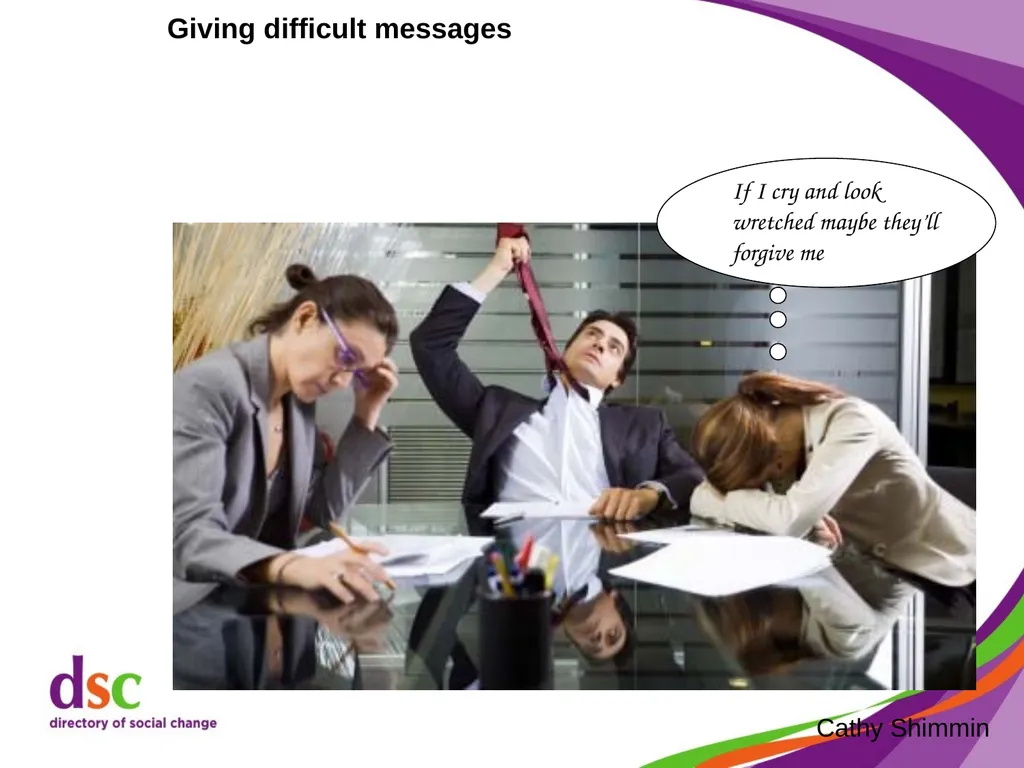
Cathy Shimmin If I cry and look wretched maybe they’ll forgive me Giving difficult messages<br>
52
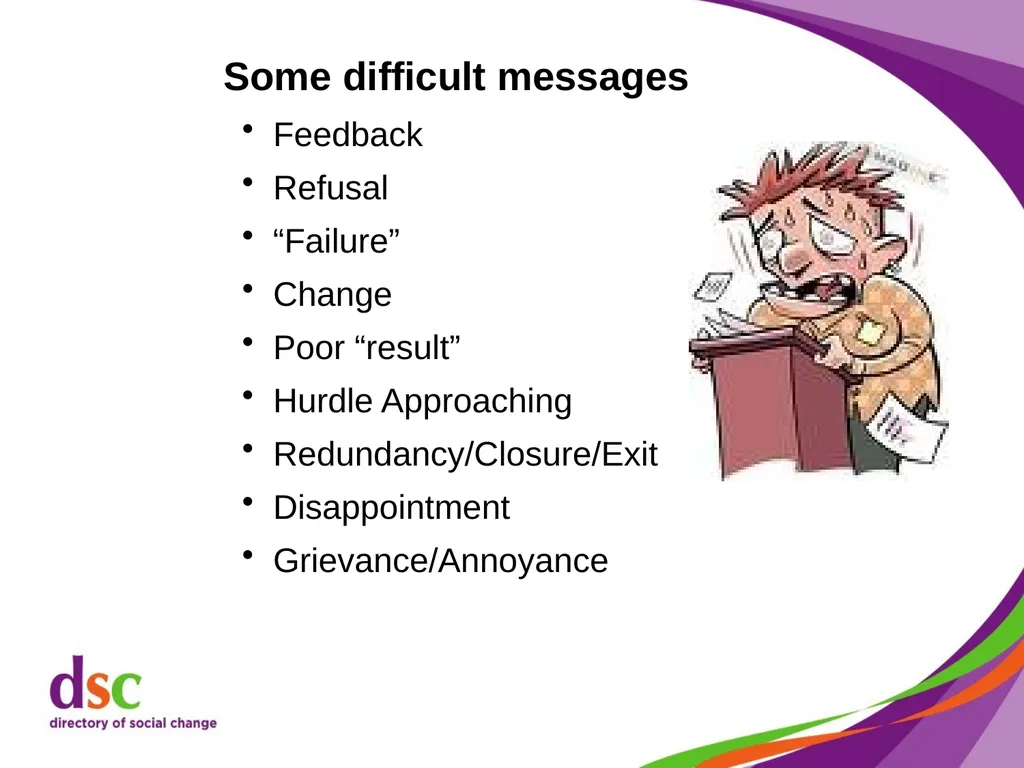
Feedback
Refusal
“Failure”
Change
Poor “result”
Hurdle Approaching
Redundancy/Closure/Exit
Disappointment
Grievance/Annoyance Some difficult messages<br>
53
The message itself
Me on the day or generally
Them - real or perceived
The relationship Avoidance Factors<br>
54
Write down the key points
Ask yourself 3 questions
….
Is this conversation in everyone’s best interest?
Is the message in line with our desired reputation?
Are any avoidance factors purely emotionally led? A clear message<br>
55
Ask yourself 3 questions
Is this conversation in everyone’s best interest?
Is the message in line with our desired reputation?
Are any avoidance factors purely emotionally led? A clear message<br>
56
Write down the key points
Ask yourself 3 questions
Ask why am I giving this message
Write it down again
Consider the audience - pitch
Make preparations - you, them, the place
Execute the message -CONFIDENTLY A clear message<br>
57
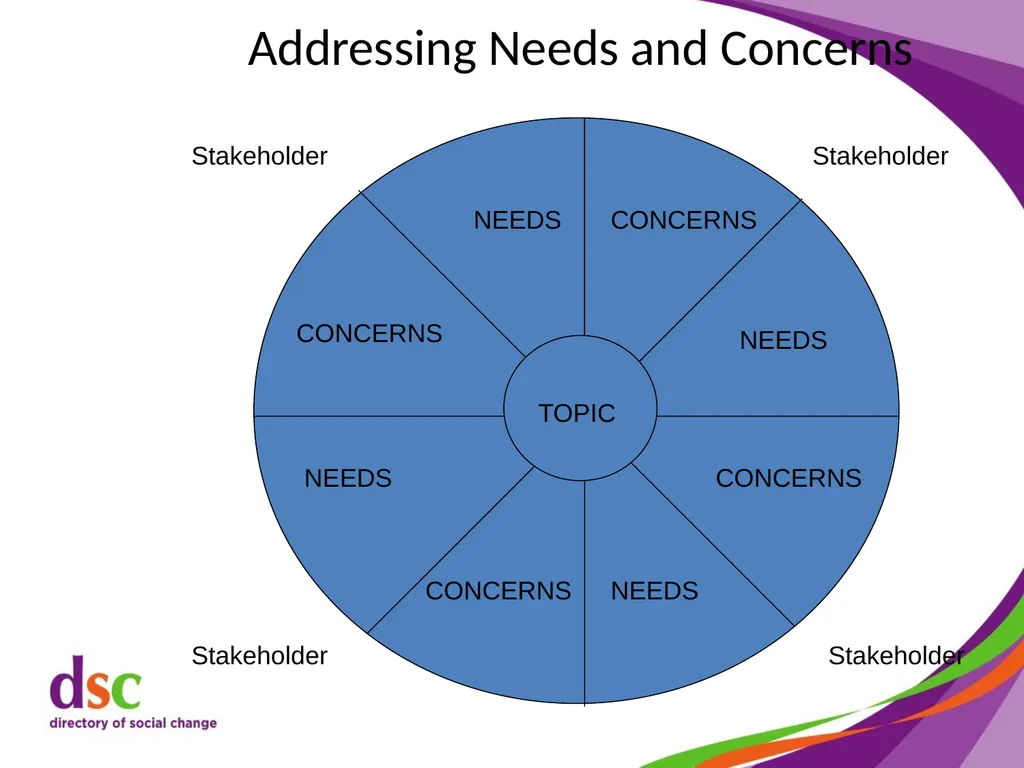
Addressing Needs and Concerns S Stakeholder Stakeholder Stakeholder Stakeholder NEEDS NEEDS NEEDS NEEDS CONCERNS CONCERNS CONCERNS CONCERNS TOPIC<br>