
Sales Promotions Chapter 12 Chapter Objectives


Description: Sales Promotions Chapter 12 Chapter Objectives What are the two main categories of sales promotions and how do they differ? What are the advantages and disadvantages of the various types of consumer promotions? What are the major categories
Related Topics
Download Presentation
"Sales Promotions Chapter 12 Chapter Objectives" is the property of its rightful owner. Permission is granted to download and print the materials on this website for personal, non-commercial use only, and to display it on your personal computer provided you do not modify the materials and that you retain all copyright notices contained in the materials. By downloading content from our website, you accept the terms of this agreement.
Presentation Transcript
slide1. Sales Promotions Chapter 12<br>
slide2. Chapter Objectives What are the two main categories of sales promotions and how do they differ?
What are the advantages and disadvantages of the various types of consumer promotions?
What are the major categories of trade promotions and how are they used?
How can a marketing team tie consumer promotions to trade promotions and other elements of the promotional mix?
What are the potential limitations when sales promotions programs are being developed for international customers?<br>
slide3. Chapter Overview Consumer promotions
Individuals that use product
Trade promotions (read on your own)
Directed to channel members
Possible erosion of brand equity
Can differentiate a brand
Use varies – product life cycle<br>
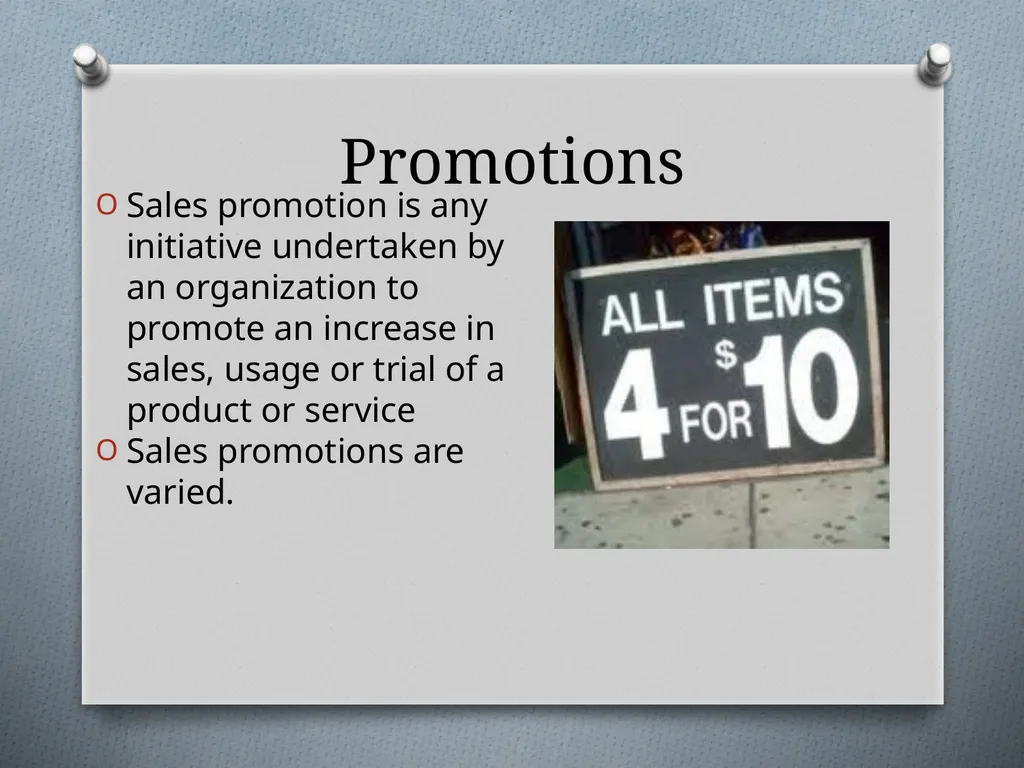
slide4. Promotions Sales promotion is any initiative undertaken by an organization to promote an increase in sales, usage or trial of a product or service
Sales promotions are varied.<br>
slide5. Consumer Promotions Coupons
Premiums
Contests and sweepstakes
Refunds and rebates
Sampling
Bonus packs
Price-offs<br>
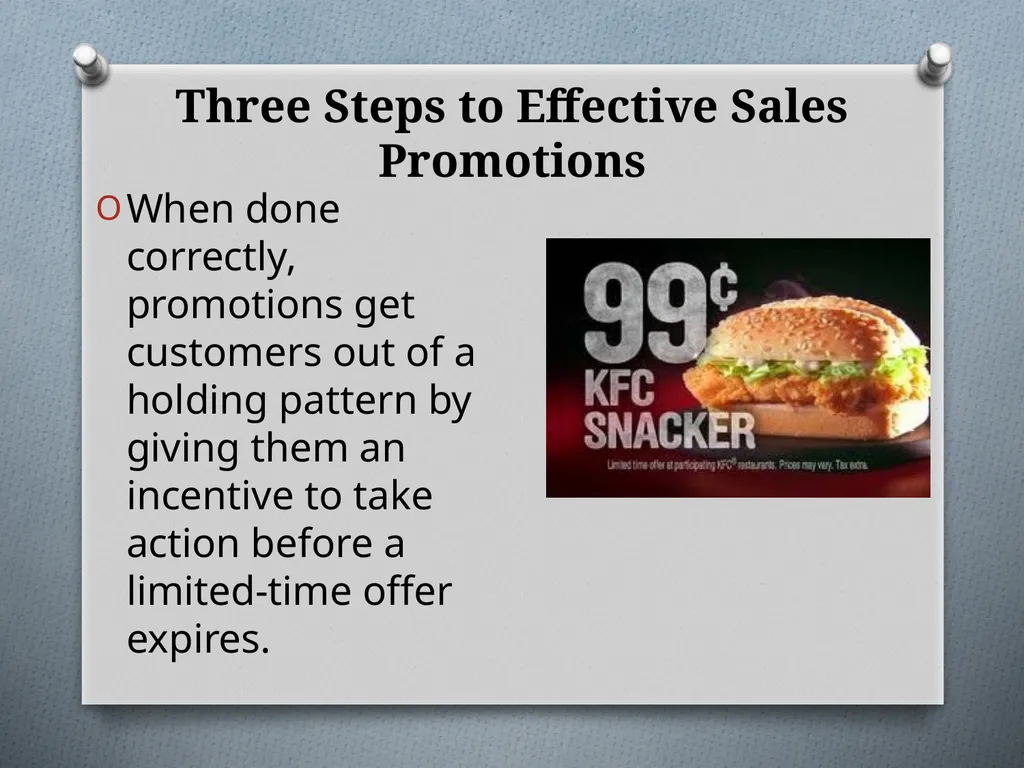
slide6. Three Steps to Effective Sales Promotions When done correctly, promotions get customers out of a holding pattern by giving them an incentive to take action before a limited-time offer expires.<br>
slide7. 1. Target your effort Promotions can spur purchases by
established customers,
reel in new customers,
draw customers from competitors,
get current customers to buy differently, and stimulate business during slow periods.
Rarely can one promotion accomplish all of those objectives at once.
As a result, advertisers must decide which of the following is most important so that they can target efforts<br>
slide8. What do you want customers to do? purchase more frequently,
buy in greater volume, or
be attracted to new or different offerings
Lure new customers into your business?
Lapsed customers to give your business another try?
Boost business during slow hours, weekdays or particular seasons?<br>
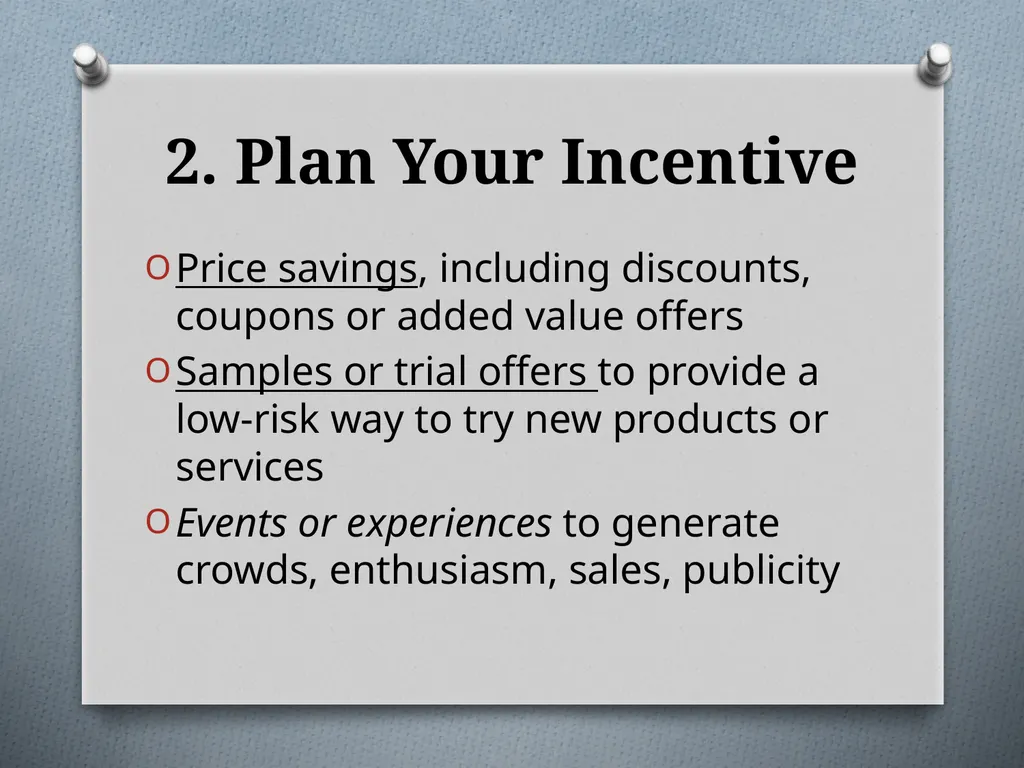
slide9. 2. Plan Your Incentive Price savings, including discounts, coupons or added value offers
Samples or trial offers to provide a low-risk way to try new products or services
Events or experiences to generate crowds, enthusiasm, sales, publicity<br>
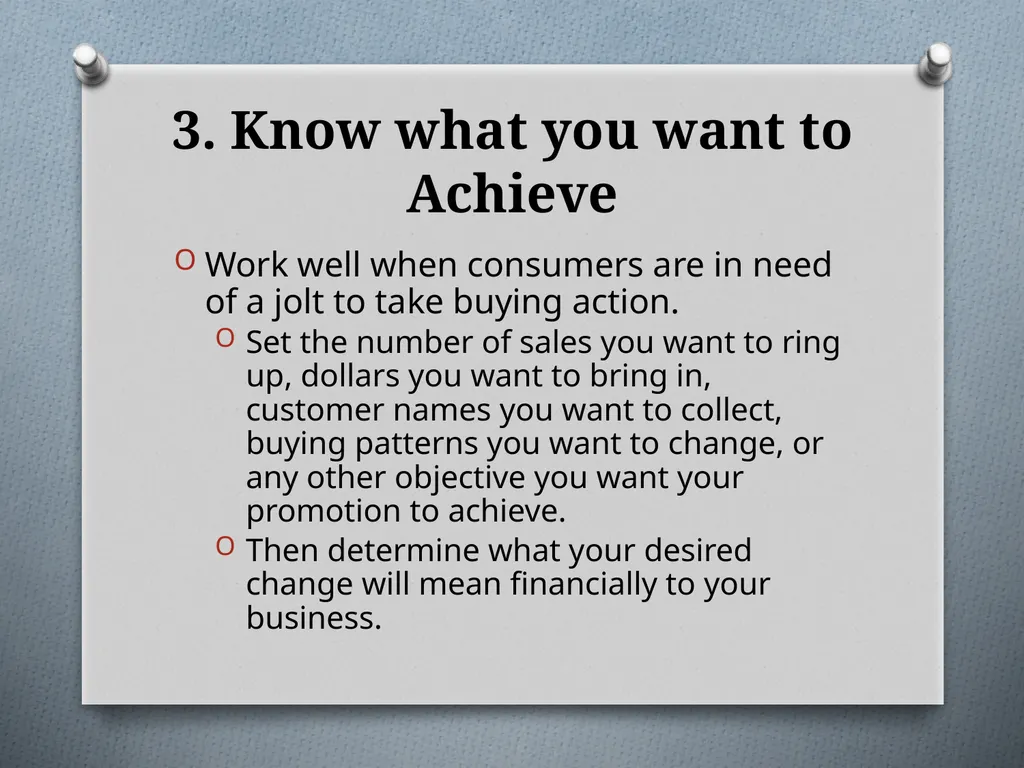
slide10. 3. Know what you want to Achieve Work well when consumers are in need of a jolt to take buying action.
Set the number of sales you want to ring up, dollars you want to bring in, customer names you want to collect, buying patterns you want to change, or any other objective you want your promotion to achieve.
Then determine what your desired change will mean financially to your business.<br>
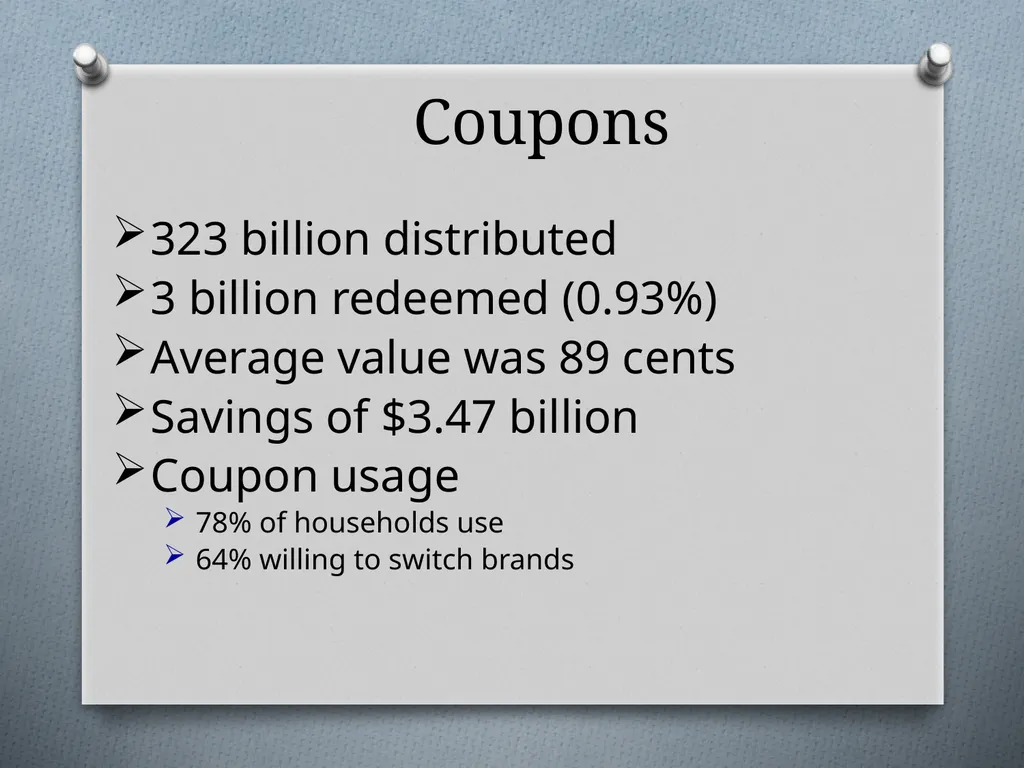
slide11. Coupons 323 billion distributed
3 billion redeemed (0.93%)
Average value was 89 cents
Savings of $3.47 billion
Coupon usage
78% of households use
64% willing to switch brands<br>
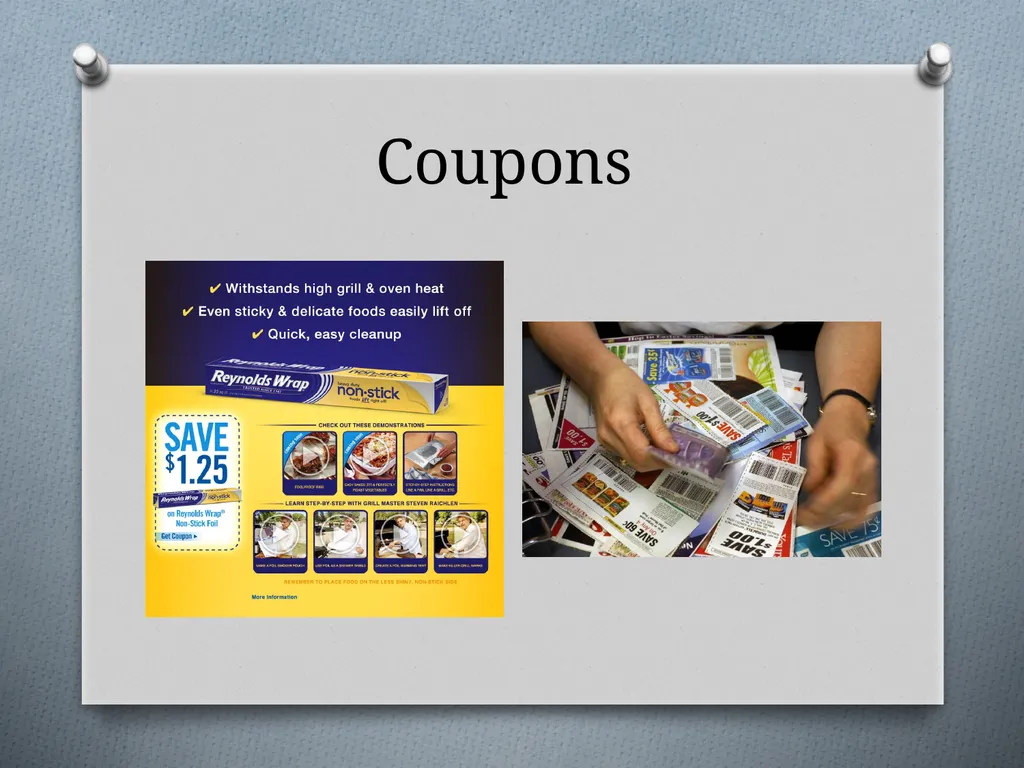
slide12. Coupons<br>
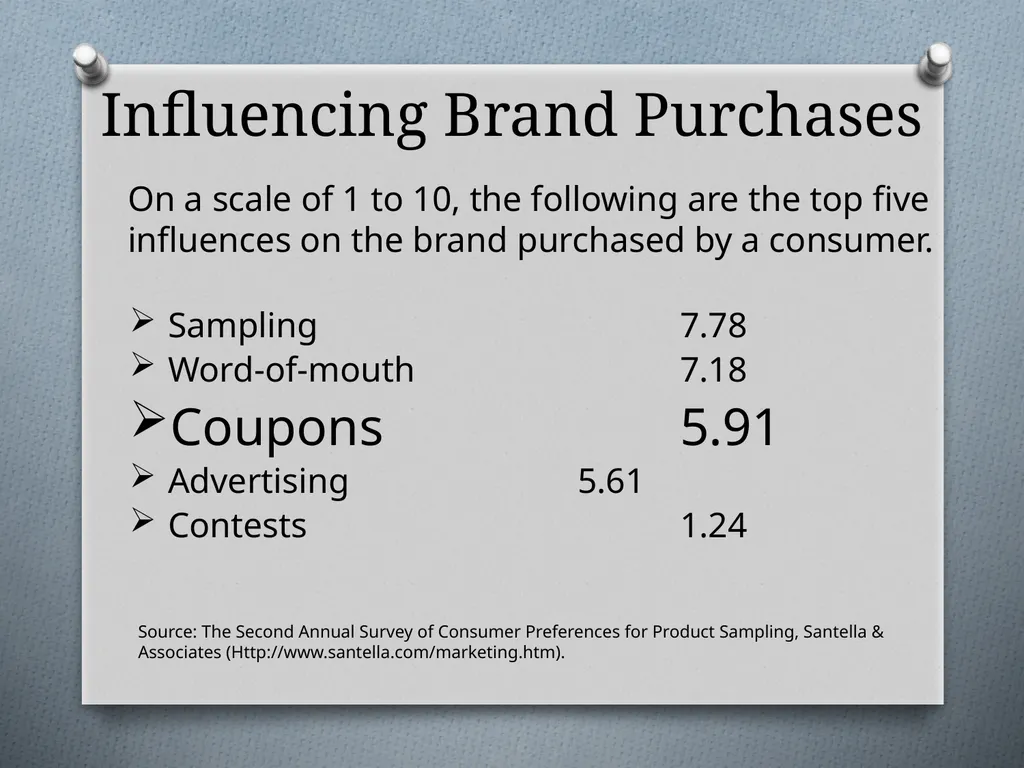
slide13. Influencing Brand Purchases Sampling 7.78
Word-of-mouth 7.18
Coupons 5.91
Advertising 5.61
Contests 1.24 On a scale of 1 to 10, the following are the top five influences on the brand purchased by a consumer. Source: The Second Annual Survey of Consumer Preferences for Product Sampling, Santella & Associates (Http://www.santella.com/marketing.htm).<br>
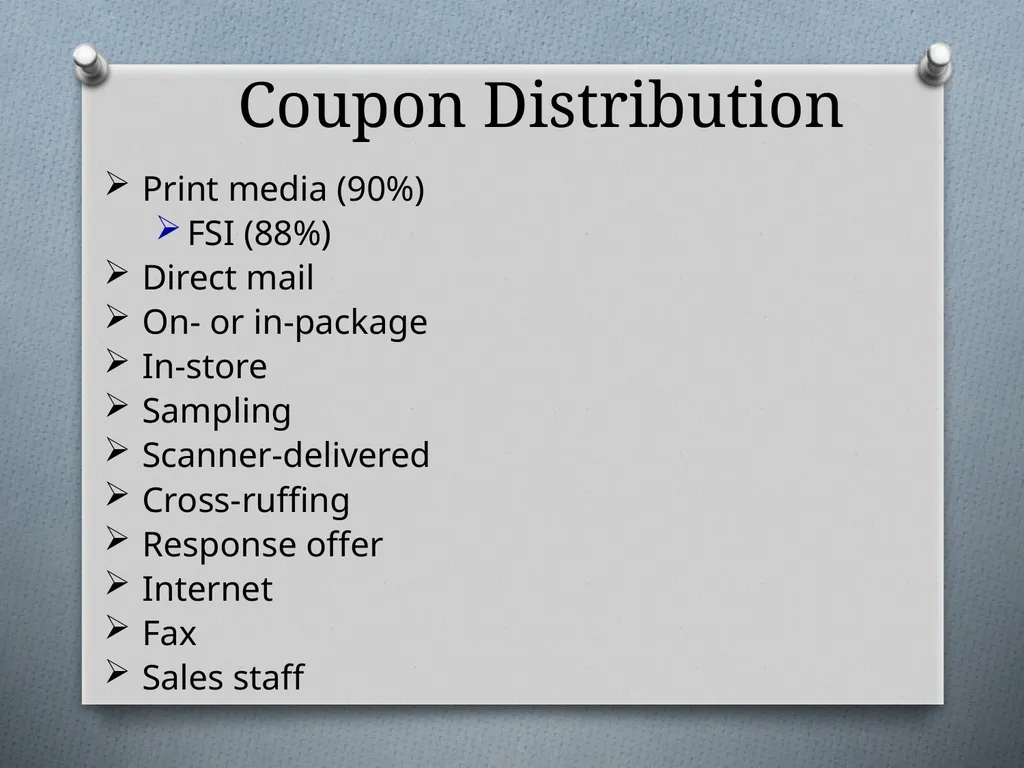
slide14. Coupon Distribution Print media (90%)
FSI (88%)
Direct mail
On- or in-package
In-store
Sampling
Scanner-delivered
Cross-ruffing
Response offer
Internet
Fax
Sales staff<br>
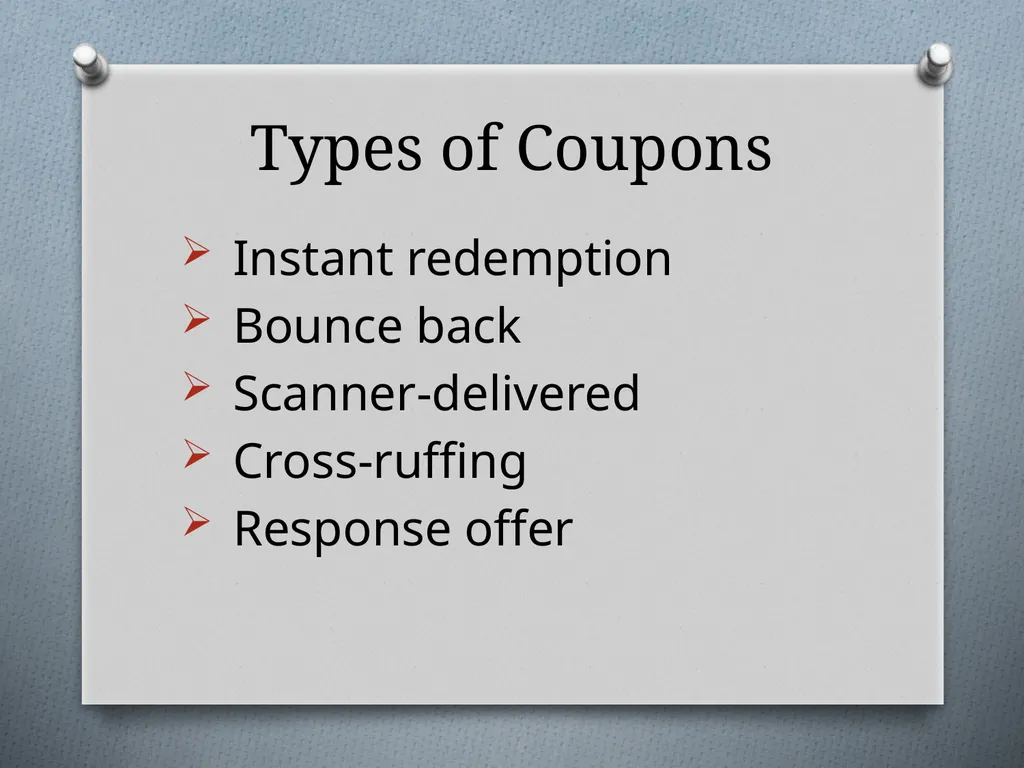
slide15. Types of Coupons Instant redemption
Bounce back
Scanner-delivered
Cross-ruffing
Response offer<br>
slide16. Coupon Redemption Rates 12-16 Instant redeemable 39.3%
Bounce-back 17.2%
Instant redeemable – cross ruff 17.1%
Electronic shelf 10.2%
Electronic checkout 7.8%
In-pack 5.8%
On-pack 4.7%
Direct mail 3.5%
Handout 3.1%
Free-standing inserts 1.3% Type of coupon Percent Redeemed Source: Santella & Associates<br>
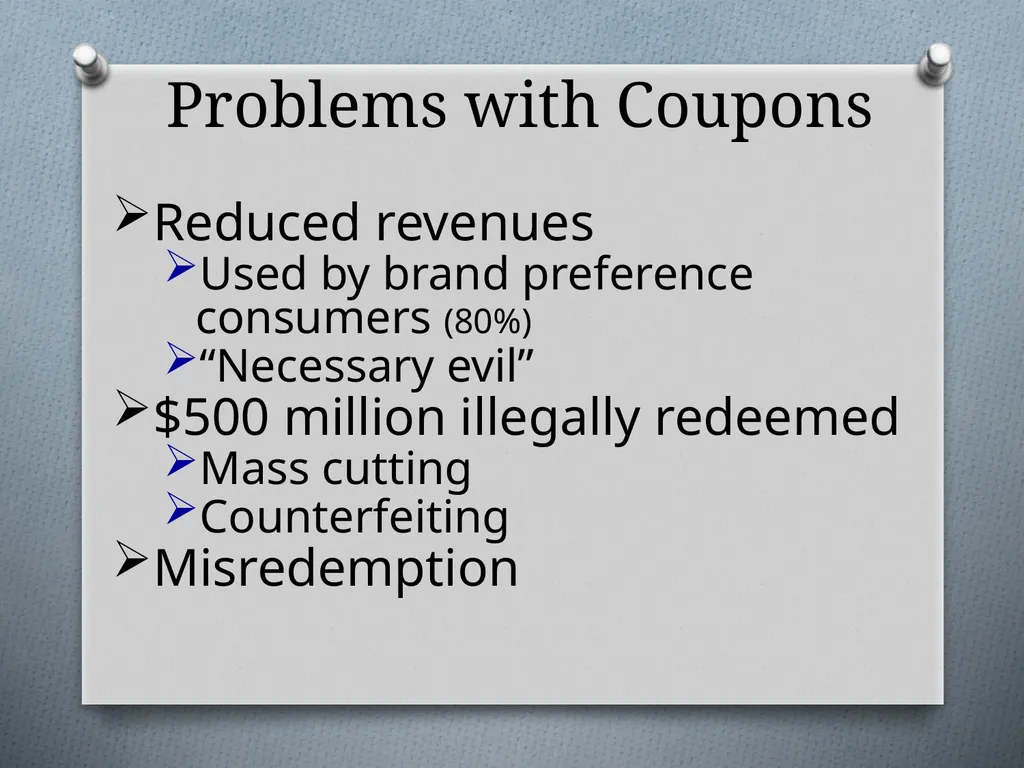
slide17. Problems with Coupons Reduced revenues
Used by brand preference consumers (80%)
“Necessary evil”
$500 million illegally redeemed
Mass cutting
Counterfeiting
Misredemption<br>
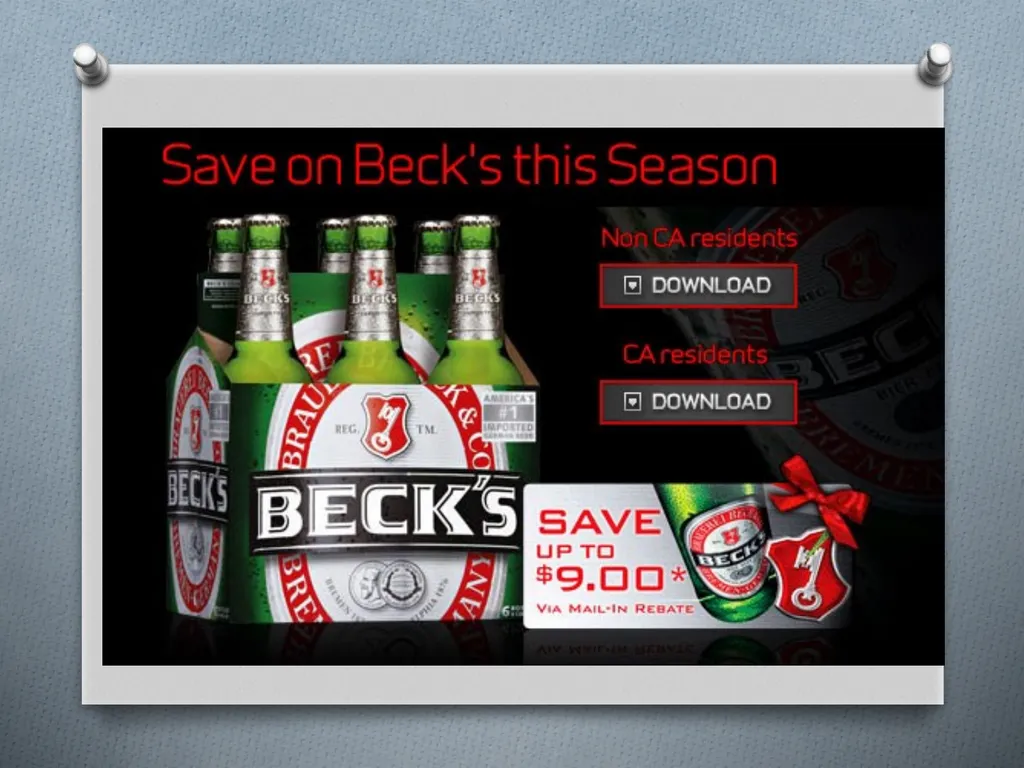
slide18. Premiums Free-in-the-mail
In- or on-package
Store or manufacturer
Self-liquidating 12-18<br>
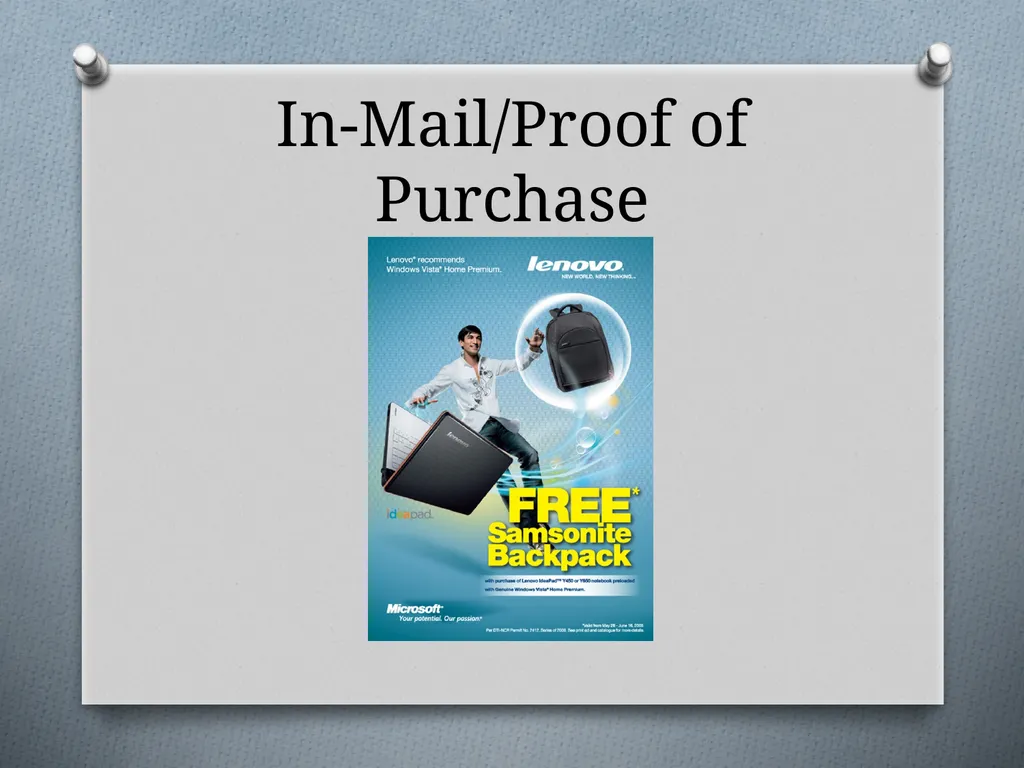
slide19. In-Mail/Proof of Purchase<br>
slide21. Keys to Successful Premiums Match premium to target market
Carefully select the premium
Pick premium that reinforces product and image
Integrate premium with other IMC tools
Don’t use premiums to increase short-term profits<br>
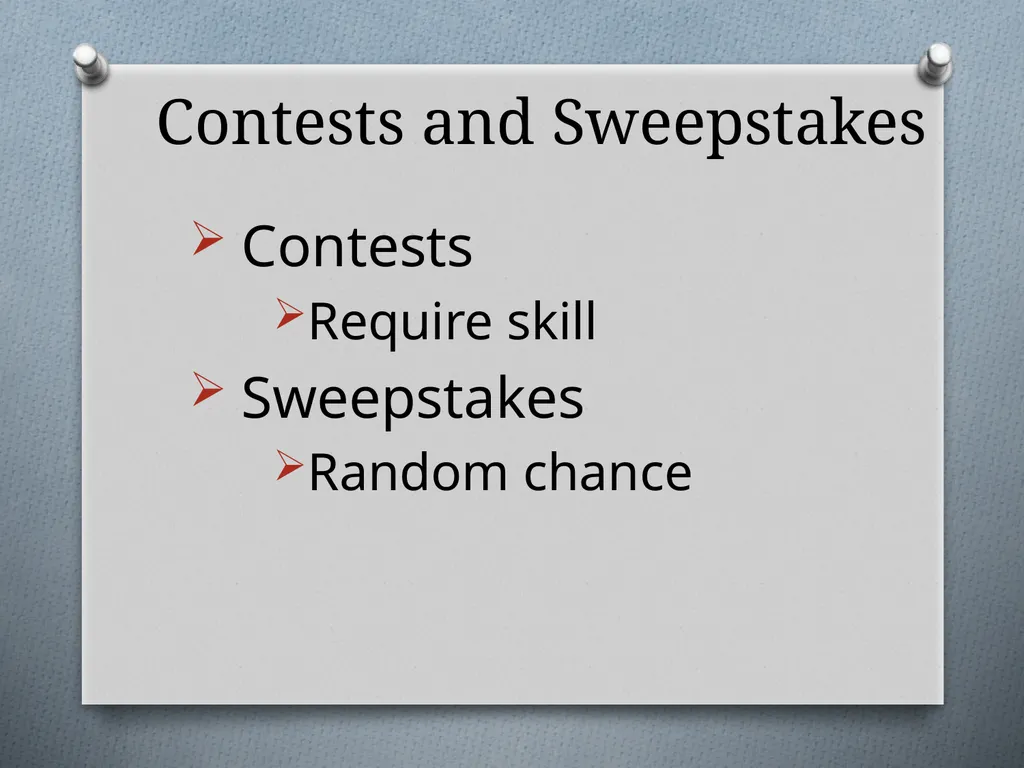
slide22. Contests and Sweepstakes Contests
Require skill
Sweepstakes
Random chance<br>
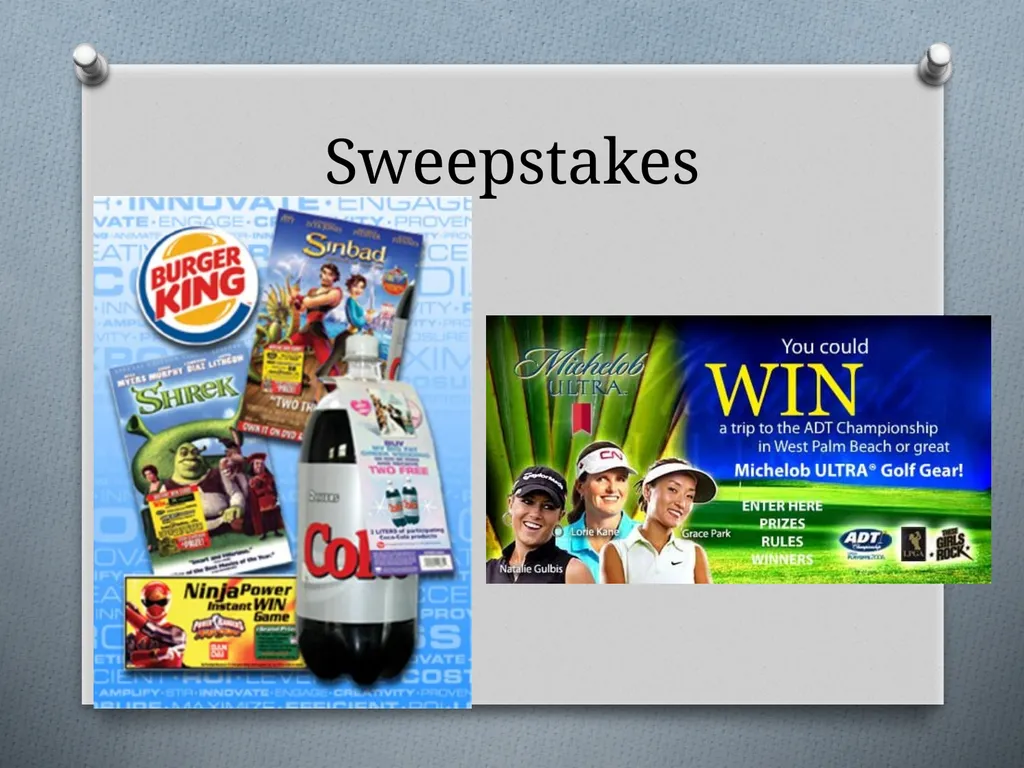
slide23. Sweepstakes<br>
slide24. Goals of Contests and Sweepstakes Coordinate with other marketing
Encourage customer traffic
Boost sales - questionable
Intrinsic rewards draw customers back
Increase in brand awareness<br>
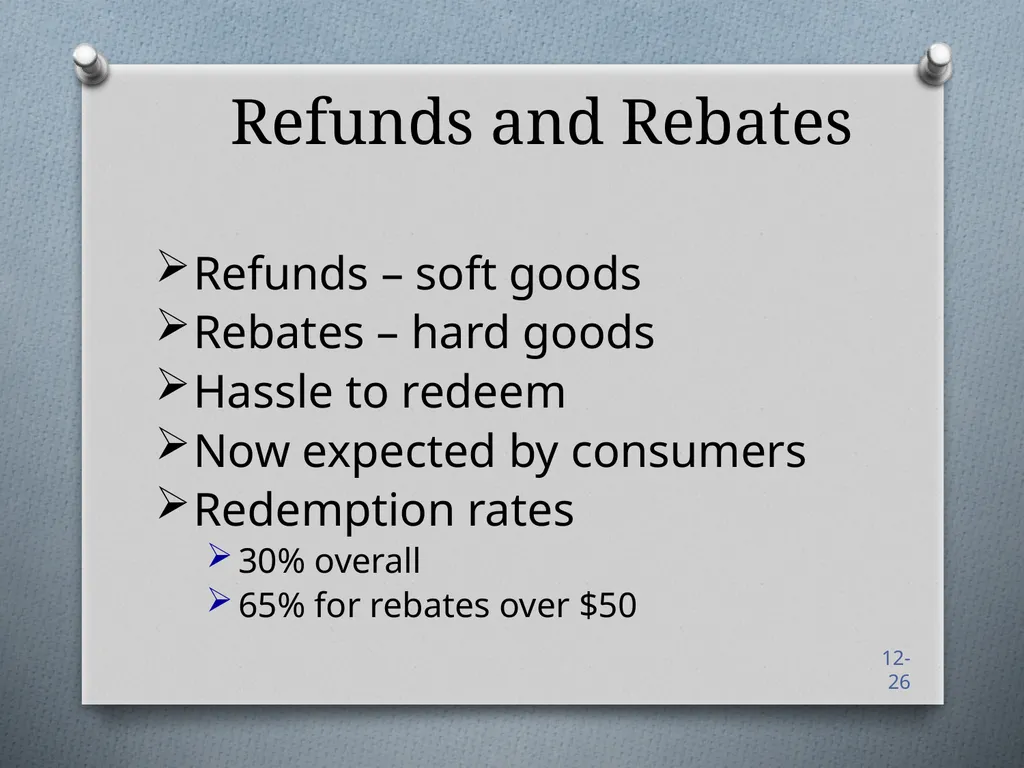
slide26. Refunds and Rebates 12-26 Refunds – soft goods
Rebates – hard goods
Hassle to redeem
Now expected by consumers
Redemption rates
30% overall
65% for rebates over $50<br>
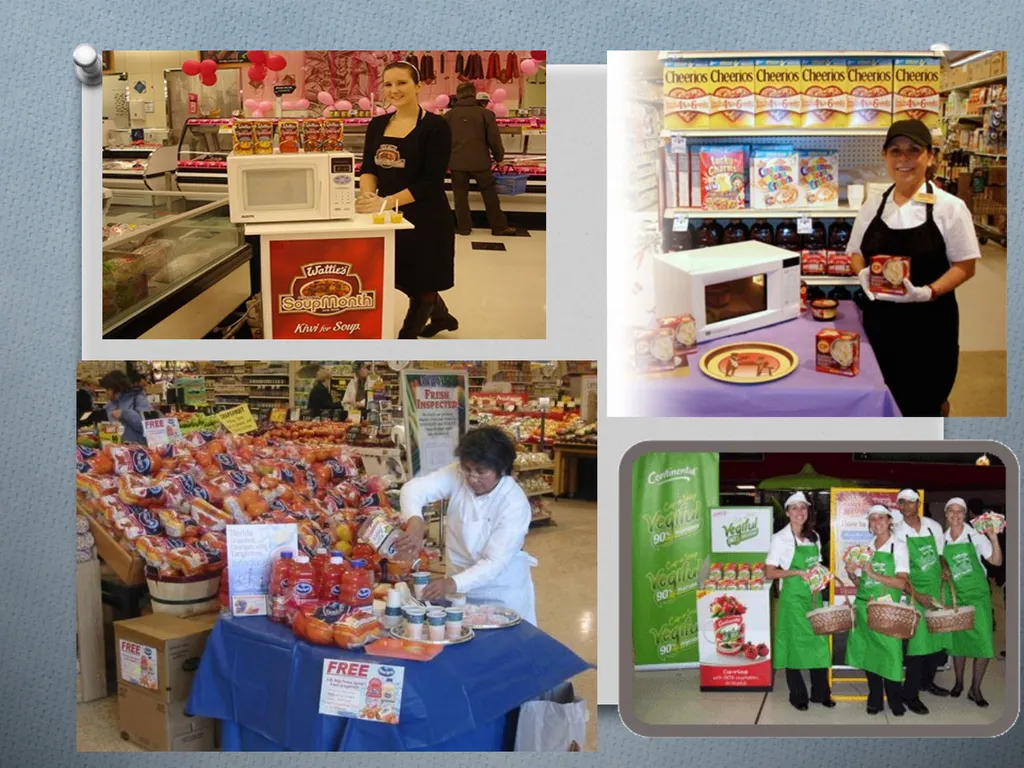
slide28. Sampling In-store distribution
Direct sampling
Response sampling
Cross-ruffing sampling
Media sampling
Professional sampling
Selective sampling<br>
slide30. Benefits of Sampling Introduce new products
Generate interest
Generate leads
Collect information
Internet sampling
Boost sales<br>
slide31. Sampling Programs Problems
Cost
Distribution
Effective sampling
Component of IMC plan
Stimulate trial usage
Target audience of sample<br>
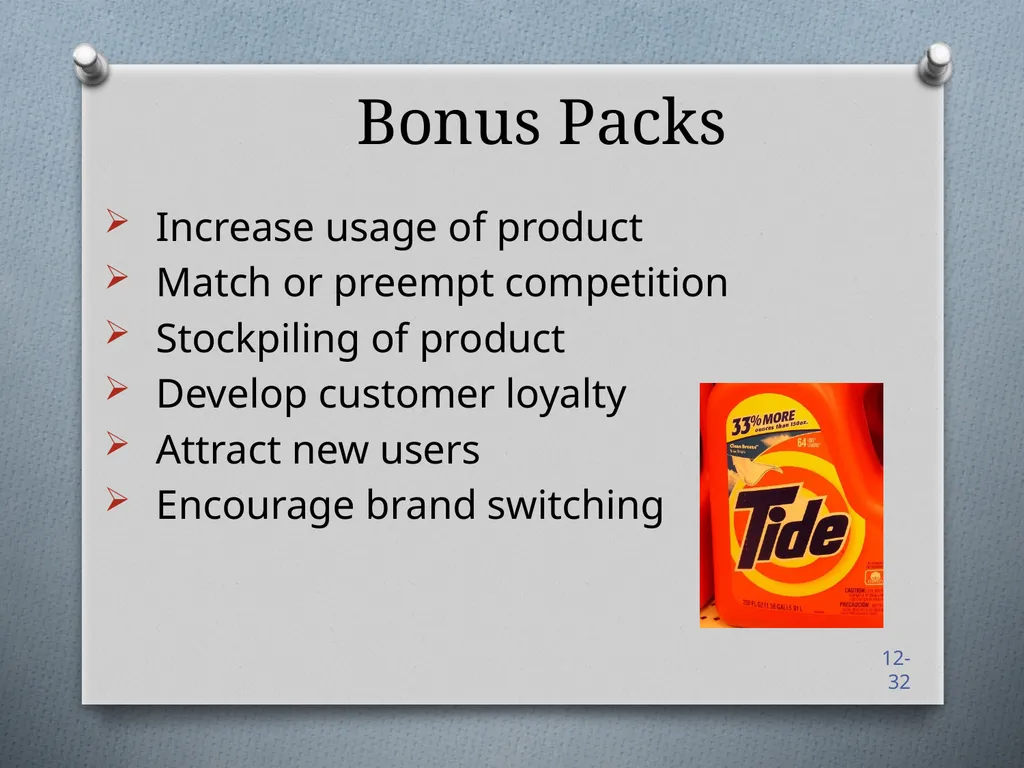
slide32. Bonus Packs Increase usage of product
Match or preempt competition
Stockpiling of product
Develop customer loyalty
Attract new users
Encourage brand switching 12-32<br>
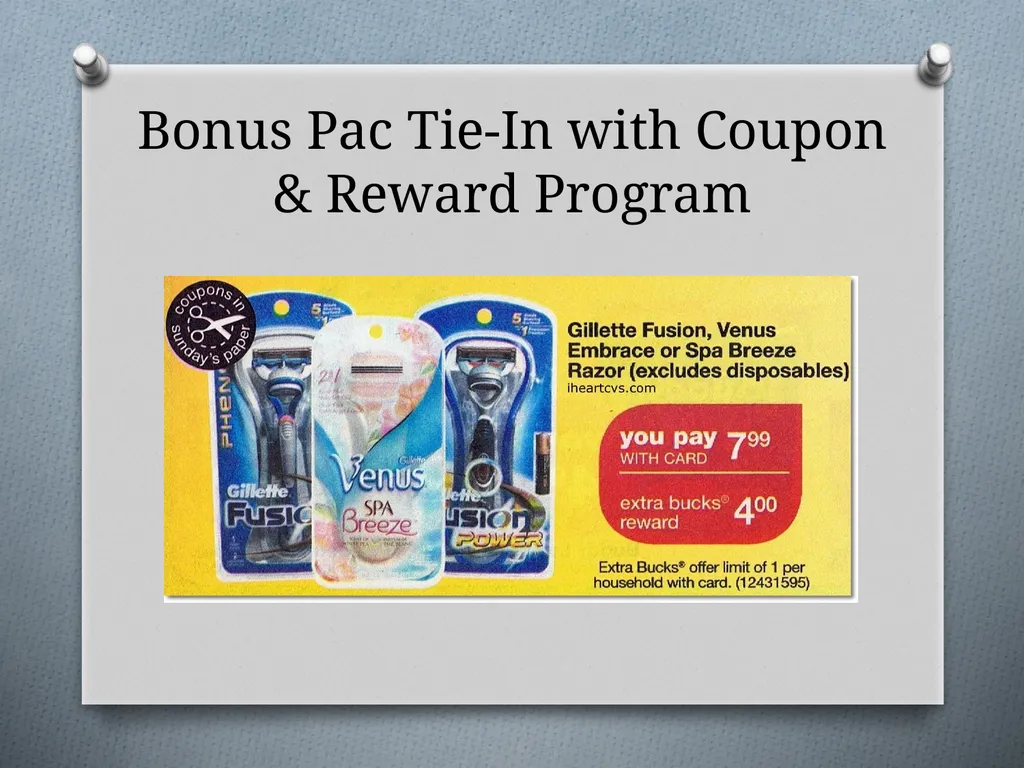
slide33. Bonus Pac Tie-In with Coupon & Reward Program<br>
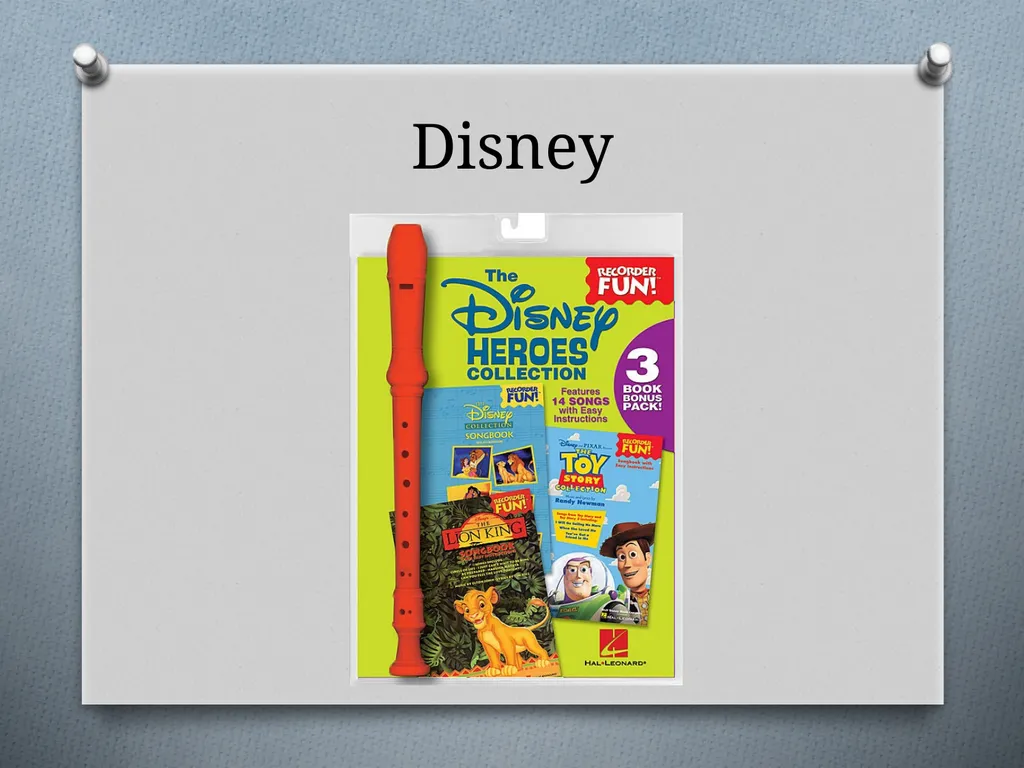
slide34. Disney<br>
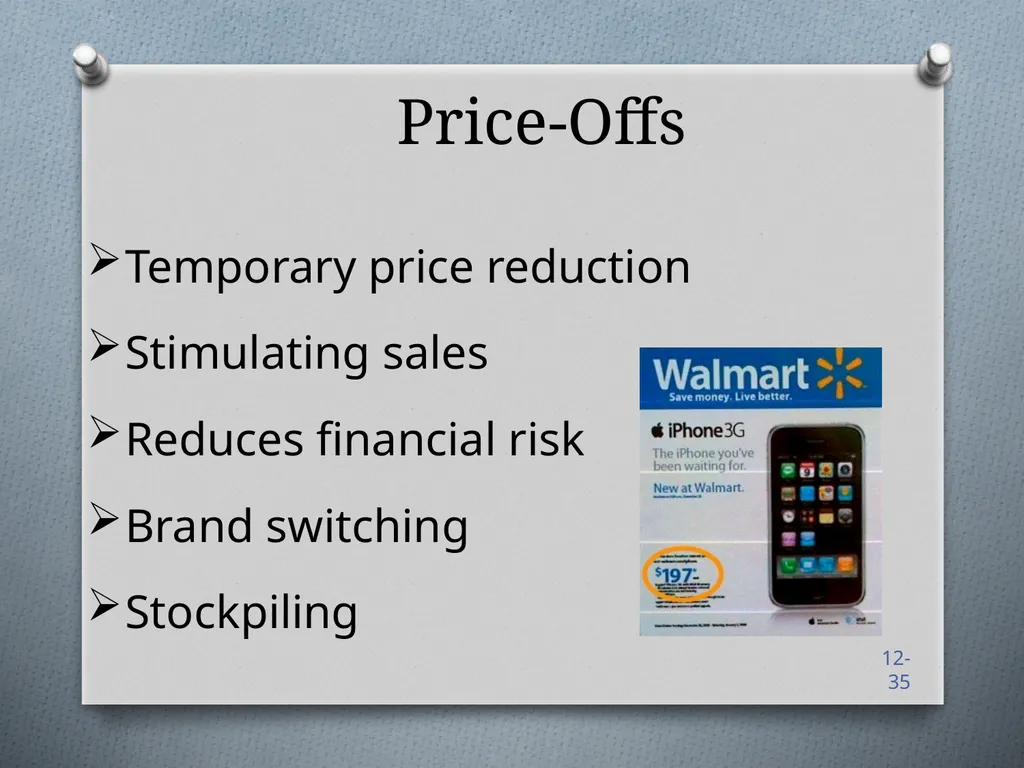
slide35. Price-Offs 12-35 Temporary price reduction
Stimulating sales
Reduces financial risk
Brand switching
Stockpiling<br>
slide36. Price-offs Proven to be successful
Appeal of monetary savings
Reward is immediate
Problems
Can have a negative impact on profit
Encourages consumers to become more price-sensitive
Potential image on brand image<br>
slide37. Promotion Combinations Overlay
Intra-company tie-in
Inter-company tie-in<br>
slide38. Planning Consumer Promotions Types of consumers
Promotion prone
Brand loyal
Price sensitive
Retailer incentives
Increase store traffic
Increase store sales
Attract new customers
Increase basket size
IMC Plan<br>
slide39. End<br>
slide40. Trade Promotions Types of trade promotions
Trade allowances
Trade contests
Trade incentives
Trade shows
For manufacturers, trade promotions
Accounts for 70% of marketing budget
Often 2nd largest expense
Accounts for 17.4% of gross sales<br>
slide41. Trade Allowances Off-invoice allowance
Price discount
35% of all trade dollars
Slotting fees
Exit fees<br>
slide42. Slotting Fees Retailer justification
Cost to add new products to inventory
Requires shelf space
Simplifies decision about new products
Adds to bottom line
Manufacturer objections
Form of extortion
Divert money from advertising and marketing
Detrimental to small manufacturers<br>
slide43. Trade Allowance Complications Failure to pass allowances on to retail customers
Only occurs 52% of the time
Retailers like only one brand on-deal at a time
Retailers can schedule and promote on-deal brands
Forward buying
Pass savings on or pocket higher margin
Additional carrying costs
Diversion
Pass savings on or pocket higher margin
Additional shipping costs<br>
slide44. Trade Contests Used to achieve sales targets.
Funds known as “spiff money.”
Rewards can be prizes or cash.
Can be designed for various channel members.
Some organizations do not allow trade contests because of possible conflict of interests.<br>
slide45. Trade Incentives Cooperative merchandising agreement
Premium or bonus pack
Co-op advertising programs<br>
slide46. Cooperative Merchandising Agreement Formal agreement
Popular with manufacturers
Retailer must perform marketing functions
Manufacturer maintains control
Longer-term commitments
Benefit retailers
Schedule calendar promotions<br>
slide47. Cooperative Advertising Manufacturer pays part of retailer’s ad costs
Retailer must follow specific guidelines
No competing brands
Retailers accrue monies
Amount is based on sales
Allows retailers to expand advertising
Manufacturers gain exposure in local markets<br>
slide48. Trade Shows Few deals finalized at trade show
International attendees want to make deals
Increase in international trade shows
National shows being replaced by regional and niche shows
Niche shows
Provide better prospects
Lower costs<br>
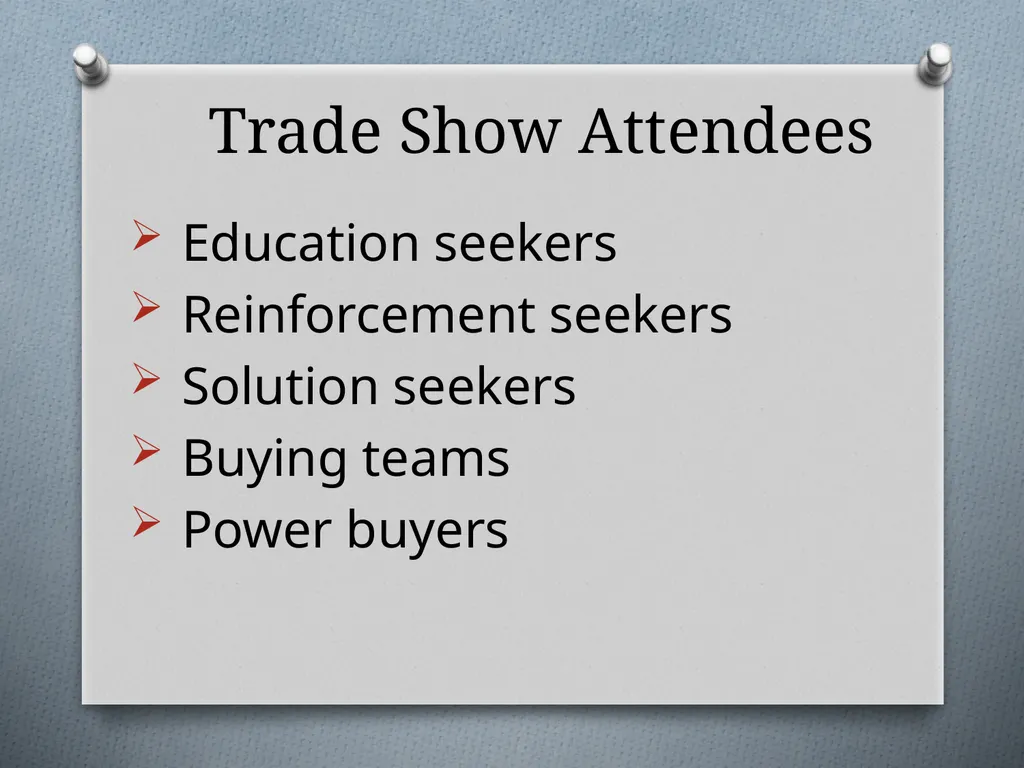
slide49. Trade Show Attendees Education seekers
Reinforcement seekers
Solution seekers
Buying teams
Power buyers<br>
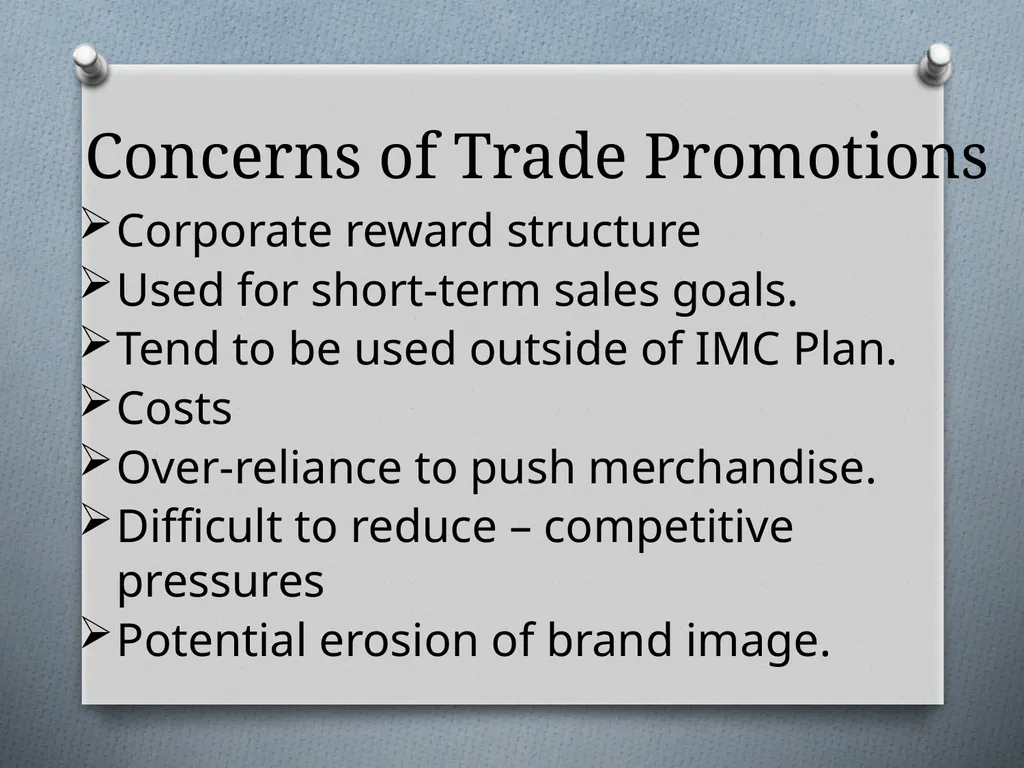
slide50. Concerns of Trade Promotions Corporate reward structure
Used for short-term sales goals.
Tend to be used outside of IMC Plan.
Costs
Over-reliance to push merchandise.
Difficult to reduce – competitive pressures
Potential erosion of brand image.<br>
slide2. Chapter Objectives What are the two main categories of sales promotions and how do they differ?
What are the advantages and disadvantages of the various types of consumer promotions?
What are the major categories of trade promotions and how are they used?
How can a marketing team tie consumer promotions to trade promotions and other elements of the promotional mix?
What are the potential limitations when sales promotions programs are being developed for international customers?<br>
slide3. Chapter Overview Consumer promotions
Individuals that use product
Trade promotions (read on your own)
Directed to channel members
Possible erosion of brand equity
Can differentiate a brand
Use varies – product life cycle<br>
slide4. Promotions Sales promotion is any initiative undertaken by an organization to promote an increase in sales, usage or trial of a product or service
Sales promotions are varied.<br>
slide5. Consumer Promotions Coupons
Premiums
Contests and sweepstakes
Refunds and rebates
Sampling
Bonus packs
Price-offs<br>
slide6. Three Steps to Effective Sales Promotions When done correctly, promotions get customers out of a holding pattern by giving them an incentive to take action before a limited-time offer expires.<br>
slide7. 1. Target your effort Promotions can spur purchases by
established customers,
reel in new customers,
draw customers from competitors,
get current customers to buy differently, and stimulate business during slow periods.
Rarely can one promotion accomplish all of those objectives at once.
As a result, advertisers must decide which of the following is most important so that they can target efforts<br>
slide8. What do you want customers to do? purchase more frequently,
buy in greater volume, or
be attracted to new or different offerings
Lure new customers into your business?
Lapsed customers to give your business another try?
Boost business during slow hours, weekdays or particular seasons?<br>
slide9. 2. Plan Your Incentive Price savings, including discounts, coupons or added value offers
Samples or trial offers to provide a low-risk way to try new products or services
Events or experiences to generate crowds, enthusiasm, sales, publicity<br>
slide10. 3. Know what you want to Achieve Work well when consumers are in need of a jolt to take buying action.
Set the number of sales you want to ring up, dollars you want to bring in, customer names you want to collect, buying patterns you want to change, or any other objective you want your promotion to achieve.
Then determine what your desired change will mean financially to your business.<br>
slide11. Coupons 323 billion distributed
3 billion redeemed (0.93%)
Average value was 89 cents
Savings of $3.47 billion
Coupon usage
78% of households use
64% willing to switch brands<br>
slide12. Coupons<br>
slide13. Influencing Brand Purchases Sampling 7.78
Word-of-mouth 7.18
Coupons 5.91
Advertising 5.61
Contests 1.24 On a scale of 1 to 10, the following are the top five influences on the brand purchased by a consumer. Source: The Second Annual Survey of Consumer Preferences for Product Sampling, Santella & Associates (Http://www.santella.com/marketing.htm).<br>
slide14. Coupon Distribution Print media (90%)
FSI (88%)
Direct mail
On- or in-package
In-store
Sampling
Scanner-delivered
Cross-ruffing
Response offer
Internet
Fax
Sales staff<br>
slide15. Types of Coupons Instant redemption
Bounce back
Scanner-delivered
Cross-ruffing
Response offer<br>
slide16. Coupon Redemption Rates 12-16 Instant redeemable 39.3%
Bounce-back 17.2%
Instant redeemable – cross ruff 17.1%
Electronic shelf 10.2%
Electronic checkout 7.8%
In-pack 5.8%
On-pack 4.7%
Direct mail 3.5%
Handout 3.1%
Free-standing inserts 1.3% Type of coupon Percent Redeemed Source: Santella & Associates<br>
slide17. Problems with Coupons Reduced revenues
Used by brand preference consumers (80%)
“Necessary evil”
$500 million illegally redeemed
Mass cutting
Counterfeiting
Misredemption<br>
slide18. Premiums Free-in-the-mail
In- or on-package
Store or manufacturer
Self-liquidating 12-18<br>
slide19. In-Mail/Proof of Purchase<br>
slide21. Keys to Successful Premiums Match premium to target market
Carefully select the premium
Pick premium that reinforces product and image
Integrate premium with other IMC tools
Don’t use premiums to increase short-term profits<br>
slide22. Contests and Sweepstakes Contests
Require skill
Sweepstakes
Random chance<br>
slide23. Sweepstakes<br>
slide24. Goals of Contests and Sweepstakes Coordinate with other marketing
Encourage customer traffic
Boost sales - questionable
Intrinsic rewards draw customers back
Increase in brand awareness<br>
slide26. Refunds and Rebates 12-26 Refunds – soft goods
Rebates – hard goods
Hassle to redeem
Now expected by consumers
Redemption rates
30% overall
65% for rebates over $50<br>
slide28. Sampling In-store distribution
Direct sampling
Response sampling
Cross-ruffing sampling
Media sampling
Professional sampling
Selective sampling<br>
slide30. Benefits of Sampling Introduce new products
Generate interest
Generate leads
Collect information
Internet sampling
Boost sales<br>
slide31. Sampling Programs Problems
Cost
Distribution
Effective sampling
Component of IMC plan
Stimulate trial usage
Target audience of sample<br>
slide32. Bonus Packs Increase usage of product
Match or preempt competition
Stockpiling of product
Develop customer loyalty
Attract new users
Encourage brand switching 12-32<br>
slide33. Bonus Pac Tie-In with Coupon & Reward Program<br>
slide34. Disney<br>
slide35. Price-Offs 12-35 Temporary price reduction
Stimulating sales
Reduces financial risk
Brand switching
Stockpiling<br>
slide36. Price-offs Proven to be successful
Appeal of monetary savings
Reward is immediate
Problems
Can have a negative impact on profit
Encourages consumers to become more price-sensitive
Potential image on brand image<br>
slide37. Promotion Combinations Overlay
Intra-company tie-in
Inter-company tie-in<br>
slide38. Planning Consumer Promotions Types of consumers
Promotion prone
Brand loyal
Price sensitive
Retailer incentives
Increase store traffic
Increase store sales
Attract new customers
Increase basket size
IMC Plan<br>
slide39. End<br>
slide40. Trade Promotions Types of trade promotions
Trade allowances
Trade contests
Trade incentives
Trade shows
For manufacturers, trade promotions
Accounts for 70% of marketing budget
Often 2nd largest expense
Accounts for 17.4% of gross sales<br>
slide41. Trade Allowances Off-invoice allowance
Price discount
35% of all trade dollars
Slotting fees
Exit fees<br>
slide42. Slotting Fees Retailer justification
Cost to add new products to inventory
Requires shelf space
Simplifies decision about new products
Adds to bottom line
Manufacturer objections
Form of extortion
Divert money from advertising and marketing
Detrimental to small manufacturers<br>
slide43. Trade Allowance Complications Failure to pass allowances on to retail customers
Only occurs 52% of the time
Retailers like only one brand on-deal at a time
Retailers can schedule and promote on-deal brands
Forward buying
Pass savings on or pocket higher margin
Additional carrying costs
Diversion
Pass savings on or pocket higher margin
Additional shipping costs<br>
slide44. Trade Contests Used to achieve sales targets.
Funds known as “spiff money.”
Rewards can be prizes or cash.
Can be designed for various channel members.
Some organizations do not allow trade contests because of possible conflict of interests.<br>
slide45. Trade Incentives Cooperative merchandising agreement
Premium or bonus pack
Co-op advertising programs<br>
slide46. Cooperative Merchandising Agreement Formal agreement
Popular with manufacturers
Retailer must perform marketing functions
Manufacturer maintains control
Longer-term commitments
Benefit retailers
Schedule calendar promotions<br>
slide47. Cooperative Advertising Manufacturer pays part of retailer’s ad costs
Retailer must follow specific guidelines
No competing brands
Retailers accrue monies
Amount is based on sales
Allows retailers to expand advertising
Manufacturers gain exposure in local markets<br>
slide48. Trade Shows Few deals finalized at trade show
International attendees want to make deals
Increase in international trade shows
National shows being replaced by regional and niche shows
Niche shows
Provide better prospects
Lower costs<br>
slide49. Trade Show Attendees Education seekers
Reinforcement seekers
Solution seekers
Buying teams
Power buyers<br>
slide50. Concerns of Trade Promotions Corporate reward structure
Used for short-term sales goals.
Tend to be used outside of IMC Plan.
Costs
Over-reliance to push merchandise.
Difficult to reduce – competitive pressures
Potential erosion of brand image.<br>