03
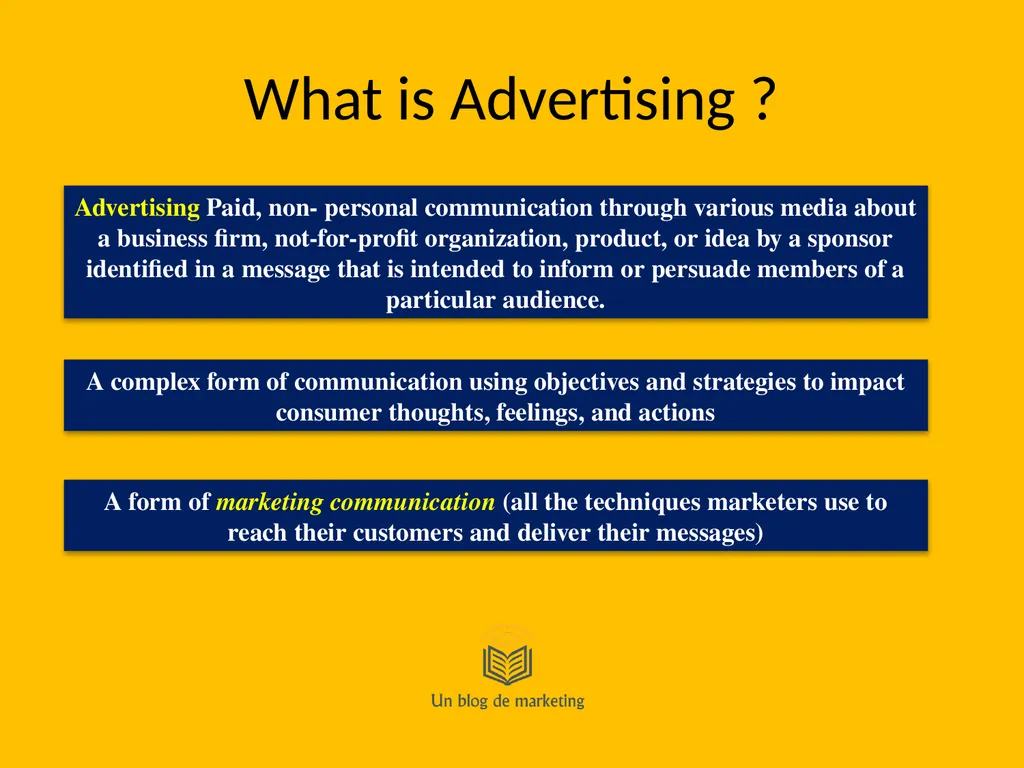
What is Advertising ? Advertising Paid, non- personal communication through various media about a business firm, not-for-profit organization, product, or idea by a sponsor identified in a message that is intended to inform or persuade members of a particular audience. A complex form of communication using objectives and strategies to impact consumer thoughts, feelings, and actions A form of marketing communication (all the techniques marketers use to reach their customers and deliver their messages)<br>
04
Factors that define Advertising Paid communication
Sponsor is identified
Tries to inform or persuade
Reaches a large audience
Message conveyed through many different kinds of largely nonpersonal mass media Main Principle
An effective advertisement is one that can be proven to meet its objectives.<br>
05
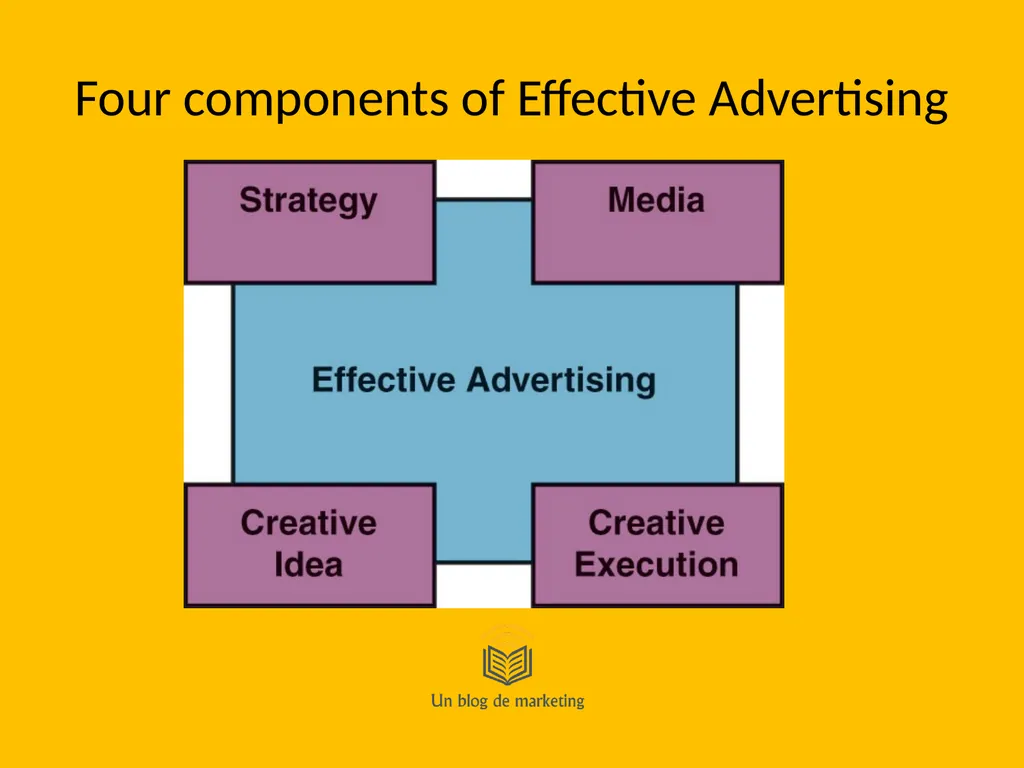
Four components of Effective Advertising<br>
06
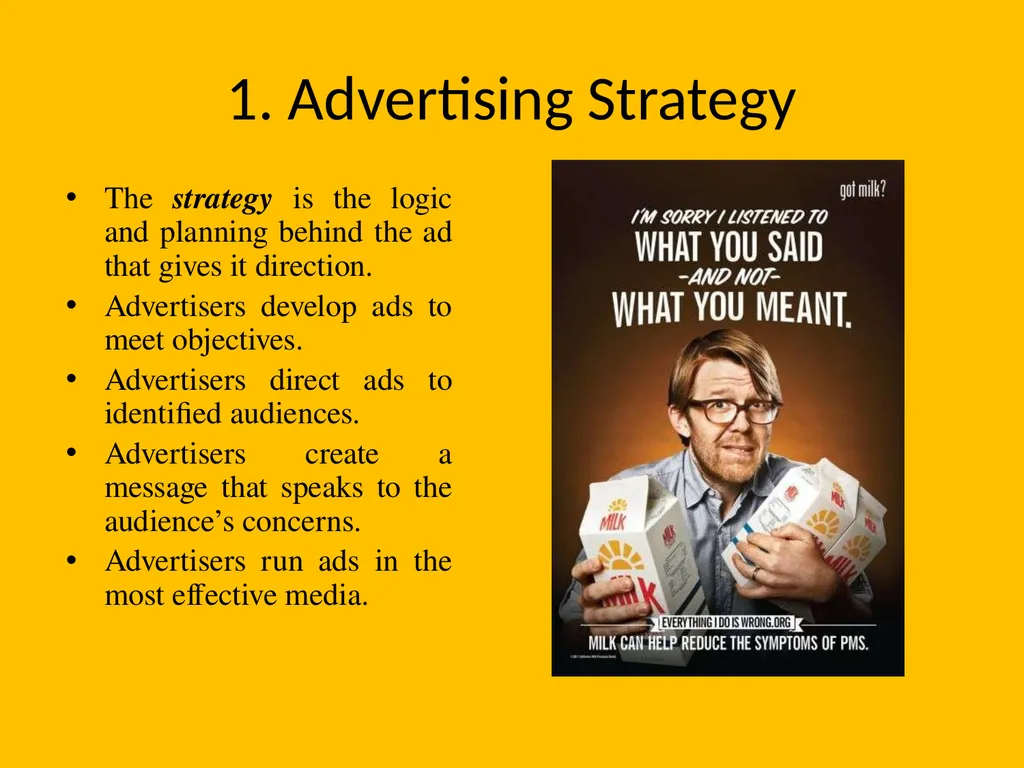
1. Advertising Strategy The strategy is the logic and planning behind the ad that gives it direction.
Advertisers develop ads to meet objectives.
Advertisers direct ads to identified audiences.
Advertisers create a message that speaks to the audience’s concerns.
Advertisers run ads in the most effective media.<br>
07
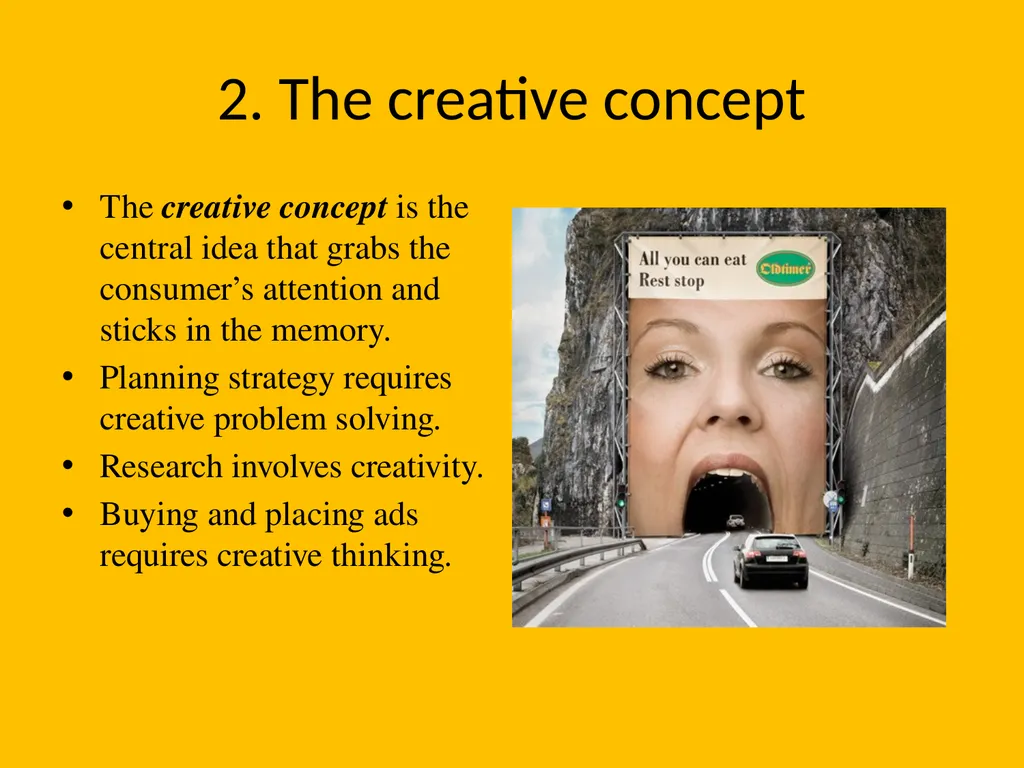
2. The creative concept The creative concept is the central idea that grabs the consumer’s attention and sticks in the memory.
Planning strategy requires creative problem solving.
Research involves creativity.
Buying and placing ads requires creative thinking.<br>
08
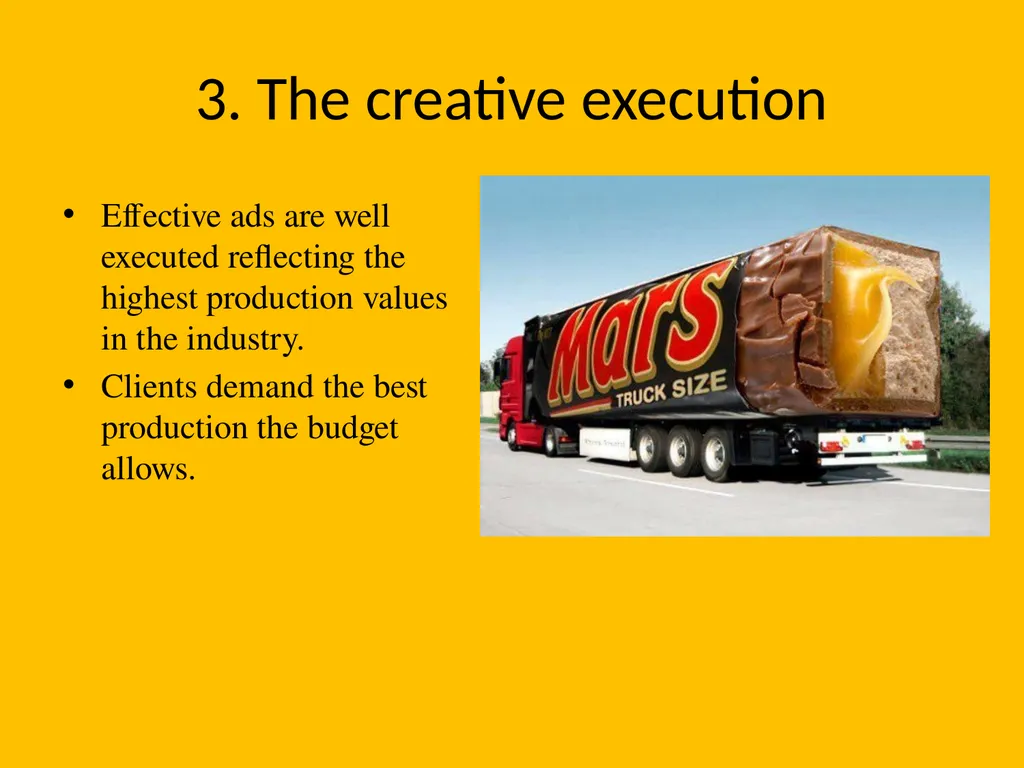
3. The creative execution Effective ads are well executed reflecting the highest production values in the industry.
Clients demand the best production the budget allows.<br>
09
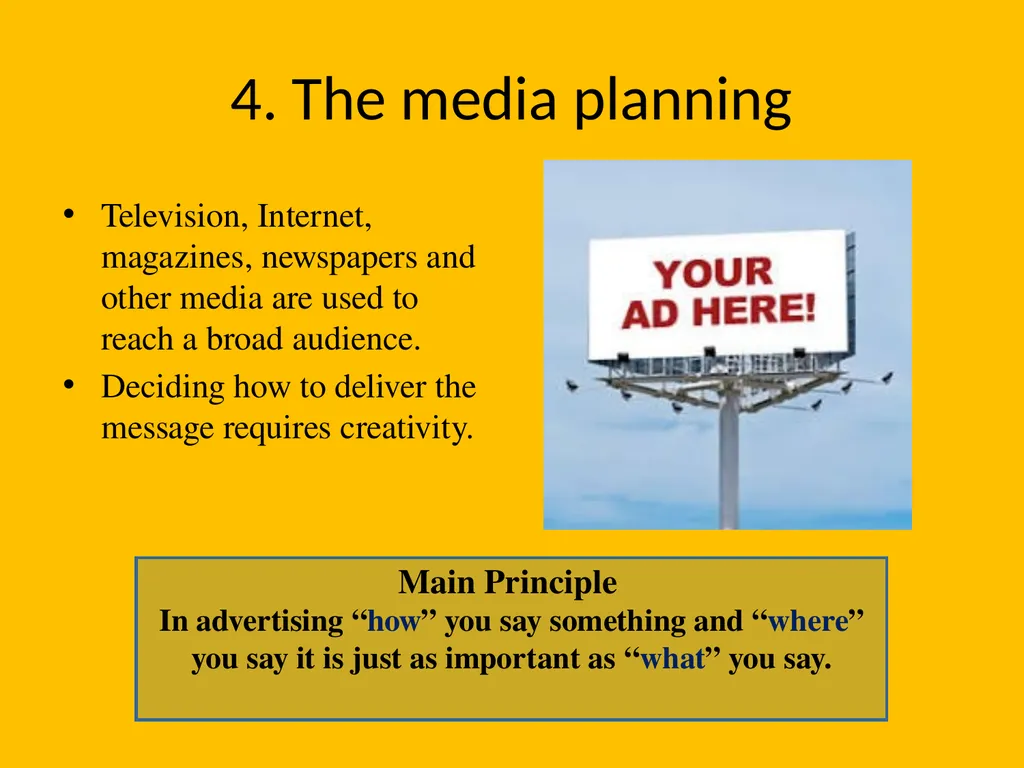
4. The media planning Television, Internet, magazines, newspapers and other media are used to reach a broad audience.
Deciding how to deliver the message requires creativity. Main Principle
In advertising “how” you say something and “where” you say it is just as important as “what” you say.<br>
10
The roles of Advertising<br>
11
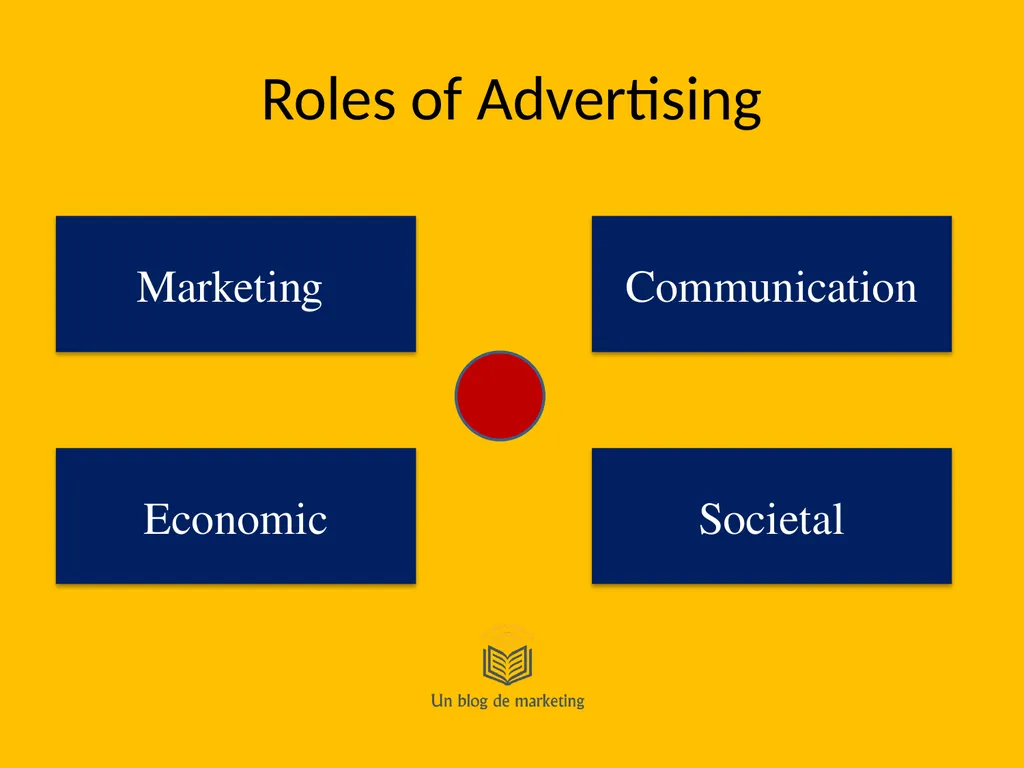
Roles of Advertising Marketing Communication Economic Societal<br>
12
Roles of Advertising Marketing 1. The Marketing Role
Marketing is satisfying customer wants and needs by providing products (goods, services, and ideas).
The marketing department is responsible for selling the product using the 4 Ps (product, price, place/distribution, and promotion) and brand development.<br>
13
Roles of Advertising Communication 2. The Communication Role
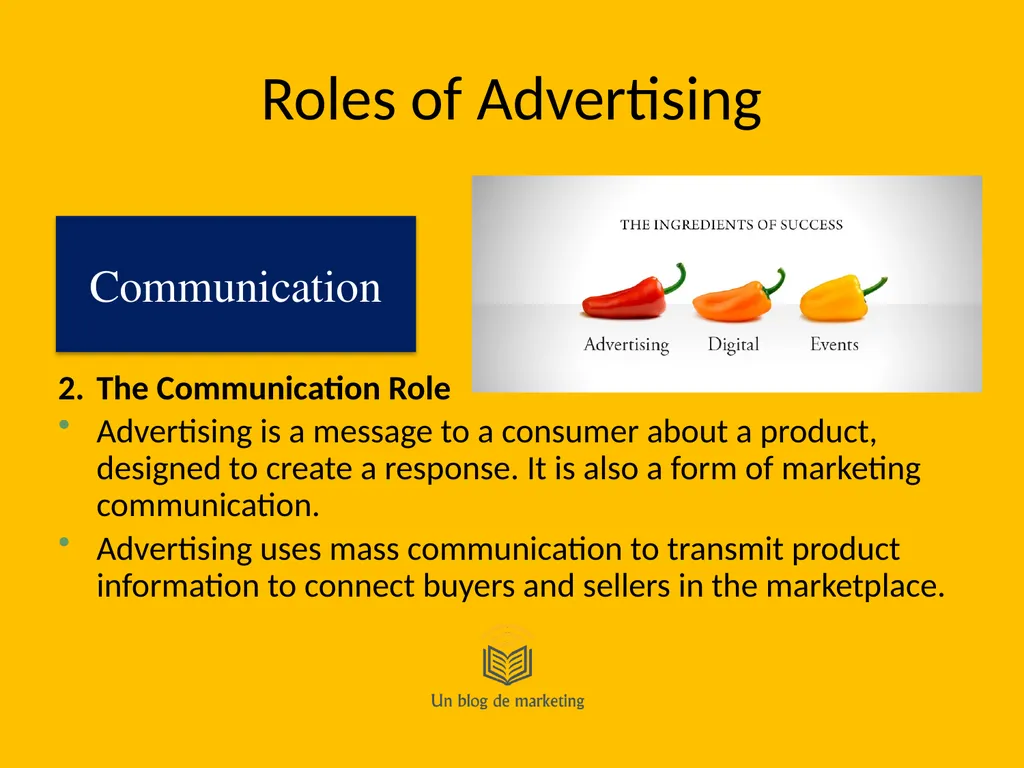
Advertising is a message to a consumer about a product, designed to create a response. It is also a form of marketing communication.
Advertising uses mass communication to transmit product information to connect buyers and sellers in the marketplace.<br>
14
Roles of Advertising Economic 3. The Economic Role
Since it reaches large groups of people, advertising makes marketing more cost-efficient if well executed.
Advertising creates a demand for a brand using hard sell (persuading) and soft sell (image building) techniques.<br>
15
Roles of Advertising Societal 4. The Societal Role
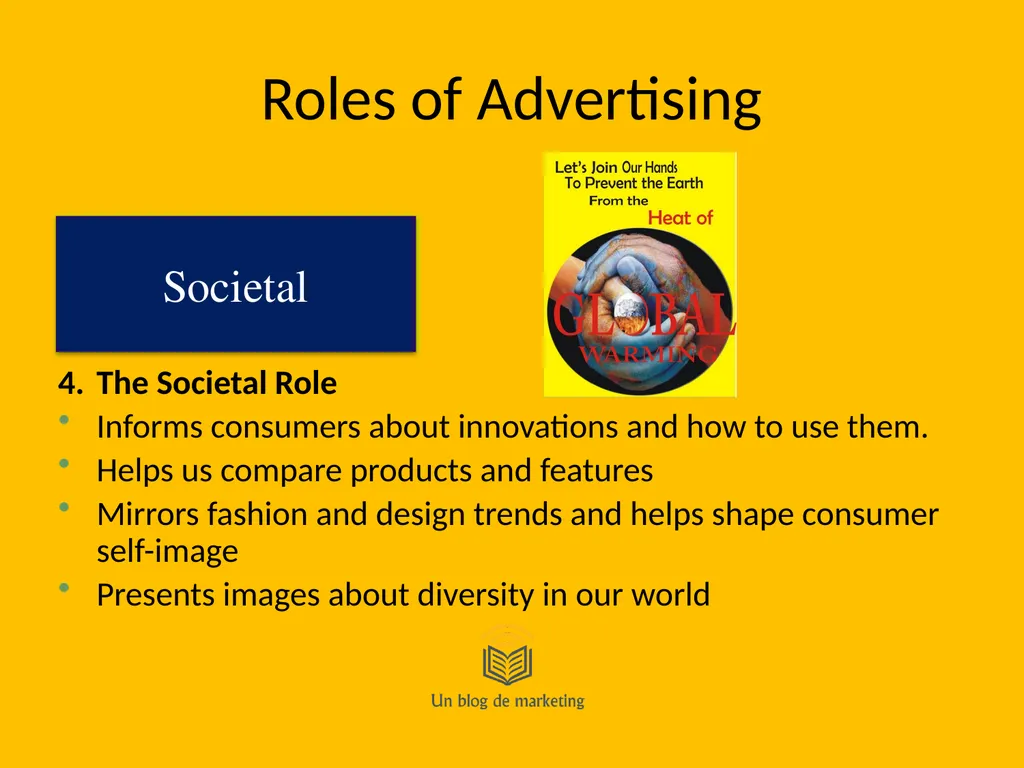
Informs consumers about innovations and how to use them.
Helps us compare products and features
Mirrors fashion and design trends and helps shape consumer self-image
Presents images about diversity in our world<br>
16
The types of Advertising<br>
17
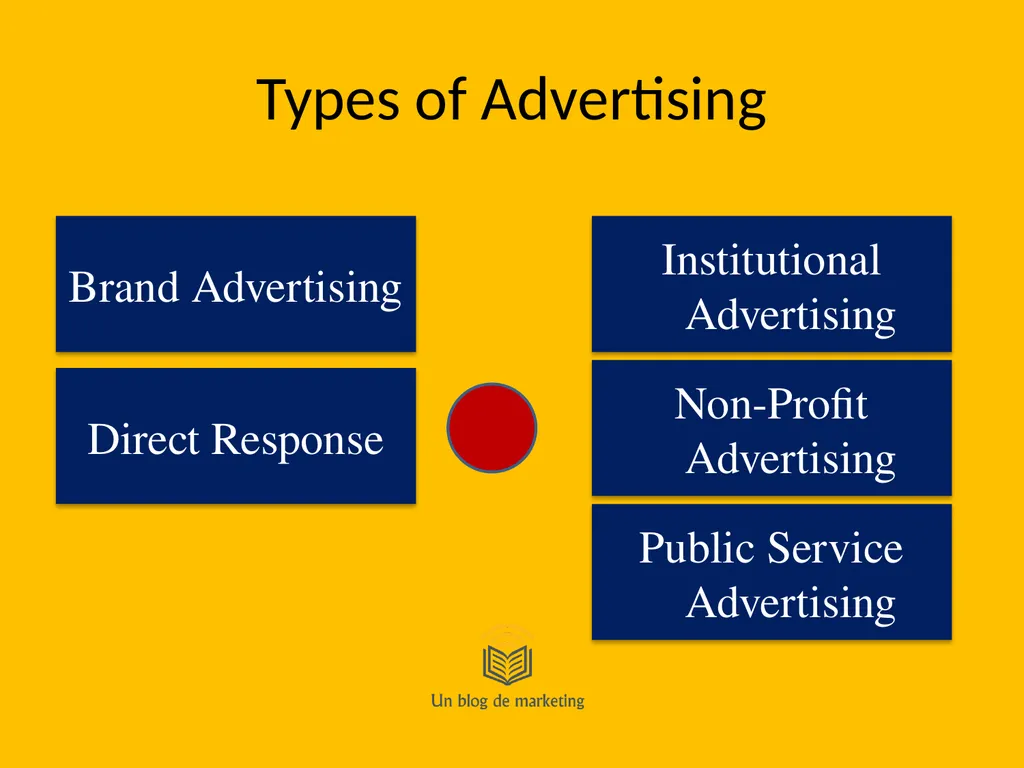
Types of Advertising Brand Advertising Institutional Advertising Direct Response Non-Profit Advertising Public Service Advertising<br>
18
The Objectives of Advertising<br>
19
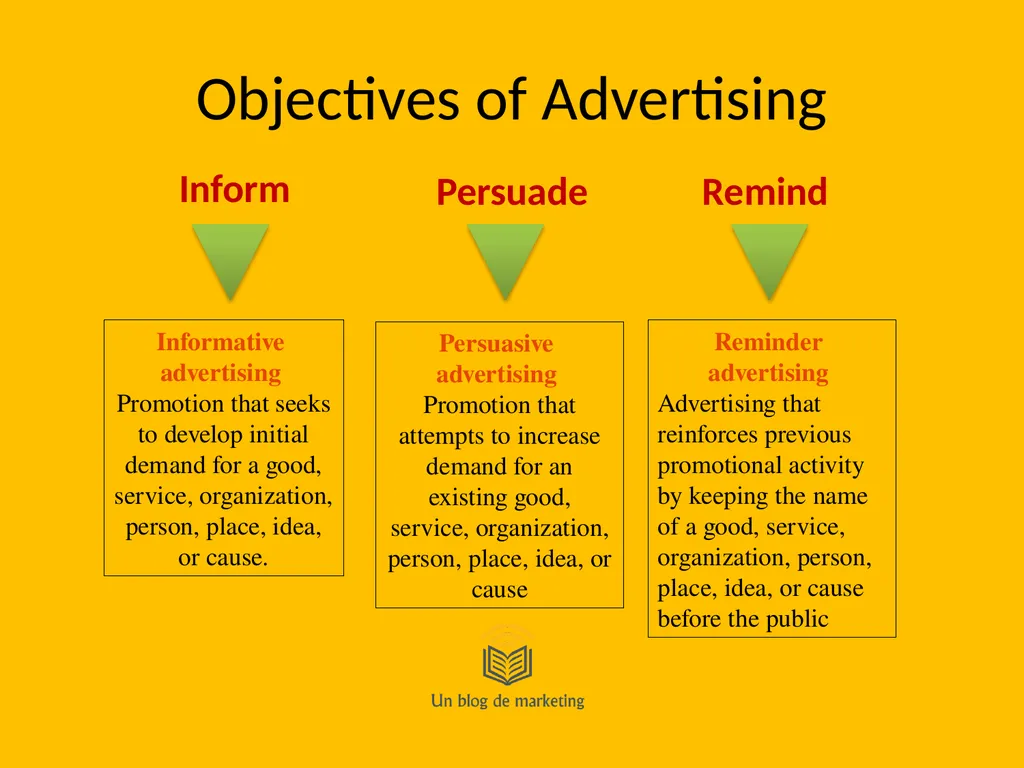
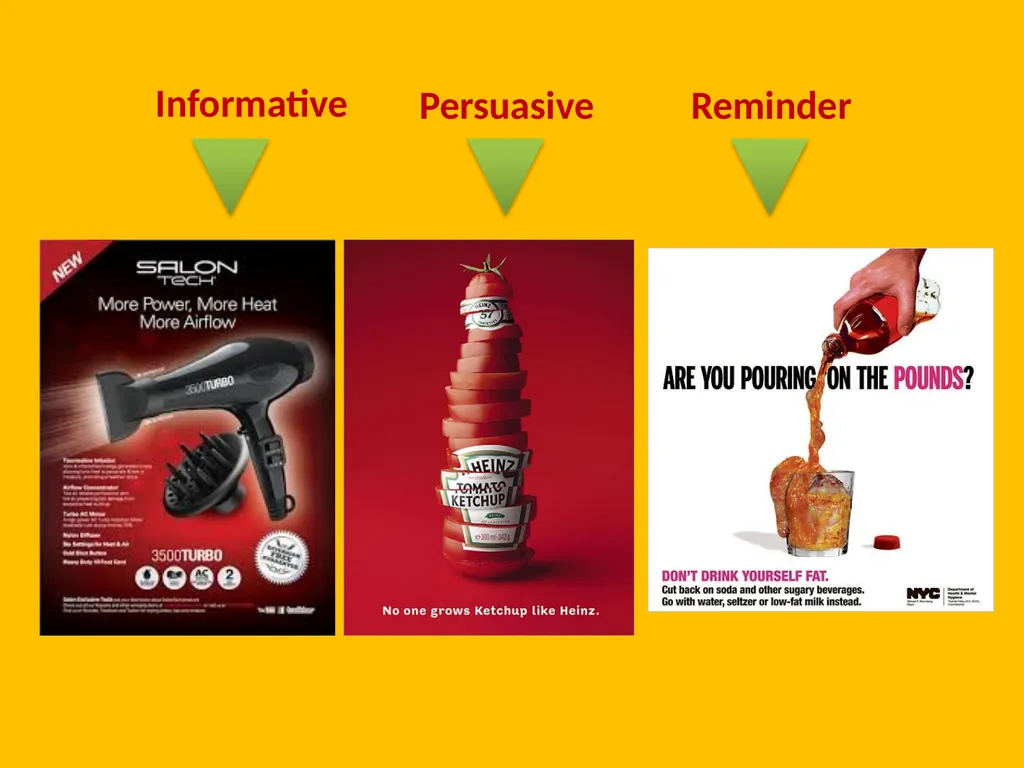
Objectives of Advertising Inform Persuade Remind Informative
advertising
Promotion that seeks to develop initial demand for a good, service, organization, person, place, idea, or cause. Persuasive
advertising
Promotion that attempts to increase demand for an existing good, service, organization, person, place, idea, or cause Reminder
advertising
Advertising that reinforces previous promotional activity by keeping the name of a good, service, organization, person, place, idea, or cause before the public<br>
20
Informative Persuasive Reminder<br>
21
The Key players in Advertising<br>
22
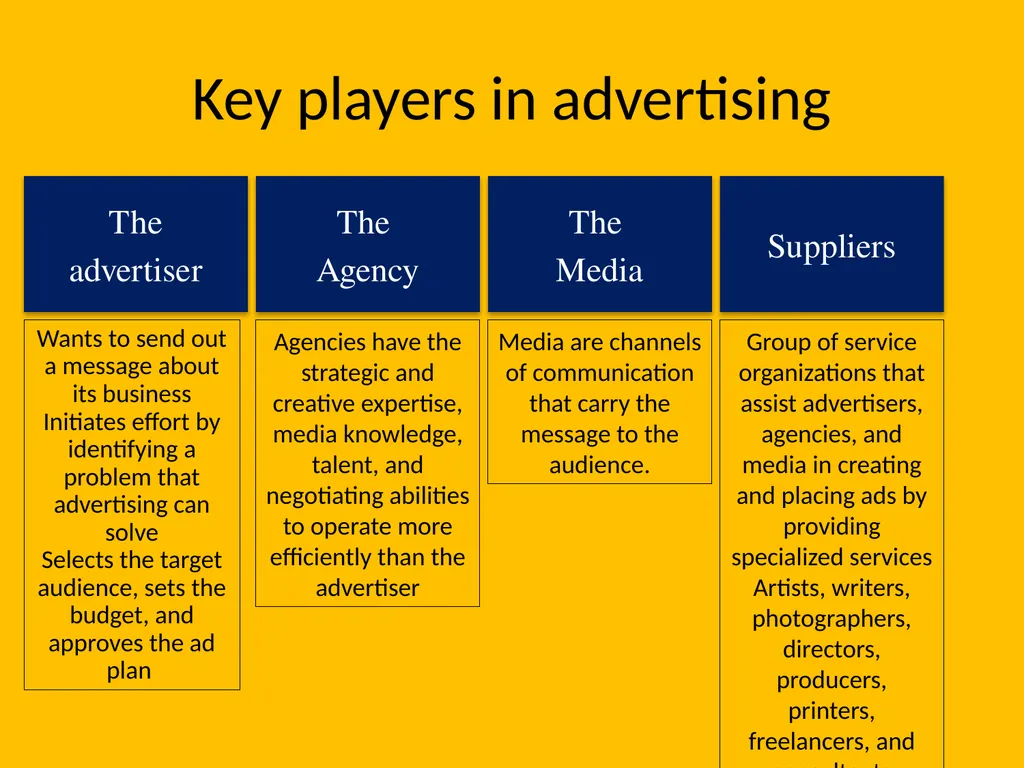
Key players in advertising The
advertiser The
Agency The
Media Wants to send out a message about its business
Initiates effort by identifying a problem that advertising can solve
Selects the target audience, sets the budget, and approves the ad plan Agencies have the strategic and creative expertise, media knowledge, talent, and negotiating abilities to operate more efficiently than the advertiser Suppliers Media are channels of communication that carry the message to the audience. Group of service organizations that assist advertisers, agencies, and media in creating and placing ads by providing specialized services
Artists, writers, photographers, directors, producers, printers, freelancers, and consultants<br>
23
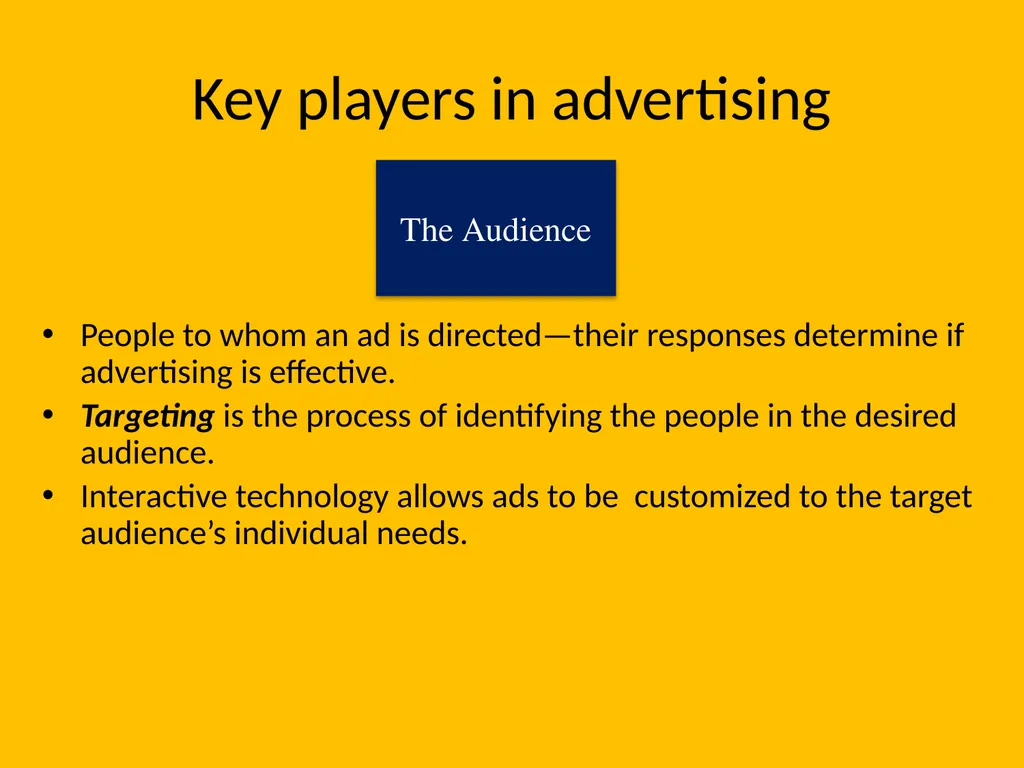
Key players in advertising The Audience People to whom an ad is directed—their responses determine if advertising is effective.
Targeting is the process of identifying the people in the desired audience.
Interactive technology allows ads to be customized to the target audience’s individual needs.<br>
24
Advertising Strategies<br>
25
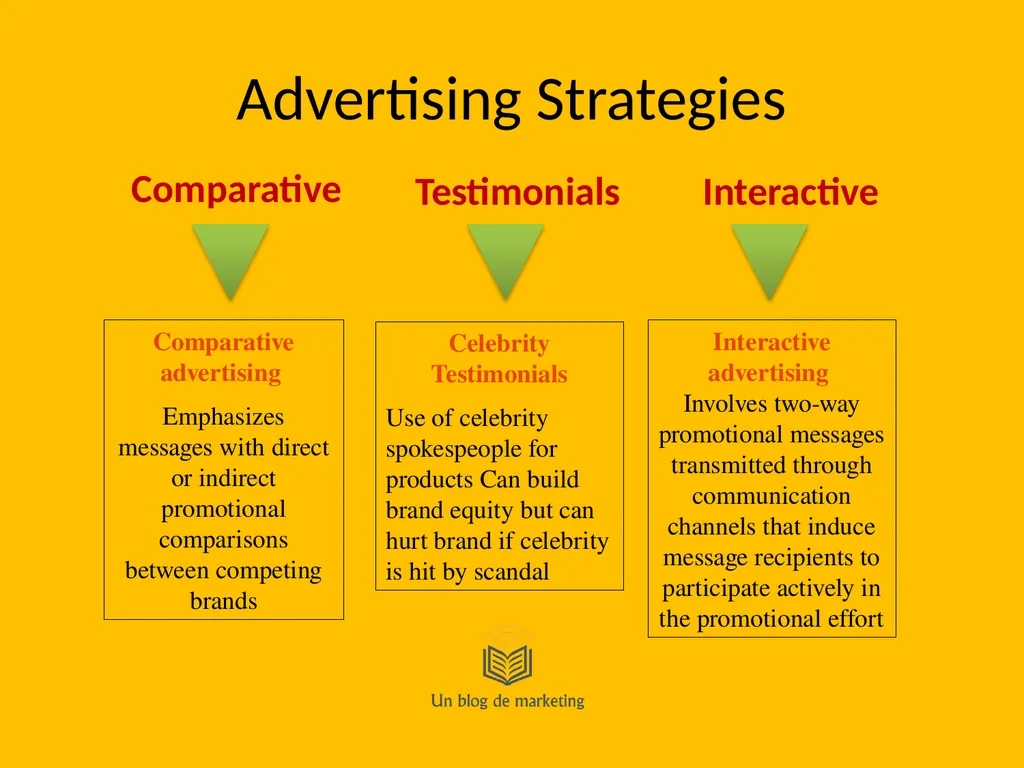
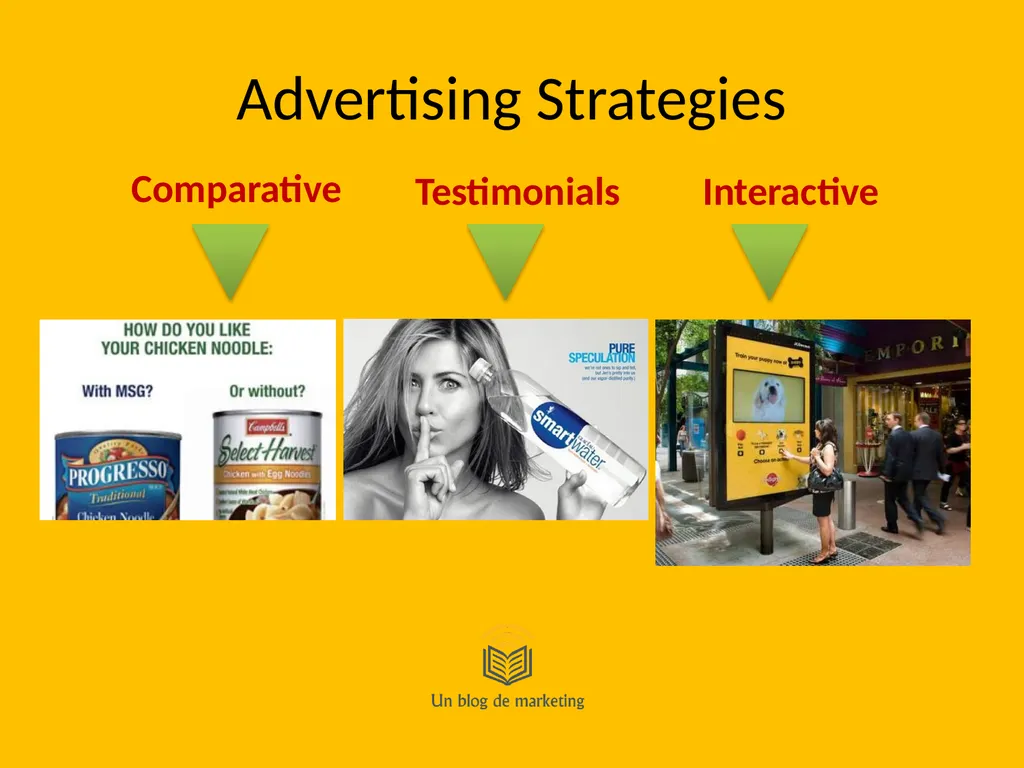
Advertising Strategies Comparative Testimonials Interactive Comparative advertising
Emphasizes messages with direct or indirect promotional comparisons between competing brands Celebrity Testimonials
Use of celebrity spokespeople for products Can build brand equity but can hurt brand if celebrity is hit by scandal Interactive
advertising
Involves two-way promotional messages transmitted through communication channels that induce message recipients to participate actively in the promotional effort<br>
26
Advertising Strategies Comparative Testimonials Interactive<br>
27
Advertising Principles�The End<br>